Automotive, Marine, Rail
Featured
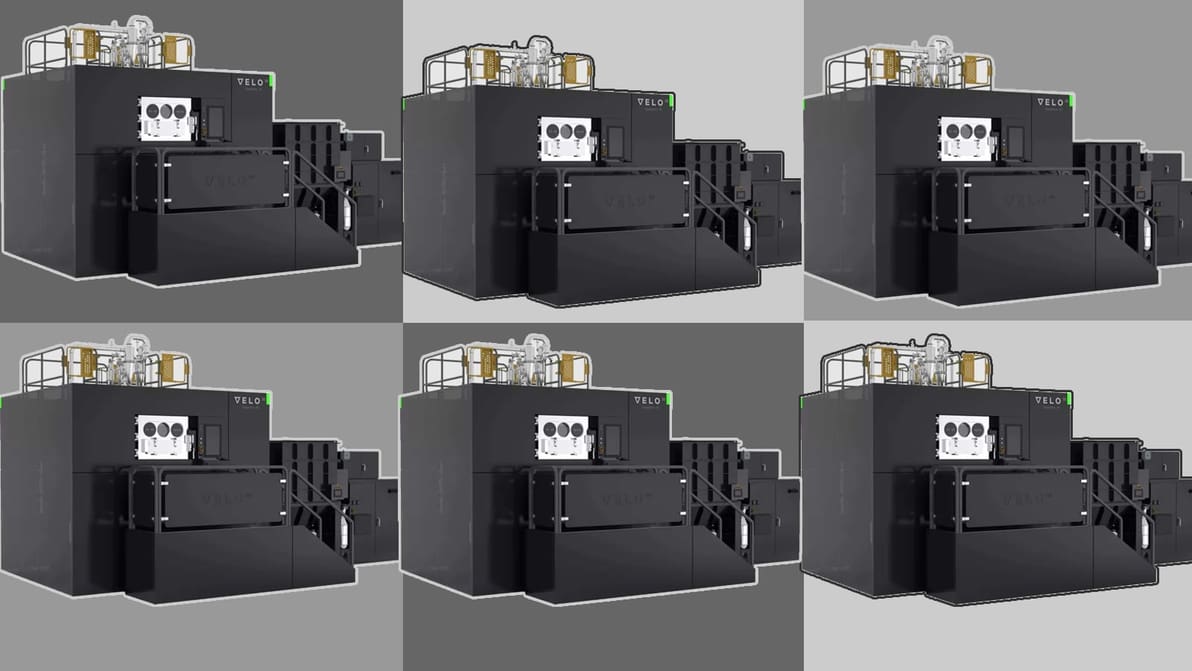
Mears' latest Velo3D investment signals a shift from qualification to production, adding dedicated copper-nickel capacity for marine parts traditionally made by casting.

From vents and caps to pistons, fully functional car parts can be 3D printed. Here's everything you should know about 3D printed car parts!
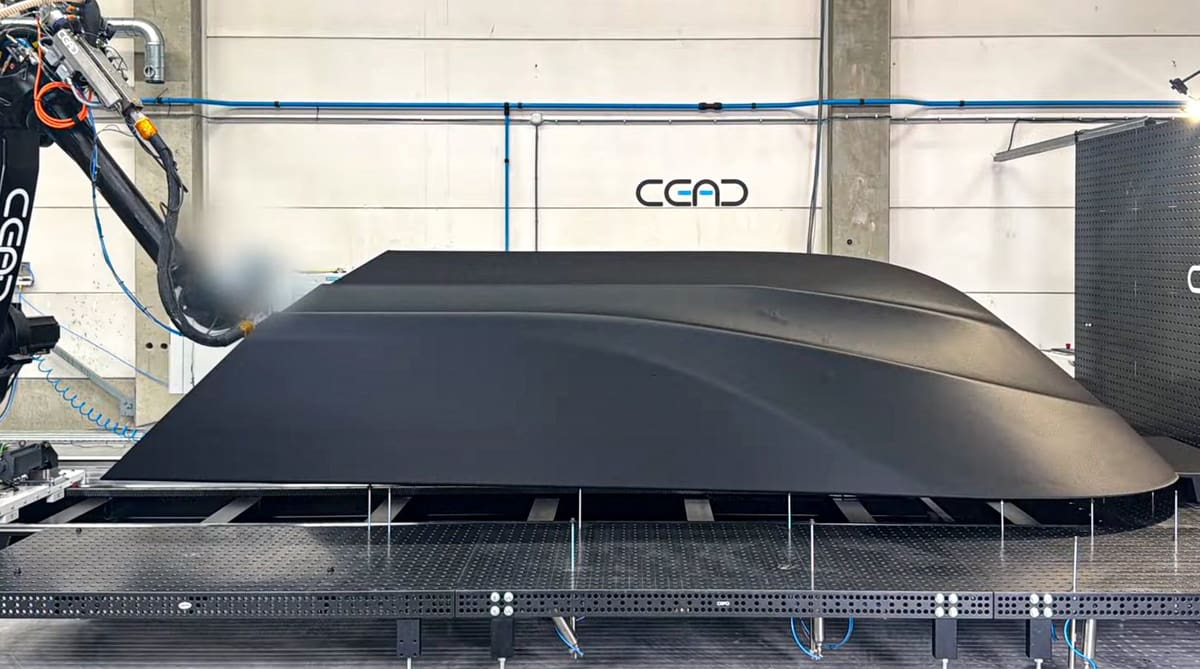
Large format polymer 3D printer and material manufacturer CEAD aims to disrupt the boat-building business with its new specialized factory.
Latest
Mears' latest Velo3D investment signals a shift from qualification to production, adding dedicated copper-nickel capacity for marine parts traditionally made by casting.
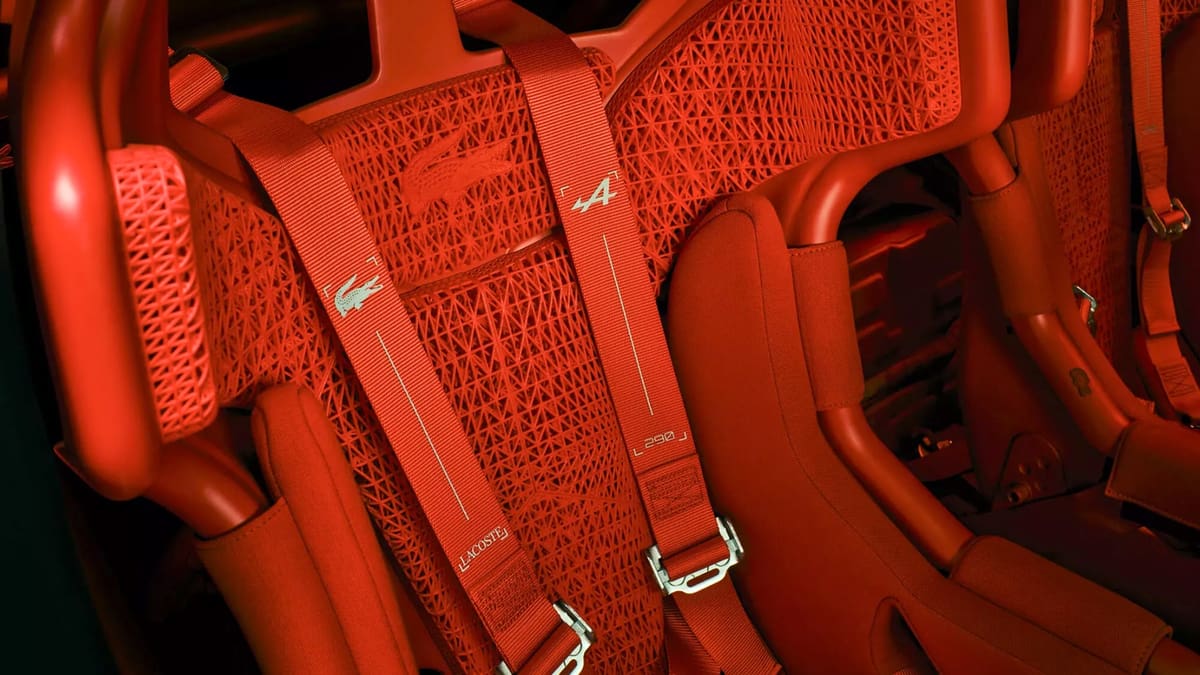
Lacoste and Alpine are giving their one-off electric rally car the full French-performance treatment, right down to where the "Crocopilot" parks his derrière. Parts of the rally seats are 3D printed using lattice structures designed to balance light weight, comfort, and performance. In rallying, where every kilogram counts, it’s a nice example of additive manufacturing doing delivering less material, useful cushioning, and function baked into the geometry.
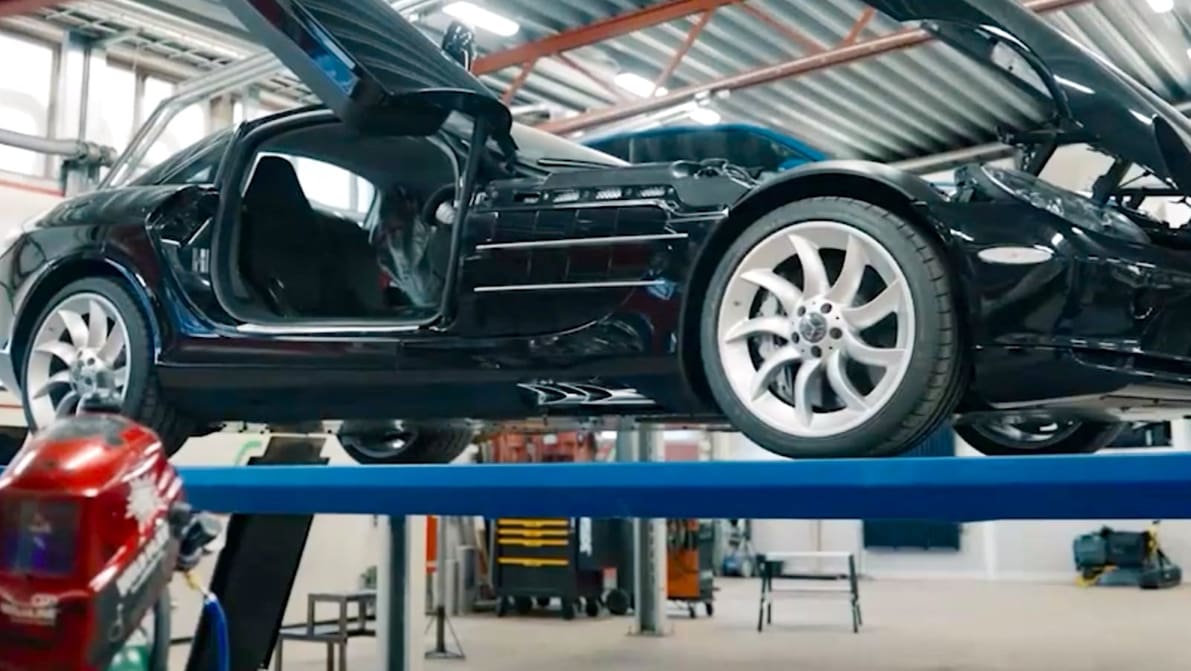
Swedish exhaust specialist Ferrita used a Meltio robotic wire-laser DED system to produce two matching stainless-steel side-exhaust tip assemblies for a customized Mercedes-Benz SLR McLaren, reportedly halving the cost of conventional production.
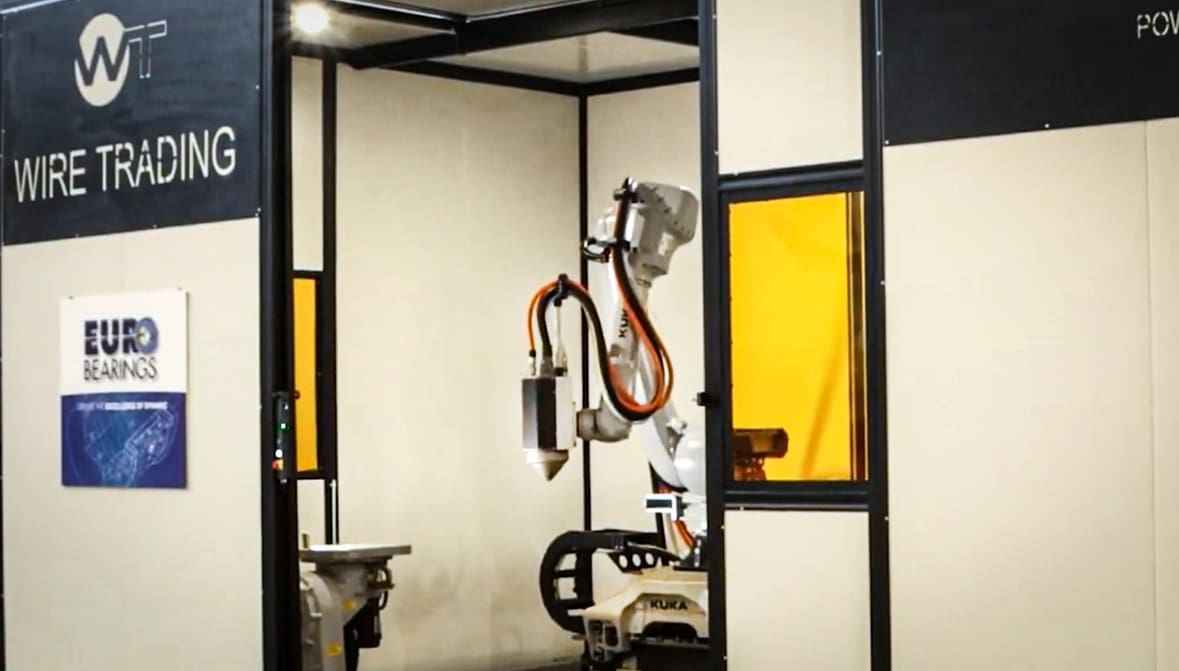
By integrating Meltio’s metal wire DED technology, Italian specialist Eurobearings is replacing weeks of traditional machining and welding with days of additive manufacturing to repair and produce massive industrial components.
Cadillac’s Formula 1 team is hit he accelerator before it even hit the pavement, deploying seven of 3D Systems’ SLA 3D printing systems to speed parts development ahead of its 2026 Formula 1 debut. The team is used 3D Systems’ large-format resin 3D printers, software, Accura materials and Application Innovation Group expertise on tool-free manufacturing that cut weeks of lead time and costs. Check out this behind the scenes video about the engineering process.

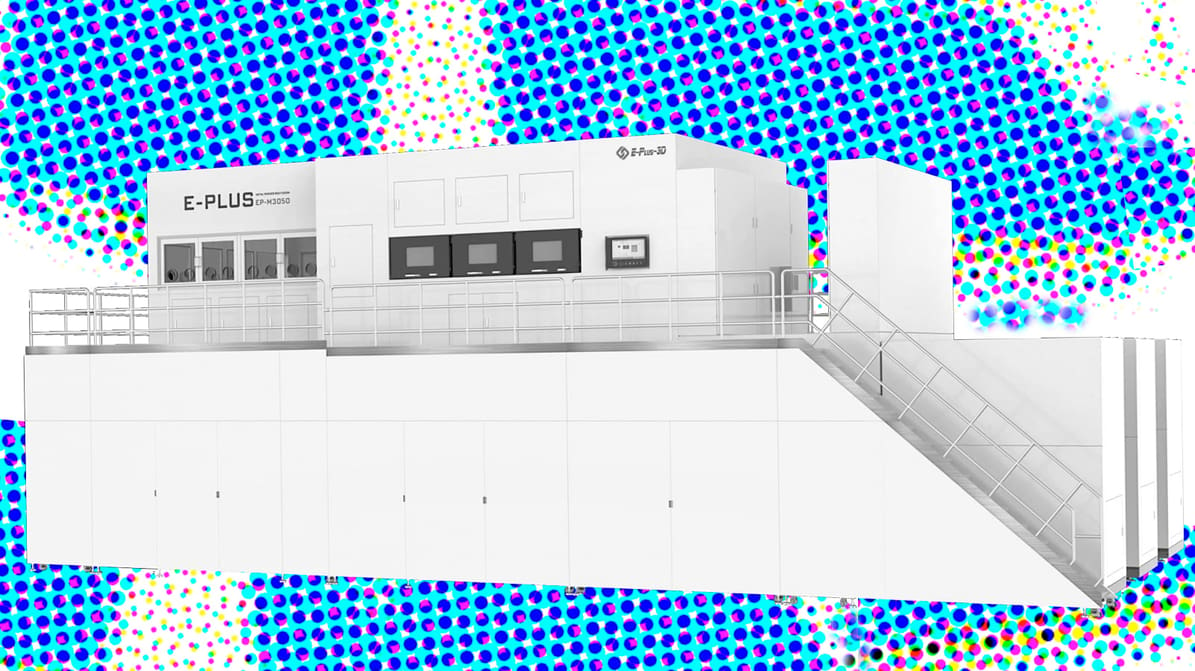
By coordinating 100 lasers across a massive 3,050 mm build plate, this ultra-large-format system for titanium, aluminum, steel and more, eliminates the need for welding rocket thrusters or structural aerospace parts.
Commencing late 2026 and running through 2027, the contract sees the company's metal WAM-based tech printing five high-demand, non-safety critical components for live service trials. Printed in a Navy-qualified Nickel-Aluminum-Bronze (NAB) alloy, originals of the parts in question are no longer available or supported by the original manufacturer.

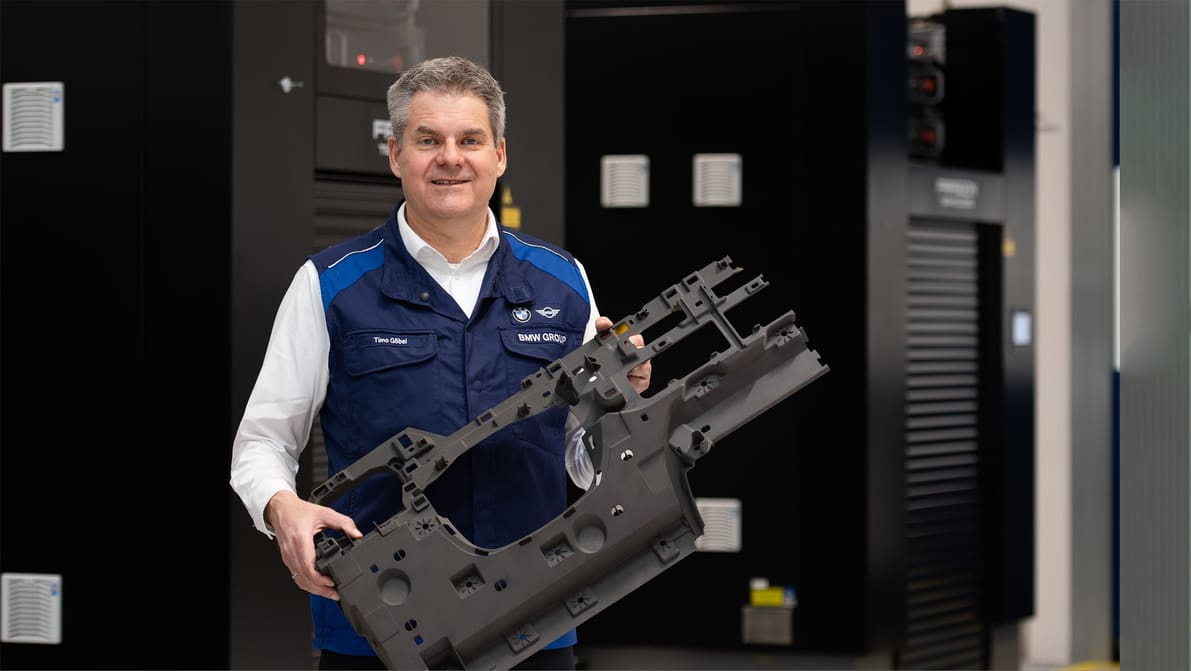
BMW’s transition to automated, open-material additive manufacturing moves beyond prototyping to a fully integrated production ecosystem, potentially replacing traditional machine tooling with 3D printing across the entire vehicle lifecycle.
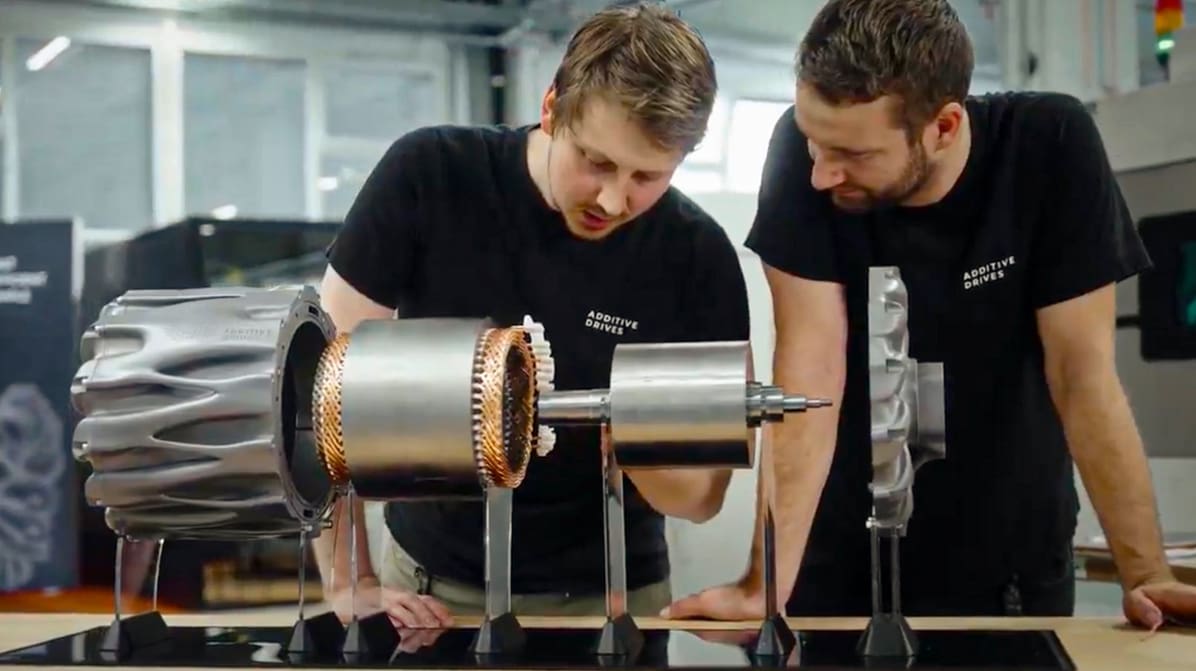
With €25 million in new funding and innovative 3D printing techniques, researchers and startups are now achieving 98% efficiency in electric motors—while slashing the need for critical and rare minerals.
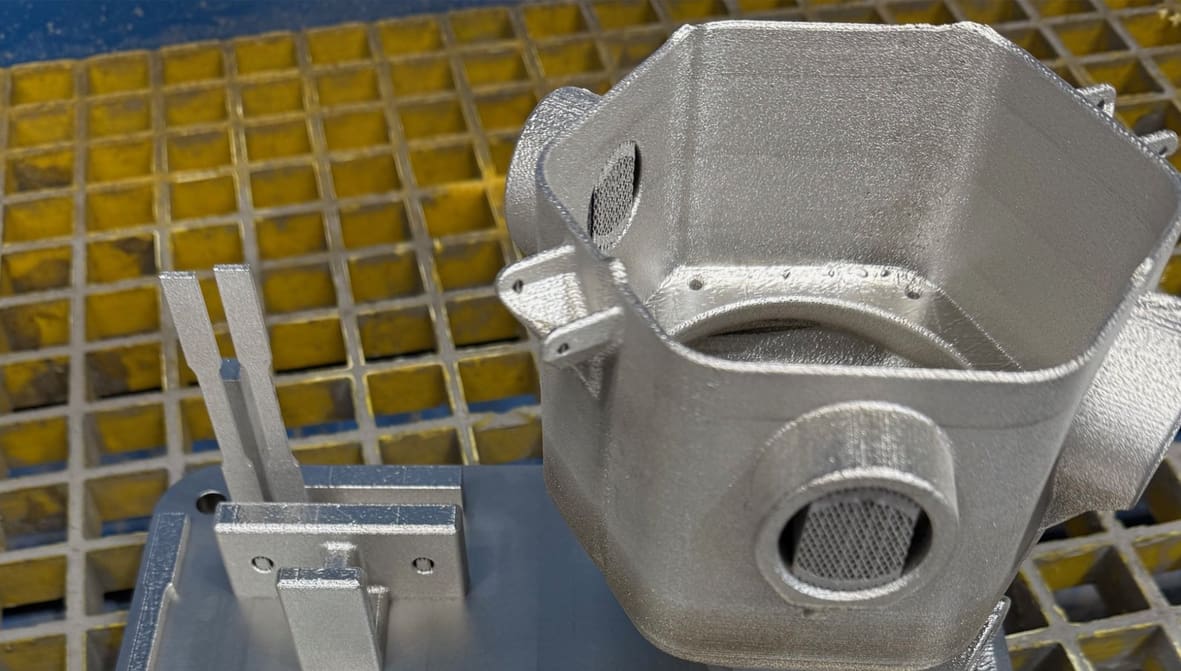
Research proves that a 3D printed redesign of a traditional oil industry device can consolidate complex assemblies into a single, high-performance part.
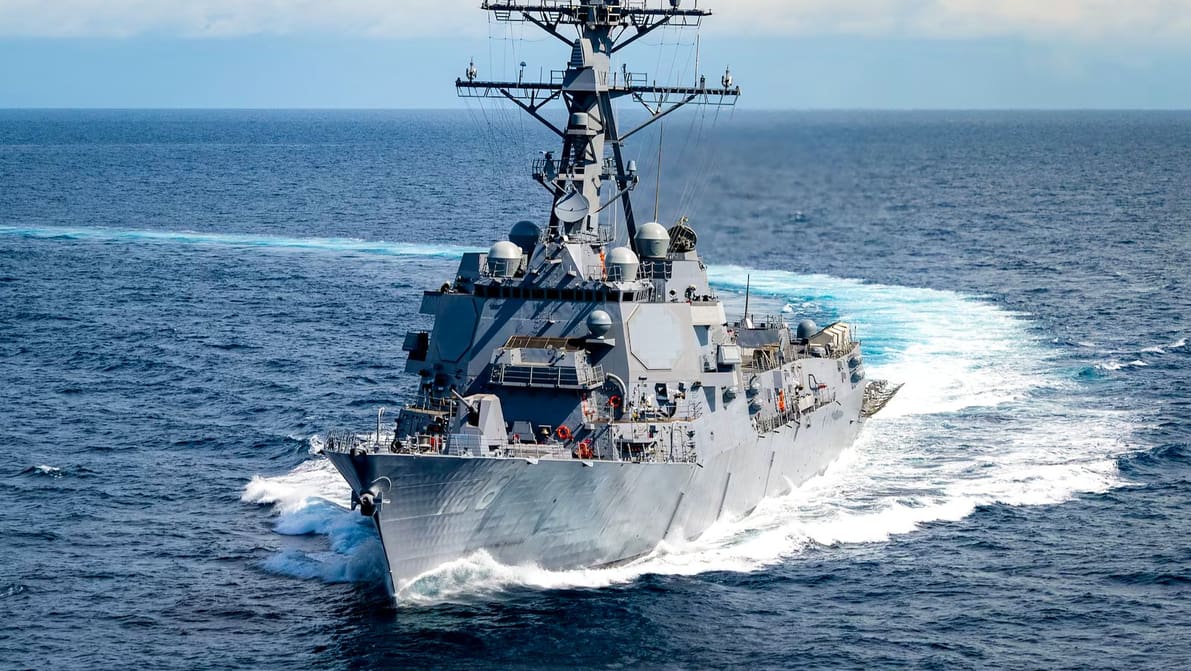
From 60% faster material testing to critical submarine components printed at sea, the U.S. Navy is moving past experimentation to build a self-sustaining, 3D printed frontline.

Toyota turns to a new aluminum material and 3D printing method to make large, complex die casting tools.
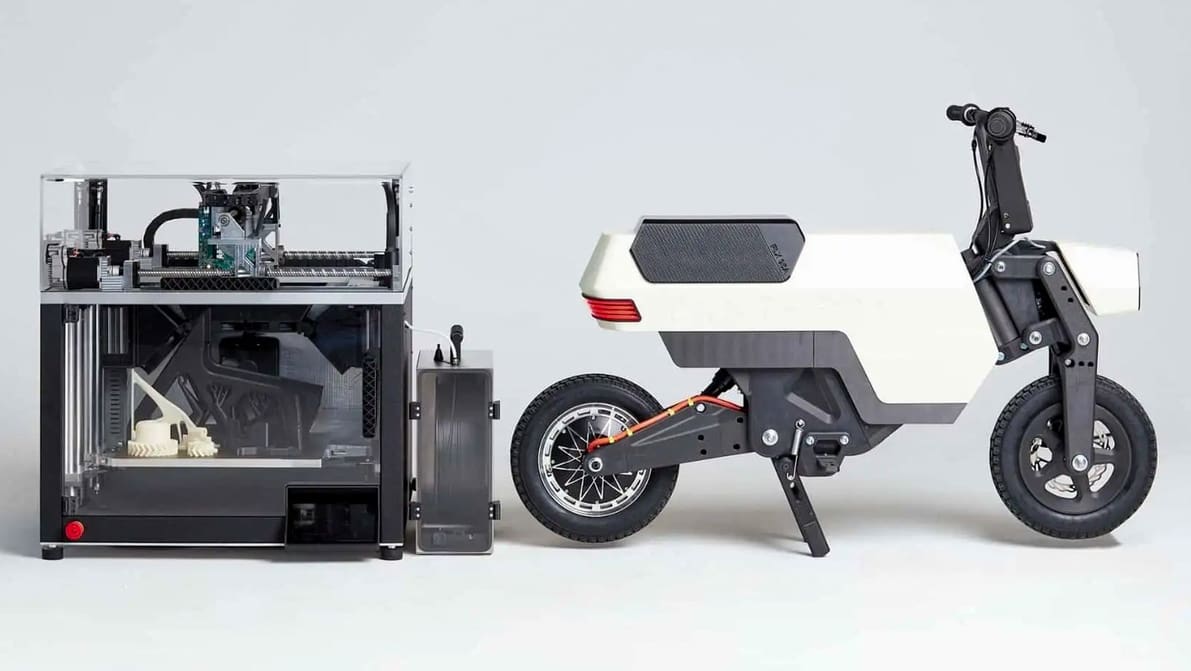
Canadian 3D printing startup, printed all the structural components for a fully functional motorbike — and the viral video proves it holds up to the ride.
Large format polymer 3D printer and material manufacturer CEAD aims to disrupt the boat-building business with its new specialized factory.
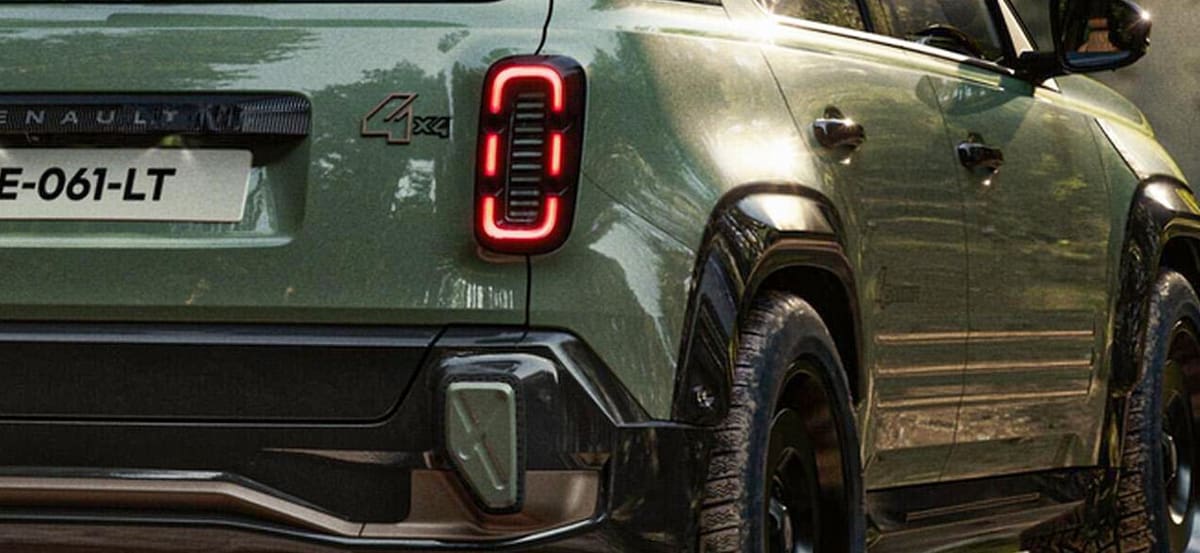
The automobile press is enamoured with the new Renault Savane 4x4 concept car. We like the 3D printed lattice bumpers. They're not conventional bumpers, but "shock-absorbing stops" (shown below under the brake light) that enable drivers to bump something without causing any damaging to the car. Will they make it into production? We'll see.
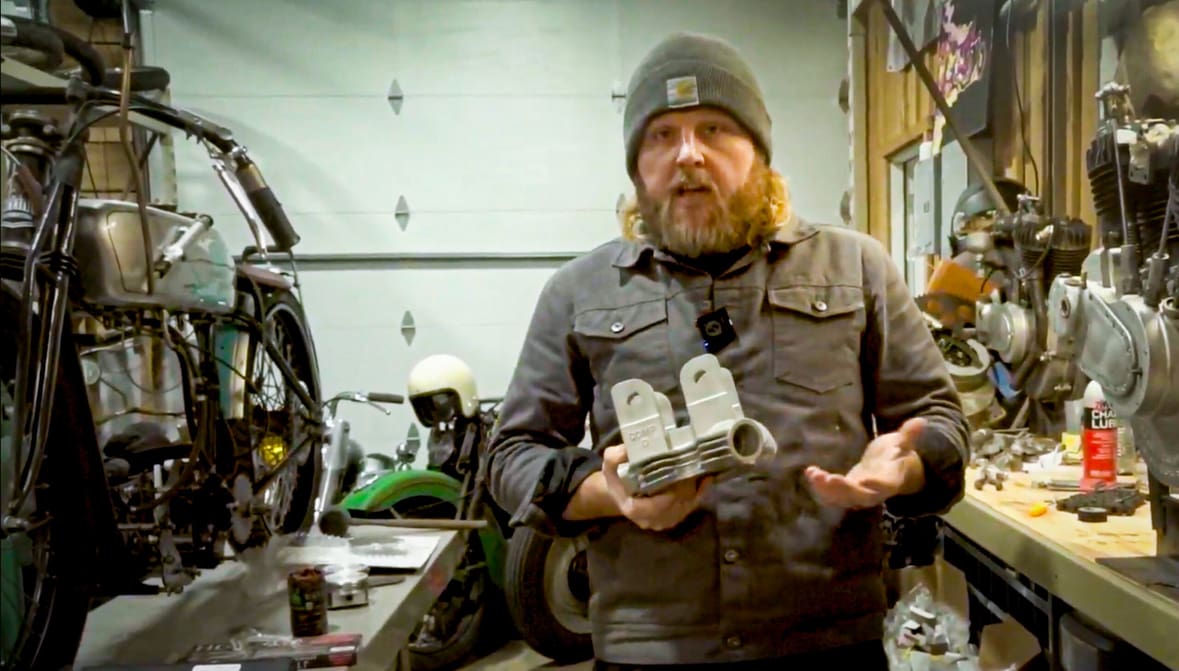
One small motorcycle garage in Pennsylvania is a glimpse into the future of metal additive manufacturing adoption across any machine shop.
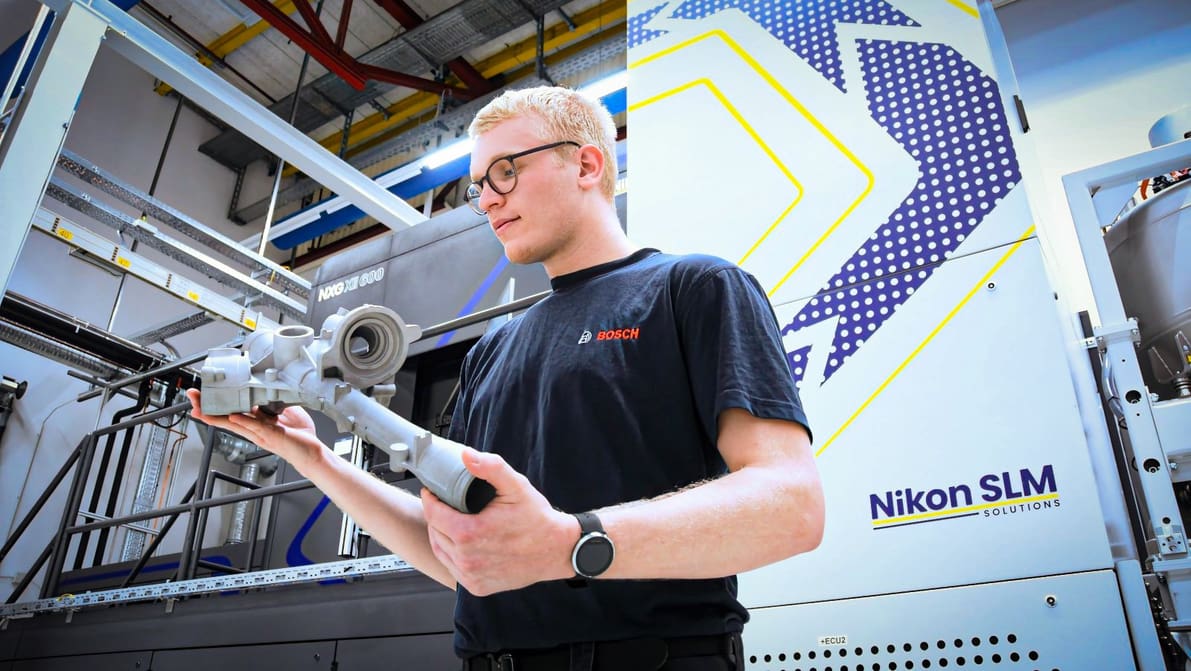
Speed, precision, flexibility, and energy efficiency are among the reasons for the massive infusion of capital into metal 3D printing, says Bosch. There's a brand new Nikon SLM Solutions NXG XII 600, too.
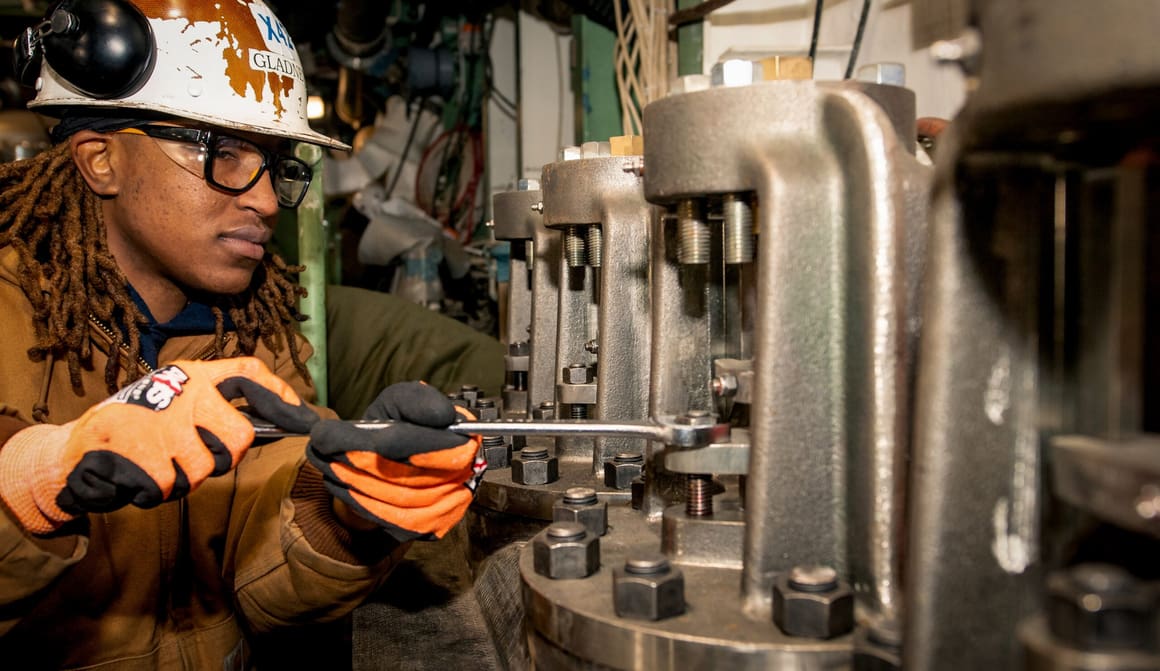
Metal 3D printing is redefining the fundamentals of shipbuilding as more parts are certified for installation onto critical Navy vessels.
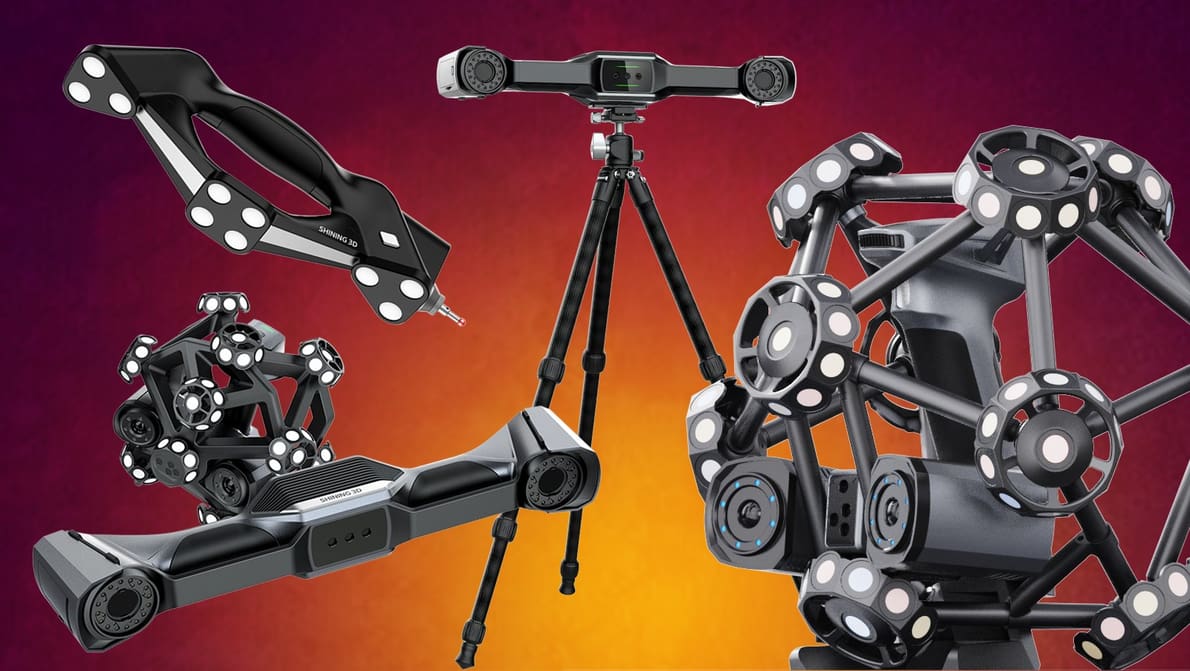
Shining 3D launches its most advanced industrial portable scanning solutions in the new FreeScan Trak Nova and FreeScan Trak ProW.
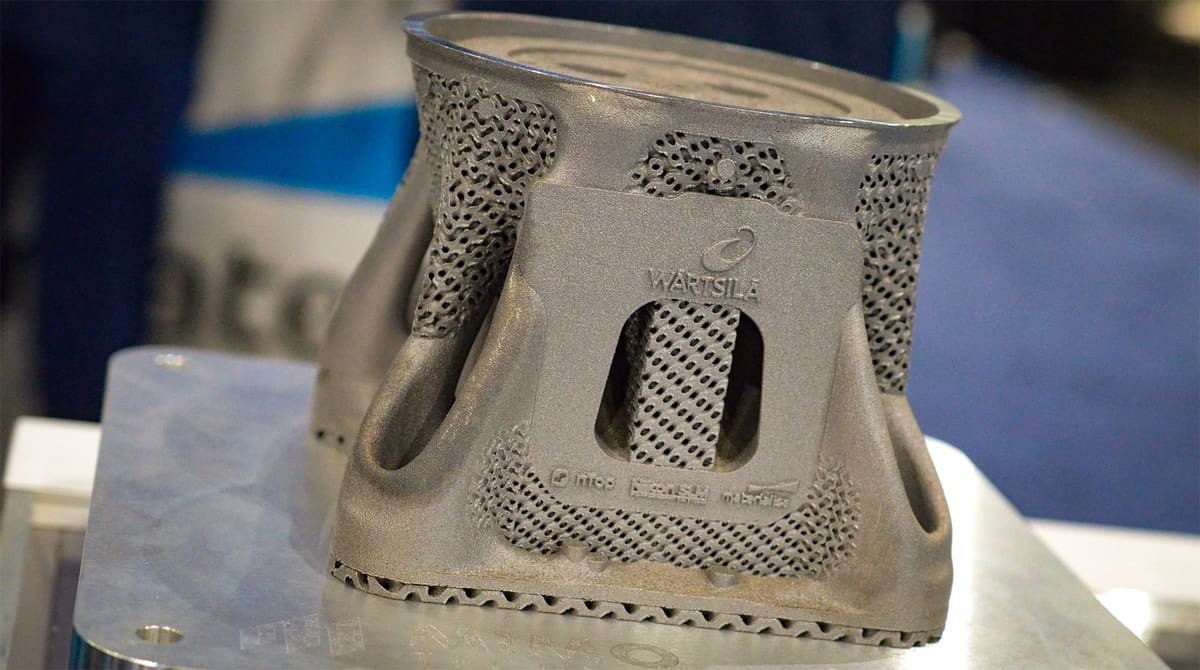
The journey of one marine engine cylinder head from concept to implementation highlights a new development that may accelerate metal 3D printing across industries.