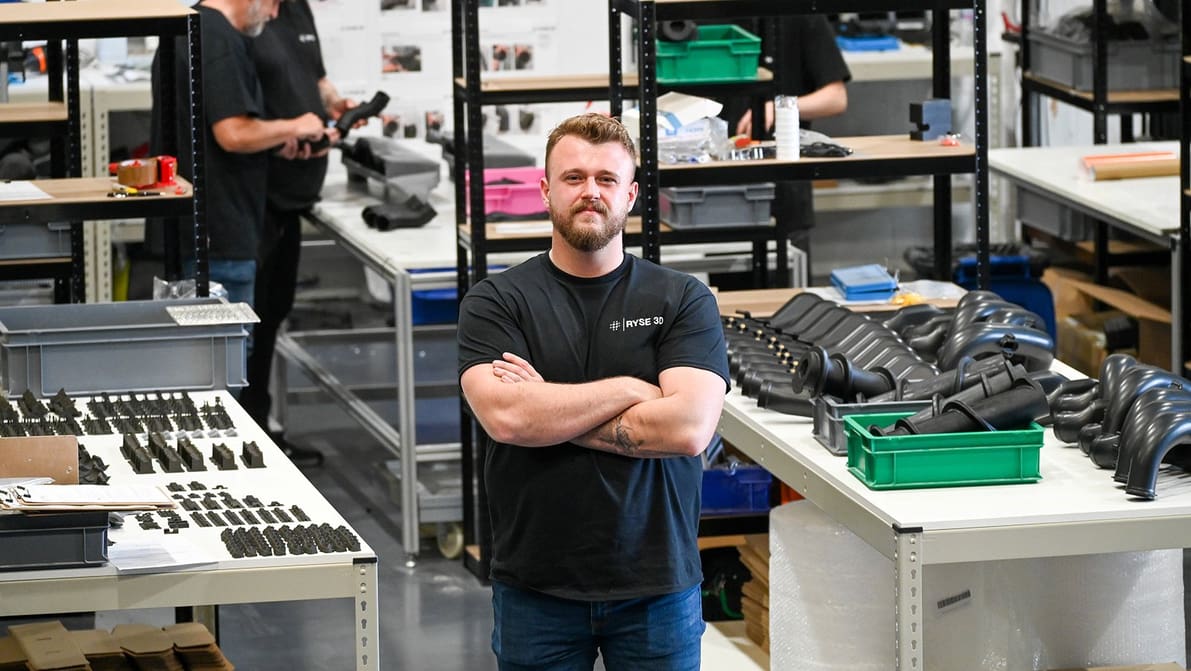
UK-based Ryse 3D has become the top supplier of 3D printed automotive parts for the hypercar industry one job at a time.
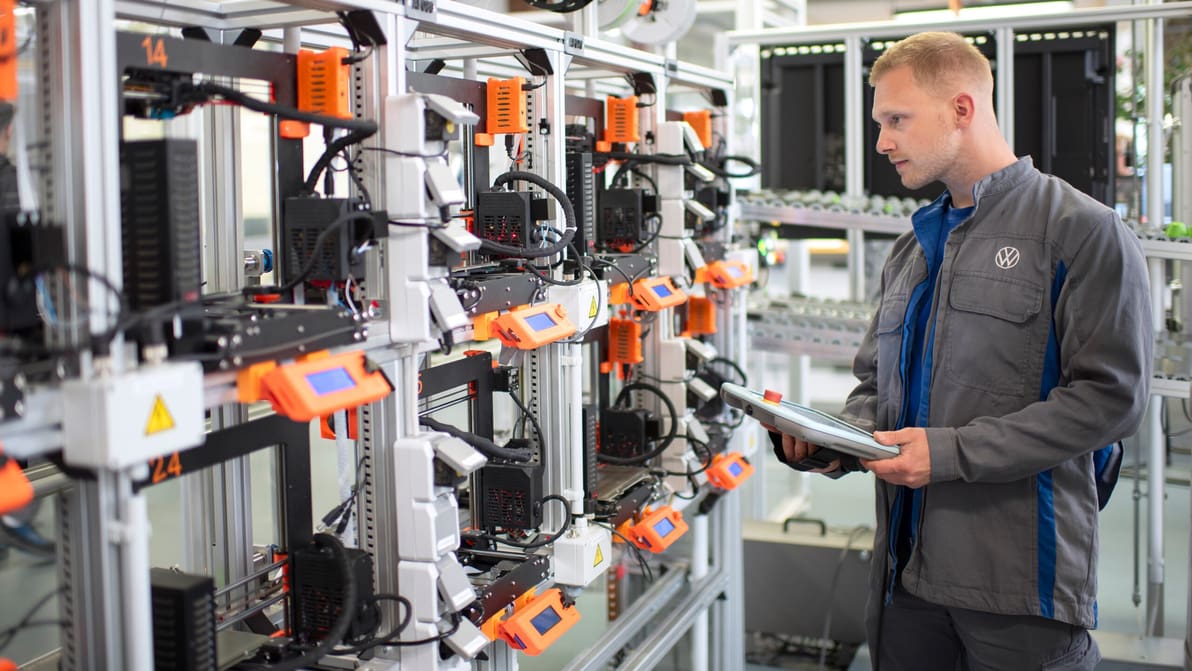
To stay on the cutting edge of manufacturing efficiency and innovation, Volkswagen trains creativity into its employees through 3D printing.
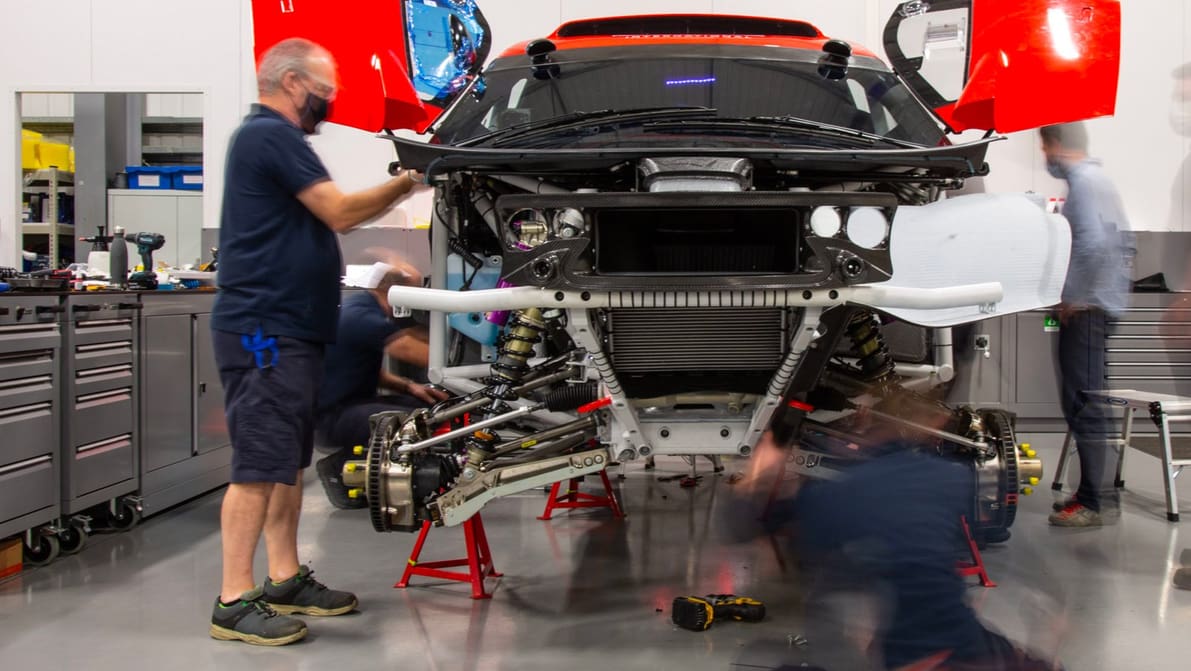
Collision repair shops have the potential to 3D print any part for virtually any car, but a lack of industry certifications stand in the way, for now.
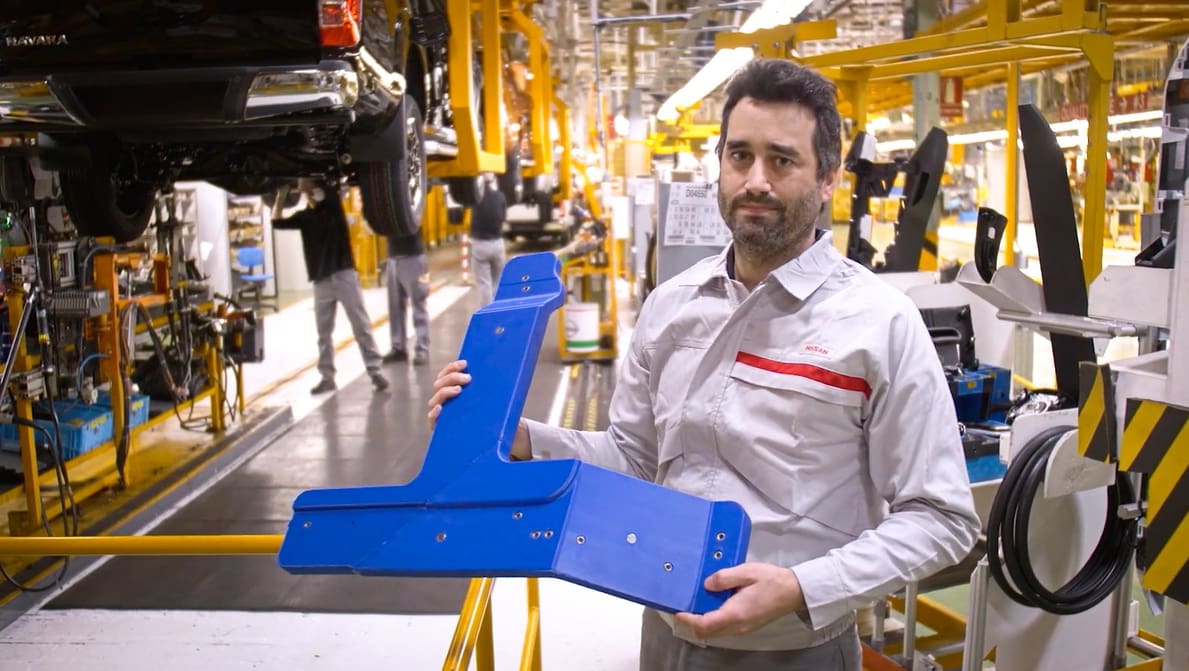
Dozens of 3D printers produce great manufacturing tools, but which is best for you? Get buying advice from one of the industry's top 3D printer experts.
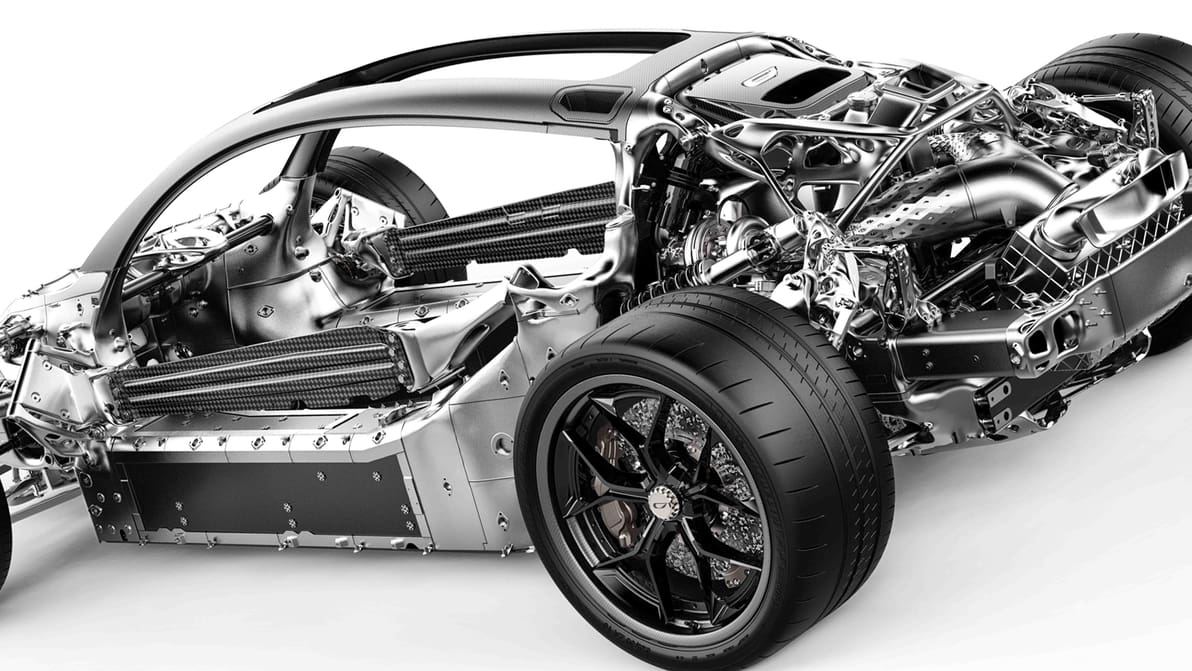
Turn multi-piece components into smaller, lighter, more efficient single parts by redesigning them for additive manufacturing. See why and how.
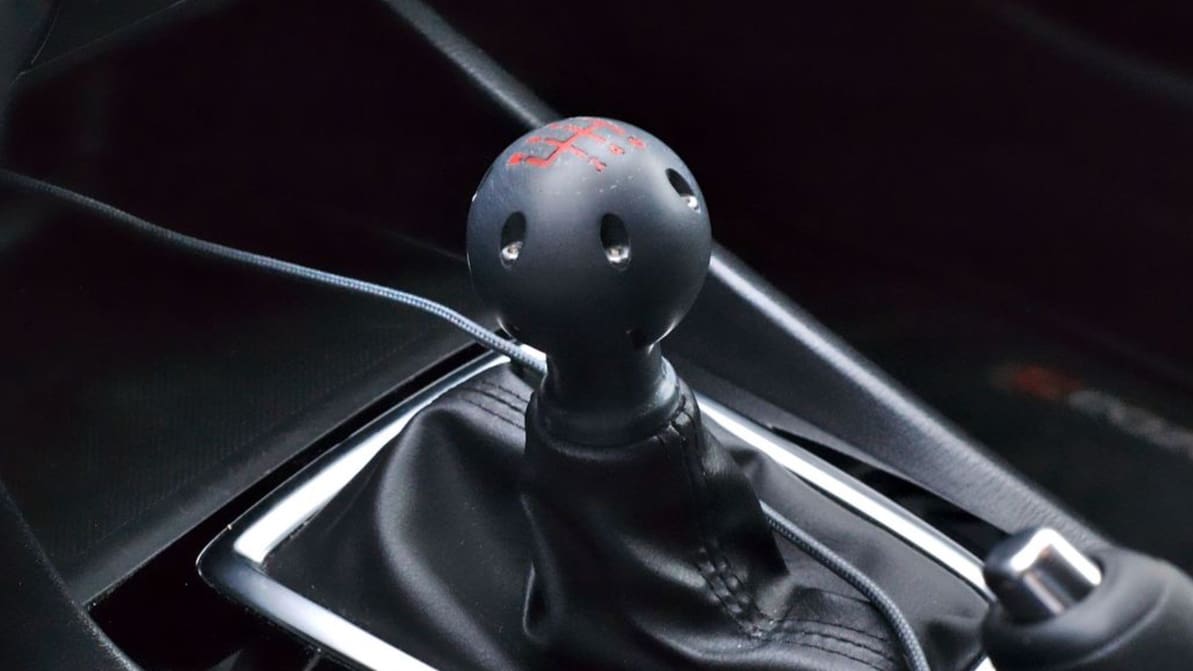
From vents and caps to pistons, fully functional car parts can be 3D printed. Here's everything you should know about 3D printed car parts!

All manufacturers interested in 3D printing should pay attention to how it makes race cars and motorcycles weigh less, go faster, and perform better, and use these lessons in the race to innovation.
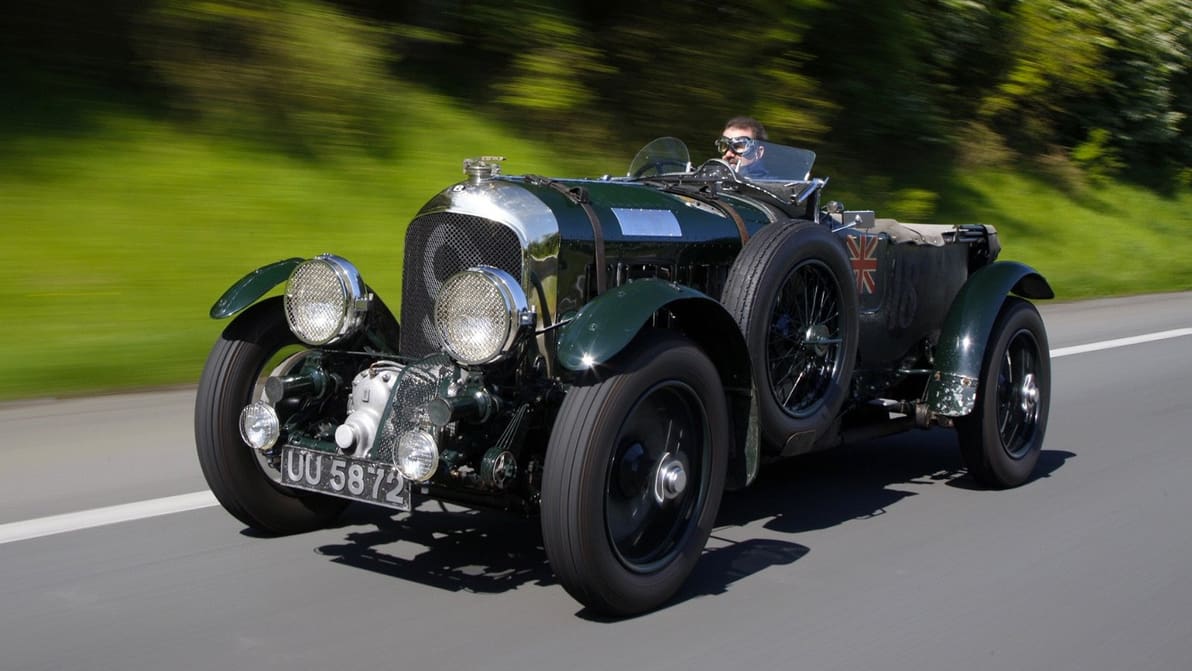
Virtually any vehicle part can be recreated or restored with 3D scanning and 3D printing ensuring that classic cars keep rolling.
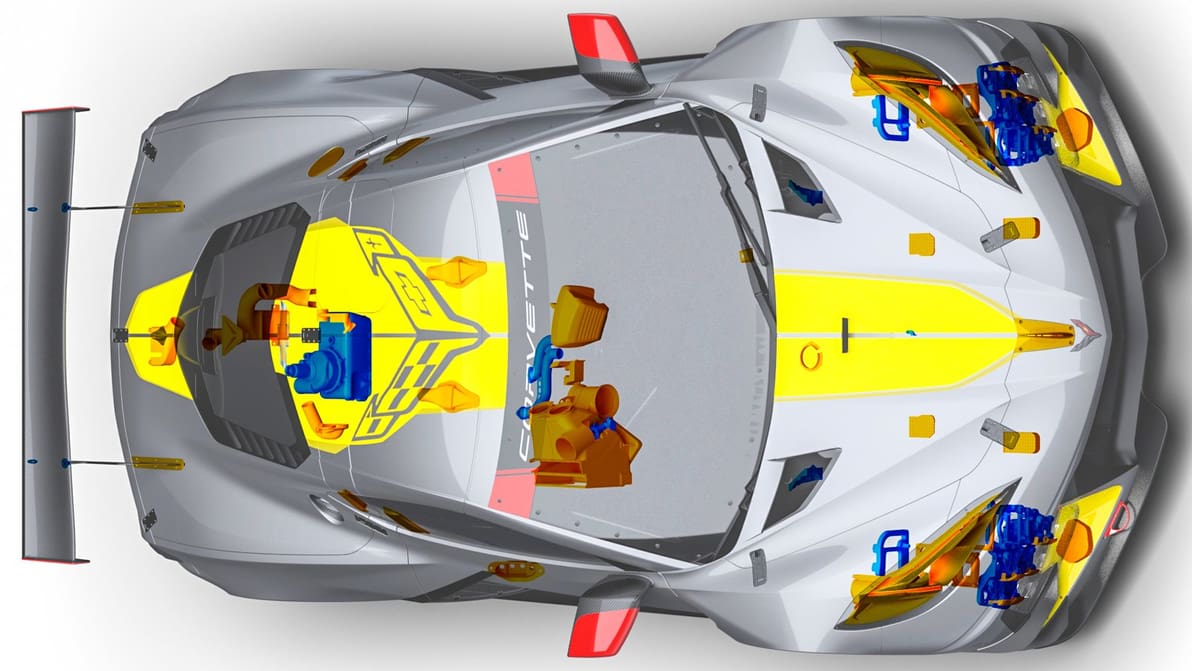
In the 2020 racing season, four of Chevrolet Motorsports race teams drove more than 80,000 miles of competition in vehicles with dozens of 3D-printed parts.

0 to 62 mph in 1.9 seconds. 1,250 horsepower. This partially 3D printed hypercar is one of the fastest cars ever made.
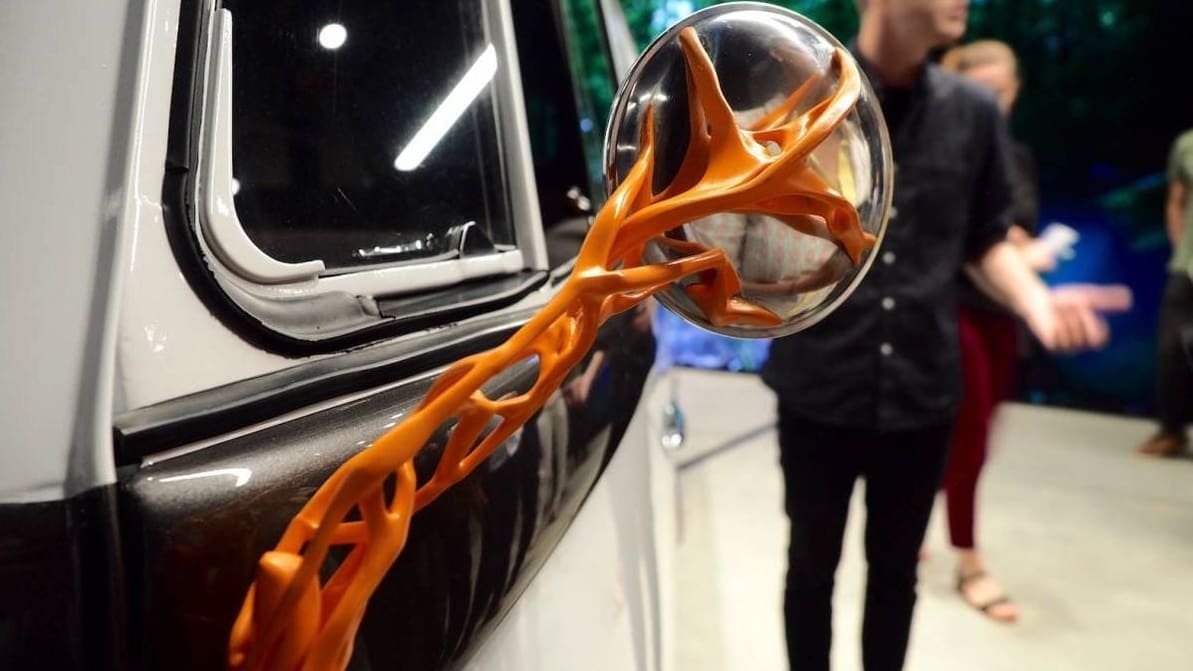
VW, the German automotive manufacturer, has trained Artificial Intelligence to change how car components are made and is manufacturing the resulting parts using 3D printers.
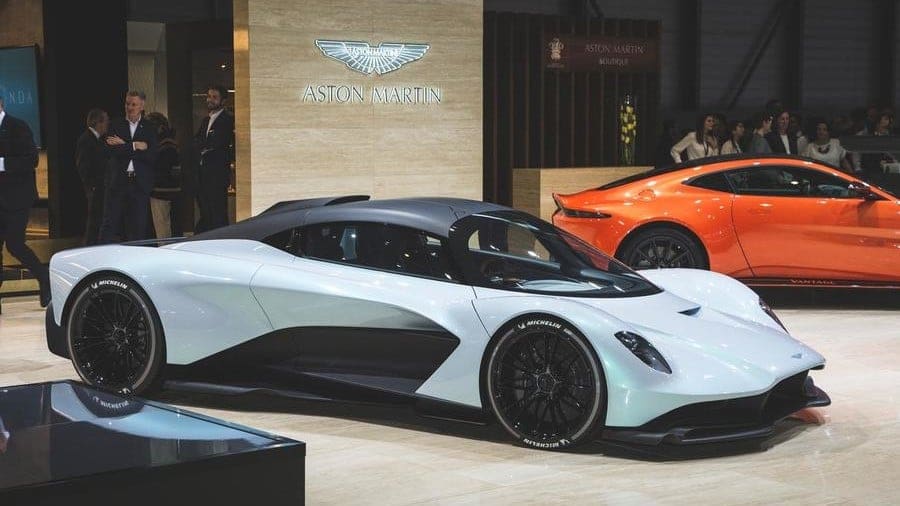
At this year's Geneva Motor Show, Aston Martin launched the AM-RB 003 hypercar which uses 3D printing for interior parts and will be put into production in 2021.
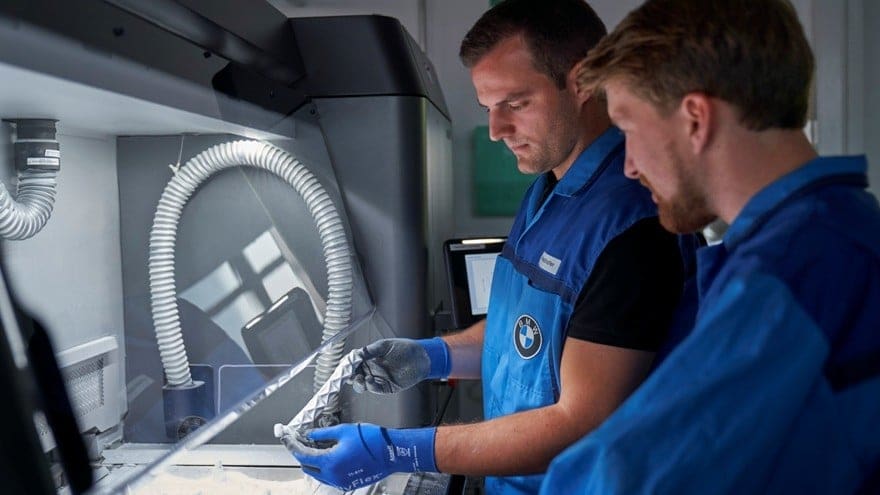
BMW Group recently announced that it has created the company's one-millionth 3D printed component for series production: a window guide rail for the BMW i8 Roadster.
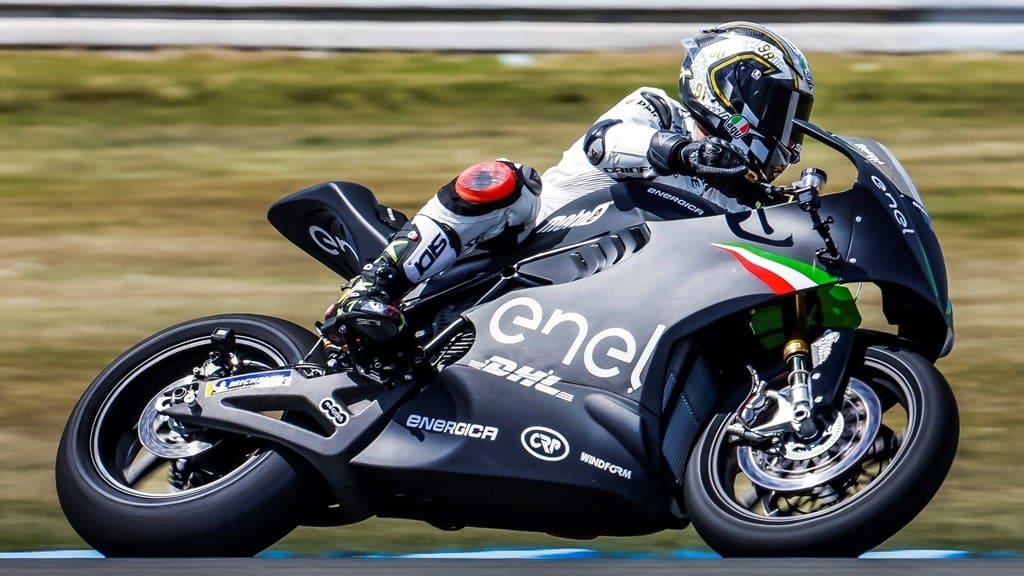
Energica Motor Company, the Italian electric motorcycle manufacturer, and CRP Technology, the 3D Printing company, worked together on 2019 Ego Corsa race bikes for the upcoming FIM Enel MotoE World Cup.

Volkswagen has announced that it will use the new HP Metal Jet system to simplify and speed up production with metal 3D printing. Compared to other metal 3D printing methods, the company claims that this new process will improve productivity by up to fifty times.
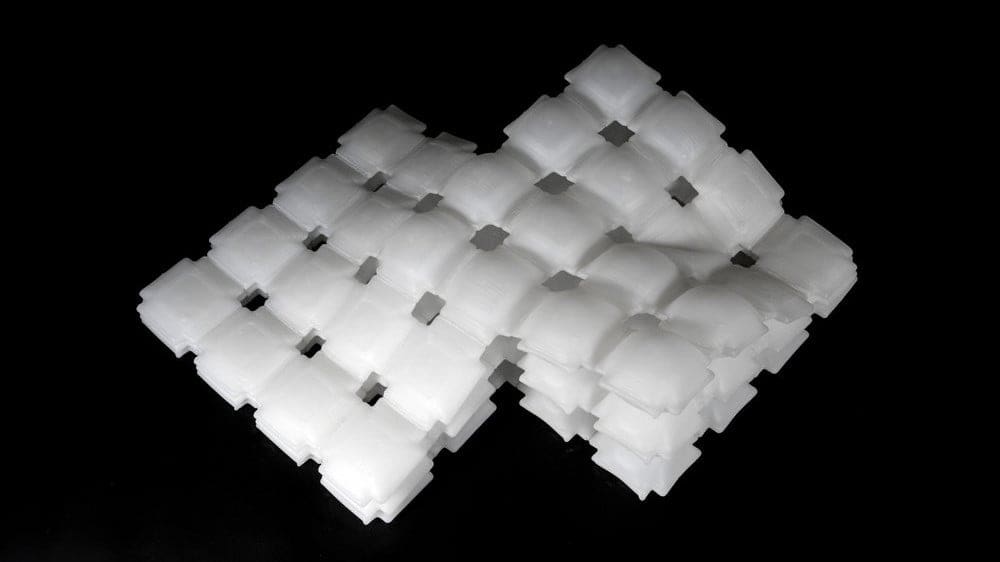
BMW and MIT's Self-Assembly Lab have collaborated to develop "liquid printed pneumatics", the first reported 3D printed inflatable material that can morph from one state to another and expand into any shape or function.
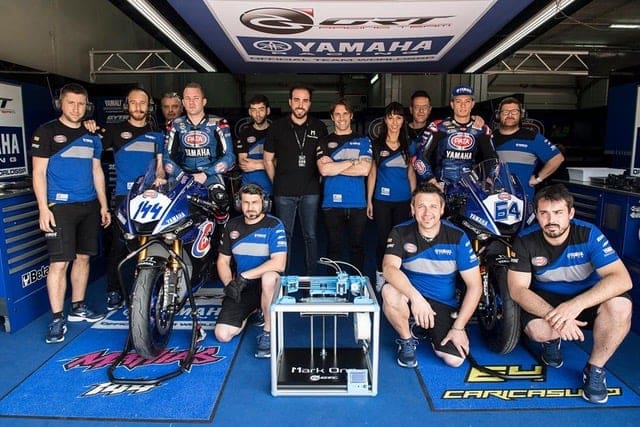
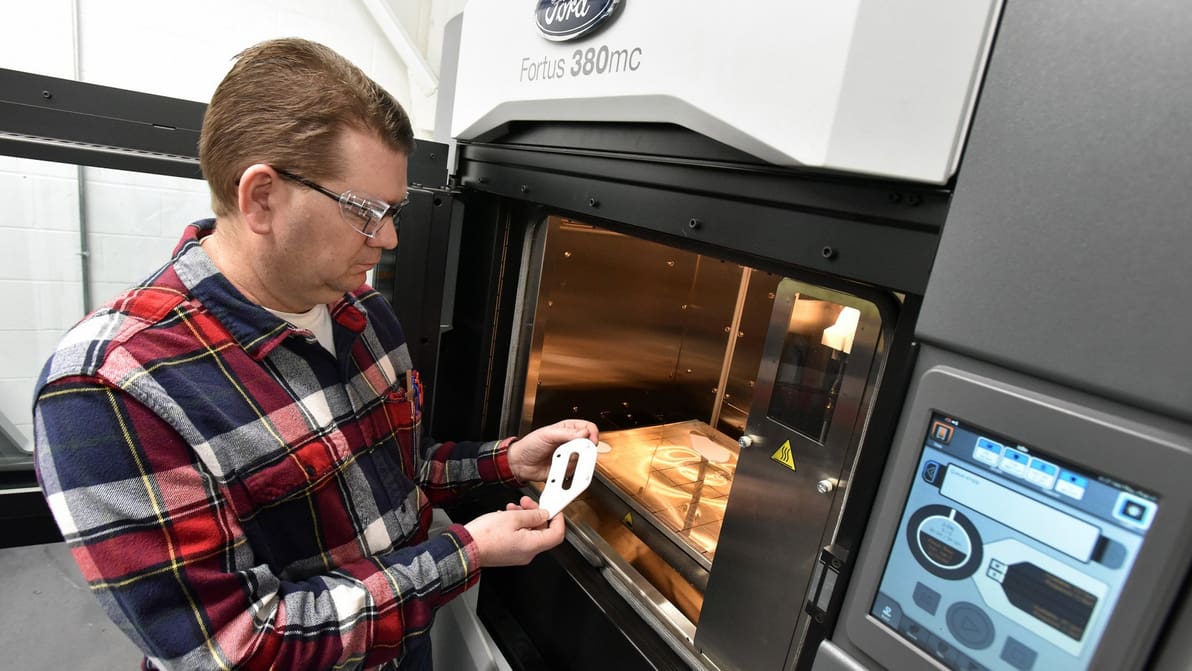
Following good sales performance of its Expedition and Navigator SUV lines, Ford has stepped up production by adding a Stratasys 3D printer and 400 new robots to its production plant.
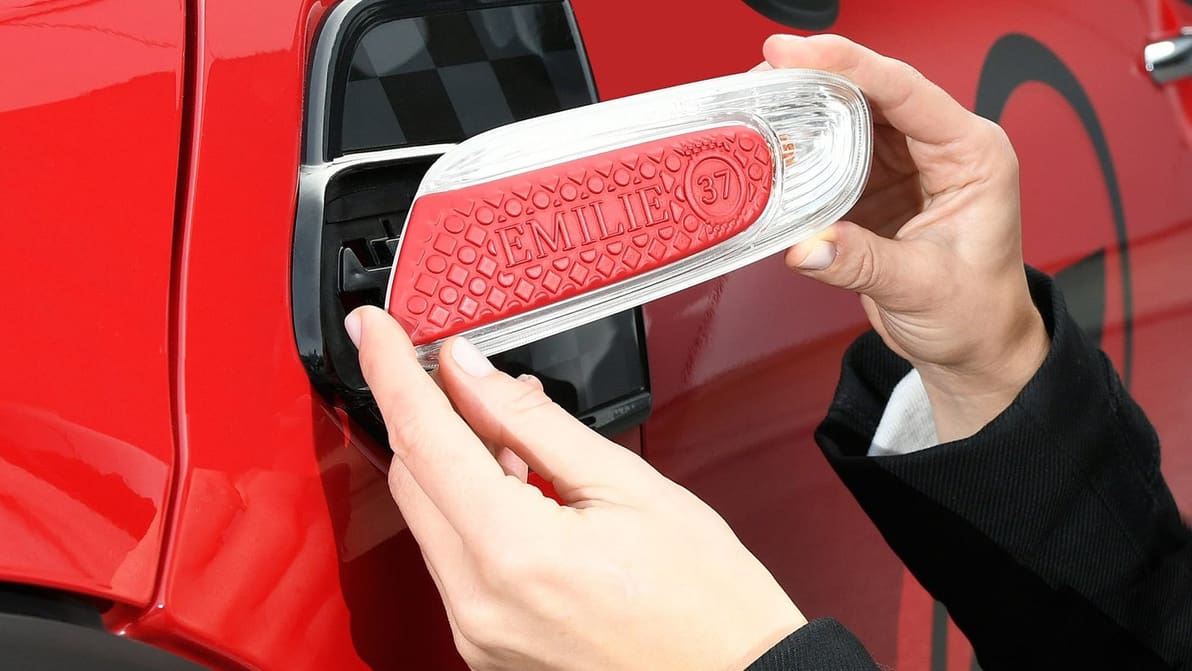
The automotive company MINI has launched MINI Yours Customised, a new 3D printing service that will allow customers to design custom interior and exterior trim pieces and have them 3D printed for their car.
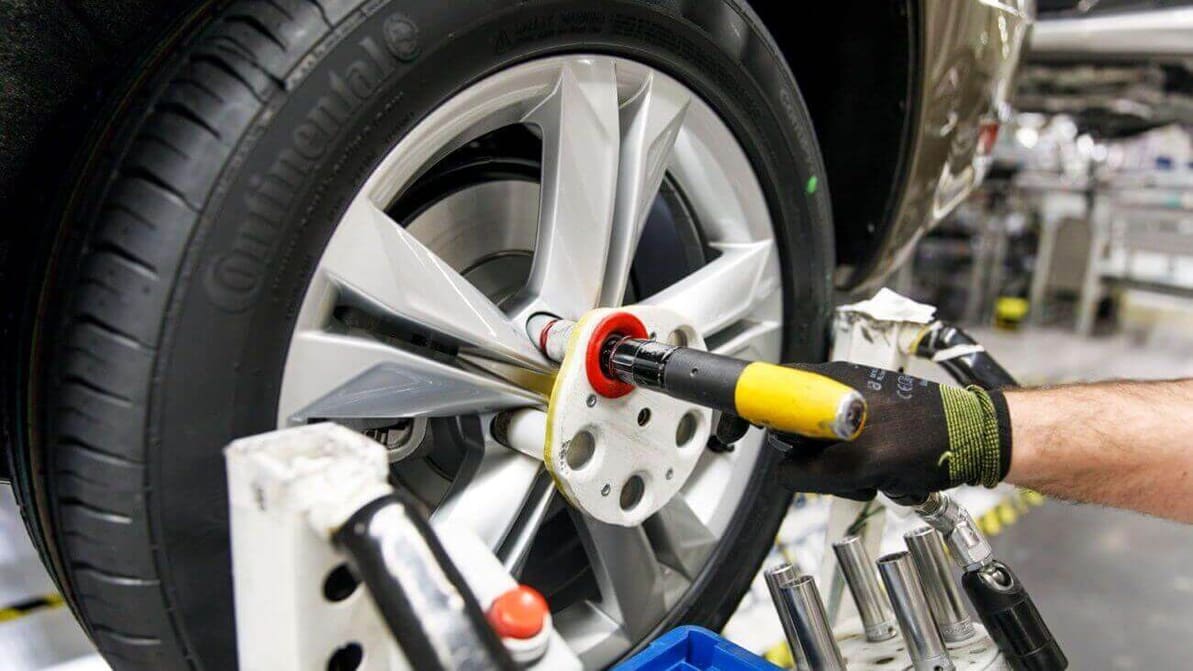
Volkswagen Autoeuropa is using 3D printing to bring down costs and revolutionize its workflow. The plant now produces its own tools on-site.