Industries
Featured
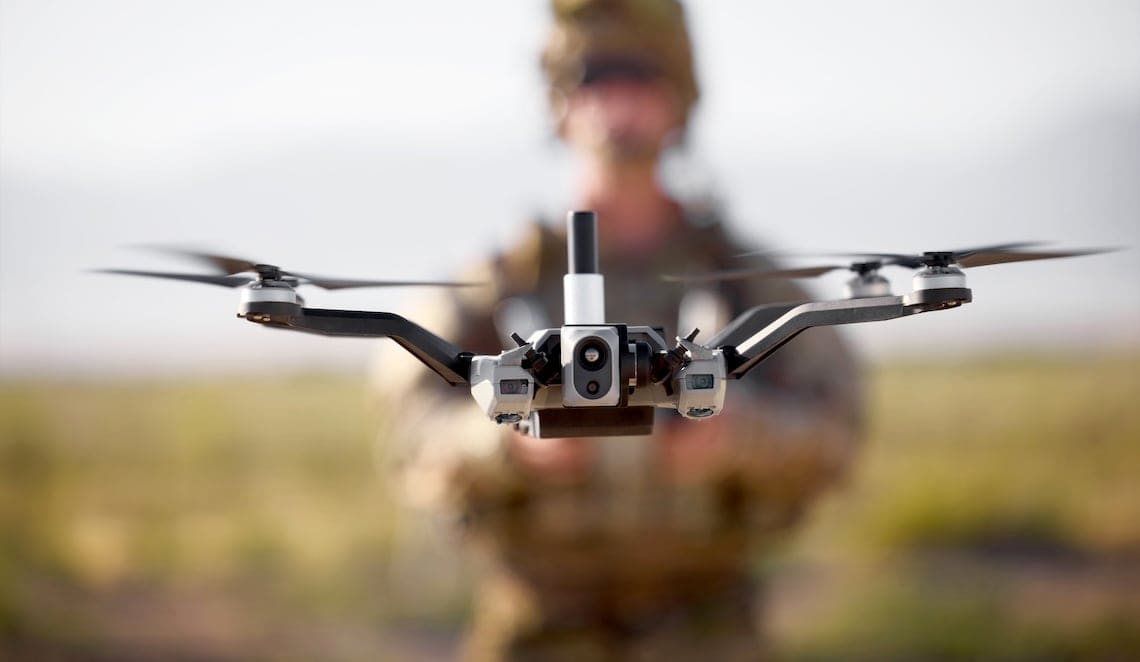
As the Pentagon calls for a massive increase in drone production, additive manufacturing is moving from the lab to the front lines and scaling up for production. The director of America Makes explains why this moment could finally "unlock" the technology's full potential.
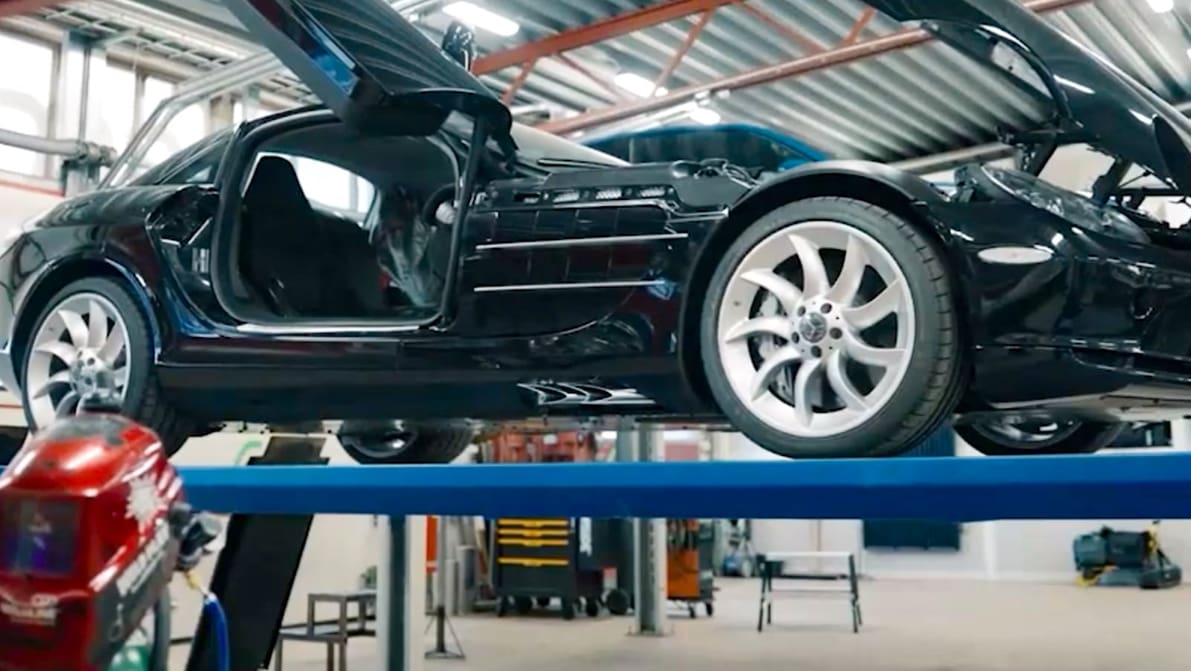
Swedish exhaust specialist Ferrita used a Meltio robotic wire-laser DED system to produce two matching stainless-steel side-exhaust tip assemblies for a customized Mercedes-Benz SLR McLaren, reportedly halving the cost of conventional production.
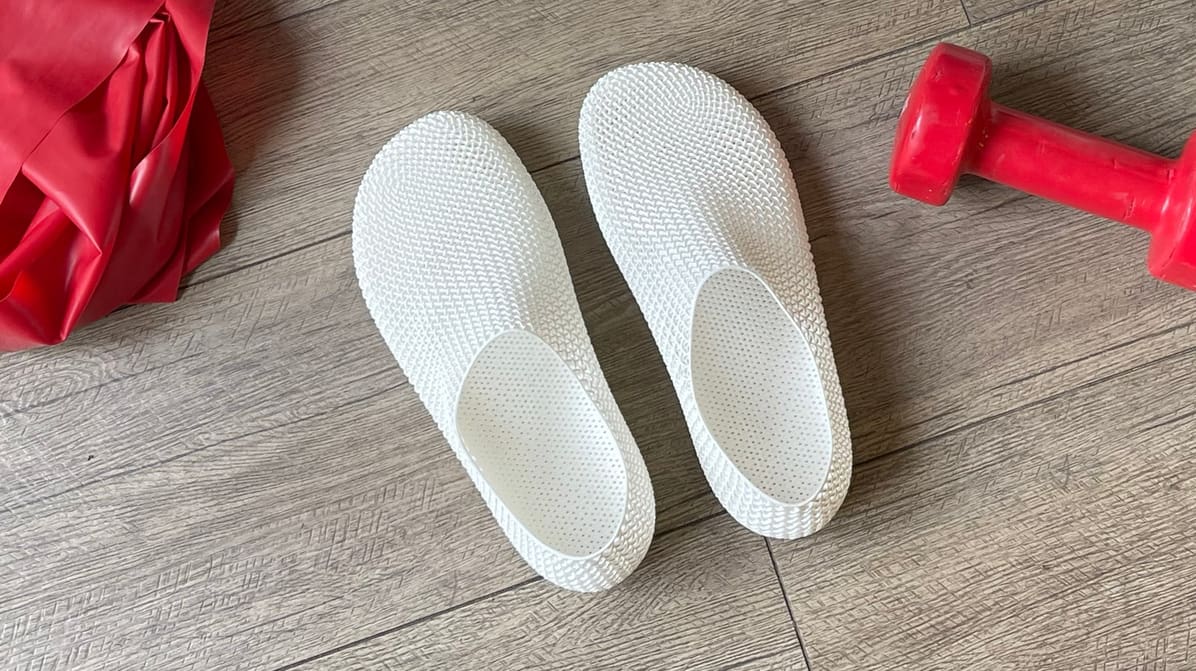
I spent three weeks testing these seamless, 3D printed lattice sneakers to see if they offer real-world support or if they’re just a high-tech novelty.
Latest
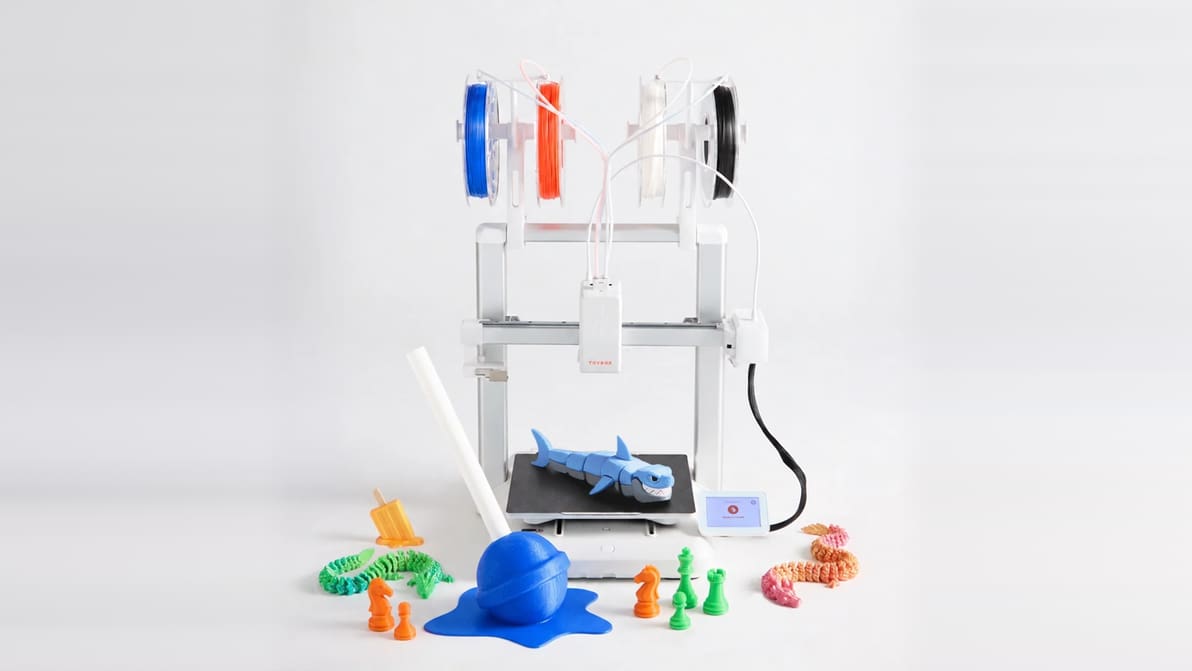
Toybox's new flagship prints in up to four colors straight from a kid-friendly app and website. Aimed at families and schools, it comes with parental controls and a moderated model library.

From one-offs to small batches, these online services print your parts for less. Here’s how to weigh price against shipping and lead time.
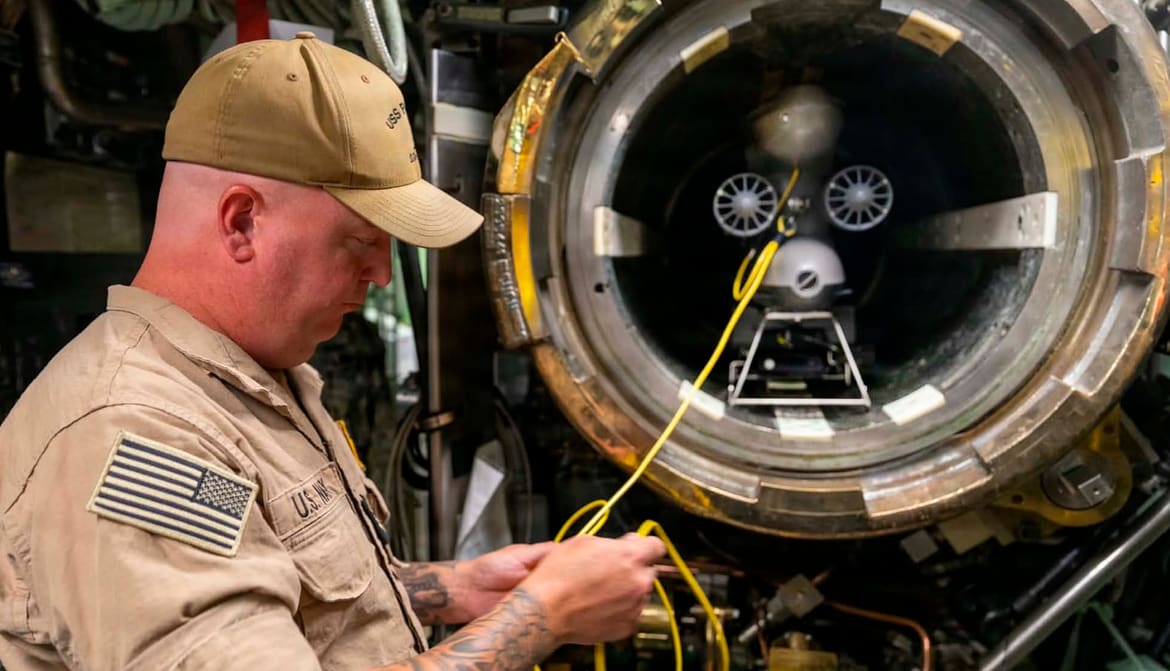
By 3D printing a custom waterproof housing for under $1,000, Navy engineers bypassed an expensive submarine retrofit to deploy a drone directly through a torpedo tube.
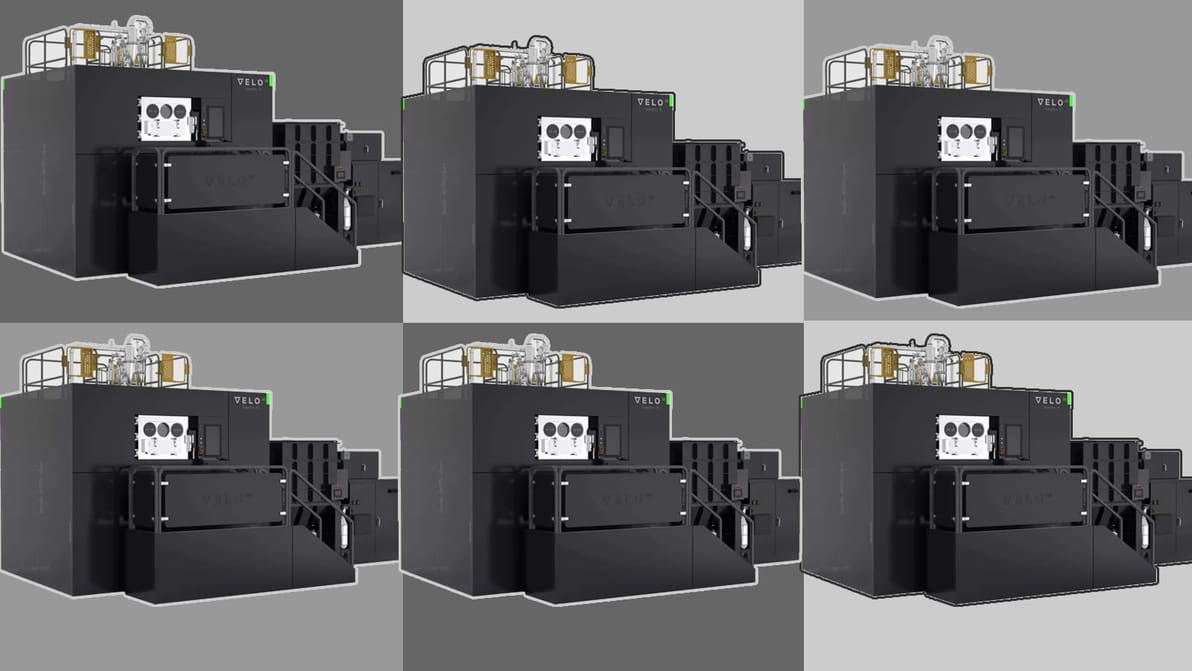
Mears' latest Velo3D investment signals a shift from qualification to production, adding dedicated copper-nickel capacity for marine parts traditionally made by casting.
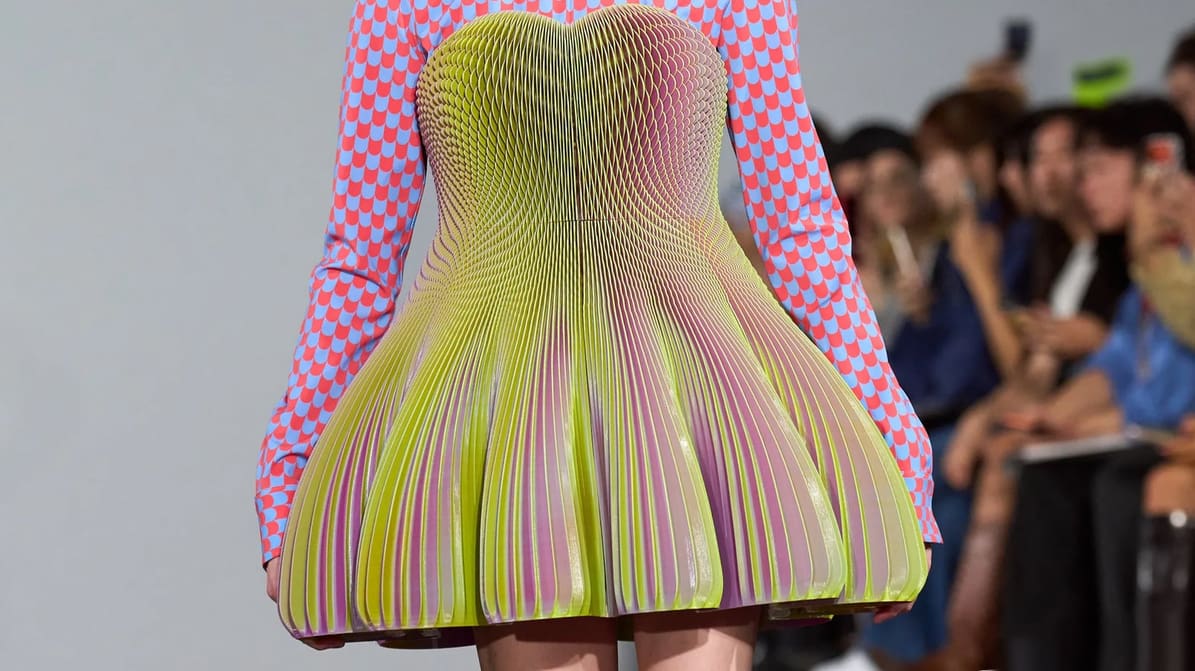
Forget breathable fabrics, the future of haute couture is rigid, custom-extruded, color-shifting PETG. Just don't try to sit down.
We’re used to seeing “sustainable” 3D printing materials arrive with a Benchy and a lot of promises. A blouse is far more interesting. Designer Danit Peleg collaborated with filament maker ColorFabb on a soft, textile-like version of Algenesis’ Soleic bio-based TPU that All3DP featured in January. The result is a soft, textile-like 3D printing material that's biodegradable and free from microplastics. If biodegradable TPU can go from experimental filament to actual clothing, that’s the kind of progress we’re happy to wear.


Rocket engines, Future Vertical Lift, aerospace-grade alloys, supplier qualification, and AM production scale-up dominate the October program — reflecting a sharp rise in DoD-backed additive manufacturing funding.
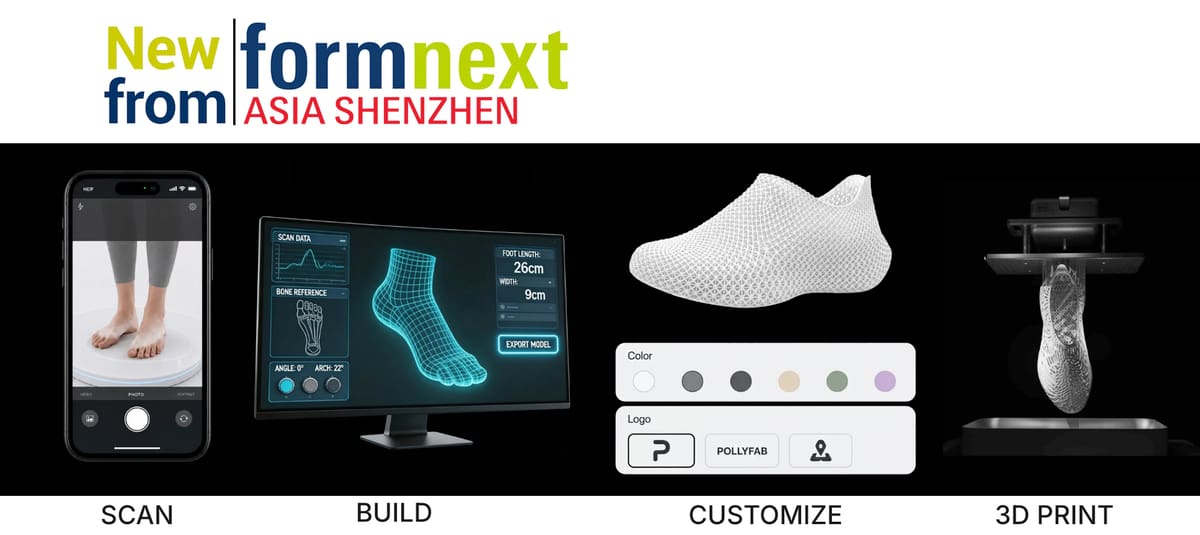
Chinese additive manufacturing equipment and materials company PollyPolymer just unveiled PollyAlign at Formnext Asia. This AI-assisted footwear customization system turns photos or short videos of feet into a 3D foot model upon which custom 3D printed PollyFab shoes are made for customers worldwide. Custom-fit shoe configurators have been tried before, but PollyPolymer may just have the full-workflow, machines, materials, and volume others have lacked. It already runs five fully automated factories for an annual production capacity of 3.5 million pairs of shoes.
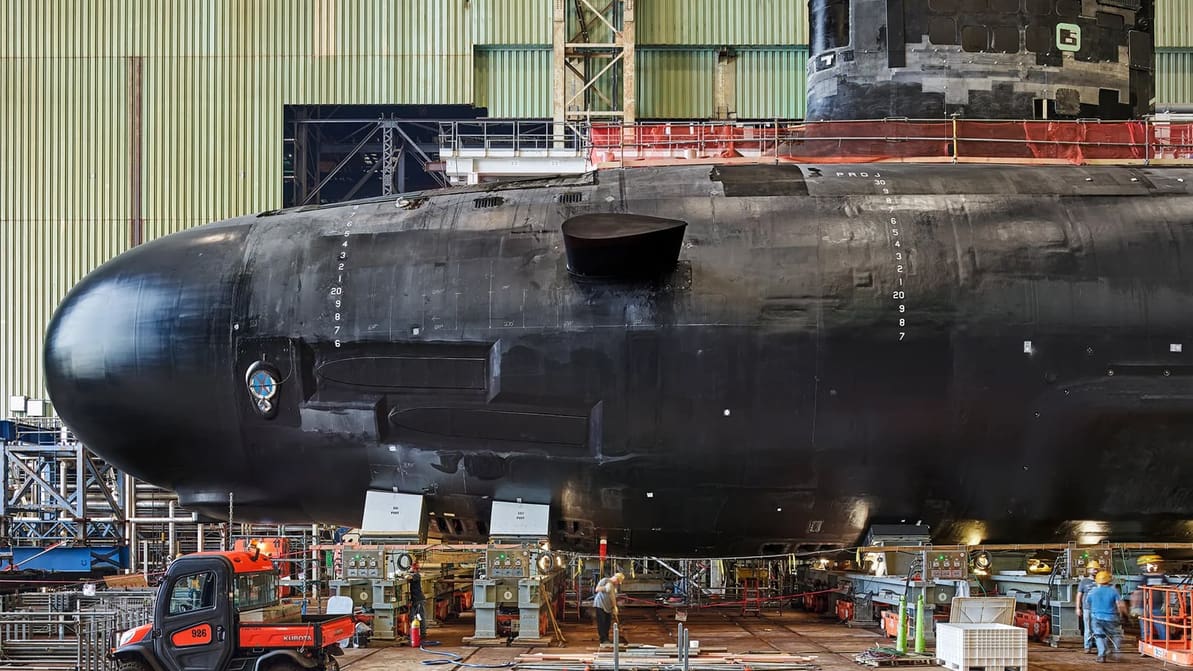
A new Navy standard will make metal 3D printing far easier to use in submarine construction and repair, allowing approved AM materials and processes to replace conventional welding and forging.
Military-focused drone manufacturer Firestorm says its xCell microfactory kept several HP MJF 3D printers busy aboard the USS Essex, producing more than 1,000 parts, including components for 12 Squall FPV drones, in waves reaching 12 feet on the way to RIMPAC, the multinational military exercise in Hawaii. Service members assembled the drones en route and later flew them in a counter-UAS exercise.
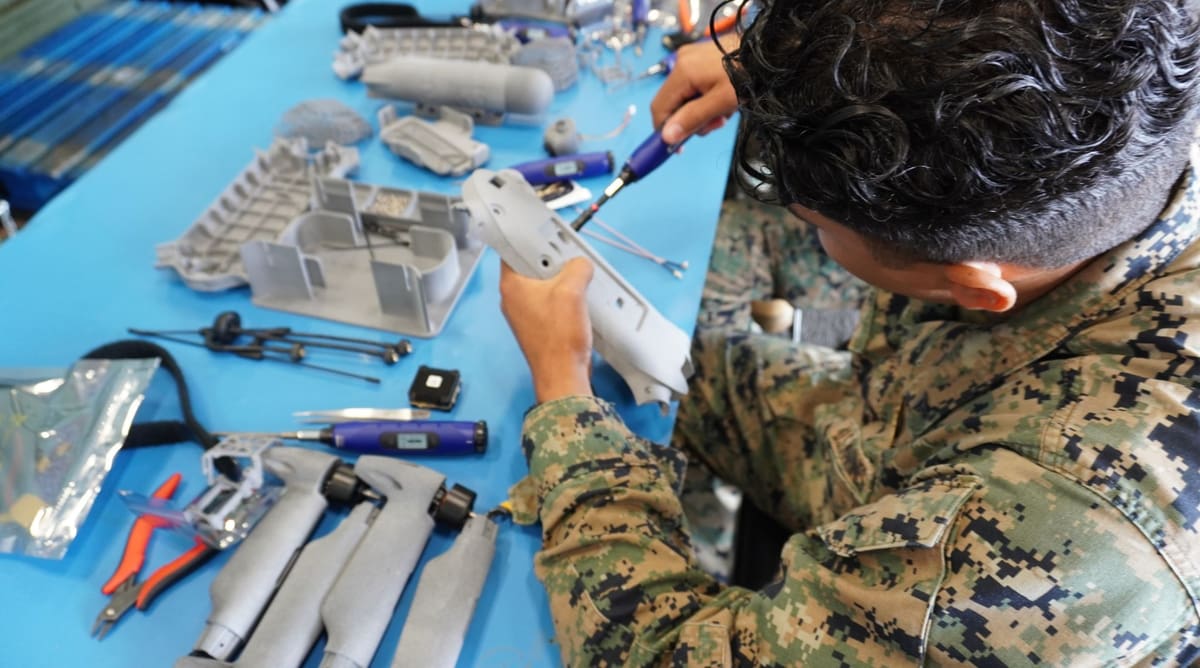
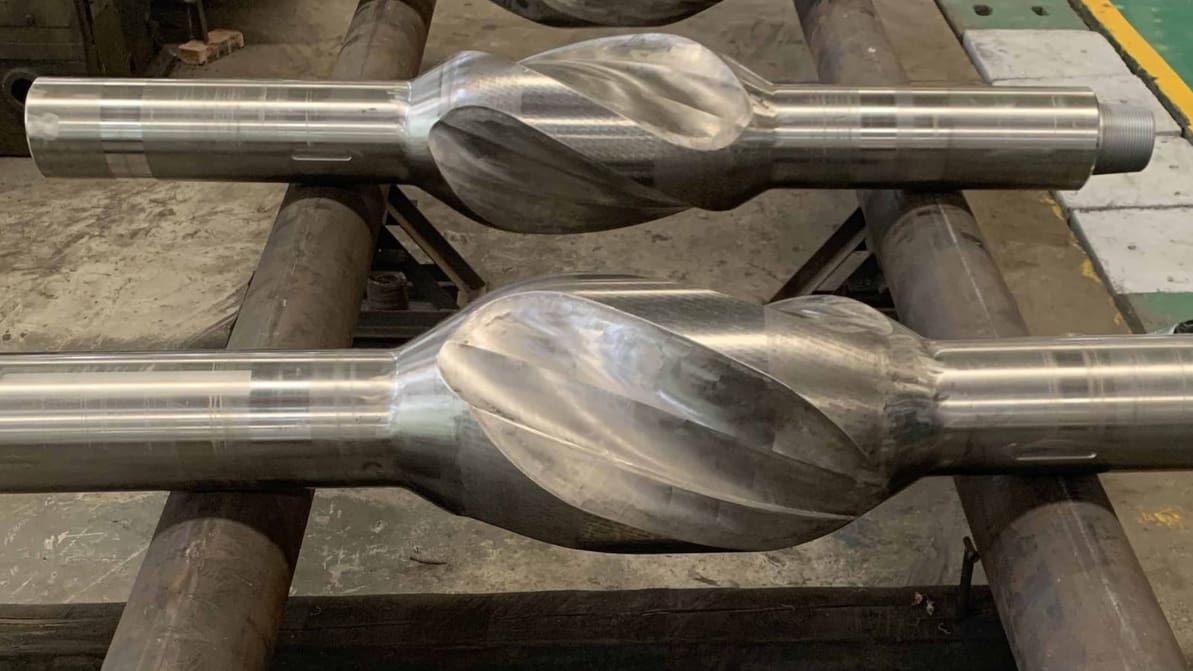
Researchers in Japan have developed an additive manufacturing process for producing tungsten carbide-cobalt parts with industrial-grade hardness while potentially reducing material waste.
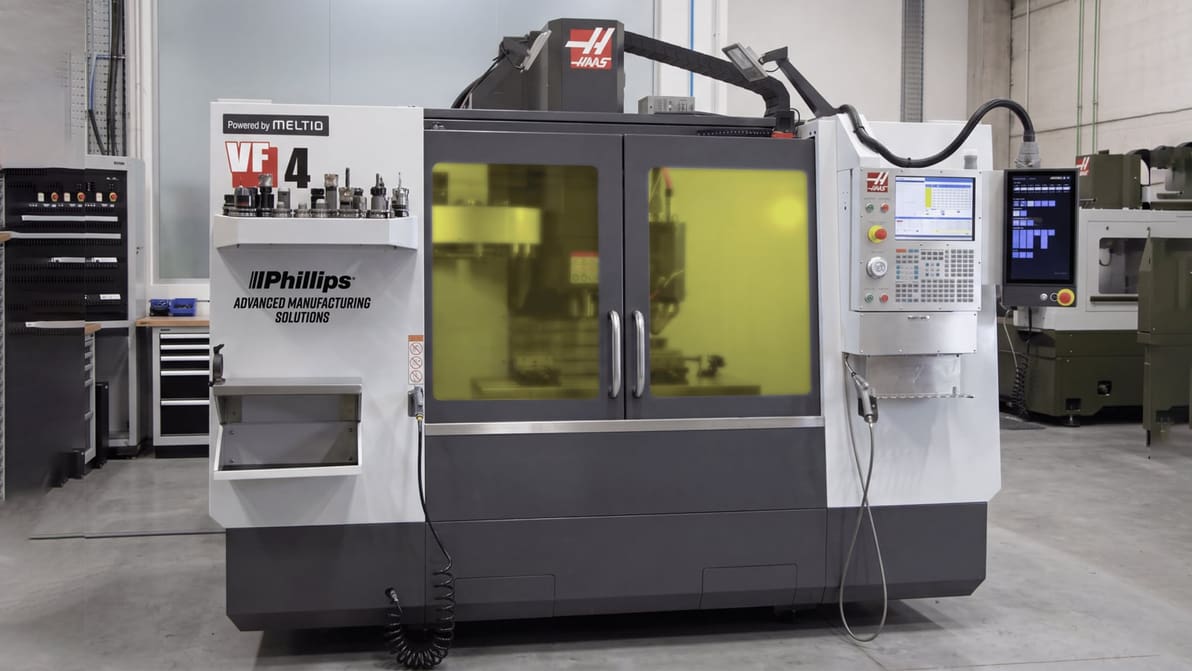
The Phillips Hybrid machines integrate Meltio wire-laser metal deposition technology with Haas CNC platforms, enabling sailors to add and machine metal using a single system.
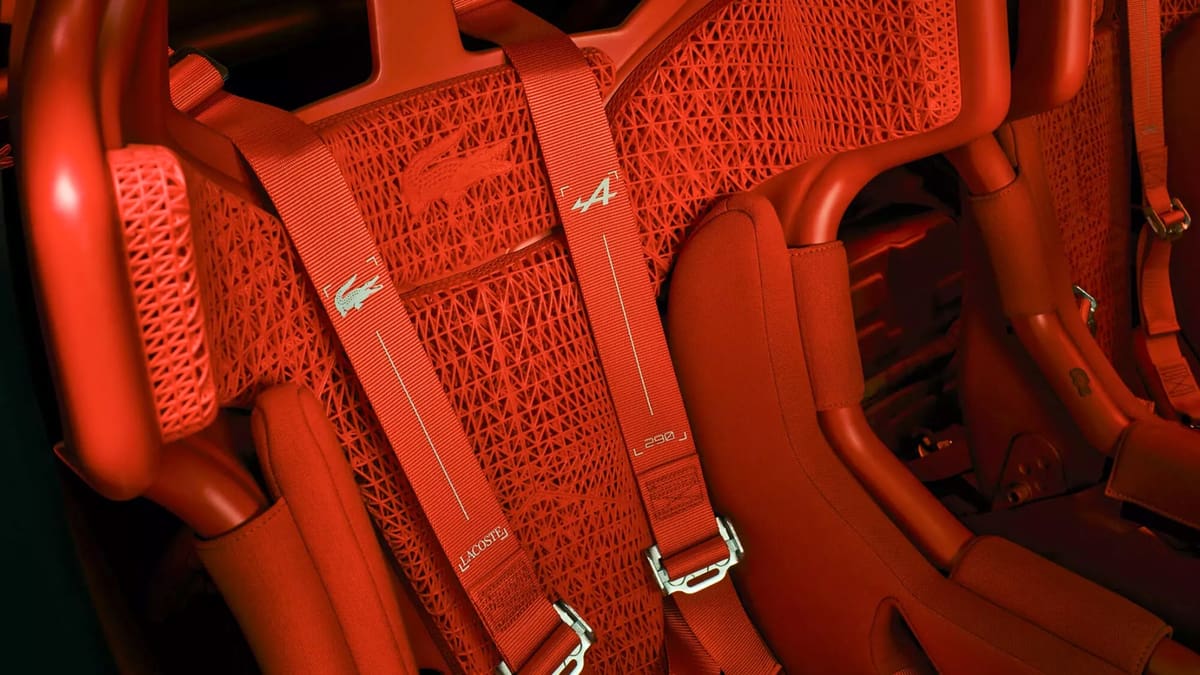
Lacoste and Alpine are giving their one-off electric rally car the full French-performance treatment, right down to where the "Crocopilot" parks his derrière. Parts of the rally seats are 3D printed using lattice structures designed to balance light weight, comfort, and performance. In rallying, where every kilogram counts, it’s a nice example of additive manufacturing doing delivering less material, useful cushioning, and function baked into the geometry.
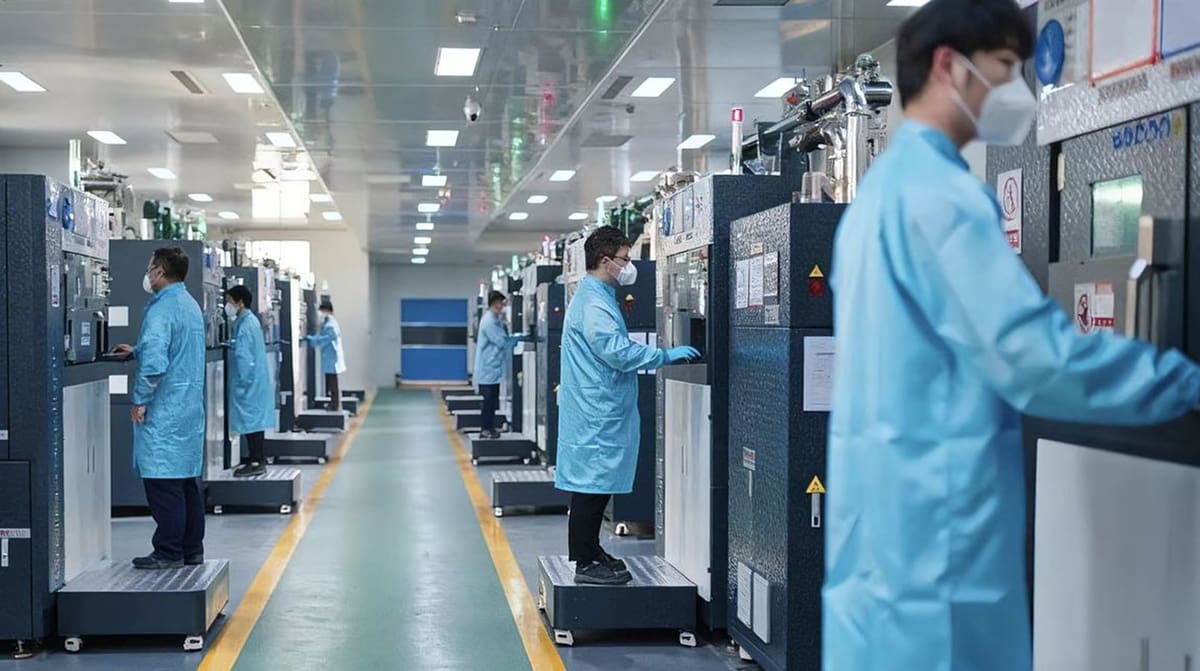
Chinese Academy of Sciences spinout is reportedly investing more than $14M in aerospace additive manufacturing, with plans to acquire over 100 large-format metal 3D printers.

Vikram-1’s successful maiden flight takes Skyroot’s additively manufactured propulsion technology beyond the test stand, although the Indian startup has yet to reveal exactly how the engine is printed.
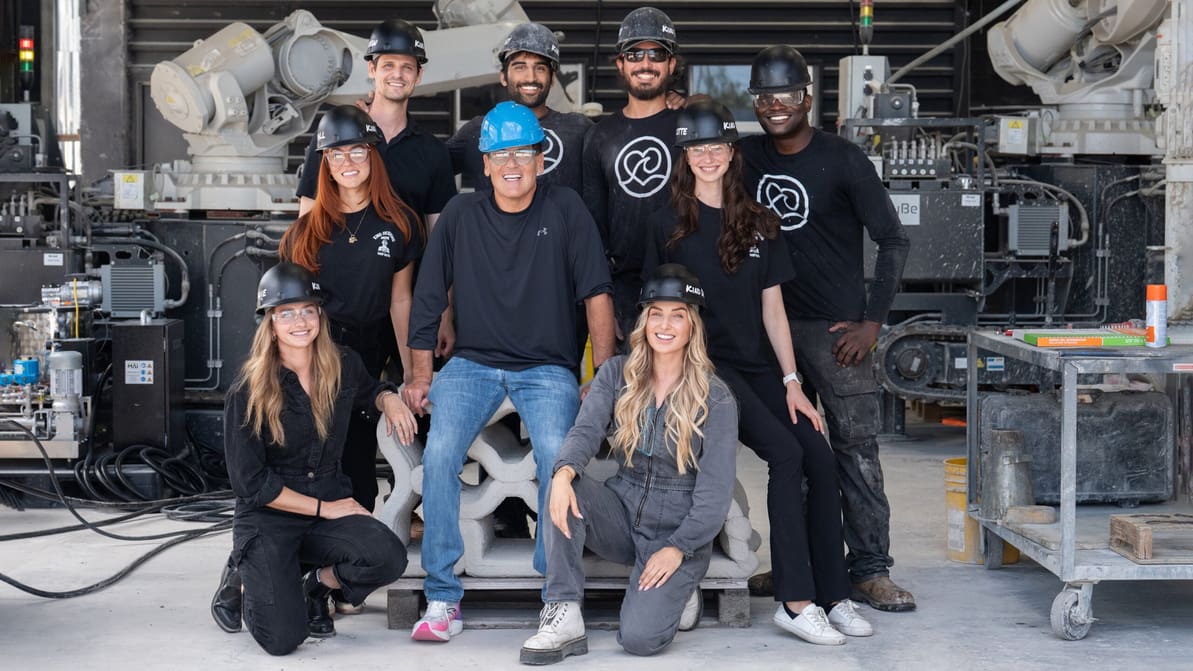
Investors are betting millions on Kind Designs, a startup using large-format concrete printing to turn ordinarily flat coastal barriers into customized infrastructure with habitat features and architectural appeal.
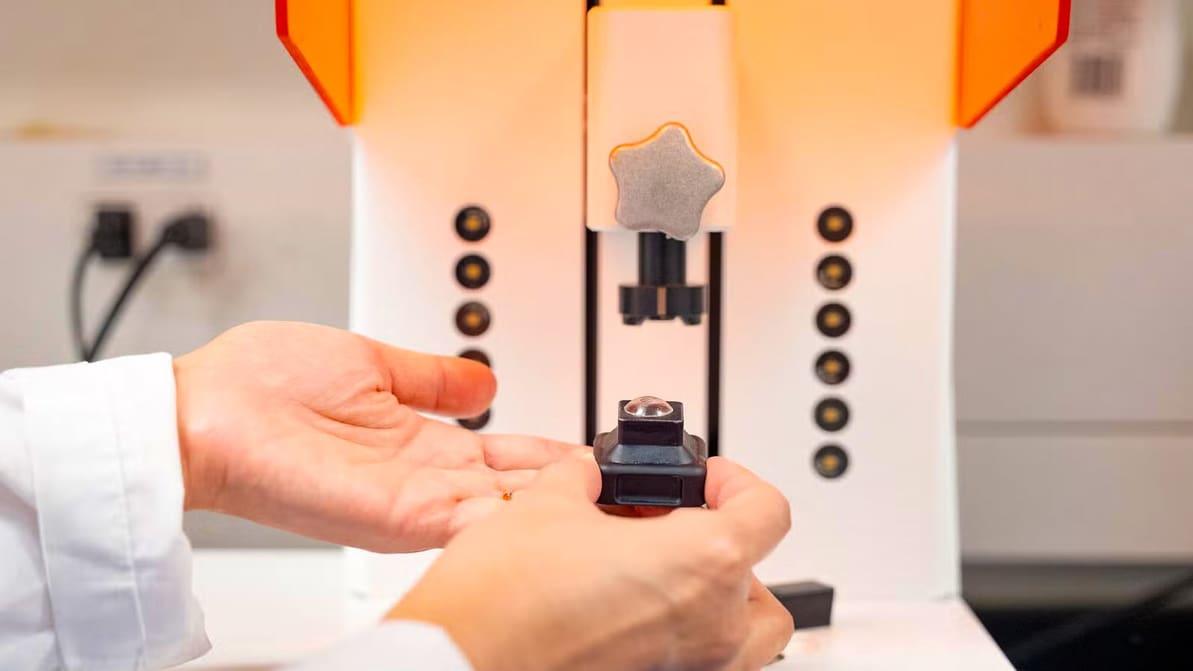
Researchers have developed an end-to-end digital manufacturing workflow that turns a patient's corneal scan into a customized contact lens with a post-processing technique that smooths printed optics without ever touching them.
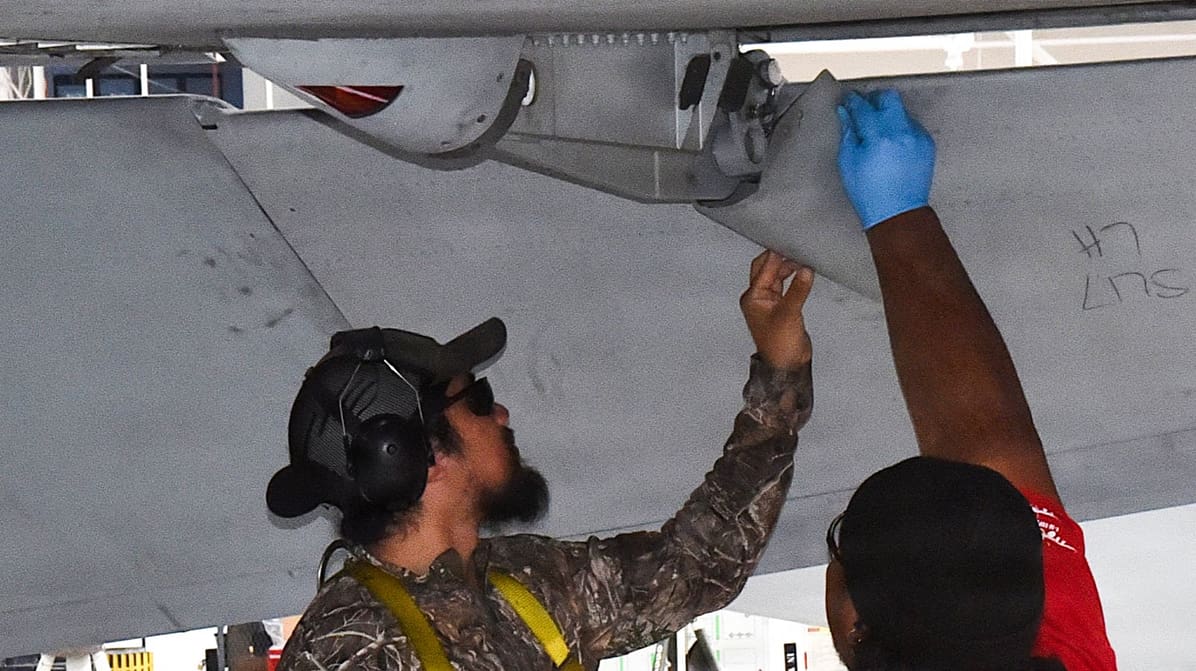
The US Navy is testing a 3D printed composite repair method that could cut certain F/A-18 Super Hornet repair times by around 50%, potentially giving maintenance crews a faster way to return grounded aircraft to service.
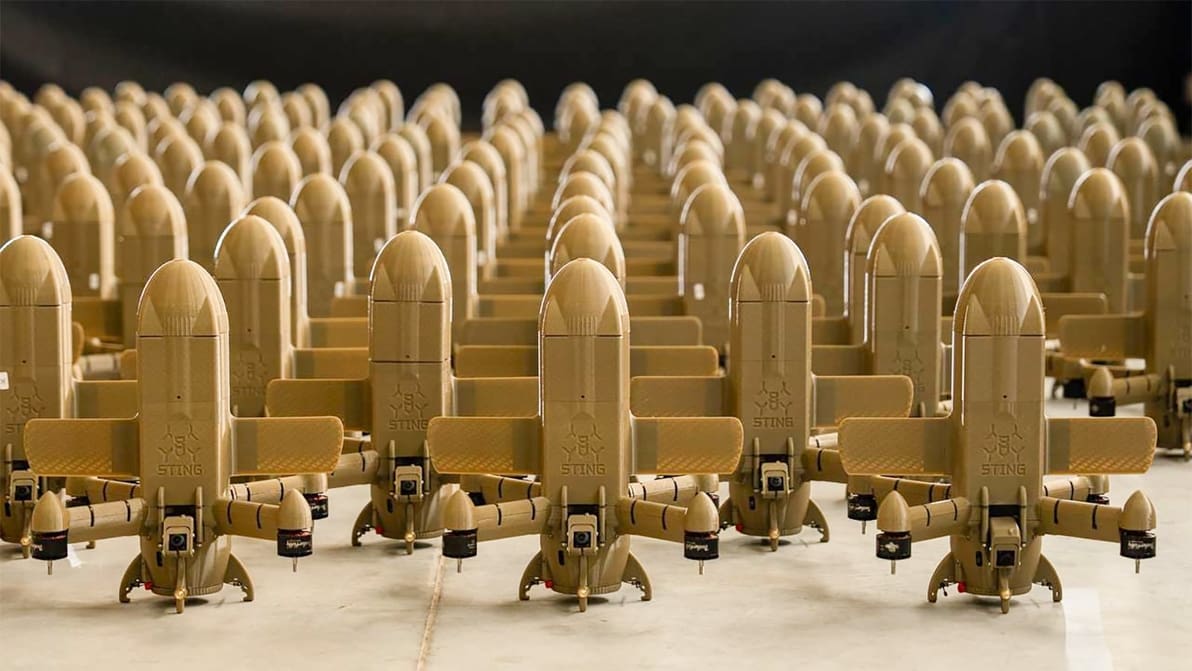
A new market forecast from Additive Manufacturing Research details how surging defense demands and low-cost polymer printing may drive a sixfold expansion for the drone 3D printing sector by 2034.
Swedish exhaust specialist Ferrita used a Meltio robotic wire-laser DED system to produce two matching stainless-steel side-exhaust tip assemblies for a customized Mercedes-Benz SLR McLaren, reportedly halving the cost of conventional production.