Food
Featured
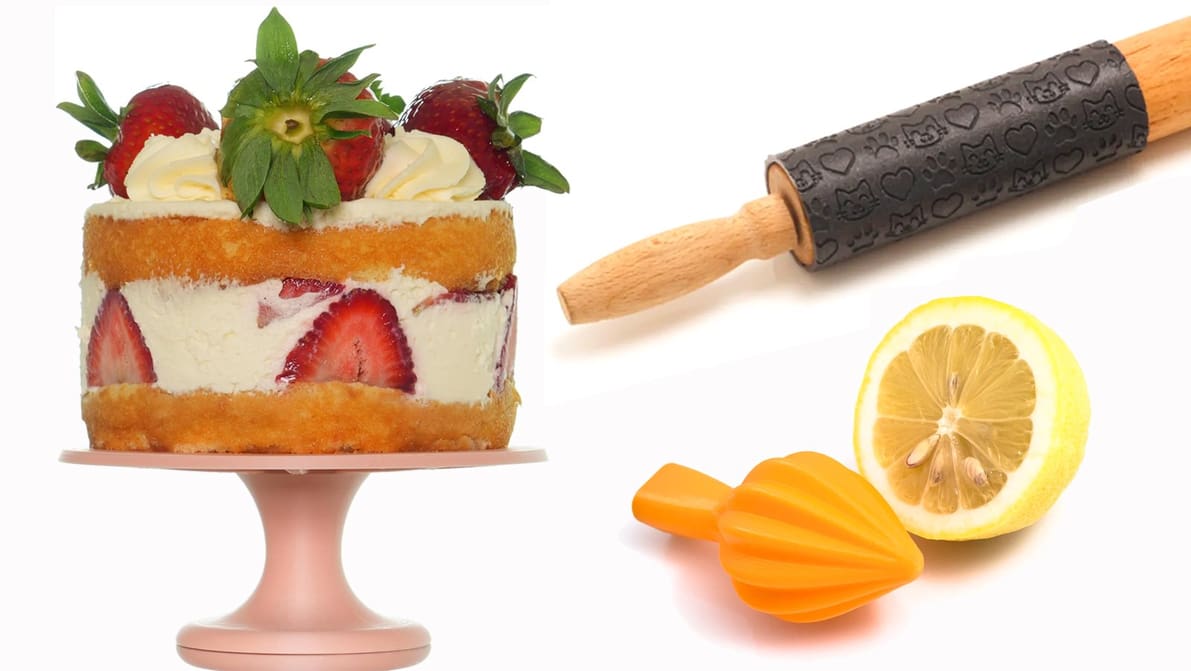
Just because it's PLA doesn't mean it's safe for food contact. See which ones actually are and how to use them.
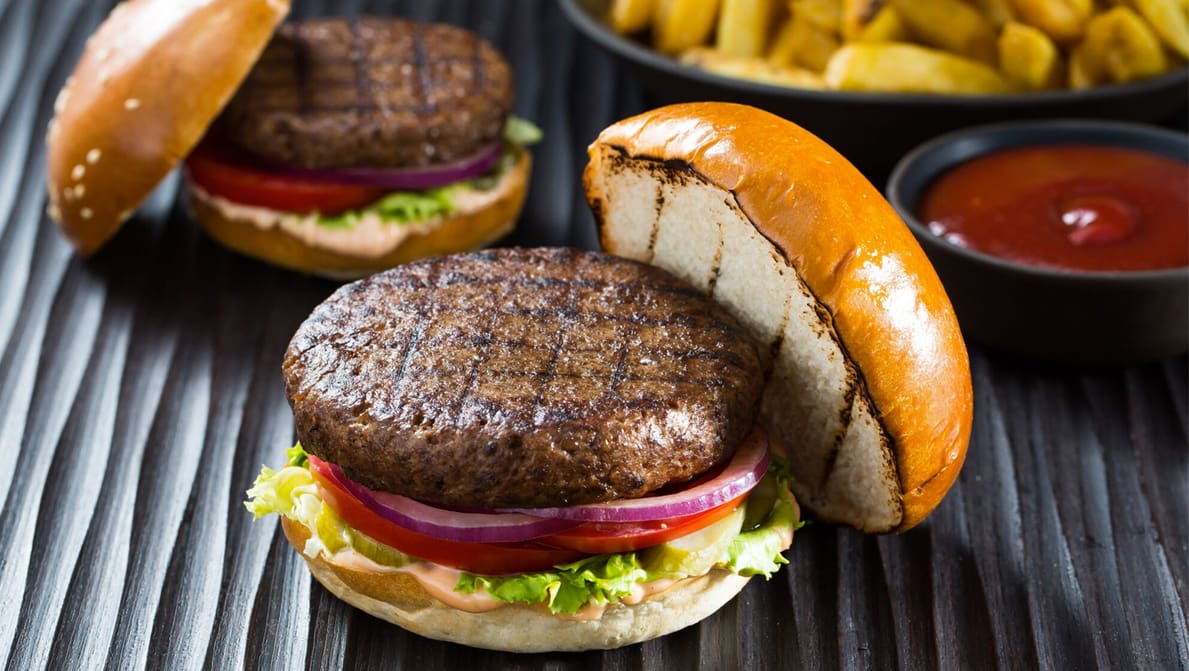
No longer on the fringe, companies making 3D printed foods and food 3D printers are poised to take on traditional markets with everything from 3D printed meats grown in a lab to 3D printed chocolate art.
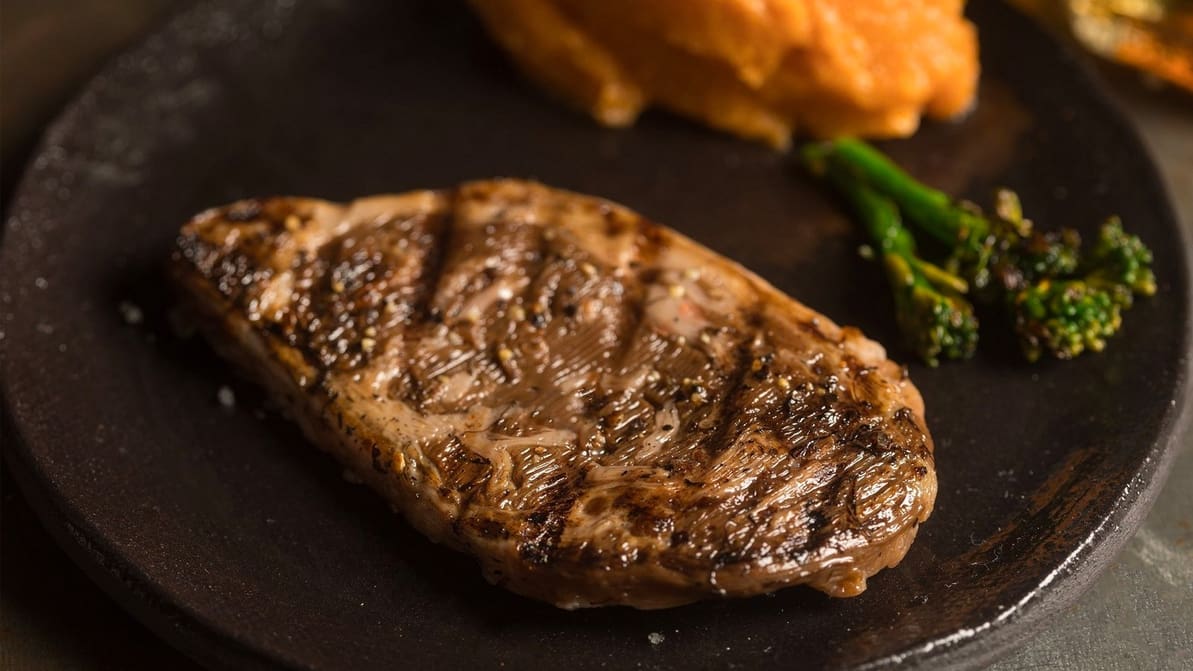
Just approved by the FDA and USDA, 3D printed meat is coming to your plate. Understand what it is and why there's so much excitement.
Most popular
Just because it's PLA doesn't mean it's safe for food contact. See which ones actually are and how to use them.
No longer on the fringe, companies making 3D printed foods and food 3D printers are poised to take on traditional markets with everything from 3D printed meats grown in a lab to 3D printed chocolate art.
Just approved by the FDA and USDA, 3D printed meat is coming to your plate. Understand what it is and why there's so much excitement.
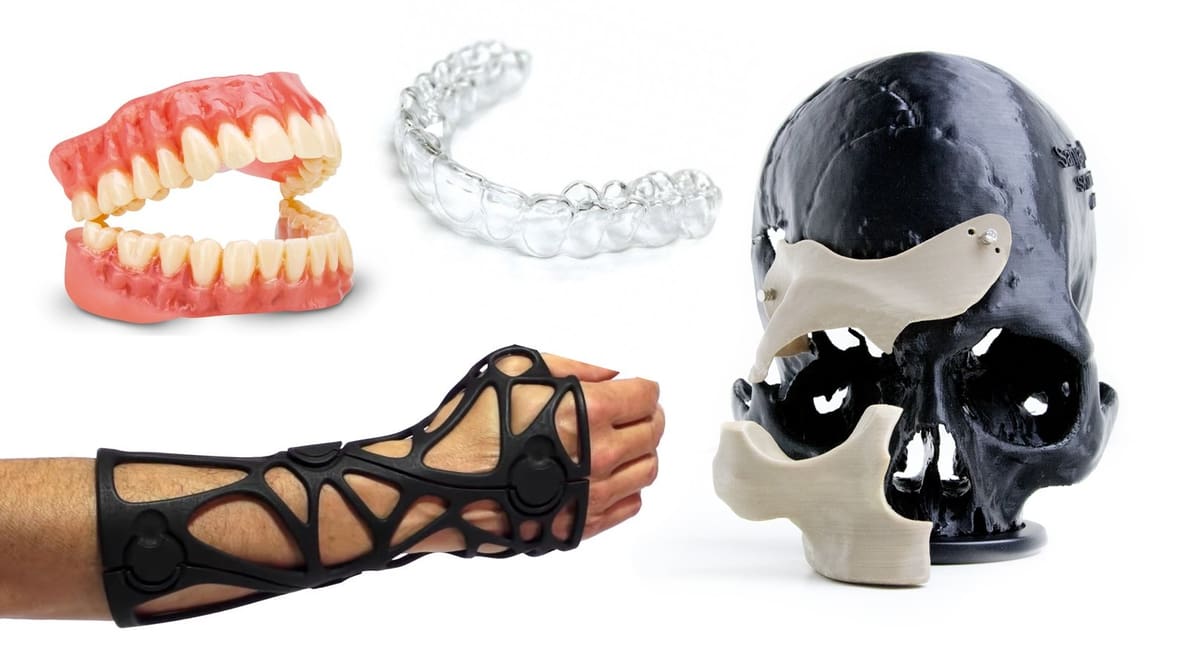
What are the biocompatible 3D printing resins, filaments, and metals and how do you know when your product requires them? Let's take a look.
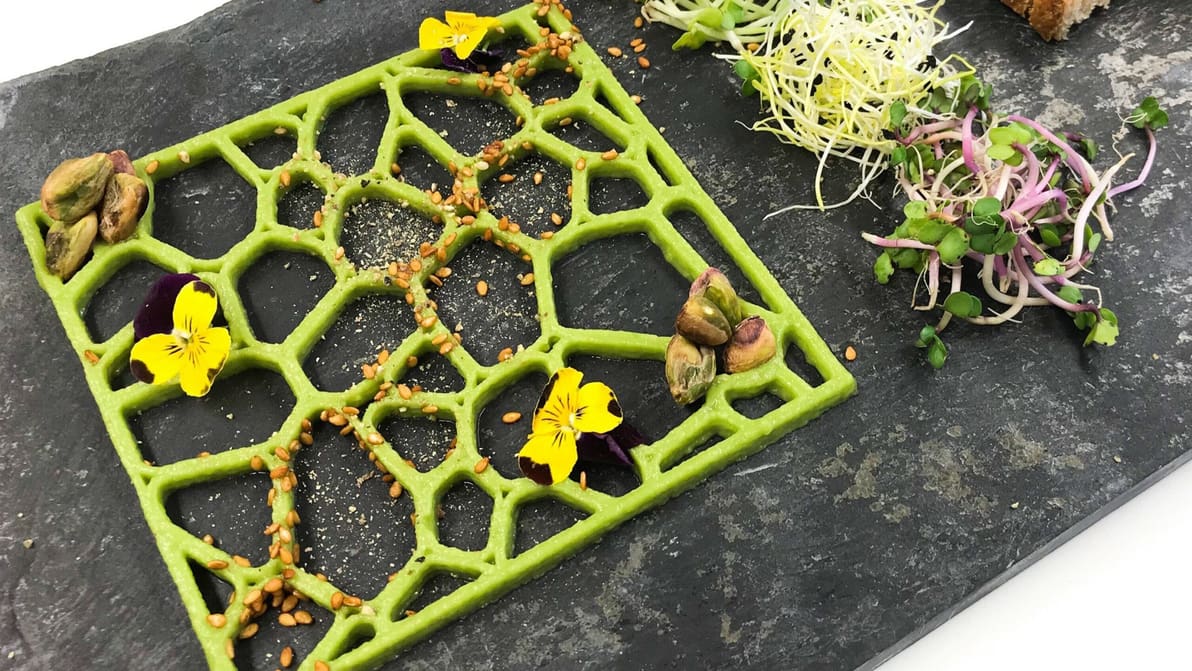
Food is definitely the most delicious application of 3D printing. Let's explore the exciting movement of 3D printed food!
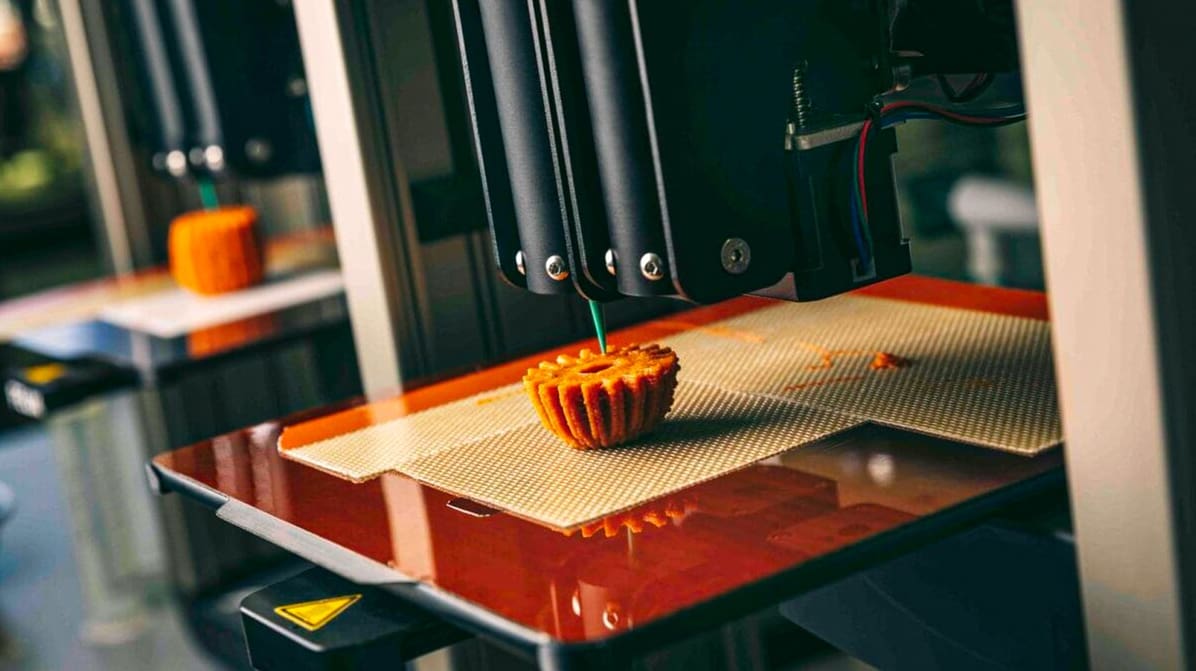
Food 3D printing is on the rise! Check out our buyer's guide to the best food & chocolate 3D printers on the market right now.
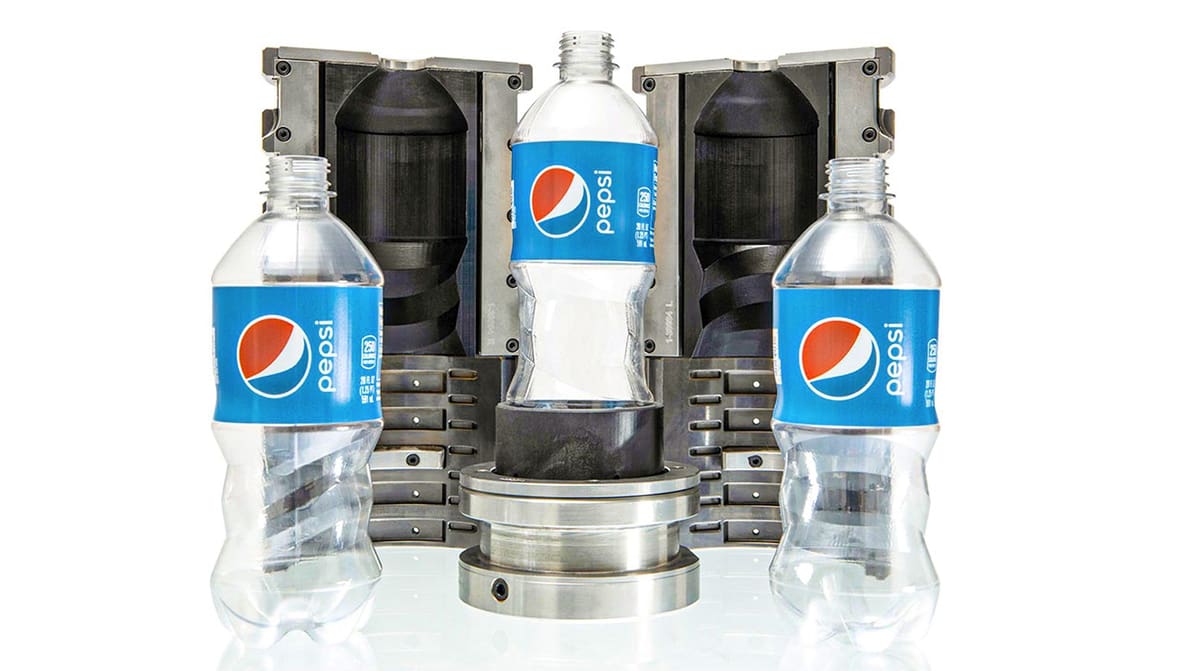
Compared to the traditional metal tooling, PepsiCo gains speed, lowers cost, and expands flexibility by turning to 3D printers to make bottle molds.
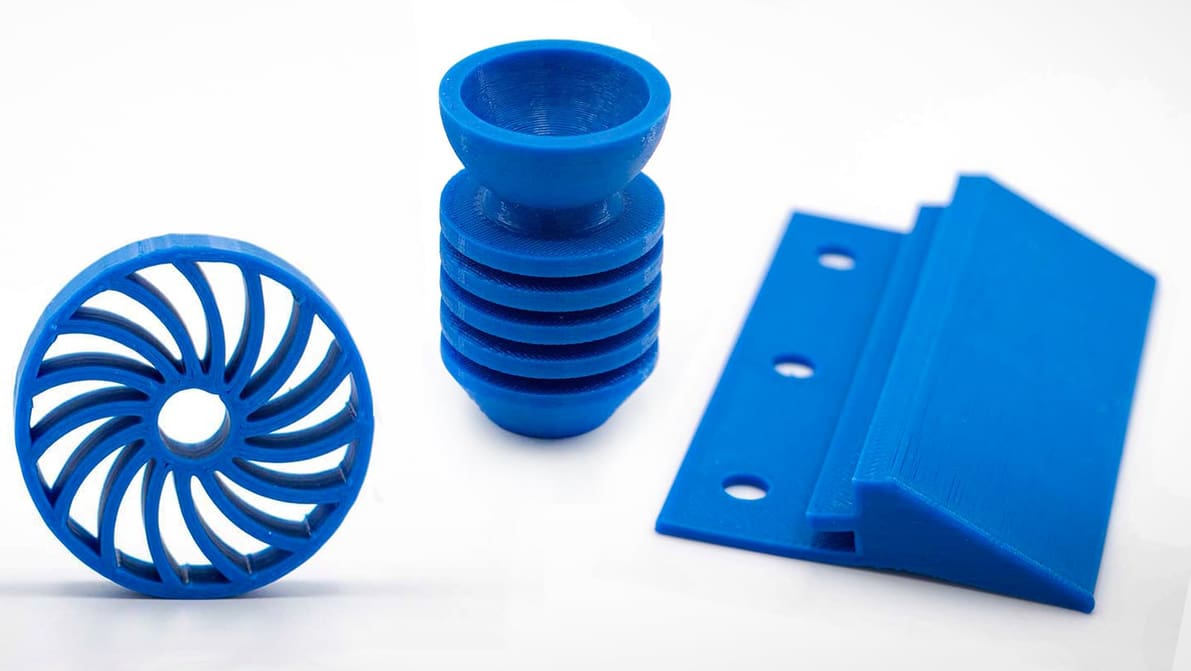
This new additive material offers food-processing plants a rapid, cost-effective method to produce custom gaskets, seals, and production-line parts at fraction of the time of traditional manufacturing.
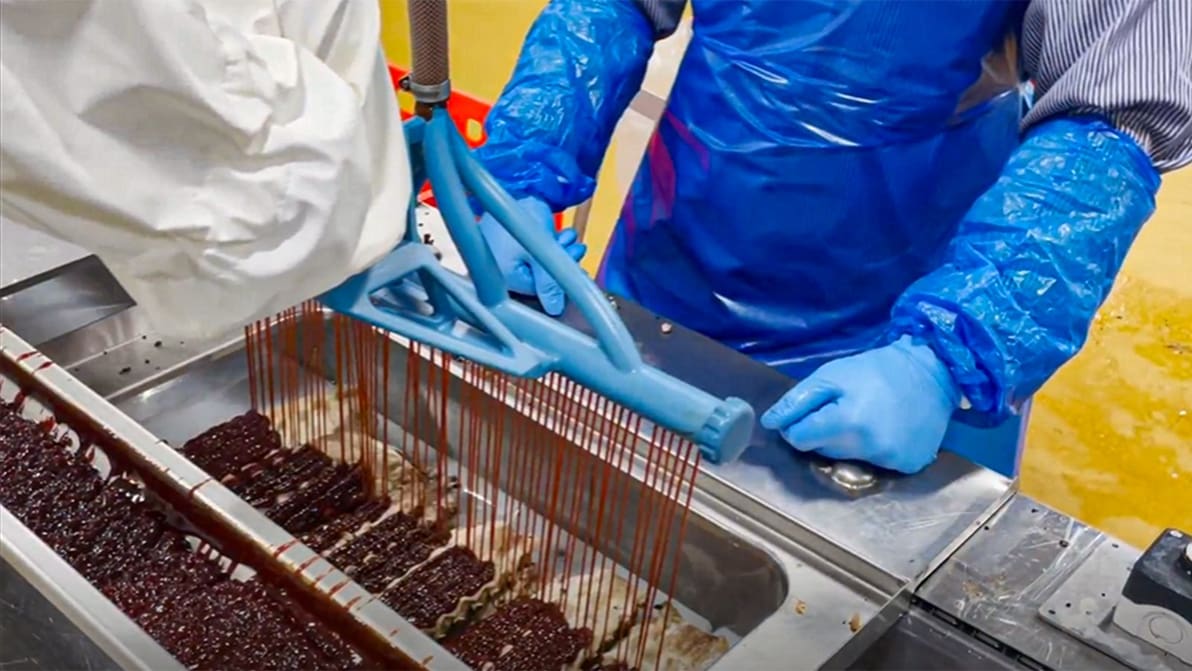
By eliminating complex assembly and traditional lead times, this food-safe, single-piece nozzle demonstrates how additive manufacturing is ready for food manufacturing.