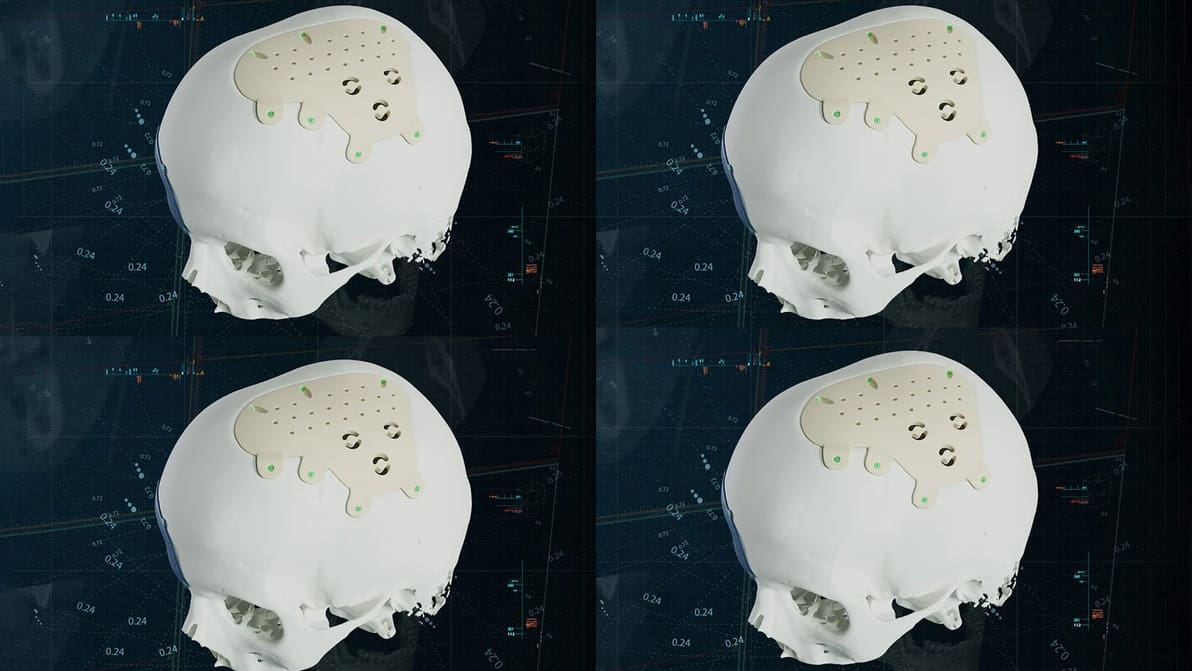
By integrating medical-grade PEEK into its established digital workflow for cranio-maxillofacial implants, Materialise offers surgeons an alternative to titanium.
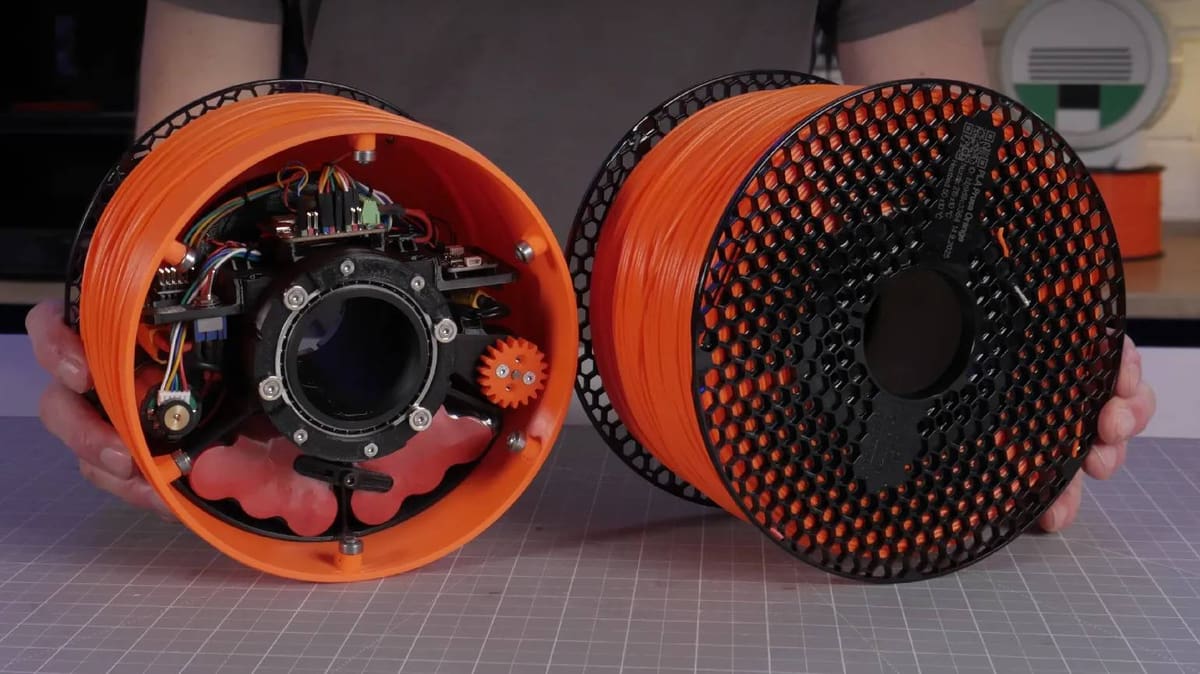
Sometimes, it's for the fun of it. Or because Prusa asks you to. Matt Denton, a veteran TV and film animatronics engineer, recently posted an inventive build that takes a 2 kg filament spool and turns it into remote-controllable robot, all while preserving the core functionality of being, well, a spool of filament.
It's the goofy kind of clever I can get behind. And you can, too – the full BoM and schematics can be found on GitHub, and the printable files on Printables. Denton's nearly hour-long build video is well worth a watch, too.
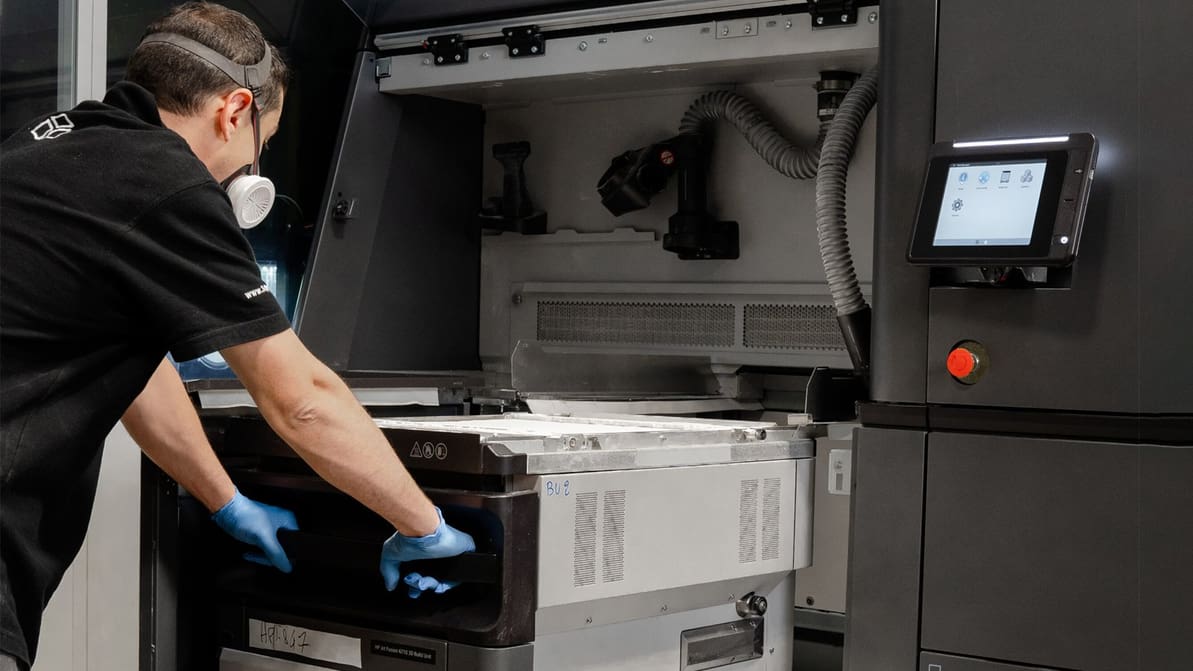
The Wohlers Report 2026 reveals a massive industry pivot: 3D printing services are now the primary growth engine, with the Asia-Pacific region leading the global charge at nearly 20% expansion.
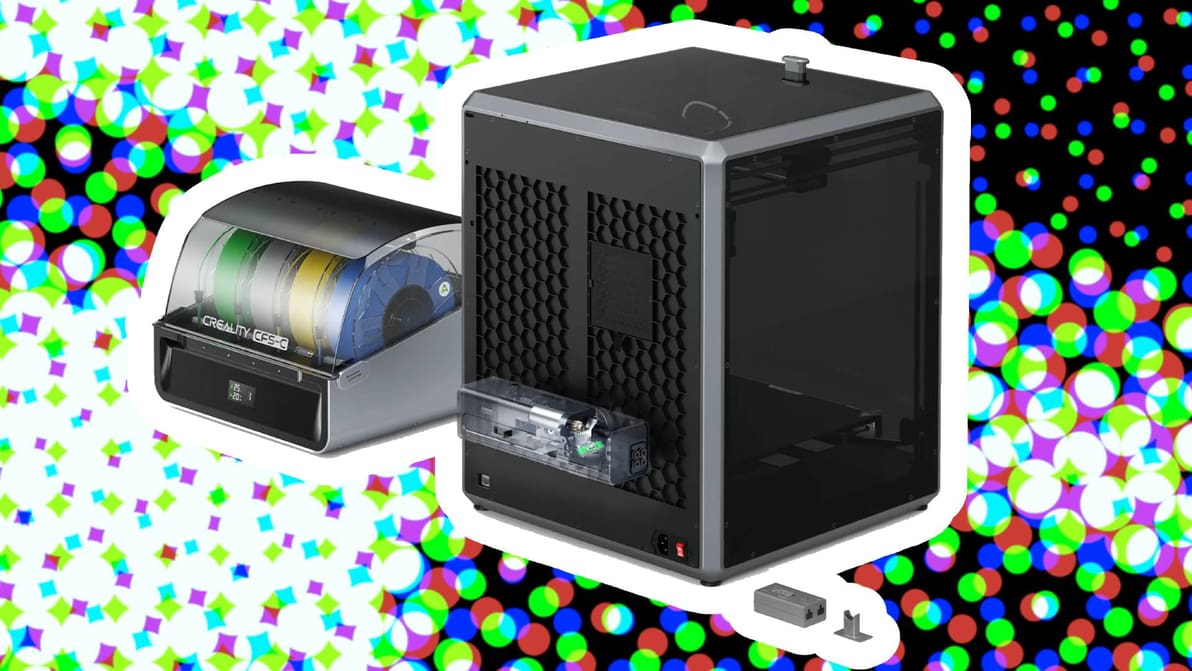
Sidestepping its own upgrade kit for the K-series machines, Creality introduces a new way to bring multicolor printing to your K1 3D printer.
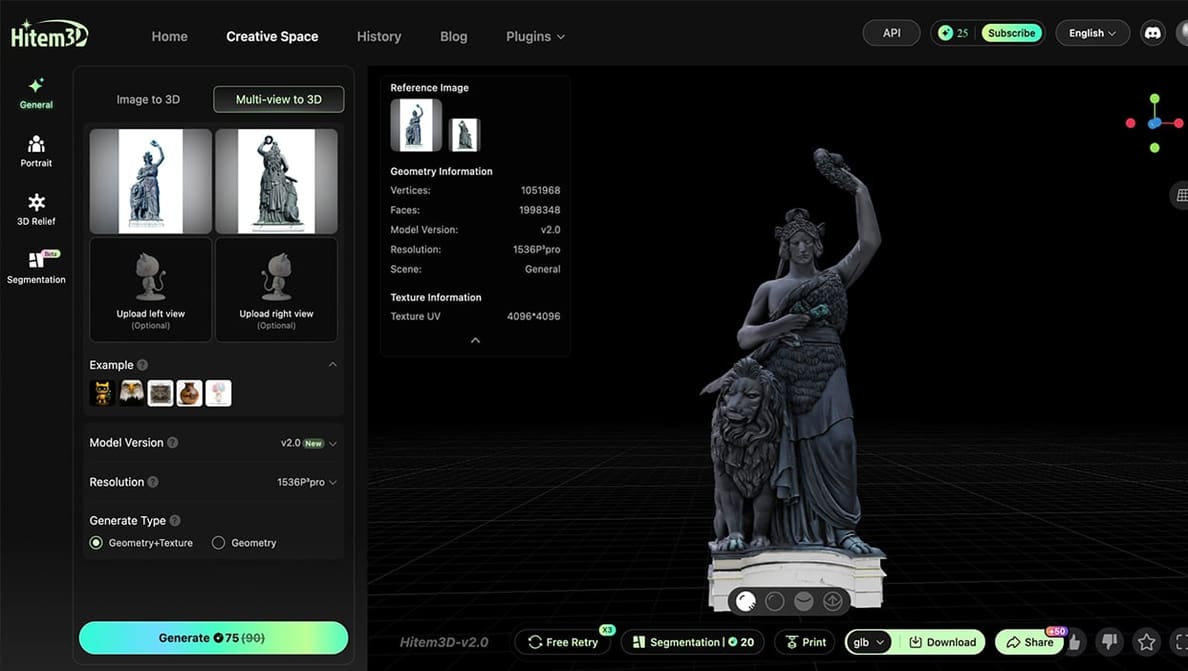
The future of AI-generated models may ultimately be judged not by how impressive they look on screen, but by how consistently they succeed on the build plate.
Eventually, Thingiverse may offer its creators new ways to build a business for themselves and dedicated spaces for communities to develop. You can read more about that here. Ostensibly, that'd mean things like premium models, creator subscriptions, and perhaps even crowdfunding are on the table.
As these things often do, it's got me thinking. How many of you put money into the models you print? Do you buy models outright, or subscribe to creators?
The 3D printer component manufacturer has launched a program that nets you points for spending, as well as sharing and following on social media.
Unlike memberships that lock perks behind annual spend thresholds, this is a straightforward "earn-and-burn" model. Points can be exchanged for fixed-percentage discount codes: 500 coins for 5% off, scaling to 20% at the 3,000-coin mark. Best of all, the discounts can stack on top of other promos, like the company's Black Friday sale. More details can be found in a blog post covering the launch.
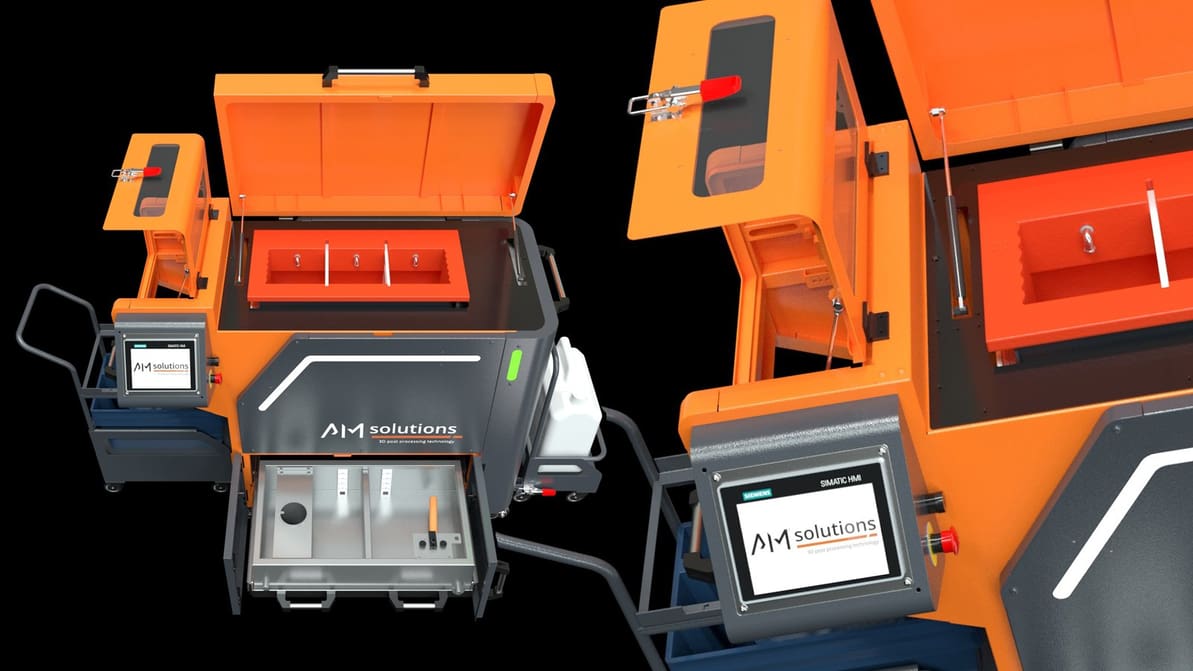
From deburring to polishing, the upgraded and compact M1 system eliminates manual labor by running multiple surface treatments simultaneously—addressing one of the biggest hurdles in serial additive manufacturing.
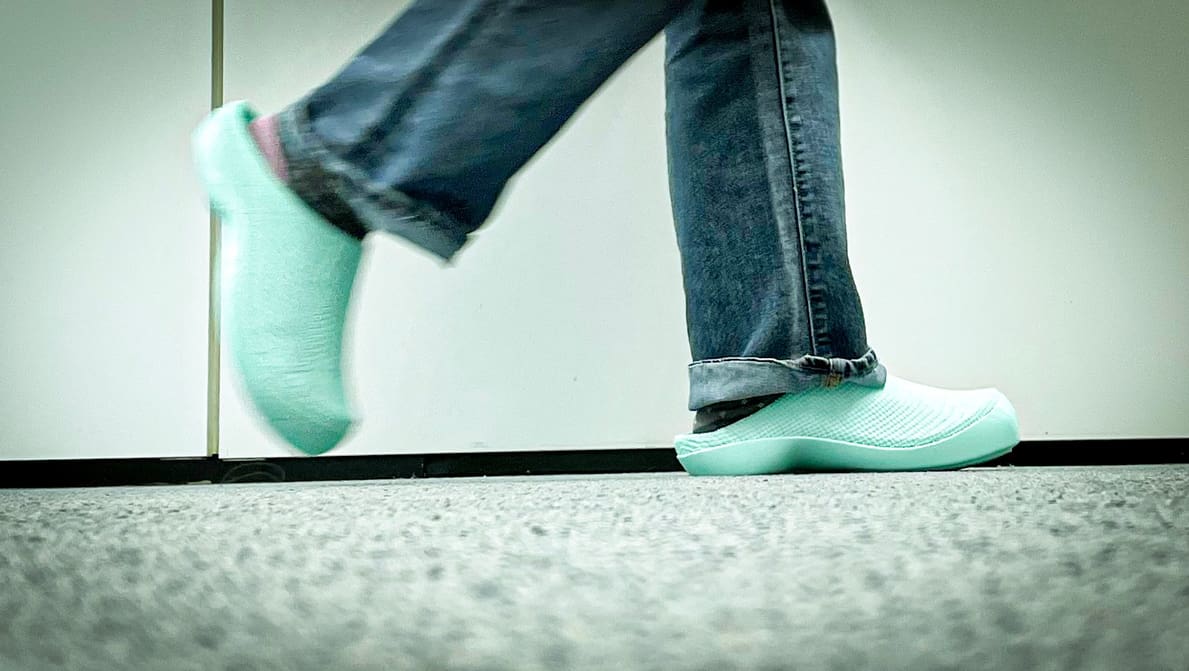
Bambu Lab’s TPU capabilities put to the test creating a custom-sized pair of office clogs. From the first digital layer to a final duct-tape fix, here is what it’s actually like to wear your own 3D prints.

Prominent model repository Thingiverse joins MyMiniFactory’s larger family of creator sites under the umbrella of SoulCrafted, an anti-AI “movement.” Nothing will change in the short term, but eventually the site will orient itself around new communities of user.
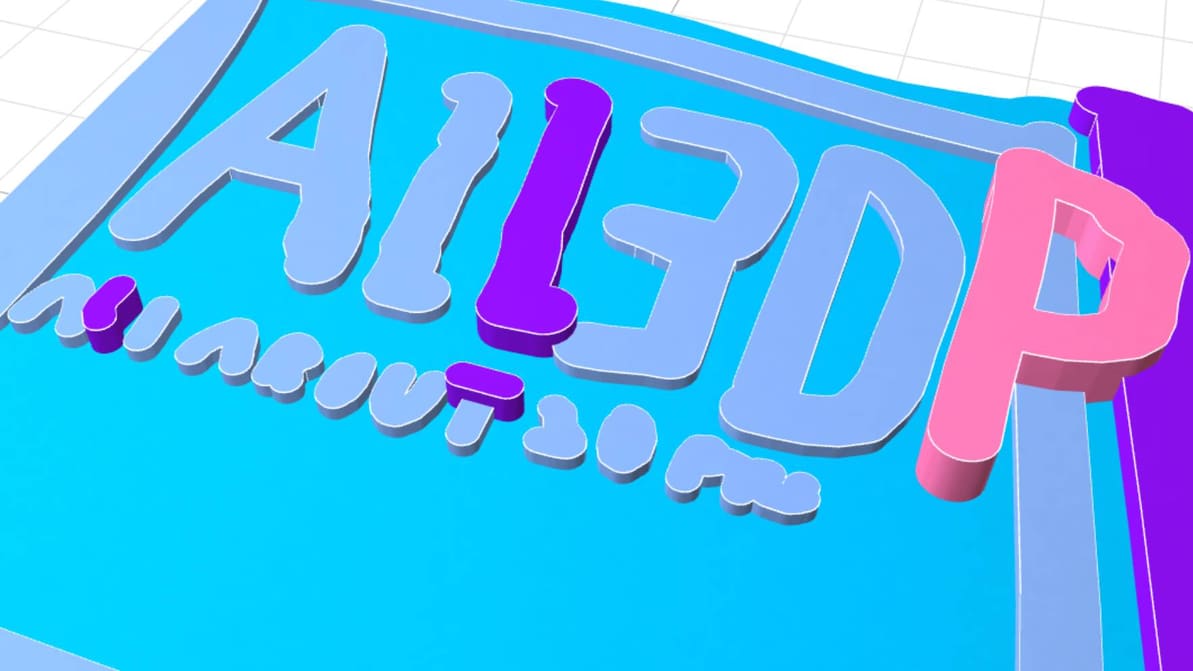
The colorful filament manufacturer’s new design tool is an easy way to bypass a boring afternoon by doodling something you can print. And there are prizes up for grabs in a celebratory launch competition.
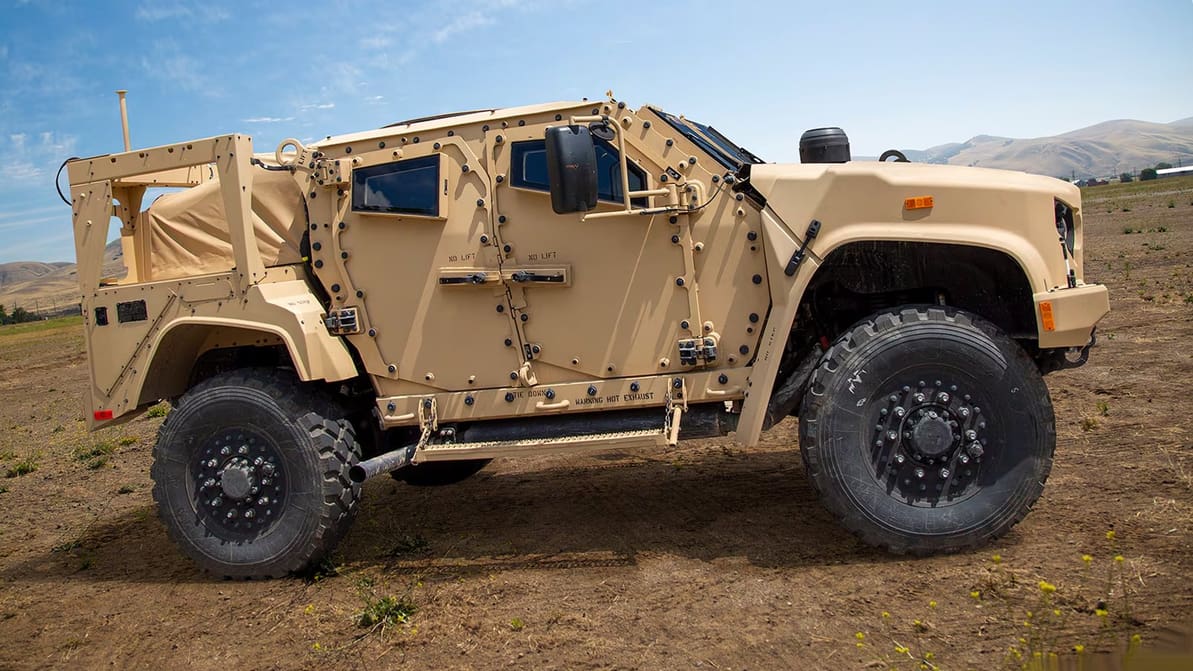
Velo3D and Army engineers will begin printing and validating alternative spare parts for the U.S. Army Tank and Automotive Command (TACOM) supply chain to relieve current sustainment bottlenecks.
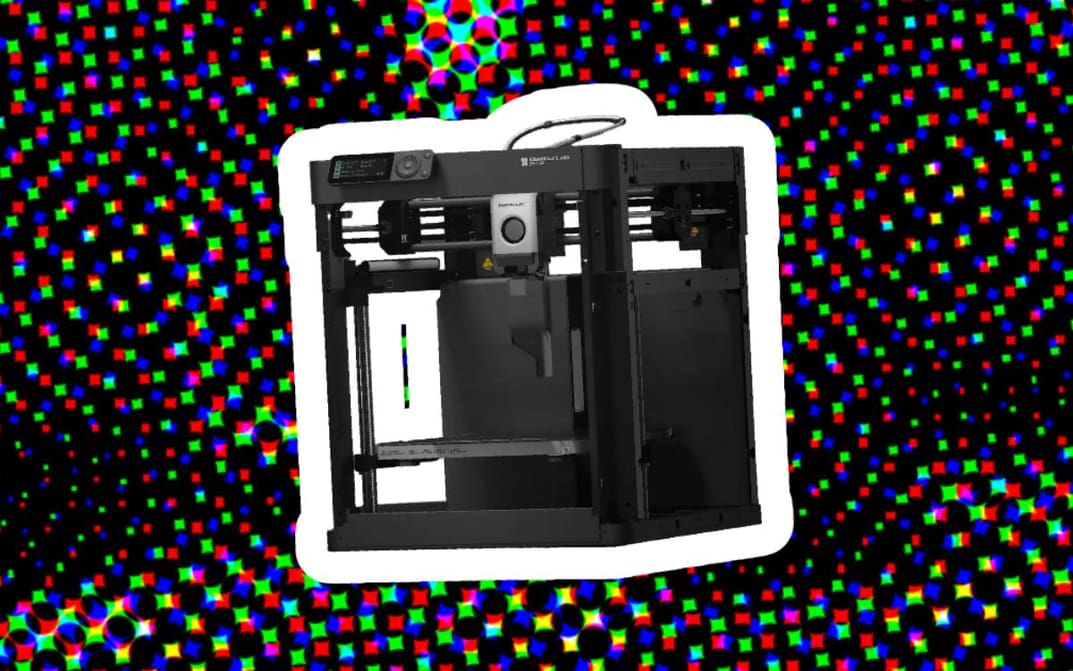
Bambu Lab’s product line-up continues to evolve with production of the skeletal P1P 3D printer ceasing today. The company has committed to years of further firmware and security updates for the printer, plus spares and support through to 2031.
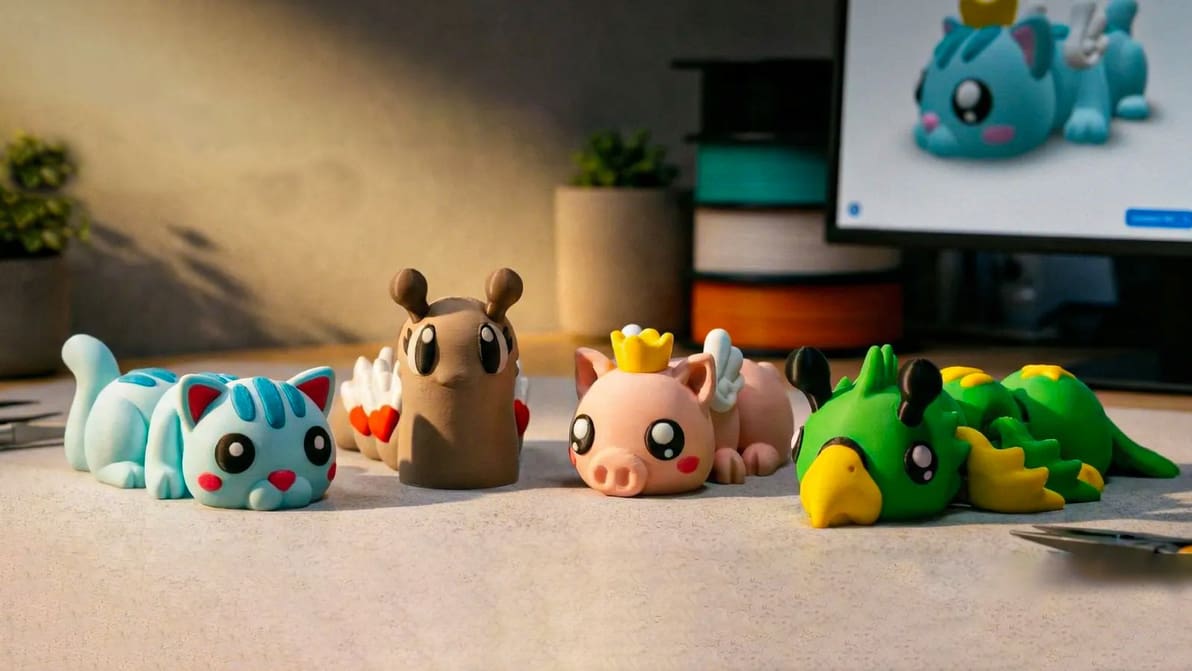
Move over Wigglitz: The "Cute Flexi Maker" is currently in pre-launch on MakerWorld, promising a push-button solution for the next 3D printed collectible craze.

How a specialized four-person team at Robins AFB is leveraging 3D printing and reverse engineering to manufacture critical metal components that are no longer in production.
But should we be spending more time on "The Last Big Thing"? We reported on a project to modernize "vintage" desktop printers earlier this week. Does hearing about a classic MakerBot running Klipper make you want to rescue an old printer from a garage sale?

The device marks a new direction for Creality scanning hardware, leaving the data cables behind in favor of handheld, onboard processing for more agile workflows.
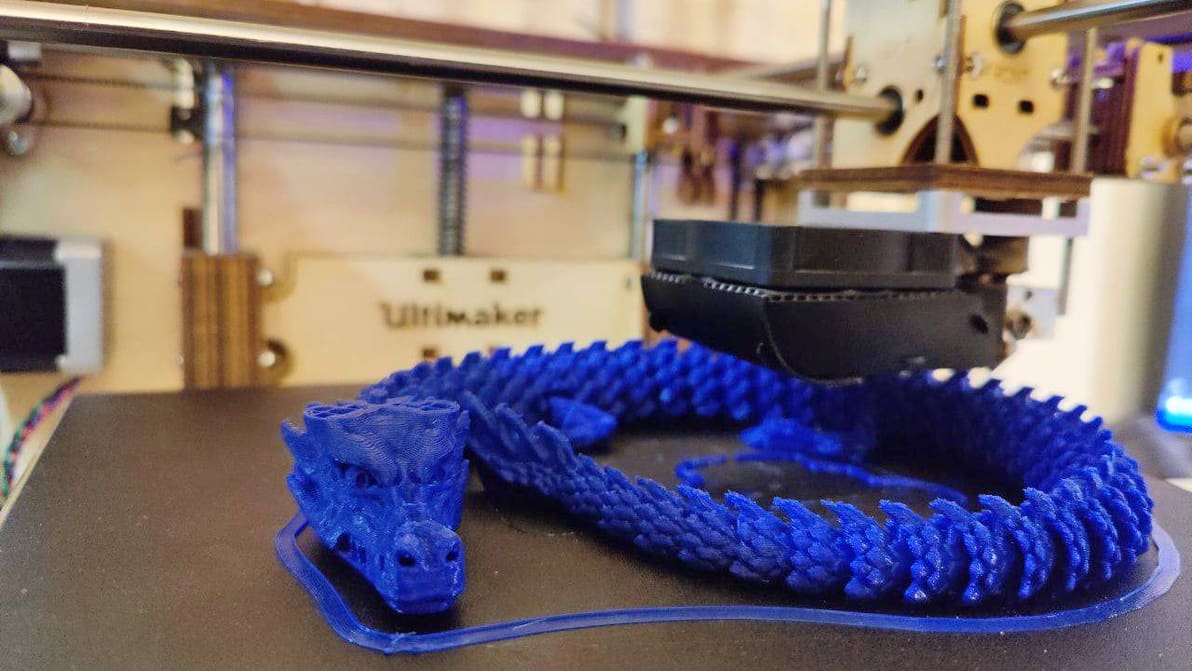
Printer restoration and upgrade project This Old 3D Printer is posting a print every day this year using old and iconic 3D printing hardware.

Following its closed beta, MakerWorld's copyright protection scheme is opening up to more users. In exchange for platform exclusivity, you get a centralized mechanism to report, collect evidence, and support cases.
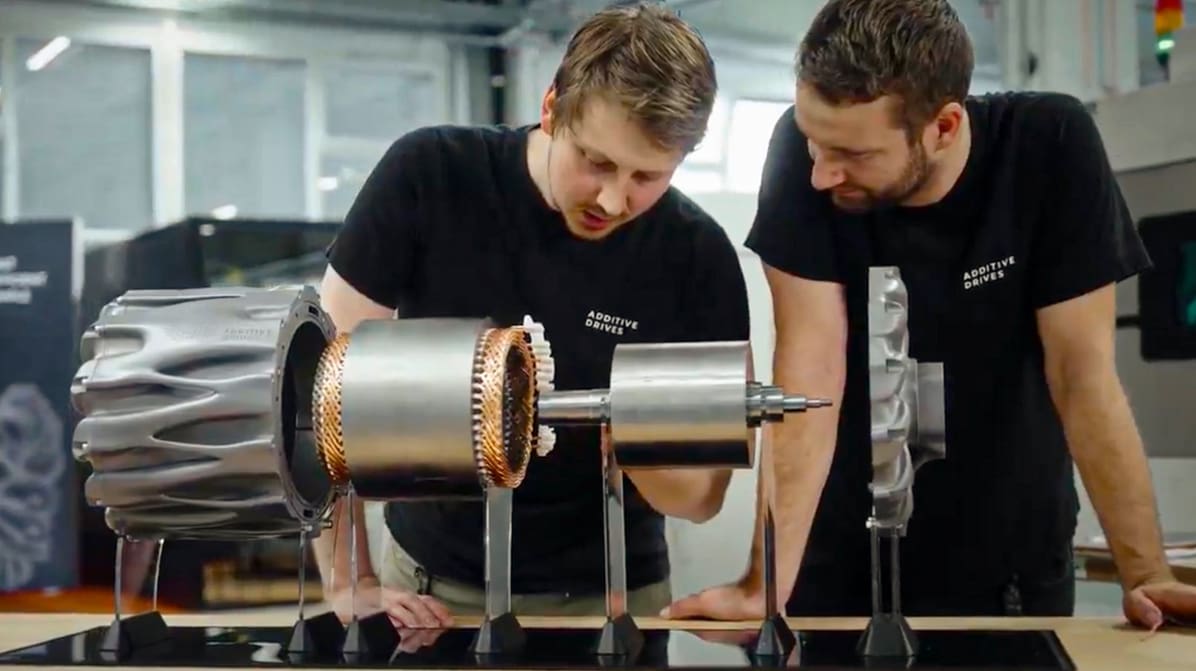
With €25 million in new funding and innovative 3D printing techniques, researchers and startups are now achieving 98% efficiency in electric motors—while slashing the need for critical and rare minerals.