The company announced this week that it has taken on developer Radu "Ratdoux", who popularized the new color mixing technique that manufacturers are scrambling to introduce to their slicers.
What does this mean? Well, it's all open source, so whatever Snapmaker puts out will be a part of its open Snapmaker Orca slicer. The company is banking on this being a significant feature, potentially even influencing the make up of the next generation of hardware, we reckon.
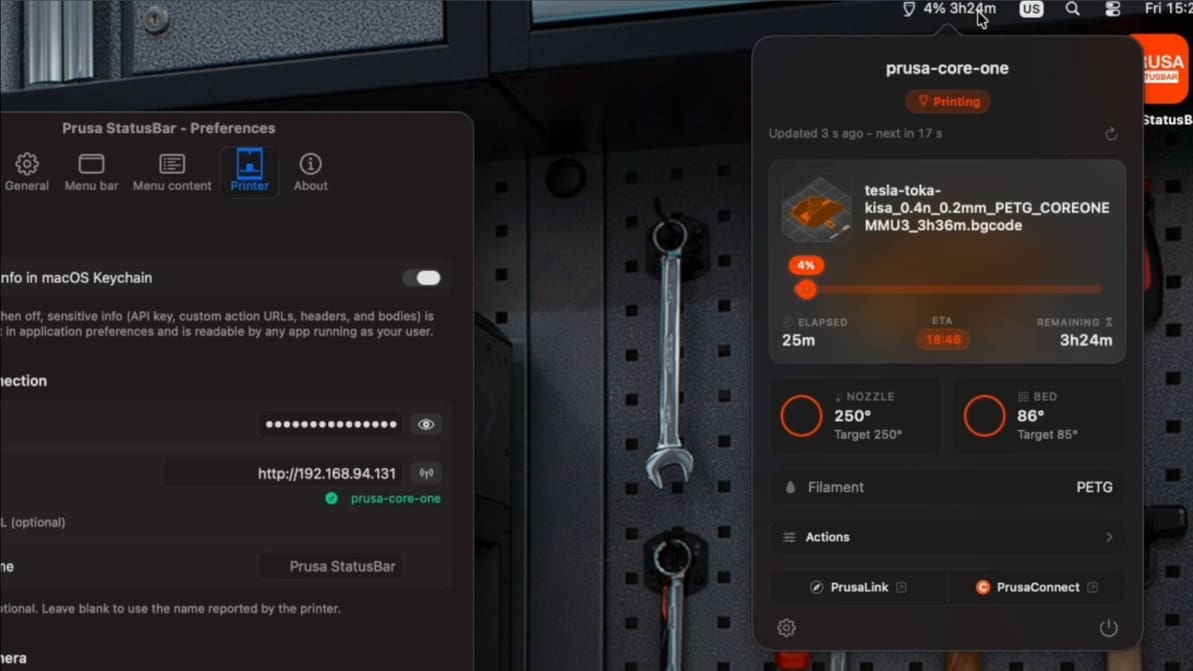
New unofficial Prusa MacOS desktop app brings your locally connected 3D printer directly to your Mac’s status bar, giving you at-a-glance updates, webcam feed, and even one-click Home Assistant triggers right from your desktop.
We’re putting Protopasta’s new High Impact Carbon Fiber PCTG to the test, and honestly? It’s just flexing at this point. We’re printing a heavy-duty, snap-close broom holder (a remix by Simple£D on MakerWorld), and the print process has been pretty flawless and effortless on our lab's Prusa CoreOne L. Carbon fiber strength with zero drama? So far, we’re impressed. More on PCTG coming this week.

Bambu Lab’s critics continue to line up to take shots at the company. Following the company's pressure to take an OrcaSlicer fork that restores the connection to its cloud service offline, attention has sharpened onto an alleged AGPL license violation that may have lived within Bambu Studio since its launch in 2022. Bambu Lab contests this.
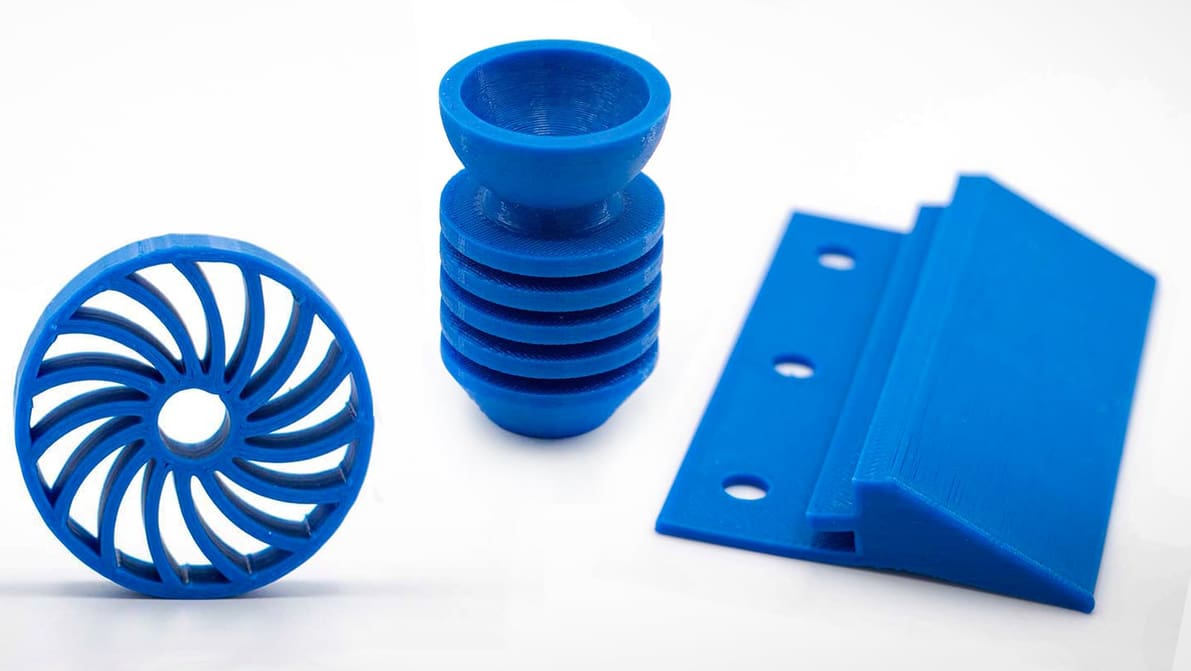
This new additive material offers food-processing plants a rapid, cost-effective method to produce custom gaskets, seals, and production-line parts at fraction of the time of traditional manufacturing.
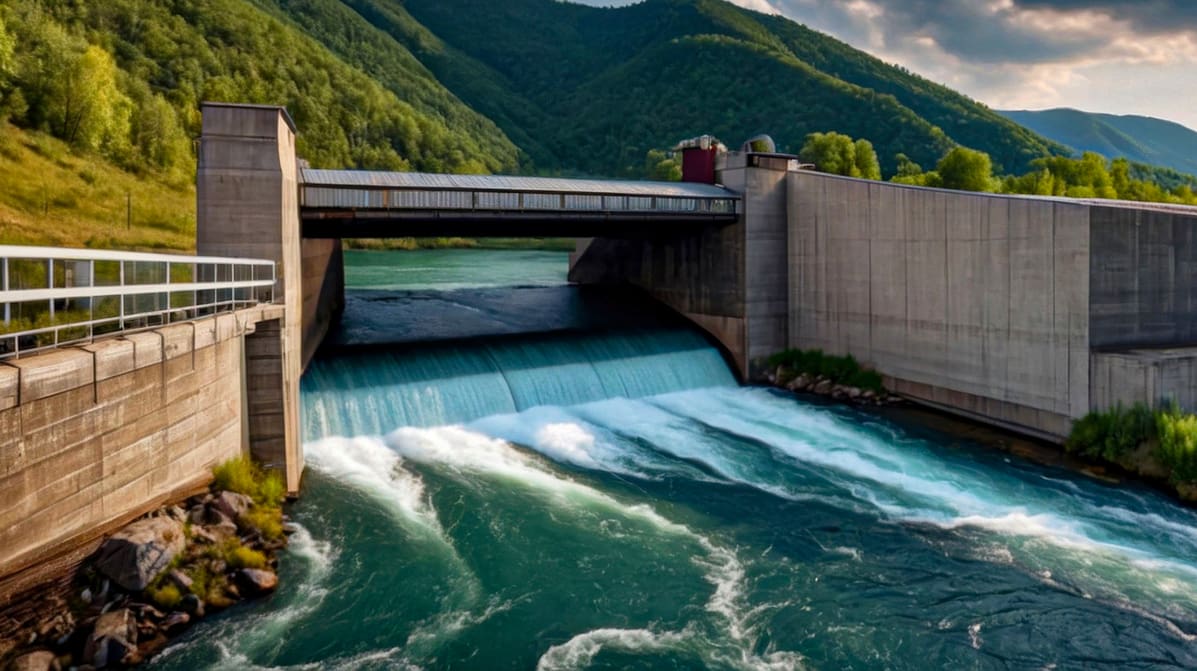
After a 3D printed turbine prototype successfully passed a grueling six-year continuous operational test, the ORNL-backed technology is now ready to scale, offering a cost-cutting blueprint to unlock clean energy at thousands of U.S. dams.
Between FullSpectrum slicer in March, Bambu Lab integrating it directly into its software, and new tools like ColorStack making it possible to print color texture data directly on a regular 3D printer, things are looking vibrant in desktop 3D printing.
And it's all possible from software that can interpolate between different color filaments – having them optically blend to give the appearance of another color altogether. Some folks are pushing it far, but right now it's too wasteful to do without a toolchanger. Say toolchangers become the standard one day – are you on board with it?
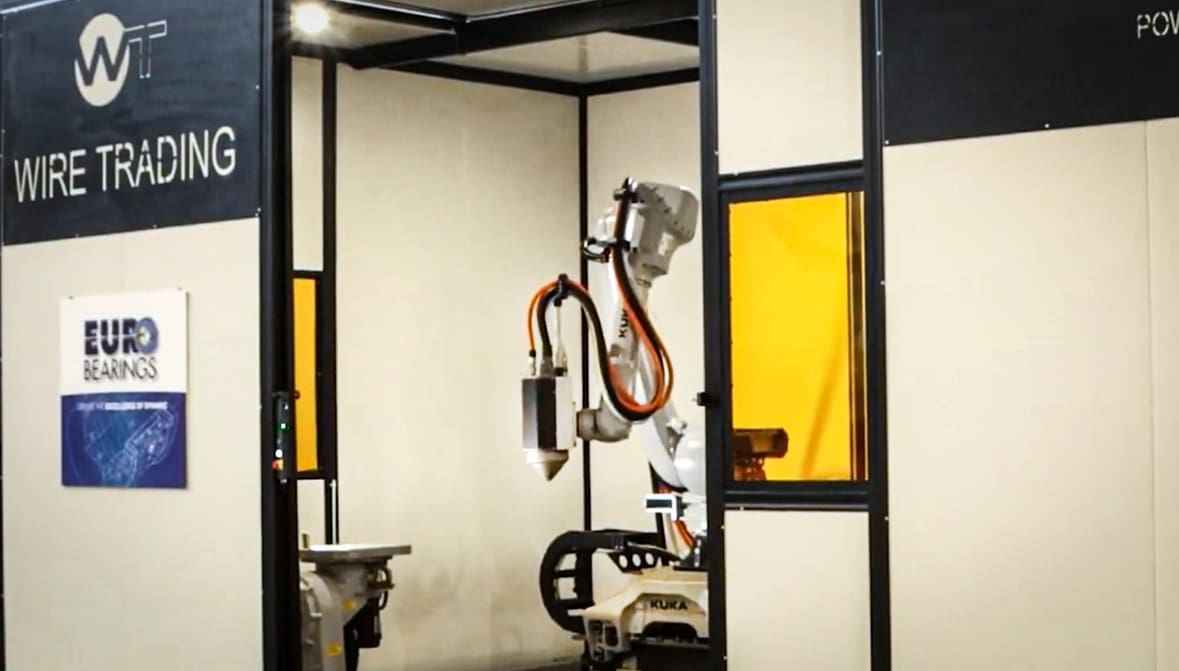
By integrating Meltio’s metal wire DED technology, Italian specialist Eurobearings is replacing weeks of traditional machining and welding with days of additive manufacturing to repair and produce massive industrial components.
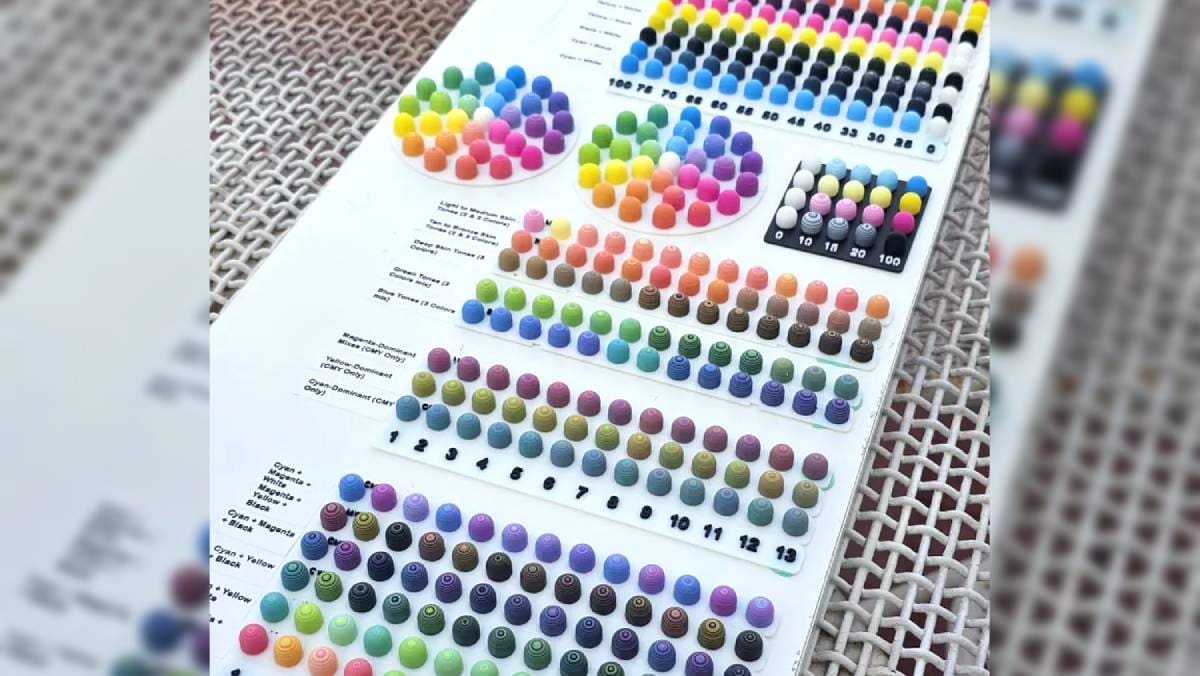
and with it, the groundwork to make the effect repeatable and consistent. This model on MakerWorld shows off 292 distinct printable colors from five source PLA filaments – cyan, magenta, yellow, black, and white – printed on a Bambu Lab H2C. The project comes with a recipe book of sorts, describing the precise ratios to reproduce each color, helpfully split out into palettes, including skin tones.
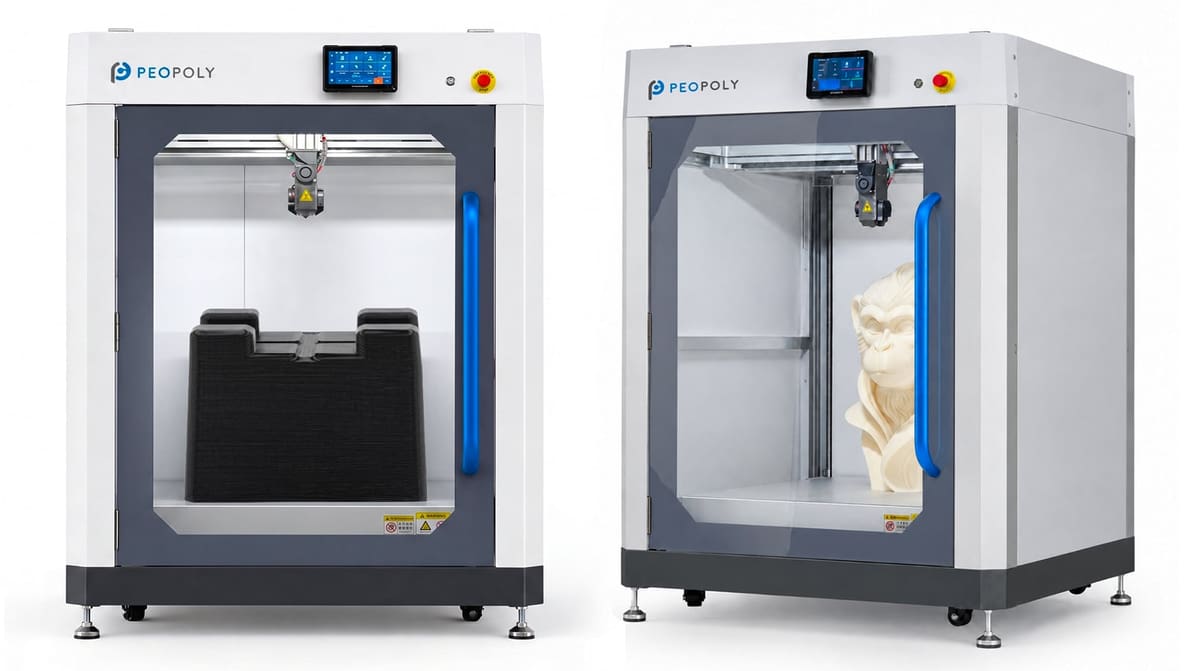
With a massive 800mm build volume and a 3kg/hour extrusion rate, Peopoly’s pellet-fed disruptor is built to slash material costs by 90% and replace expensive industrial systems.
The OrcaSlicer fork pulled from GitHub following the threat of a cease-and-desist letter last month is back. The slicer, which reconnected the popular third-party slicer to Bambu Lab's cloud infrastructure without Bambu Connect – control middleware the company launched early last year – is now hosted by right-to-repair advocate Louis Rossmann and PC media outlet GamersNexus, with both publicly daring Bambu Lab to sue them over it.
Bambu Lab has not responded publicly to the rehosting. The slicer is now more accessible than it was before the company intervened.
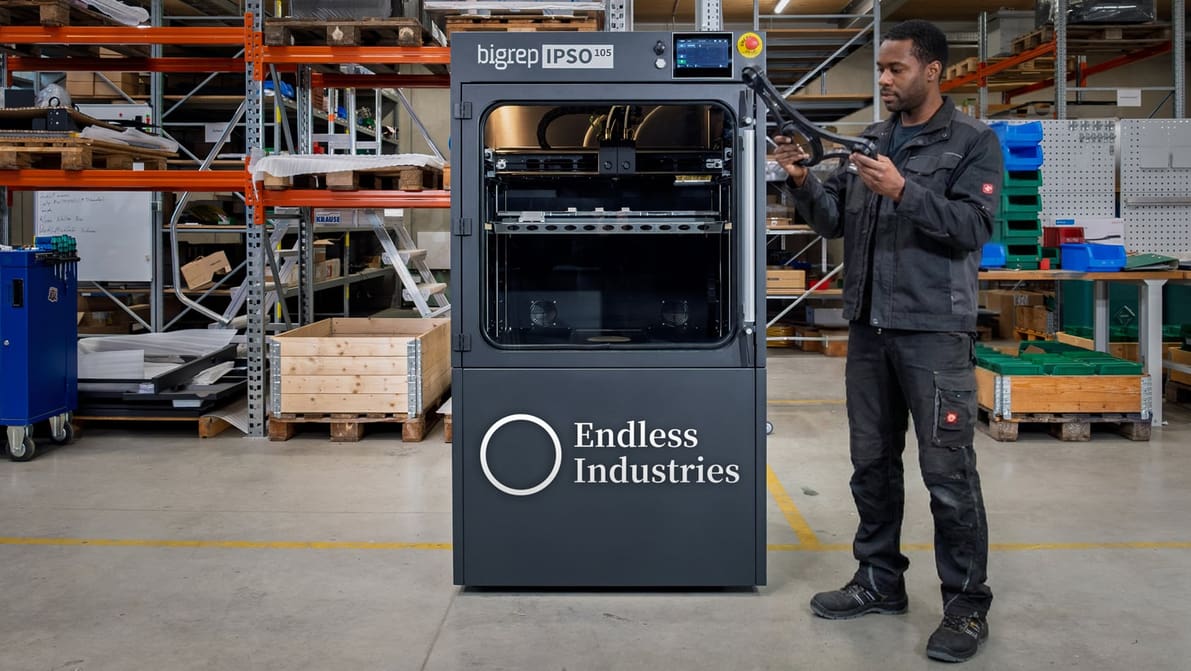
Berlin-based BigRep and Endless Industries are bringing continuous carbon fiber reinforcement to the BigRep IPSO 105, targeting stronger large-format parts at lower cost than traditional composite manufacturing.
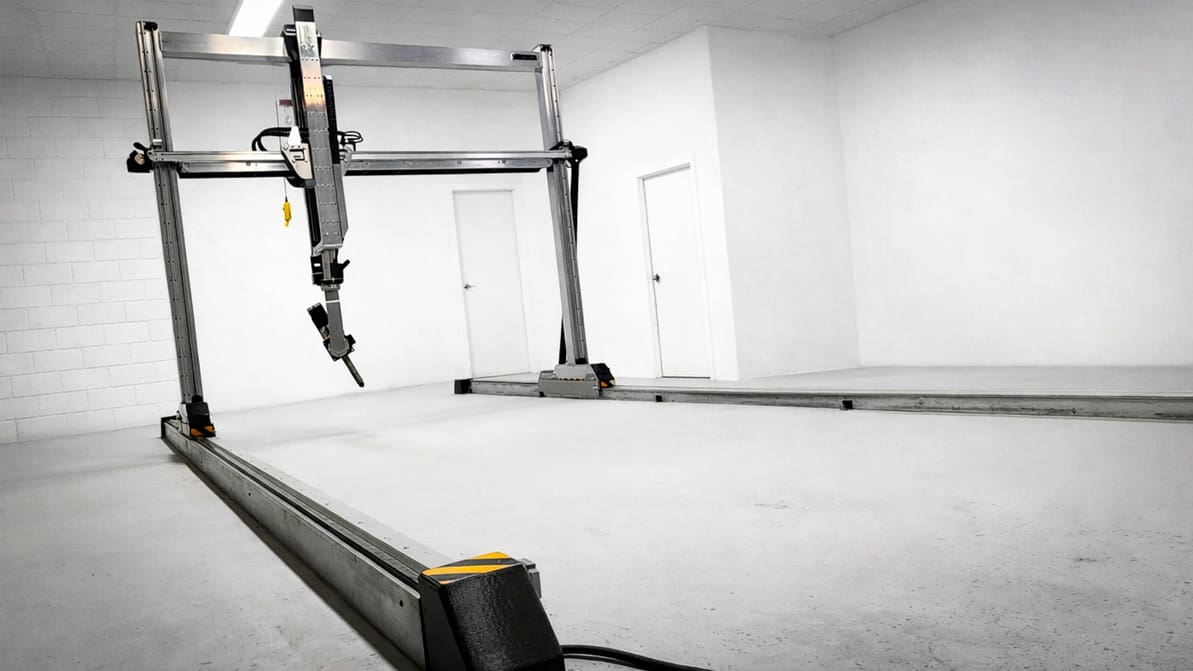
Coupled with machines starting at $15,000, ErectorBot’s hopes its Aibuild software integration can tame the complexity of industrial-scale printing, and make it accessible for any size manufacturer.
Aridditive, a Barcelona-based company specializing in 3D concrete, just 3D printed the full renovation of Sutton Barcelona, one of Spain’s most iconic nightclubs. The company manufactured 340 functional concrete elements off-site, including sofas, staircases, bar counters, walls, and a DJ booth, then installed them as part of a seven-week refurbishment that would have taken roughly five months using conventional methods, the company says. More proof that digital fabrication can handle high-design commercial interiors on a nightlife timeline, not a construction one.
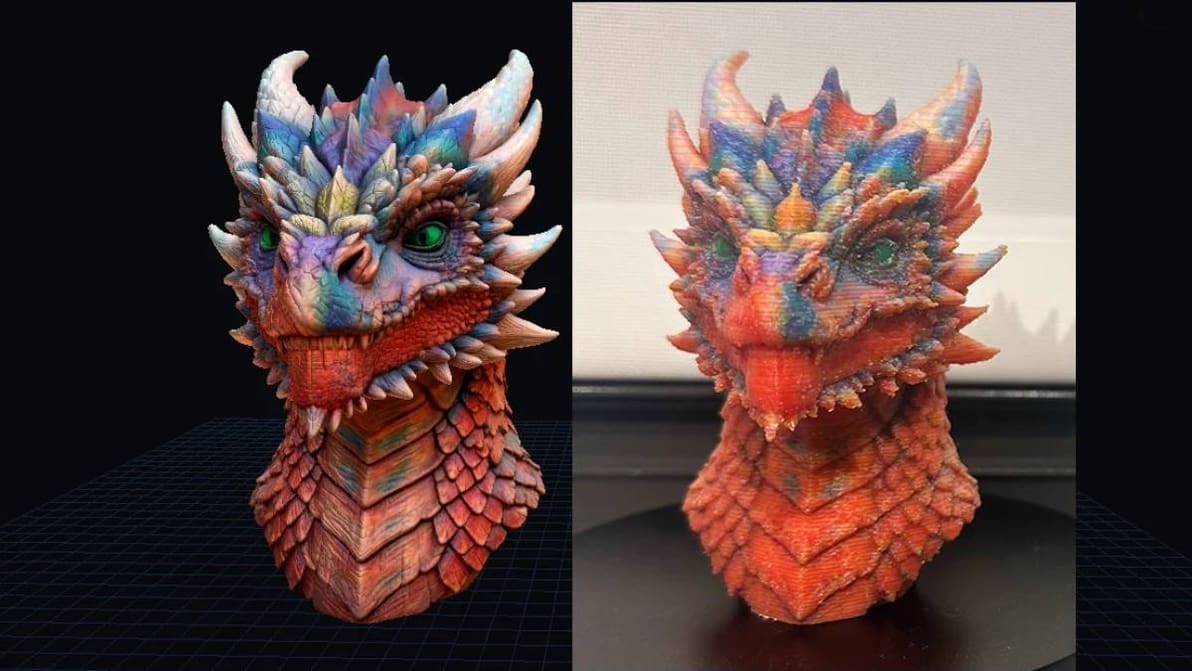
From the brains behind the color interpolation technique known as full spectrum comes ColorStack, a paid-for app that automatically sets 3D printable color data for a CMYW/K 3D print based on texture data.
The prickly overlap between a subset of Bambu Lab users and the company itself flashed into the spotlight this month, following Bambu Lab pressuring a solo developer to take down an OrcaSlicer fork that reconnected the slicer to Bambu Lab's cloud infrastructure.
Cadillac’s Formula 1 team is hit he accelerator before it even hit the pavement, deploying seven of 3D Systems’ SLA 3D printing systems to speed parts development ahead of its 2026 Formula 1 debut. The team is used 3D Systems’ large-format resin 3D printers, software, Accura materials and Application Innovation Group expertise on tool-free manufacturing that cut weeks of lead time and costs. Check out this behind the scenes video about the engineering process.

We all know materials like Nylon and TPU typically print better after a run through a filament dryer, but when it comes to PLA and PETG, things get a little less certain. Some swear by a pre-print bake for flawless results, while others think it’s a waste of electricity. I think the truth is somewhere in the middle. Drying diehards (dryhards?) are probably doing it more than they need to, while those who think it's an overblown 3D printing trope are missing out on the benefits.
Where do you draw the line?
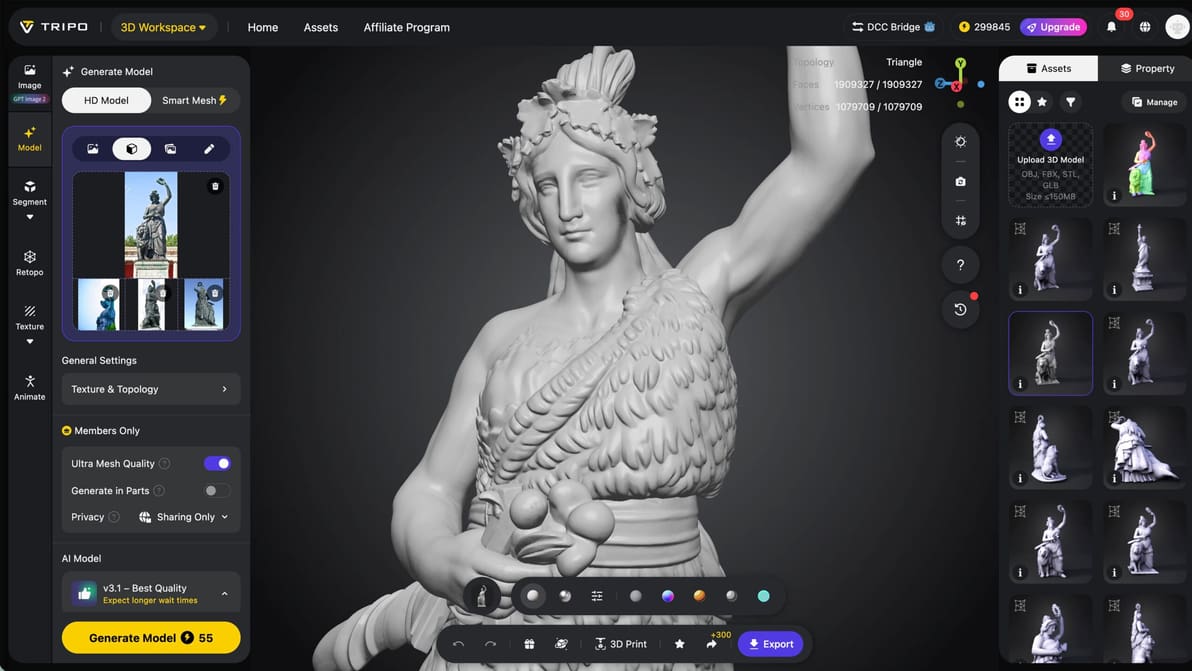
Tripo’s upgrades, Nano Banana 2 integration, and in-platform editing tools, let you tweak, fix, and export 3MF files without ever leaving the app.
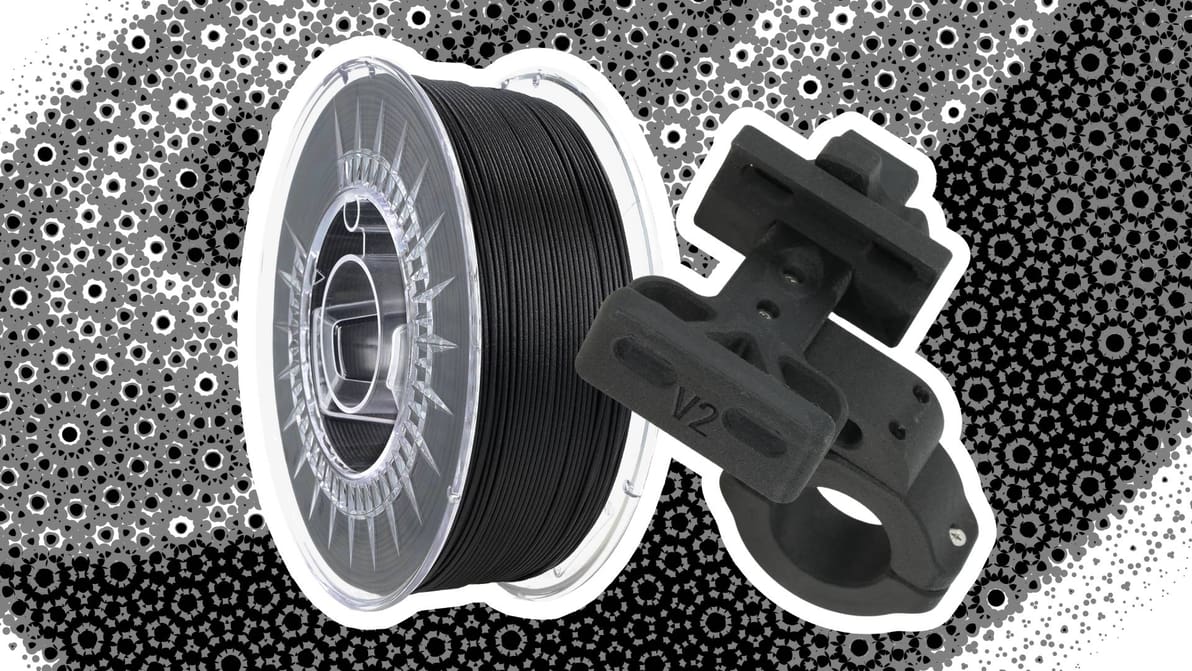
Tough, durable, and chemically resistant, this new glass-fiber reinforced TPU is a technical composite for demanding environmental and mechanical conditions, say Rosa3D. At a Shore hardness of 75D, it bends, but it'll take a lot to break.