Environment
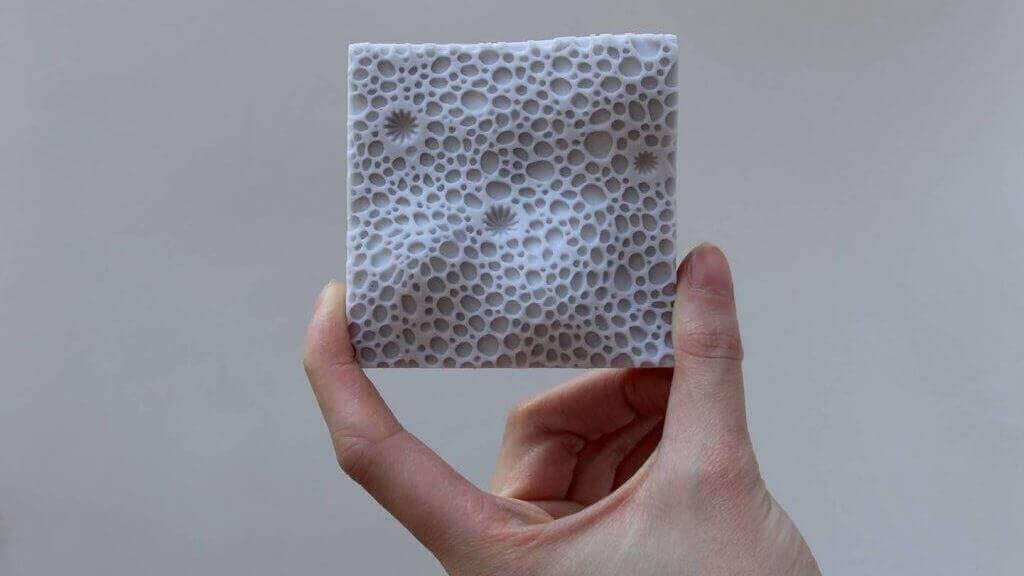
The Caribbean Island of Bonaire is bringing 3D printing to the coast, with an ambitious plan to help preserve fragile coral reefs.
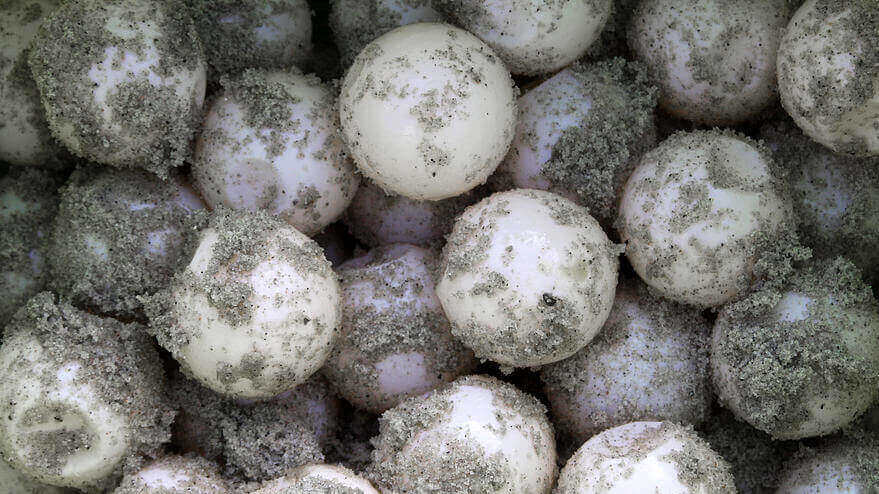
Poachers are the absolute scum of the earth. Conservationists have a new weapon to help fight them: 3D printed turtle eggs with GPS tracking.
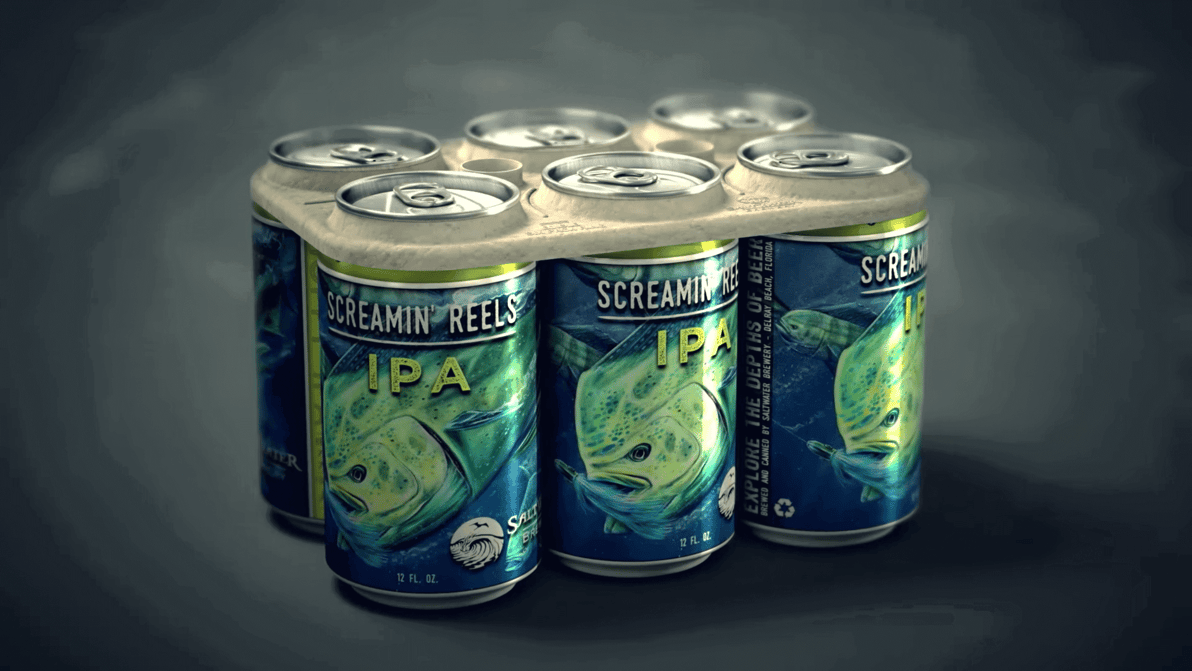
These edible six pack rings keep your beer safe AND they're wildlife friendly, providing a tasty snack made from brewery byproducts.
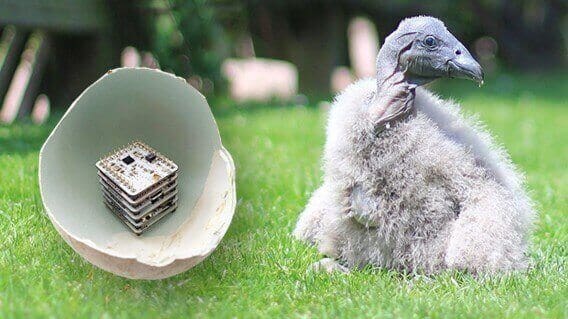
Vultures are a critically endangered species, but with these 3D printed eggs there's a solution to help them to survive and thrive.
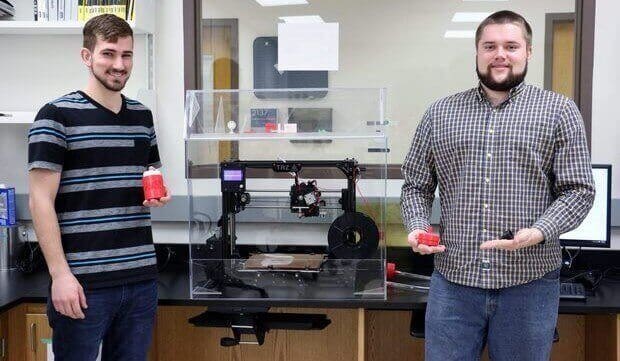
Two students are using 3D printing to combat the Flint water crisis. Can 3D Printed water filter “The Trunk” make a difference?
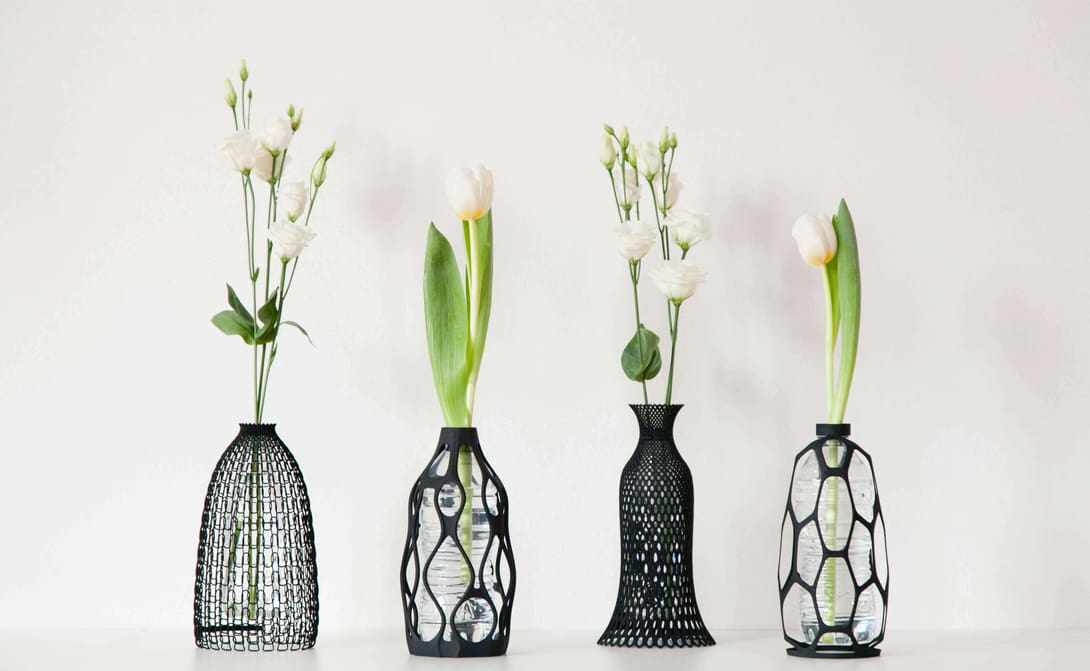
Upcyle a plastic water bottle into a home for your flowers, using an elegant 3D printed vase by designer Libero Rutilo.
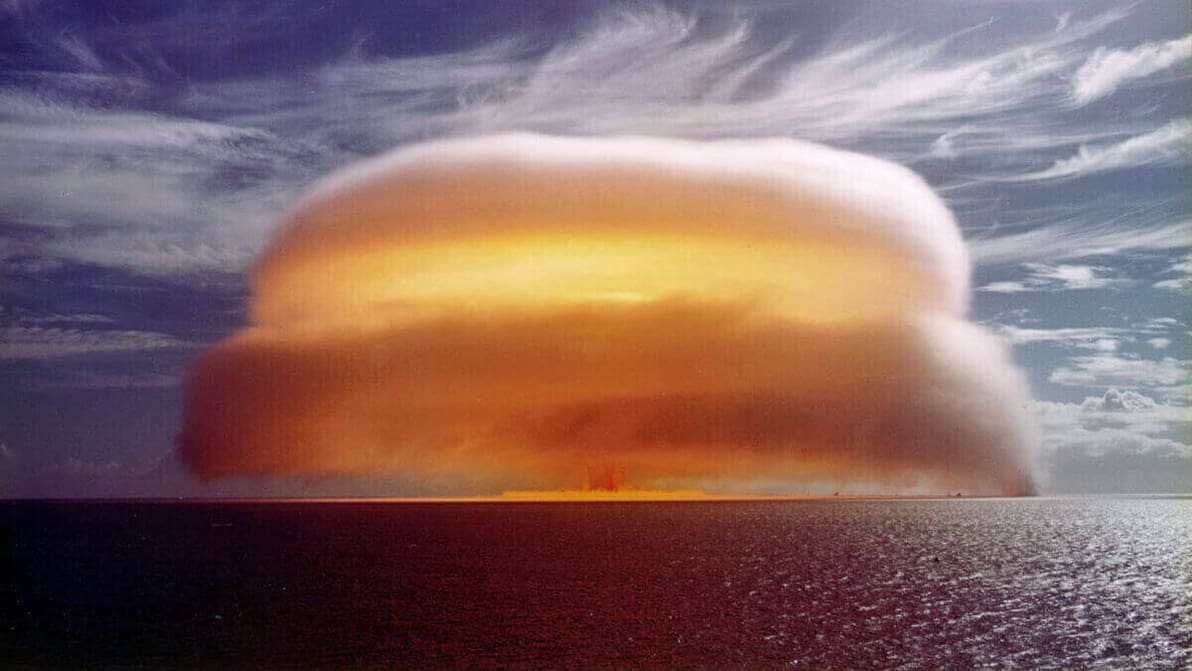
Concerned about harmful emissions from 3D printing? Rachel Spieczny interviews Dr. Brent Stephens, author of the paper whose findings startled the industry.
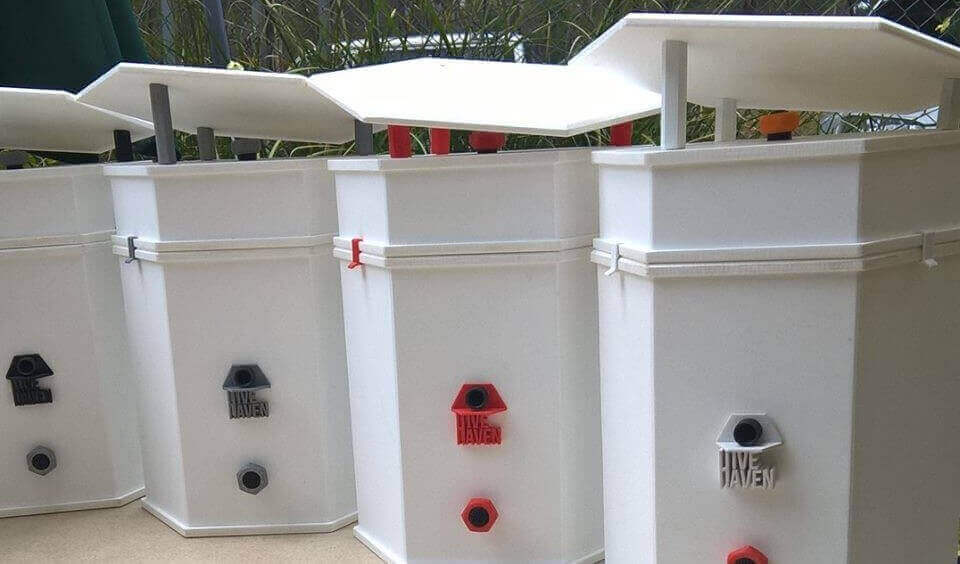
Fabulous bees need fabulous, sustainable 3D Printed Beehives. HiveHaven was making great strides, but now they've put the project on hold. What happened?
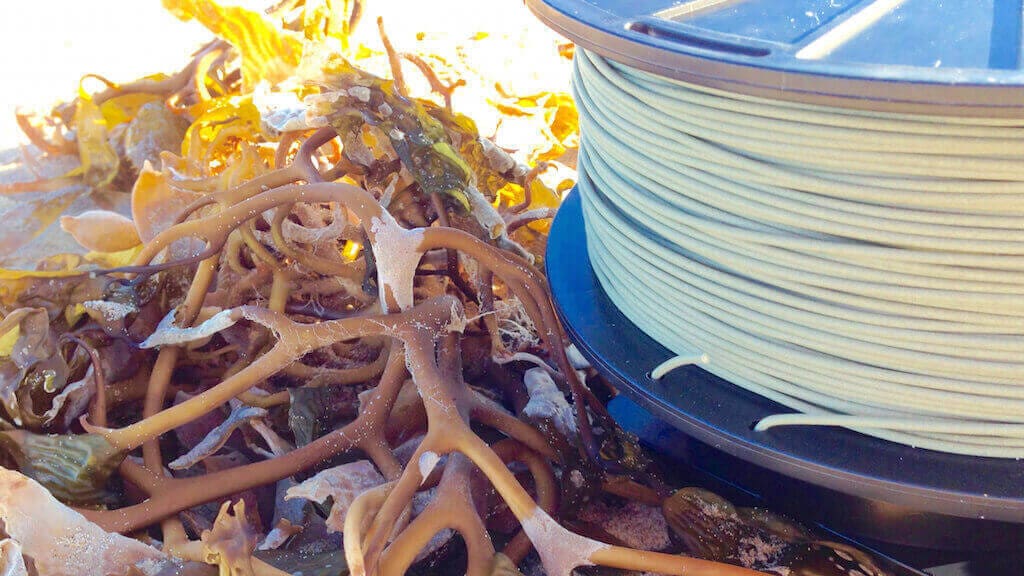
What do you know now that you didn't know a year ago? An entrepreneur driving the market in eco-friendly 3D printing filament shares her learning.
Since the hype of 3D printing we hear stories on how 3D printing will save us. But how can we tell helpful approach from a bogus one?
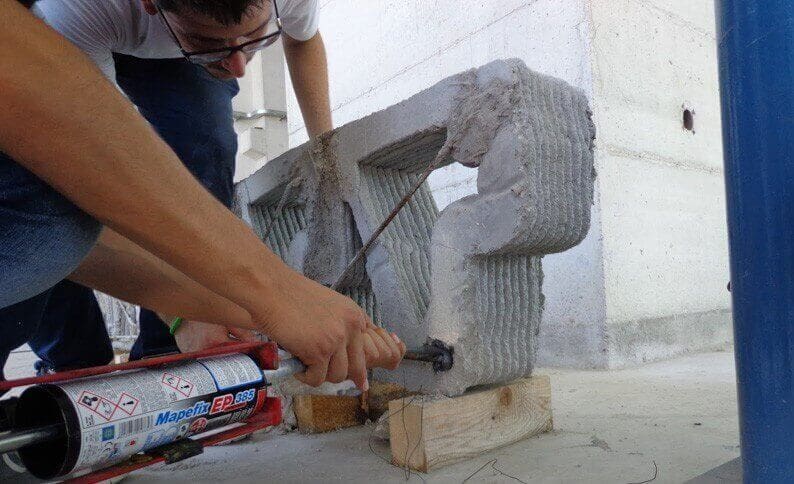
WASP was founded to 3D print homes from 100% natural resources. With 3D printed concrete, they could cut Carbon Dioxide emissions in half.
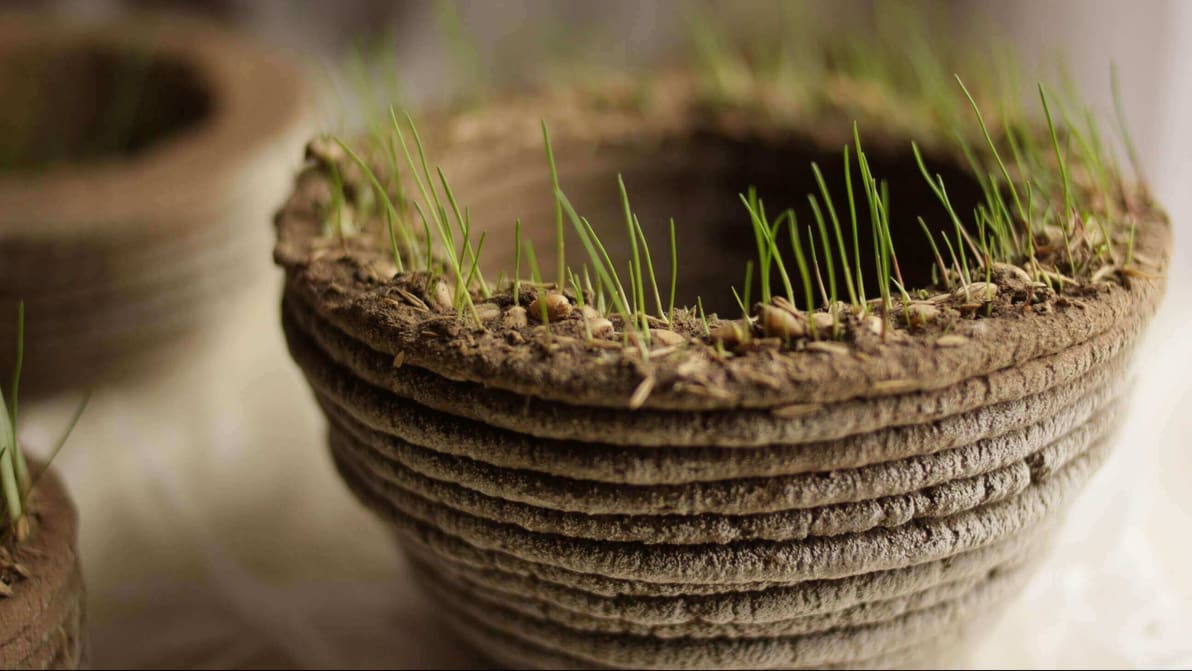
Using only seeds, soil and water to make fantastic shapes, Print Green is a brilliant synthesis of traditional gardening and 3D printing.
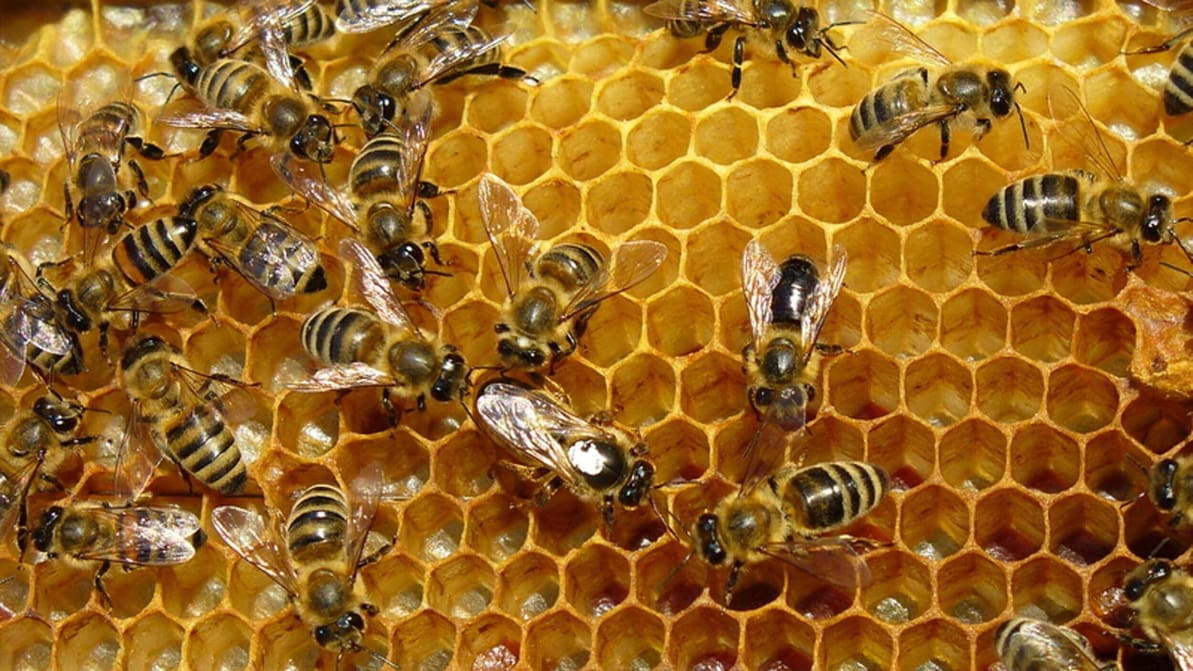
Beekeeping startup HiveHaven is crowdfunding a 3D printed "Bee Box", to save the bees from the pest, disease and overheating issues which threaten bees globally.
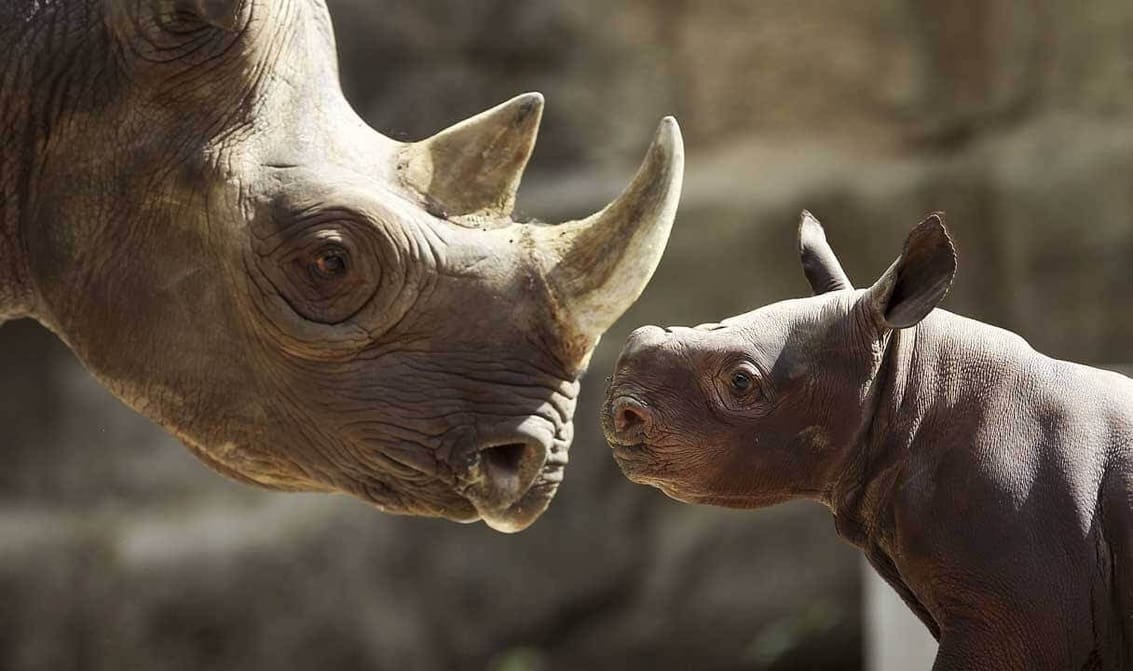
Biotech startups want to develop 3D printed Rhino horns to sink the illegal trade in ivory. Can this crazy plan work, or will it cause more harm than good?
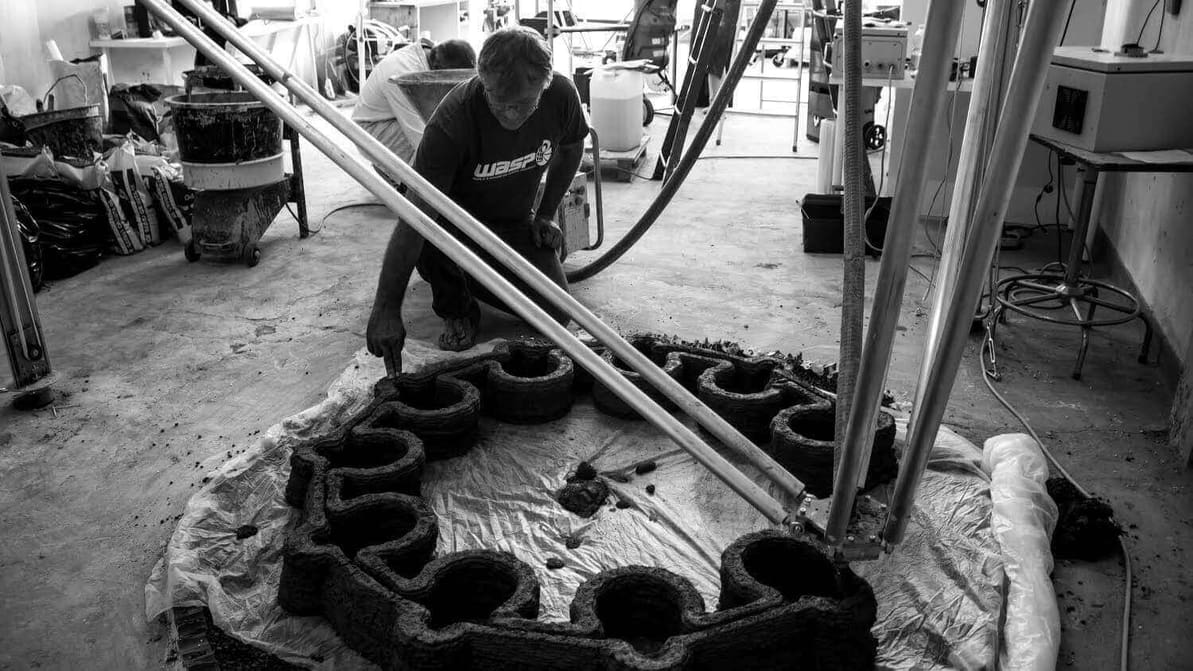
Using 3D printing technologies, the Italian company WASP seeks to find the most efficient and cost-effective ways to produce buildings in Central Africa.
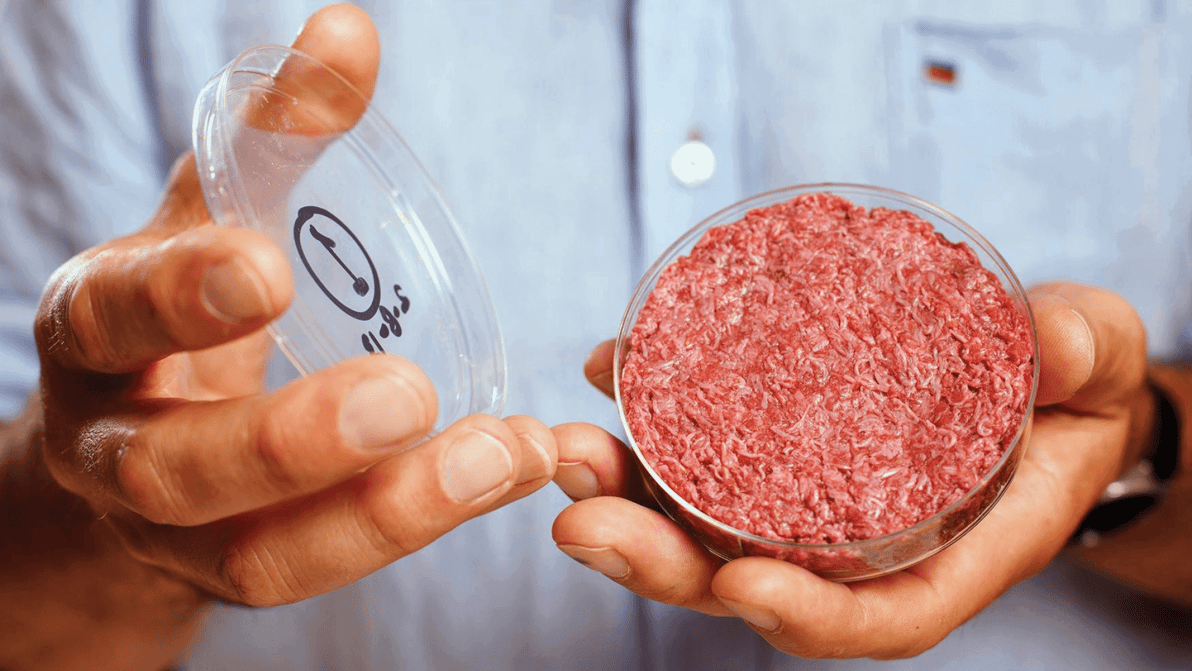
Food 3D printers will be used to make complex foods, such as meat, as well. If not from molecules and atoms, then, at least, from lab grown cells.