Popular articles

After a lengthy legal battle, Cody Wilson and his organization Defense Distributed have settled a lawsuit against the U.S. State Department that will allow them to put 3D printable gun models back online.

Researchers from the Oak Ridge National Laboratory (ORNL) have come up with a patent-pending process for developing 3D printable lignin material, which is an environmentally friendly plant-based option that could someday replace petroleum-based plastic composites.

A French family of five has just become the first to ever move into a fully 3D printed house. Constructed in just 54 hours, the inhabitable structure is 1,022 square feet large, and includes four bedrooms and a central living area.

Polymaker offers its PolyLite PLA in a bright green color. Join us as we take a spool of Polymaker PolyLite PLA Lulzbot Green filament for a test ride.

With just a custom bit of G-code, maker and engineer, Replayreb, can 3D print lightsaber pen tops for his small business remotely. The G-code hack ensures that, once a print is complete, it is pushed off the print bed and the next model starts printing.
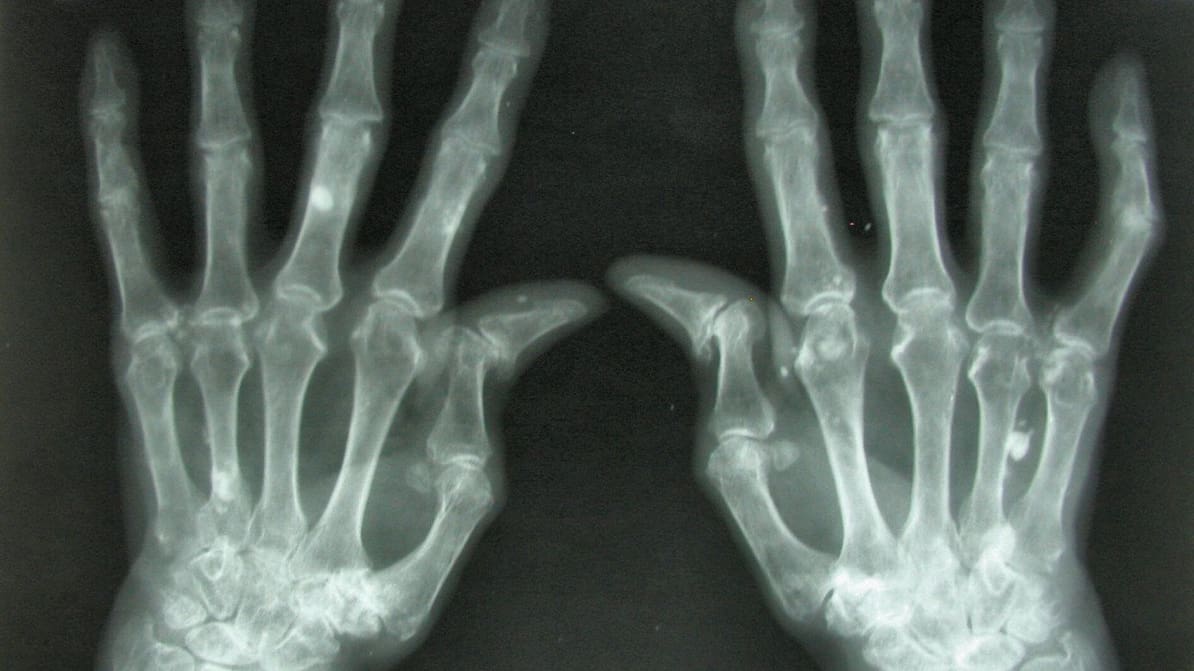
A team of researchers from the University Medical Centre Utrecht in the Netherlands have created a biofabrication method to create living tissues that replicate cartilage and could potentially be implanted to repair damaged joints.

Ninjatek’s Armadillo filament is one of the toughest FDM 3D printing materials on the market. Join us as we take some Ninjatek Armadillo for a test ride.

Have some loose change lying around? Why not save it for a rainy day by 3D printing this gear motor-driven Apple Coin Bank designed by maker Greg Zumwalt.

The FIFA World Cup is in full swing, and now you can 3D print your own lithophane lamp to light your favorite team's path to victory! Check out this amazing 3D printed World Cup-themed lamp designed by the 3D printing company Voladd.
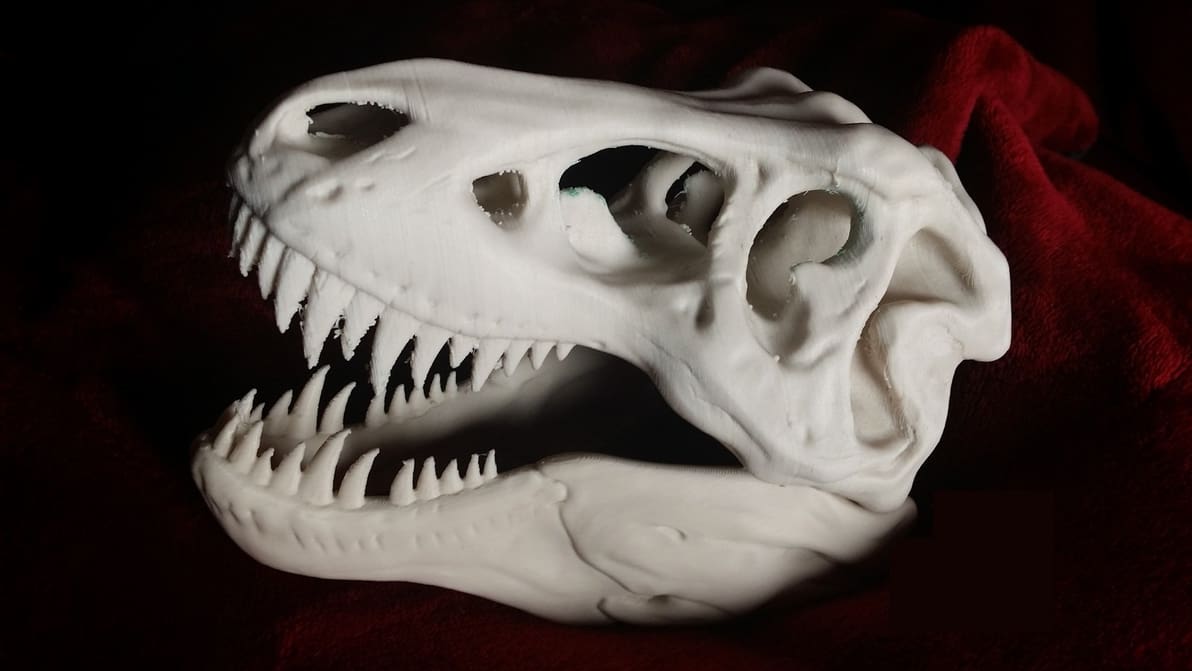
Humans make things from non-renewable resources. Take a greener path! Check out the best bio filaments for 3D printing.

In a recent video YouTuber MyfordBoy duplicates a metal part using a novel process involving 3D printing, a sand mold and casting aluminum. Don't try this at home, but definitely enjoy the craftsmanship at work.

In Bristol, UK, this summer, The Bristol Children's Hospital Charity - The Grand Appeal, is launching "Gromit Unleashed 2" a sculpture trail which includes larger-than-life characters from the TV show and three three 3D printed sculptures.

Add some relaxation to your office or home with a 3D printed Japanese Water Fountain. The Seattle-based maker and engineer Jeremy Elson recently became inspired by a Shishi Odoshi fountain, and decided to create his own 3D printed miniature version.

MIT researchers have developed a technique which turns 3D scans into highly detailed, multi-material 3D prints. Utilizing voxel-based printing championed by the likes of Stratasys, the process could be beneficial for presurgical planning.

In an effort to show how useful 3D printing can be when you only take the benefits of the technology and work around the negatives, researchers from Sandia National Laboratories have developed a 3D printed telescope in a third of the time and at a fifth of the traditional cost.

Thingiverse user UniversalMaker has recently shared a vibrant and modern 3D printed DIY lamp project. Dubbed as the Voronoi Blowball Flower, this light fixture will lighten up your room and produce some unique wall patterns while doing so.

3D printing and CNC milling each provide distinct advantages to those looking to rapidly prototype and iterate their designs. Rapid prototyping services like WayKen offer both, but it's important to know the differences between what the two technologies have to offer.

If you live in a humid climate, you may find that many of your 3D prints aren't going to plan. The cause may be that your filament is damp. Don't despair, there are many ways to dry it out.

Researchers from Newcastle University, UK, 3D printed human corneas for the first time. To do this, they mixed stem cells from a healthy donor cornea with a gel and collagen to create a printable bio-ink.
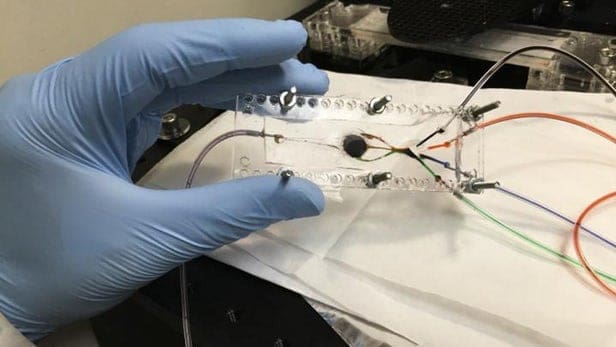
Researchers from UCLA have developed a SLA-based bioprinter that is able to create therapeutic biomaterials from multiple materials. This advancement could potentially be used for on-demand printing of complex artificial tissues for use in transplants and other surgeries.