Don’t Let Your 3D Prints Break Down: The Essential Guide to Resistant Filaments

3D printing pool toys, soap dishes, or motor oil funnels? Then you need to know which polymers are resistant to soaps, oils, fuels, chemicals & acids.
If you’ve ever 3D printed a plant pot out of PLA and watched as its once water-tight structure slowly broke down over time and started to leak, then you know that polymers degrade. You should have used a polypropylene filament that offers better resistance against moisture.
So what about that car part or that soap dish?
Some polymers are better than others when it comes to withstanding everyday chemicals, from mildly acidic detergents, to pool chlorine, to motor grease. Choosing the right chemically resistant filament is crucial for the longevity and safety of your 3D printed parts when used in challenging environments. Here, we take a look at the chemical resistance of 3D printing filament types and which one is best suited to your next project.
What Is Chemical Resistance & How Do I Know?
Some polymer filaments have high chemical resistance to certain chemicals, which means that they won’t be broken down (corroded, dissolved, swelled, etc.) by exposure to certain chemicals. Some polymers resist acids, some resist solvents, and some resist alcohols and fuels.
Although your filament’s polymer structure and molecular weight affect its chemical resistance, this data is not typically listed on the technical data sheet that comes with your material. You may also not know how the filaments’ various additives will boost or diminish their chemical resistance. Other factors that affect a polymer’s chemical resistance are heat, exposure time to the chemical, mechanical stress, humidity, oxygen exposure, and more.

Unfortunately, there’s no score for chemical resistance typically disclosed on filament technical data sheets like there is for impact resistance or mechanical strength. That’s why this information should be taken as general guidelines: Use materials like PETG or ASA for water and mild household chemicals, step up to engineering plastics like nylon or PP for fuel or oil and stronger reagents, and reserve the ultra polymers (PEEK, Ultem, etc.) for the most extreme cases. Let’s take a closer look.
(Special thanks to Catherine Bouhier, at SpecialChem, for letting us adapt some information from its recently updated comprehensive guide on the chemical resistance of polymers that you can find here.)
Soap Dishes, Bathroom & Kitchen Containers
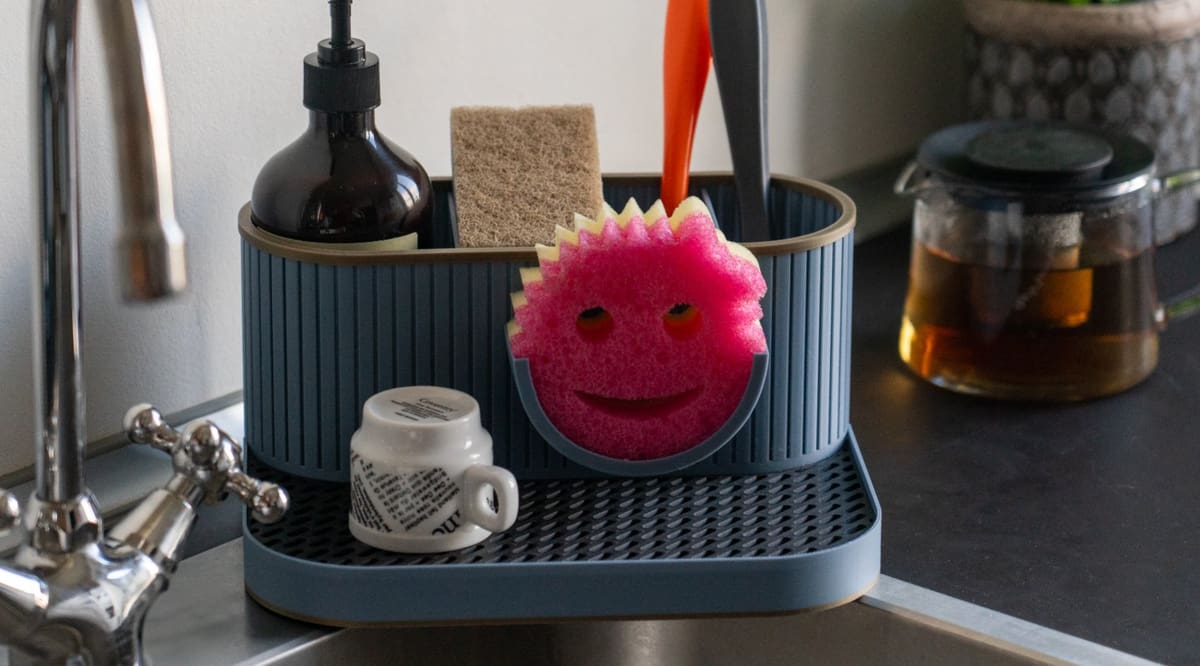
Soap dishes, kitchen organizers, or bathroom containers are regularly exposed to water, detergents (often mildly alkaline), and possibly cleaning agents (bleach, vinegar, etc.). They also see warm water and humidity.
For these prints, you’ll need a filament with good moisture and mild chemical resistance, such as PETG, ASA, or Polypropylene.
PETG (Polyethylene Terephthalate Glycol) is highly resistant to water and most mild household chemicals. It doesn’t absorb water significantly and tolerates soaps and weak acids and bases. It will remain stable with common cleaners like alcohol or vinegar, though it will be attacked by strong solvents like acetone or benzene. It prints easily and offers better durability in wet conditions than PLA.
ASA (Acrylonitrile Styrene Acrylate) is an excellent choice for bathroom items. It has very good resistance to water, detergents, and even weak acids like citric acid, with minimal property change on prolonged exposure. Like ABS, ASA can handle soaps and alcohol, but avoid exposing it to strong solvents (e.g. acetone will destroy it). ASA also has the bonus of UV resistance for sunlit bathrooms or outdoor use.
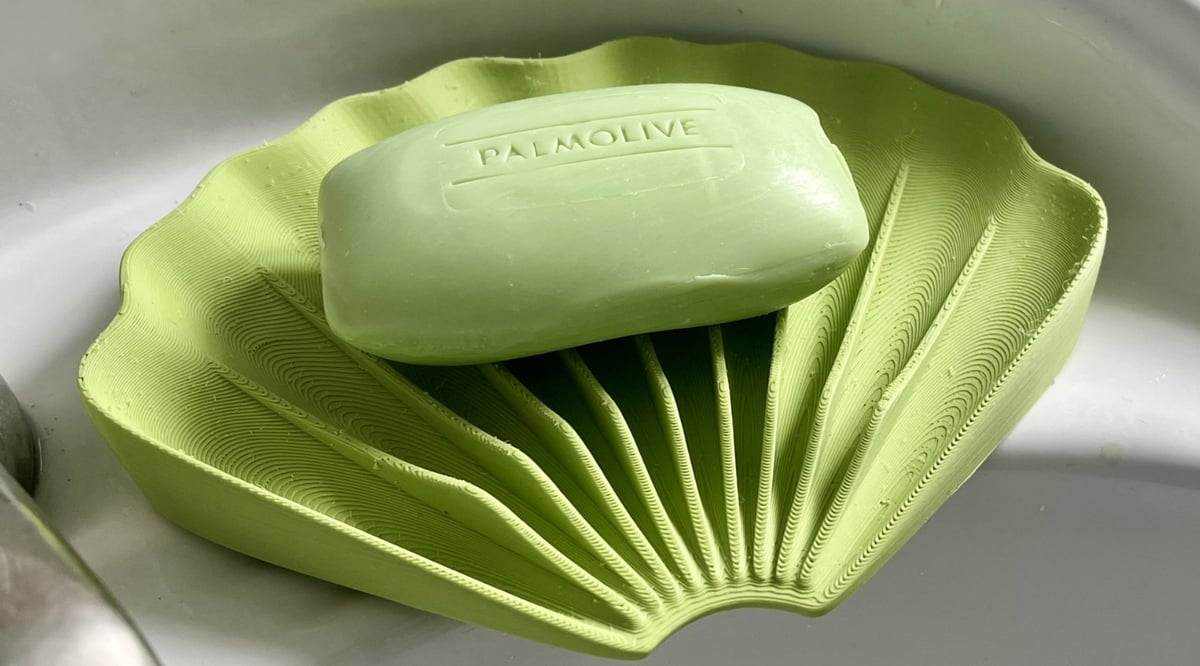
Why Not PLA? Avoid PLA for wet or chemical-exposed use. PLA has poor chemical resistance and hydrolyzes (breaks down) with prolonged moisture exposure. It might initially hold water, but over time, a PLA soap dish can soften or crack. In contrast, materials like PETG, ASA, or PP maintain integrity in moist, soapy environments where PLA would degrade.
Automotive Accessories & Machine Parts
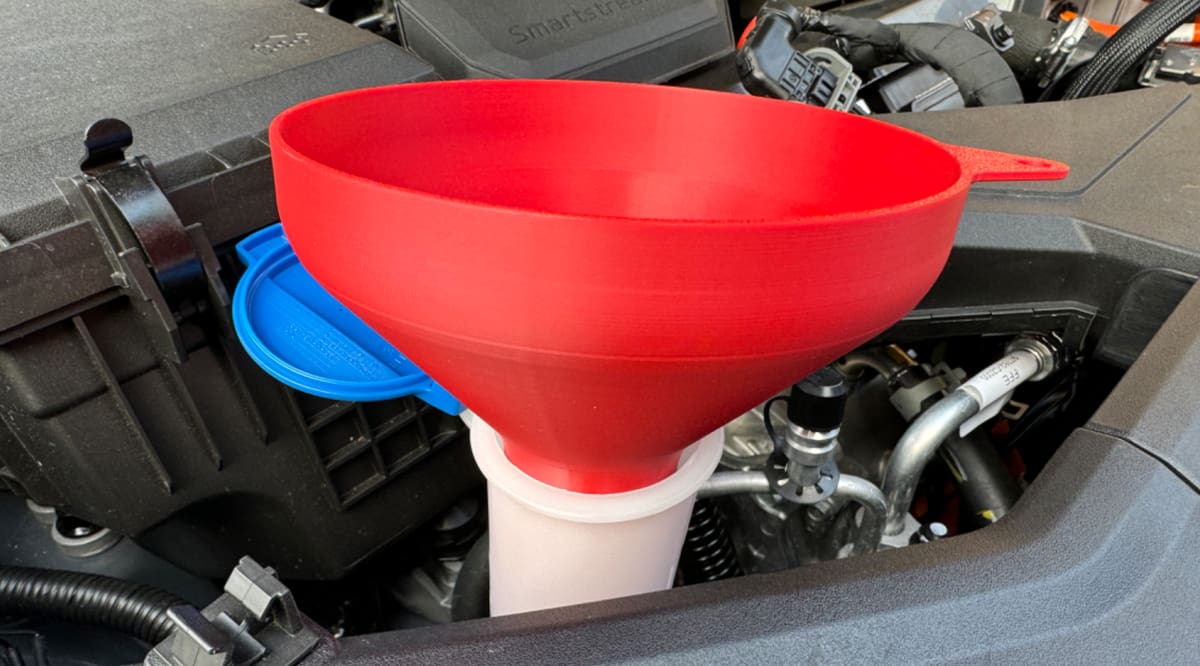
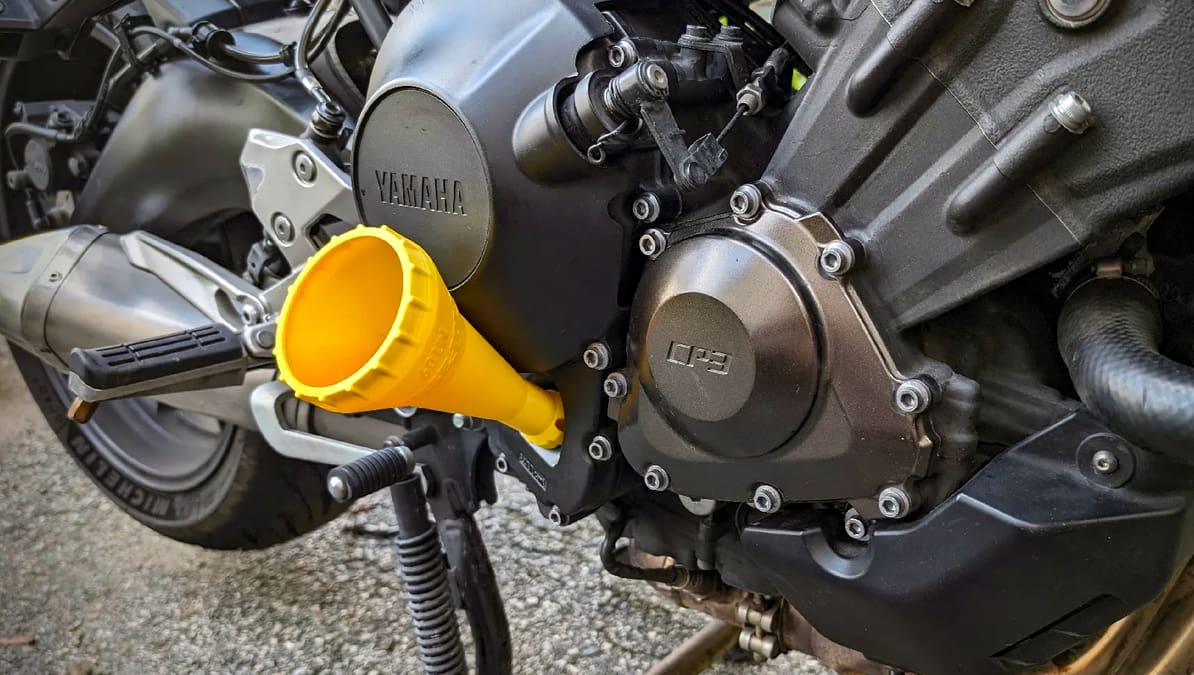
Automotive and motor parts — exhaust vents, engine bay brackets, and fluid container caps or funnels — may be exposed to fuel (gasoline or diesel), motor oil, coolants (ethylene glycol antifreeze), hydraulic fluid, and greases. Under-the-hood parts also face elevated temperatures.
Chemical exposure in this context can be severe: Gasoline and diesel are organic solvents, oils and greases can slowly penetrate plastics, and antifreeze (glycol) plus other car-care chemicals (degreasers, brake fluid, etc.) can be aggressive against polymers.
For motor parts, engineering-grade and high-performance thermoplastics are your best bet.
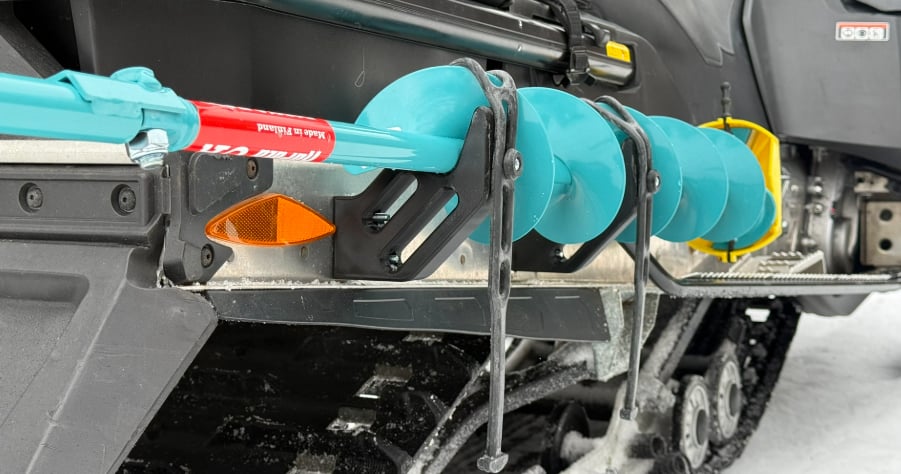
Polypropylene (PP) is excellent in automotive contexts. It’s one of the best materials against gasoline, diesel, motor oil, and engine coolants. Many car fuel tanks and battery cases are actually made of PP. It will not chemically react with aliphatic hydrocarbons (the main components of fuels).
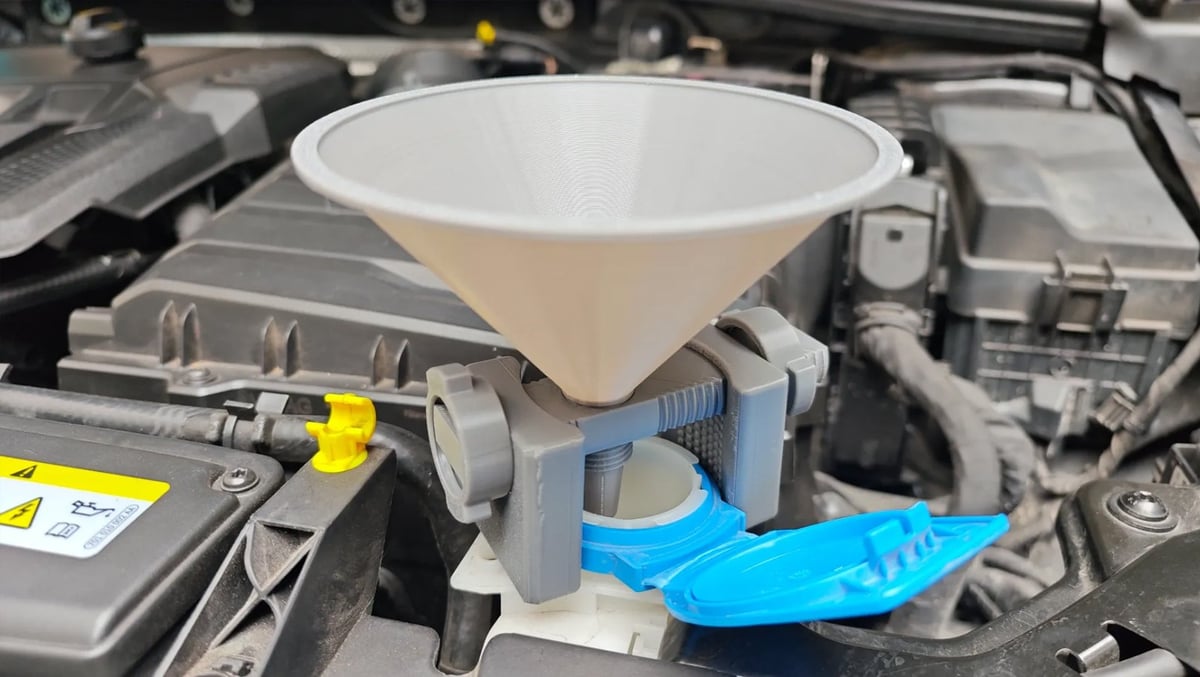
PP also resists road salts and battery acid (sulfuric acid) in diluted form. Use PP for parts like fluid containers, funnels, or washers that might see fuel or acid. Its limitation is heat: PP’s heat deflection temperature (\~100 °C) might be borderline in a hot engine bay, so avoid placing it right next to engines or exhaust.
ASA or acrylonitrile butadiene styrene (ABS) is good enough for less extreme automotive applications (e.g., interior knobs, exterior trims, sensor housings). These resist water, coolant, and mild chemicals. For example, ASA printed parts have shown no degradation after long exposure to water/glycol-based antifreeze and even bleach. They’ll handle oily fingerprints and road grime without issue. However, do not use ABS or ASA where they could come in direct contact with fuel or strong solvents. Also, ABS and ASA start softening around 95\~105 °C, so an engine-block-mounted part could deform. Use them for things like car sensor mounts, fuse boxes, or cosmetic engine covers.
TPU (Thermoplastic Polyurethane) can be used for flexible parts, such as gaskets, seals, or hoses. TPU is a surprising contender in the chemical resistance arena. Certain TPU filaments are highly resistant to automotive fluids, plus they withstand water (even salt water), glycol-based antifreeze, and fuels, with minimal swelling. TPU’s oil and fuel resistance is well documented (polyurethane is often used for fuel hoses and seals). A printed TPU gasket can tolerate gasoline exposure much better than a printed flexible PLA or TPE. Just ensure the TPU’s heat rating is sufficient (some can handle 100 °C intermittently). TPU is ideal for fuel-resistant O-rings, flexible couplings, or vibration-dampening motor mounts.
For high-heat or extreme under-hood parts, ordinary plastics won’t hold up. In such cases, see the High-Performance Materials section below – materials like PEEK or PEI can survive both high temperatures and chemical attack for truly demanding engine components.
Outdoor & Garden Projects
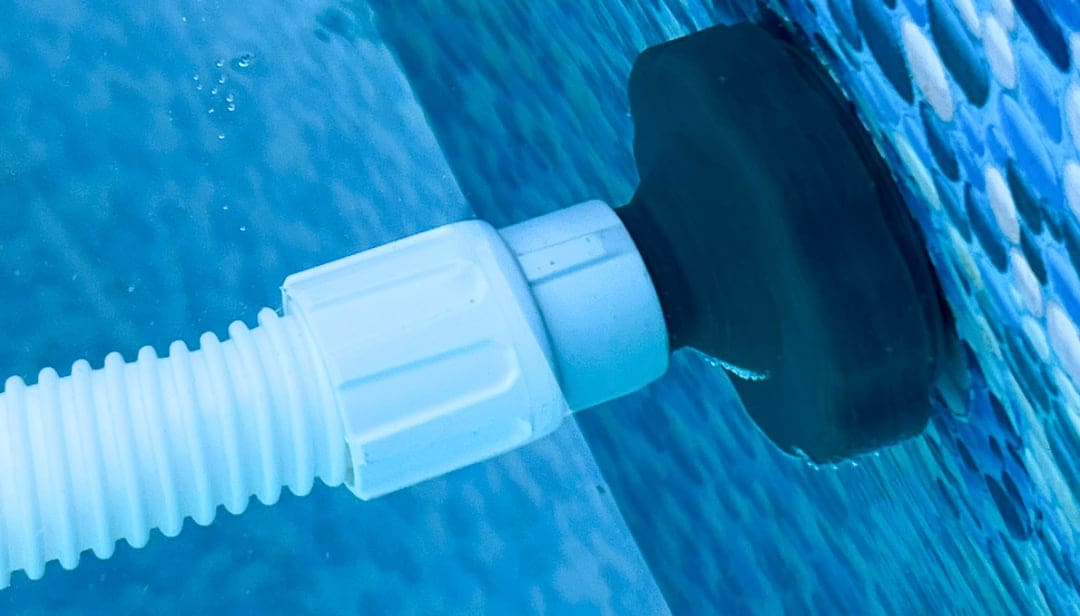
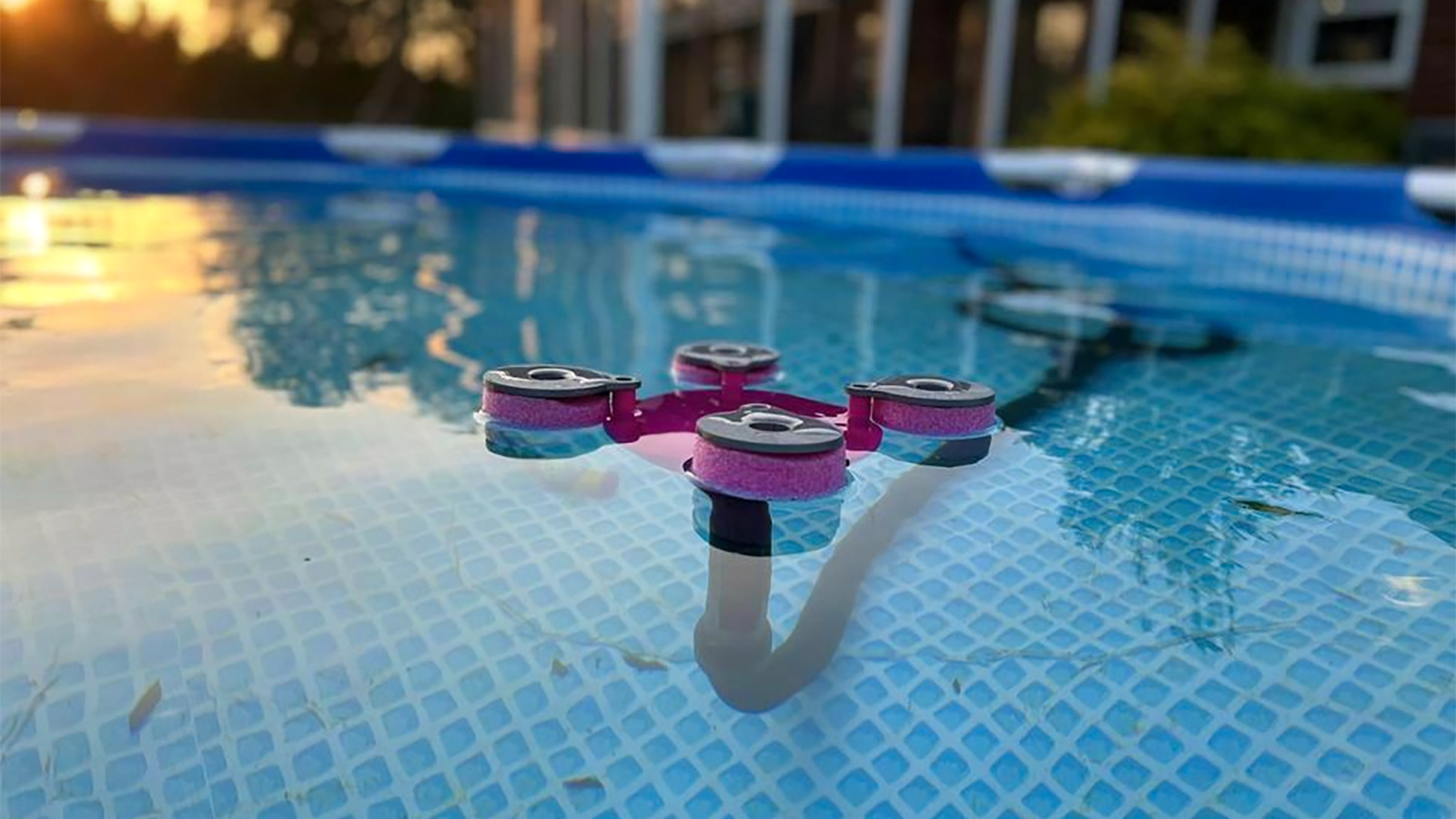
Outdoor 3D printed items (planters, sprinkler nozzles, hose connectors, weather station enclosures, etc.) must endure water exposure, UV sunlight, and sometimes contact with garden chemicals. This can include fertilizers (which might be mildly caustic or acidic salts), pesticides/insecticides (some are solvent-based), or pool chemicals like chlorine (a strong oxidizer). Moreover, outdoor parts see temperature swings and weather (rain, snow), which can exacerbate chemical effects.
ASA shines outdoors. It is highly resistant to water and detergents, and can handle weak acids/bases found in fertilizers. Importantly, ASA retains its toughness under UV exposure where ABS would embrittle. It’s a top pick for sprinkler components, pipe fittings, or garden tool mounts that might get wet or come in contact with plant food or mild pesticides. ASA’s resistance to chlorine is moderate – it won’t immediately crack in a chlorinated pool environment, but prolonged contact with strong oxidizers (chlorine bleach) can eventually degrade any styrene-based plastic. Still, for most outdoor uses (rain, soil, sun, fertilizer), ASA is a reliable choice.
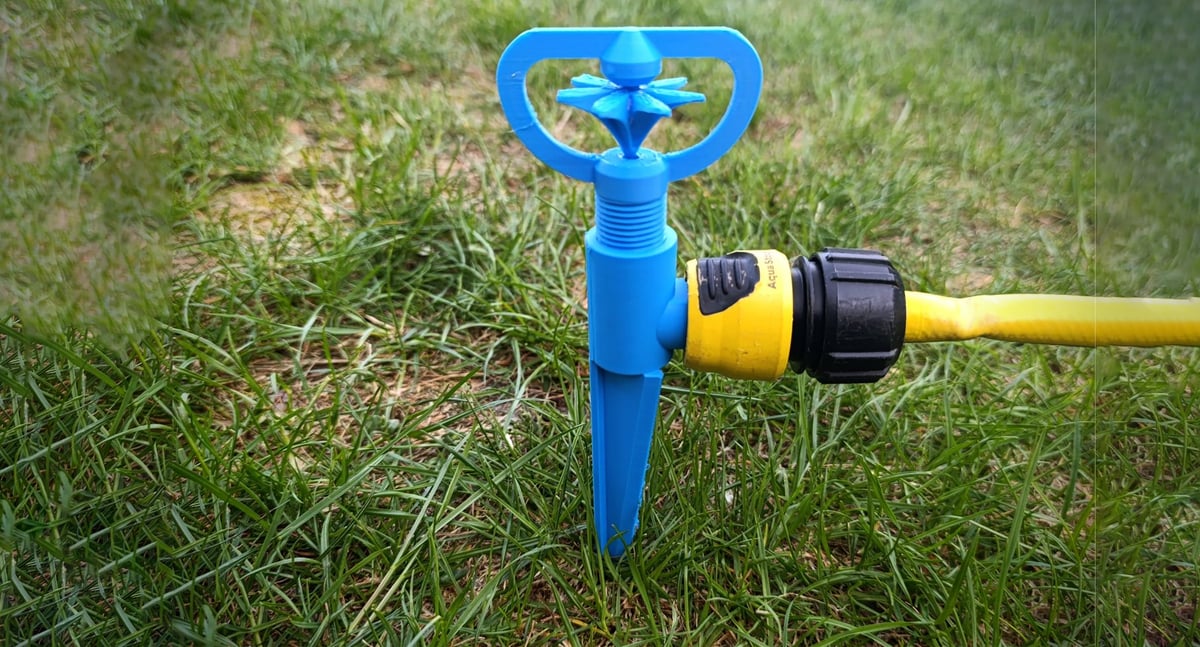
Polyethylene (PE) or Polypropylene (PP) are highly inert and often used in outdoor plastic products (buckets, garden furniture) due to their chemical resistance. PP can handle diluted fertilizer, pesticide, or pool chemicals. They don’t mind alkalis or acids and won’t corrode even with strong garden chemicals. If you have a printer or modification that can handle these (they are low-density and warp easily), a PP or PE part (e.g., a custom hose barb or planter) will last a long time. PP is also quite UV-resistant inherently (better than ABS, though not as good as ASA). PE and PP are notoriously tricky to 3D print for hobbyists – they need specific bed surfaces and enclosures to prevent warping. If printed successfully, they yield parts that behave like injection-molded outdoor plastics, shrugging off moisture and chemicals alike.
For specialized needs (like a part constantly submerged in a chlorinated pool or exposed to strong agricultural chemicals), consider industrial materials like PVDF (polyvinylidene fluoride) if available – PVDF is virtually impervious to corrosive chemicals and UV (it’s used in chemical pipes and roofing). PVDF filament exists for high-end printers and offers resistance to harsh acids, chlorine, and oxidizers that would eat away standard plastics.
Motor Parts, Oil Pumps, Aerospace
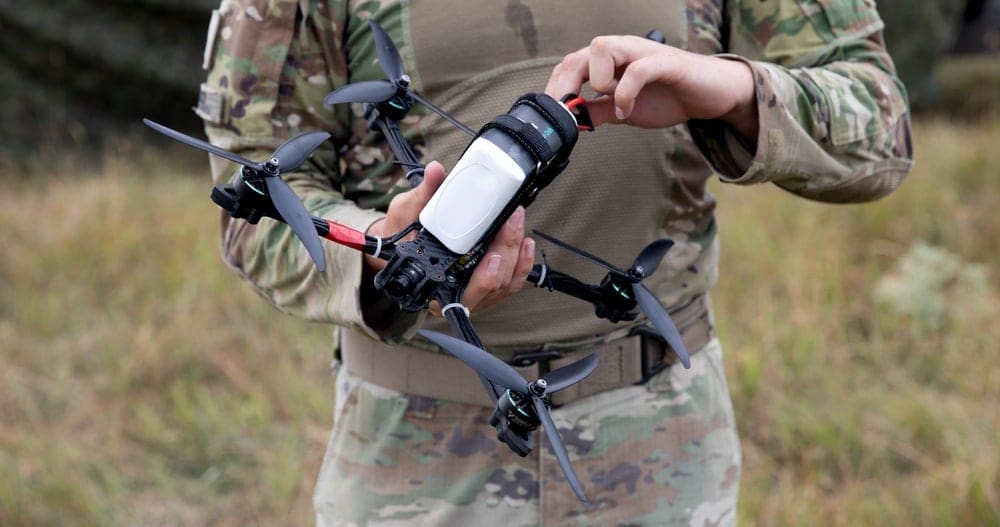
When standard plastics aren’t enough, engineers turn to high-performance thermoplastics and engineering-grade polymers that offer superior chemical resistance (often along with high temperature tolerance). These materials are at the top of the polymer pyramid for demanding applications. While they can be expensive or challenging to print, they enable projects that involve truly corrosive environments, high heat, or both.
PEEK (polyether ether ether ketone) is often regarded as the ultimate 3D printing filament in terms of performance. It has exceptional chemical resistance and thermal stability, retaining its properties even when exposed to aggressive chemicals and temperatures that would deform other plastics. PEEK can withstand acids, bases, solvents, and oils with minimal effect – only extremely potent oxidizers (like fuming nitric acid) or prolonged contact with boiling concentrated reagents might affect it. This filament requires an industrial printer (extrusion \~400 °C, heated chamber), but it produces parts used in aerospace and medical settings where no other plastic would survive. If you need a 3D printed component for, say, an acidic hot spring pump or an engine part near the combustion chamber, PEEK can handle it when virtually nothing else can.
In cutting-edge use cases (chemical reactors, oil-and-gas industry parts, etc.), new specialized filaments are emerging as well. For instance, materials like PPS (polyphenylene sulfide) or proprietary blends can offer even better chemical inertness than PEEK and are being made printable on high-end machines. These high-performance options allow lowering cost by 3D printing parts that once required machined PTFE or molded components, all while confidently handling corrosive environments.
PVDF is often used for lining chemical tanks and pipes. In 3D printing, if you can obtain PVDF filament, it’s your go-to for parts that must endure chlorine, bromine, strong oxidizing acids, or solvent mixtures that would destroy even nylon or ABS. The trade-off is that PVDF prints at high temperatures and can be tricky.
Laboratory & Chemical-Handling Parts
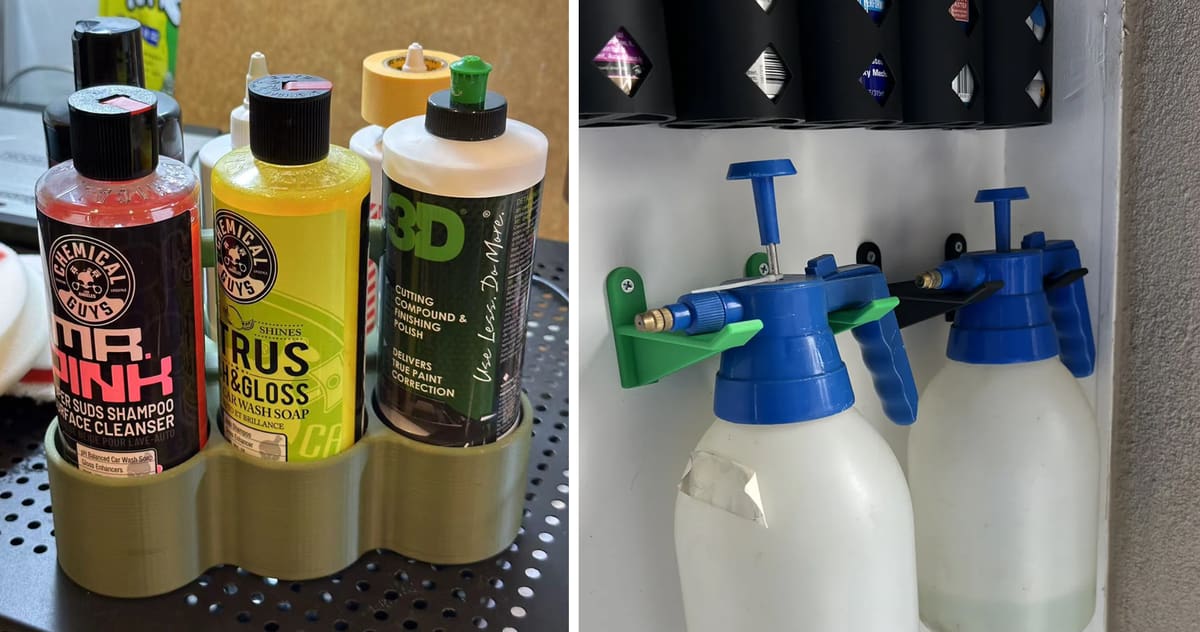
Some projects involve direct contact with laboratory reagents or industrial chemicals, like funnels, beaker holders, and sensor probes in a high school chemistry class. These applications may expose printed parts to strong acids (like hydrochloric or sulfuric acid), strong bases (like sodium hydroxide/lye or ammonia), or aggressive solvents (acetone, toluene, ethanol, etc.).
Polypropylene, as mentioned earlier, is a top choice for lab use because it resists a huge range of chemicals. Many lab bottles and containers are made of PP for this reason. PP can handle strong acids and bases (it’s unfazed by hydrochloric acid, sulfuric acid, or sodium hydroxide in typical concentrations). It also resists many solvents (alcohols, acetone, etc.), though very strong oxidizers (like concentrated nitric acid or chromic acid) can attack it over time. If you need a printed beaker for an acid/base or a fixture in a caustic cleaning bath, PP is ideal, if you can print the shape needed. Its chemical inertness covers most reagents except the absolute strongest oxidants.
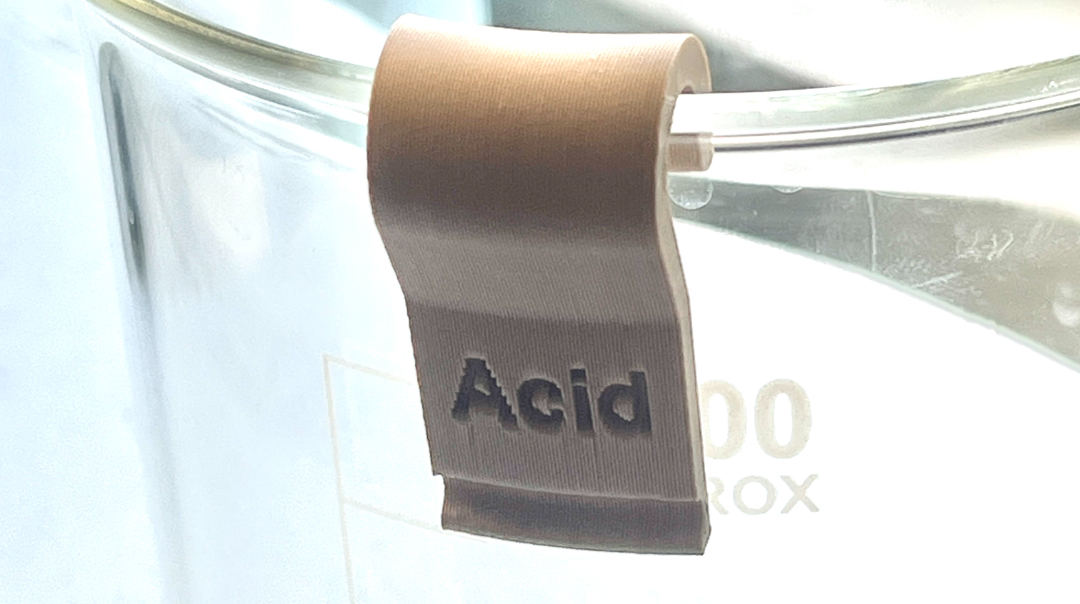
PC will hold up to moderate chemical exposure and is resistant to water and alcohols. It has the advantage of being transparent, which is useful for labware. However, PC has poor resistance to many solvents and strong alkalis – it can stress-crack when exposed to high-pH cleaners or certain chemicals.
PPS, as we mentioned above, is a high-performance thermoplastic that is exceptionally chemically resistant; it’s often cited as being insoluble in any solvent below 200 °C. There are PPS filaments (usually requiring high temperatures ~280 °C to print). PPS can tolerate harsh chemicals, even hot and strong acids or bases, better than almost any common plastic. If you are designing a part like a hot acid bath fixture or a caustic chemical pump component, PPS is worth considering as it stands up where even PP might fail.
For any critical lab application, always consult a chemical compatibility chart for the specific polymer and reagent in question. Every material has limits – e.g., ABS might handle 10% hydrochloric acid but not 100% acetone. It’s wise to test a printed sample if possible.
SpecialChem is a chemical selection information source that maintains a global master catalog of chemicals in plastics and elastomers, polymer additives, adhesive ingredients, coatings ingredients, and cosmetic ingredients. Contact them for your chemical information needs.
You May Also Like:


License: The text of "Don’t Let Your 3D Prints Break Down: The Essential Guide to Resistant Filaments" by All3DP Pro is licensed under a Creative Commons Attribution 4.0 International License.