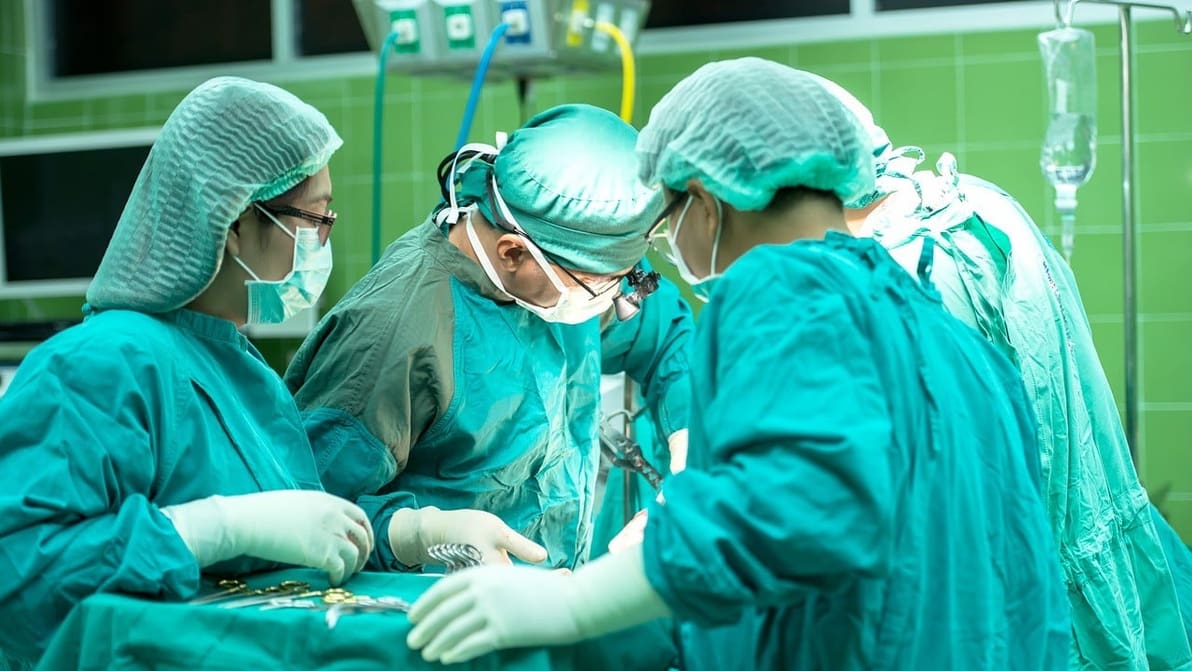
Researchers from the Queensland University of Technology propose 3D printing tissue-engineered constructs as a graft to assist in nipple reconstruction for women who've undergone a mastectomy.

Florian Jouanny, an athlete with tetraplegia, enlisted the help of 3D printing company Athletics 3D to create a customized 3D printed handle for his hand bike. He'll use it at the September Para-cycling World Championships 2019 in Emmen, Netherlands.
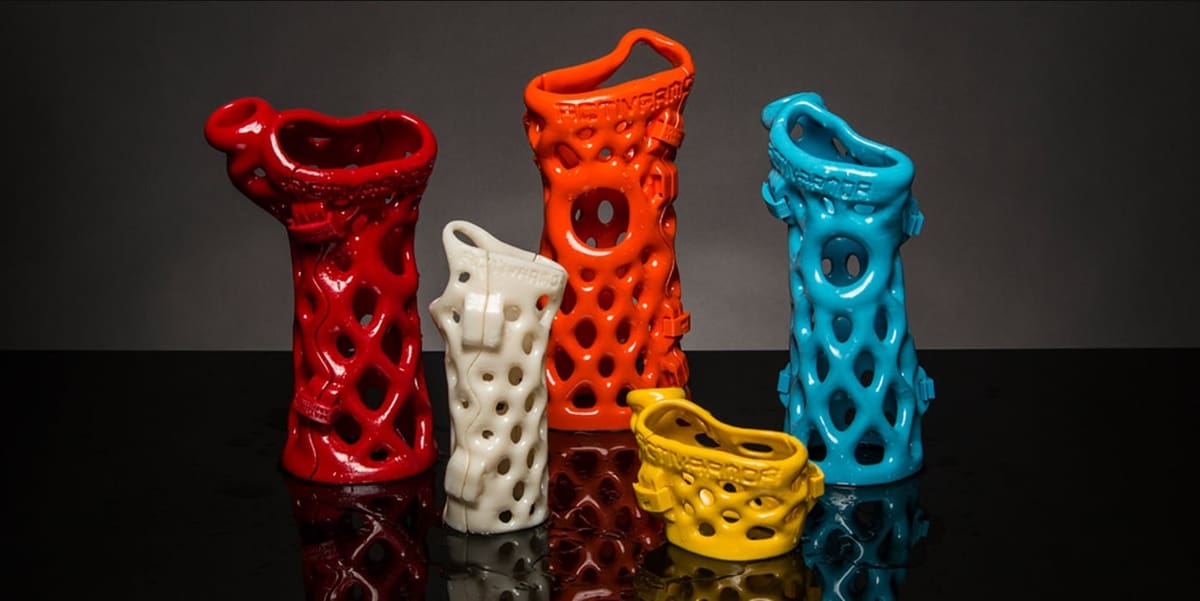
More and more, 3D printed medical devices are making the lives of doctors and patients easier. Learn about some of the many kinds of devices that already exist!

Medical 3D printing is now an indispensable part of medicine. Let's have a look at the most intressting applications of 3D printing in medicine and healthcare.

With a factory full of 3D printers producing Invisalign clear aligners, Align Technology is expecting over $1.3 billion in sales for 2017.
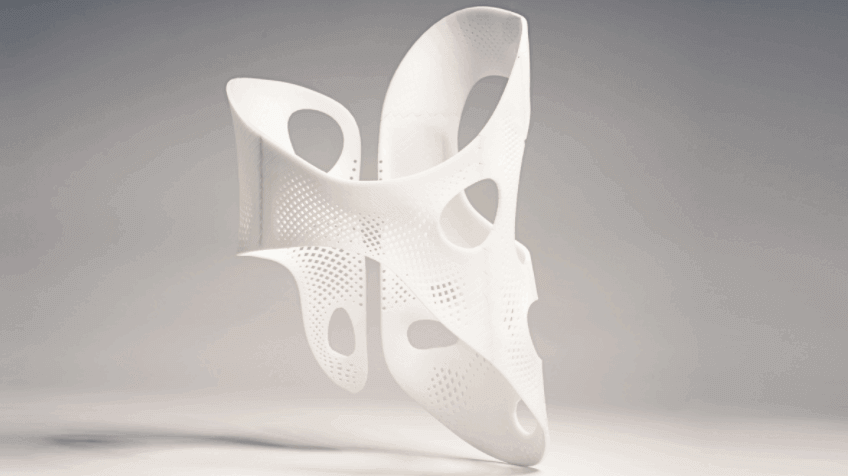
Patients with scoliosis can soon expect greatly improved spinal braces made with 3D printing technology instead of plaster molding.
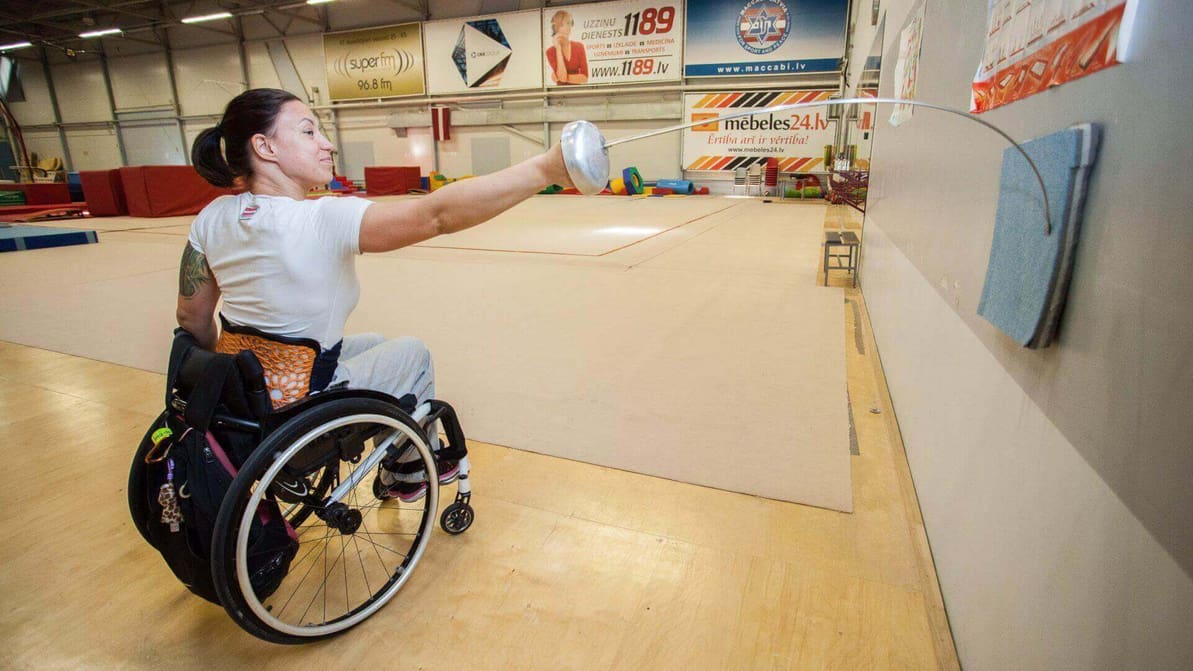
At the 2016 Paralympic Games in Rio a Latvian wheelchair fencer wore a customized 3D printed back brace during her performances and training.

Denise Schindler, a German paralympic cyclist, is hoping to use a 3D printed leg prosthesis to race with in Rio de Janeiro this September.
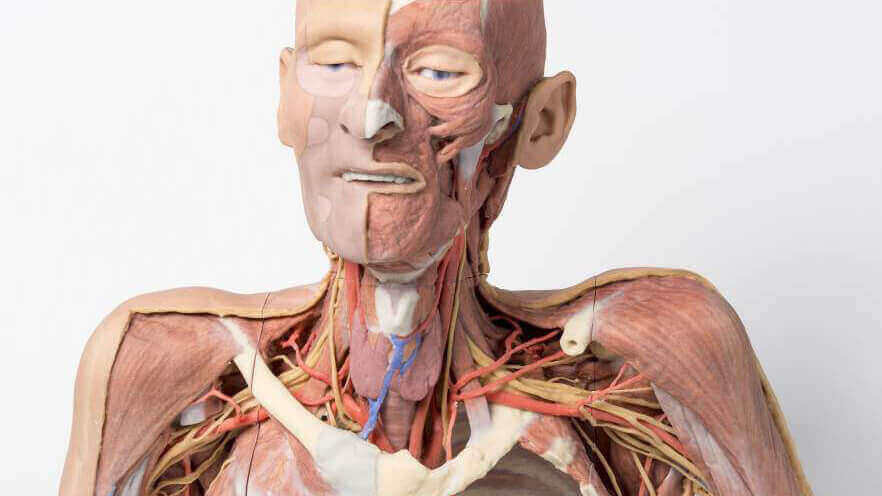
Monash University in Australia has created the first commercially available kit of realistic, full-color 3D printed cadavers for studying human anatomy.