Liquid Blade 3D Kickstarter Uses Salt Water to Cut Metal on Your 3D Printer

This new Kickstarter campaign is set to expand the capabilities of standard desktop 3D printers beyond filament, offering a novel method for cutting and etching metal that skips the mess (and danger) of lasers and CNC spindles.
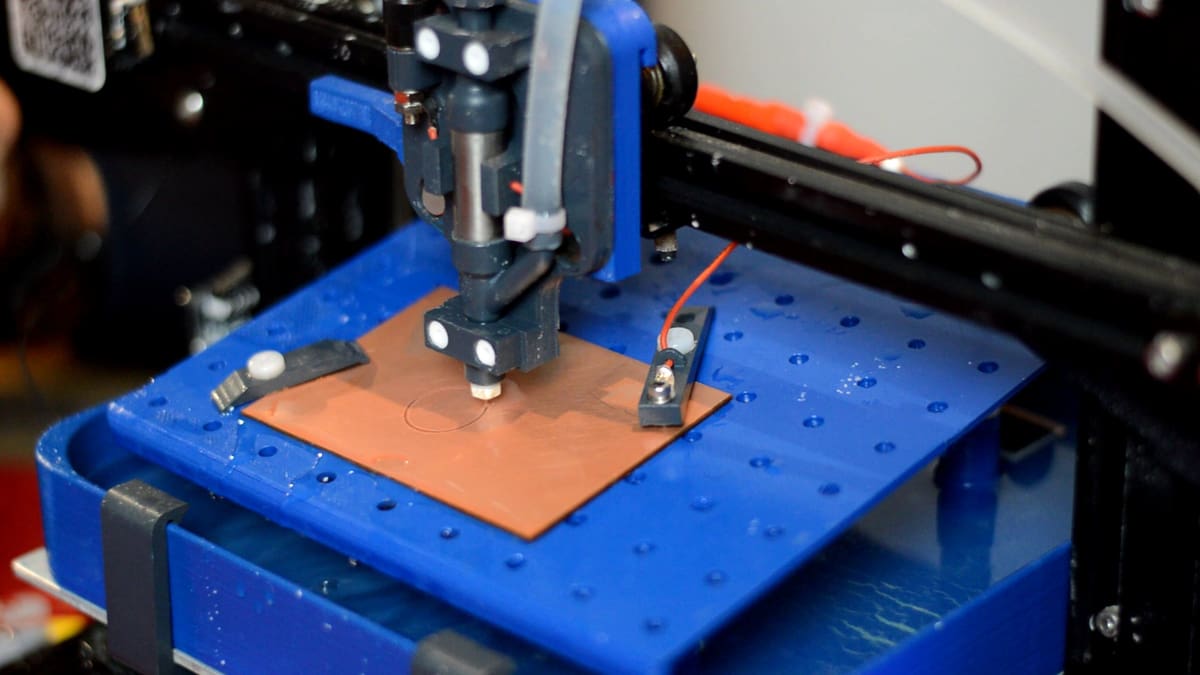
The Liquid Blade 3D, developed by Athena Technologies, is an add-on toolhead designed to mount onto existing 3D printer gantries. Rather than using thermal or mechanical force to remove material, the device utilizes an electrochemical process that requires nothing more that saltwater and an electrical current.
Athena Technologies frames the Liquid Blade 3D as a safer, more domestic-friendly alternative to traditional desktop metal processing. Rather than ripping into the metal with a sharp bit, the Liquid Blade has a small peristaltic pump forcing a small jet of solution onto the metal, which electrochemically eats a controlled amount away.
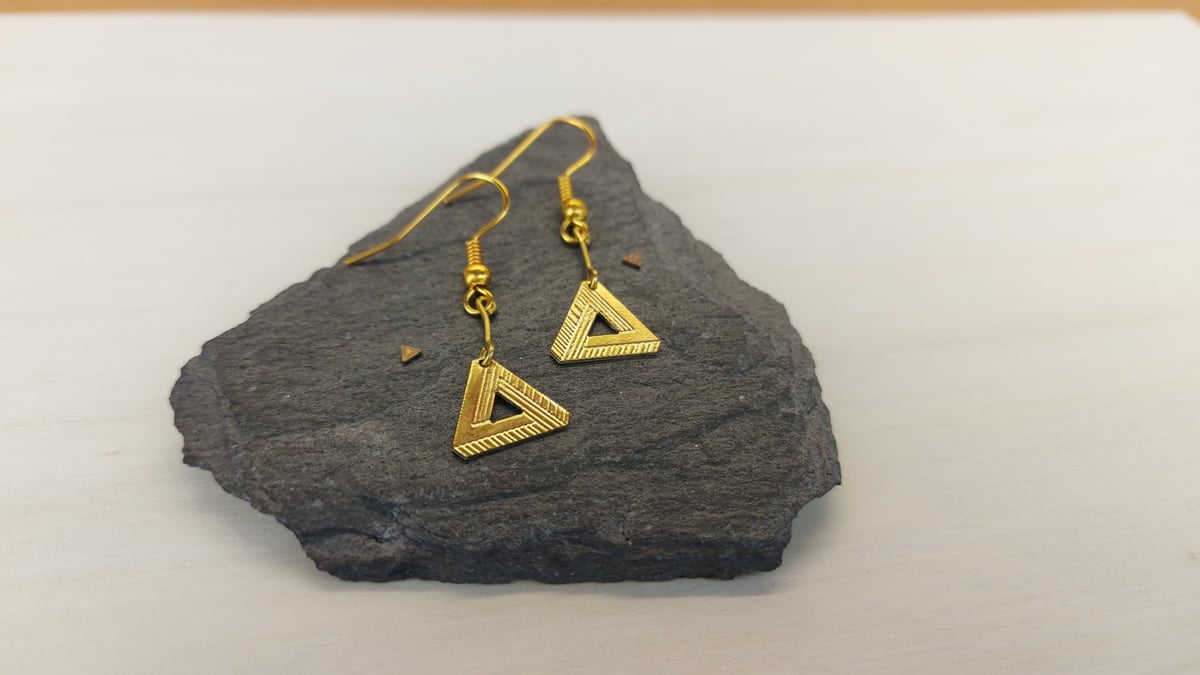
This absence of thermal stress and physical contact suggests the tool could be particularly effective for delicate tasks where warping or burrs are a concern. Compatible metals include gold, copper, zinc, iron, and “all conductive metals,” of course. The process works precisely because of the metal’s conductivity.
In terms of compatibility, the Liquid Blade 3D is currently designed to fit older desktop machines, namely the Creality Ender 3 and CR-10 series, as well as the “Prusa i3” printers, according to the campaign. Universal adapters are said to be in development for newer models like the Bambu Lab H2D.
The campaign touts a precision of 0.3 mm, targeting applications such as PCB prototyping, jewelry making, and the fabrication of RF shields. It is worth noting that this is not a high-speed production tool; the specified cutting speed sits around 20 mm/min, positioning it firmly as a prototyping device for patient enthusiasts.
Intriguingly, the process the Liquid Blade 3D uses can be reversed in a sense to deposit metal, rather than etch it away. It’s on Athena Technologies roadmap to develop the process for this, effectively creating mini metal 3D printers out of compatible systems.
Pledges for the Liquid Blade 3D kit start at approximately €350 (~$408), with the company estimating shipping to commence in May 2026.
Editor's Note – This article highlights a Kickstarter crowdfunding campaign. Kickstarter is not a shop; campaigns are under no legal obligation to deliver on crowdfunding promises, nor offer refunds on unfulfilled campaign rewards. For more insight, read our article 8 Things to Watch for When Backing a 3D Printing Kickstarter.
Read more recent news:
- Turn Your 3D Print Waste into Filament with the $300 ExtrudeX Now on Kickstarter
- Make 3D Prints Feel Premium with Simple Fabric Inlays
- 30+ Free Files for 3D Printed Christmas Decorations You Can't Buy in Stores
Tired of Reading? Try Listening
License: The text of "Liquid Blade 3D Kickstarter Uses Salt Water to Cut Metal on Your 3D Printer" by All3DP is licensed under a Creative Commons Attribution 4.0 International License.