Are 3D Printed Sneakers Fashionable Now? I Bought a Pair to Find Out

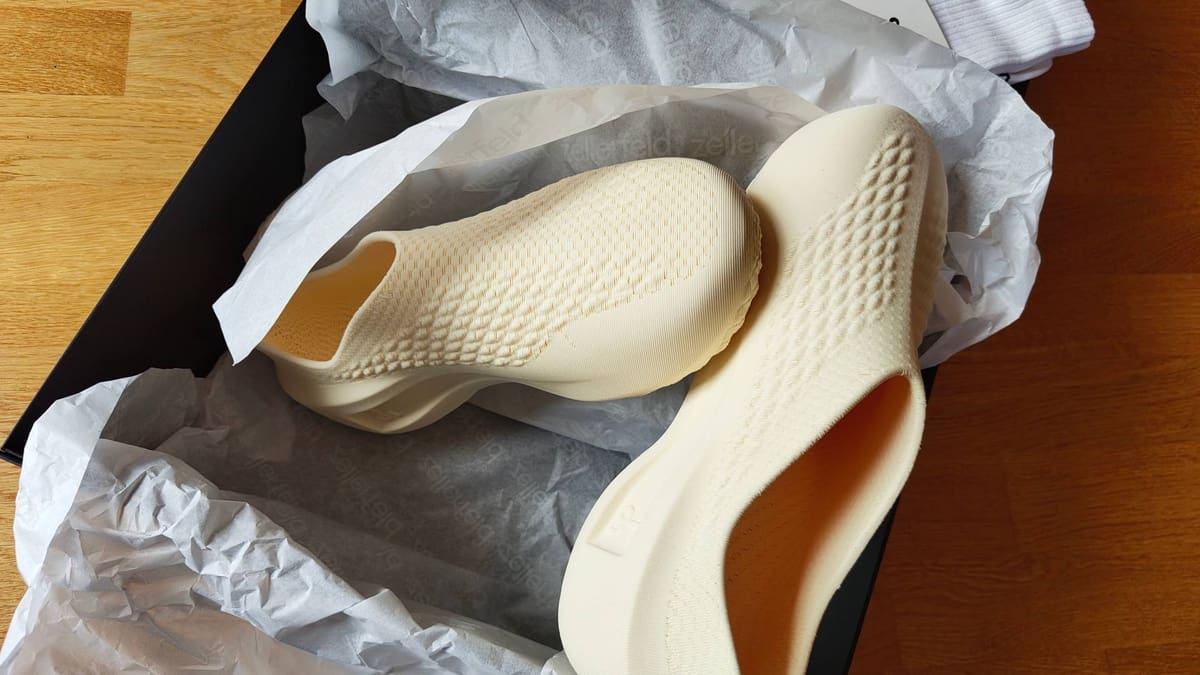
Between sophisticated printers, materials, production capacities, celebrity endorsements, and a buying public that may finally be receptive to them, the stars are aligning for 3D printed footwear in 2025. I bought a pair for myself to see what all the fuss is about.
Fully 3D printed footwear is having a moment. German start-up Zellerfeld opened up to the general public last year, Adidas likewise in 2025 with its fully 3D printed Climacools. Even desktop printing manufacturers are taken by the notion of their users fabricating just-right footwear at home, with an explosion in footwear-specific filaments and models to try. In the case of Biqu, they simply skipped the DIY aspect and launched a lifestyle brand to sell fully printed slippers off-the-shelf. It suffices to say, you have options in 2025. And what’s a sign of a product segment’s maturation if not options?
Within that space, there’s a multitude of approaches. What the likes of Zellerfeld offer is arguably the most appealing of the lot. For the companies that make them, the shoes, while cool, are secondary to the technologies, platforms, and, ultimately, solutions they offer. Designers of the shoes can sell through the platform, cutting out the fast fashion brands that companies like Zellerfeld argue are part of the global waste problem they’re trying to address. It democratizes footwear (to a degree – Zellerfeld is still an integral part of any transaction) and the data-driven approach to sizing and printing, and constant iterations to the material and software, mean that even in the short window since launch there have been tangible improvements to the fit of the shoes. I’ve witnessed it.
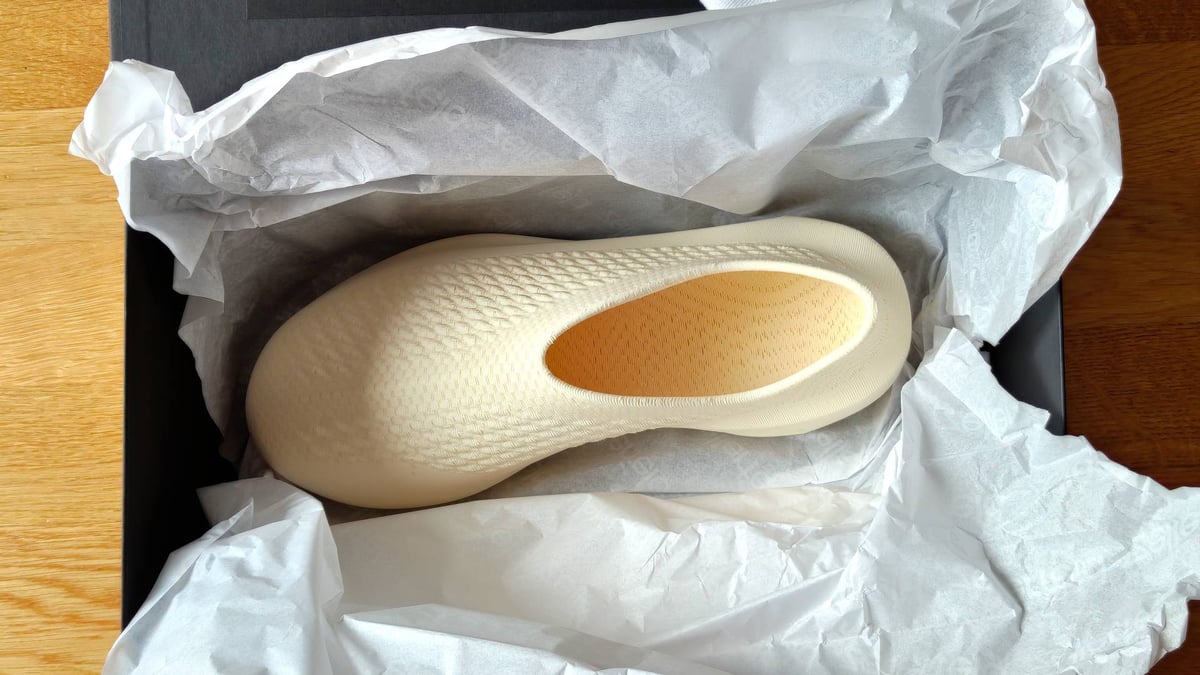
For the customers, it’s all about the shoes. I convinced myself to drop my own cash on some sneakers through Zellerfeld in fall 2024, during the company’s informal “beta” launch. What caught my eye as a footwear fancier who’s heavily invested in 3D printing was… well, the novelty. Not a great reason to part with $220 for a pair of shoes, sight unseen, I’ll admit. But the chance to test out an innovative product with a mission in the 3D printing space was strong enough to pry my wallet open.
More the fool me because my early experience with Zellerfeld, I have since learned, is not what you, reading this article, would experience today. It makes for an interesting window on how quickly a fully 3D printed product can evolve.
Buying Zellerfeld 3D Printed Shoes Then
In 2024, buying a pair of the shoes was subject to a reservation system, which saw you drop $10 on a ticket to secure your place in the production queue. No ETA, just a ticket number, and a whole lot of waiting.
With a reservation secured, you could then take your time to pick your shoes, confirm your sizing, and, as your ticket eventually lights up for production, pay your balance.
At launch late last year, you could select from some dozen distinct designs, all vaguely architectural forms we’ve seen described in a spectrum of ways, from “futuristic” to “clown shoes”. All are available in Zellerfeld’s limited palette of basic colors. Today, there are over one hundred designs to choose from. Again, all vaguely architectural in their design. They look different, but mostly feel the same. The silhouettes of more recognizable, “old” styles are conspicuously absent… for now.
Curating Creators
The absence of shoes you recognize is subject to change, CEO, co-founder, and Zellerfella himself, Cornelius Schmitt told me in a call. The company is working hard to bring iconic brands to the platform. Schmitt described the desire here to build something like music streaming library – gathering a catalogue of big names, much like Spotify and household names in music, but for 3D printed shoes and recognizable silhouettes of footwear.
Right now they’ve got the new, experimental and underground stuff. Next on the agenda is the big labels and artists everyone knows and loves already. The Spotify analogy is apt, given Zellerfeld recently added former Spotify exec Michael Krause to its ranks. It’s paying dividends too, given recent reporting about new collabs with Boss and Havaianas joining the company’s much publicized tie-in with Nike.
Foot Pics & Misprints, But No Buyer’s Remorse
A crucial element of getting correctly fitted shoes through Zellerfeld is generating the data for your feet. It’s different than, say, simply measuring the heel-to-toe length as you might for a pair of off-the-shelf shoes.
In 2024, you’d achieve your digital foot twin with a smartphone and a sheet of A4 paper for referencing alongside your bare feet. Yup – trim those nails, because snaps of your feet are required for Zellerfeld’s system to calculate reference models for your feet – a digital last of sorts that lets the company hone in on better-than-standard sizes for each printed shoe. The huge irony, of course, is that strangers on the internet usually pay you for pics of your feet, not the other way around. Joking about this, Schmitt assures me they don’t sell those pics.
This is, ultimately, the platform’s huge advantage. “People often don’t actually know what their actual size is,” says Schmitt. “You can ask a hundred people on the street and they’re all going to say, ‘oh yeah, my shoes fit perfectly.’ And then you look at it and you see some people wear two sizes too large. Because they’ve done this for 50 years, this is what they say is their fit.”
Chalk it up to bad luck, bad data (I’m only human) or indicative of the period of production that I ordered, but my initial pair of sneakers were too large. Comically so. There is an inherent element of the unknown baked into buying shoes like this, at least for your first ever order.
Fortunately, there’s a redundancy against this. Zellerfeld offers a limited reprint window in which you can give feedback on the fit, and they’ll reprint them. I did, and they did, and on the second go around, some six months apart, there’s a remarkable improvement.
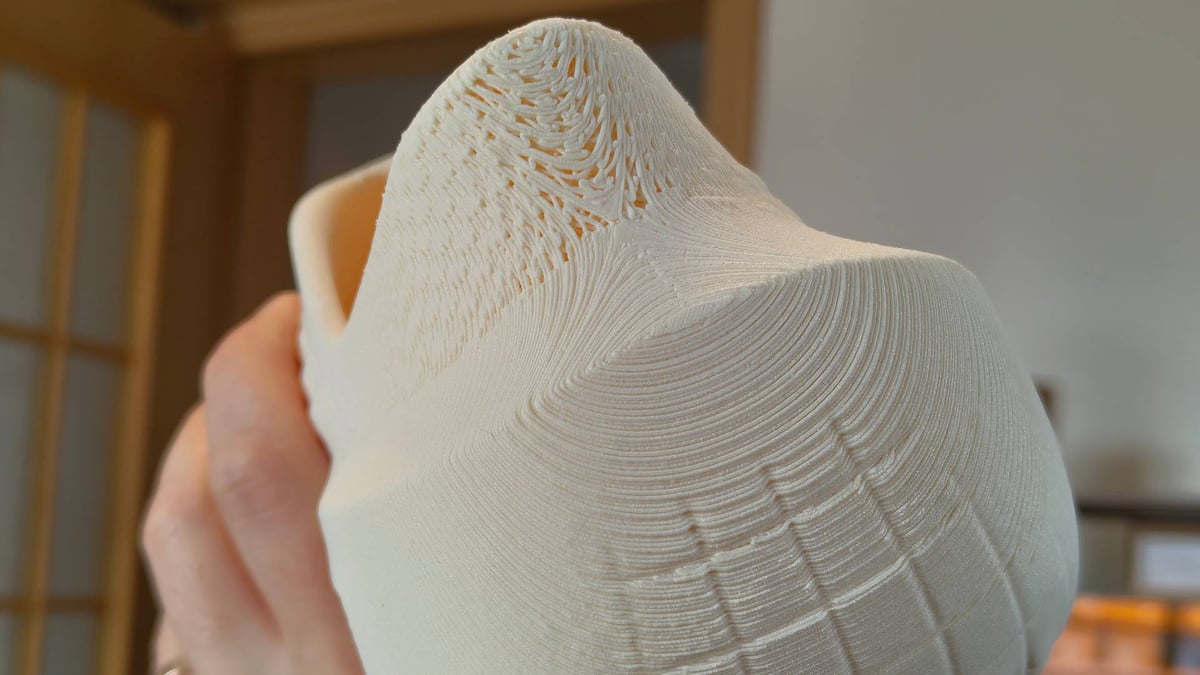
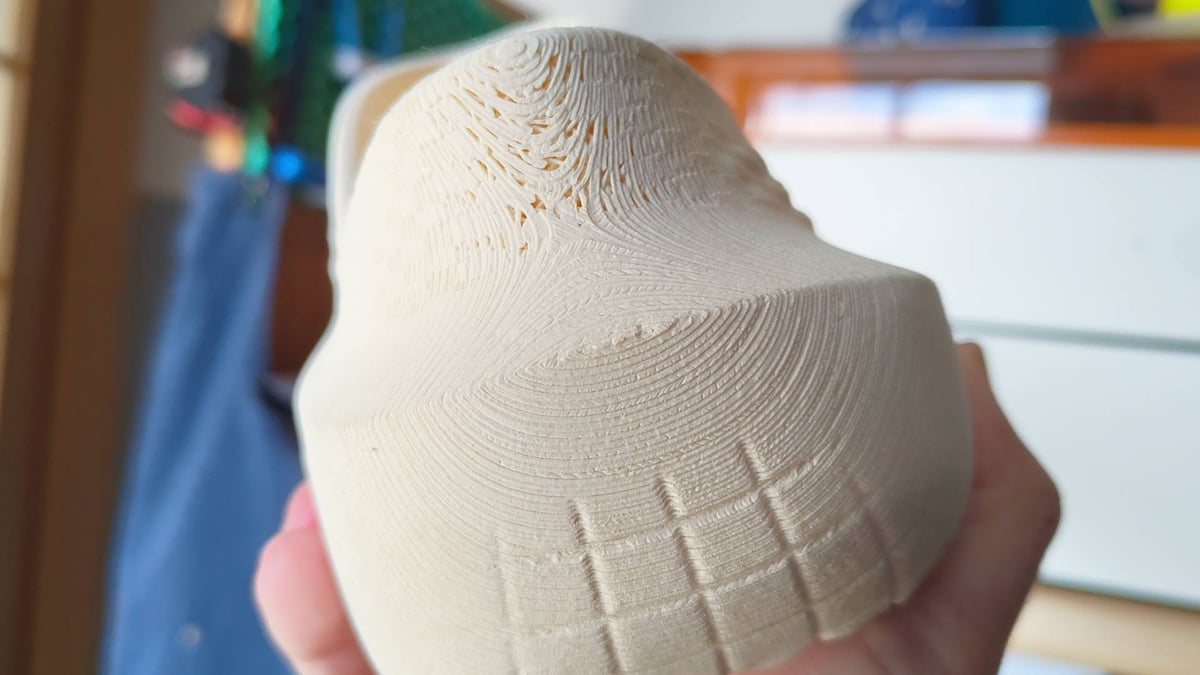
After flagging where the initial pair felt snug or loose, or simply wildly off, the reprint corrects virtually everything. It took the shoes from unwearable, to a comfortable, clean pair I can actually use. Schmitt assures me that the experience for someone ordering today is many steps evolved across virtually all parts of the platform.
Buying Zellerfeld 3D Printed Shoes Now
Between material advancements that improved print success rate from 20% to 90%+, freeing up production capacity in Zellerfeld’s growing print farm of custom machines, to improvements in the sizing models the company uses to refine user’s foot data into a custom perfect-fit shoe, parallel improvements have coalesced into a smoother, faster, process with quicker shipping.
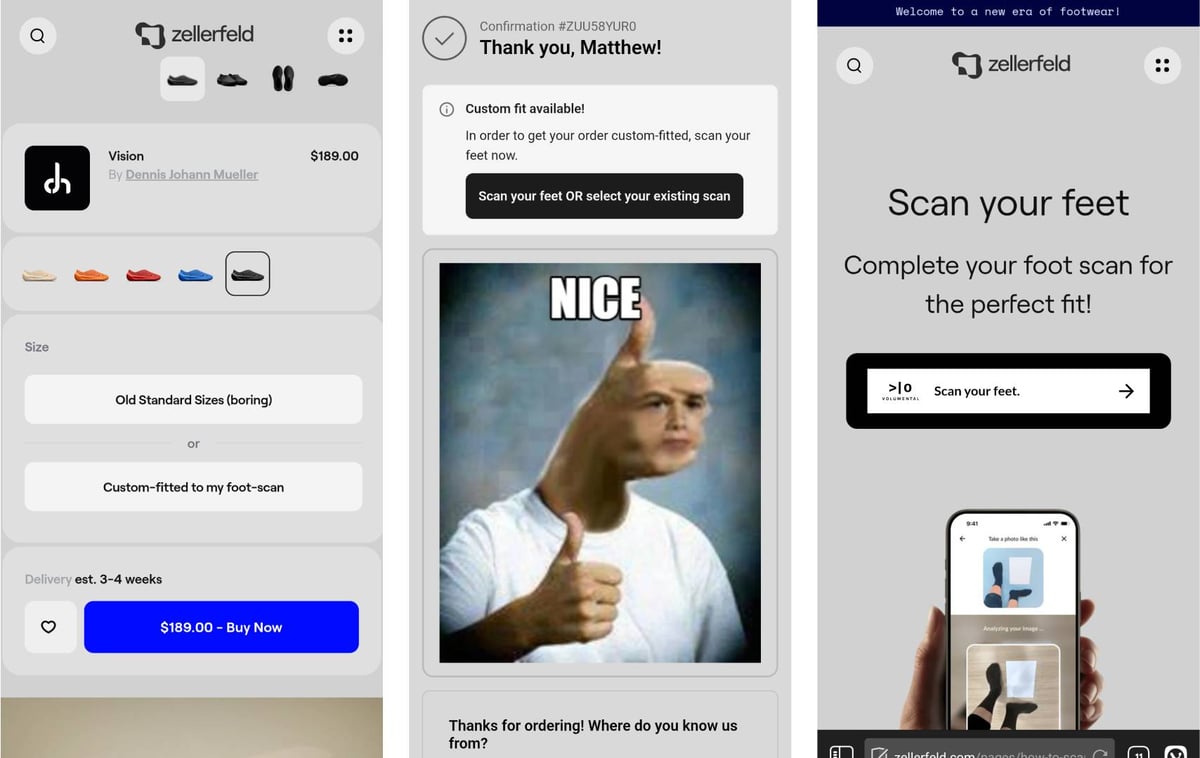
Clicking “buy it now” is a vastly different feeling to reserving a production slot; you can see the lead time before committing to anything. In the interest of full disclosure, I was offered a code for a complimentary pair, so I could experience the full ordering and fitting experience today, and while much of it is the same, there are crucial changes.
The sizing process, still powered by Swedish custom fit data specialists Volumental, requires you take two pictures of your feet alongside a reference sheet of A4 paper. The system then crunches the numbers and spits out digital versions of your feet for you to inspect, telling you how long, wide, and high each foot is, and where they skew against the average.
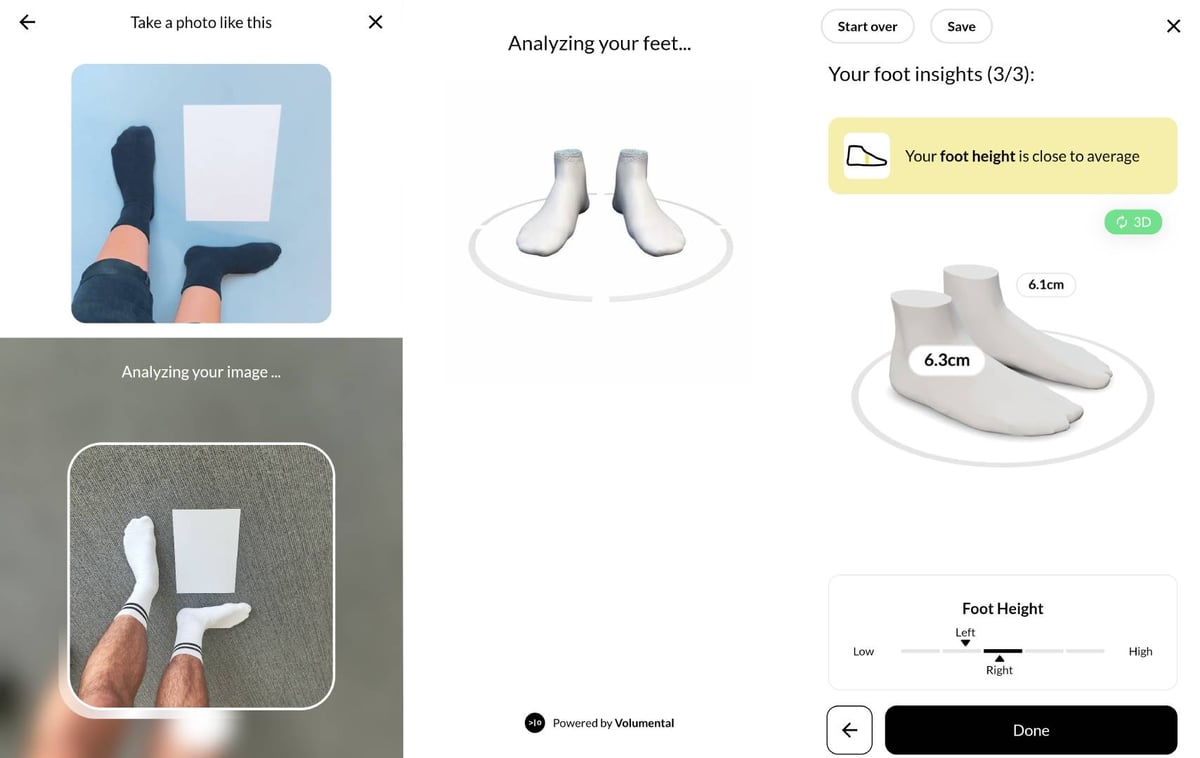
There’s no real benefit for you to know this – it’s up to Zellerfeld behind the scenes to take these numbers and transmogrify them into a comfortable physical print. Still, nice to see, and brings you closer to the “futuristic” feel of having a unique pair of custom-fit shoes 3D printed on demand.
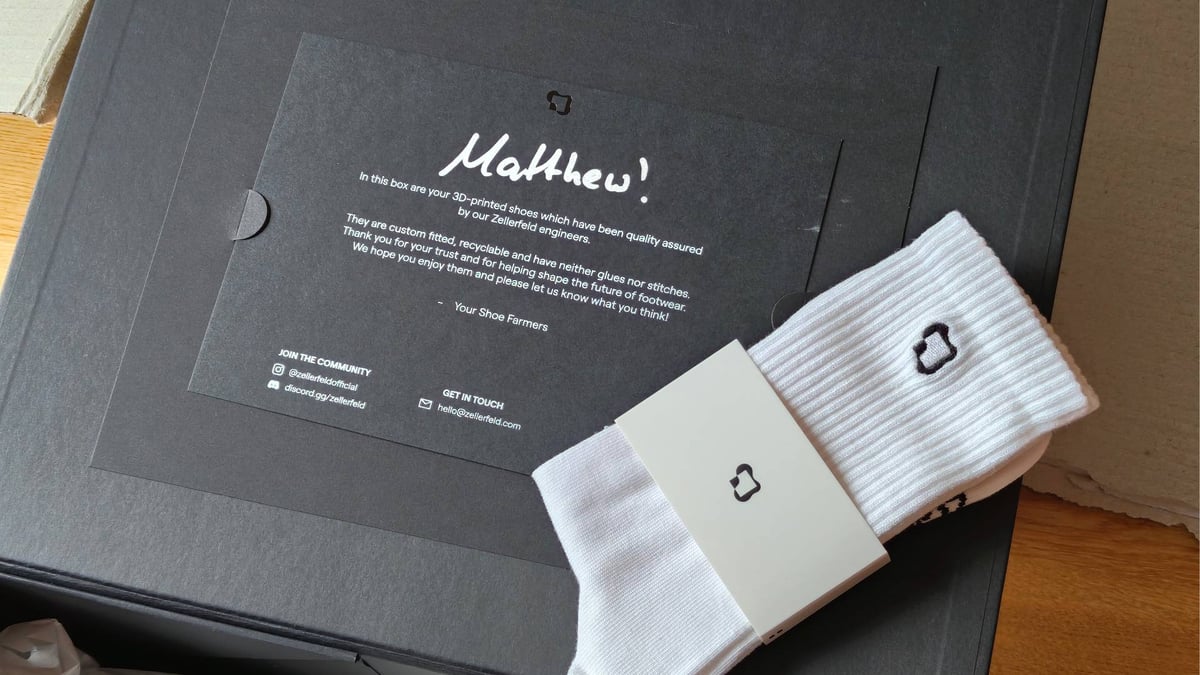
The shoes arrive in a slick black box with a handwritten thank you note for investing in the company’s mission. It’s a nice touch that helps ground what could otherwise be a relatively cold and detached purchase, despite the personal data involved. Personality plays a large role in what Zellerfeld is doing, and as it evolves you can see the brand doubling down on cross-cultural audiences, particularly in music and fashion, putting their shoes on the likes of Justin Bieber, Lebron James, Lewis Hamilton, 2Chainz, and Steve Aoki.
But What Are The Shoes Actually Like?
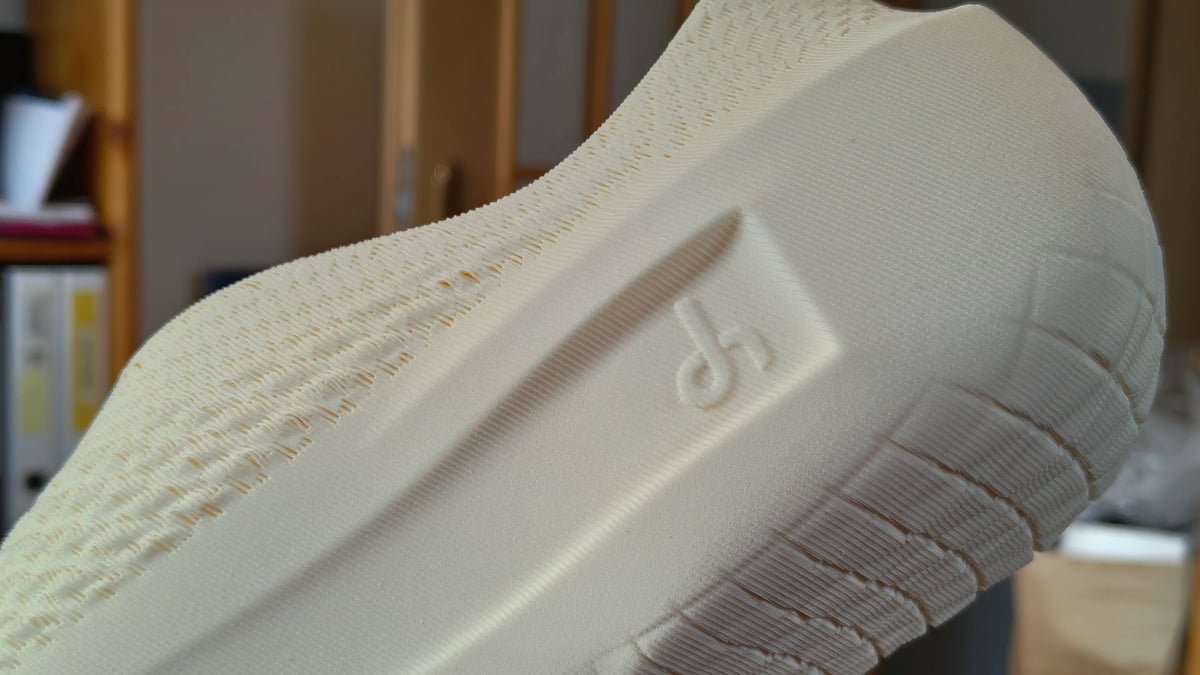
Evaluating the shoes from the perspective of someone who’s been in and around 3D printing for a decade, they’re damn impressive. I know how difficult it is to print flexibles, particularly soft, foaming, varishore type flexibles, so to receive two identically clean flexible shoes each time is impressive.
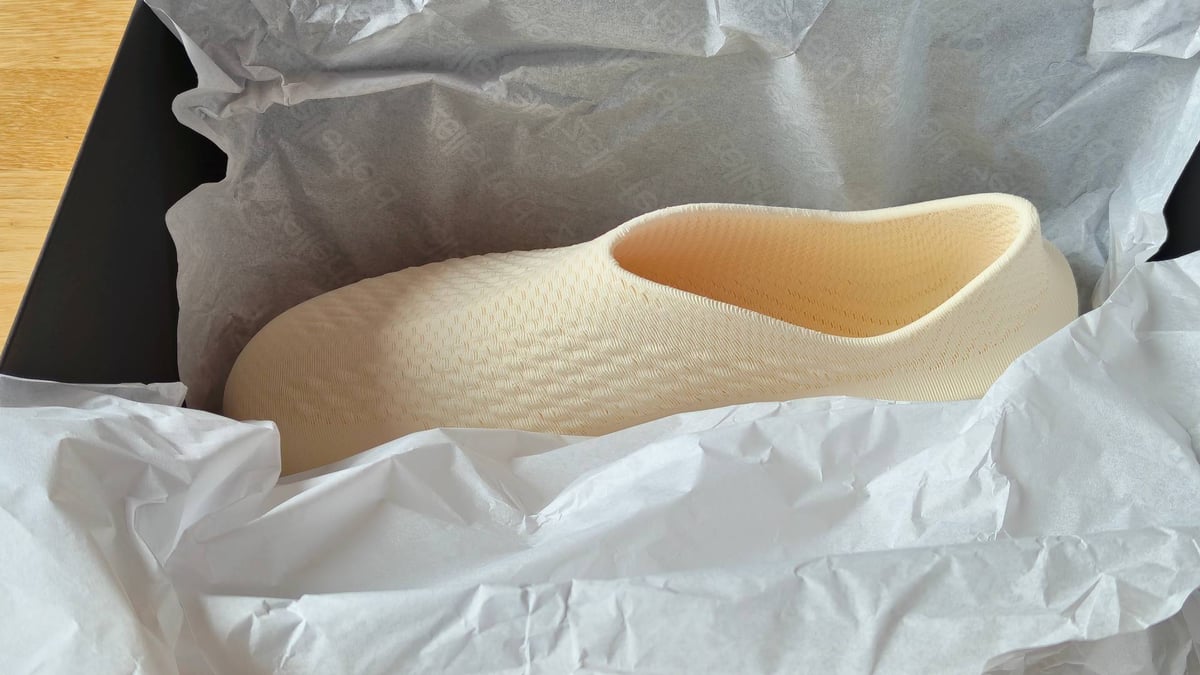
The layers lines are visible – it’s an aesthetic, for sure – as are telltale patches of roughness at the heel and inside the toebox where support structures would have had to be removed, but not in any way that’s visible to a casual look, and certainly not when they’re on your feet.
On the feet, the shoes are a comfortable, springy wear. You do bounce – not to the degree we’ve found with resin 3D printed slippers, which are typically all lattice. The Zellerfeld shoes are fully custom cells of varying infill density. You do feel some rebound as you stroll about. Mind that this view is specific to the Vision sneakers I ordered. Different styles will, I’m sure, feel different on the feet.
Polling friends and those who don’t really know 3D printing gets a mixed response, ranging from bemused interest to relative disinterest. They just don’t get fashion, is what I tell myself as I bounce away from them.
And fashion it is. Zellerfeld is starting to break out of its platform and Instagramati feeds with a physical presence inside the hip Berlin sneaker store Solebox. Coming to a pair of feet near you? Maybe.
I paid $220 for the Vision by designer Dennis Johann Mueller, which has since dropped in price to $189: a consequence of efficiencies Zellerfeld has gained in the last year. Even at that, it’s a steep jump from the sub-$100 prices many sneakers can be acquired on the high street. More so when you then have to wait a couple of weeks to try them on. A pair of fully 3D printed sneakers is, undoubtedly, a luxury purchase for most. But Zellerfeld seems to be well on its way to closing the gap, with plans to be printing millions of pairs per year. A rep for the company told me that today’s numbers will look like a “warm-up” this time next year.
As I look down at my monotone feet I’m left asking the question: Is this the future? While it might not 100% replace footwear as we know it, I’m convinced that yes, 3D printed shoes are here to stay.
Read more like this:
License: The text of "Are 3D Printed Sneakers Fashionable Now? I Bought a Pair to Find Out" by All3DP is licensed under a Creative Commons Attribution 4.0 International License.