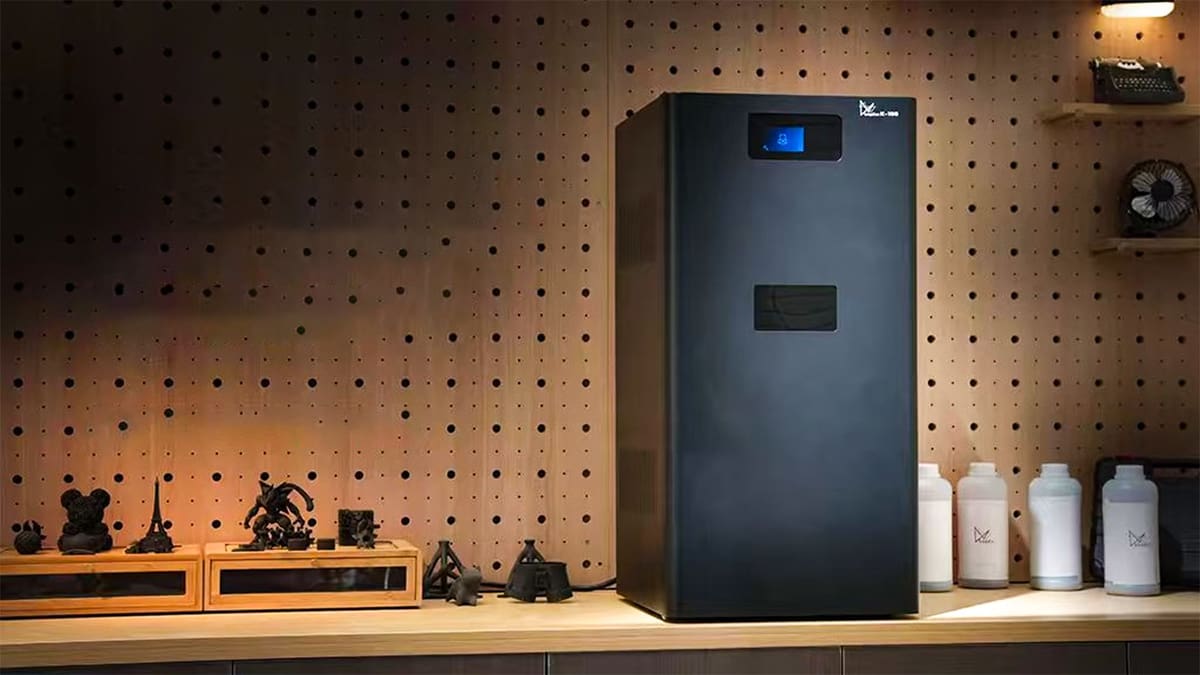
An Industrial Disruptor? Loopzizo Launches a Sub-$10K Desktop SLS 3D Printer

Built around a 5-watt laser engine, the Loopzizo K-100 enters a growing compact SLS market by prioritizing automation and open-source material compatibility.
What serious maker or machine shop doesn’t want an affordable SLS 3D printer to crank out injection-molding-quality tough nylon parts? Who isn’t green with envy over those who can drop $20-$30K on a Formlabs Fuse or a Sinterit Suzy?
Fortunately, there’s been some movement in the compact SLS market toward affordability with the latest machine just launching on Kickstarter — the Loopzizo K-100 — at just $8,000, but with current discounts.
Small, Affordable SLS Is Already Here
Before unpacking the K-100, it’s worth surveying the landscape. SLS manufacturers, like Sinterit, have positioned compact SLS systems toward professional prototyping and low-volume production. Other entrants, like the reliable Formlabs Fuse, focus on delivering fine-detail parts in a desktop footprint and a complete ecosystem of products and materials. Market data suggests that this shift is more than anecdotal: compact SLS printers are becoming a distinct and growing segment of the broader additive manufacturing market, with industry analyses projecting expansion as SMEs and educational institutions adopt these technologies.
Against this backdrop, the Loopzizo K-100 doesn’t claim to reinvent desktop SLS — but rather to push the usability and workflow aspects that often separate promising hardware from workable solutions.
What the K-100 Brings to the Table
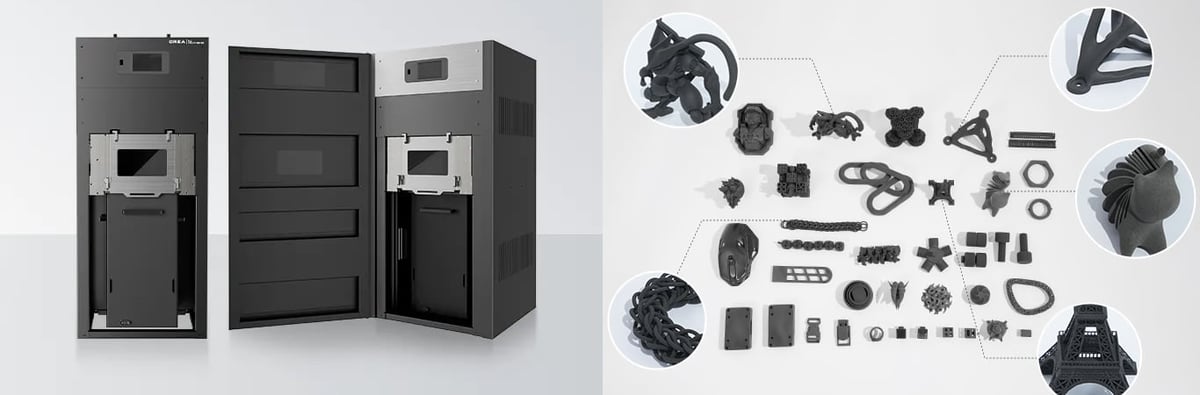
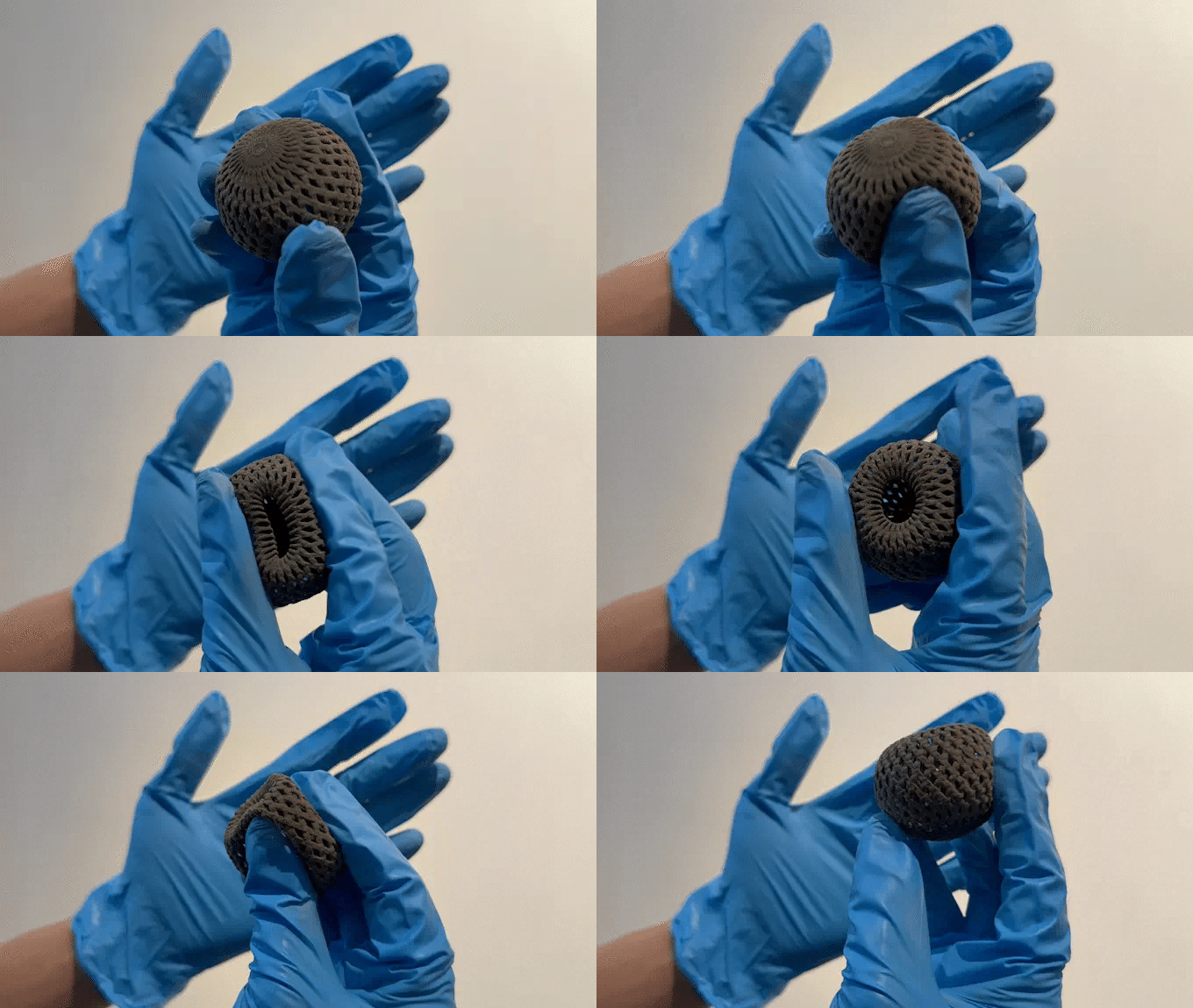
At its core, the K-100 uses what it calls an “industrial-grade SLS engine” with a 5-Watt, 450 nm diode laser to fuse PA and TPU powders into parts that Loopzizo says can reach ~50 MPa tensile strength and withstand temperatures above 120 °C. The unfused powder bed naturally supports each geometry, allowing complex features that are difficult or impossible with FDM and many resin printers.
Where many compact SLS machines still require careful tuning and operator expertise, the K-100 emphasizes automation. After uploading STL, OBJ, or 3MF files over Wi-Fi, the software analyzes and presets parameters, stabilizes chamber temperatures, and optimizes packing — aiming to make SLS feel more like “press go and wait” than “fine-tune and experiment.”
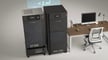
Boosting ease of use is partly why Loopzizo is also launching with the H1 post-processing station, a companion designed to handle depowdering, powder recovery, and reuse in a compact workflow. Such ecosystem thinking mirrors trends seen in other compact SLS offerings, where post-print handling is just as important as in-chamber processes.
Not the Only Game in Town, But Encouraging
For engineers and creators who have long waited for a blend of performance, workflow simplicity, and price that doesn’t demand a dedicated workshop or certification, as a concept, the K-100 may be a compelling addition to a growing roster of capable, compact SLS options.
Loopzizo, though, is a somewhat camouflaged Chinese brand (no findable history or staff online), a lot of the links on its website don’t work, and this is its first product. Its parent company Huizhou Loopzizo Intelligent Technology, was established in 2024 and states online that “breaking foreign price monopolies” is a foundation of its business. This is not unusual for Chinese start-ups, of course.
Loopzizo says it has lined up multiple manufacturing and component partners, and promises pre-shipment functional tests and alignment verification for each unit.
Shipping fees will be finalized after the campaign, with customs handled for backers everywhere and shipping offered to contiguous U.S. states. As with any emerging SLS platform, documentation, tutorials, and real-world user experience will significantly shape outcomes once units land on desks.
Editor's Note – This article highlights a Kickstarter crowdfunding campaign. Kickstarter is not a shop; campaigns are under no legal obligation to deliver on crowdfunding promises, nor offer refunds on unfulfilled campaign rewards. For more insight, read our article 8 Things to Watch for When Backing a 3D Printing Kickstarter.
You May Also Like:

License: The text of "An Industrial Disruptor? Loopzizo Launches a Sub-$10K Desktop SLS 3D Printer" by All3DP Pro is licensed under a Creative Commons Attribution 4.0 International License.