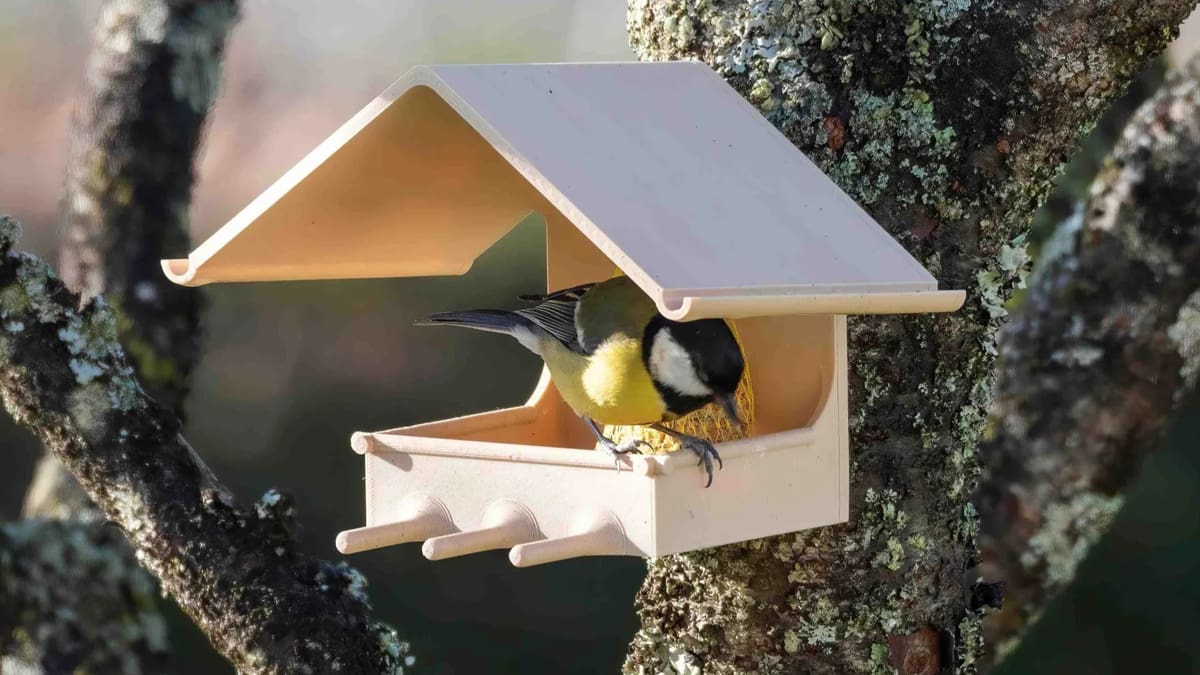
Come Rain, Shine or Snow: The Best 3D Printing Materials for the Outdoors

Find out which filaments are your best options for 3D printing UV-resistant and weatherproof parts and prints.
When you’ve spent hours designing and 3D printing the perfect part for outdoor use, you’ll want it to be able to withstand the elements. If you’re using the wrong material, a sudden freeze could dissolve your hard work into a cracked, warped, or brittle mess. The truth is, not all 3D printing materials are made to survive cold weather and freeze-thaw cycles, or long periods of the hot sun for that matter. This guide will show you the single most important decision you can make to ensure your prints last, so you can build with confidence, no matter the temperature.
The outdoor products you may already have, such as furniture, garden equipment, and toys, are typically made from polyethylene (PE). Unfortunately, PE is not available for 3D printing since it has such a low melting point (much lower than PLA) and poor layer adhesion. This leaves you needing an alternative.

Whether it’s for functional parts or decorative pieces, selecting the right material can make all the difference in resistance to environmental factors like sun, heat, cold, chemicals, and moisture over time. Let’s explore some of the best 3D printing polymer materials tailored for outdoor applications and the attributes that help them withstand the weather.
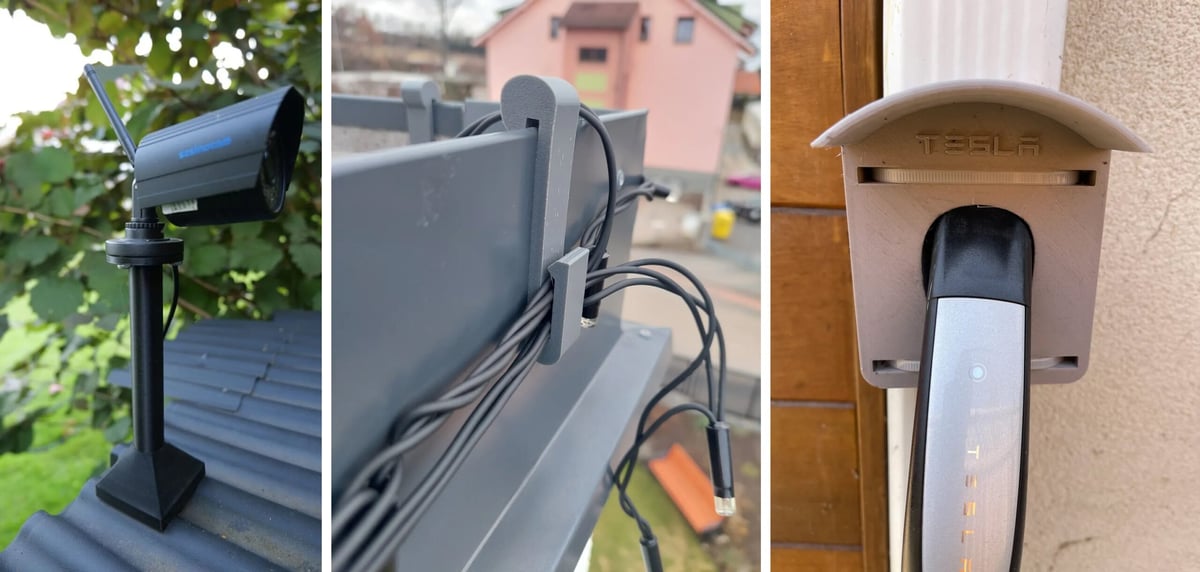
But first, it’s handy to understand how outdoor elements affect polymers.
UV light is the most damaging environmental factor for plastics. Ultraviolet radiation from the sun breaks down the chemical bonds in a polymer by a process called photodegradation, which not only causes a change in appearance, such as yellowing or whitening (“chalking”), but also deteriorates the physical properties.
The second most damaging element to plastic is moisture. We often think of plastics as waterproof, but different polymers actually absorb water at different rates, leading to swelling that can be hard to notice, but is no less damaging to the strength and function of your outdoor part over time.
Heat and cold are also important factors to consider. Although most plastics will not melt in even the hottest outdoor environments, they can soften enough to fail mechanically, which is a problem for any functional part like a bracket, clasp, or enclosure. Cold temperatures, on the other hand tend to make parts more brittle and prone to snapping as the drop in temperature makes them more rigid.
Another question to consider is whether your part will come in contact with any chemicals, solvents, oils, or the like, such as pool chemicals, bike grease, or even a lot of pollution.
Since there is no one 3D printing polymer material with excellent UV, chemical, heat, and moisture resistance, you’ll need to pick the one that has the specific strengths to fit your application.
Let’s take a look at the top six polymers for outdoor use and their key attributes.
The Weather Resistance of Popular 3D Printing Filaments
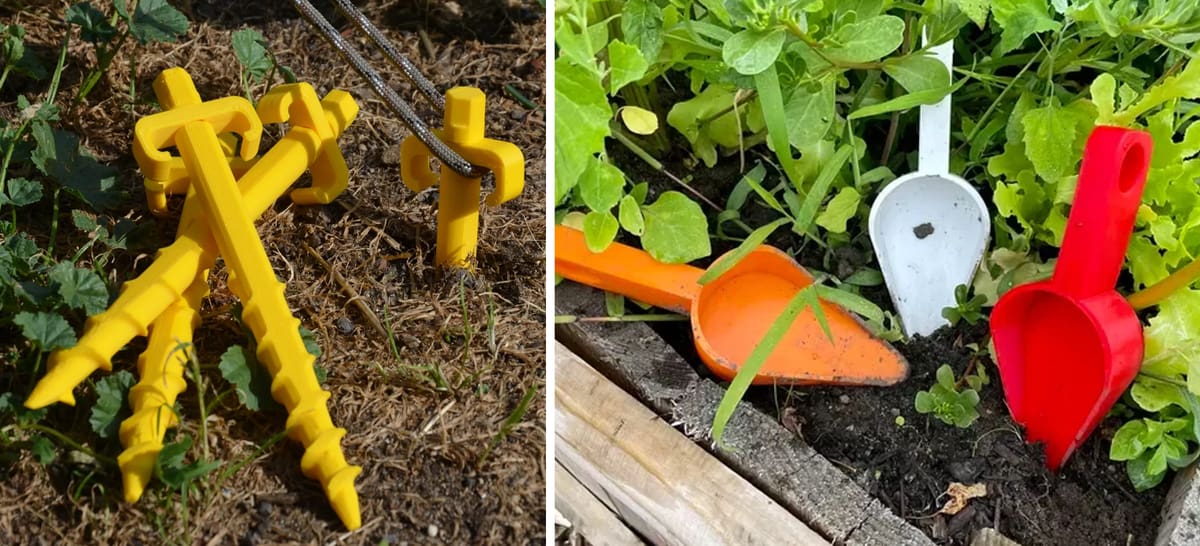
Below we feature some of the best 3D printing polymer materials for outdoor-related parts and the attributes that put them on our list. PLA UV at the bottom of our list is for comparative reference and because it packs an outdoor surprise: it changes color when exposed to sunlight.
Keep in mind that not every filament you buy may have all of these specific attributes since individual filament makers can use additives for color or other qualities that can affect a material’s features, so always read your material’s spec sheet. Likewise, there can be, and usually are, versions of materials with boosted UV protection from additives. You’ll find several polymers that boast added UV protection.
*Moisture absorption refers to a materials degree of hygroscopic behavior, which indicates how much it is prone to swelling. It reduces the glass transition temperature and strength of plastic. The most widely used standards to measure water absorption in plastics is ASTM D570, which determines the percent of water absorbed after 24 hours submerged in water. In the chart above we list the maximum percent of water absorbed by weight.
*Heat resistance is measured in Tg “glass transition temperature”, which is the point as which a polymer starts to turn from a hard state to a more flexible state. This can affect the structural integrity of your parts. When it comes to the flexible TPU and semi-flexible PP, the glass transition temperature is the point where it changes state from desired flexible to brittle, a point which is well below frozen.
Which Filaments Stand Up to Winter
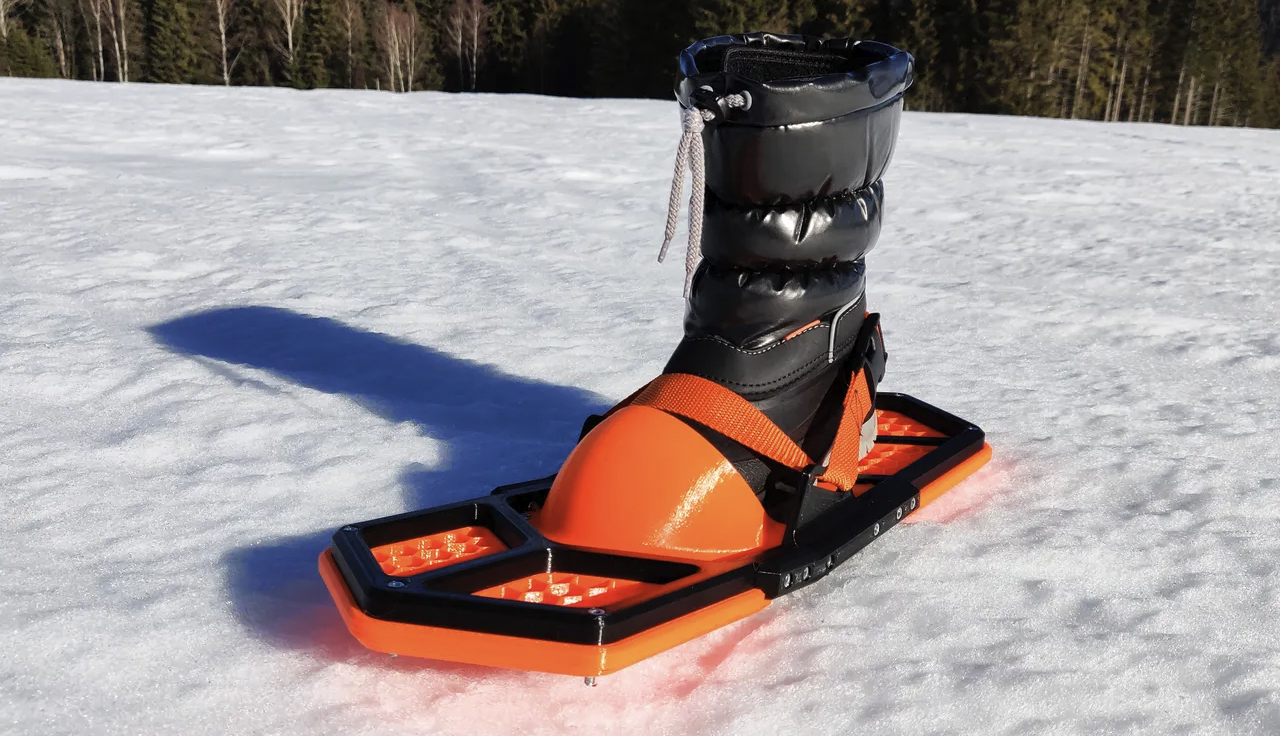
For outdoor parts that need to handle –20 °C, the three filaments we’d recommend are polycarbonate, ASA, and nylon 12. Avoid PETG here since it tends to get brittle around –20 °C.
Polycarbonate is the strongest option. It stays tough and impact-resistant even well below freezing, and some blends are rated for –60 °C. The downside is that it’s harder to print—you’ll need high temps, an enclosure, and ideally a UV-stabilized grade or protective coating if it’s in the sun.
ASA is a great choice if sunlight is a bigger concern. It’s basically a UV-resistant version of ABS, so it won’t yellow or crack outdoors, and it still performs well in cold weather. Just be aware it can warp if not printed in a stable environment.
Nylon 12, especially in carbon-fiber-reinforced form, is another solid pick. It absorbs less moisture than other nylons, stays tough in the cold, and makes reliable functional parts. Like polycarbonate, it needs to be kept dry and may need UV protection if exposed.
In short: choose polycarbonate for maximum toughness, ASA for long-term weather resistance, and PA12 for durable, load-bearing parts.
Do you want me to put together recommended slicer settings for one of these so you can print with fewer headaches?
PETG (Polyethylene Terephthalate Glycol)
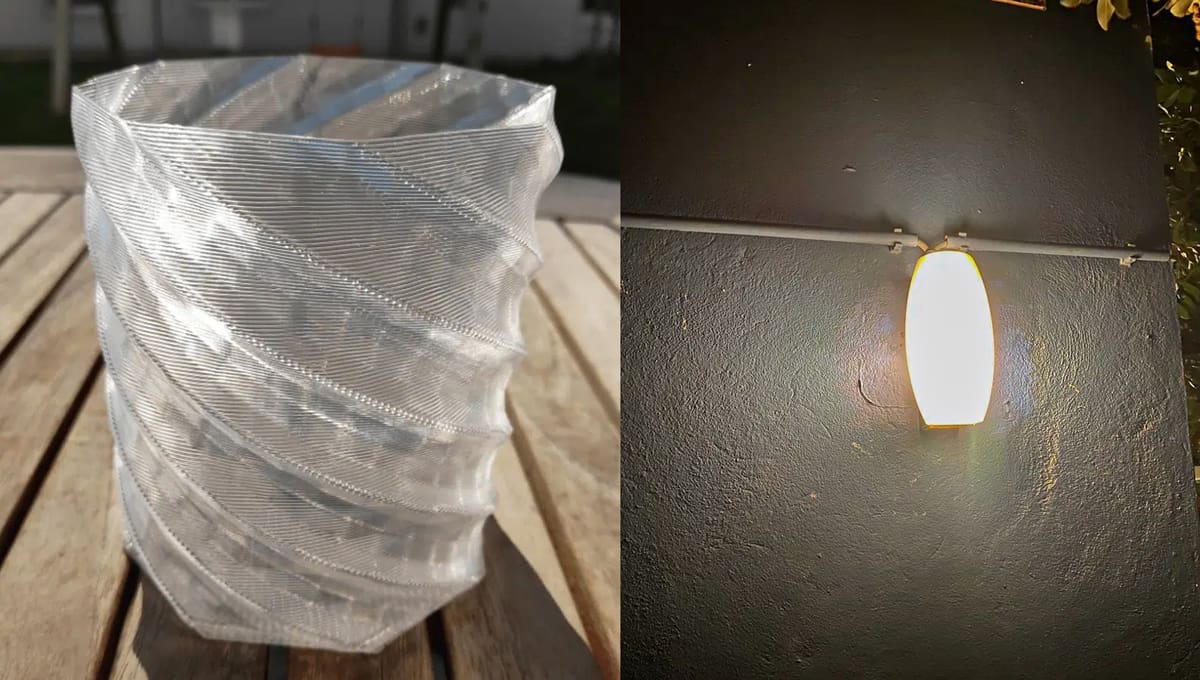
PETG is a popular choice for outdoor 3D printing due to its excellent strength, impact resistance, and weatherability. While it’s a solid all-around material, there are some key things to keep in mind:
- UV Resistance: PETG has fair UV resistance, making it less prone to yellowing or degradation when exposed to sunlight over time, but not as resistant as another clear material, PC.
- Heat & Chemical Resistance: It offers good chemical resistance, making it suitable for outdoor environments where exposure to various elements is common. Yet, as a thermoplastic polyester, as opposed to a thermoset plastic, it can be deformed with high heat, so avoid direct direct all-day sunlight to prevent warping.
- Specialty Filaments: There are special versions of PETG with added UV resistance, such as:
- Eolas Prints PETG UV Resistant filament. It has been altered to make it more UV resistant, promising that the color will remain intact for a minimum of five years. The trade off is that this version of PETG is not food-safe.
- Glass-fiber reinforced PETG GF UV from companies like Nanovia boosts the strength of the material in addition to having UV resistance.

Our Verdict
PETG is a top recommendation for printing outdoors because of its blend of properties, affordability, and wide availability of recycled versions.
ASA (Acrylonitrile Styrene Acrylate)
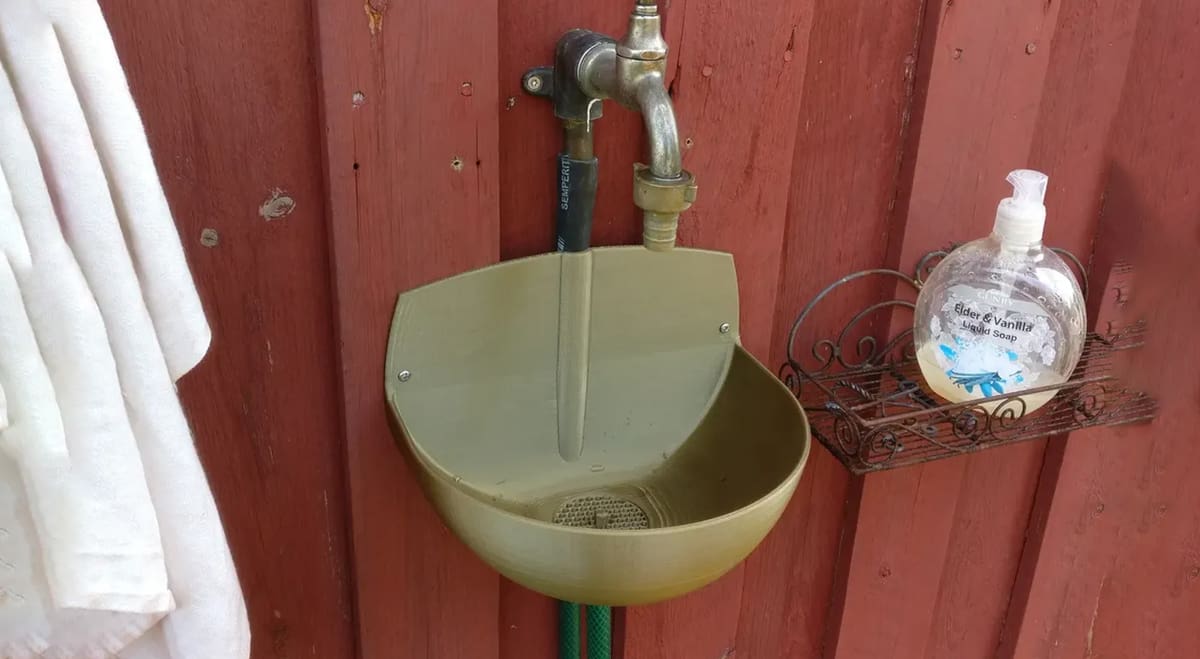
ASA is specifically engineered to withstand harsh outdoor conditions, making it an ideal choice for 3D printing outdoor products and parts that won’t lose their mechanical properties or color.
- High UV Resistance: ASA exhibits high UV resistance, ensuring long-term color stability and preventing deterioration from prolonged exposure to sunlight.
- Wide Temperature Range: It maintains its mechanical properties across a wide temperature range, further enhancing its suitability for products that you’ll have outdoors year-round that may freeze in winter and swelter in summer.
- Good Chemical Resistance: ASA exhibits good resistance to chemicals, oils, and solvents, making it suitable for applications where exposure to various substances is expected.
- Blends for Stronger Properties: To obtain even higher mechanical properties, consider blends with other materials, such as ASA/PC and ASA/PVC.

Our Verdict
Although ASA was created for outdoor use and has strong mechanical properties, the only reason it is not our top pick is that ASA emits potentially harmful fumes while printing and requires a 3D printer with a nozzle temperature that can reach about 230ºC. If you’re ordering a part from a print service, however, ASA would be our top choice for all types of outdoor parts. For a deeper overview on ASA, this article goes much more in depth.
Nylon with UV stabilizers
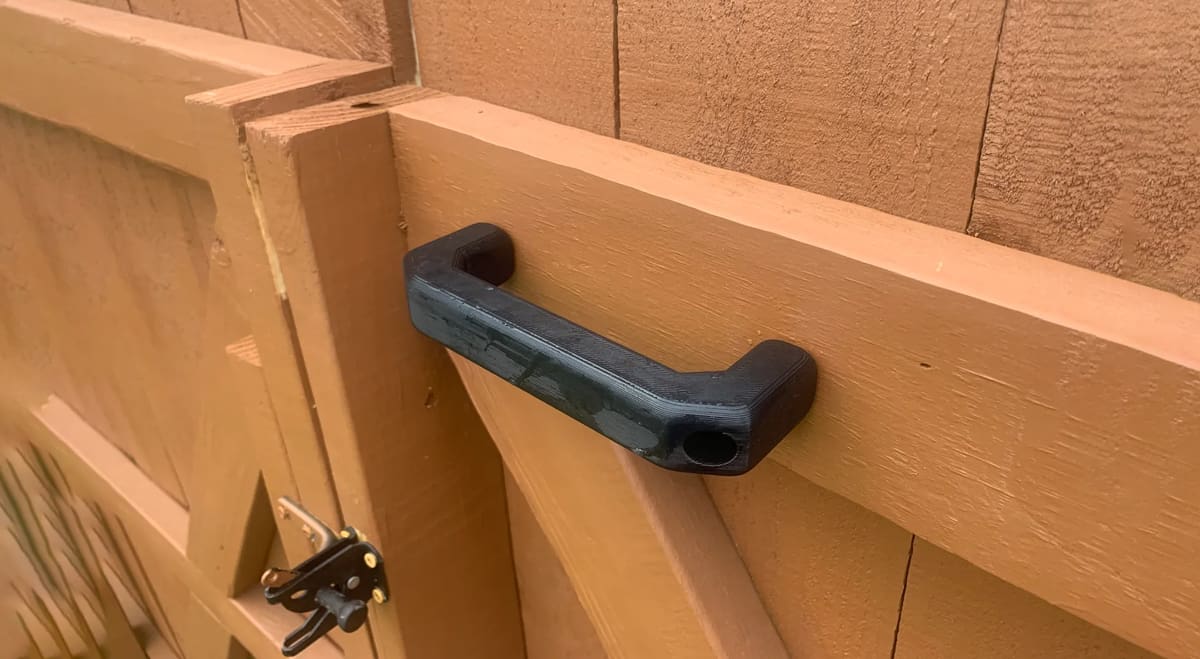
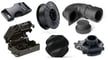
Nylon (PA 12 and the more environmentally friendly PA11) is renowned for strength, toughness, and flexibility, making it a versatile material for outdoor applications. If you’re interested in a PA11 made specifically for outdoor use, look for a UV stabilized polyamide 11, which will include extra additives.
UV stabilizers are additives mixed into the nylon polymer during filament production. Their job is to absorb or block UV radiation, preventing it from breaking down the polymer chains that cause brittleness, color fading, and loss of mechanical properties. UV absorbers, such as benzotriazoles, absorb harmful UV rays before they can degrade or discolor the nylon. Even with UV stabilization, coating your nylon prints with a UV-resistant clear spray can extend their lifespan dramatically.
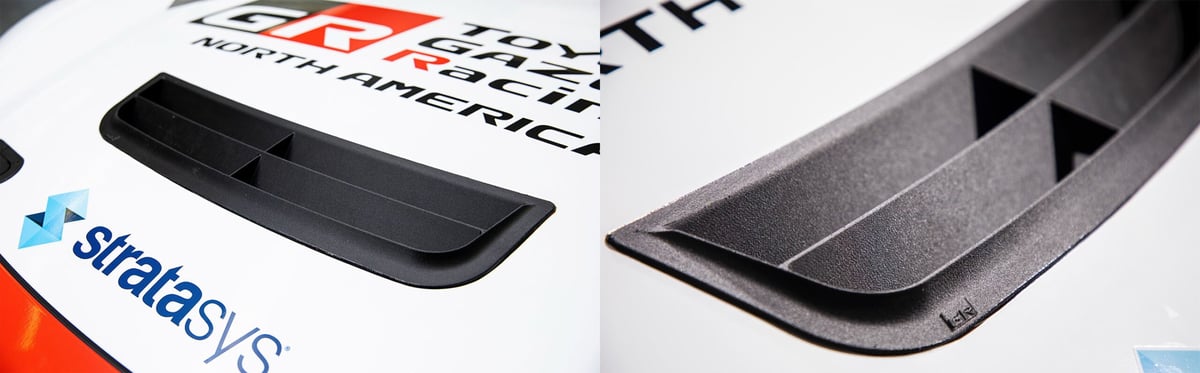
- UV Resistance: PA11 is less susceptible to UV rays than PA12 and is often used in outdoor applications where prolonged exposure to sunlight is expected, such as automotive components, outdoor equipment, and architectural fixtures. For extra UV protection, consider coating your prints with a clear UV-resistant spray for added protection.
- Chemical Resistance: Nylon is known for its resistance to many common chemicals, including oils, greases, fuels, solvents, and alkaline solutions. Keep in mind though, it does tend to absorb moisture.
- Impact Resistance: Nylon offers excellent impact resistance and can withstand bending and flexing without cracking or breaking, making it suitable for functional parts subjected to varying loads.
Our Verdict
If strength and durability of your outdoor functional parts is the primary concern, there’s nothing better than PA11, especially a carbon-fiber or glass-fiber reinforced version. This material is our top pick for outdoor sporting goods and parts that have a function, like a latch. It’s also ideal for parts that may encounter come chemicals, like motor exhaust.
PC (Polycarbonate)
Polycarbonate (PC) is often the preferred choice for applications demanding the utmost in UV resistance, even more so than PETG, although it is usually more expensive. It’s also a renown replacement for glass since it’s clear, 250 times more impact resistant than glass, and can be drilled without any problem of cracking. PC isn’t just clear, of course. It can take on colors and remain translucent or completely opaque.
- UV Resistance: PC is inherently UV-resistant and particularly well-suited for outdoor applications where exposure to sunlight is a significant factor. It’s widely used for outdoor lighting fixtures. Some PC materials include additional UV stabilizers in the formulation to further enhance its durability outside.
- Mechanical Properties: PC is widely used in 3D printing for its excellent mechanical properties, such as high impact resistance, strength, and toughness, along with good heat resistance and dimensional stability.
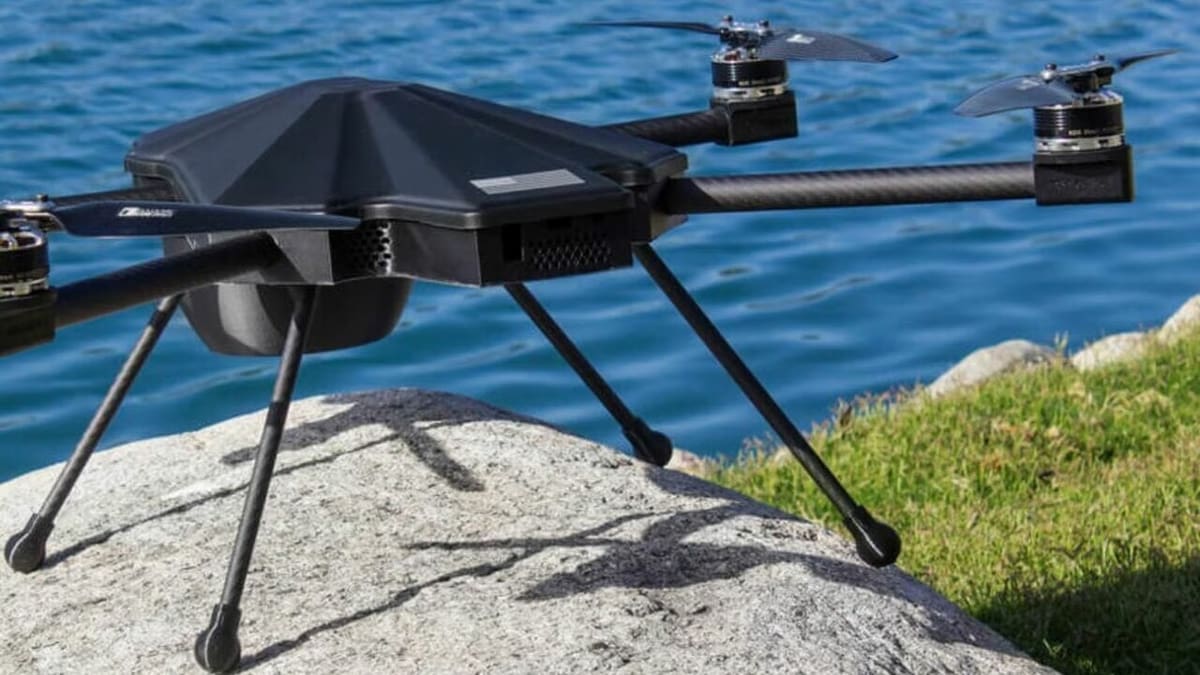
- PC Blends: It’s often mixed with other plastics to boost impact resistance. PC-ABS, which comes in black and white, for example, is used for products, such as drone bodies and replacement parts that need more strength than ABS alone. You’ll also find PC with additives such as carbon fibers.

Our Verdict
For strong and UV resistant outdoor parts, particularly those that need to be transparent or translucent, PC is a great choice. This material is our top pick for outdoor lighting. It’s also ideal for drone and UAV parts that will be exposed to UV light outside and need to retain their stiffness even at high temperatures.
TPU (Thermoplastic Polyurethane)
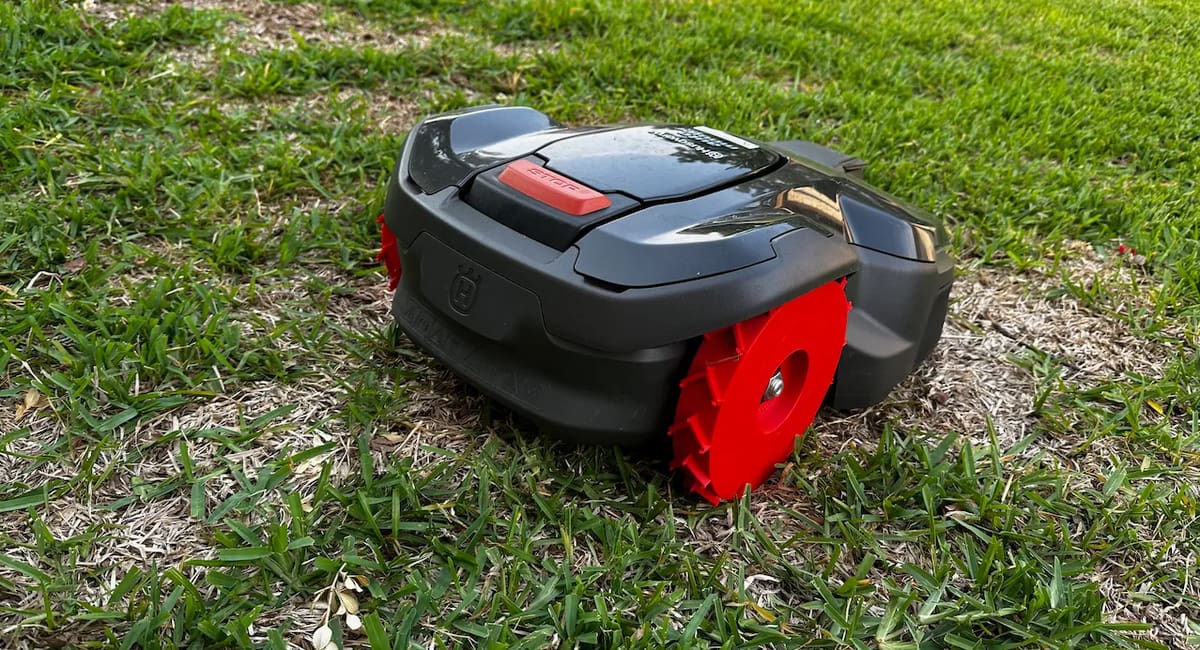
TPU is the go-to material for outdoor parts that need flexibility, such as hose connectors or wheels. This is partly because there just aren’t a lot of alternatives. There’s TPE (thermoplastic elastomer) for more chemical resistance and TPC (thermoplastic copolyester) for better heat resistance compared to TPU, but the slight improvements may not justify the increased cost depending on your application.
- Weather Resistance: TPU is generally weather resistant, yet may not perform well in extreme temperature conditions, especially at high temperatures. It has a relatively low melting point compared to some other materials, which can result in your 3D printed parts deforming in hot environments.
- Key Properties: TPU is a top choice due to its flexibility and durability. It’s a great material for functional parts that need to bend and absorb impact.
- Customization: Don’t write off TPU just yet! It’s a highly customized polymer and filament makers have tweaked it for all types of specific applications. For example, BASF Forward AM offers its Ultrafuse TPU 85A that’s formulated for high wear and abrasion resistance, with very good low-temperature flexibility and high resistance to oils, greases, oxygen, and ozone.

Our Verdict
Although many brands of TPU will degrade outside over time due to UV radiation and the affects of water absorption there are some varieties formulated to withstand the outdoors. You may pay more, but if flexibility and durability are your top priorities, this is your best option.
PP (Polypropylene)
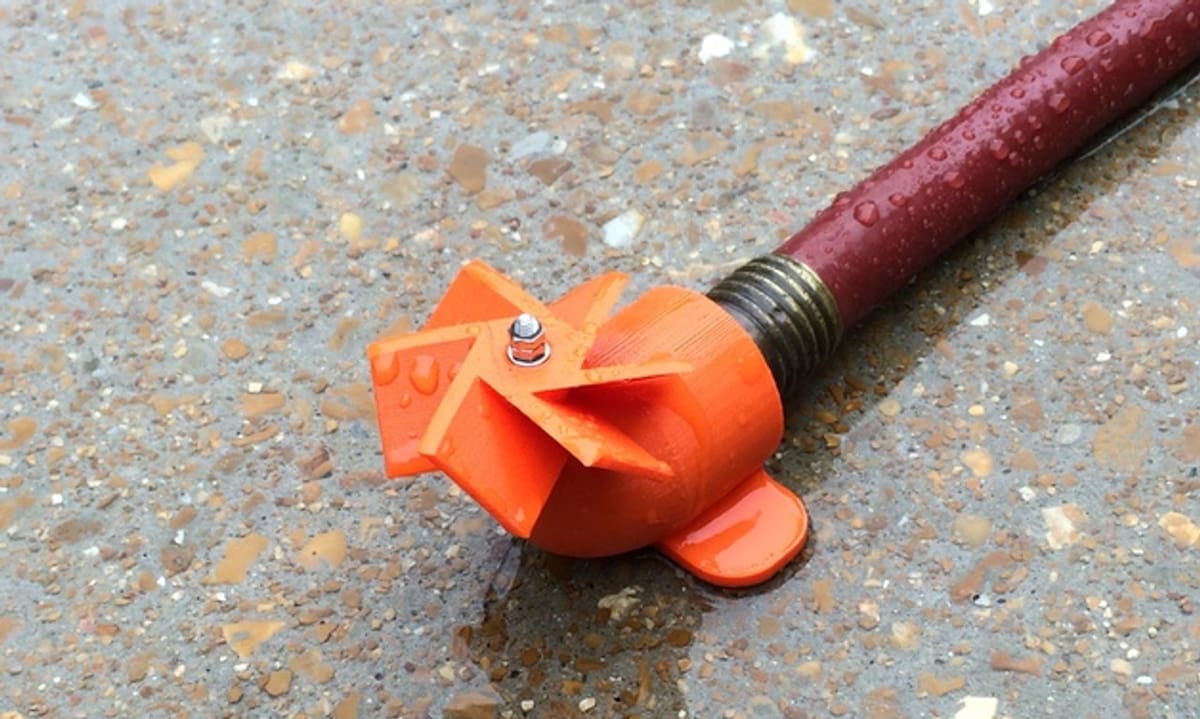
Polypropylene (PP) is a versatile thermoplastic polymer that is highly valued for its physical strength and exceptional chemical resistance. When it comes out outdoor use, it’s claim to fame is its low moisture absorption, making it highly impermeable.
- UV Resistance: The primary drawback of PP is it’s poor UV resistance. Prolonged exposure to UV light can cause degradation over time unless your PP filament has UV blocking additives.
- Mechanical Properties: One of its key characteristics of PP is its excellent strength-to-weight ratio, making it a preferred material for lightweight, durable products, such as pipes, water tanks, and fittings for its corrosion resistance and durability in various home and industrial applications.
- Water Resistance: PP is excellent for outdoor projects that need to be both strong and water-resistant, such as parts for sprinkler systems. In fact, the material is often used via traditional manufacturing processes such as injection molding, for lawn furniture because it displays toughness and flexibility in the warm summer months, but can become brittle in the depths of cold winters.
Our Verdict
For water-related 3D printing projects, such as hose connectors, air conditioning vents, and fountain projects, nothing beats PP. Yes, PVC is often used for plumbing and you can 3D print with it, but its high toxicity and hazards during 3D printing prompt us to recommend PP instead.
PLA UV Color Change
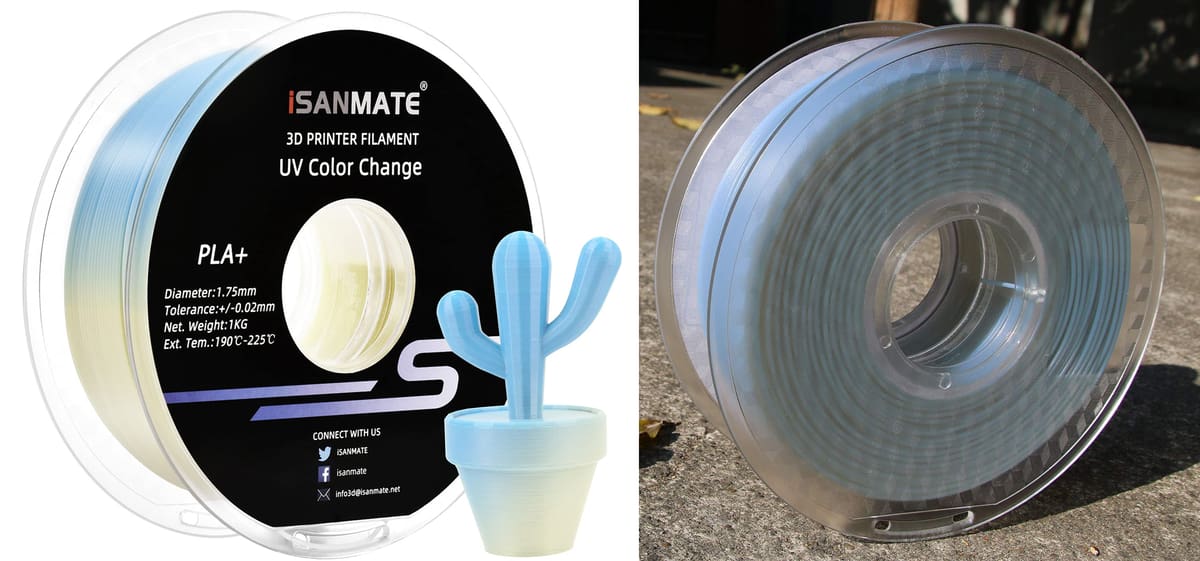
We’ve included this on the list not because it withstands the elements well, but just because it’s fun! The PLA UV color-changing filament available today from a wide variety of makers has the usual PLA properties that are generally not ideal for long-term outdoor use, but has one unique feature different from all the rest: the ability to change color when exposed to UV light, i.e. outdoor sunlight.
- UV Resistant: These filaments are the opposite of UV-resistant and actually absorb sunlight which triggers a color change. When removed from the light, your 3D printed part will return to its original color. Which color changes to which sun-activated color is not universal across filament makers, so look at the label. For example, material maker R3D offers a dramatic white-to-blue filament and a more subtle yellow-to-green.
- Mechanical Properties: If you’re wondering why regular PLA doesn’t make our list of outdoor-suitable materials, it’s mostly because of its low heat resistance. PLA tends to deform and sag at just around 40 °C. If you really want to use PLA outside, look for one of the specially formulated High Temp PLAs.
Our Verdict
For a fun 3D printing project that’s designed to delight in the sun, such as children’s’ beach toys, this is a perfect choice. It may only be durable for a few seasons – long enough for your child to out grow it – and then it can be composted, if your community has an industrial composting option.
Lead image source: Phio79 via Printables
License: The text of "Come Rain, Shine or Snow: The Best 3D Printing Materials for the Outdoors" by All3DP Pro is licensed under a Creative Commons Attribution 4.0 International License.