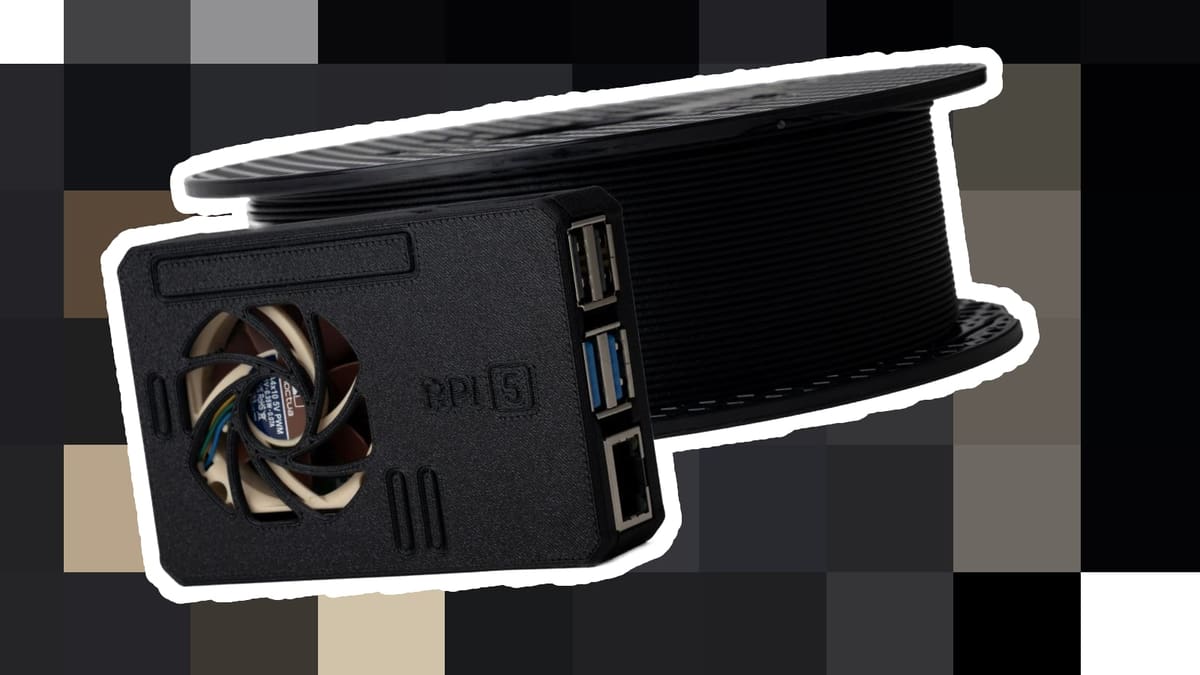
Static, In Check: Prusa’s New PETG ESD Keeps Charge Away From Your Electronics

Combining carbon nanotubes with carbon fiber reinforcement, the latest Prusament targets electronics housings and production fixtures at just $52.69/kg.
The latest filament from Prusa Research Prusament PETG ESD Black combines protection against electrostatic discharge (ESD) with carbon fiber reinforcement, targeting applications where both electrical safety and dimensional stability matter.
Unlike ordinary plastics, which can accumulate and discharge a static charge randomly, damaging electronics, EDS filaments gradually dissipate that charge. Electronics housings, assembly fixtures, and production tooling are natural applications.
The new PETG builds on Prusa’s existing ESD-safe filament offering, which began with PC Space Grade Black ($224/850g) released last year. While that material was developed with space applications in mind, the latest addition focuses on more everyday electronics manufacturing needs, with a much lower price, combining static protection with the dimensional stability of carbon fiber-reinforced PETG.
Two Types of Carbon, Two Different Jobs
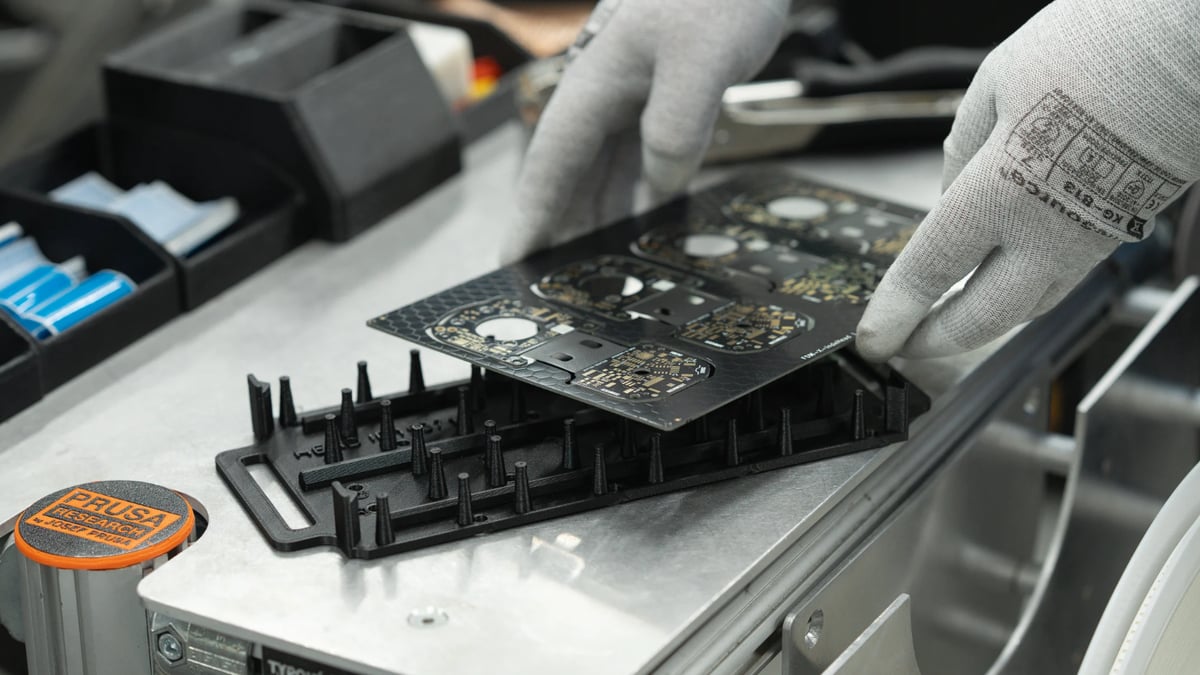
Prusa mixes carbon nanotubes and carbon fiber into the PETG. The nanotubes are tiny, hollow cylinders made from carbon atoms, thousands of times thinner than a human hair. Dispersed throughout the plastic, they can form interconnected pathways that allow electrical charge to move through the material rather than accumulate on its surface.
According to Prusa, the nanotubes also remain contained within the material rather than shedding conductive particles into the surroundings, a useful characteristic for parts used around delicate electronics.
The filament also contains chopped carbon fibers, which serve a different purpose. These reinforce the plastic, reducing shrinkage and warping during printing while improving dimensional stability, with Prusa stating they also improve heat resistance.
Prusa also notes that the material is less tough than its standard PETG. While the carbon fibers improve dimensional stability and help prevent warping, they also make the material less capable of absorbing impacts without breaking.
How it Stacks Up
You have a lot of options today for your static-dissipative prints. ESD properties are available in a wide range of base polymers from PLA to TPU to Nylon with PETG as a popular option. Out of the gate, Prusament’s PETG ESD undercuts many competing ESD filaments on price even with the added carbon fiver reinforcement.
Printing With Prusament PETG ESD
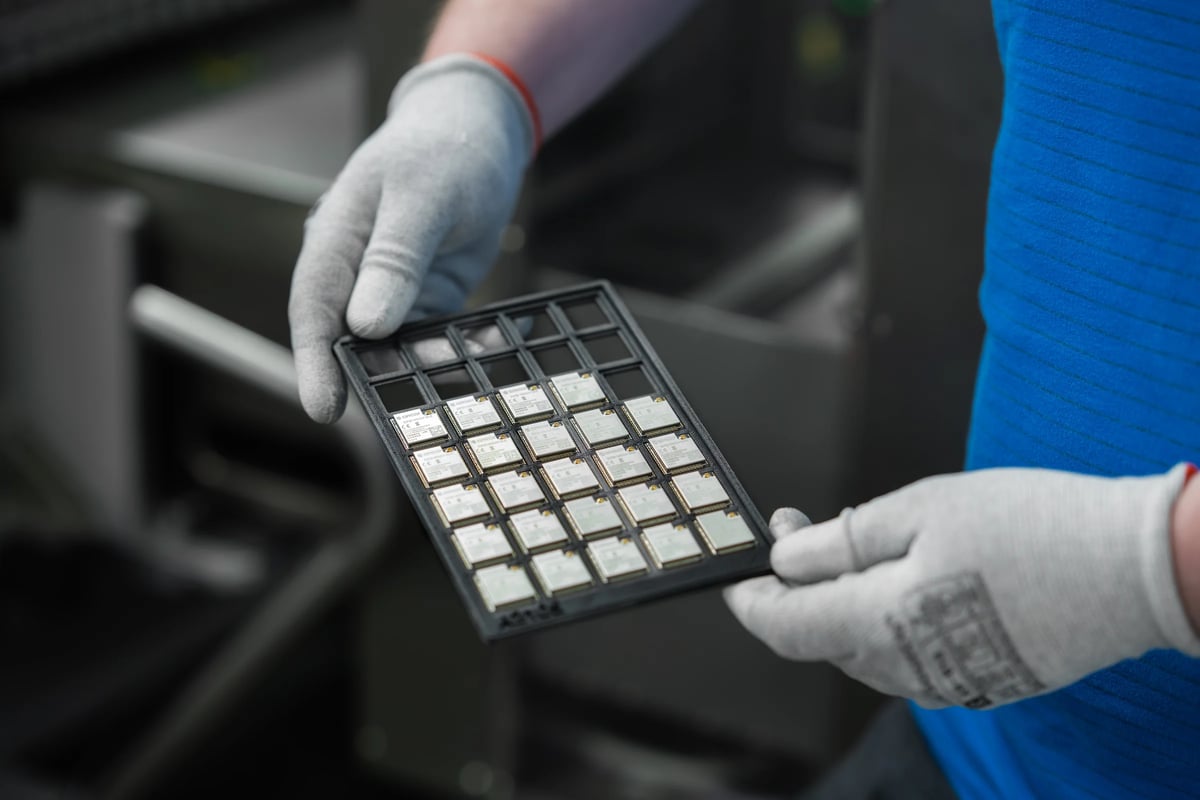
Despite its specialist properties, the material’s recommended printing temperatures are close to those of other carbon-filled PETG filaments.
The carbon fibers make the filament abrasive, requiring a hardened nozzle. The 1-kg spool also comes with Prusa’s rewritable OpenPrintTag NFC chip, allowing compatible printers equipped with an NFC reader to identify the filament automatically.
With Prusament PETG ESD, Prusa joins an established market for static-dissipative 3D printing materials, offering carbon fiber reinforcement alongside ESD protection at a price below several competing filaments.
You Might Also Like:



License: The text of "Static, In Check: Prusa’s New PETG ESD Keeps Charge Away From Your Electronics" by All3DP Pro is licensed under a Creative Commons Attribution 4.0 International License.