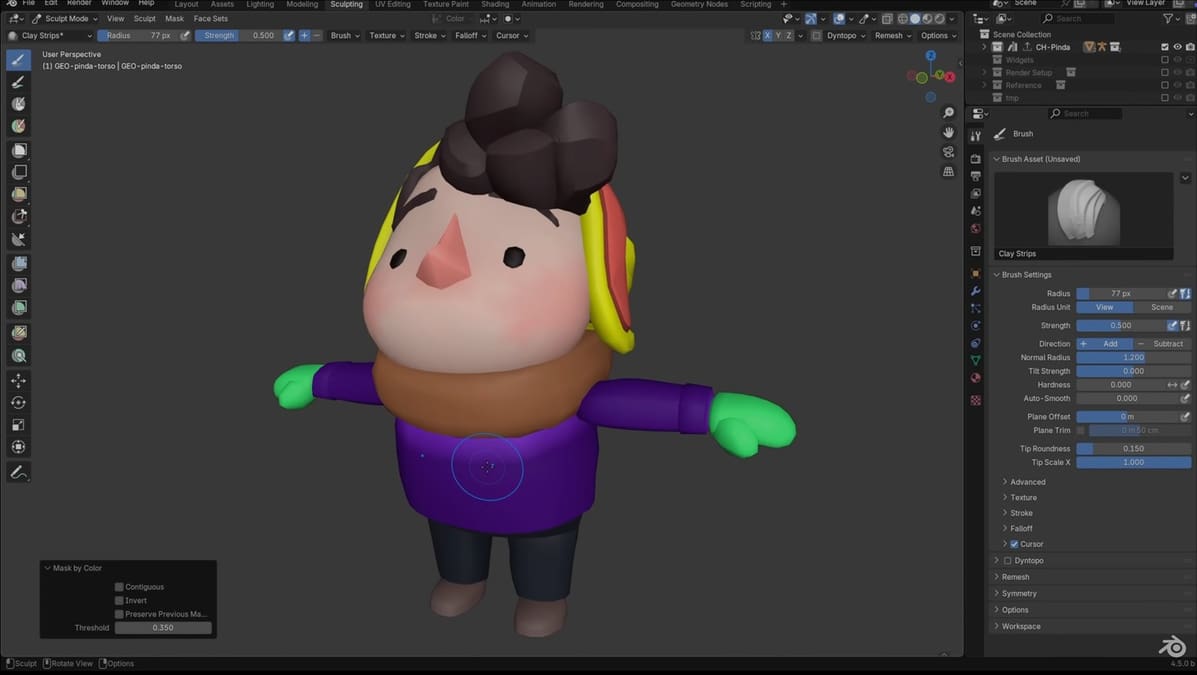
New Blender 4.5 LTS Adds Point Cloud Object, Improves Mainfold Boolean Operations

Blender now deepens its toolset for dedicated 3D modelers, aiming to make routine tasks faster and complex operations more reliable.
Now may be a good time to try Blender if you haven’t already. The new 4.5 LTS (long-term support) update includes more than 500 bug fixes, plus a menu of new features designed to help modelers create more efficiently and accurately.
If you already create 3D models for 3D printing in Blender, congratulations, it’s a really complex and powerful piece of technology — we still can’t believe it’s free. Blender 4.5 LTS brings significant upgrades to core 3D modeling workflows, especially for users focused on meshes, curves, point clouds, and UV mapping (projecting a 2D texture onto a 3D model). Some changes should benefit 3D printing, specifically.
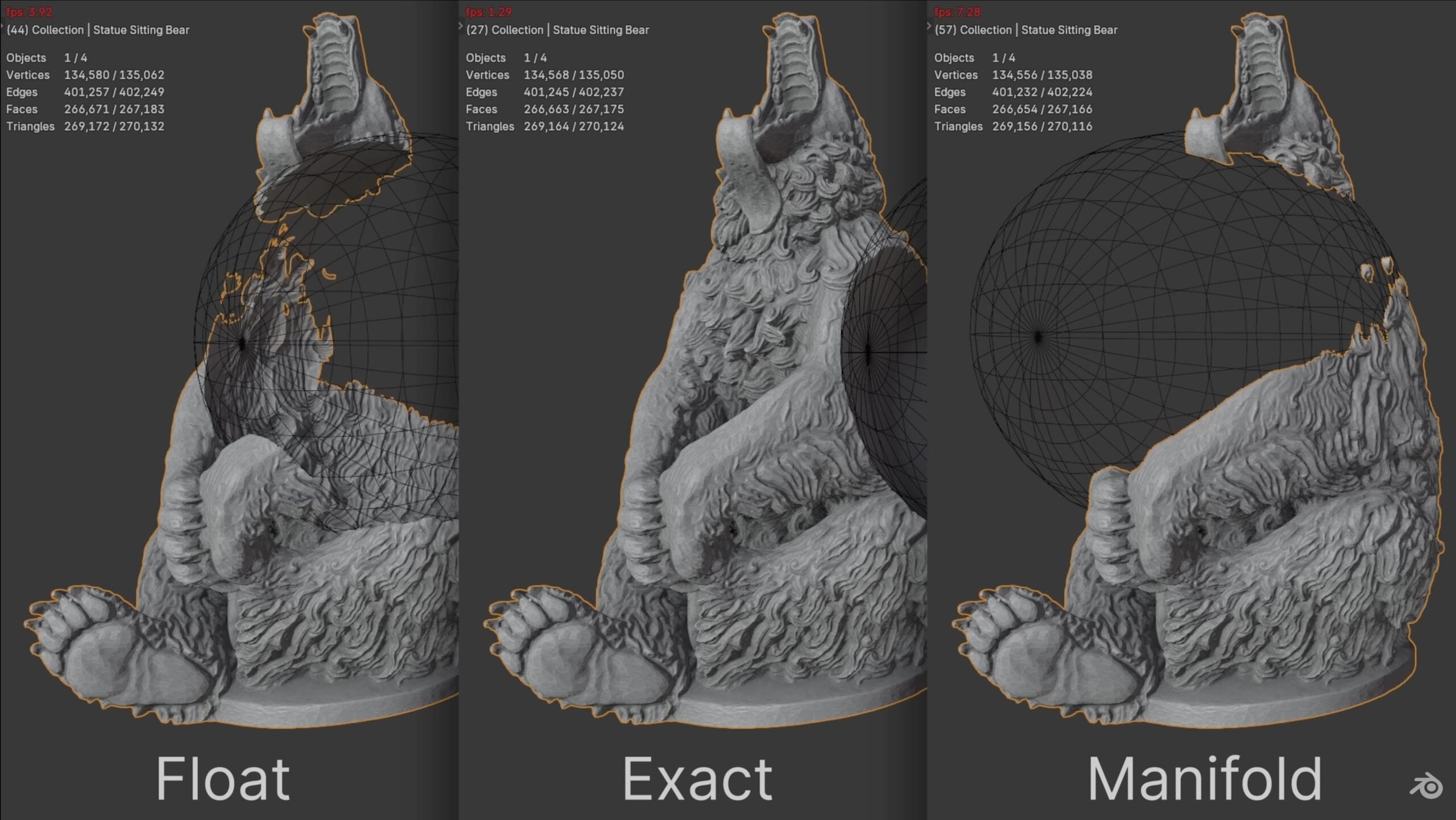
That’s the new “Mainfold” solver mesh Boolean operation, in particular, which represents a reliability boost over the old float-based fast solver (now simply called “Float”). Based on the Manifold Library, this solver is more robust and faster. It works directly in both the Boolean modifier and Geometry Nodes, but only for manifold meshes: those that are watertight with correct normals, necessary for resin printing anyway.
If you use Blender with 3D scans, 4.5 LTS’ new Point Cloud object should have you excited. A Point Cloud is “more performant than a regular mesh”, Blender says, and can store property data like “radius, position, color, and more.” It seems like a better system for working with large amounts of raw data than a large mesh, and point cloud visualizations of whole cities have been shared to demonstrate the feature.
There have been improvements to working with textures, too, as UV tools are now available outside of Edit Mode and can display UVs from multiple objects at once. If you’re a prosumer with a full-color 3D printer at your disposal, that will matter.
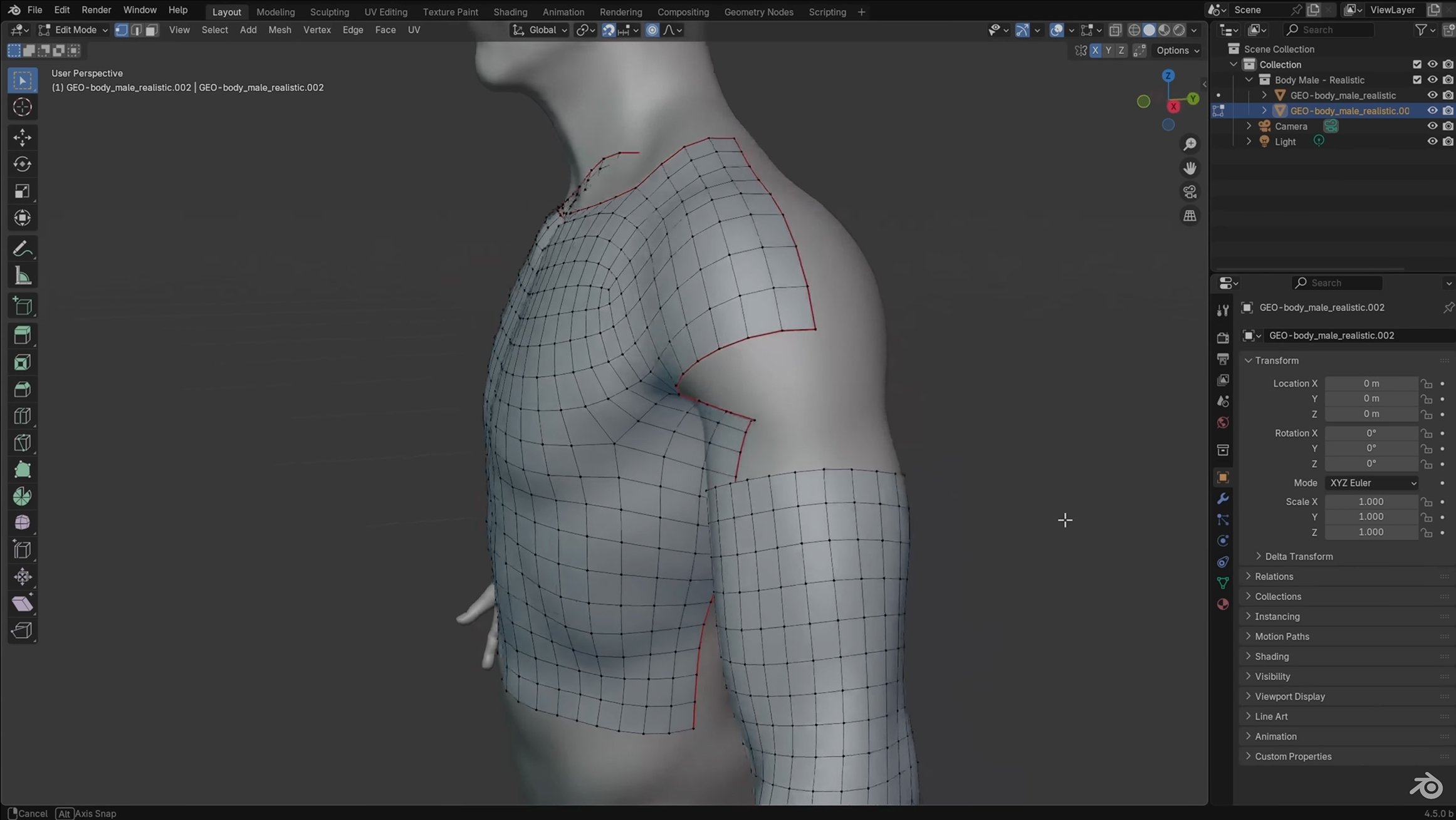
There are plenty more improvements to 3D modeling in general. One that stands out is the “Snap to Cursor” tool, which now includes rotation support, addressing a common workflow hurdle by snapping to a surface angle. This lets users intuitively align and orient components directly in the 3D viewport without manual angle adjustments.
Geometry Nodes received a new powerful feature to manipulate normals with the “Set Mesh Normal” function. Edge and mesh sharpness can now be stored, allowing interesting new interactions with other objects. YouTuber “Harry Blends” demonstrates in the official overview by allowing two objects to intersect with a smooth transition and retain their topology.
This version of Blender, like all LTS releases, will be supported for two years through July 2027 – meaning no major changes until then.
There more changes than we could list, of course, and a host of major improvements to Blender’s tools for animation, video editing, and all the other things that Blender does. If you’d like to learn more, be sure to check out the full Blender 4.5 LTS release notes.
You May Also Like:

License: The text of "New Blender 4.5 LTS Adds Point Cloud Object, Improves Mainfold Boolean Operations" by All3DP Pro is licensed under a Creative Commons Attribution 4.0 International License.