Infill Shading: The Effect You Don’t Want to Miss

Looking for a dazzling new effect to try different color combinations? A Redditor has shared an idea that's well worth your time.
When it comes to 3D printing infill, you may think it’s all about getting the necessary strength for your parts depending on intended use. But as Redditor Esusiseus has shared, it’s far from its only purpose.
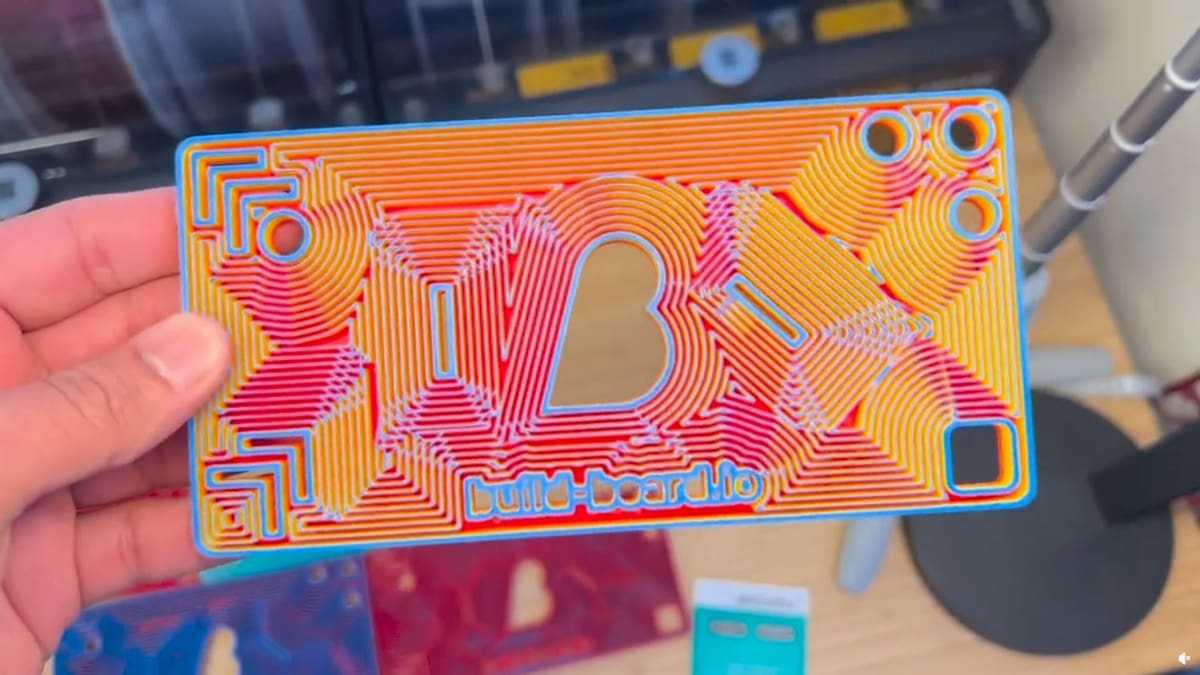
In their post, the maker explains the different steps and prototypes until they landed on the dazzling design you can see above and below. What started as an interest in infill patterns – especially concentric – evolved into experimenting with designs centered around surface patterns. This eventually led to working with shadows and the parallax effect, with which “even single colour prints started to get a depth and shading to them depending on the FOV angle of the viewer”. Further experimentation and tweaking of settings led to even more exaggerated results, although unfortunately, the Redditor hasn’t shared any images or videos of them.
Still, the design posted shows how different colors were added at different layer heights for a dazzling effect, known as color blending. Esusiseus says that “While the effect is significant enough to be seen through an iPhone recording, that doesn’t do it justice”, yet there’s plenty to be in awe of there.
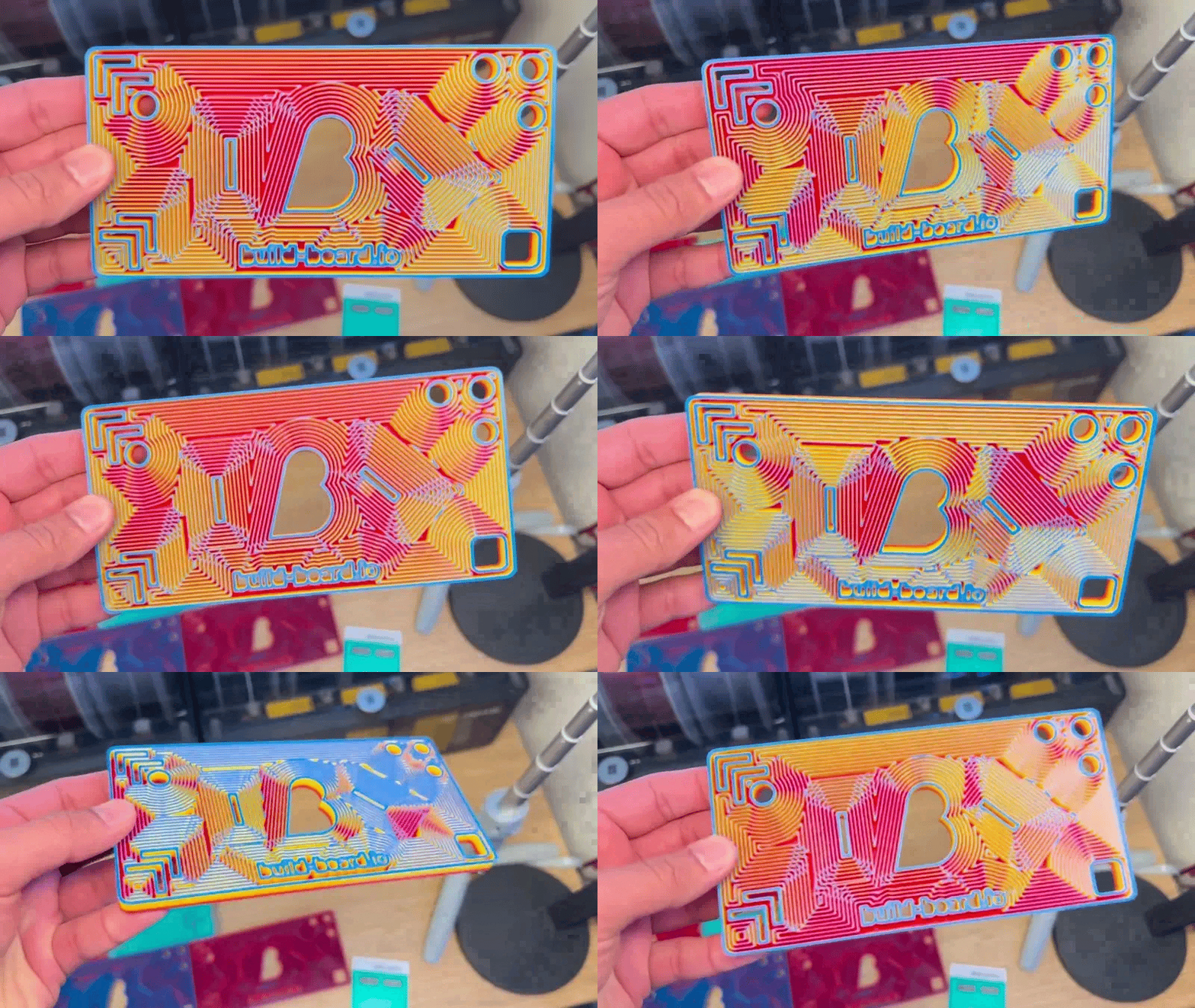
For makers who want to replicate this design, the first aspect to keep in mind is that prints like this can’t have any top layers – otherwise, the infill wouldn’t be seen at all. The Redditor also shares specific recommendations from the trials and errors, namely that concentric infill is the most suitable, plus a few tips and suggestions based on other settings (e.g. sparse infill density percentage, color use) depending on intended goals.
After checking out the effect below, we can’t be the only ones looking at what filaments we’ve got, right?
Read more recent news:
License: The text of "Infill Shading: The Effect You Don’t Want to Miss" by All3DP is licensed under a Creative Commons Attribution 4.0 International License.