Qidi’s New Foaming TPU Filament Lets You Choose Your Level of Flexibility

Variable-hardness TPU can deliver parts ranging from super squishy to dense and rubbery depending on how you print it.
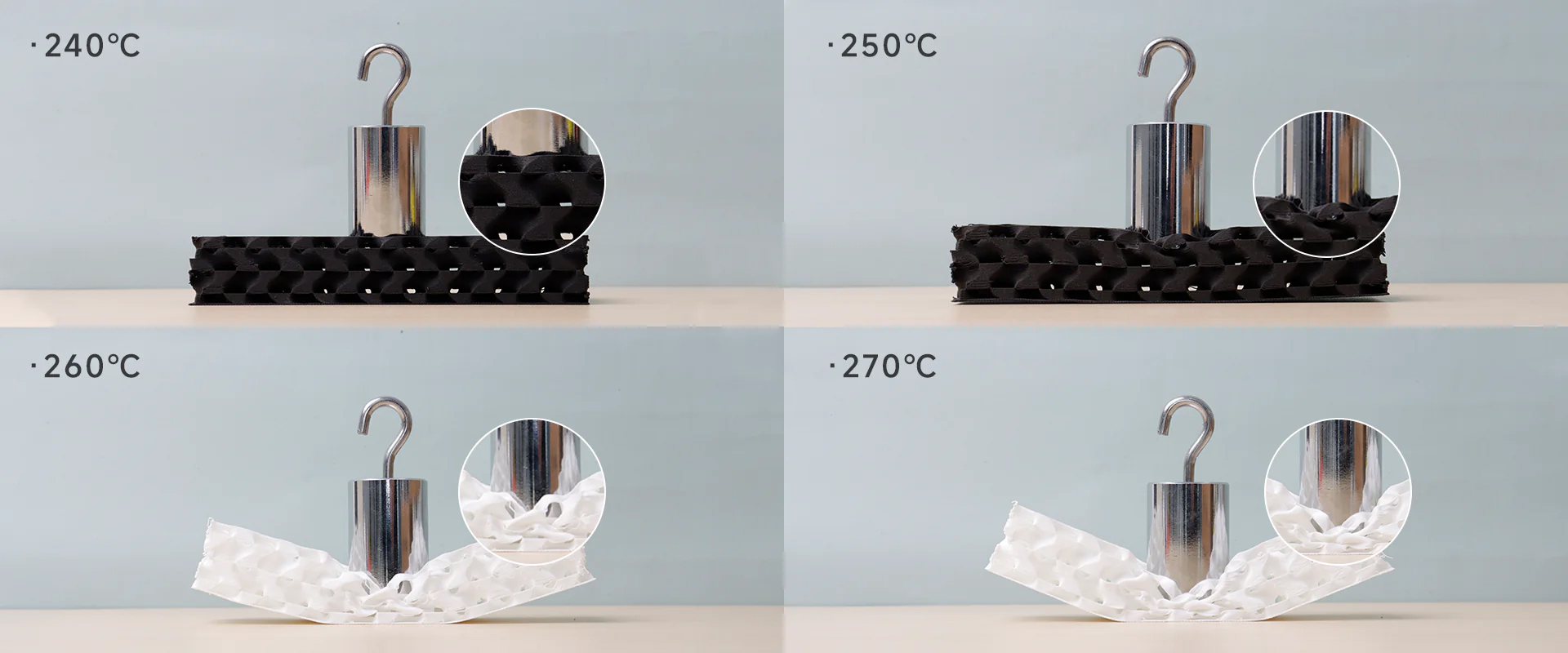
Qidi Tech’s new TPU-Aero ($45.99) is a foaming filament that lets you adjust your final print’s weight and level of hardness by adjusting the temperature, flow rate, and infill density at which you print it. The hotter you print, for example, the more flexible and soft your final parts will be. You can choose a hardness anywhere from Shore 65A to Shore 85A.
Unlike conventional TPU filaments, TPU-Aero incorporates a reactive foaming process that reduces density during extrusion. It can be over 50% lighter than traditional TPUs, depending on the settings used, and also features high elasticity and abrasion resistance, which may appeal to users needing soft, durable materials in functionally demanding parts.

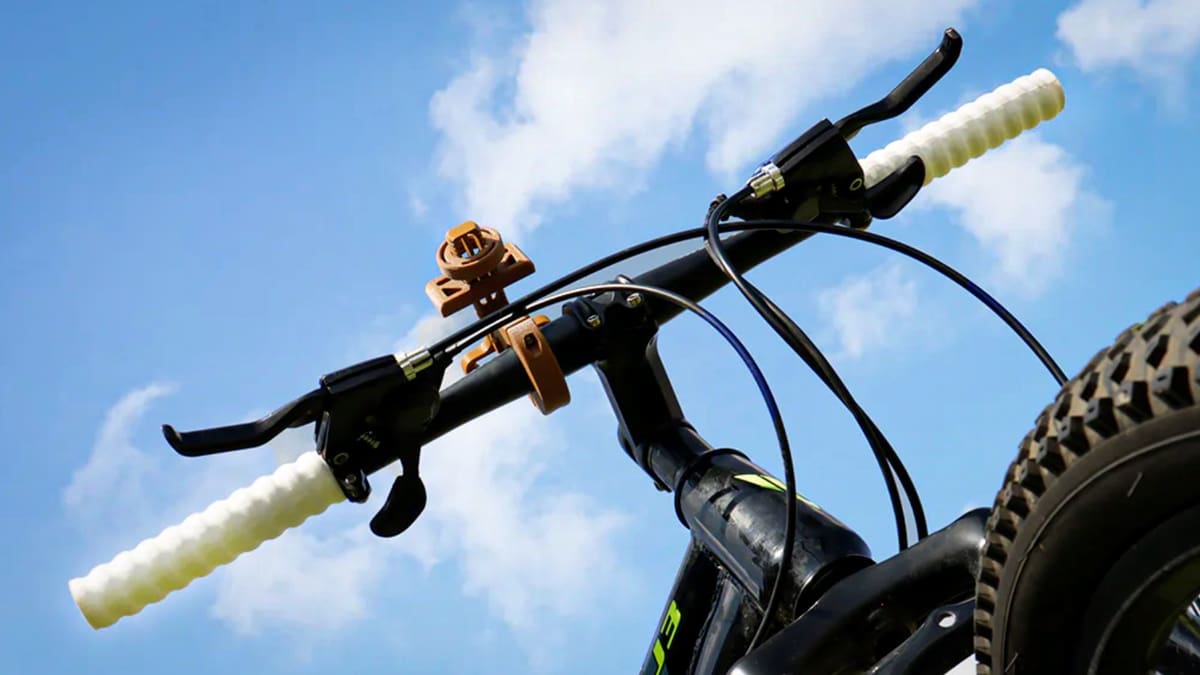
“Combined with excellent elasticity, wear resistance, and lightweight properties, it can be used in sports equipment, industrial parts, aerospace prototypes, and creative design,” according to Qidi.
Visually, the filament has a matte finish — hiding layerlines — with what Qidi describes as a “fabric texture.” The filament is only available in black or white at launch.
A TPU That’s Not for Beginners
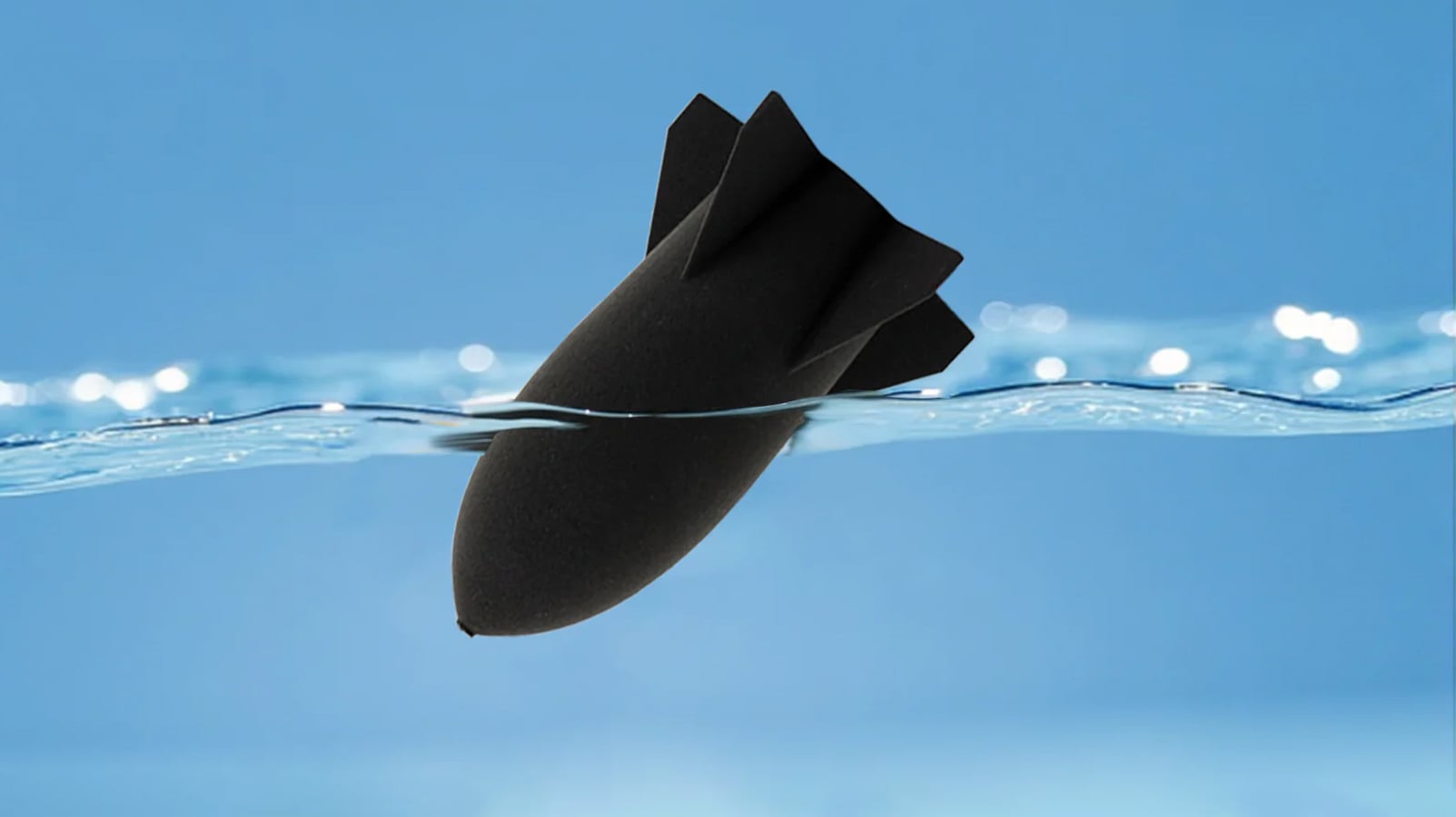
While the potential applications are appealing, TPU-Aero requires some special handling.
Qidi cautions that TPU-Aero is not compatible with the material changers of multi-color printing systems and requires specific slicing adjustments to reduce leakage and stringing — common challenges with foamed or flexible filaments. Users are advised to disable retraction and activate “avoid crossing wall” settings in the slicing software.
You can expect this material to “exhibit excessive adhesion” to your PEI textured or PEI film build plates, Qidi says, so it’s recommended to use alcohol to remove parts.
Although TPU-Aero is a moisture-sensitive filament and should be dried before and during use to prevent print defects, such as bubbling or inconsistent extrusion, once printed, parts can maintain stable performance in water or humid environments, the company says, and will not expand or deform due to water absorption. Once opened, the filament should be stored in a humidity-controlled environment or resealed to maintain performance.
Not the first variable-harness TPU on the market — there’s ColorFabb’s foaming VarioShore TPU at $70 per 0.7 kg — Qidi says TPU-Aero is ideal for sports equipment, industrial parts, and aerospace prototypes.
You May Also Like:


License: The text of "Qidi’s New Foaming TPU Filament Lets You Choose Your Level of Flexibility" by All3DP Pro is licensed under a Creative Commons Attribution 4.0 International License.
CERTAIN CONTENT THAT APPEARS ON THIS SITE COMES FROM AMAZON. THIS CONTENT IS PROVIDED ‘AS IS’ AND IS SUBJECT TO CHANGE OR REMOVAL AT ANY TIME.