How the British Film Institute is Saving Film History with a Formlabs 3D Printer

From tiny cogs to complex guide rollers, the BFI is using an in-house 3D printer to reverse-engineer and produce impossible-to-find components, ensuring that screen heritage remains preserved.
In the halls of the British Film Institute, technology from the golden age of cinema is being kept alive by technology of the 21st century. To keep its priceless collection of vintage projectors running, the BFI is tackling the problem of obsolete parts by 3D printing its own, breathing new life into the tech that preserves screen heritage.
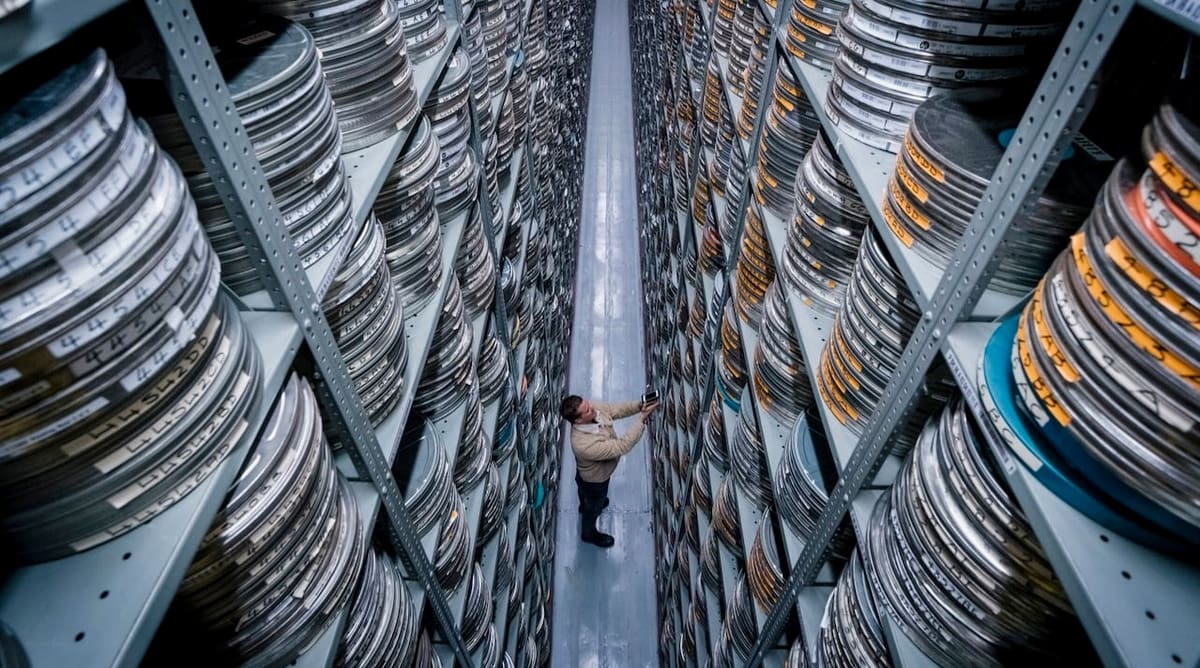
The National Archive of the BFI is home to hundreds of specialist devices that safeguard the nation’s shared screen heritage. Its film conservation and restoration workflow, includes not only vintage projection equipment, but rare film processing machinery and other tools. Many of these machines were built decades ago by manufacturers that no longer exist, which presents a unique challenge: how to keep them running when rare and specific components fail?
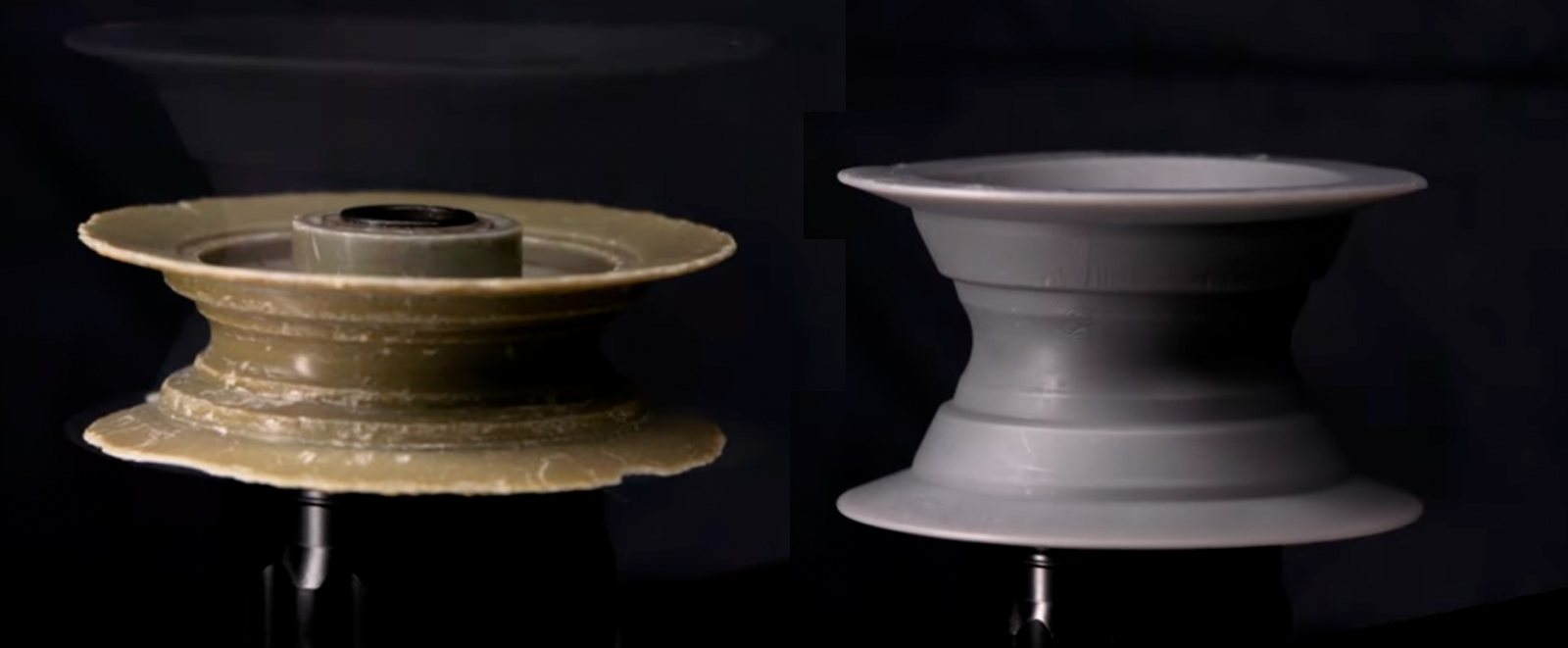
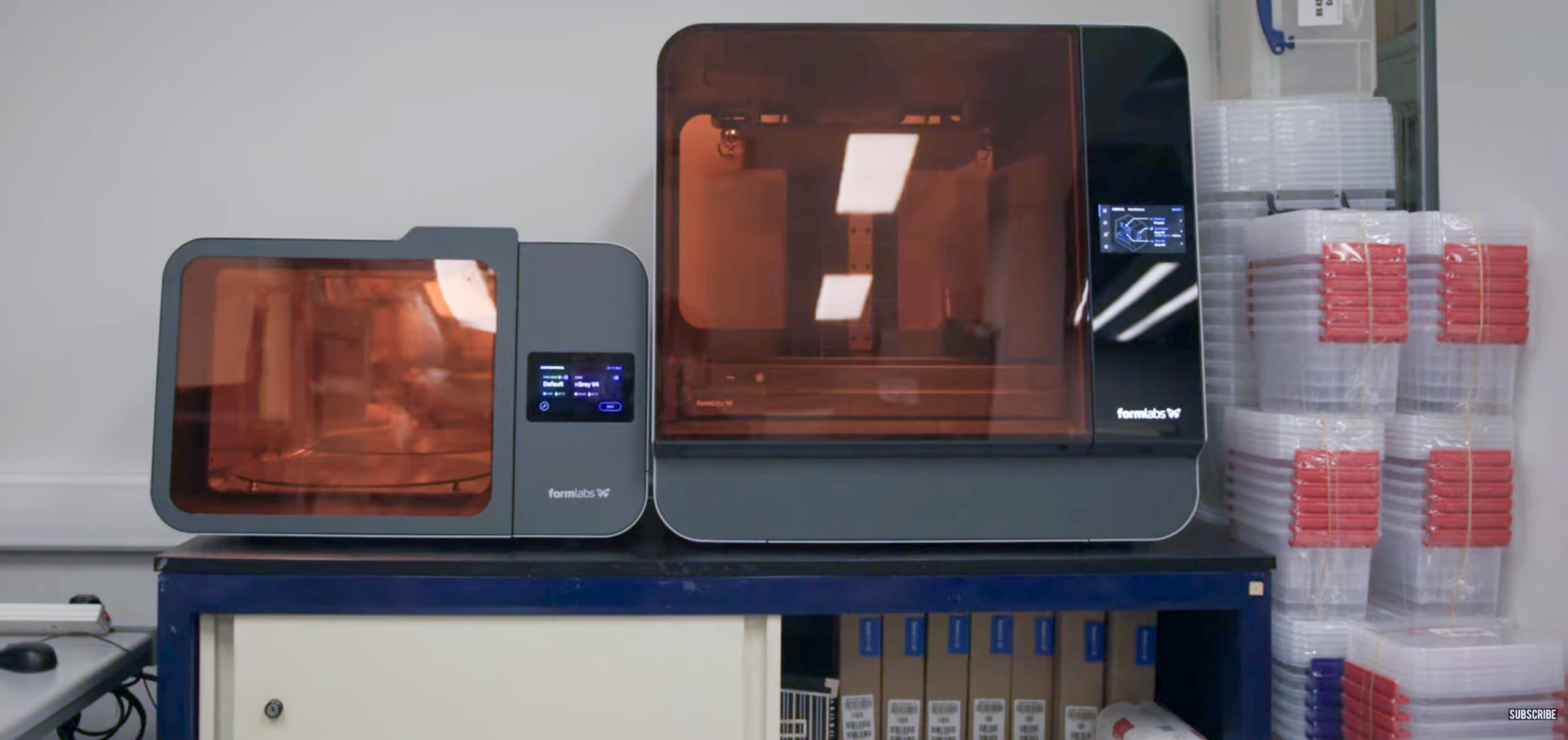
To answer that question, the archive team turned to resin 3D printing, specifically Formlabs. In 2022, BFI acquired the Formlabs Form 3L, a large-format 3D printer that has quickly become an essential tool. With its precision and expansive build volume, the printer allows technicians to produce highly detailed, accurate parts that can restore aging equipment to working order.
From cogs and cores to film rollers and cooling fans, the Form 3L is capable of producing a wide range of components that were once considered irreplaceable.
Replacing the Irreplaceable
The process begins with a high-definition scanner that captures 3D models of the required part. These models are then refined using advanced computer-aided design (CAD) software. Once perfected, the designs are sent to the printer, which uses photopolymer resin and pioneering stereolithography technology to create a precise, high-quality component.
After printing, each item undergoes post-processing and curing to ensure durability and stability, making them ready for use in sensitive archival machinery.
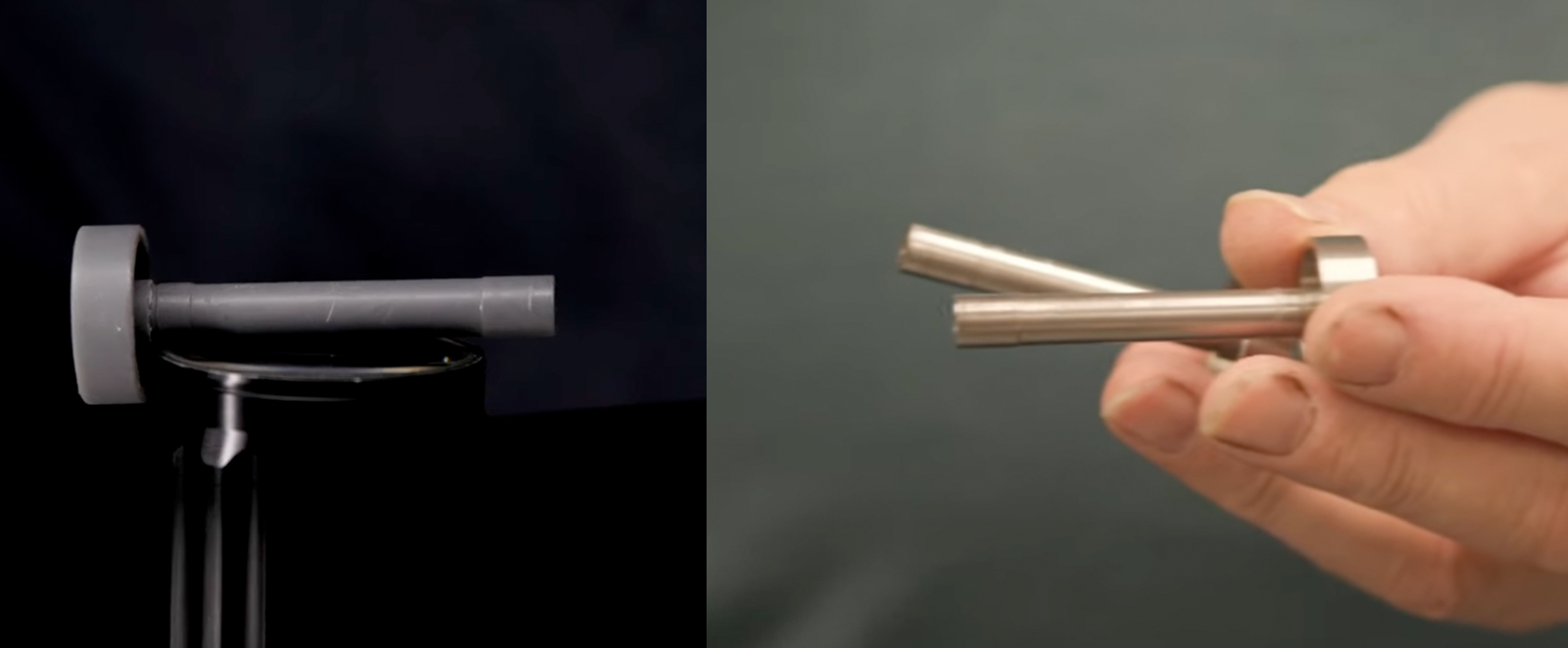
Beyond replacement parts, the team also uses the printer to prototype brand-new components. For example, guide rollers for a 2-inch videotape cleaner were first perfected in resin before being manufactured in metal. This iterative process allows the team to innovate while preserving historical technology.
Preserving the Past with Tomorrow’s Tools
As technology continues to evolve, so too must the solutions for maintaining historic equipment. By embracing state-of-the-art tools like the Form 3L, BFI technicians are able to extend the life of vital archival machinery. This ensures that the devices which preserve screen heritage remain operational well into the future.
For more information on the British Film Institute’s 3D printing, visit it online.
You May Also Like:



License: The text of "How the British Film Institute is Saving Film History with a Formlabs 3D Printer" by All3DP Pro is licensed under a Creative Commons Attribution 4.0 International License.