
ABS Filament Quick Guide: When to Use It & When Not To

ABS is a 3D printing classic for good reason: It’s tough, heat-resistant, affordable, and easy to smooth, paint, and drill. But with easier-to-print alternatives now available, when is ABS still the right choice?
ABS has been around long enough to earn both a loyal following and a slightly intimidating reputation.
For longtime 3D printing users, it’s one of the original workhorse filaments: tough, heat-resistant, affordable, and capable of producing genuinely durable parts. For newer users, though, ABS can seem like a material from an earlier era—one associated with warped corners, hot print beds, enclosed machines, and that unmistakable smell.
So is ABS still worth printing? Absolutely—but not for everything.
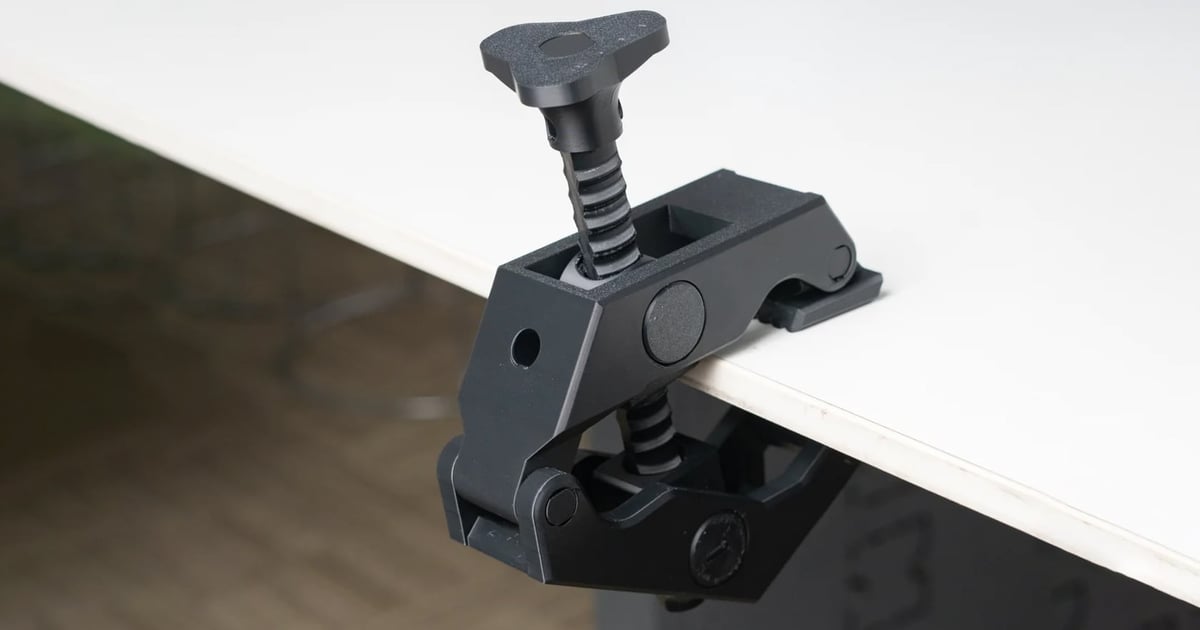
ABS, or acrylonitrile butadiene styrene, remains one of the most useful materials for functional parts that need to take a hit, handle more heat than PLA or PETG, or be sanded, drilled, glued, machined, or acetone-smoothed after printing. It’s still a strong choice for enclosures, workshop parts, prototypes, printer components, and other objects where durability matters more than effortless printing.
The difference today is that ABS has far more competition.
PETG can handle many everyday functional prints with much less fuss. ASA offers similar mechanical properties with far better resistance to sunlight and weather. Tough and reinforced PLA formulations have expanded what PLA can do, while Nylon, polycarbonate, and other engineering materials can outperform ABS when strength, chemical resistance, or extreme temperature performance is the priority.
That means ABS is no longer the default choice for a “strong” 3D print, which is why it’s worth understanding when it really does make sense.
With a glass-transition temperature typically around 100–110 °C, ABS offers considerably more thermal headroom than PLA and PETG. That doesn’t mean an ABS part can automatically operate under load at those temperatures, but it does help explain why the material remains so valuable for demanding functional prints.
Here’s where ABS still shines—and where you’re better off reaching for something else.
ABS is a good choice when you need:
- Heat-resistant functional parts that need to stay rigid at temperatures where PLA may soften or creep.
- Machine guards and protective covers that need a combination of impact resistance, rigidity, and moderate heat resistance.
- Jigs, fixtures, and workshop tools that need toughness, dimensional stability, and the ability to be drilled, sanded, or modified after printing.
- 3D printer components exposed to warmth that need better heat resistance than PLA without moving to a more expensive engineering filament.
- Electronics and equipment housings that need toughness, rigidity, heat resistance, and easy machining or assembly.
- Impact-resistant functional prototypes that need to survive drops, knocks, or repeated handling without becoming overly flexible.
- Costume and model parts that will be sanded, drilled, tapped, or machined where ABS’s easy post-processing is as important as its mechanical properties.
- Multi-part assemblies that benefit from both durable mechanical properties and the ability to solvent-weld sections together.
- Models intended for acetone smoothing that need a much cleaner, less visibly 3D printed surface without extensive sanding.
- Low-cost durable end-use parts that need a useful combination of toughness and heat resistance but don’t justify nylon, PC, or another engineering filament.
Use ABS for Tough Functional Parts
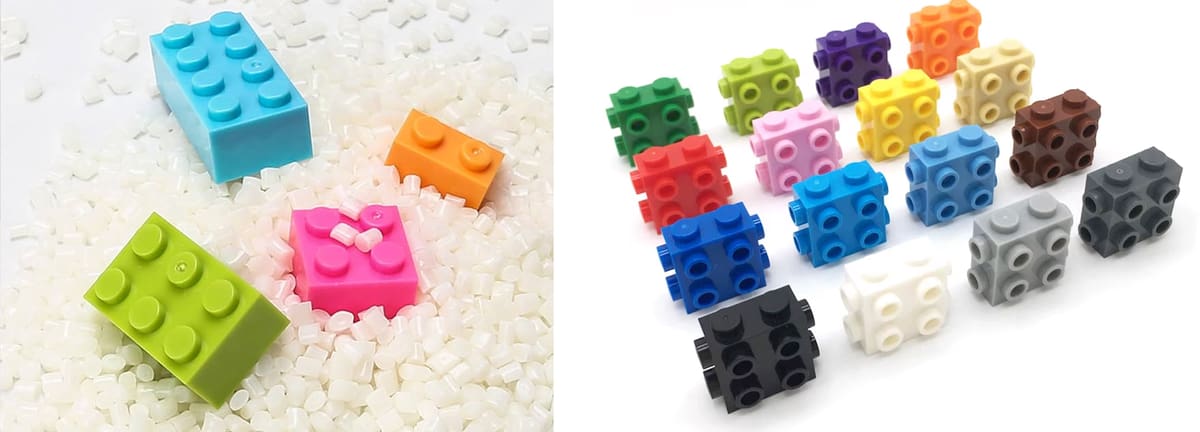
There’s a reason classic LEGO bricks are still made from ABS: The material combines rigidity, toughness, impact resistance, a high-quality surface finish, and enough dimensional stability to produce parts that snap together reliably and survive years of use. ABS has long been used for consumer products and manufactured plastic components because it combines rigidity with toughness and impact resistance.
A material can be stiff but brittle, meaning it holds its shape well until it cracks. ABS has enough give to absorb impacts rather than behaving like a very brittle plastic, which is one reason it remains useful for covers, guards, housings, tools, and mechanical prototypes.
ABS is particularly attractive when you want to test something that will eventually be injection molded from ABS or a similar thermoplastic. The printed prototype will not have exactly the same properties as an injection-molded component, but using the same polymer family can give you a more relevant functional prototype than a purely decorative material.
However, don’t interpret “tough” as “strongest.”
Nylon and polycarbonate can outperform ordinary ABS in demanding mechanical applications, while fiber-reinforced materials can offer considerably more stiffness and dimensional stability. Choose ABS because its particular balance of properties suits the job, not because it automatically wins every strength comparison.
Use ABS for Housings, Enclosures & Workshop Parts
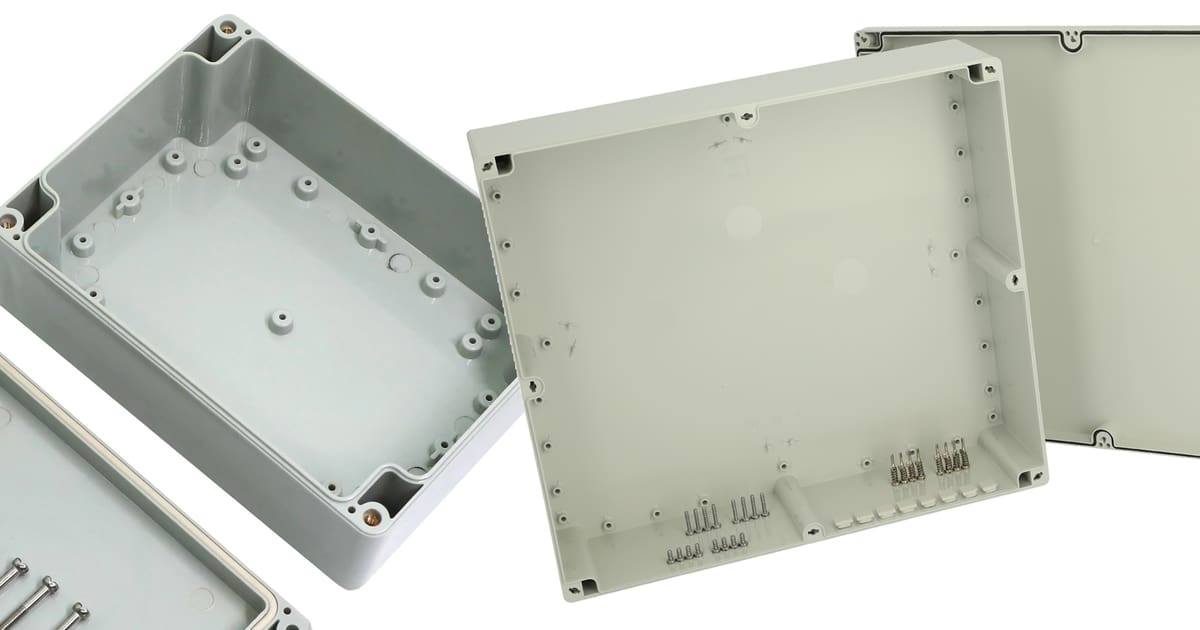
ABS is particularly well suited to the anonymous but useful objects that surround machines and electronics.
Think brackets, boxes, protective panels, instrument housings, cable-management components, test fixtures, drill guides, equipment covers, and workshop organizers.
These parts often benefit from several ABS properties at once:
- Better heat resistance than PLA
- Good toughness
- Reasonable rigidity
- Good impact resistance
- Easy drilling and sanding
- Straightforward assembly
- Low filament cost
PETG can also be excellent for these applications and is easier to print. The reason to move from PETG to ABS is usually that the part gets warmer, requires greater rigidity, needs a smoothed surface, or needs ABS specifically for the intended prototype.
If none of those conditions applies, PETG may save considerable printing hassle.
ABS & Its Glass-Like Smooth Perfection
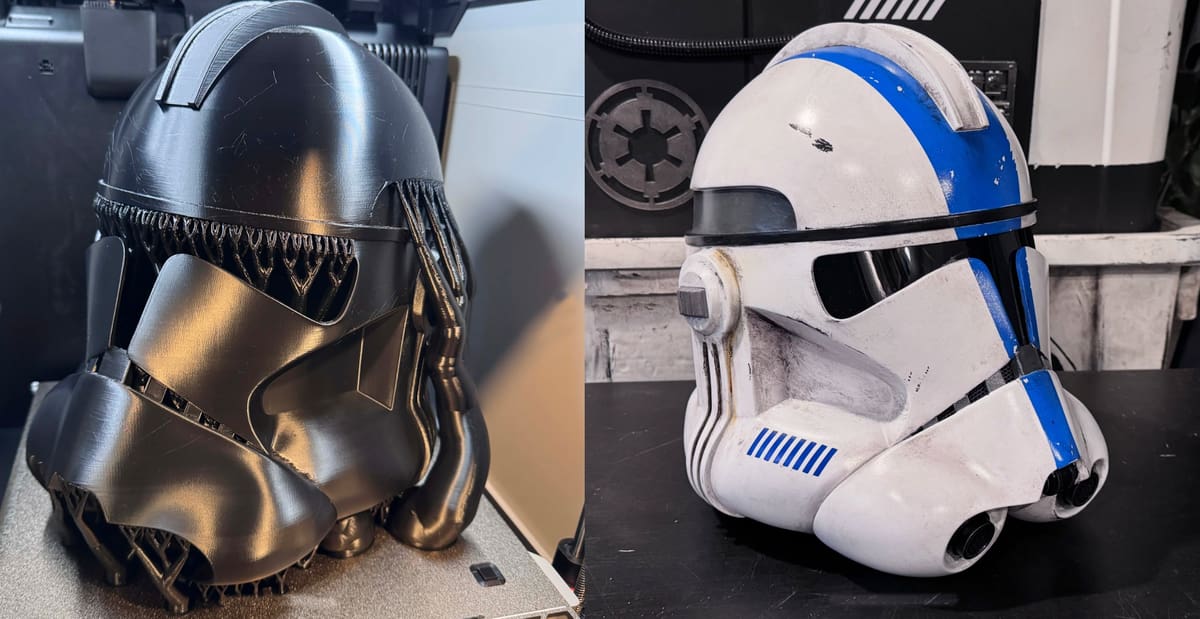
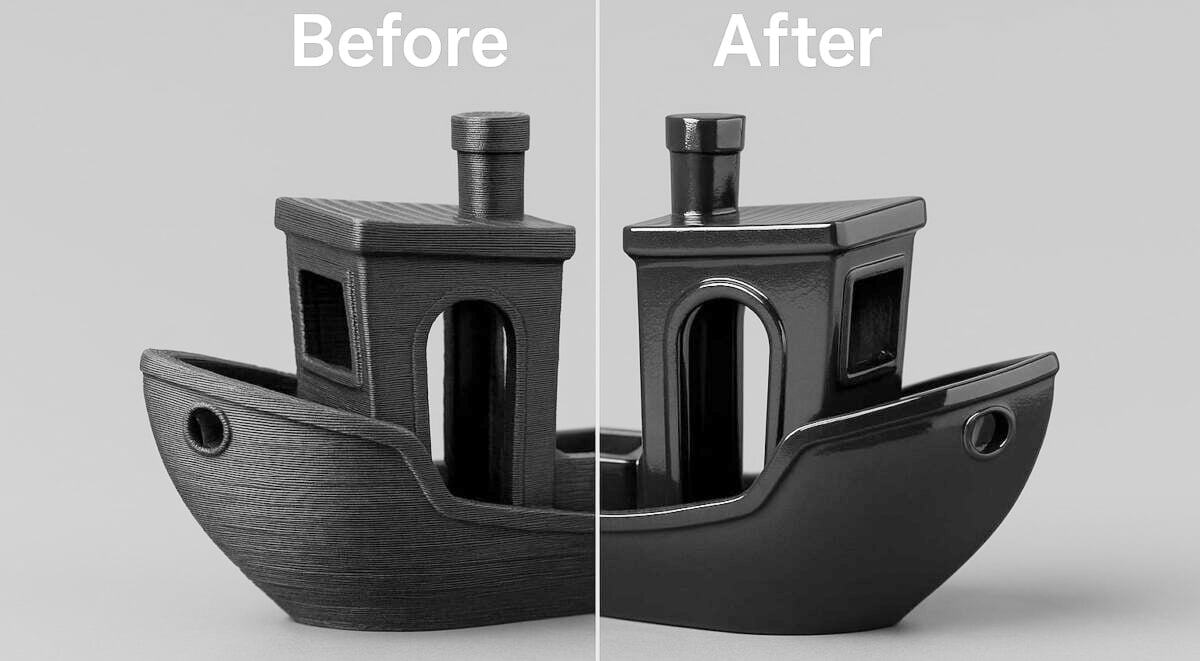
ABS has one advantage over almost every other ordinary desktop filament: It is exceptionally post-processing friendly and can be smoothed to completely hide layer lines plus cut, filed, drilled, tapped, sanded, painted, and glued. So if you’re building a large model where you need to attache several parts, ABS is a good choice.
That makes ABS useful for:
- Cosplay props
- Helmets and armor sections
- Display models
- Product mockups
- Large multipart objects
- Decorative housings
- Models that need a glossy finish
- Parts where visible layer lines are unacceptable
ABS parts can also be joined using ABS-compatible solvent cements or acetone-based methods, which can be helpful for large models printed in several sections.

Exposing an ABS surface to acetone vapor softens its outermost material, allowing individual extrusion lines to merge into a smoother surface as the solvent evaporates. When done successfully, the result can look dramatically less like an FDM print.
There are trade-offs.
Acetone smoothing can soften edges, erase fine details, change dimensions, and weaken thin features when carried too far. Acetone itself is also highly flammable and volatile and needs appropriate handling, ventilation, storage, and personal protection.
If you only need a clean decorative model and don’t specifically need acetone smoothing, PLA will usually be much easier to print in the first place.
Use ABS for Parts That Get Warm
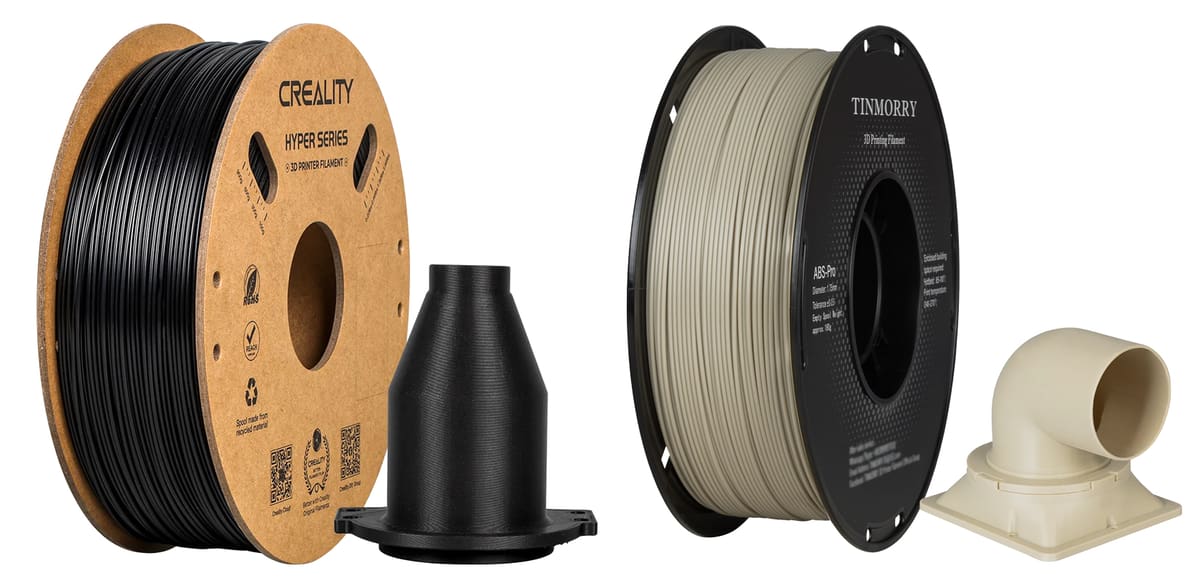
Heat resistance is a clear reason to step up to ABS from PLA. If you need a part that will be near a heat source, like hot air, light bulbs, or machinery, ABS is a good choice. Don’t confuse ABS’ heat resistance for sunlight resistance, though. ABS is susceptible to UV degradation. For outdoor parts, choose ASA.
ABS’ extra thermal resistance can matter for components that become warmer than room temperature, but only when low-cost is also a priority.
For genuinely high-temperature environments, polycarbonate, nylon, PC blends, PEI, or another engineering material may be more appropriate. You’d pick ABS only if you need rigidity, heat resistance, easy machining, and lower cost.
Good candidates for ABS include:
- 3D printer components
- Equipment covers
- Warm-air duct components
- Machine brackets
- Automotive interior prototypes
- Fixtures used in warm workshops
- Parts mounted near motors or power supplies
ABS makes sense when PLA or PETG don’t offer enough thermal margin but a much more demanding engineering polymer would be unnecessary.
When Not to Use ABS
ABS is capable, but it comes with trade-offs. Many jobs that once called for ABS can now be handled more easily by PETG, ASA, Tough PLA, or other materials.
Before loading a spool, ask whether you actually need ABS’s particular advantages. If not, you may simply be accepting more warping risk, temperature control worries, and ventilation requirements for no real benefit.
Don’t Use ABS Without an Enclosure
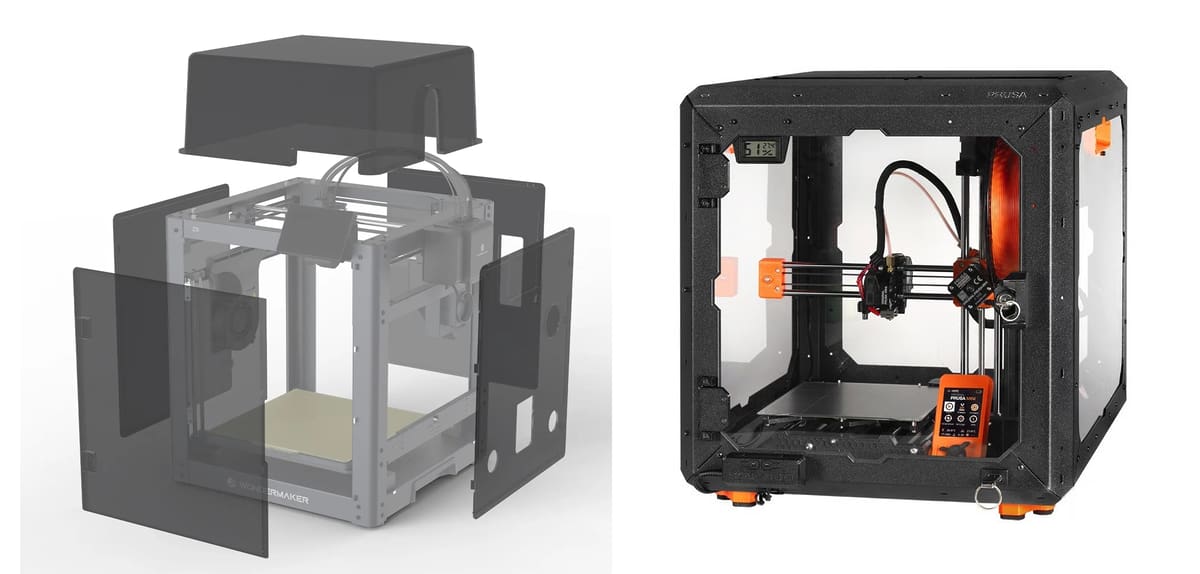
Not only does an enclosure protect you from ABS, it protect’s ABS from it’s notorious shrinkage as it cools. Uneven cooling creates internal stresses that can cause:
- Lifted corners
- Warped bases
- Cracked walls
- Layer separation
- Dimensional distortion
A heated bed helps, but maintaining a stable temperature around the whole model is more important. An enclosure reduces drafts and temperature swings, while part cooling should usually be minimal or disabled.

Small ABS parts can sometimes succeed on an open printer, especially with low-warp formulations, but that doesn’t make an open-frame machine a good general ABS setup.
If you don’t have an enclosure and don’t want to add one, PETG or carbon-fiber PETG is usually the more practical functional filament.
Because ABS printing produces a noticeable odor and releases volatile compounds including styrene, along with ultrafine particles, ventilation or filtration is important. An enclosure may keep the print warm, but it doesn’t automatically solve the air-quality problem.
If your printer operates in an occupied space where you can’t provide suitable ventilation or filtration, choose another material. When its properties are sufficient, PETG is often the easier alternative. If the part stays indoors, remains cool, sees little mechanical stress, and doesn’t need ABS-specific finishing, PLA may already be sufficient. If you simply need a tougher functional part but don’t specifically need ABS’s heat resistance or post-processing advantages, PETG will often be more convenient.
Don’t Use ABS for Large Flat Parts Unless Your Printer Is Ready
The larger an ABS part becomes, the more difficult shrinkage is to control. Wide enclosure panels, housings, and other large flat parts are especially prone to lifted corners, distortion, and layer splitting, although newer ABS formulations go a long way toward addressing this reputation.
For difficult large parts, consider splitting the model into sections, reducing large continuous surfaces, using a brim or other adhesion aid, or switching to PETG or ASA if their properties fit the application.
Don’t Use ABS When You Need Maximum Chemical Resistance
ABS’ lack of chemical resistance is one of its strongest qualities since it can be smoothed easily with acetone. So for parts exposed to cleaners, fuels, solvents, acids, bases, oils, or laboratory chemicals, don’t assume ABS is compatible. Performance depends on the exact chemical, concentration, temperature, and exposure time.
PETG, polypropylene, Nylon, PC, PVDF, or another specialty polymer may be a better choice. For demanding applications, check compatibility for the specific material and chemical involved.
Ever Expanding Menu of ABS Types
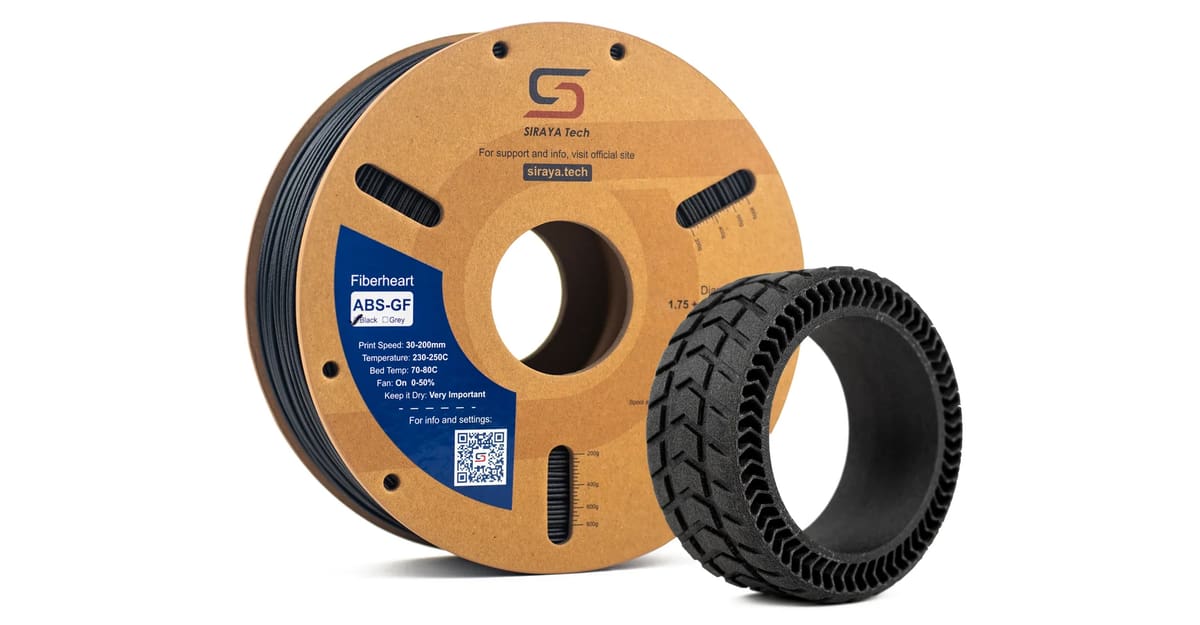
For most users, standard opaque ABS from a reputable filament manufacturer remains the simplest starting point provided your printer already has an enclosure and appropriate air management.
ABS formulations vary significantly, however, and manufacturers increasingly sell modified versions intended to reduce ordinary ABS’s biggest problem: shrinkage and to some extent fumes.
As a simple starting point:
- Standard ABS: Best general-purpose choice
- ABS+/modified ABS: Best when reduced warping is a priority
- ABS-CF or ABS-GF: Best when greater stiffness and dimensional stability justify an abrasive filament
- Flame-retardant ABS: Best only where a documented fire rating is specifically required
- “ABS Pro”: Check the datasheet; the name itself does not define the material
Standard ABS
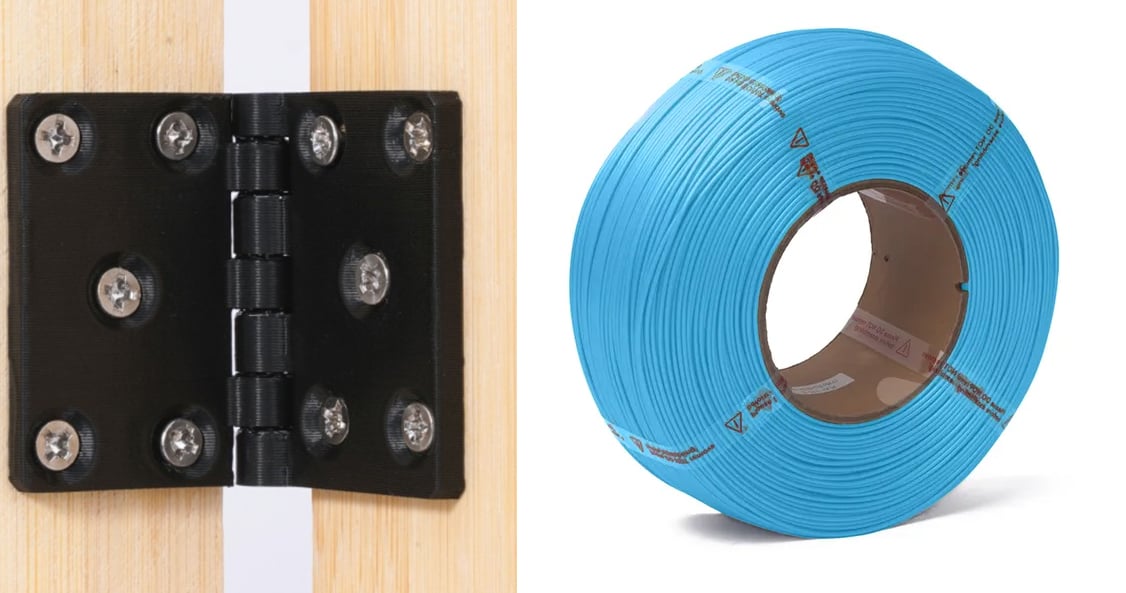
Choose ordinary ABS when you want the familiar balance of:
- Toughness
- Heat resistance
- Impact resistance
- Low cost
- Easy machining
- Acetone smoothing
Start with the filament maker’s print profile or recommended temperature range rather than treating every ABS spool as identical.
ABS+ & Easy-Print ABS
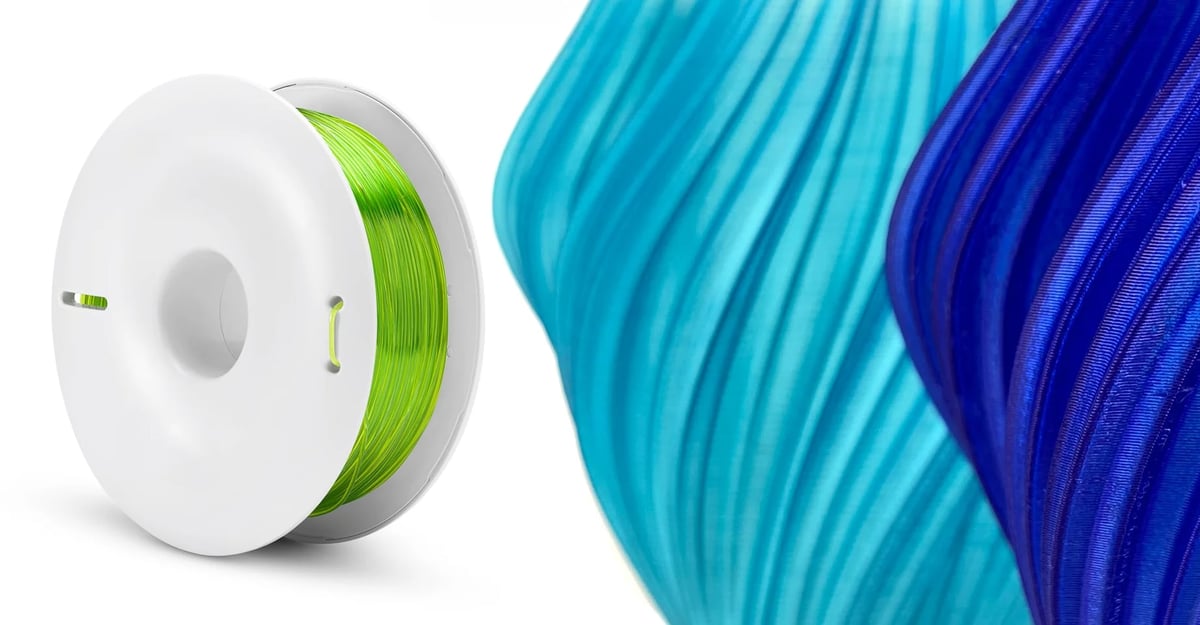
ABS+, ABS Plus, easy ABS, and similar products generally refer to modified ABS formulations intended to reduce warping and make the filament more forgiving.
They can be useful if you want ABS-like behavior but repeatedly struggle with ordinary ABS.
However, ABS+ is not a single standardized material. Different manufacturers use different formulations, so two products with similar names may not behave identically. All3DP’s existing ABS+ coverage describes the category as an attempt to reduce ABS shrinkage and warping while preserving its useful characteristics.
Even with easier-printing formulations, an enclosure remains a sensible choice.
ABS Pro
Treat “ABS Pro” as a product label rather than a formal material class.
There is no universal specification that turns ABS into ABS Pro, so evaluate the actual manufacturer datasheet rather than assuming the word “Pro” guarantees a particular level of strength, heat resistance, or dimensional accuracy.
Fiber-Reinforced ABS
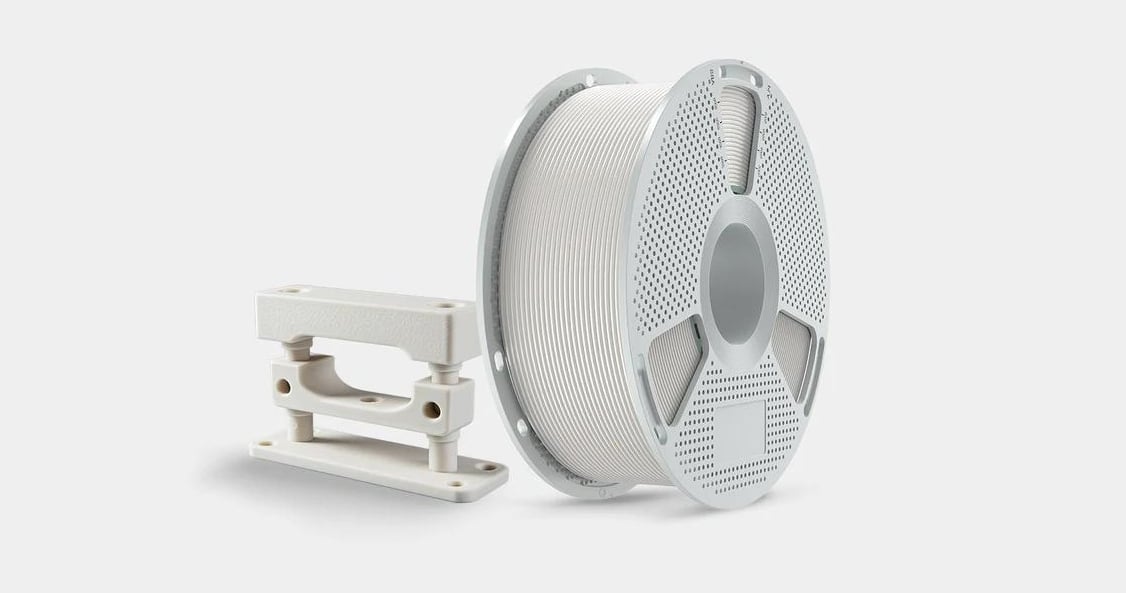
Carbon- or glass-fiber-filled ABS can offer greater stiffness, dimensional stability, and a matte surface finish. Filled materials can also reduce some of the warping associated with ordinary ABS.
The trade-offs include higher cost, different mechanical behavior, and abrasive fibers that require a wear-resistant nozzle.
Use reinforced ABS when stiffness or dimensional stability is specifically important. It is not the best first spool for learning ABS.
Flame-Retardant ABS
Special flame-retardant ABS formulations are available for electronics, transportation, and other applications where flammability requirements matter.
Do not assume normal ABS is flame retardant. If a project requires a specific UL 94 rating or other certification, select a filament whose manufacturer documents compliance for the relevant printed thickness and application.
ABS Printing Reality Check
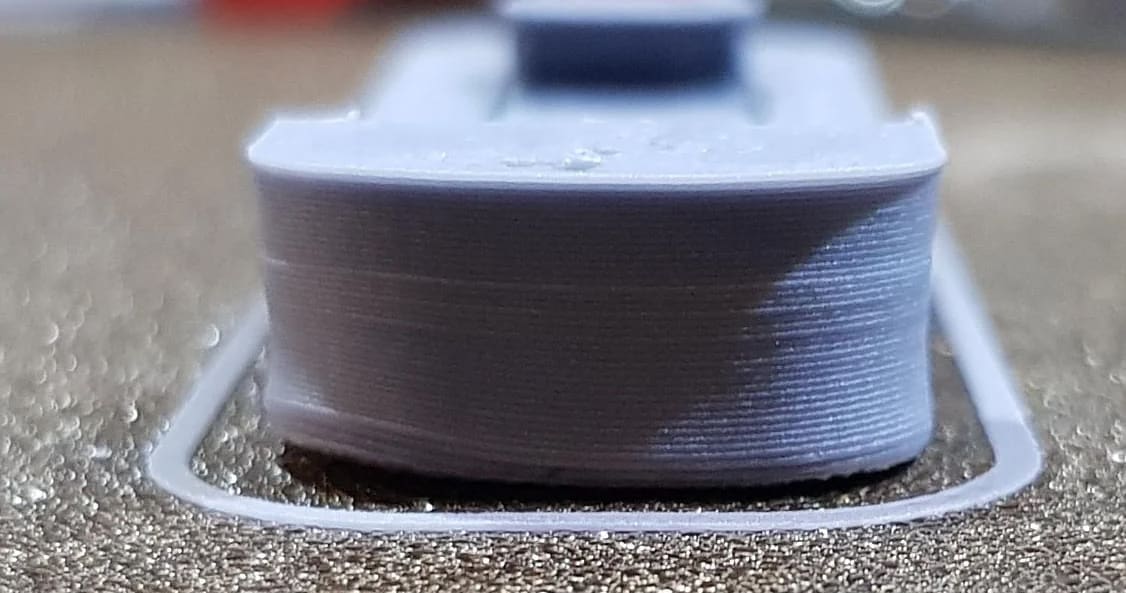
ABS is much easier to print on a modern enclosed machine than it was on early desktop printers, but the fundamentals haven’t changed.
Temperature stability matters.
A reasonable starting range for ordinary ABS is:
- Nozzle temperature: 220–250 °C
- Bed temperature: 90–110 °C
- Cooling: Minimal or off for most of the print
- Enclosure: Strongly recommended; generally required for reliable larger parts
- Build surface: PEI or another ABS-compatible surface, sometimes with an adhesion aid
- Filament condition: Dry
- Ventilation/filtration: Required according to your printer, workspace, and material guidance
These are starting points, not universal settings. There are slightly different ranges depending on the filament and context, which is exactly why the manufacturer’s profile should take precedence.
Keep the Chamber Warm
ABS’s biggest printing problem comes from uneven cooling.
Avoid drafts, keep the enclosure closed during printing, and consider allowing the heated bed to warm the enclosed build volume before starting a large print.
Rapid temperature changes after printing can also create stress. Let the finished model cool gradually rather than immediately opening the enclosure and removing a hot part into a much cooler room.
Keep Cooling Low
PLA likes aggressive part cooling. ABS generally does not.
Strong cooling causes freshly printed material to contract more rapidly, increasing the risk of warping and layer separation.
Use little or no cooling for ordinary geometry, adding only as much as needed for difficult bridges, overhangs, or very small features.
Get the First Layer Right
A heated bed is essential for dependable ABS printing.
Clean PEI is a common build surface, and adhesives, brims, or other adhesion aids can help stubborn models remain attached.
A perfect first layer won’t eliminate contraction higher in the print, however. If corners still lift despite excellent adhesion, look at enclosure temperature and cooling rather than simply adding stronger glue.
Keep the Filament Dry
ABS can absorb atmospheric moisture. Wet filament may produce popping sounds, bubbles, poor surfaces, inconsistent extrusion, weak layer adhesion, or brittle parts. Store opened spools in a dry environment and dry them according to the filament manufacturer’s recommendations when necessary.
Print ABS Yourself or Use a Service?
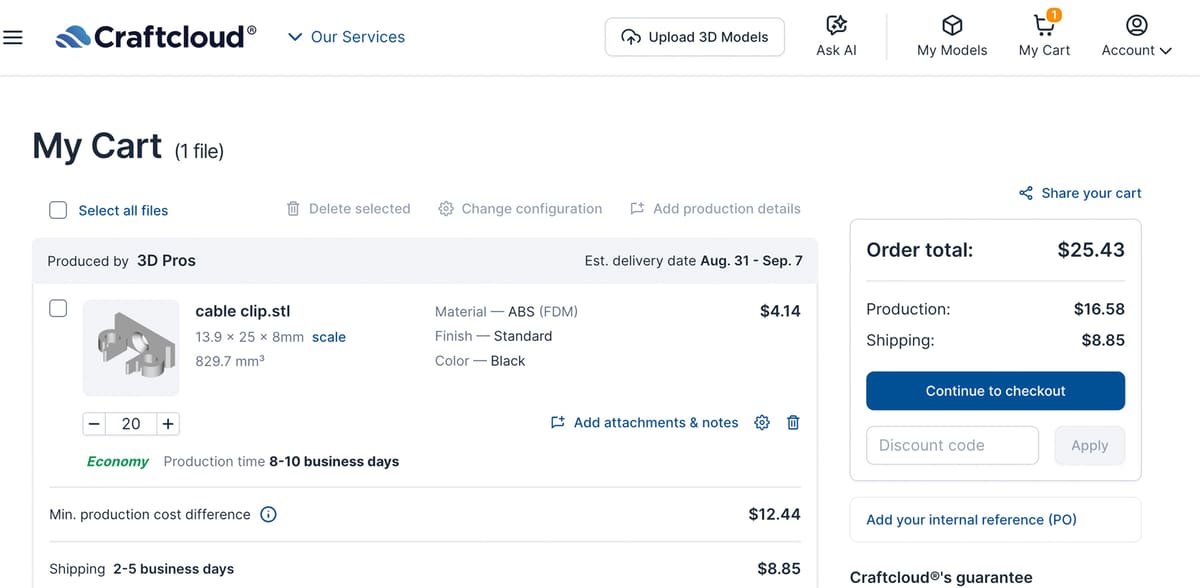
ABS makes sense to print at home when you already have the right machine with chamber heating and proper ventilation and air-quality measures. On the other hand, a printing service makes more sense when the limitations of your equipment become part of the engineering problem.
Services can be especially attractive for large enclosures and long, flat components where shrinkage makes desktop ABS difficult.
They also make sense when you need a particular flame-retardant, reinforced, or otherwise documented industrial material rather than whatever happens to be available as a hobby spool.
ABS vs. Everything Else: Quick Material Comparison
ABS does not need to replace PLA or PETG to remain useful. Its advantage is that it combines good toughness and temperature performance with inexpensive material and excellent post-processing. Its disadvantage is that achieving those properties requires significantly more environmental control during printing.
The decision is relatively simple:
- Choose ABS for a combinations of tough, heat-resistant indoor functional parts, especially when post-processing the surface or drilling matters.
- Choose PLA for easy printing, sharp detail, prototypes, and decorative parts that stay cool.
- Choose PETG for tough general-purpose parts when you want to avoid ABS’s enclosure and warping requirements.
- Choose ASA when you want ABS-like mechanical properties for long-term outdoor use.
- Choose Nylon or polycarbonate when the application demands mechanical or temperature performance beyond ordinary ABS.
- Choose TPU when the part should genuinely flex rather than merely resist impact.
ABS is no longer the default “strong filament,” and that is probably a good thing.
There are easier materials, tougher materials, more weather-resistant materials, and more heat-resistant materials. But few affordable desktop filaments combine ABS’s toughness, temperature performance, machinability, and solvent-based finishing.
Use it for those reasons. If none of them matters to your project, there is probably an easier filament for the job.
You May Also Like:

License: The text of "ABS Filament Quick Guide: When to Use It & When Not To" by All3DP is licensed under a Creative Commons Attribution 4.0 International License.