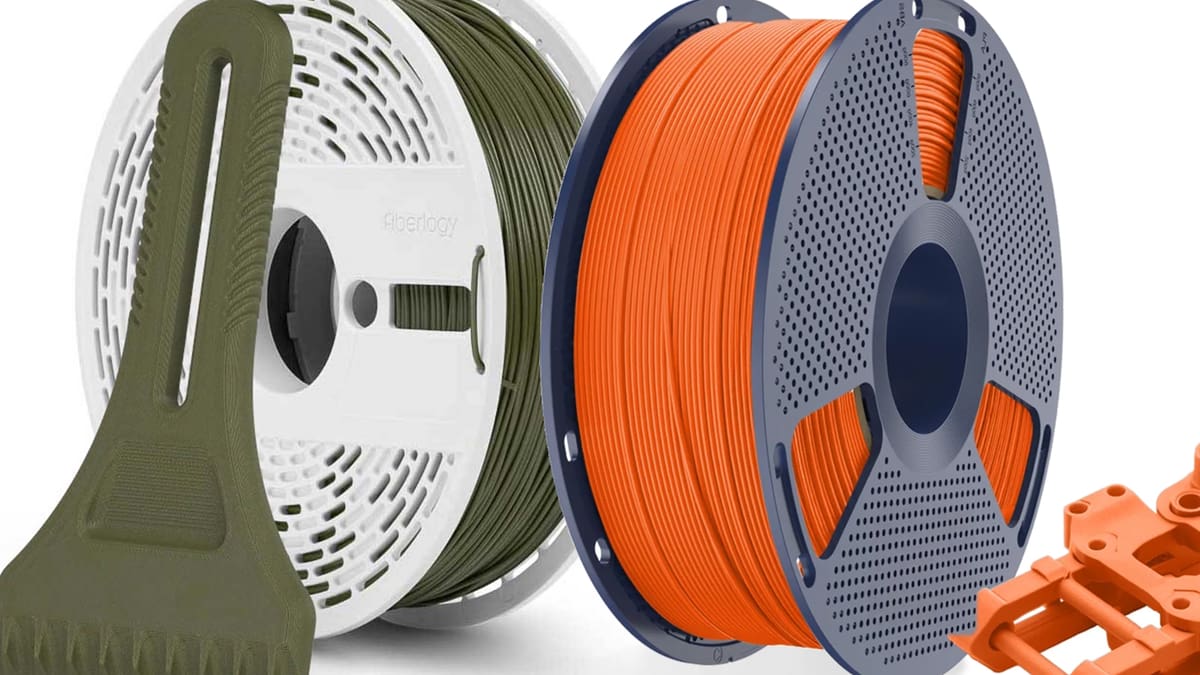
Stop Wasting Filament: Is ASA or ABS Better for Your Next Tough Project?

ASA and ABS might look similar, but substituting one for the other can be a costly mistake. From UV stability to warping headaches, here is everything you need to know before you hit print.
Before you sink hours of print time and half a spool of filament into a project, you need to know if your material can actually handle the job. Especially when it comes to deciding between ASA and ABS filament. Although both can be used for applications needing higher mechanical strength and rigidity than you’ll find in PLA, one is not always a good substitute for the other.
ABS has been around for decades and is still a great all-arounder, but its younger cousin, ASA, while admittedly trickier to use, is a much better choice for certain outdoor applications. But considering the higher price tag, is ASA always the way to go?
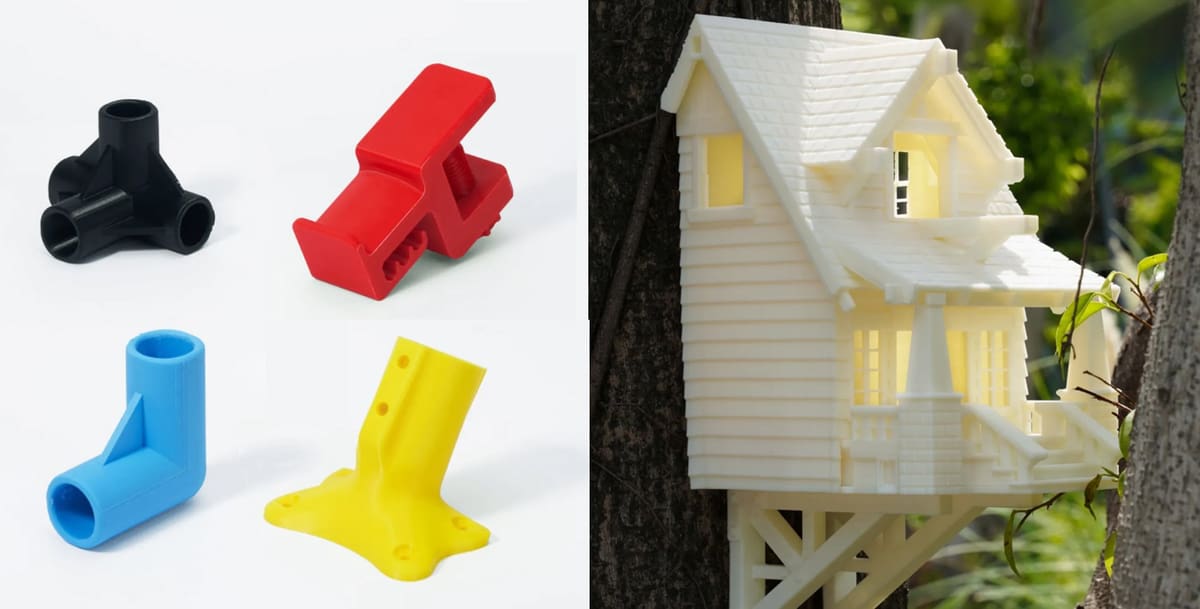
From UV resistance to toxic fumes and warping headaches, we’re breaking down the main differences between the two materials to help you decide which of these strong filaments is best for your project so you can avoid either wasting filament or wasting money.

The Raw Materials: ASA & ABS
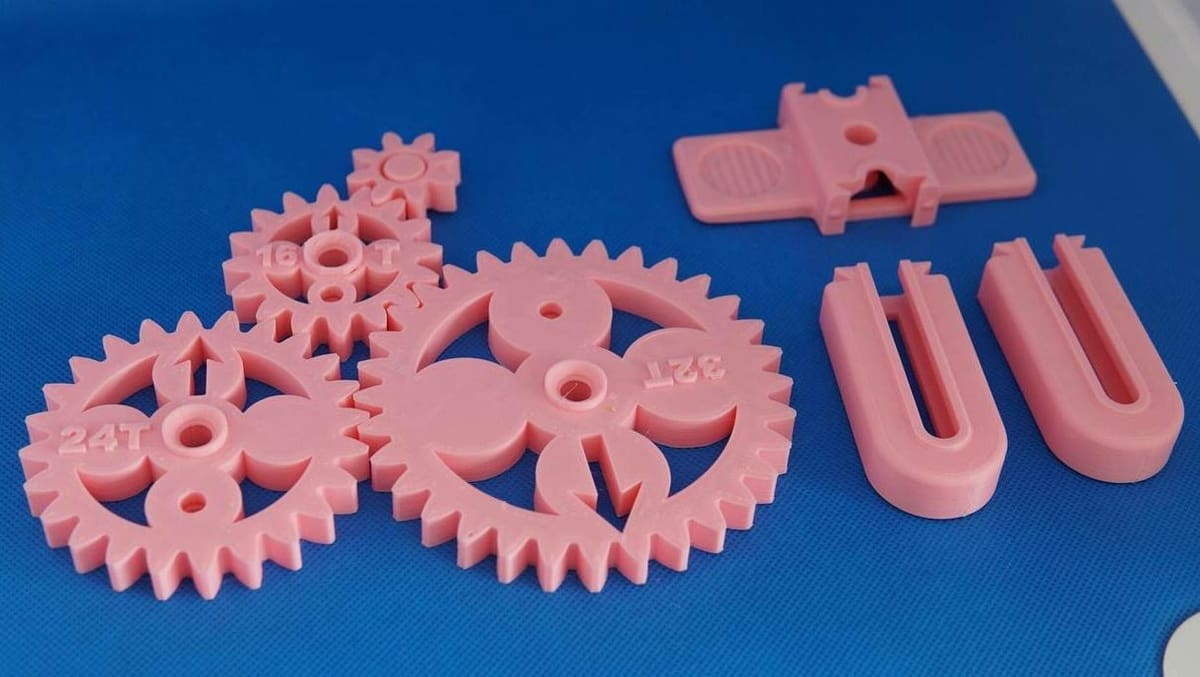
Before diving deep into the differences and practicalities of both materials, we should have a brief look at raw materials, manufacturing processes, and how these factors affect each material’s physical and chemical properties.
ASA
ASA (acrylonitrile styrene acrylate) and ABS are similar, not just in their name, but in their chemistry. The difference comes down to swapping the butadiene (“B”) in ABS with a butyl acrylate (“A”) in ASA. This means that the UV-susceptible part of ABS is replaced by a tougher and UV-resistant alternative. This swap has major implications on the suitable applications for ASA parts.
ASA provides superior weather and UV resistance, thus being a best-in-slot for parts constantly exposed to outdoor elements. ASA resistance extends to water, oil, and other chemicals as well. While ASA is similar in strength to ABS, ASA will far outmatch ABS when exposed to the elements.
Like ABS, ASA produces odor and potentially harmful fumes, so there’s no avoiding a printing enclosure with these two materials. ASA requires even higher temperatures to print, which may be out of range for some desktop printers. You can also expect to encounter issues with shrinkage and warping, but it may not be as drastic as with ABS. Despite some advantages over ABS, ASA is relatively more expensive option.
ABS
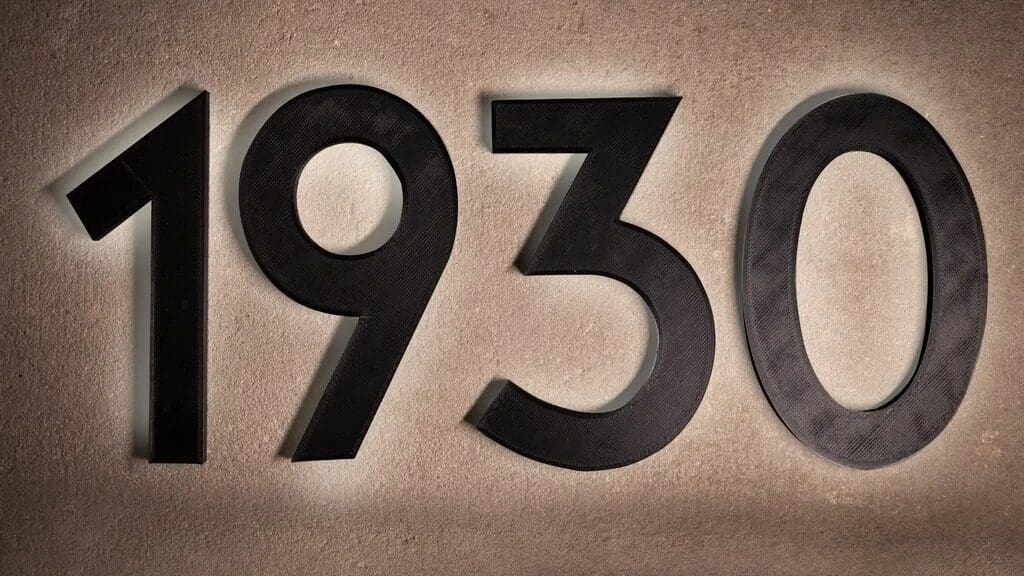
As an inexpensive, easy-to-find material that offers a respectable amount of mechanical strength, ABS (acrylonitrile butadiene styrene) has been a popular 3D printing filament for years, as it can be easily painted, machined, sanded, and even chemically smoothed. It has been seeing a decline recently in beginner usage, though, as hobby users have shifted to more user-friendly and sustainable materials.
ABS can be a difficult material for beginners as it’s prone to several challenges while printing. Unlike PLA filament, ABS is prone to warping and shrinking caused by sub-optimal bed or ambient temperatures. This may warrant the need for a printing enclosure. Check out our guide on ABS for more details on print settings.
There has also been a push to avoid ABS as a printer filament due to concerns about hazardous fumes being released during printing. Printing with ABS emits significant levels of VOCs (specifically styrene) and ultrafine particles (UFP) and therefore require an enclosure or excellent ventilation. If you plan to print with ABS often, you could consider adding an enclosure to your setup and avoid it for food-contact applications altogether.
How Printing Compares
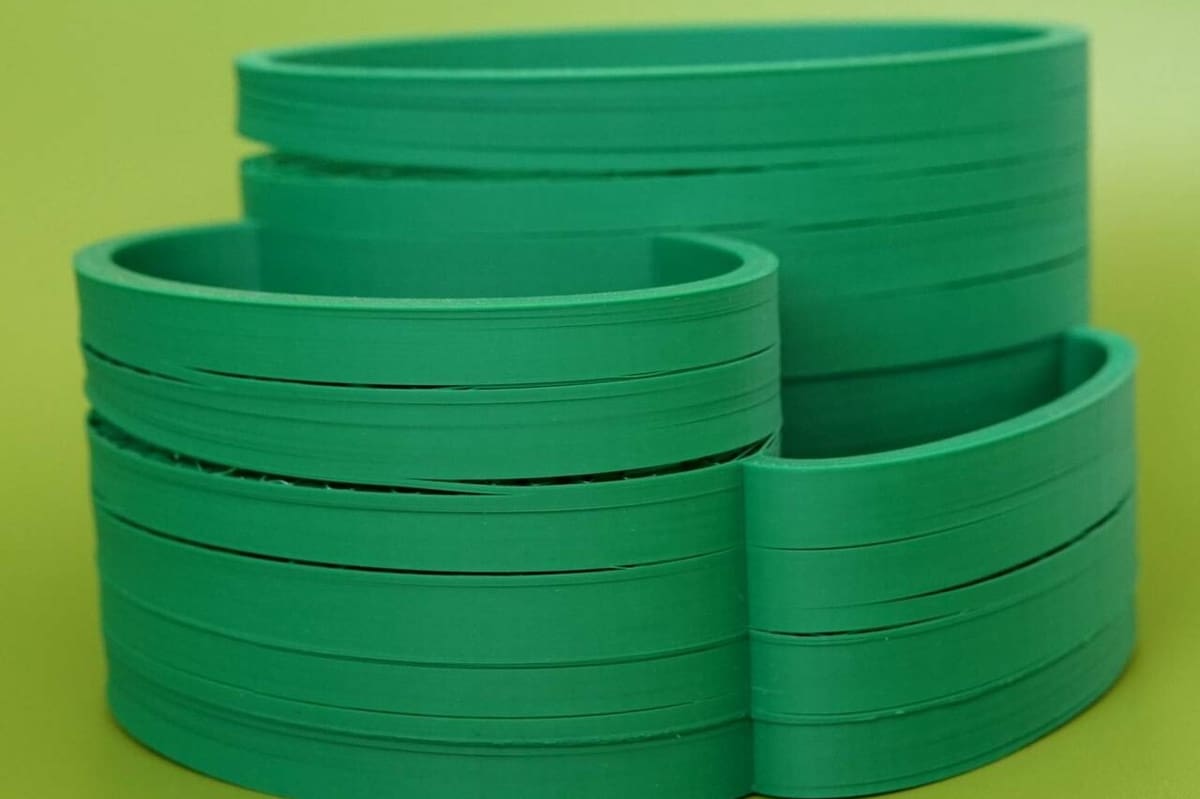
Compared to ABS, ASA requires a hotter nozzle temperature, a hotter heated bed, and longer cooling times. If you plan to printing with ABS frequently, you’ll have to consider the greater energy consumption required.
While the exact temperature may vary slightly between manufacturers, a nozzle temperature of 210-255 °C and bed temperature of around 80-110 °C are optimal for ABS printing. Recommendations for ASA are 240-260 °C for the nozzle and 90-110 °C for the bed. Printing the first layer at slightly hotter nozzle temperatures may be beneficial for the adhesion of both filaments.
You can mitigate warping issues for both of these filaments by using an enclosure and turning off the parts cooling fan. This will increase the ambient temperature around the print and promote an even, gradual cooling. For larger parts, an enclosure is a must-have for both ABS and ASA, but you may be able to get away without one for small and simple prints.
ASA offers better adhesion compared to ABS, however, ASA might stick too strongly to the bed. Using a flexible PEI bed can help you ensure removal goes smoothly.

Post Processing
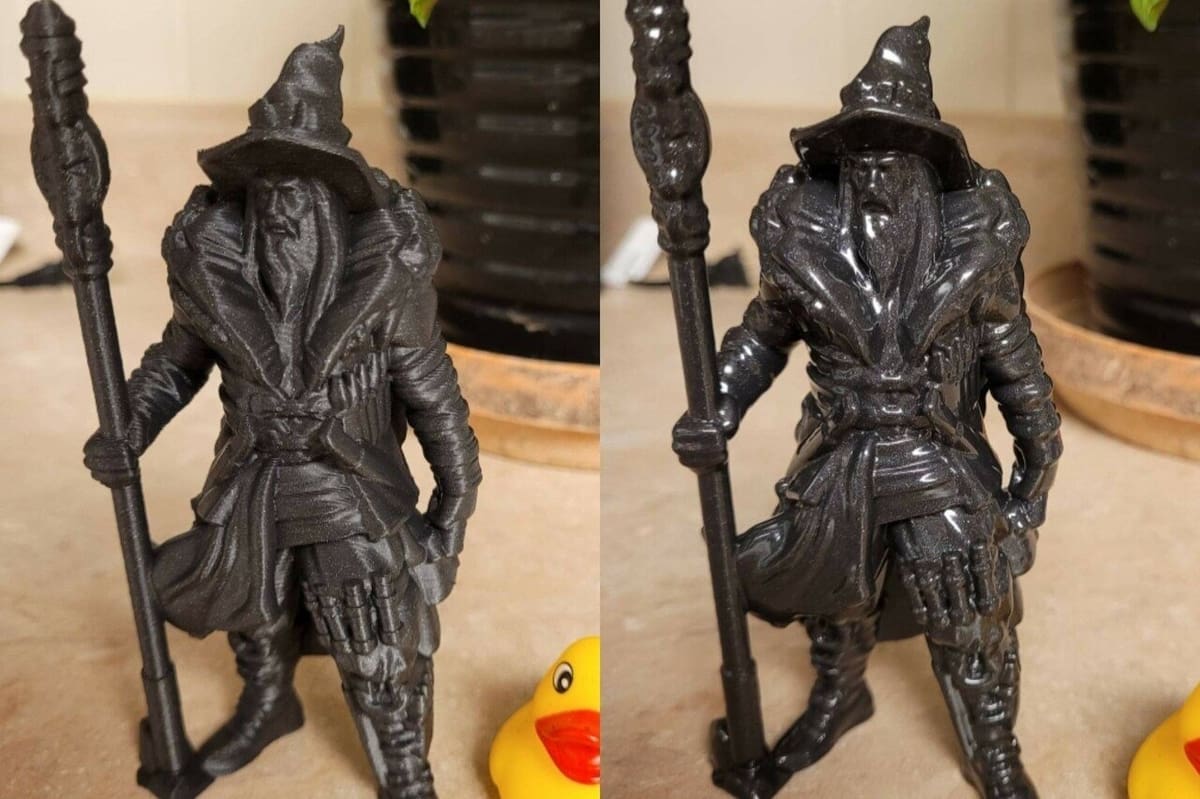
When it comes time for post-processing, both these filaments can handle whatever you want to throw at them. They will do well with sanding, coating, or painting. The acetone smoothing method for achieving an impressively smooth surface on ABS also works great for ASA.
However, ASA’s inherent superior adhesion results in less visible layer lines and thus requires less post-processing.
Part Performance
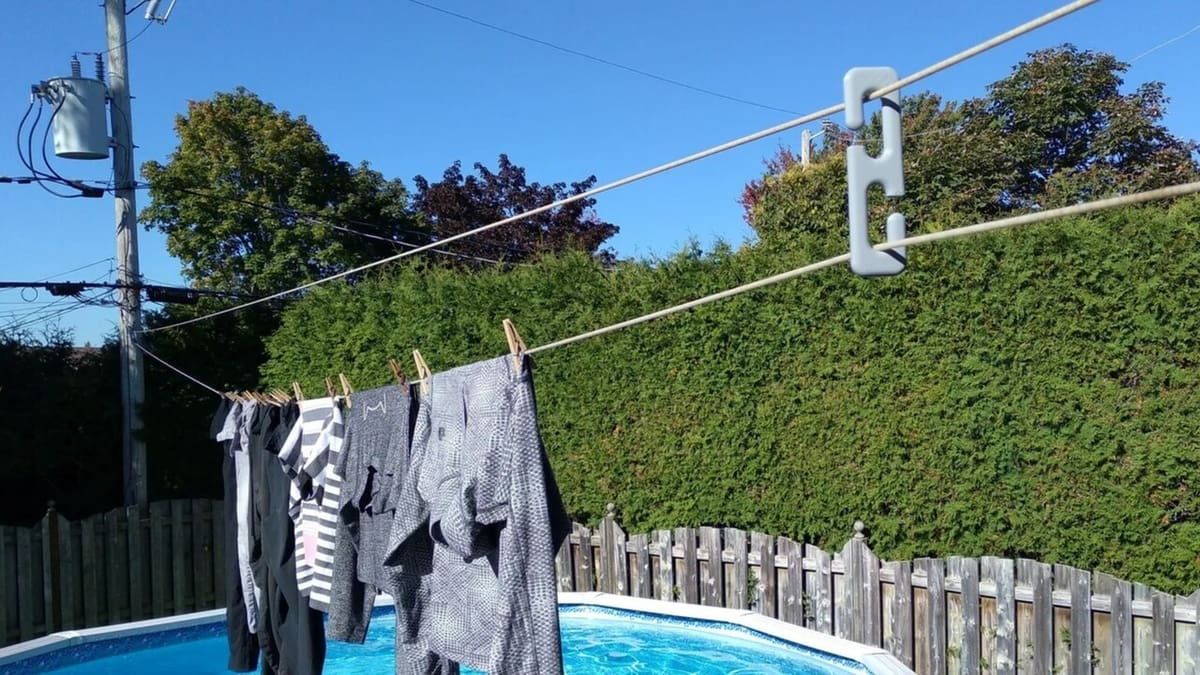
ABS and ASA have similar mechanical strength, so you need not worry about any compromises on strength if settling for the cost-effective ABS. However, you should consider where you plan to use the print to help you determine whether upgrading to ASA is a good idea.
Will the 3D print be placed somewhere at room temperature, or is it a tool you plan to use at higher temperatures? Will it be exposed to high temperatures regularly in a cyclic manner? ASA withstands hotter (up to 100 °C) and colder temperatures better than ABS, which is more prone to expanding and contracting with changing temperatures.
What kinds of external elements will your print be exposed to? ASA’s superior layer adhesion make it an excellent candidate for applications that demand water tightness. ASA is pretty much resistant to all kinds of external factors, even acidic or basic conditions, while ABS may be affected by moisture, UV, acetone, etc.
Applications
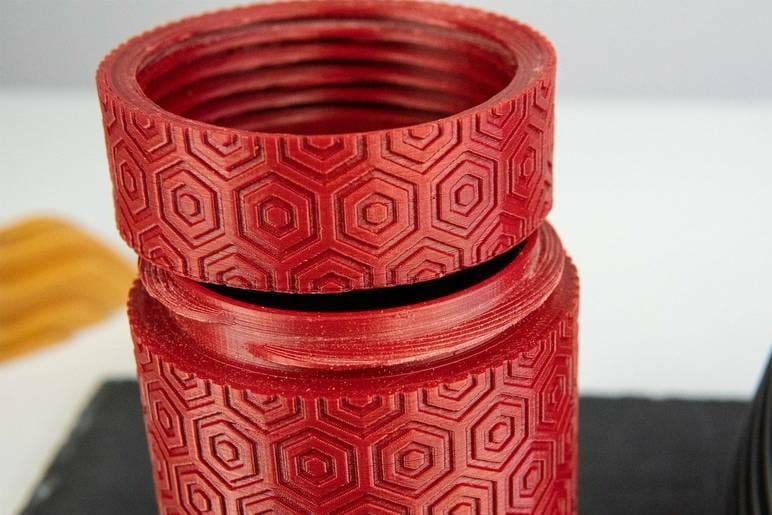
ABS is a versatile, solid choice for general-purpose printing, whether it be storage containers, game pieces, or a cute lampshade. ABS is a clear winner if the application is an indoor item bearing medium to moderate stresses that won’t be exposed to moisture or intense sunlight.
Any applications that ABS can handle, ASA can handle too, plus some. With strong UV resistance and impact resistance, ASA can be used for housing electronic components, tools, car accessories, and even RC planes. ASA should be the go-to material if you’re going to print an everyday tool that needs to be sturdy and reliable. However, due to its higher price tag, it may be wise to save it for the most demanding applications.
Our Favorite ABS and ASA Filament
Polymaker PolyLite ASA & ABS
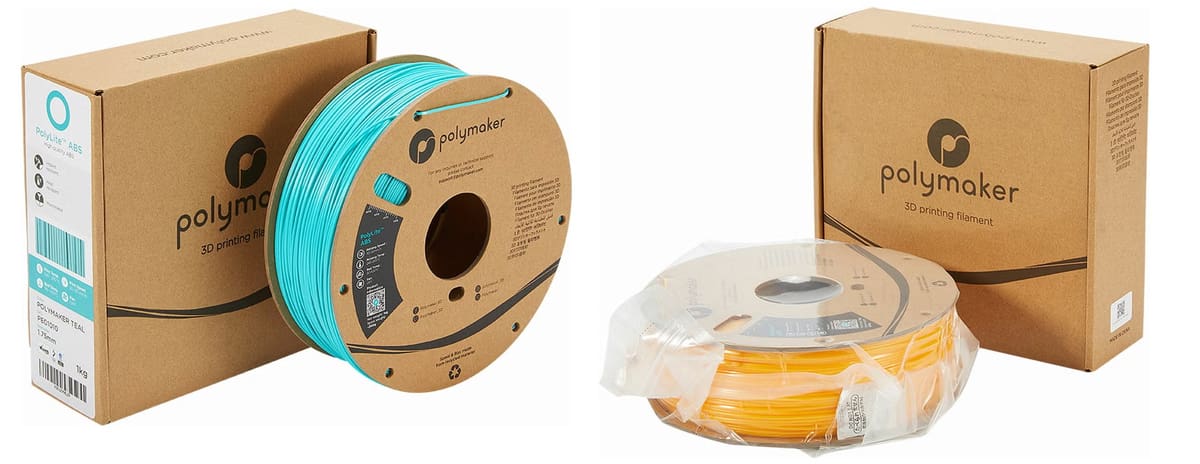
Among their PolyLite series, Polymaker’s PolyLite ABS is advertised to have been made with a specialty bulk-polymerized ABS resin to promise lower-odor printing, and users seem to agree with it! PolyLite ABS is ~$29 per kg, similar to other filaments in the PolyLite range.
PolyLite ASA by Polymaker is an excellent alternative to ABS with high UV resistance and mechanical properties, making it great for printing bike accessories, outdoor planters, and household equipment. There are even 17 colors to choose from and another 3 “Galaxy” options with some added sparkle.
Bambu Lab ASA & ABS
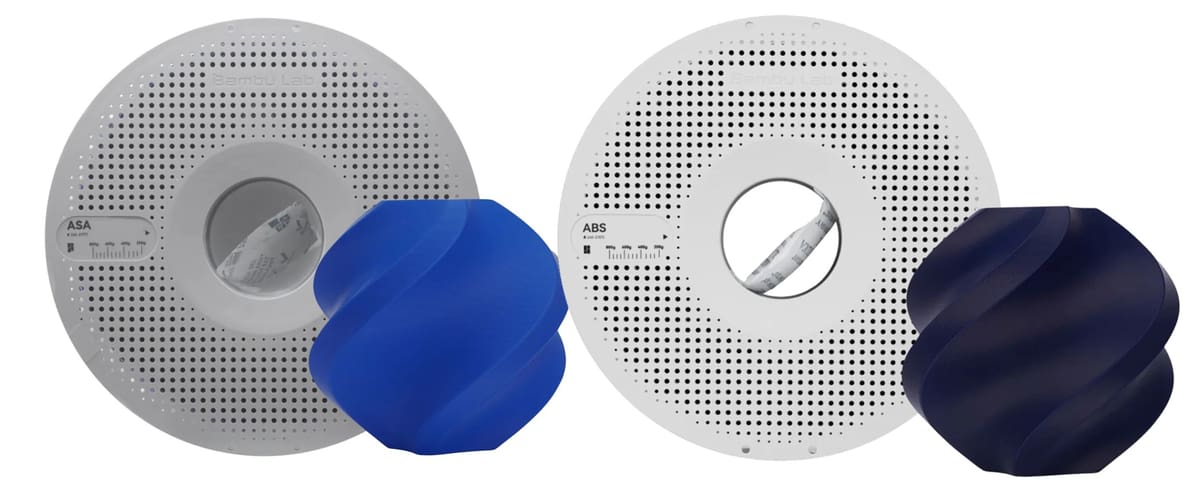
Bambu Lab offers three kinds of ASA filament. Its standard ASA, according to the company, is a modified version of ABS that contains an additional acrylate component to improve its weather adaptability and UV resistance. It also offers a carbon-fiber-filled ASA specifically for these large projects that need extra protection against warping. And if weight is an issue in your design, Bambu Lab offers its ASA Aero filament, a self-foaming ASA-based material with high durability and toughness that enables extremely lightweight yet robust parts. This filament produces parts with a matte surface structure, has excellent resistance to heat, water and UV rays, and makes it ideal for long-lasting outdoor models like RC planes.
For ABS, Bambu Lab offers a standard and a glass-fiber-filled ABS version for enhanced strength and stiffness. Not all Bambu Lab filaments are compatible with all Bambu Lab automatic material systems (AMS), so be sure to check.
3DXTech ASA & ABS
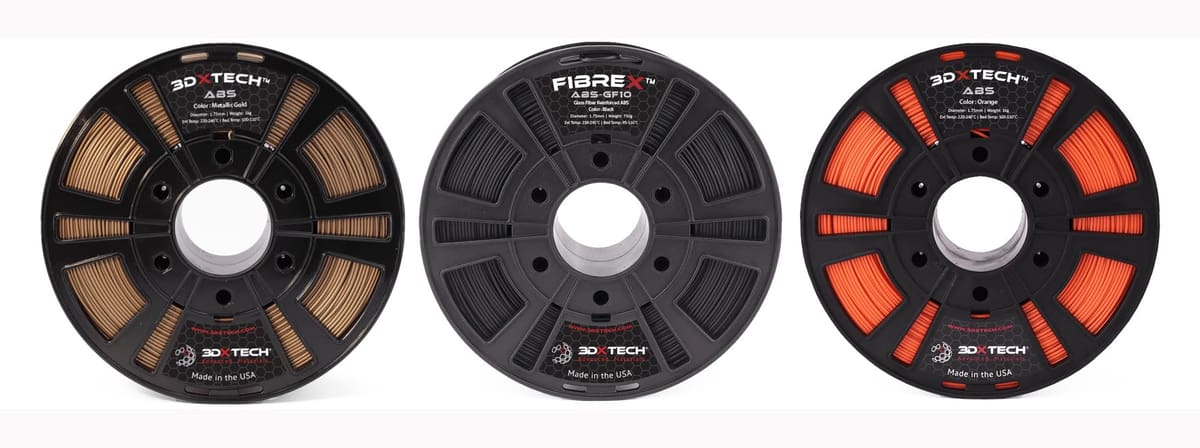
3DXTech is a well-known U.S.-based manufacturer of highly technical and specialized filaments like their polyether ether ketone (PEEK), Ultem (PEI), polycarbonate (PC), and various exotic blends. That said, they also offer the basics done well, like their ABS. We’re particularly impressed by the carbon fiber and glass fiber ABS options that boost the stiffness and dimensional stability of the polymer. There’s also a flame retardant PC-ABS.
The company also offers two types of ASA including a carbon fiber reinforced version.
Prusament ASA
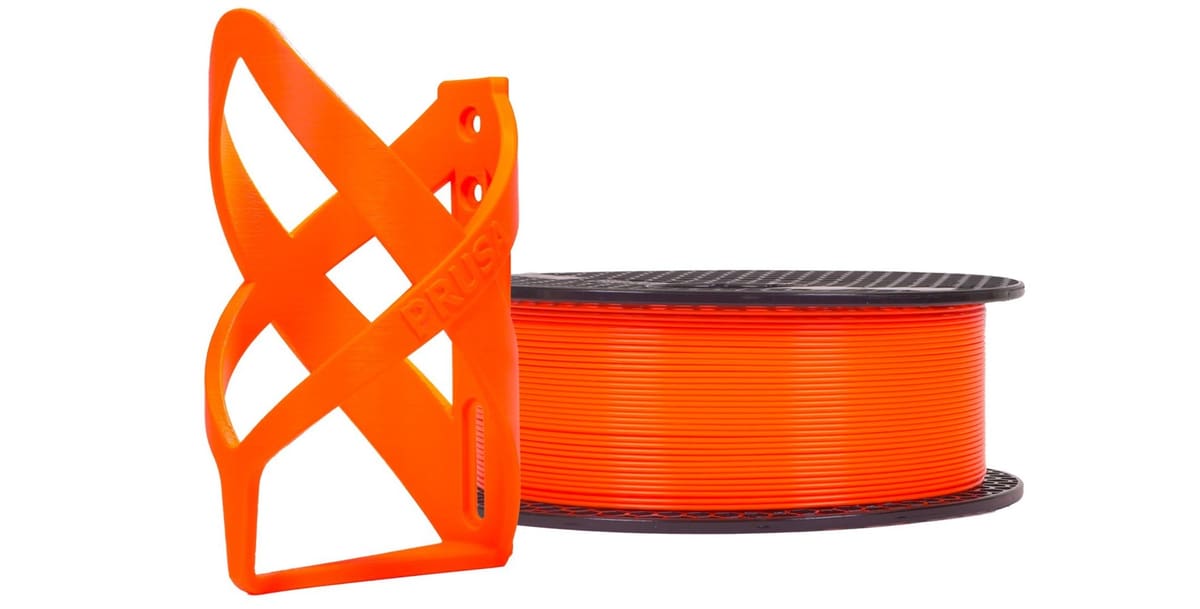
Prusament, from Prusa Research make an ASAASA that is generally recommended for its high-quality, and the company notes that their filament is great for detail on prints without any stringing. Among its other qualities, Prusament ASA is claimed to be very easy to post-process, including smoothing with acetone vapor. That said, Prusa warns against using a textured powder-coated steel sheet because of the extremely high adhesion, which can lead to tears or damage to the bed. And, if you’re on a budget, you’ll be happy to hear that it only costs about $30 for an 800-g spool.
Sunlu ASA & ABS
Sunlu ASA is an industrial-grade filament engineered for maximum durability in outdoor environments. By replacing the butadiene found in ABS with acrylate rubber, this material gains ten times the UV resistance, preventing the yellowing and brittleness usually caused by sunlight. It features a professional matte finish that hides layer lines and offers high impact strength, making it the preferred choice for automotive parts, garden tools, and drone frames that must withstand rain and heat.
Sunlu ABS is a staple for functional indoor projects, valued for its high impact resistance and ability to withstand temperatures up to 90°C. It is particularly popular for its post-processing versatility, as it can be sanded or acetone-vapor smoothed to achieve a glossy, injection-molded look. While traditional ABS is prone to warping and requires an enclosure, Sunlu offers specialized variants like Easy ABS for better bed adhesion and High-Speed ABS for rapid printing up to 350mm/s.
Fiberlogy ASA & ABS
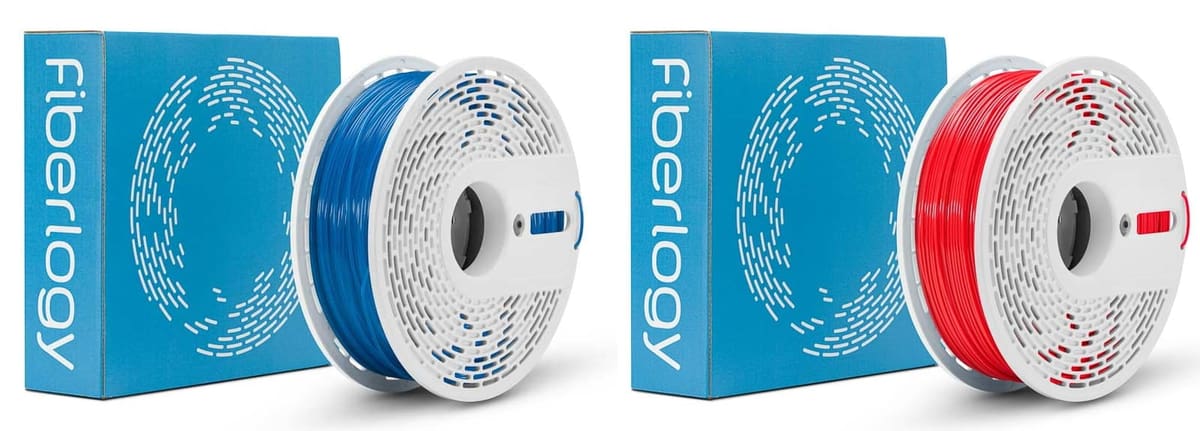
Fiberlogy ASA, available in 14 colors, is an engineering thermoplastic filament designed for functional parts exposed to outdoor or demanding environments that offers resistance to UV radiation, weathering, moisture, and elevated temperatures up to about 94 °C.
The material is positioned as a more durable and easier-to-print alternative to ABS, with lower shrinkage that helps reduce warping and cracking during printing. It also produces less noticeable odor than ABS during processing, according to Fiberlogy.
Typical use cases include outdoor components, automotive parts, housings, and prototypes exposed to sunlight or moisture. The material can be post-processed through sanding, painting, or acetone smoothing. Fiberlogy is one of the few ASA makers offering the material in an elegant matte finish with Fiberlogy Matte ASA.
When it comes to ABS, Fiberlogy offers a wide menu. Not only are there six colors of ABS, there’s also ABS Plus with increased strength and reduced shrinkage, ABS Easy Transparent that doesn’t need a closed chamber, recycled ABS, and a new ABS+GF (glass fiber filled version).
Fillamentum ASA & ABS
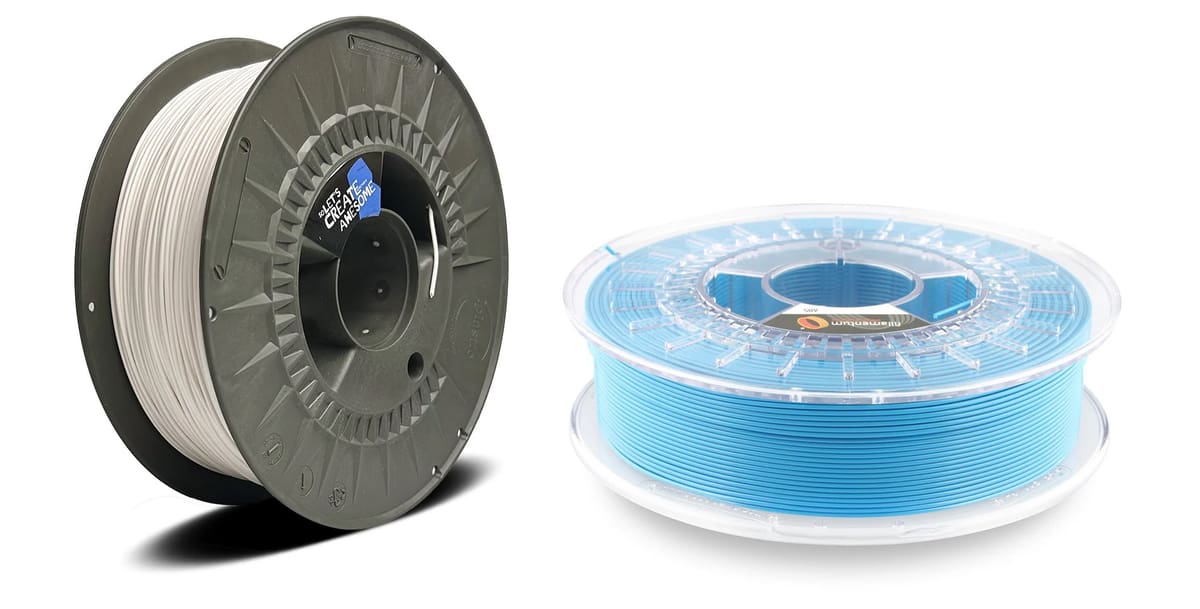
Fillamentum says its ASA Extrafill is a premium material optimized for outdoor durability and UV stability, which it says prevents yellowing and brittleness in harsh environments. A nice thing is that Extrafill comes in 15 colors, although it’s best to check if your shade of choice is available in the diameter you want; these include 1.75 and 2.85 mm. A nice thing is that Extrafill comes in 15 colors, although it’s best to check if your shade of choice is available in the diameter you want; these include 1.75 and 2.85 mm. For makers looking for a wide variety of colors, Fillamentum may be the vivid way to go.
Fillamentum positions its ABS Extrafill as a technical material for 3D printing, specifically targeting functional prototyping and the production of consumer goods. The company also say the material provides chemical resistance to various oils, alcohols, and acids, though it notes that the polymer is prone to warping and requires a heated enclosure for successful large-scale prints.
Polymaker ASA & ABS
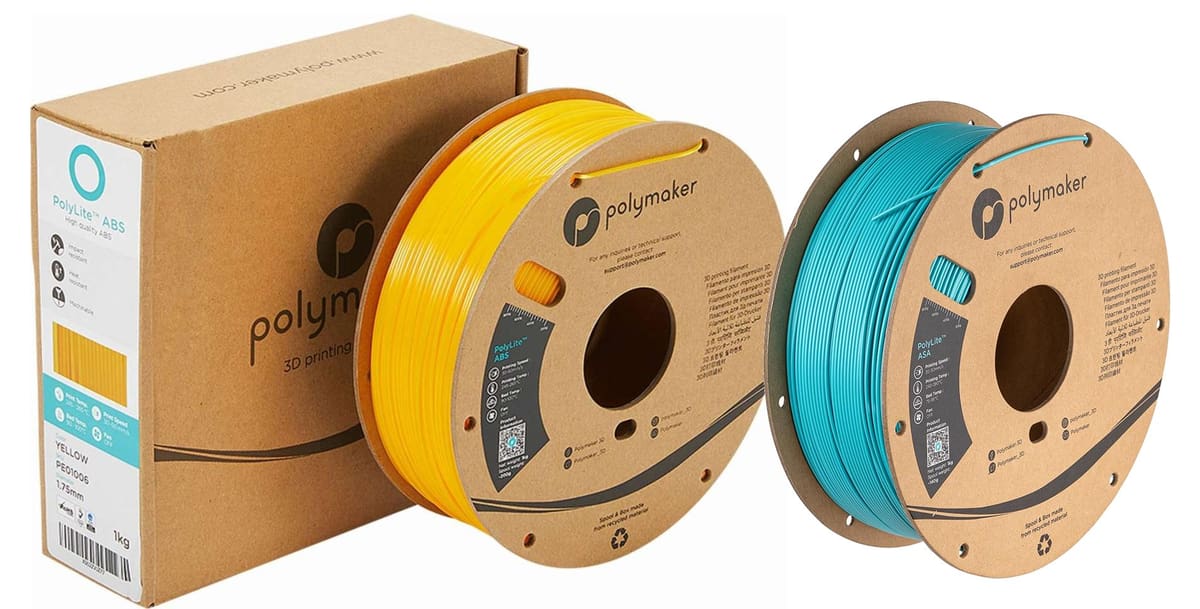
PolyLite ASA by Polymaker is an excellent alternative to ABS with stront UV resistance and mechanical properties, making it great for printing bike accessories, outdoor planters, and household equipment. There are even 17 colors to choose from and another three “Galaxy” options with some added sparkle.
Polymaker categorizes its ABS and ASA offerings under the PolyLite line, emphasizing chemical purity and mechanical stability. The company reports that PolyLite ABS is produced using a specialty bulk-polymerized resin, which they claim significantly reduces volatile content and odor compared to traditional alternatives.
Polymaker ASA (formerly PolyLite ASA) is an engineered alternative to ABS, specifically highlighting its ultraviolet (UV) radiation and weather resistance. The company claims the material features a matte finish to help conceal layer lines and recommends similar thermal settings to ABS, including a heated bed and enclosure to ensure structural integrity in larger prints.
License: The text of "Stop Wasting Filament: Is ASA or ABS Better for Your Next Tough Project?" by All3DP is licensed under a Creative Commons Attribution 4.0 International License.
CERTAIN CONTENT THAT APPEARS ON THIS SITE COMES FROM AMAZON. THIS CONTENT IS PROVIDED ‘AS IS’ AND IS SUBJECT TO CHANGE OR REMOVAL AT ANY TIME.