3D Printing Materials
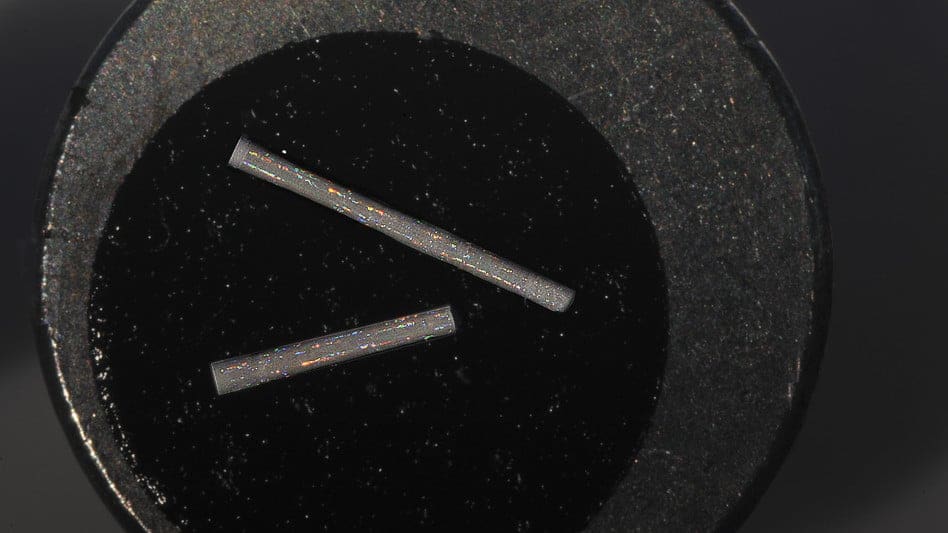
Engineers from MIT developed a new technique called the direct-write colloidal assembly process. It can build centimeter-high crystals made from billions of individual colloids. They did this by uniting the principles of 3D printing and self-assembly.
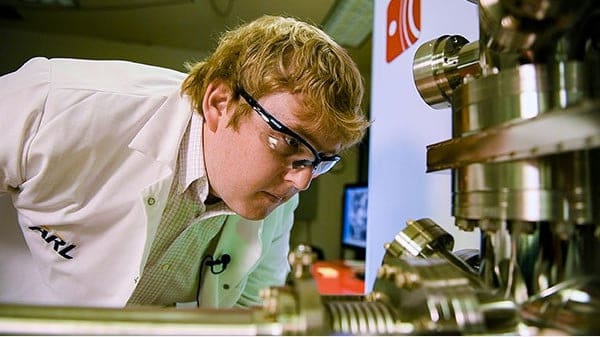
Material scientists from the US Army Research Laboratory are using an atom probe to explore the structure of metal and ceramic specimens at the atomic-level and creating 3D models of the results.
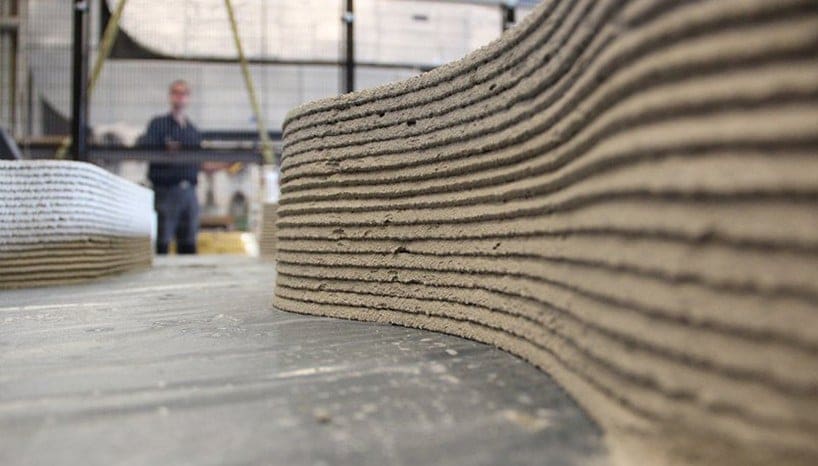
Concrete 3D printing is the shiny new tool in the toolbox of architects and construction companies. It offers a quick and cost-efficient way of building homes. Here's an introduction explaining how concrete 3D printing works, different concrete 3D printing applications, and what the benefits and limitations are.
With just the wave of a magnet, MIT researchers can control soft 3D printed structures and make them complete a range of movements, such as crawling, rolling up or jumping. The engineers believe this technique could be used for "promising applications" in biomedicine.

Purdue researchers have developed a process which enables them to 3D print extremely viscous materials. Due to this, they should be able to 3D print everything from cookie dough to biomedical implants.
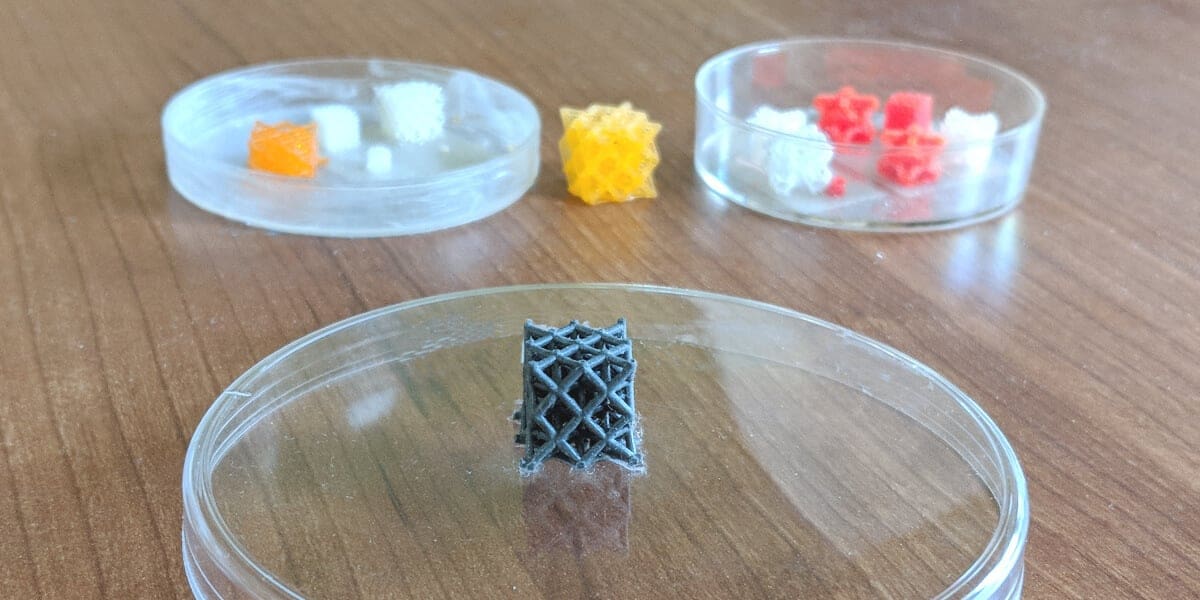
Researchers from USC Viterbi School of Engineering have developed 3D printed metamaterials that can switch between active control and passive states, enabling control of acoustic and optical waves.
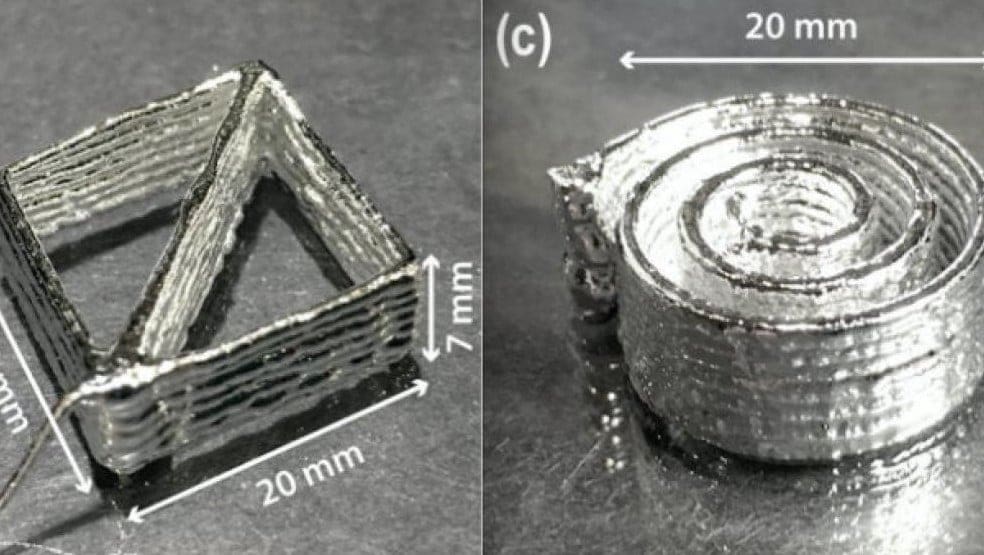
Oregon State University's College of Engineering researchers have made progress in the ability to rapidly manufacture flexible electronics and soft robotics.

i.materialise is adding untreated brass to its range of finishing options - print your designs in basic brass without polish, coating or plating to give them a vintage look.
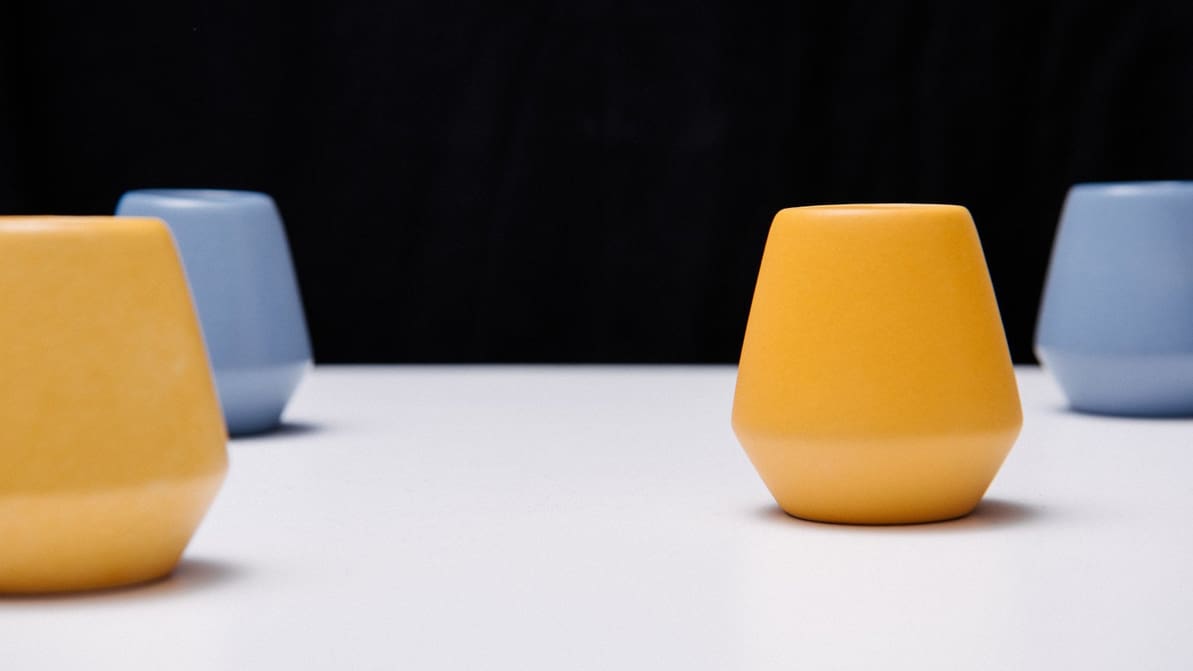

A team of Dutch designers are creating bioplastics and biopolymers made from organic aquatic plant material.
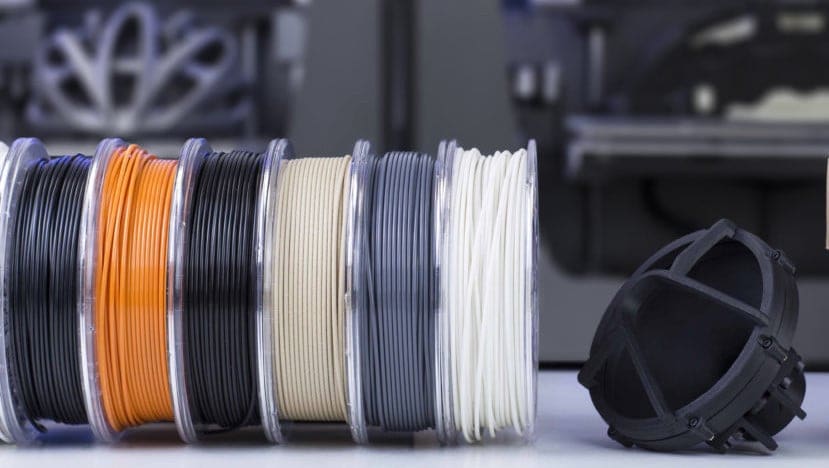
BCN3D Technologies is releasing its own line of 3D printing materials, gearing the Sigma and Sigmax 3D printers for engineering applications.
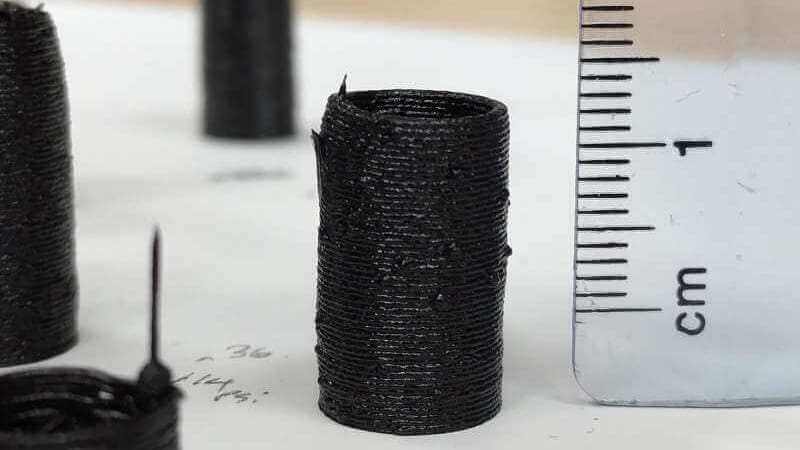
The US Air Force Research Lab uses the National Synchrotron Light Source to better understand & formulate new 3D print-strengthening fillers.
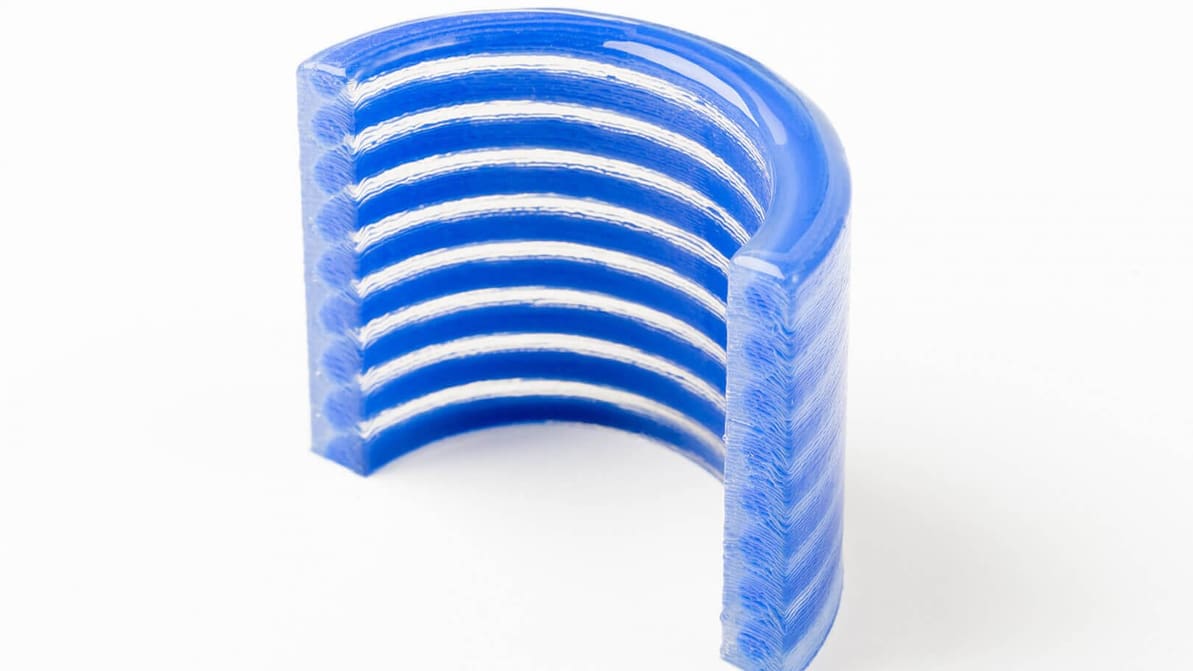

The chemical and consumer goods giant Henkel is planning construction of a multi-million dollar industrial 3D printing facility in Dublin.
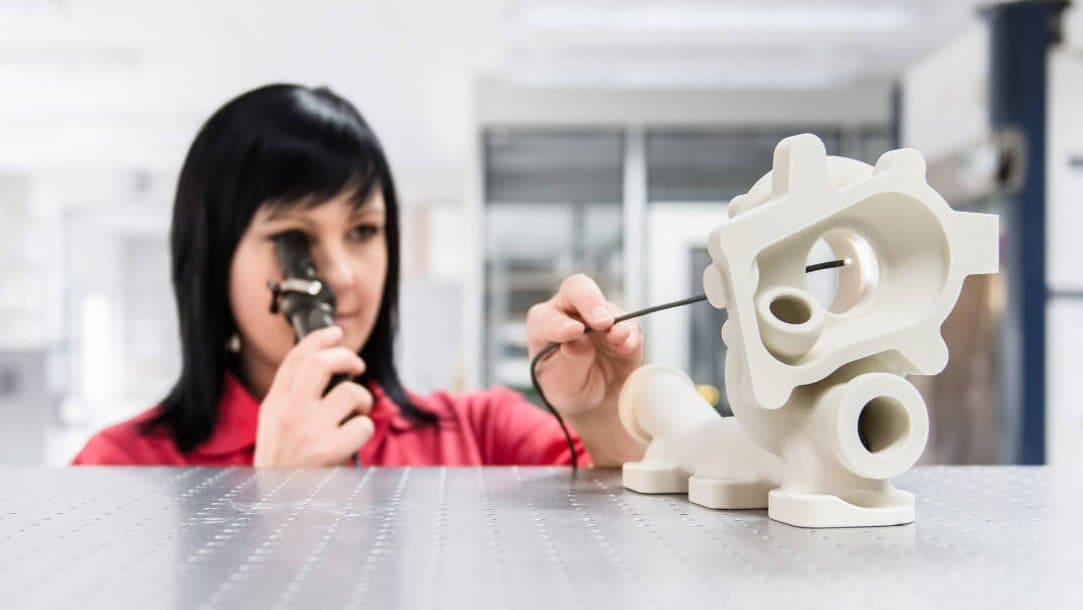
3D printer manufacturer Voxeljet announced PPC², a new powder technology that wants to raise the quality of investment casting parts.
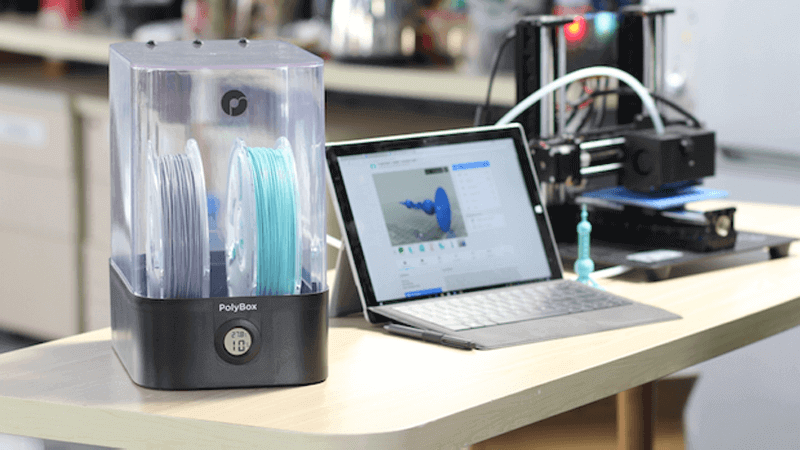
Polymaker unveils the PolyBox, a container that keeps plastic filaments protected from moisture and sits beside a desktop 3D printing system.
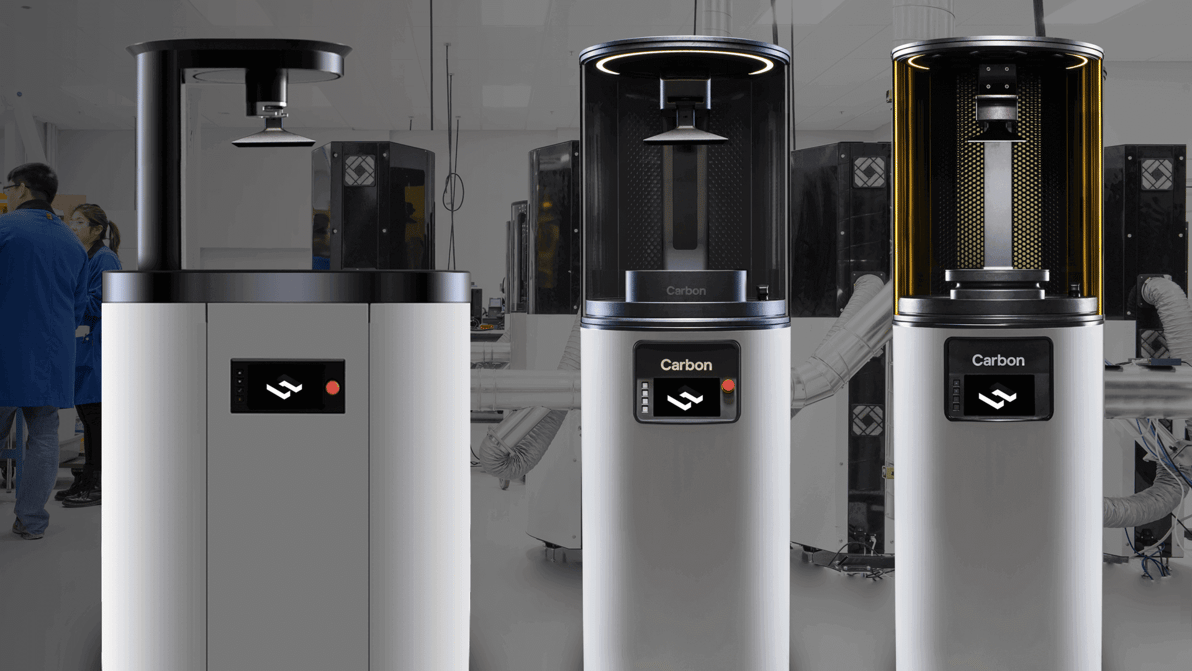
Carbon is introducing its production-scale 3D printing materials program, offering larger resin volumes and a new pricing structure.
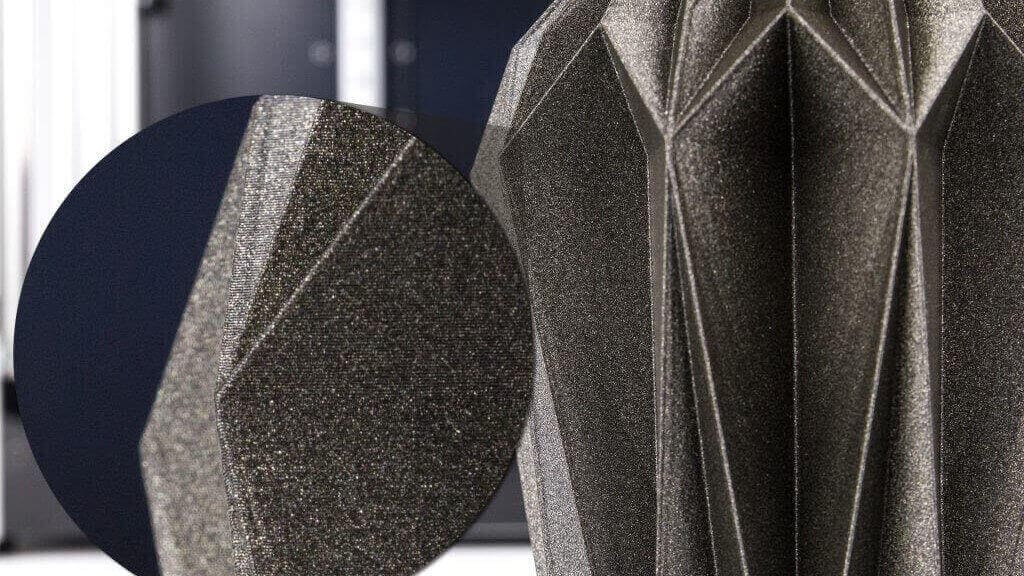
If you're looking to add a little brilliance to your next 3D print, check out colorFabb's soon-to-be-released filament: nGen_LUX.

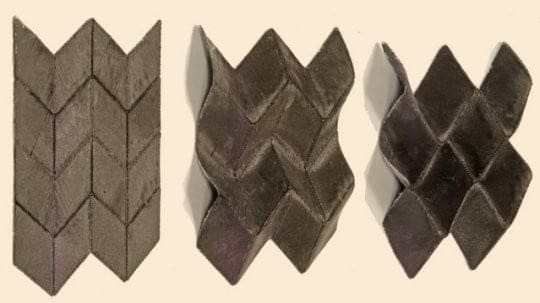
MIT researchers develop 3D printable expanding polymer structure that will fold itself up as soon as it's peeled off the print bed.

Canadian researchers to study applications of artificial intelligence in manufacturing 3D printing materials under new innovation program.