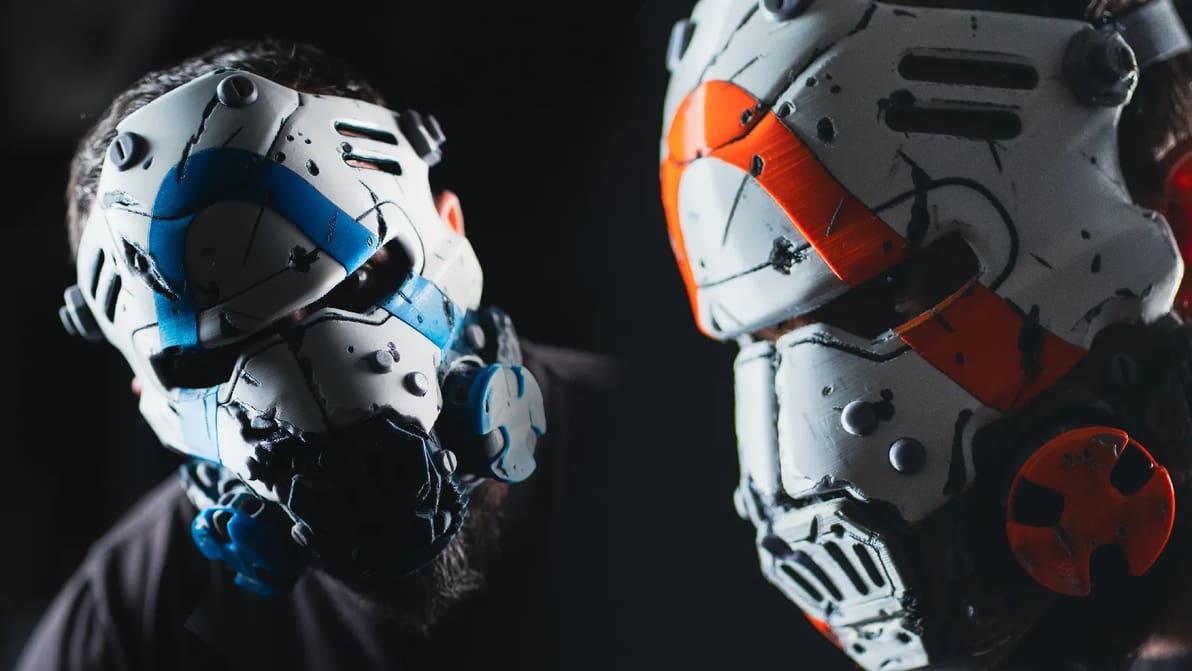
Last Friday saw Borderlands 4 hit consoles and, wait, Printables too?!
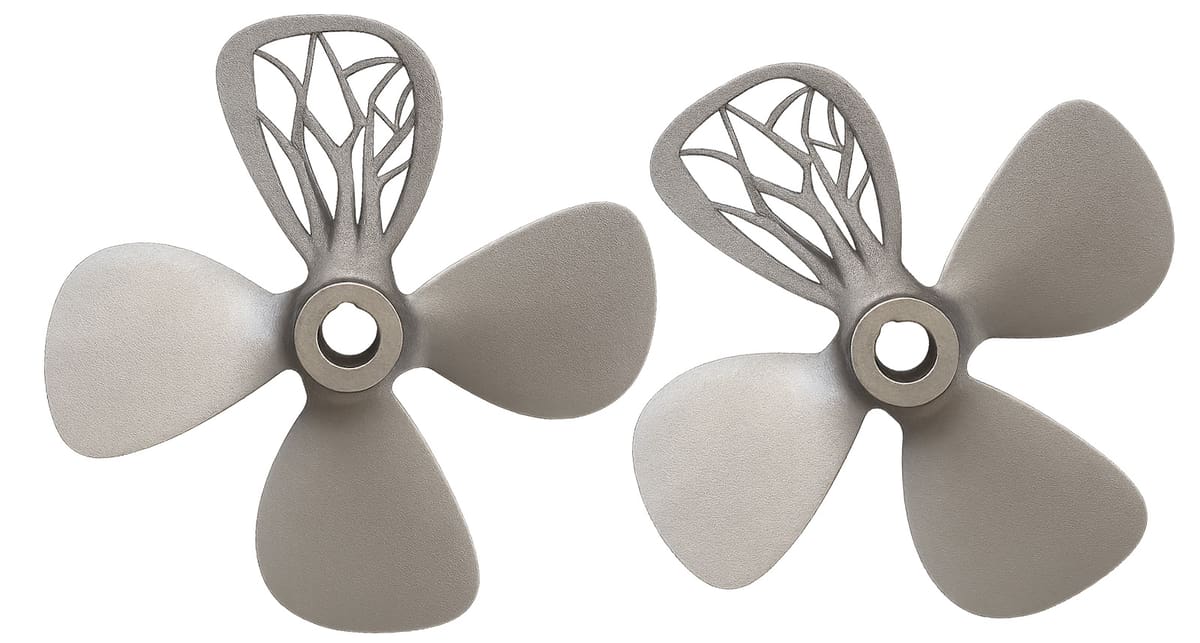
While seeming to defy the basic physics of how propellers work, this conceptual render by Enki Marine indicates the internal blade structure that could be used to lighten the weight and reduce material cost in 3D printed maritime propellers. It's part of the D.E.E.P project—short for Digitally Enabled Efficient Propeller—to build the world’s first 3D printed, digitally monitored ship propeller that can track its own performance at sea. The project will test multiple AM processes against traditional casting to establish an AM classification in the maritime sector.
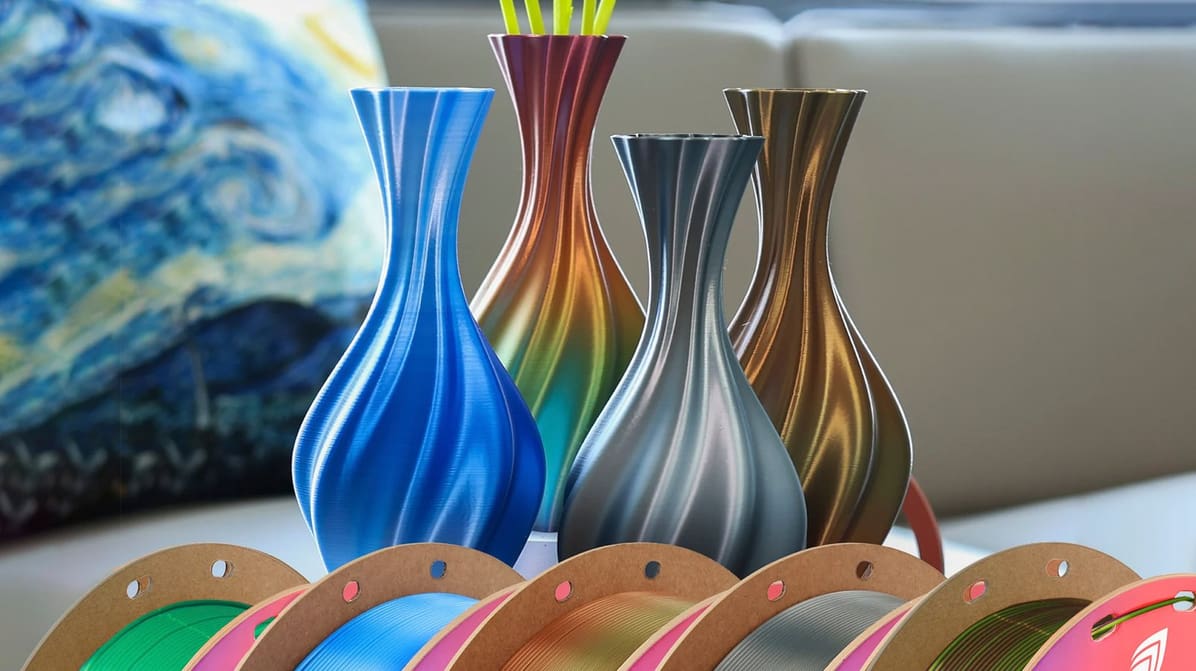
New Panchroma Gradient Silk PLA aims to reduce brittleness and clogging while improving layer adhesion for flawless-looking silky prints.
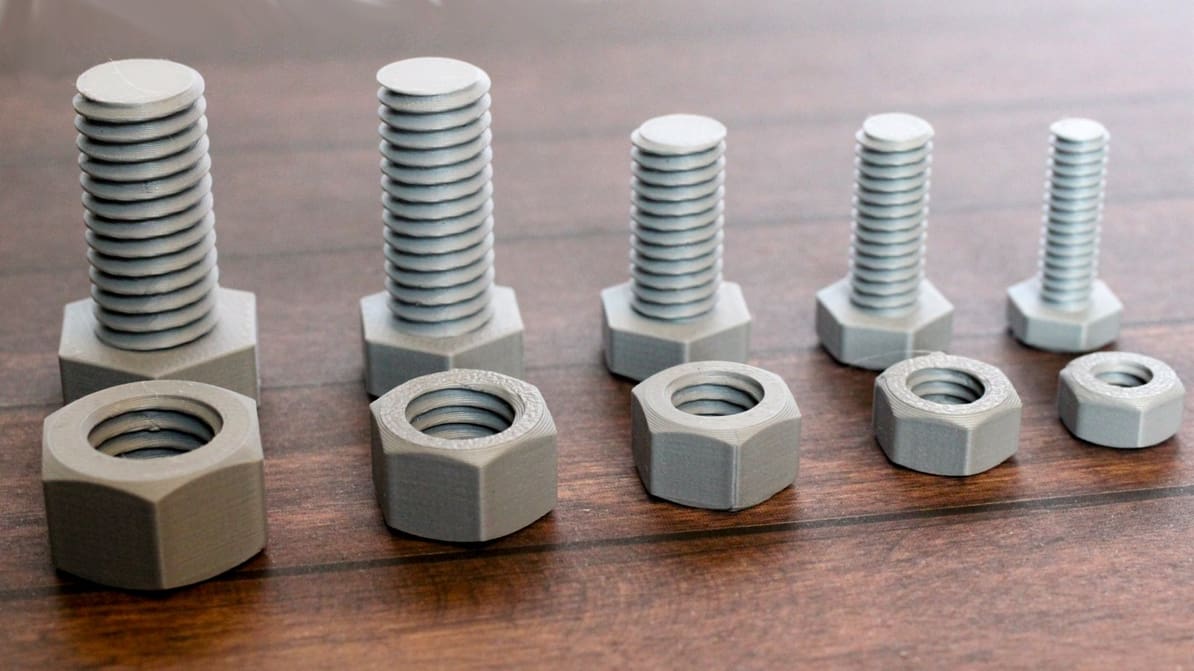
3D printing threads and screws that fit is a challenge. Check out this simple guide to learn how to successfully design and print them!
We reported on the update for 2.9.3 hitting beta just two weeks ago, but things don't stand still in Prusaland. The stable release is now live and brings with it the "consistent surface" change to cooling strategy – a smart adaptation that prioritizes slowing down interior features like infill before forcing a slowdown of the outer layer. In short, it should give better looking prints. Available for Windows, Mac, and Linux directly from the Prusa research website.
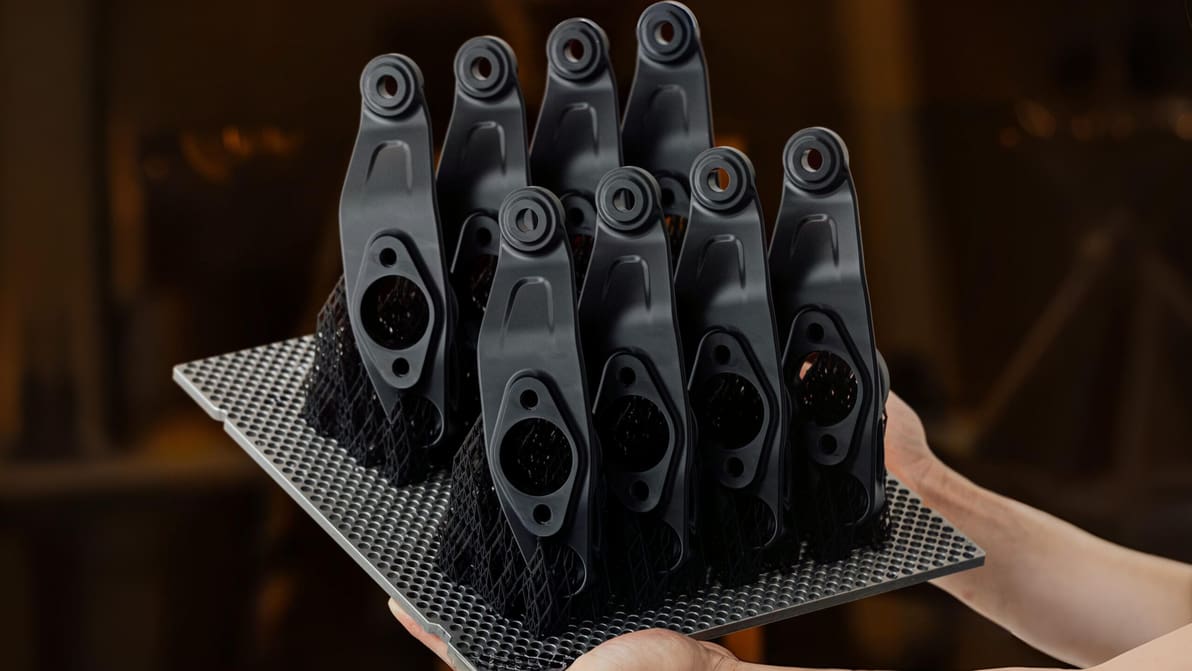
In a rapidly evolving manufacturing industry, staying competitive means constantly looking for ways to be more efficient while also reducing costs, and speeding up production.

Toyota turns to a new aluminum material and 3D printing method to make large, complex die casting tools.
We see our fair share of 3D printing hardware coming through our lab, but what are you using? Over the last few (and next many) weekends we'll be unpicking this knot of preferences to see which hardware, materials and mediums you are using the most. This week's question is a simple one, with what I suspect will be a clear frontrunner.
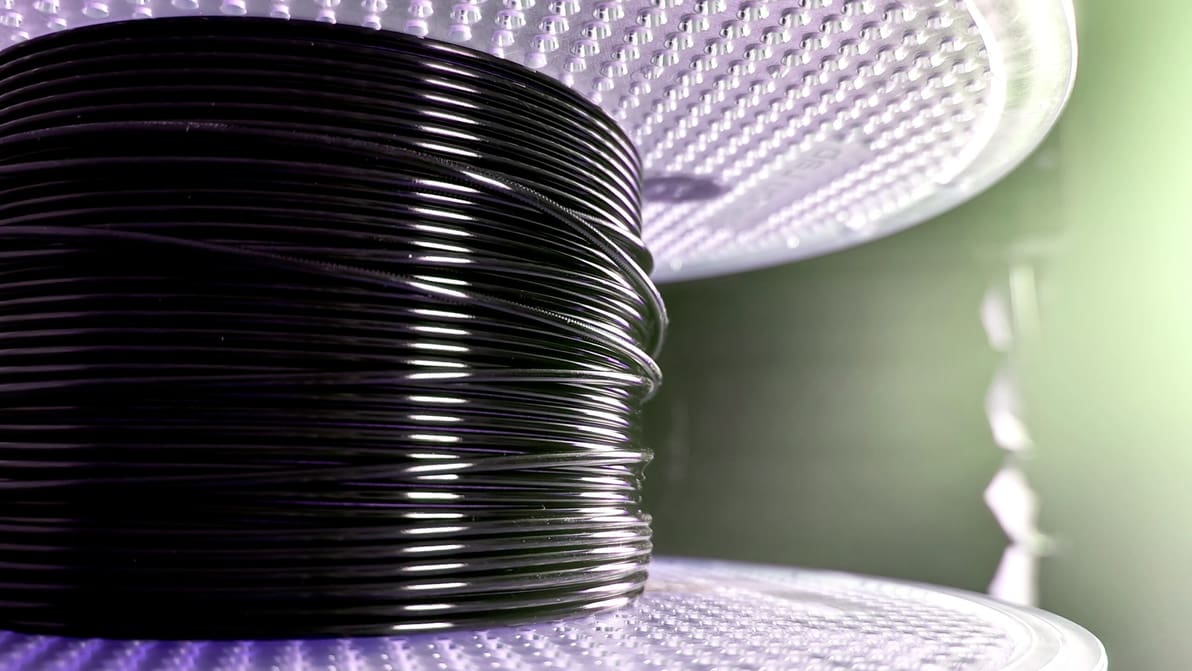
Gathering answers from dozens of filament manufacturers has given us a clear picture of what you're printing with in 2025. And the answer will probably not surprise you.
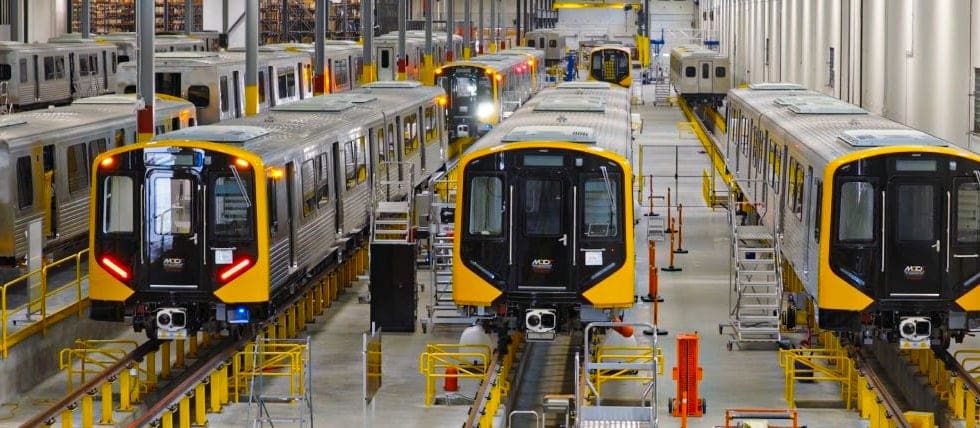
Hitachi, the Japanese multinational manufacturer, opened its $100M carbon-neutral railcar factory in Hagerstown, Md., this week that features in-house spare-part and tool-making capacity using Roboze industrial FDM 3D printers. The Roboze Argo 500 will supply the plant with parts in Ultem and carbon-fiber PEEK to replace traditionally machined metal parts. Hitachi Rail will deliver several fleets of railcars from the new digital factory, including over 600 railcars for Washington D.C., Baltimore and Philadelphia.
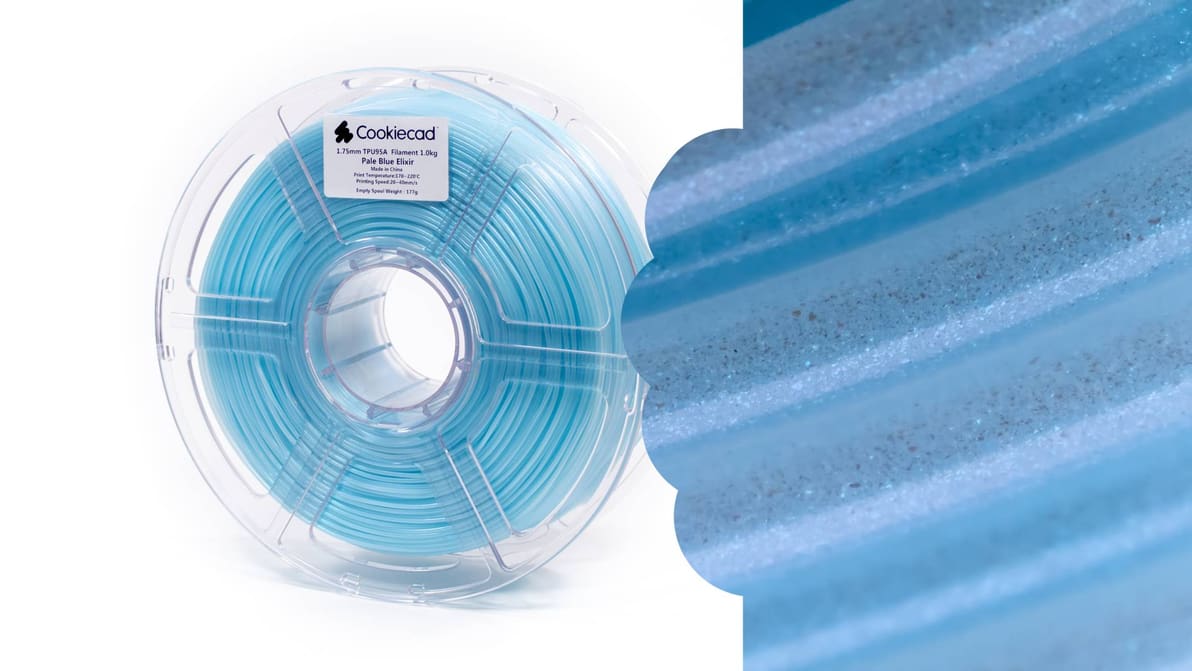
The release brings the colorful filament maker's range to over 100 filaments, now including vibrant spools of TPU.
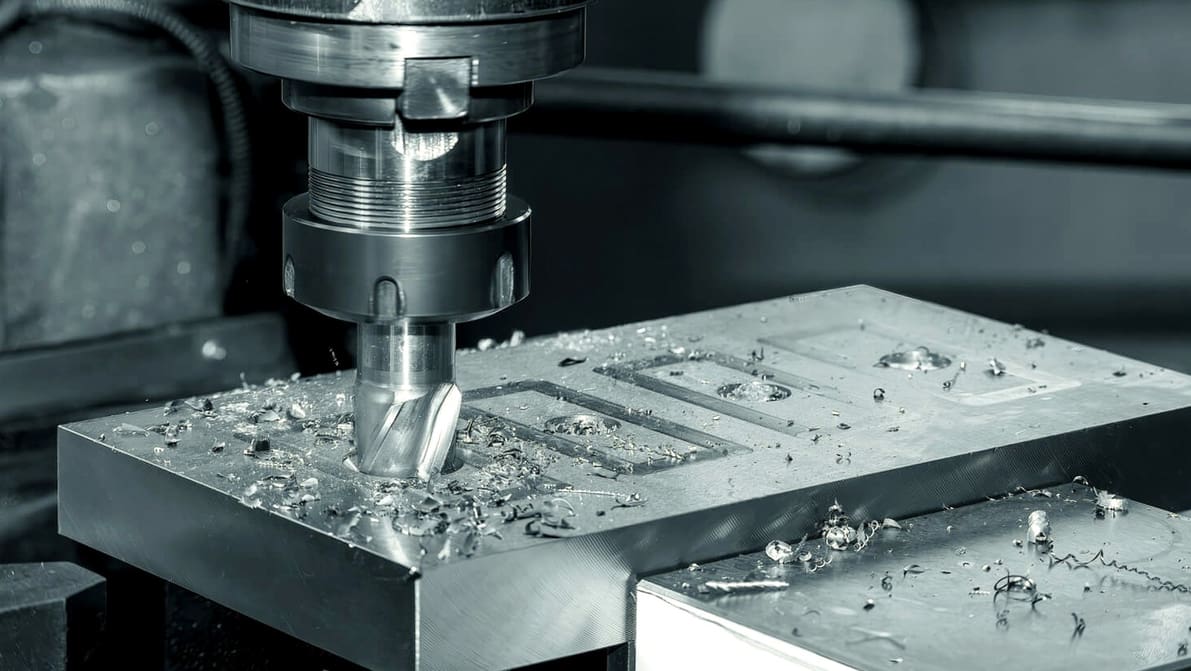
Our updated guide to top CNC machining services helps you order everything from quality brackets and molds to custom fasteners and fittings, faster than ever.
Biking giant Trek officially entered the 3D printed saddle arena with its new line of lattice-structure comfort tech that Specialized and Fizik fans have been buzzing about for years. Trek’s pitch is that its version reduces hotspots and sliding by letting the saddle move with the rider, not against them. It’s flexes where you need it (firm for bones, soft for squish) and weighs less than your water bottle. AirLoom: from $175.

The aerospace leader's new technique prints features directly into satellite structures, a move that drastically simplifies manufacturing and shaves six months off delivery times.
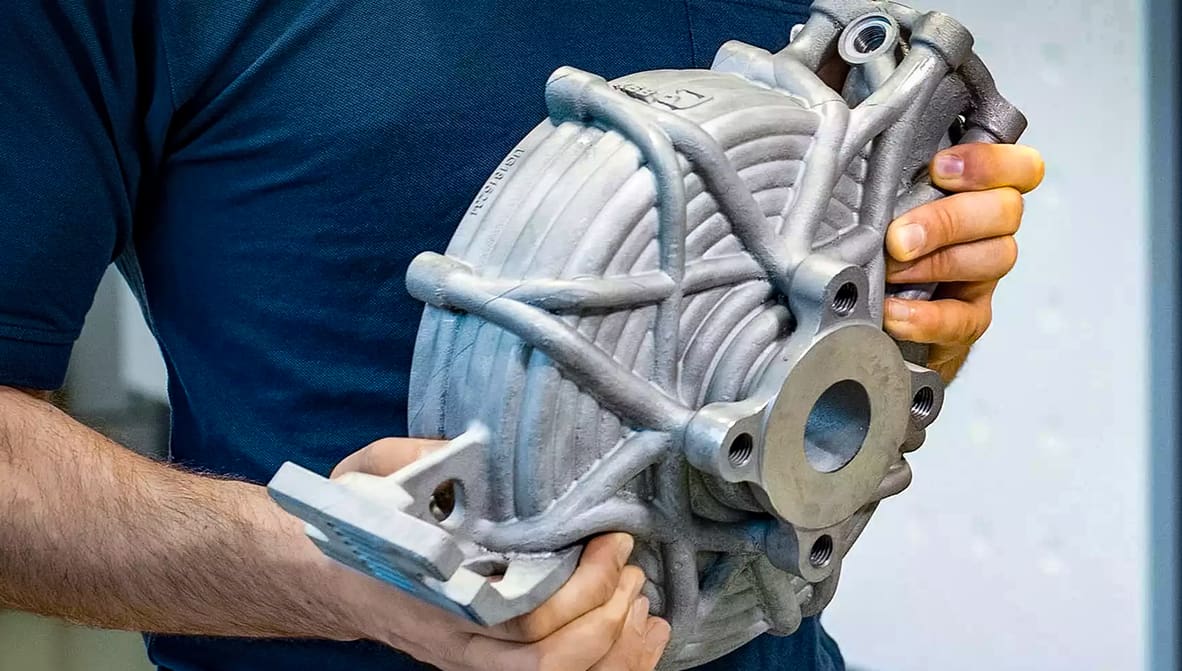
ASTM’s new certification promises to raise the bar for 3D printing, giving manufacturers a global standard to prove quality and win customer trust.
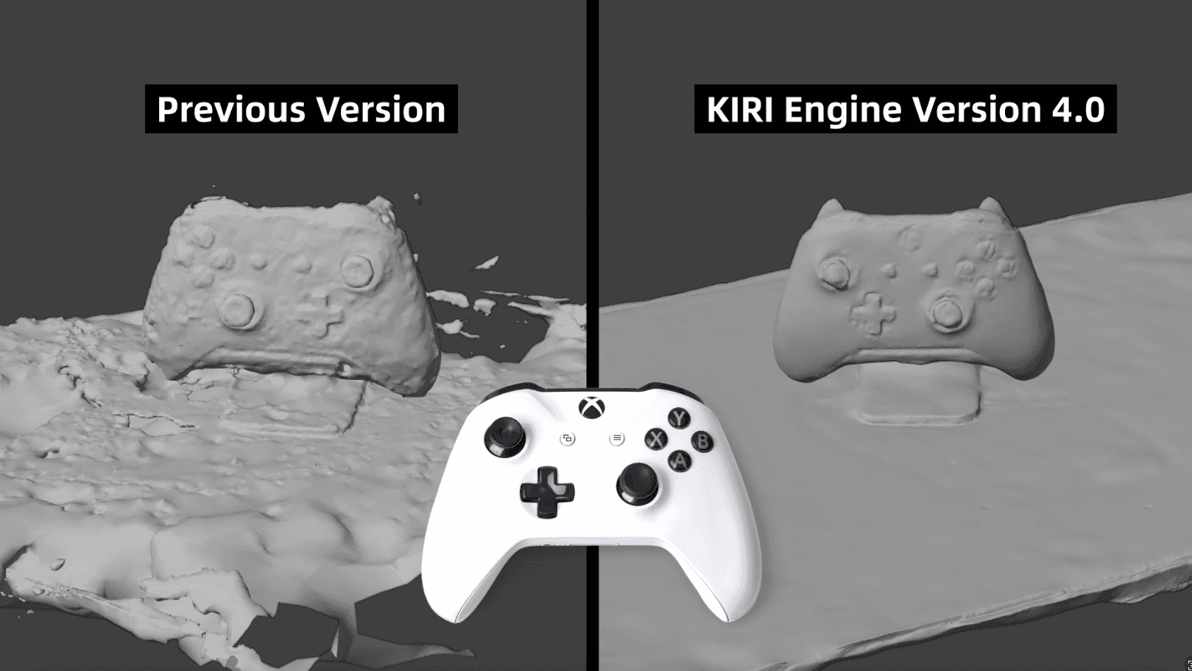
Kiri Innovations has released a jam-packed update to its popular 3D scanning app, which brings expanded and improved functionality to all users, free and paid.
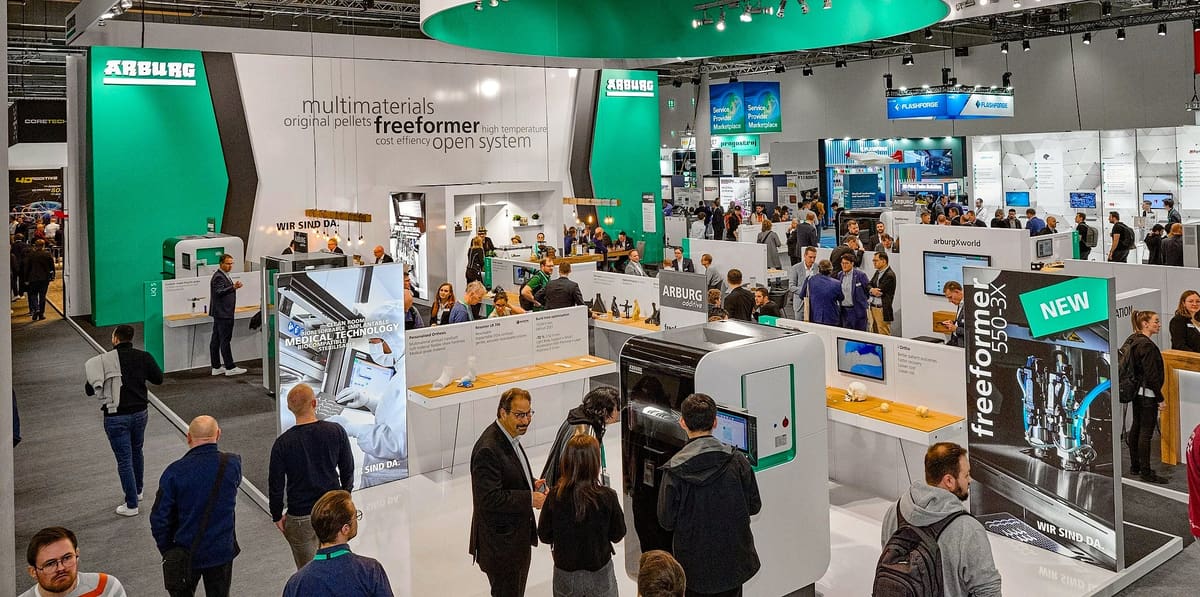
Germany-based Arburg, known for everything from plastic-granule printers to liquid-silicone rigs—and fresh off last year’s Formnext debut of its Freeformer 550-3X—has decided to exit the additive manufacturing stage, but keep its well-established injection molding tech. Come Dec. 31, 2025, the company will bow out, citing unmet financial goals and a global 3D printing market that never quite lived up to the hype, it says.
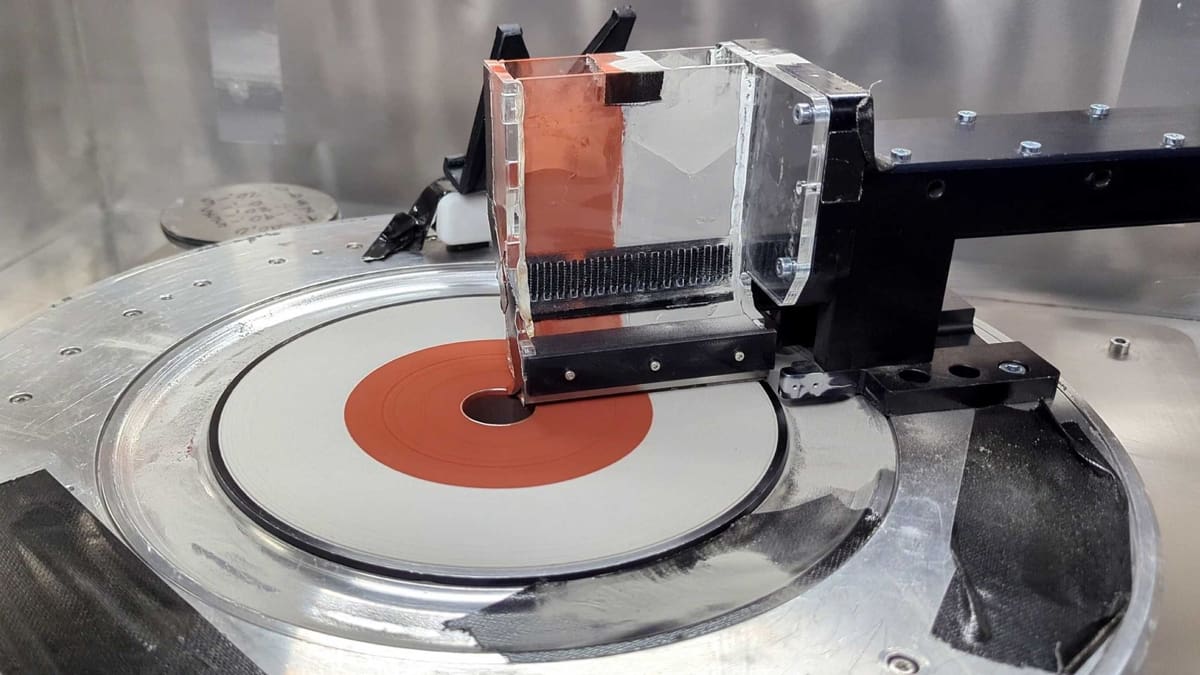
students at ETH Zurich have developed an exciting laser powder bed fusion machine that follows a circular tool path to print round components. Two different metals can be processed simultaneously, and the system could open new doors in aerospace and industry needing cylindrical or ring shaped prints. Check out this video to see the printer dubbed "Rapture" in operation.
Apple just gave additive manufacturing a starring role in its quest to make everything thinner, lighter, and smugly sustainable. Apple’s new 5-mm thick iPhone Air features a 3D printed titanium USB-C port that’s slimmer, stronger, and uses 33% less material than forging. Meanwhile, the Apple Watch Series 11 debuts a 3D printed titanium case that cuts raw material use in half.

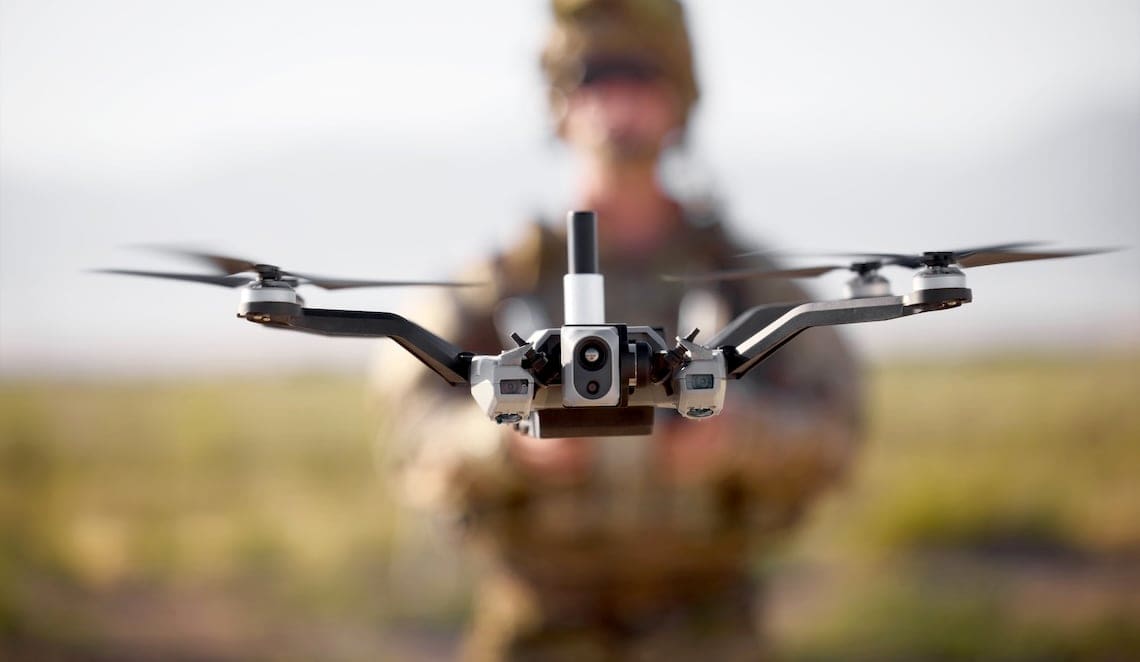
As the Pentagon calls for a massive increase in drone production, additive manufacturing is moving from the lab to the front lines and scaling up for production. The director of America Makes explains why this moment could finally "unlock" the technology's full potential.