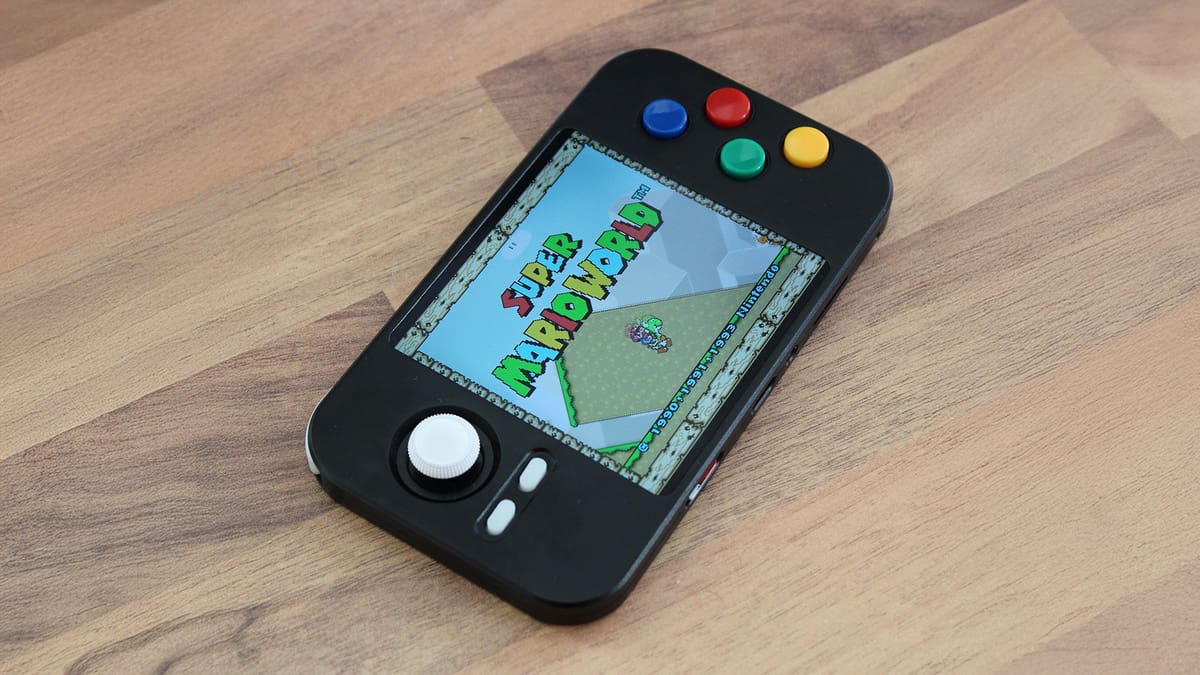
This DIY, Pico-Powered Handheld Features a CNC Aluminum Shell

The device is planned in three versions, each with a different microcontroller, and is best-suited to SNES games.
A new DIY handheld design shared on Hackaday has caught our interest: the Pico Held 2.
The device – known as the P2, for short – is the work-in-progress follow-up to designer Fcipaq’s Pico Held, and features a CNC-machined aluminum outer casing that’s just 10 mm thick. It’s planned in three versions, each powered by a different microcontroller: a Raspberry Pi Zero, an ESP32-P4, and an RP2350.
Key differences from the original Held include shoulder buttons, a D-pad, and a 720 x 720, four-inch display (a downsize from the Held’s five inches) which is perfect for SNES games, Fcipaq says. There are also a few differences between P2 models here, with the RPi Zero version having lower color resolution, a shorter battery life, and an analog stick instead of a D-pad.
Also interesting is Fcipaq’s Pico Held XL, a larger, RPi Zero-powered device with many of the same design features and a larger, five-inch screen, which could be worth looking into should you want the extra screen space and power (or just have big hands).
The build doesn’t look simple, but shouldn’t exactly be rocket science – so long as you have some experience with this kind of thing. Source files for the Pico Held 2 aren’t available right now – it seems like Fcipaq is still working on revisions to get the D-pad right – but if it follows the same release plan as the Pico Held, which released a 3D printable case design along with the project, files should pop up on Fcipaq’s GitHub when the project is ready. Be sure to check out the Hackaday post on the P2, where you’ll find a great deal of information regarding the current build and its technical specifications.
Read more recent news:
License: The text of "This DIY, Pico-Powered Handheld Features a CNC Aluminum Shell" by All3DP is licensed under a Creative Commons Attribution 4.0 International License.