The Raspberry Pi Pico 2 Microcontroller Board is Here

The latest microcontroller from Raspberry Pi is more powerful, faster, and has more memory than its predecessor – and a wireless version is due by the end of the year.
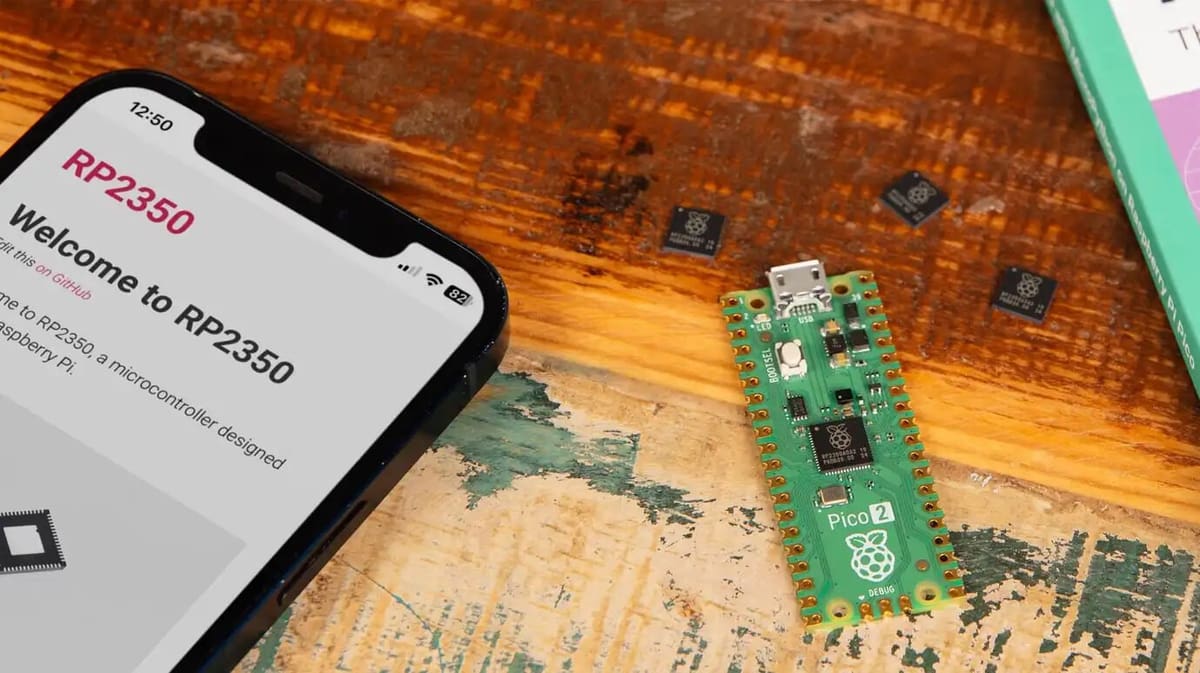
Raspberry Pi has released the successor to the popular Pico microcontroller board, the aptly named Pico 2, and it costs just $5.
The device runs on the new RP2350 microcontroller, which Raspberry Pi says is “a vastly more sophisticated design” than the RP2340, and boasts features like dual 150MHz Arm Cortex-M33 cores, 520 KB of on-chip SRAM, low-power states, and Arm TrustZone for Cortex-M security architecture.
Overall, the Pico 2 is the same size and has the same electrical connections as the original Pico’s, meaning it’s compatible with your existing Pico-based projects. The device also arrives with 4MB of external QSPI flash memory.
While those interested in snagging a Pico 2 of their own may have to wait a bit due to a current lack of stock, the device is in “full production”, and should begin to be more readily available in the coming weeks.
A word to the wise (or patient), however: Raspberry Pi has revealed that a wireless version of the Pico 2, the Pico 2 W, is set for release by the year’s end, so those with the need for such an offering may do well to wait out the next few months.
There are quite a few more details about the Pico 2 on Raspberry Pi’s announcement blog, as well as the device’s product page, where you can also find links to approved resellers.
Read more recent news:
License: The text of "The Raspberry Pi Pico 2 Microcontroller Board is Here" by All3DP is licensed under a Creative Commons Attribution 4.0 International License.