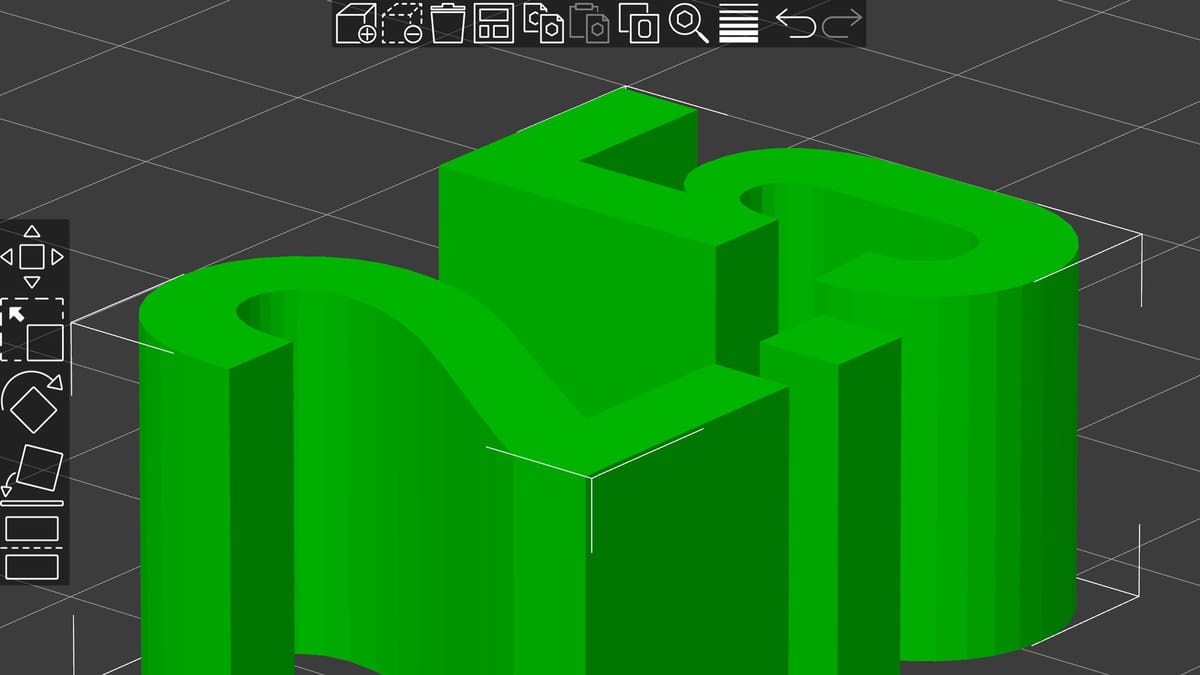
PrusaSlicer Updated to Version 2.5: Available to Download Now

Out of beta and available to all, the latest edition of PrusaSlicer ports a better perimeter slicing strategy and a new filament-saving infill option from Cura, adds STEP file import ability, and more.
We’ve covered bits and pieces of the PrusaSlicer 2.5 beta, but now the curtain is fully lifted, and we can see what’s now standard for users of Prusa Research’s PrusaSlicer slicing program.
A characteristically detailed blog post about the new update outlines the key new features, including better slicing of perimeters, STEP file format compatibility, lightning infill, improved seam placement behavior, pressure equalization, new printer profiles, and various bug fixes.
One distinguishing thing about this update is that it includes a core change in the program’s slicing technology for generating perimeters. Drawing on a printing strategy implementation by the developers of Cura (which, like PrusaSlicer, is open-source software,) the PrusaSlicer team now also uses what’s known as Arachne.
Rather than generate perimeters with a fixed extrusion width, which could be problematic for fine features such as text, the software can now make continuous perimeters of varying widths. This is now the default behavior in PrusaSlicer but can be reverted in the settings.
The lightning infill option is also ported from Cura. Used to support the roof of a model, it sacrifices strength but dramatically reduces the material used for the infill.
Of significant use for users of Bowden-style 3D printers is the new pressure equalization behavior, which transitions the extruder speed between features of a print that take place at different speeds. The effect is a reduction in over-extrusion-based lines on the surface of a print, caused by the higher-pressure move such as infill suddenly moving into a lower-speed move such as a perimeter.
Opening an older version of PrusaSlicer will prompt the update to 2.5. Alternatively, you can get PrusaSlicer 2.5 via the Prusa Research software pages, with the option to download it for Windows, Mac, and Linux.
License: The text of "PrusaSlicer Updated to Version 2.5: Available to Download Now" by All3DP is licensed under a Creative Commons Attribution 4.0 International License.