Photocentric’s New Casting Resin Promises to Solve a Major Industrial Casting Problem

For foundries, dental labs, and jewelers, messy burnouts and inaccurate parts lead to costly failures. A new UK-made photopolymer promises to deliver clean and precise results for all types of metal casting.
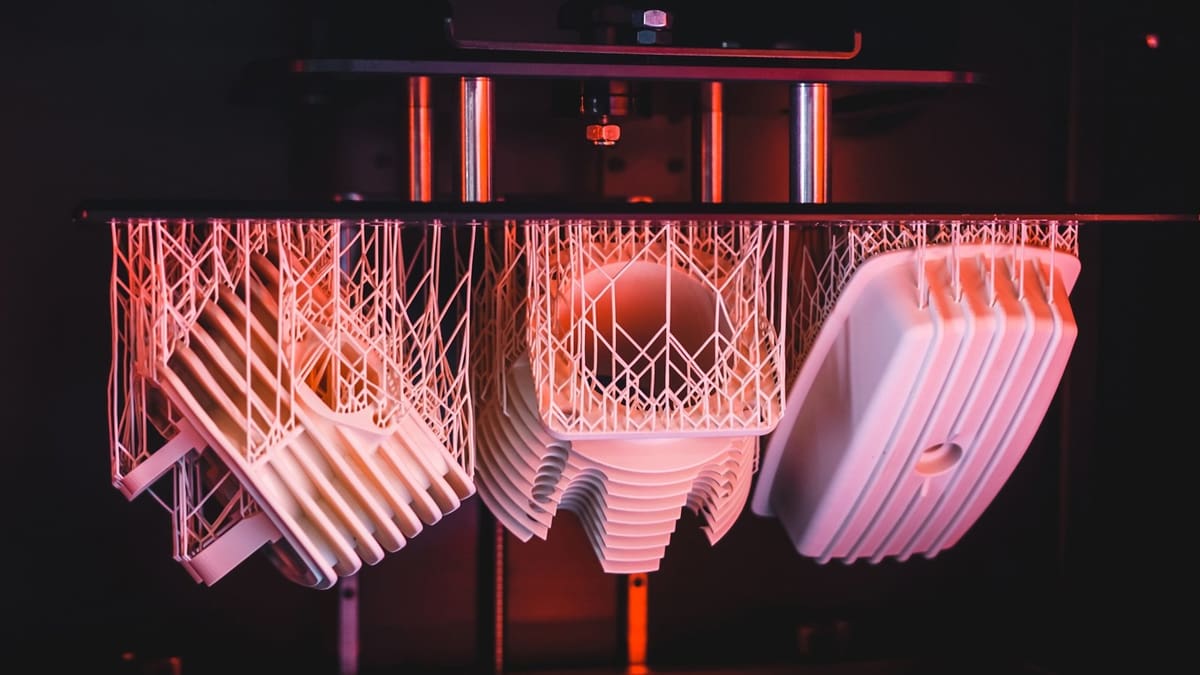
More engineers tasked with producing high-precision metal components, are turning to 3D printing molds, patterns, and cores since it can be the faster, cheaper, and more precise method. And material options are growing.
UK-based Photocentric just launched Cast DL60 ( $506 / 5 kg bottle), a resin engineered to deliver what it says is the clean, reliable, and highly detailed results demanded by modern manufacturing. It’s ideal for shell casting and flask casting, and compatible with all common metals and aerospace aluminium alloys.
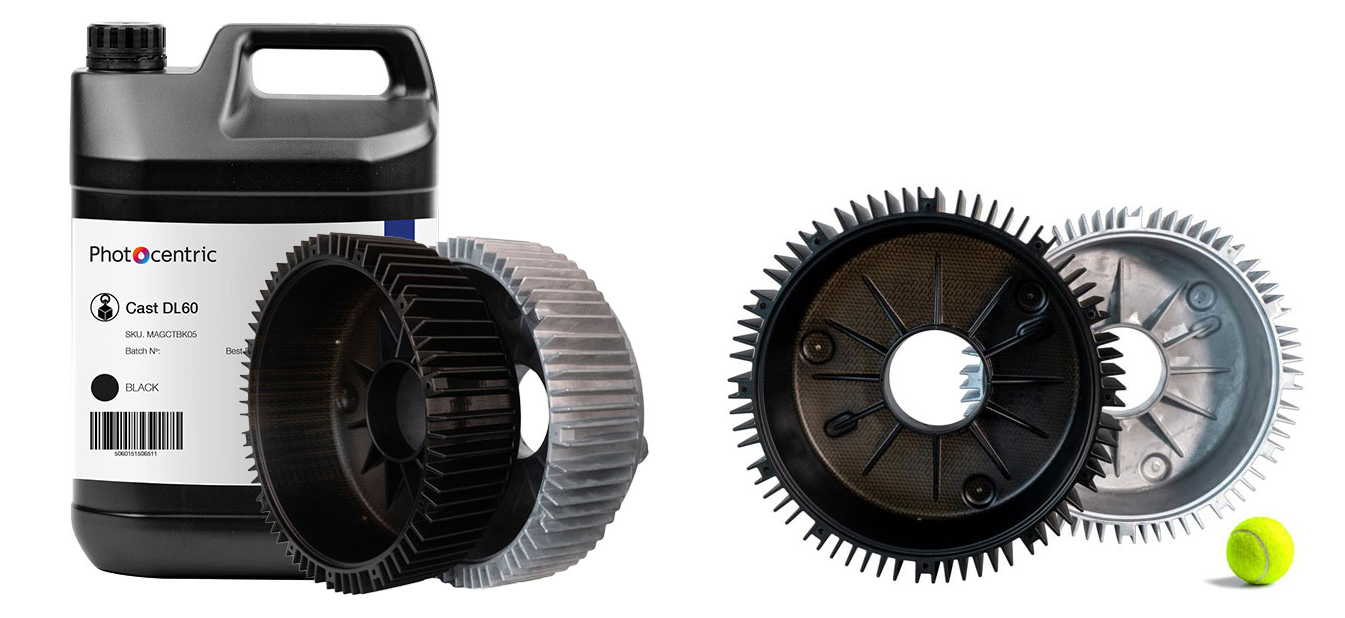
Cast DL60’s low-viscosity formulation produces low ash residue and predictable burnout behavior, according to Photocentric, ensuring clean cavities and smooth metal surfaces post-casting. The resin is antimony-free, reducing health and environmental concerns associated with some earlier castable materials.
Mold and casts display high green strength with self supporting parts that retain dimensional stability that are also moisture and humidity resistance

Cast DL60 was developed for the company’s LC Magna large-scale LCD resin 3D printing but is applicable to other open-material-platform 3D printers. The new formulation emphasizes both affordability and reliability, the company says, offering foundries and service bureaus a cost-effective alternative to traditional wax patterns and more expensive resin systems.
Photocentric says Cast DL60 is better than wax: “It has been engineered to exhibit waxlike behavior at elevated temperatures without the use of wax additives, eliminating the dimensional instability and difficult processing conditions often associated with wax-filled resins.”
CAst CL60 is Photocentric’s first casting resin on it’s menu of industrial 3D printing resins. Post-processing involves washing with standard Photocentric cleaning solutions followed by oven curing at 100 °C for approximately four hours to achieve optimal surface integrity.
Cast DL60 – Technical Specifications
Photocentric recommends a staged burnout cycle, ramping from 150 °C to 780 °C, followed by an 8-hour hold and 2-hour cooling phase—well-suited to industry-standard investment powders such as R&R Plasticast.
You May Also Like:

Never Miss Any Additive Manufacturing News, New Printers, or Guides:

License: The text of "Photocentric’s New Casting Resin Promises to Solve a Major Industrial Casting Problem" by All3DP Pro is licensed under a Creative Commons Attribution 4.0 International License.