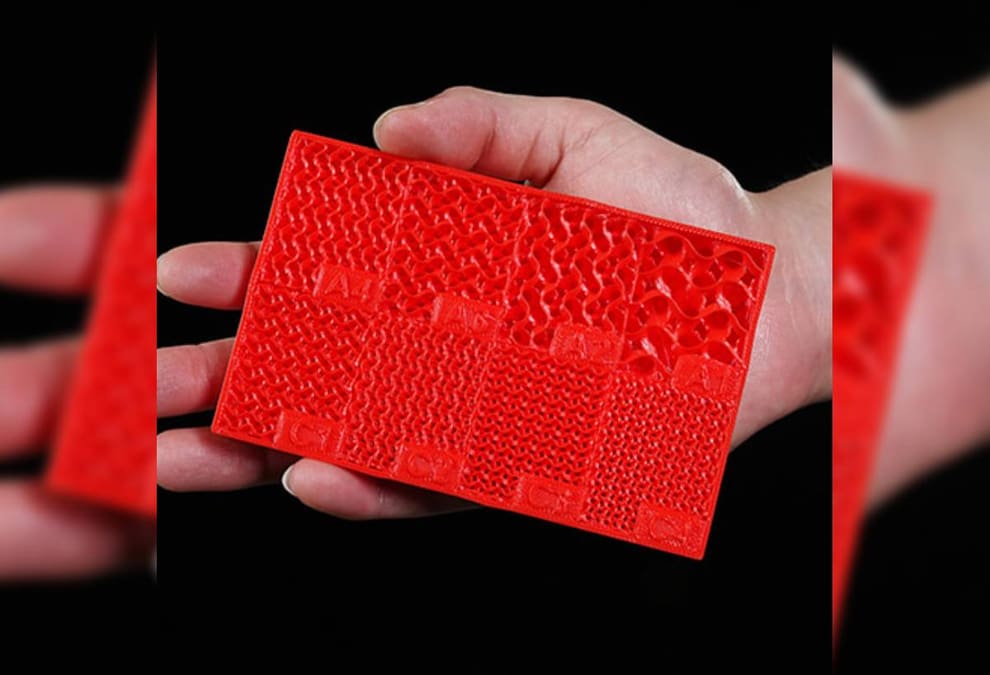
PCBWay Slashes Flexible TPU Printing Prices by up to 80%

In a move set to give your prototyping and production a little more flexibility, manufacturing service provider PCBWay has announced a limited-time price cut on TPU prints through its 3D printing service.
Under the new pricing structure, valid until September 30, the starting price for parts printed in TPU via fused deposition modeling (FDM) has dropped from $12.45 to just $7.96. To incentivize larger projects, the PCBWay has tiered the savings, giving steeper cuts for bigger orders. While the specific tiers are not published, the structure is seemingly designed to reward volume; for prints weighing over 64 grams, discounts can reach as high as 80%.
A component weighing 100 grams, for instance, might see a 50% reduction, while a larger 250-gram part could approach the maximum discount. This pricing strategy makes TPU a far more cost-effective option, particularly for larger functional components or small-batch production runs.
TPU is a versatile thermoplastic elastomer valued for its unique combination of flexibility, durability, and high resistance to abrasion, chemicals, and impact. Unlike rigid materials like PLA or ABS that would fracture under stress, TPU can deform and for the most part return to its original shape. These properties make it a popular choice for a wide range of applications, including functional prototypes, medical devices, industrial seals, gaskets, and grippers and protective components for consumer electronics.
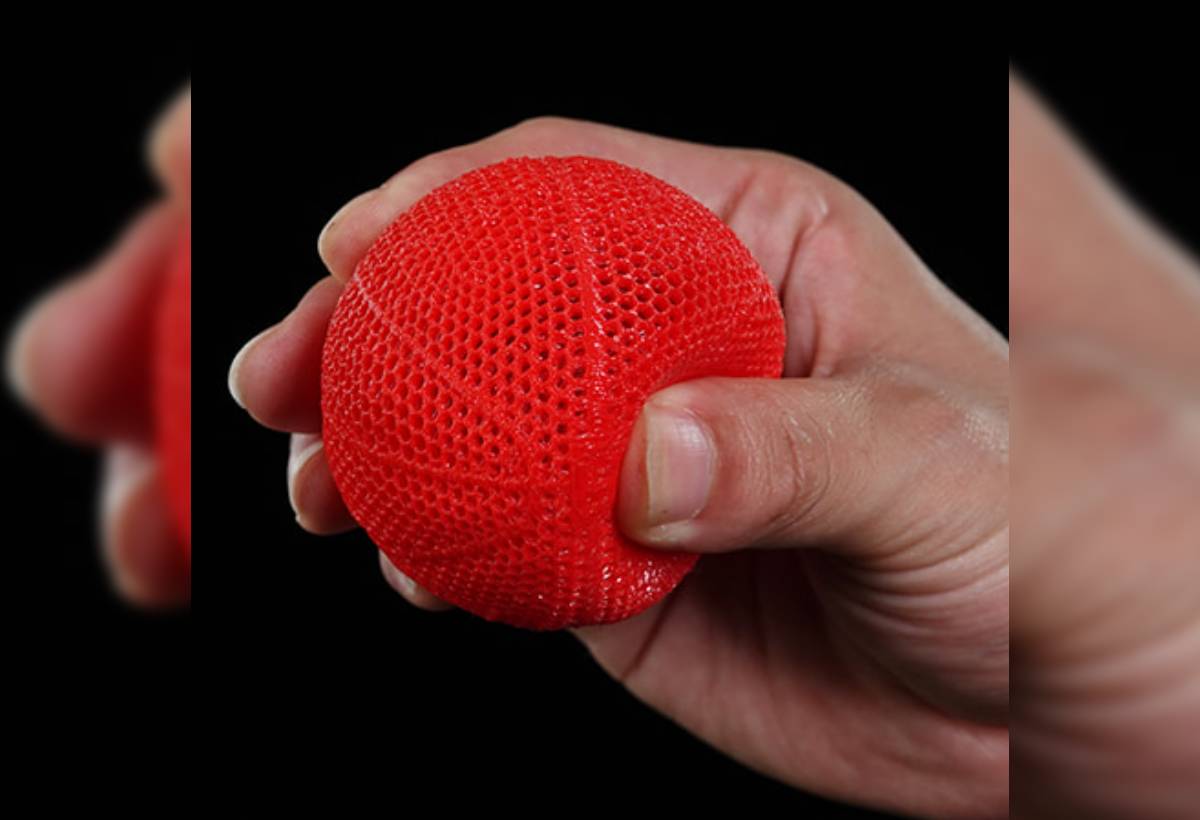
The specific TPU offered has a Shore hardness of 95A, placing it at the harder end of the spectrum of flexible materials – comparable to the hardness of a “soft” smartphone case. This offers a common balance of pliability and firmness suitable for models requiring both structural integrity and flexibility, from custom grips and housings to gaskets and wheels.
This dazzling versatility typically comes at the cost of it being a tricky material to print at home. Not all desktop 3D printers are up to the task, and it requires drying before printing for optimal results. That’s why it’s often a smarter, more cost-effective route to have it printed by a service. Post-processing TPU can present challenges, too. Compared to rigid plastics, it’s difficult to sand effectively, and gluing and painting require specialized flexible adhesives and paints to prevent cracking or peeling when the part flexes. However, its inherent resilience often makes it ideal for end-use parts that must withstand significant wear and tear.

PCBWay’s TPU promotion coincides with the service’s 8th Project Design competition, giving mechanically-inclined entrants a handy way to save on flexible components. Those interested can get an instant quote by uploading a printable file on the PCBWay website.
Read more recent news:
License: The text of "PCBWay Slashes Flexible TPU Printing Prices by up to 80%" by All3DP is licensed under a Creative Commons Attribution 4.0 International License.