Bambu Lab Should Take the Pebble Way

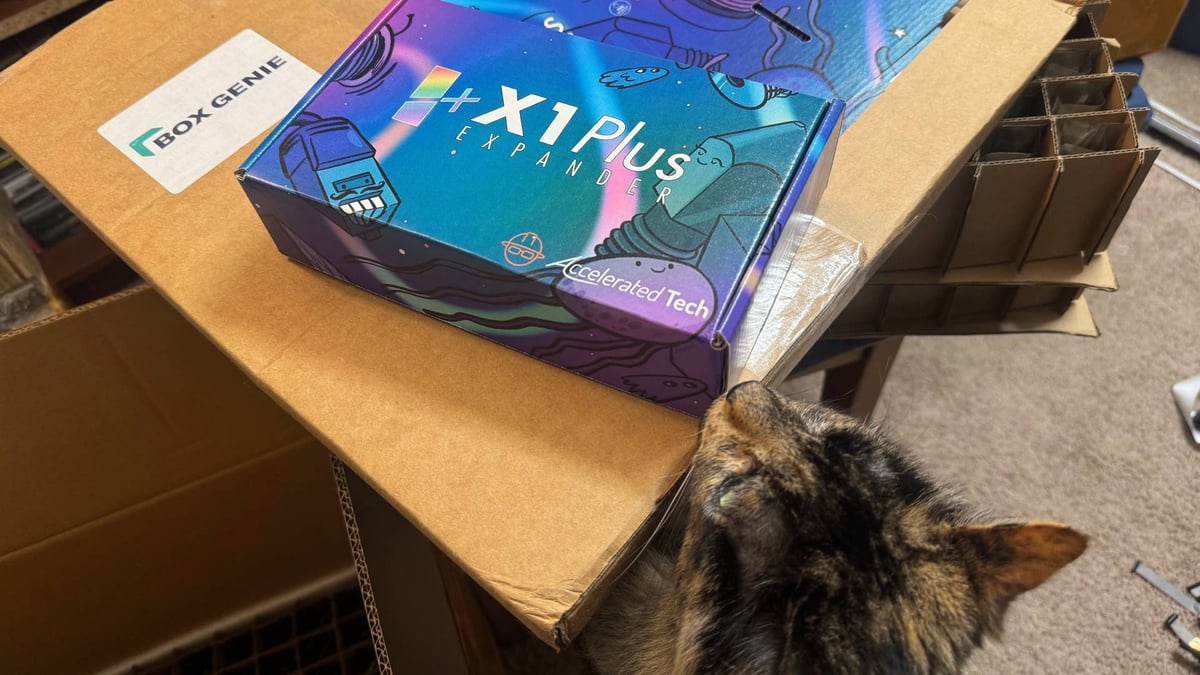
A consulting engineer and developer of the X1Plus custom firmware and X1Plus Expander board for the Bambu Lab X1 Carbon, Joshua Wise shares his thoughts on Bambu Lab's current path, and suggests an alternative.
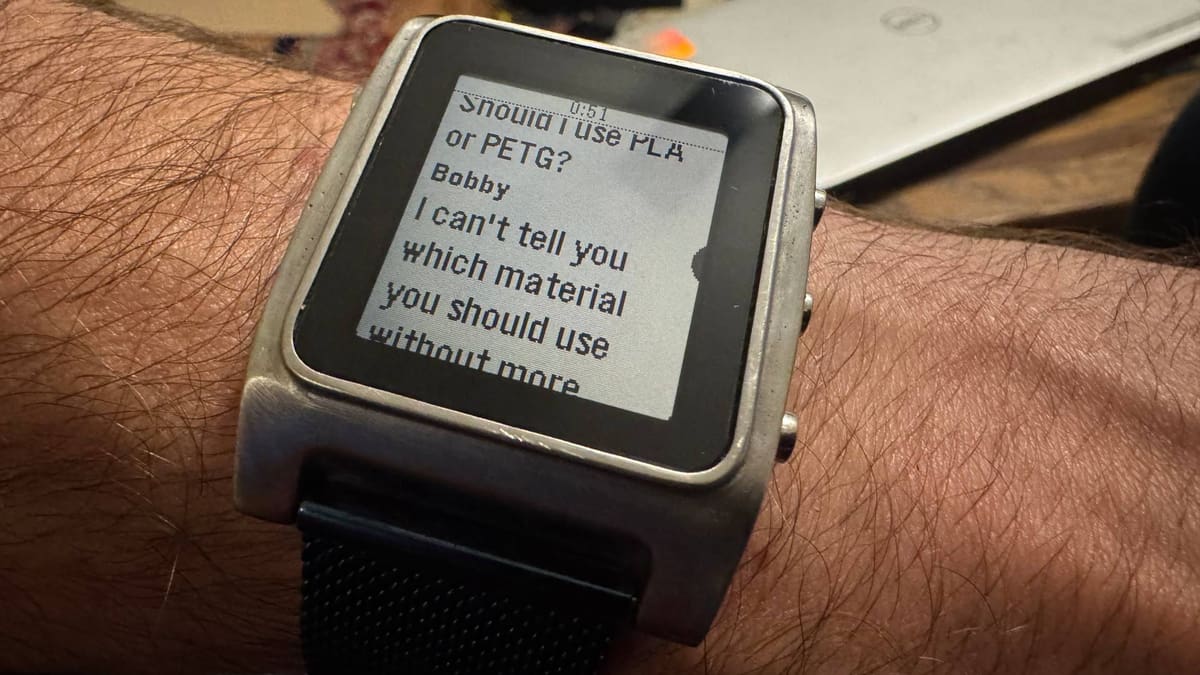
In December 2023, I spent a lot of time on the phone with Bambu Lab’s CEO, Dr. Ye Tao. I was preparing for the release of X1Plus, my custom firmware for Bambu’s X1 Carbon. We talked a lot about printers, and user choice, and the mechanics of how they could safely unlock printers. But somehow, we also kept coming back to talking about… smartphones.
In 2007, Apple launched a first-of-its-kind device, the iPhone. A year later, Google and the Open Handset Alliance launched the first Android phone. The approaches that the two platforms took couldn’t have been more different. Apple had a hermetically sealed ecosystem on day one: only Apple could write programs for iPhone – a laser-sharp focus on user experience.
On the other hand, Android came in wide-open. Developers were invited to build apps as soon as the phone launched. The cost of this approach was that they relied on that ecosystem to build their platform for them across all areas; hardware, firmware, applications and the user experience. Initial reviews of the first Android phones were hopeful but critical of missing functionality, and Google’s Android platform was plagued by phones with carrier bloatware and inconsistent performance.
Tao and I both used rooted Android phones for a long time – we rooted them just because we wanted more control over our software (in 2010, I was even part of a team that wrote an Android jailbreak.)
In those conversations, he explained that he saw these as the two possible paths for Bambu – and that he’d chosen the Apple way since he wanted 3D printing to work right out of the box. This made sense to me at the time, though obviously, I didn’t agree with it and I wished he’d chosen the Android way.
The more I thought about it, though, the more I realized we had both found a false dichotomy. We saw the difference as being modifiability versus product quality.
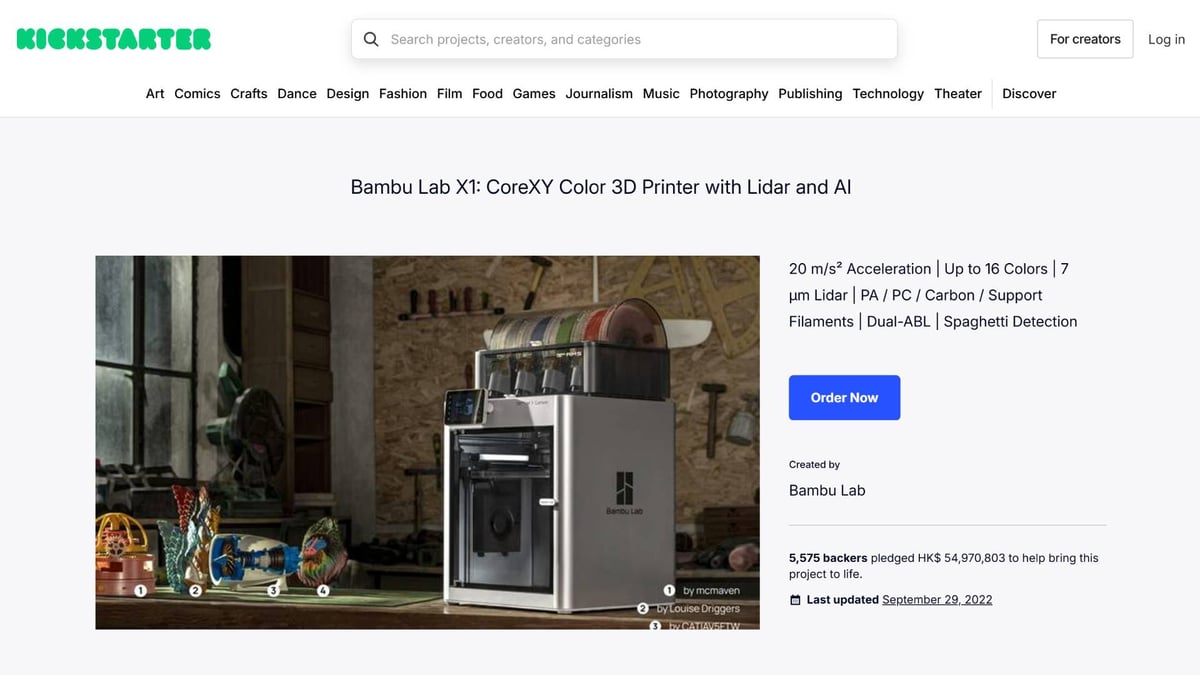
I want to offer a third option. In 2012, one of the very first smartwatches launched on Kickstarter – an e-paper watch called Pebble.
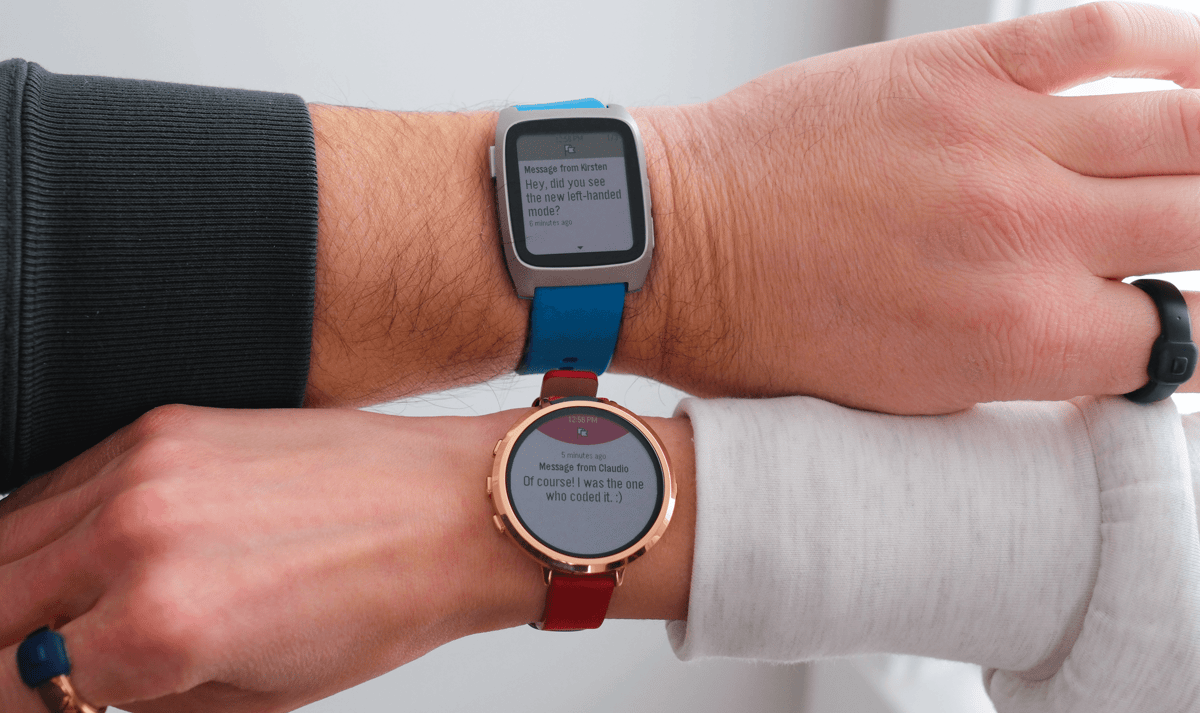
Pebble watches had a great user experience. People loved them because founder Eric Migicovsky, and his team, held deep empathy for Pebble users. They focused on providing great first-party apps, with a great UI. But Pebble users still wanted to mold their watches to fit them personally, with their own custom apps and tweaks.
The Pebble model sat right in the middle: although they had closed source firmware, they encouraged users who cared to, to write apps and modify their watches. They gave developers licenses to redistribute changed firmware – one enthusiast even patched in support for right-to-left languages, all without PebbleOS source code.
Bambu Lab believes that their success comes from their closed, tightly controlled ecosystem. I disagree: the reason Bambu Lab succeeded is because, plain and simple, they made a great product. Pebble proved it’s possible to make a great product and to make it modifiable, developable, and hackable.
Makers, definitionally, are unsatisfied with the world around them as it is, and want it to be better. Makers will make their world around them better if you let them… and, in fact, even if you don’t let them.
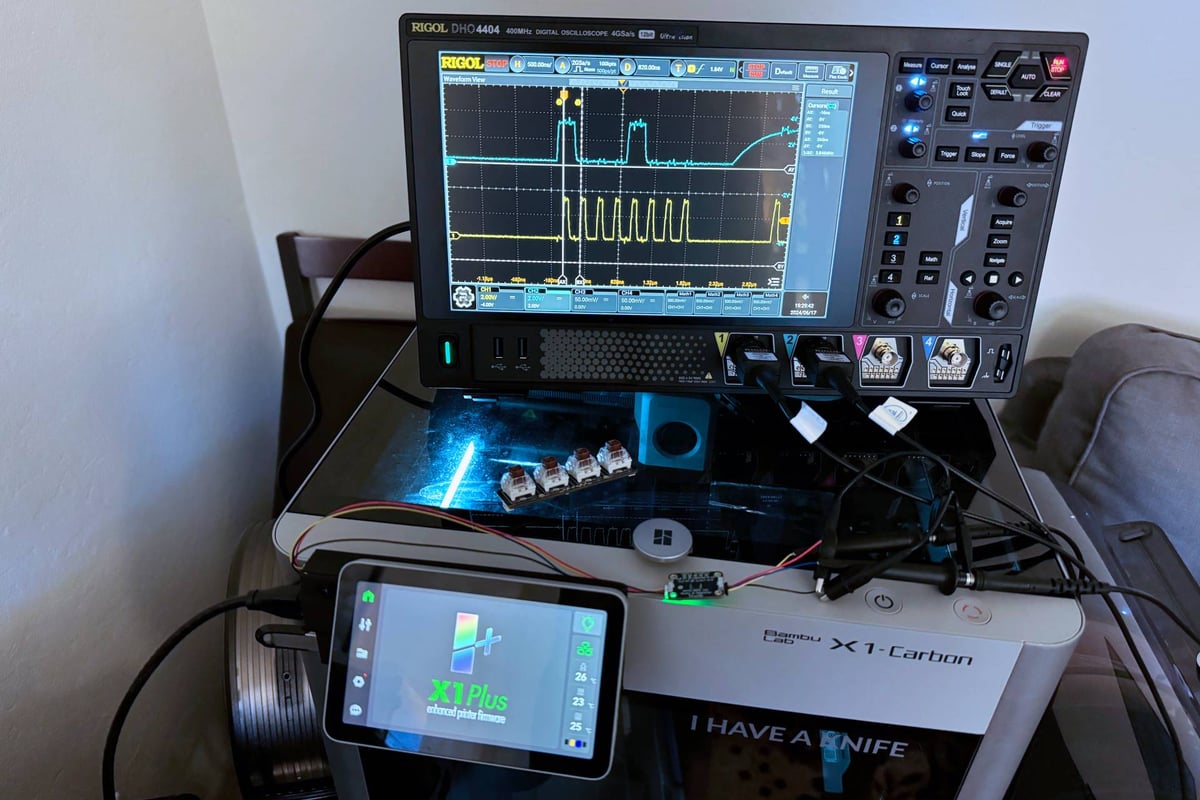
As part of the X1Plus project, our community improved on Bambu’s product, and did it in line with Bambu’s interests. We enabled security-conscious users to lock their printers down to their LAN; shared-use spaces like libraries to add a screen lock; power users to tram their beds down to the last 0.1mm; and makers to just put their own splash screen on their own hardware (a surprisingly popular feature!). It was never Bambu Lab’s intention for something like X1Plus to happen, yet through collaboration, it did: our work made Bambu’s position stronger at no cost to them.
I submit that makers don’t simply want the binary Android or the Apple way in 3D printing. Makers want to tweak and improve their world and their tools, and this can be good also for the people who make the tools.
Bambu Lab can make simple changes to rebuild trust with makers. Going forward, the company should commit to letting users customize the software on the printers they own and let users customize their slicers without giving up their ability to print through the cloud. The community will reward Bambu Lab by making their product better.
Bambu Lab should choose the Pebble way. They can keep their source closed, but accommodate and encourage interoperability with community works. If they do, Bambu Lab and its users will both be stronger, together.
Recent news:
License: The text of "Bambu Lab Should Take the Pebble Way" by All3DP is licensed under a Creative Commons Attribution 4.0 International License.