Bambu Lab Just Dropped a ‘Pure’ PLA: Here is What’s Actually Inside It

Bambu Lab's low-emission, five-ingredient formula promises cleaner home 3D printing, but important safety caveats remain for your actual prints.
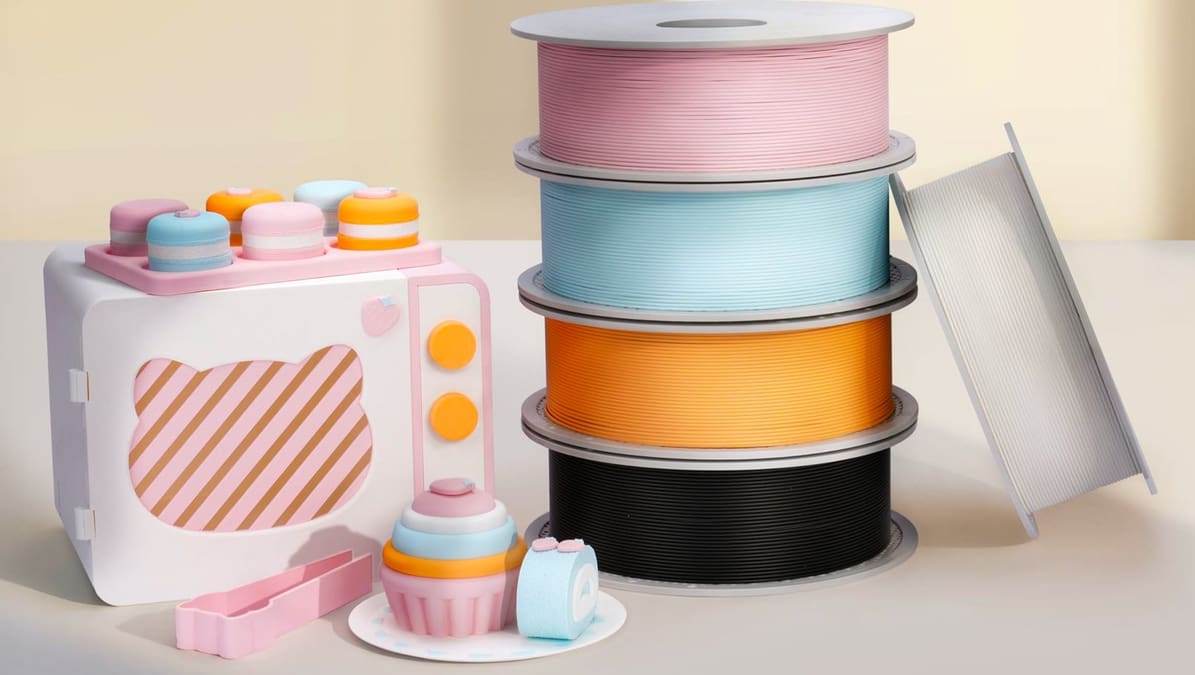
Bambu Lab just launched a new filament line called PLA Pure ($24.99), currently in five colors, that it says is “engineered for cleaner, safer home 3D printing.”
This is certainly something the industry needs; a filament that has fewer chemical additives and emits fewer harmful fumes. Bambu Lab’s new material appears to be backed by new certifications and lab testing.
Bambu Lab says PLA Pure was tested for emission levels under the UL Greenguard program using the standard method for evaluating particle and chemical emissions from non-industrial 3D printers and feedstock, called UL 2904.
Earning Greenguard certification means your materials, when being printed (in this case on A1 and A2L printers for four hours), have emissions below set limits. So Greenguard is a low-emissions certification, not necessarily an “air quality safety certification.” There are still emissions. The same Bambu Lab materials say “proper ventilation is still recommended to minimize inhalation of any printing byproducts.”
Still, achieving this Greenguard certification is a milestone for Bambu Lab. Prusa’s Prusament PLA and PETG also have it, but few others do.
What PLA Pure Is Made Of
Bambu Lab’s next boast is the five-ingredient list for PLA Pure. It’s made from PLA, acrylic copolymer, coloring pigments that have EU compliance for food safety, ethylene bis-stearamide, and asbestos-free talcum powder, all sourced from major chemical companies, like Dow and BASF.
That’s a nice level of transparency for a PLA. Few material makers disclose their polymer makeup. All of these ingredients individually, and the final filament, have food-contact certification EU No. 10/2011.
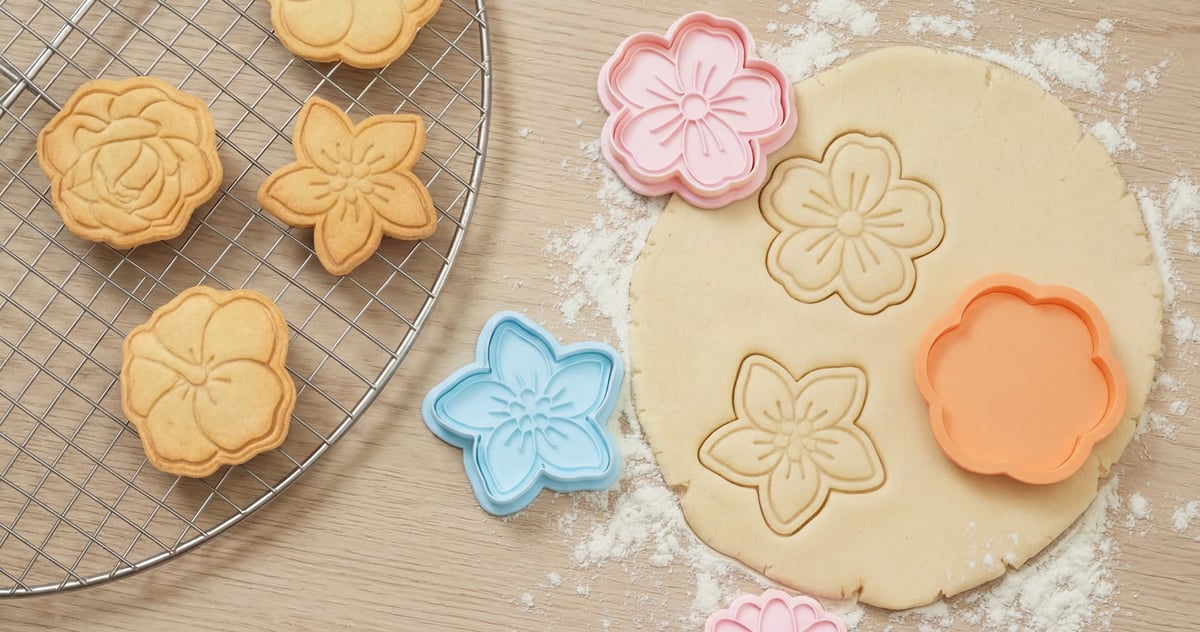
Yet, one important caveat Bambu Lab makes in a footnote is that only filament is certified food safe, not what you print with it.
“Whether a specific printed object is suitable for a particular application depends on factors such as equipment hygiene (especially nozzle cleanliness), printing conditions, and how the object is ultimately used,” Bambu Lab says. So consumers should not assume that their parts are food-safe just because they’ve printed with PLA Pure.
PLA Pure, like most all PLAs, starts to warp above 60 ºC and shouldn’t be used in a dishwasher.
PLA Without the Harmful Additives
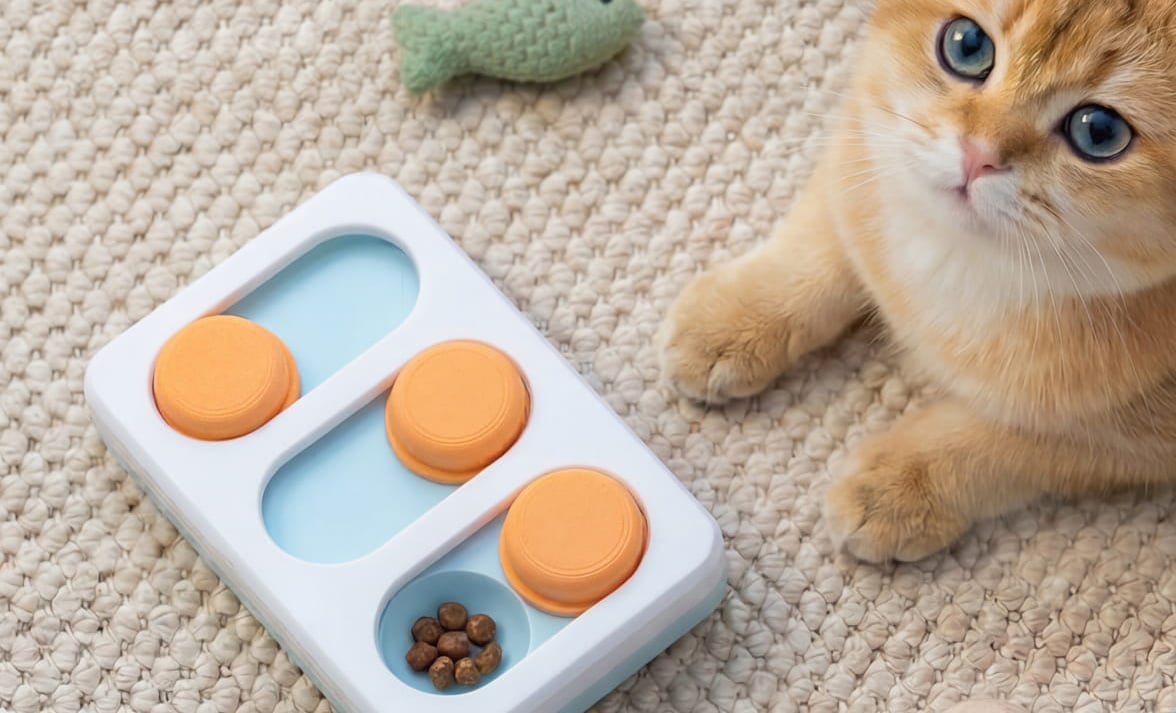
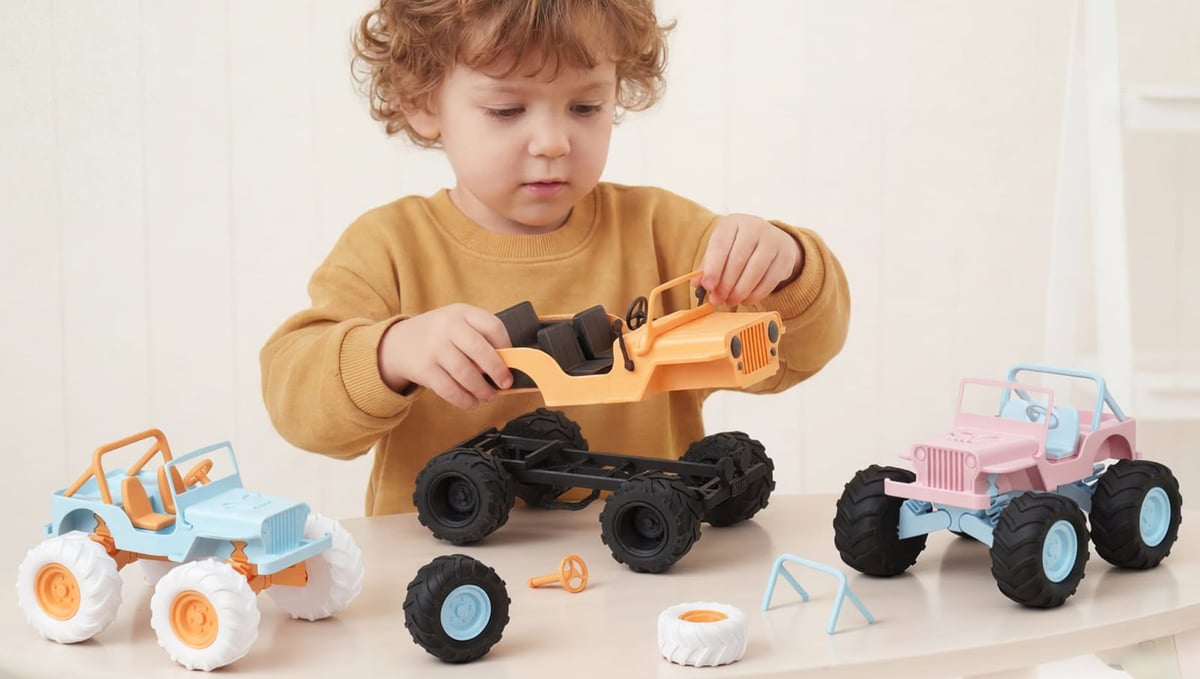
Another safety test that PLA Pure passed was for migration of regulated elements under European EN 71 toy-safety standards. In other words, 3D printed parts, under the testing conditions, did not transfer harmful amounts of elements like lead, mercury, and arsenic to someone by handling the part. This should be a wakeup call for anyone printing toys with anything less.
PLA can contain pigments, plasticizers, fillers, nucleating agents, stabilizers, recycled content, and residues from processing that are not specifically disclosed. Harmful chemicals can come from either the filament composition or from thermal degradation during printing.
Yet, Bambu Lab’s implications that PLA Pure is toy-safe, isn’t the full story. Bambu Lab says passing this test makes its PLA Pure suitable for models meant to be handled and played with, such as a toy kitchen plate, a small car, or a cat toy, but cautions that there’s more to toy safety than the material. Bambu Lab does not claim compliance with the other aspects of the EN 71 toy safety standards, that cover mechanical or physical safety.
Printing Quality
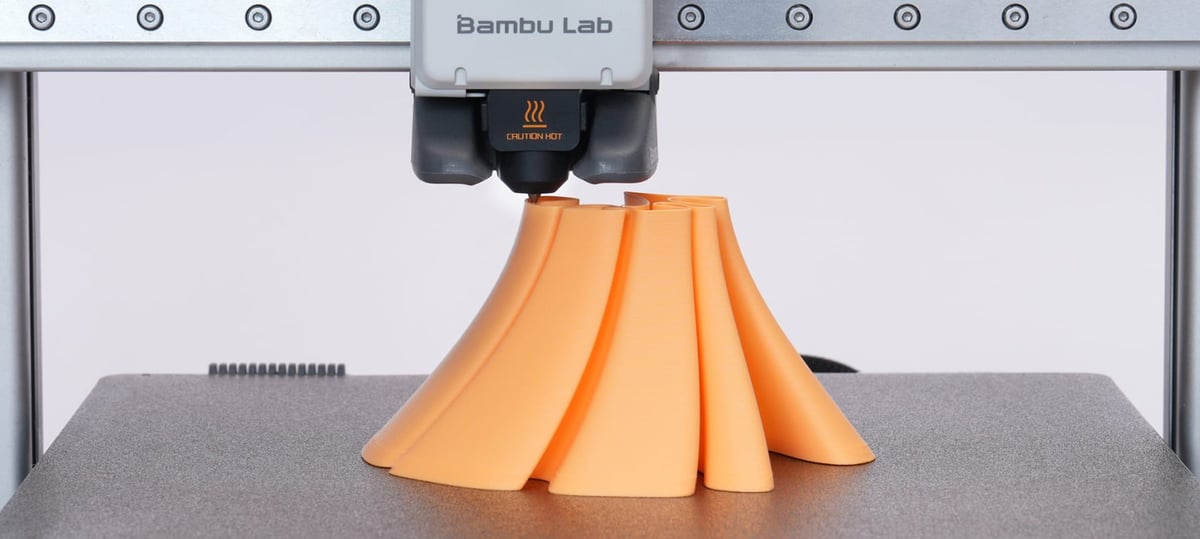
In its quest to positioned PLA Pure as the “Organic Food of 3D printing filaments, emphasizing a clean, five-ingredient formula that prioritizes health without sacrificing quality,” according to its marketing materials, quality printing was also a priority.
Bambu Lab says it removed the additives that many PLA filaments have for easy printability and durability, by reformulating the five core ingredients. “Bambu Lab rebuilt the formulation from scratch—iterating until the chemistry alone could deliver what additives typically do,” the company says.
PLA Pure matches PLA Basic in mechanical performance, according to Bambu Lab, with layer adhesion comparable to most PLA materials on the market.
PLA Pure is available now at Bambu Lab Official Store. PLA Pure is AMS compatible.
You May Also Like:
License: The text of "Bambu Lab Just Dropped a ‘Pure’ PLA: Here is What’s Actually Inside It" by All3DP is licensed under a Creative Commons Attribution 4.0 International License.
CERTAIN CONTENT THAT APPEARS ON THIS SITE COMES FROM AMAZON. THIS CONTENT IS PROVIDED ‘AS IS’ AND IS SUBJECT TO CHANGE OR REMOVAL AT ANY TIME.