New Study on Classroom 3D Printer Fumes Highlights a Critical Safety Tool: The Enclosure

A new study confirms that 3D printers in classrooms can pose a moderate risk. Learn the proactive steps you can take to manage emissions effectively.
In mid August, just in time for schools to start for the new year, a new research report issued an alarming finding: Up to 80 % of the hazardous chemicals detected in classrooms could be associated with 3D printers during use.
Yet, beneath the attention-grabbing headline, the researchers’ own data showed that there are “minimal to moderate” levels of ultrafine particles in printer rooms. The rooms studied were in K-12 schools and university settings that were “not initially designed or operated for emission sources like 3D printers.” In other words, rooms with low ventilation. Plus, the report does not mention whether the 3D printers used were enclosed or unenclosed, nor does it specifically describe the presence or absence of any covers, housings, or air filters.
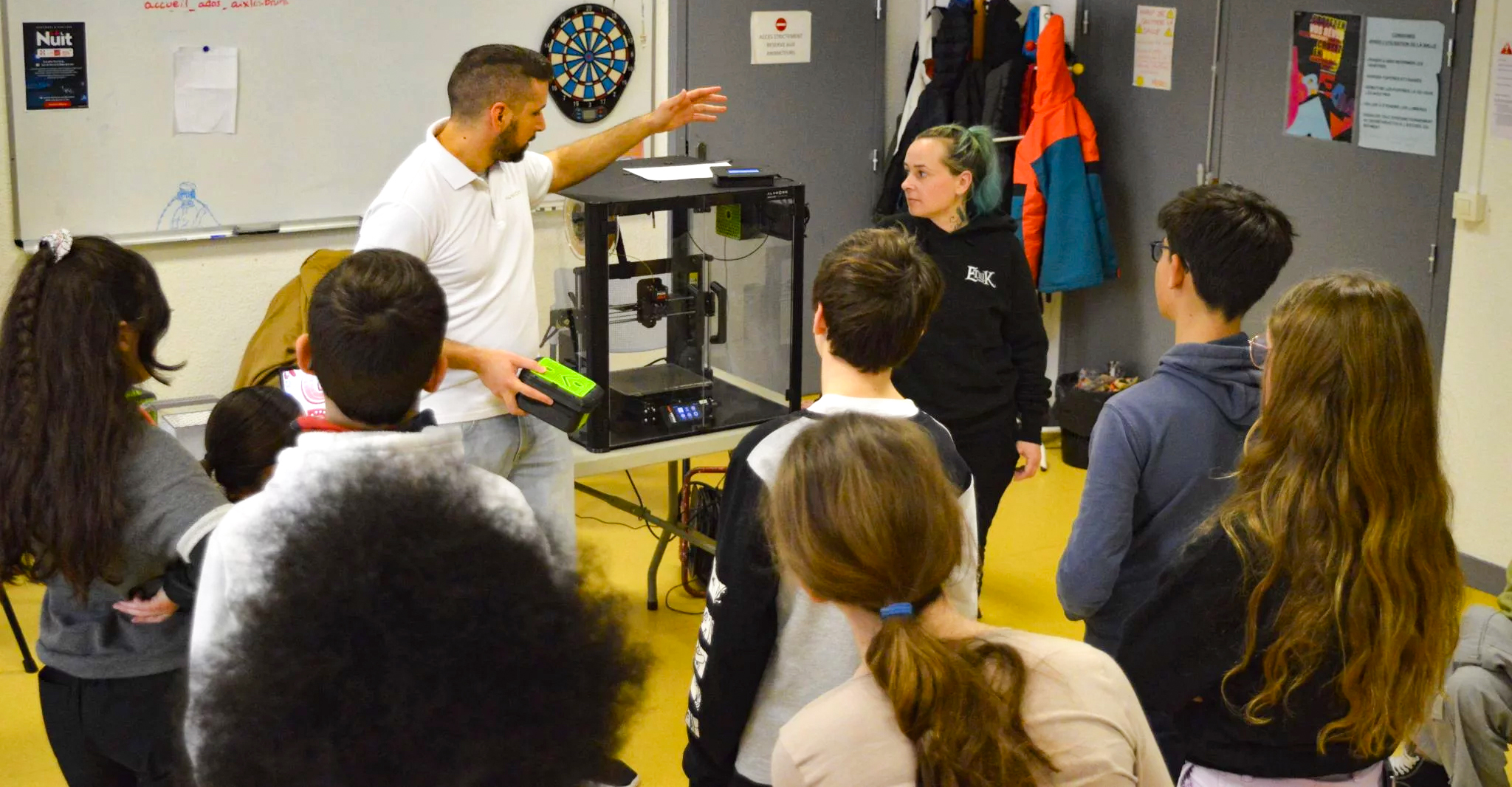
This ambiguity highlights a critical point for users: a well-ventilated room is not the same as a sealed and filtered enclosure. The most significant factor in managing emissions is actively cleaning the air within its print volume.
Despite the shortcomings of this study, published in the journal Building and Environment, there’s no doubt that 3D printers do emit fumes. Yet, “when it comes to 3D printing, emissions are often misunderstood or underestimated, especially by hobbyists, educators, and even some manufacturers,” says Minh Cuong Doan at the French 3D printer enclosure maker Alveo3D. “From ultrafine particles (UFPs) to volatile organic compounds (VOCs), the air around your printer can become a source of hidden health risks if not properly managed.”
Because there are no regulated standards in the U.S. for acceptable indoor air pollutant levels in non-industrial environments, such as homes, offices, and schools, educators have come to rely on a 2023 guide from Chemical Insights, a research institute of Underwriters Laboratories (UL), that targets the use of 3D printing at universities and within student labs and housing, but it’s applicable to anyone looking to buy a printer and print safely.
In fact, the “UL 200B: Guidance Document for Safe Use of 3D Printing for Institutions of Higher Education” covers virtually all of the best practices for safety, and many you may never have thought of. Still, there are a few unique elements to the new Building and Environment research.
Long-Term Exposure Risks
The most recent research found that while FDM 3D printing poses limited immediate risk, cumulative exposure, especially among children, warrants careful monitoring and improved air quality management practices in educational settings.
Today’s unenclosed FDM 3D printers may be the budget option for schools, but they present the largest risk, even when using a bio-based material, such as PLA.
“While PLA emits fewer ultrafine particles and VOCs than ABS or ASA, it still emits particles that may irritate the respiratory system, especially in poorly ventilated areas or with prolonged exposure,” notes Doan.
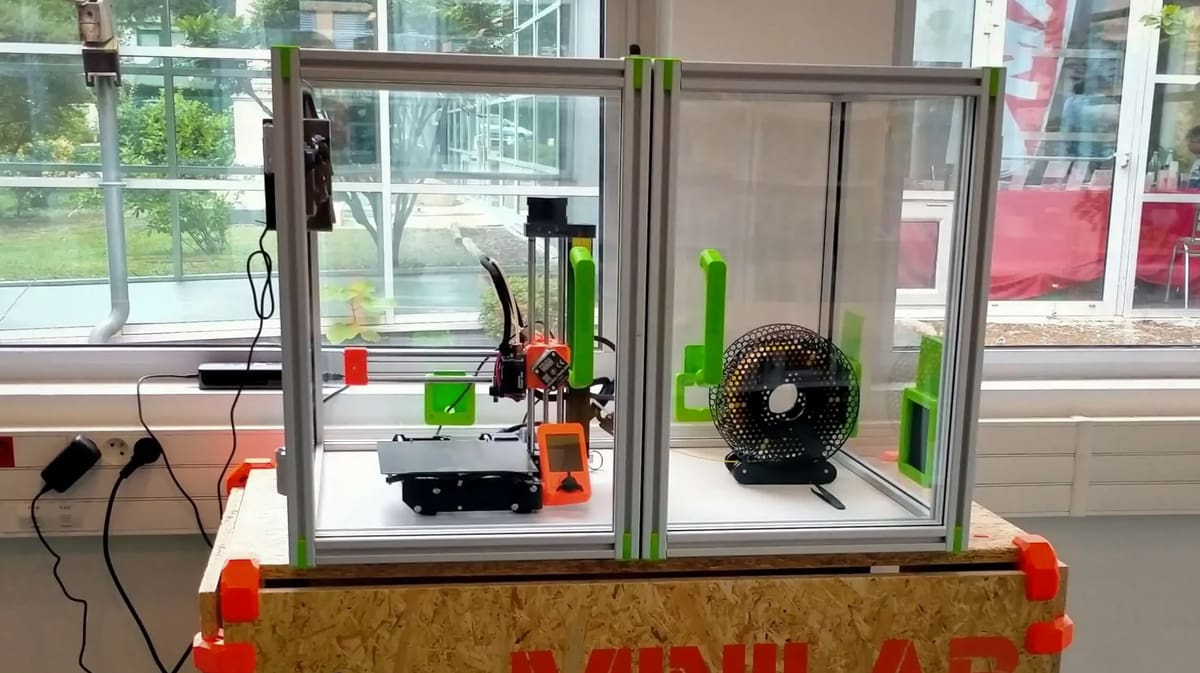
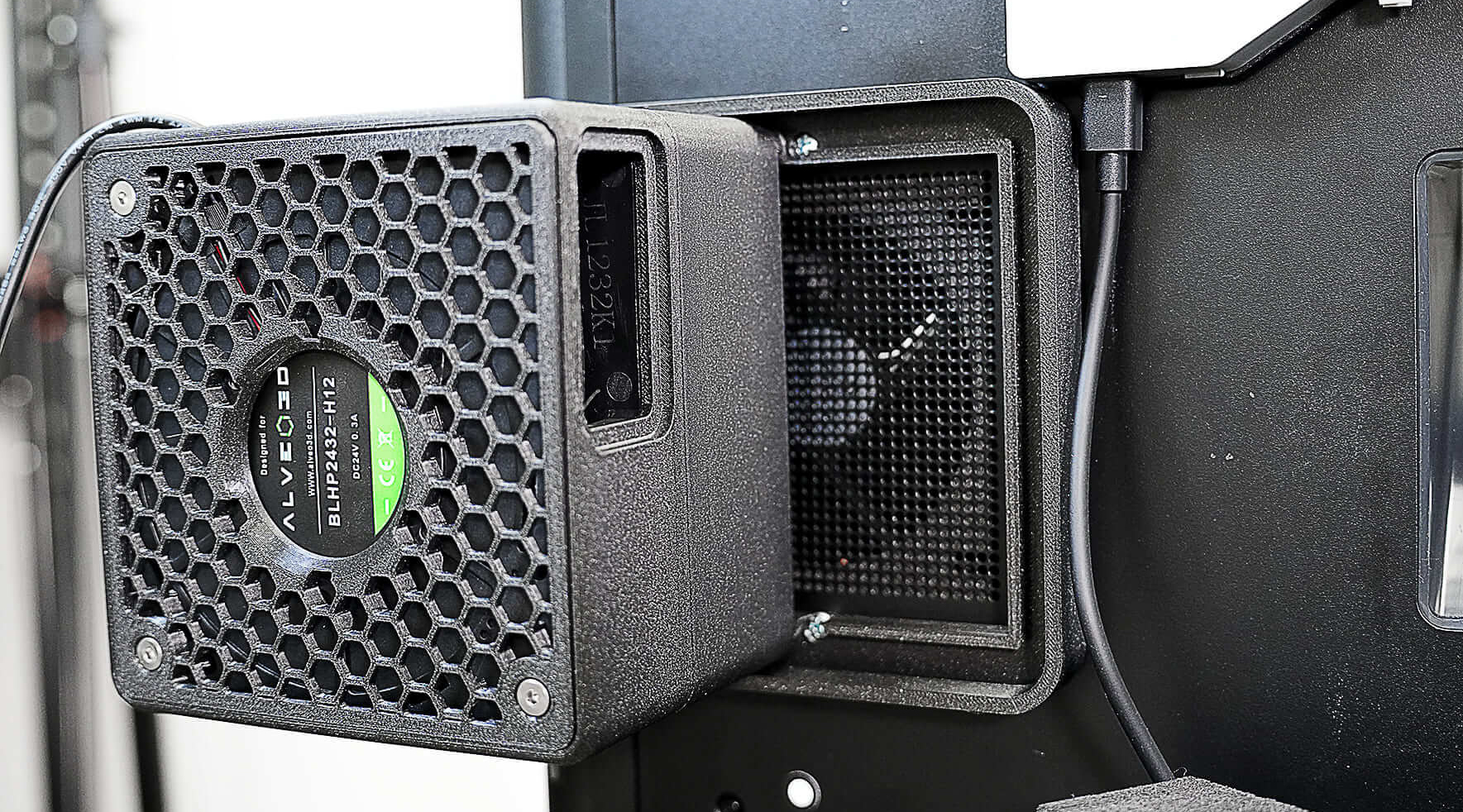
Naturally, Doan recommends a filtered enclosure for any classroom or office environment. All3DP chose Alevo3D custom-built enclosures for our own print lab that are equipped with air filters specially designed for 3D printing environments to catch ultrafine particles and VOCs.
Stirring Up the Fumes
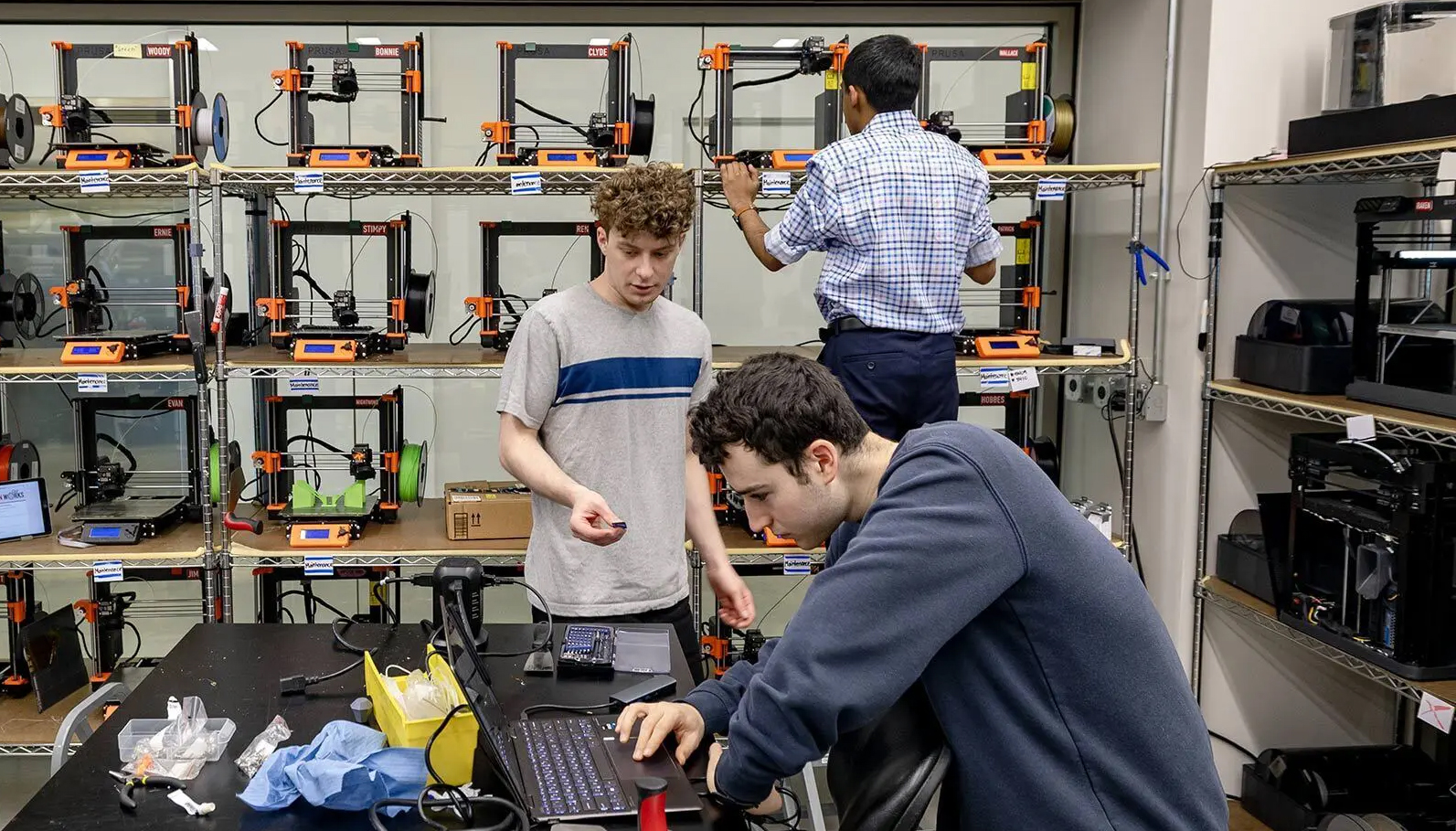
Among the 200+ VOCs detected in the recent research, the study consistently found several chemicals of concern linked to 3D printing. Key culprits included:
- Aldehydes like formaldehyde and acetaldehyde, which are known carcinogens.
- Aromatics like styrene (a carcinogen) and toluene (a developmental toxin).
- Siloxanes (like D4 and D5), which are common in personal care products, were also consistently emitted by the printers.
“Containing these specific emissions is key,” says Doan. A well-designed enclosure creates a controlled environment where specialized filters, such as activated carbon and HEPA filters, or our custom-made filters, can effectively scrub the air of these harmful compounds before they enter your room.”
Unique to the Building and Environment research was a finding that indoor ultrafine particles (UFPs) settle on services and everyday human actions—like moving, cleaning, and interacting with equipment—which can disturb settled particles and alter air pollutant concentrations.
This is another argument for an enclosed 3D printer with filters that keep particles from escaping and settling on outside surfaces.
“This is where high-quality enclosures with continuous air filtration, like those developed by Alveo3D, provide an added layer of safety by capturing these lingering VOCs before the door is ever opened,” notes Doan.
Lots of Other Things Pollute the Air
The last distinguishing factor of the new research is the researchers themselves bringing a different perspective to this look at 3D printer fumes. All three authors, Qian Zhang, Mark Wilson, and Marilyn S. Black, have studied air pollution in other environments and from other sources, such as vaping and combustion generator emissions. They found that while 3D printing was a significant source of the most hazardous VOCs, it wasn’t the only polluter in the classroom. In fact, cleaning products and personal care products were also major sources of the total VOCs detected.
Access the “Impact of 3D printing on indoor particulate matter and volatile organic compounds in educational environments” research online.
You May Also Like:
License: The text of "New Study on Classroom 3D Printer Fumes Highlights a Critical Safety Tool: The Enclosure" by All3DP Pro is licensed under a Creative Commons Attribution 4.0 International License.