Six Ways to 3D Print Aluminum Covering Every Budget & Application

From the most accessible methods of aluminum 3D printing to the most powerful industrial solutions, which one is right for you part?
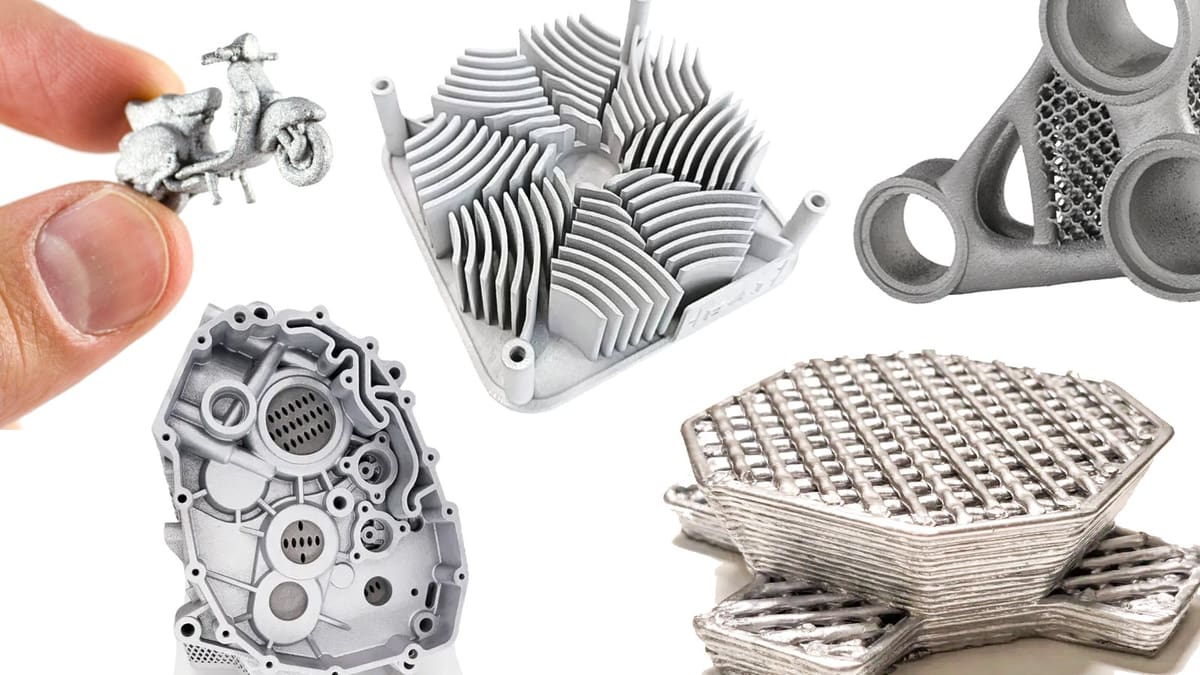
From small machinery spare parts and bicycle frames to satellite antennas and rocket nozzles, applications for 3D printed aluminum parts are expanding due to new aluminum materials (developed specifically for additive manufacturing) and the growing range of 3D printers that can turn the material into just about anything. There are also more 3D printer services on the market to develop and deliver pure and alloy aluminum parts.
Once the exclusive domain of aerospace giants and F1 teams, 3D printing with aluminum is now more accessible than ever. But with new technologies come new questions: Which method is right for your project and your budget?
In this guide, we’ll break down the five primary ways to create aluminum parts, from methods you can use via online services for a few hundred dollars to the industrial machines that build rocket engines. We’ll cover the technology, the cost, and the printers that do it best, so you can make the right choice.

So, Why Aluminum?
3D printed aluminum is often faster, cheaper, and can deliver parts with far more complex geometries only possible with additive manufacturing. If you want to explore why organizations from NASA to Tesla are 3D printing in aluminum, check out our full guide to 3D printing aluminum. Here, we focus on “how” including printers and budgets.
Method 1: The Budget Option, Desktop 3D Printing
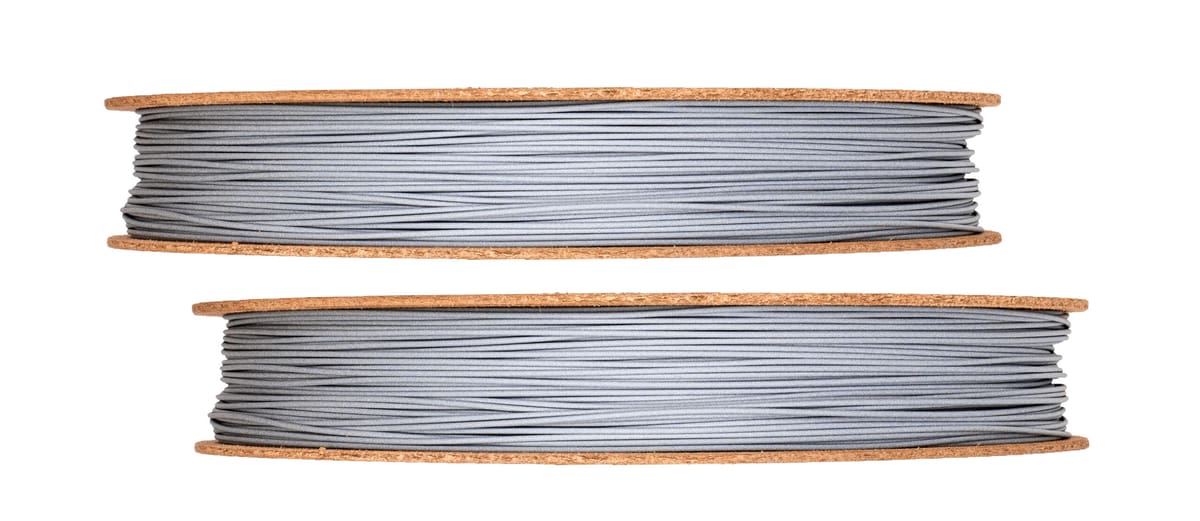
If affordable in-house prototyping and functional part 3D printing in aluminum is what you’re after, unfortunately, there aren’t many options. Although you can use a desktop FDM 3D printer with metal filament to craft solid metal stainless steel parts, aluminum is far less common.
Only one company we know of currently offers an aluminum metal filament designed for making metal parts (after a debinding and sintering process that removes the polymer from the metal powder). The Aluminum 6061 Filamet ($149/.25kg) filament from The Virtual Foundry contains about 67% aluminum powder in its polymer strand. The company says you can achieve parts with a metal density around 93% if you sinter it in a furnace at a high enough heat and for a long enough time to shrink the part 20%.
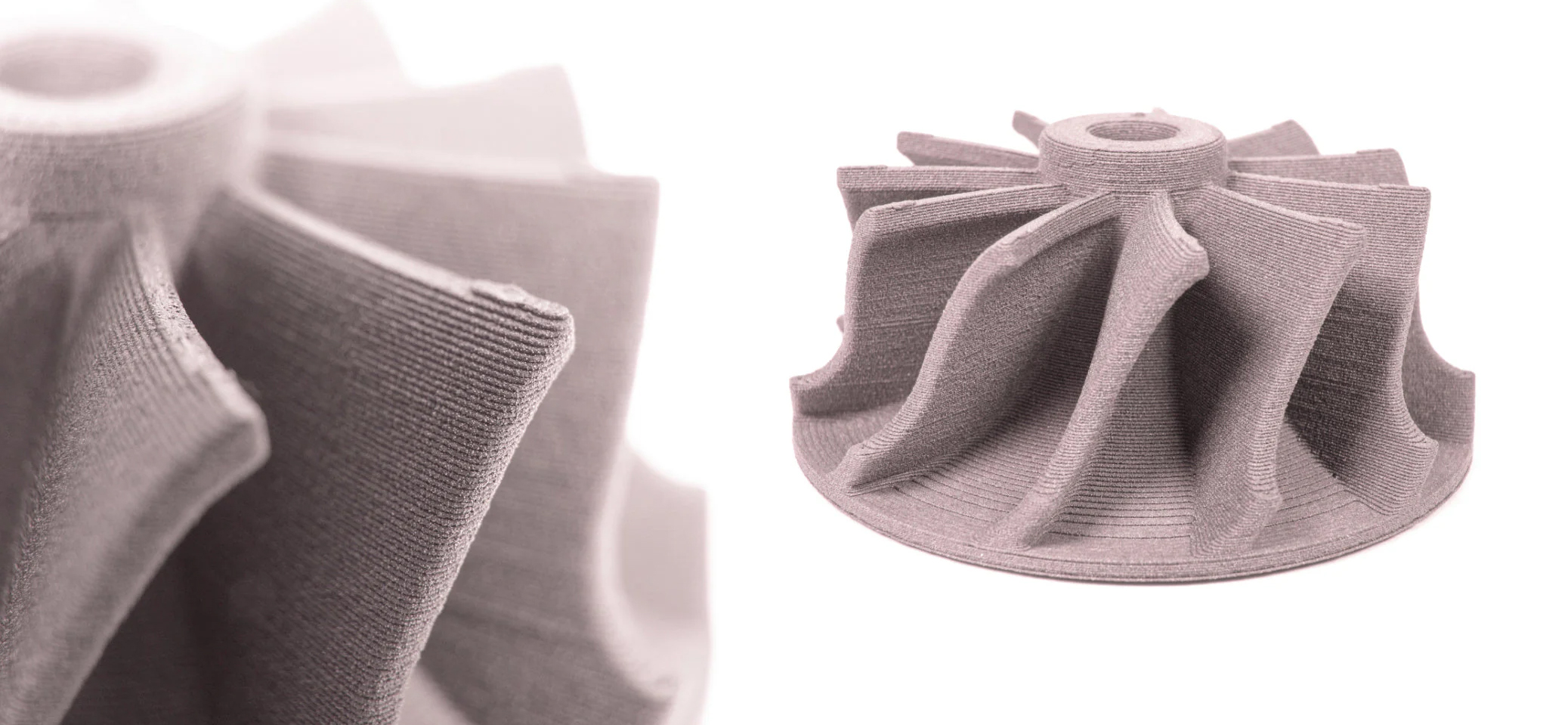
Aluminum 6061 Filamet is printable on any desktop FDM that can reach the required heat settings (nozzle temp.: 190-230°C; bed temp.: 40-65°C).
Part shrinkage is one of the major drawbacks of metal filament 3D printing, although it can be predicted to some extent. The Virtual Foundry’s technical data sheet for this material does not provide any mechanical characteristics, such as strength or wear resistance.
Any other filament that says it’s aluminum is referring to the color only, or it has enough aluminum powder in the polymer (20% – 35%) so that it can be buffed and polished to look a lot like aluminum and even have metal-like weight to the part. These materials do not require debinding or sintering.
If you’re looking for aluminum-like strength in a desktop FDM filament, check out carbon-fiber-filled nylon.
Top Aluminum LPBF Uses
Because parts made with this method and material lack mechanical strength, their top applications include decorative and prototype applications.
Method 2: Laser Powder Bed Fusion (LPBF) - The All-Rounder
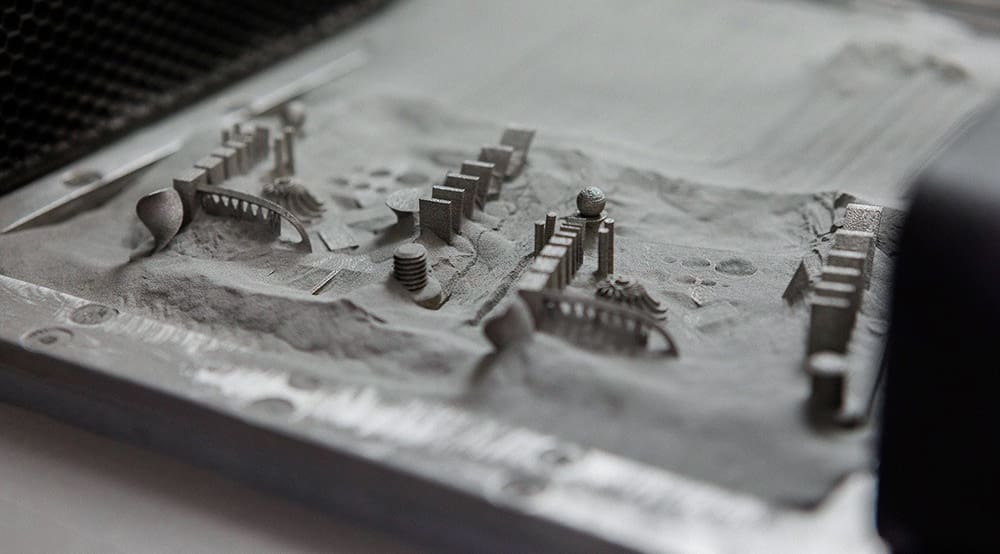
Laser powder bed fusion, also known as selective laser melting (SLM), is the most common aluminum 3D printing technology on the market. LPBF 3D printers use high-powered lasers to selectively melt a metal powder. The melted parts fuse together layer-by-layer on a molecular basis until the homogenous model is complete.
Yet not every printer with this technology can handle aluminum.
Based on the properties of the aluminum-based alloy to be processed, the LPBF printing parameters must be optimized and tuned to control porosity, microstructure, and final material properties. This is why you’ll see specific relationships between material makers and printer makers.

Top Aluminum LPBF Uses
LPBF is all about complexity, detail, and performance. It excels at creating parts that are impossible to make with any other manufacturing method. For aluminum, this has opened the door to a new generation of highly optimized components, such as heat exchangers. Because of its lightweighting ability and design flexibility, it’s ideal for specialty fuselage brackets for aircraft, satellite antenna supports, suspension components for F1 cars, and lightweight robot arms.
Especially in automotive, it’s been used for custom pistons with internal cooling channels, integrated brake calipers that are lighter and stiffer, complex intake manifolds for optimized airflow, and functional prototypes for engine blocks.
Top Aluminum LPBF 3D Printers
Method 3: Molten Directed Energy Deposition (Molten DED)
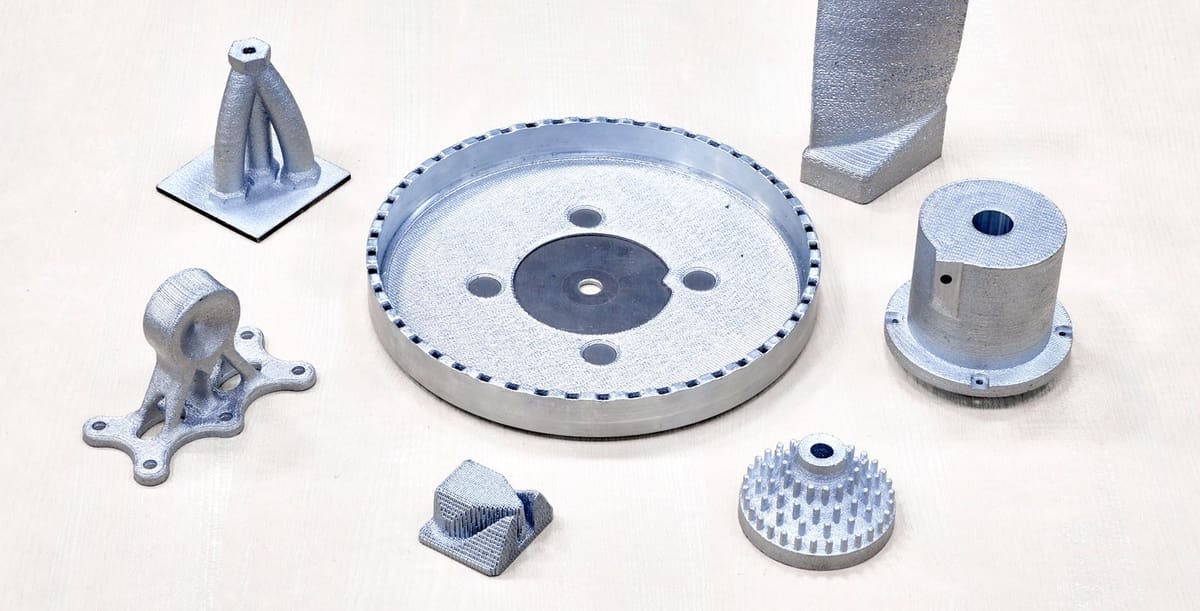
Directed energy deposition is a 3D printing process that melts metal powder or wire as it’s deposited to repair or manufacture a wide range of parts. Aluminum is where this diverse technology really shines; in fact, methods 4 and 5 below can, technically, be classified as DED technologies. Here, however, we’re concerning ourselves with one surging DED category, molten DED, or sometimes referred to as liquid metal jetting.
Molten DED is relatively new and so far only offered by a handful of 3D printer manufacturers, namely Grob, Valcun, and ADDiTec. It uses heat to melt and deposit metal, usually aluminum, onto a build plate layer by layer. The benefit of this approach is that there’s no hazardous metal powder to work with and the finished prints do not require any post-processing, but can be machined, polished, etc. In fact, the feedstock is usually commercially available welding wire. No need for expensive metal powder and associated costs or proprietary formulations.
Molten DED creates parts that don’t have the fine details and internal channels and infills, like laser powder bed fusion, yet they can be machined to tighter tolerances.
Similar to molten DED, there is one company to mention called Meld that uses a unique friction energy deposition (also called friction stir energy deposition). This method makes metal malleable enough to deposit, but doesn’t melt it. The advantages, according to Meld, are lower overall energy use and lower porosity and stresses on the materials because there’s no heat. The method doesn’t require an enclosed chamber or gases and can use almost any metal alloy.
Top Aluminum Molten DED Uses
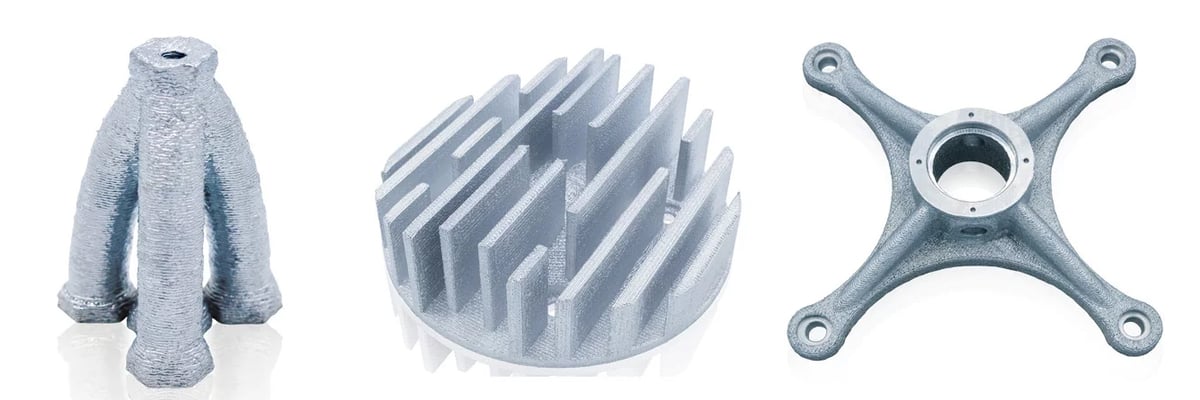
DED systems are not limited by the size of a powder bed, like laser powder bed fusion; they are better for building very large components that would be impossible or prohibitively expensive with other methods. Molten DED is used for producing near-net shapes of parts that are then machined where needed. It’s an ideal technology for full-scale metal prototypes of large components to test form, fit, and basic function.
Overall, molten aluminum DED is not for creating small, highly detailed parts, but for applications where size, speed, repair, or hybrid manufacturing are the primary drivers.
Top Aluminum Molten DED 3D Printers
Method 4: Cold Spray - The High-Speed Solution
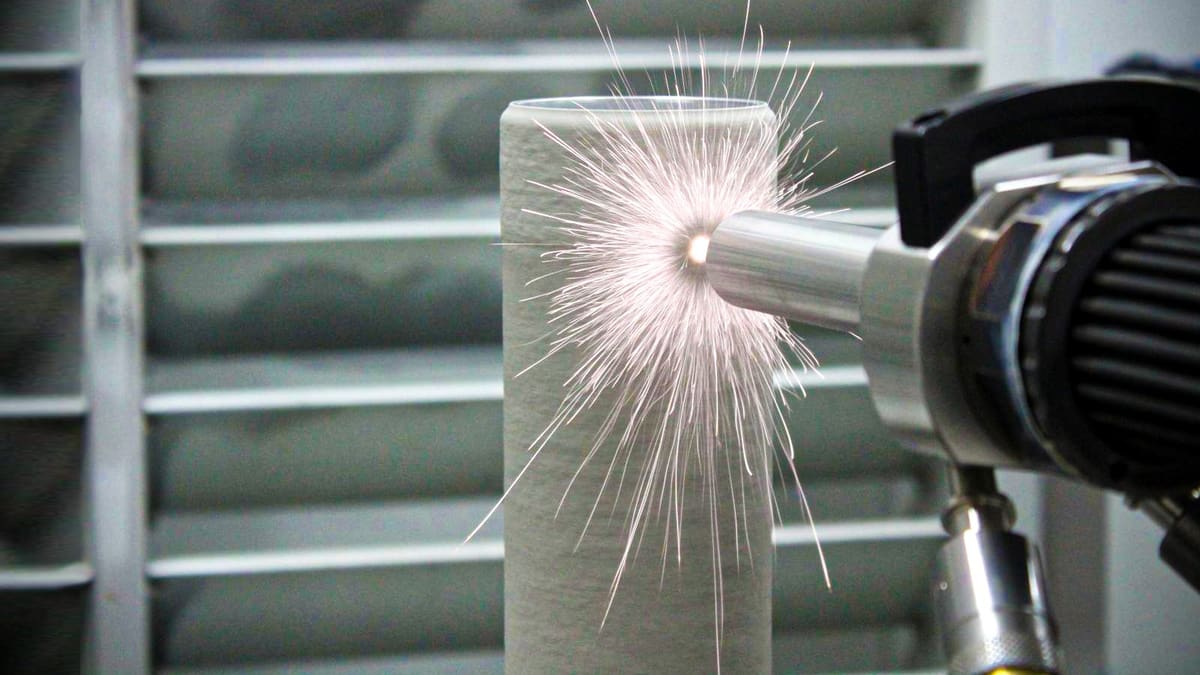
Likely the fastest way to 3D print with aluminum is with a technology called cold spray, which involves aluminum powder being shot at supersonic speeds onto a build plate, layer by layer. The kinetic energy causes the particles to deform and bond on impact, without ever melting the metal, so there’s no post processing or heat.
This technology is favored for forward-deployed military units needing spare parts quickly. For example, printer maker Spee3D used its cold spray technology to print an aluminum bronze gunner’s ratchet, at a weight of 2kg, in just 60 minutes.
Top Aluminum Cold Spray Uses
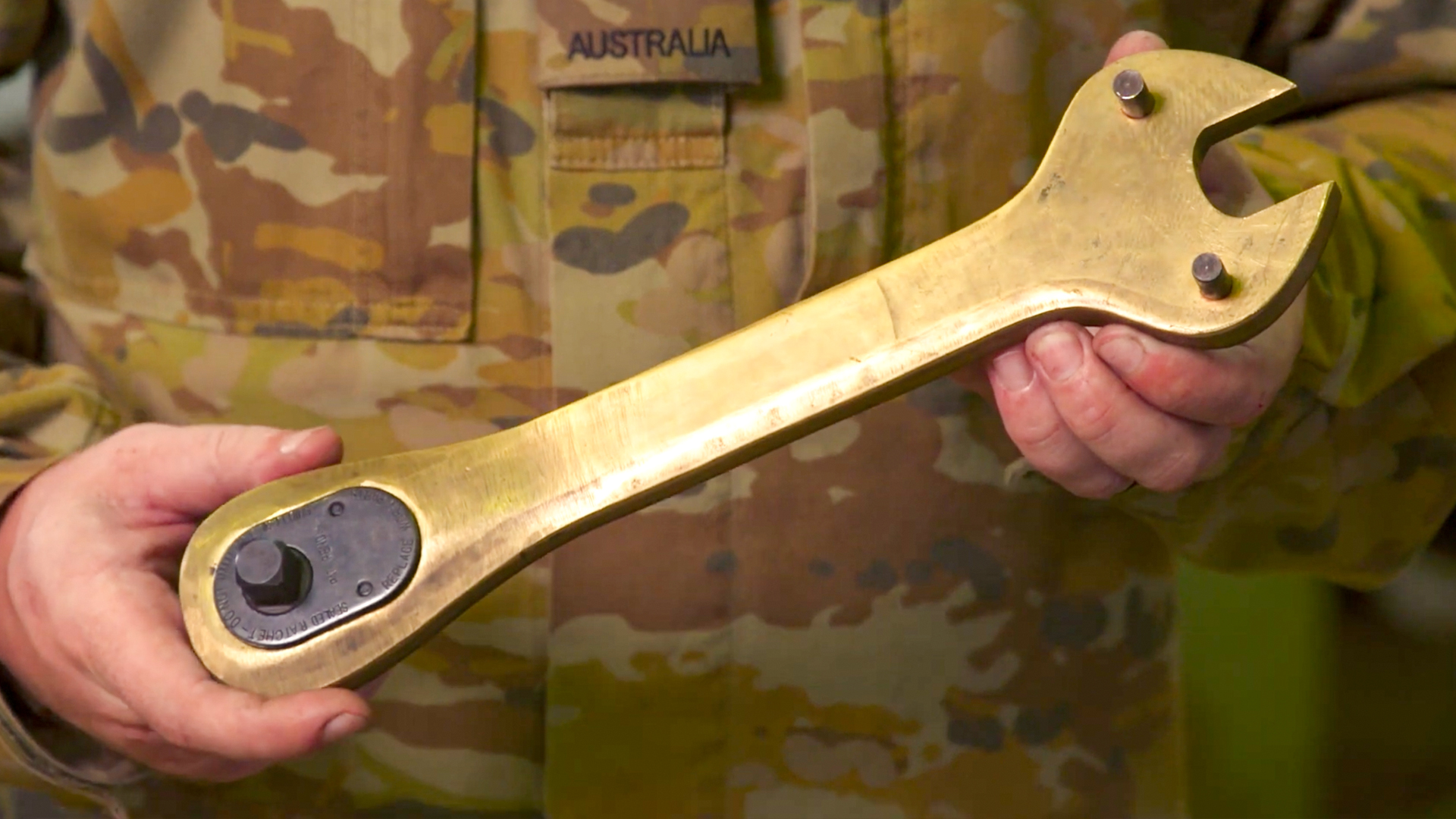
Because the deposition rates are among the highest in all of metal additive manufacturing, this method is used for spare parts and replacement components when time is critical. Although the parts are near-net-shape and often require final machining, the speed from design to functional part is ideal for defense, mining, and other industries where rapid response is critical.
Top Aluminum Cold Spray 3D Printers
Method 5: Wire Arc Additive Manufacturing – The Large-Scale Solution
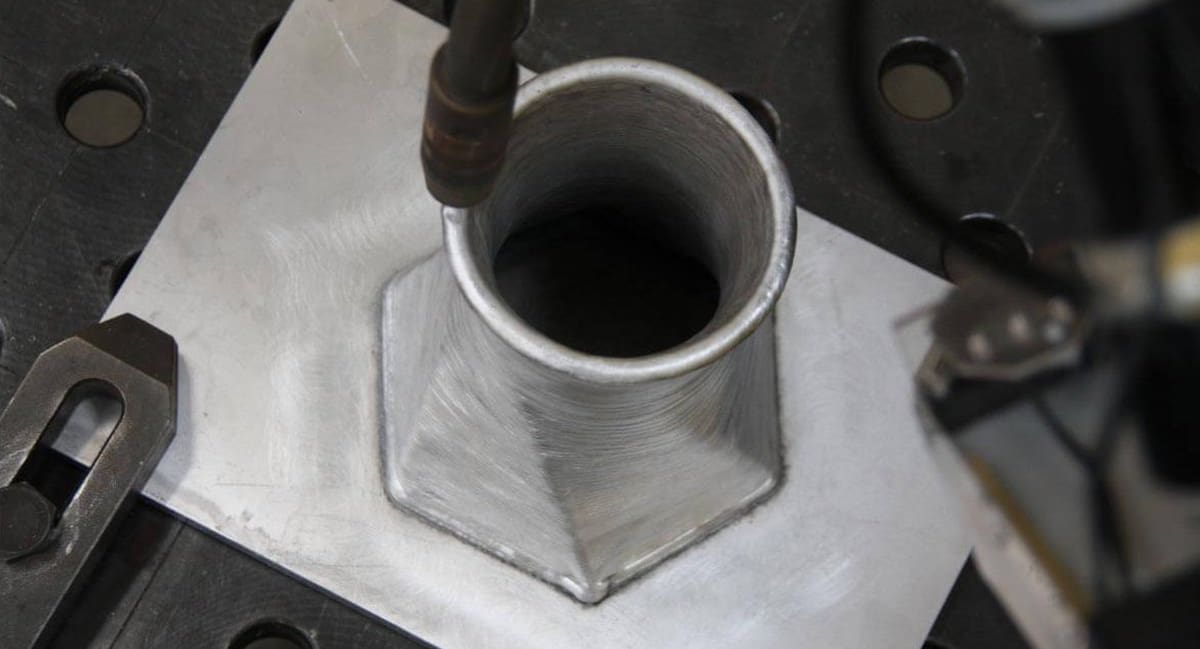
Wire arc additive manufacturing (WAAM) is a technology that’s used to quickly create net-shape large aluminum parts that are then often machined to finer tolerances. This method of 3D printing has actually been employed in heavy industry and aerospace for years. In the 1970s, it was called shape welding, but it’s come a long way since then. Today, it’s being eyed as a way for manufacturing, heavy industry, defense, and aerospace can produce large metal parts at a fraction of the time and cost of traditional forging, castings, or machining. It may also be a solution for clogged industry supply chains, market pressures to innovate, sustainability targets, and faster repair and spare part delivery.
Wire arc additive manufacturing uses metal wire as the material and an electric arc as an energy source, similar to welding. The arc melts the wire as it’s deposited layer on top of layer by a robotic arm onto a surface, such as a multi-axis turntable. As with welding, an inert gas prevents oxidation and improves or controls the metal’s properties.
Top Aluminum WAAM Uses
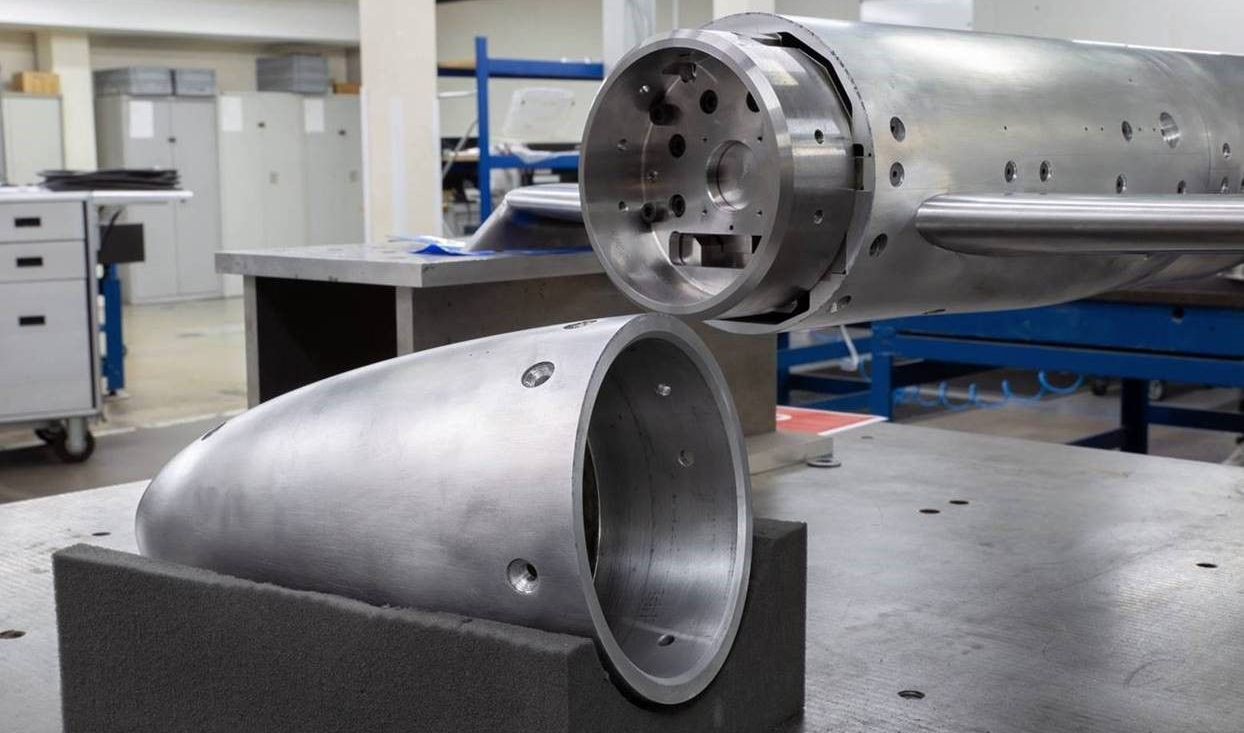
WAAM is the method of choice when the primary requirements are massive scale, high speed, and relatively low cost, especially for parts that are too large for other methods. Forging or machining meter-scale aerospace parts from a solid billet of aluminum is incredibly wasteful and expensive. WAAM builds the part up to a near-net shape, saving enormous amounts of material and time.
The maritime industry has turned to WAAM for printing ship propellers, rudder components, hatch frames, and other custom hardware. The ability to print on demand can also revolutionize spare part management for ships at sea or in port. The method is also used for creating large molds for forming composite parts (e.g., in the aerospace or automotive industry), or large jigs and fixtures used to hold components during assembly.
Top Aluminum WAAM 3D Printers
Method 6: Order Aluminum 3D Printed Parts – The Practical Solution
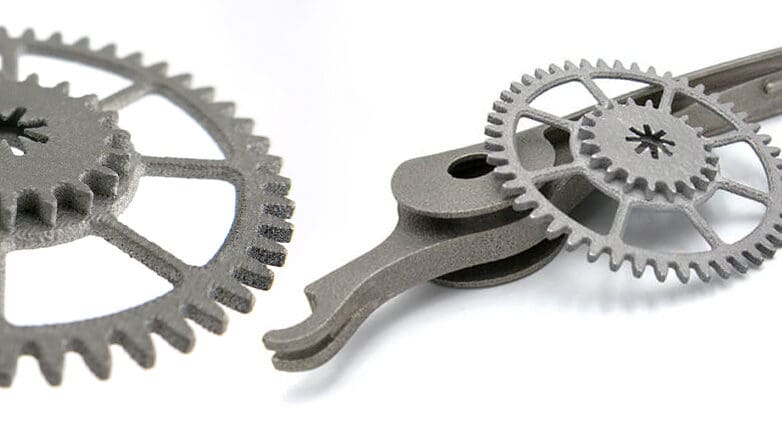
No, it’s not a way to 3D print aluminum, but more broadly, is it a way to get aluminum 3D printed parts. If none of the methods above fit your budget or in-house manufacturing ambitions, turn to 3D printing experts at a 3D printing service.
There’s a growing number of contract manufacturers with fleets of metal 3D printers ready to custom print your part, whether it’s a prototype, a final functional part, a unique spare part, or a work of art. With dozens of potential service providers to choose from, you can spend weeks tracking down the best price and delivery options. Fortunately, there are a few marketplaces of 3D print services, such as Craftcloud, where you simply upload your 3D model and receive multiple instant quotes from suppliers, allowing you to choose the best fit.
Your technology choices don’t stray past laser powder bed fusion, with a few exceptions. When ordering your parts, be sure to inquire about finishing, such as brushed surfaces in a range of grits and polished mirror finishes.
License: The text of "Six Ways to 3D Print Aluminum Covering Every Budget & Application" by All3DP Pro is licensed under a Creative Commons Attribution 4.0 International License.