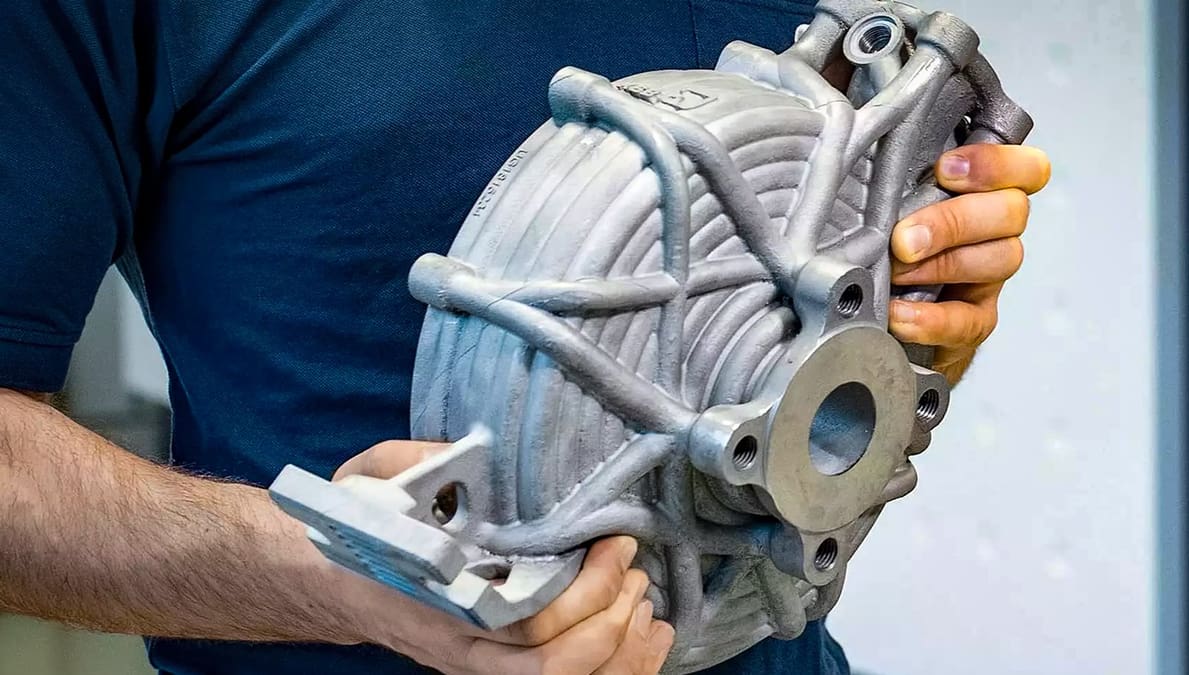
Inside the Audit: What It Really Takes to Earn the New ASTM 3D Printing Certification

ASTM’s new certification promises to raise the bar for 3D printing, giving manufacturers a global standard to prove quality and win customer trust.
When Stephan Braun sat down with auditors at KSB’s headquarters in Germany this spring, he knew the company was stepping into new territory. KSB, a global pump and valve manufacturer with 16,000 employees, has been investing in additive manufacturing (AM) for years. The company already held certifications for pressure equipment and quality management. But this audit was different.
Instead of a generic checklist designed for any manufacturer, this one dove deep into the nuances of 3D printing. Machine qualification. Workshop documentation. The links between process steps. It was, as Braun later described, “a totally different view.”
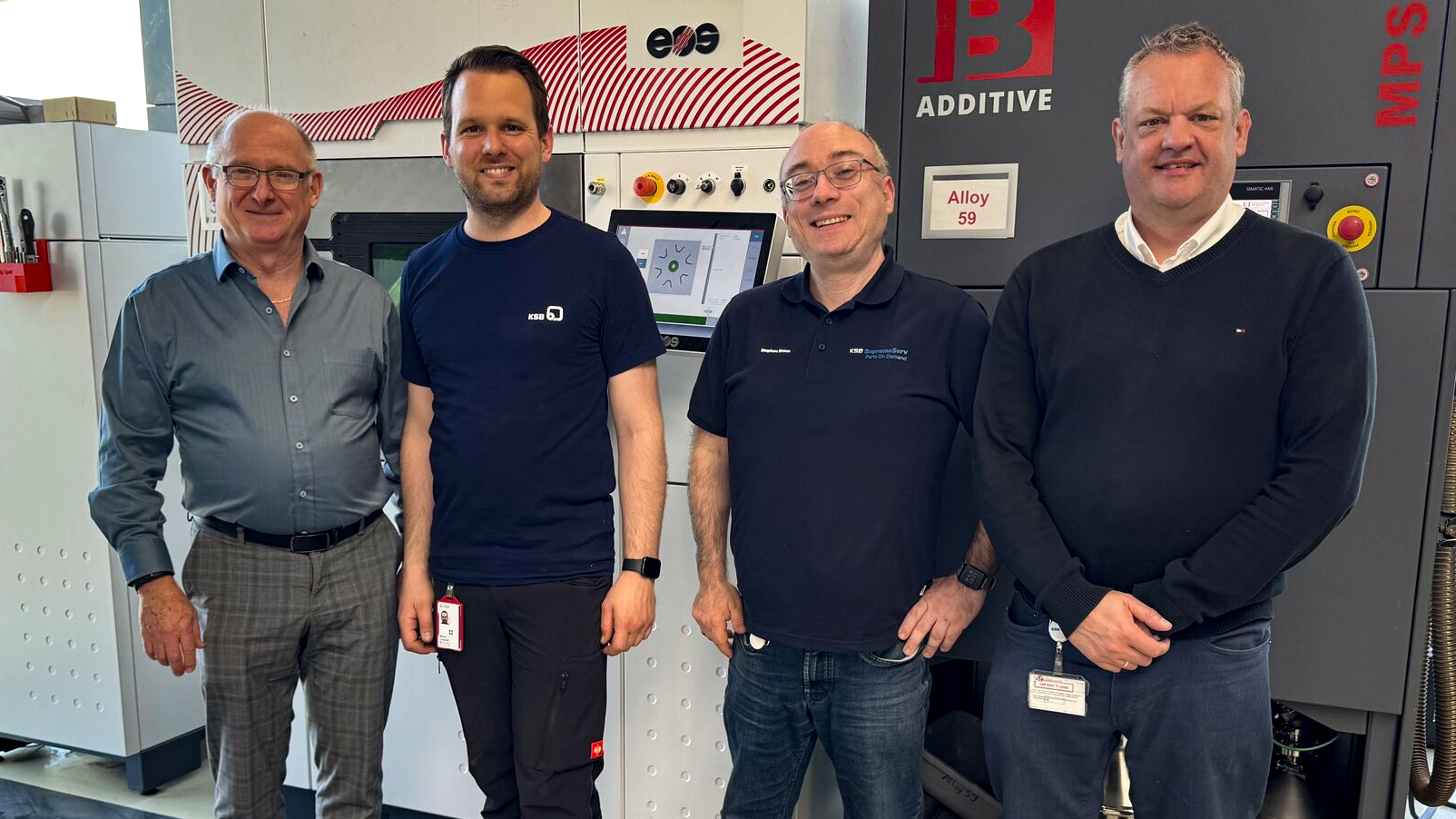
The audit was part of a new initiative launched by ASTM International’s Additive Manufacturing Center of Excellence (AM CoE): the Additive Manufacturing Certification Program. Designed in collaboration with more than 25 industry heavyweights—including Boeing, Ford, Lockheed Martin, Safran, and Stryker—the program is intended to do for AM what ISO 9001 did for manufacturing at large: establish shared expectations of quality, safety, and trust.
“By aligning end-user requirements and providing third-party assurance, this initiative helps unlock the full potential of AM in high-performance applications,” said Dr. Martin White, ASTM’s director of technical operations, at the launch event in Birmingham, U.K.
Why Additive Needs Its Own Standard
Traditional quality management systems—ISO 9001, AS9100, ISO 13485, IATF 16949—have long been the backbone of industrial production. But additive manufacturing isn’t traditional.
3D printing introduces unique challenges: layer-by-layer production, sensitive powder handling, variable process chains, and new risks in materials and data management. While these don’t always fit neatly into existing frameworks, they are critical to ensuring repeatability and safety in industries like aerospace, automotive, and medical devices.
ASTM’s certification fills this gap. It builds on existing standards like ISO/ASTM 52901 and 52920, tailoring them into an audit program that looks not only at what companies produce, but at how they control, monitor, and document every stage of their AM workflows.
Inside KSB’s Pilot Audit
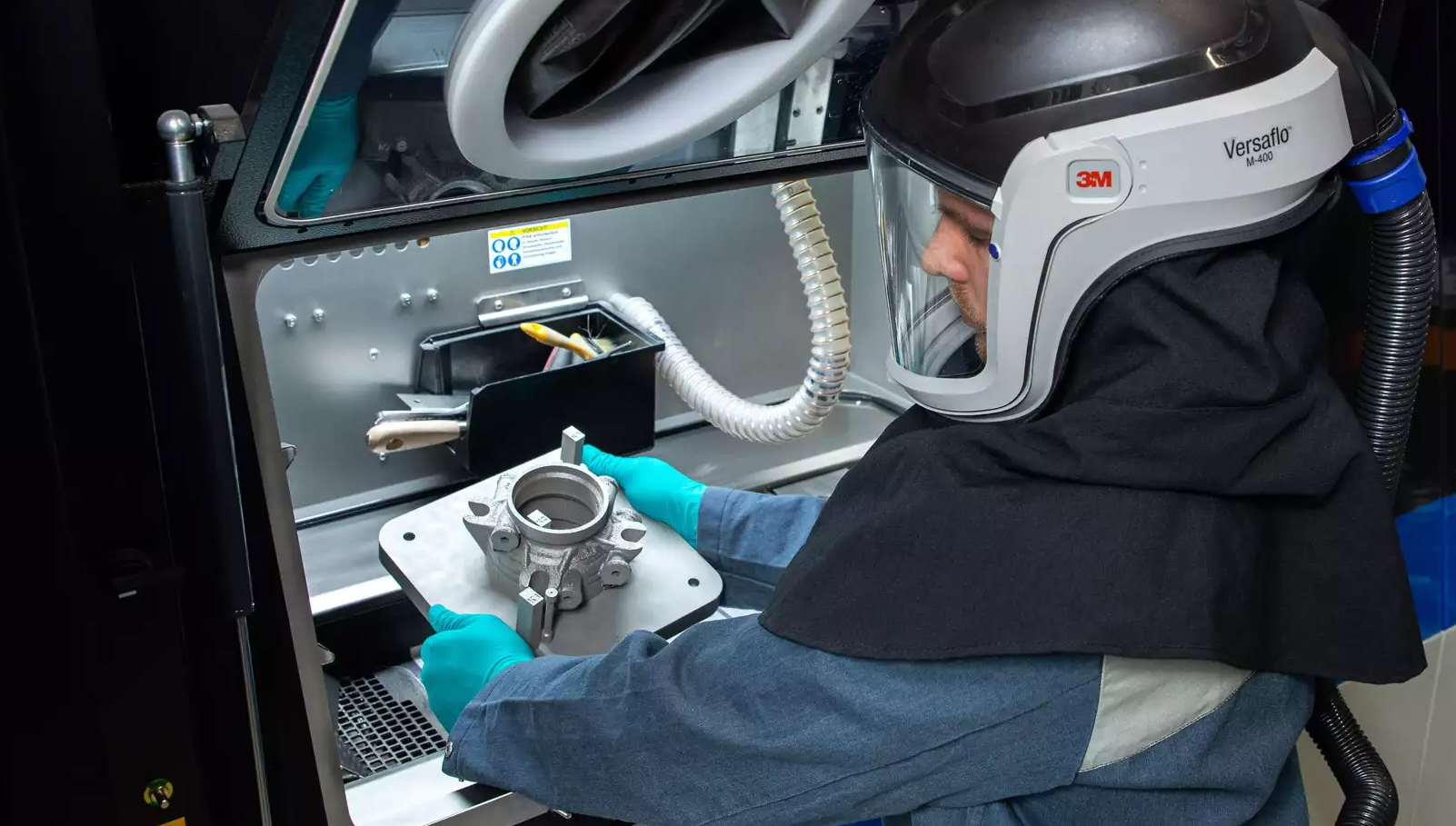
KSB was one of three companies—alongside AM Craft and Oechsler—that volunteered as pilot sites to test the certification framework. For Braun, the motivation was twofold: first customer trust.
“At first, it’s the look at the customer—that they trust in the things we do,” Braun told All3DP. Certification provides visible proof that KSB’s AM processes can stand up to scrutiny.
The second motivation was getting a fresh perspective. “What we found, especially here on the certification, was a totally different view,” Braun explaines. While European organizations had already audited KSB, ASTM’s U.S.-based team zeroed in on new details. “They were not only top from an auditor view but they also had good background in AM. That helps a lot.”
The audit itself lasted two days. Using ASTM’s digital audit platform, auditors and KSB staff worked side by side in real time—documenting processes, flagging gaps, and logging improvements. Rather than leaving companies waiting weeks for a final report, the system provided immediate feedback.
In KSB’s case, most processes were already strong. But auditors pushed deeper into areas such as personnel qualification, encouraging role-specific training for designers, operators, and quality staff. “We had it in place for years,” Braun says, “but they wanted it more differentiated by role. That was new.”
More Than a Badge on the Wall
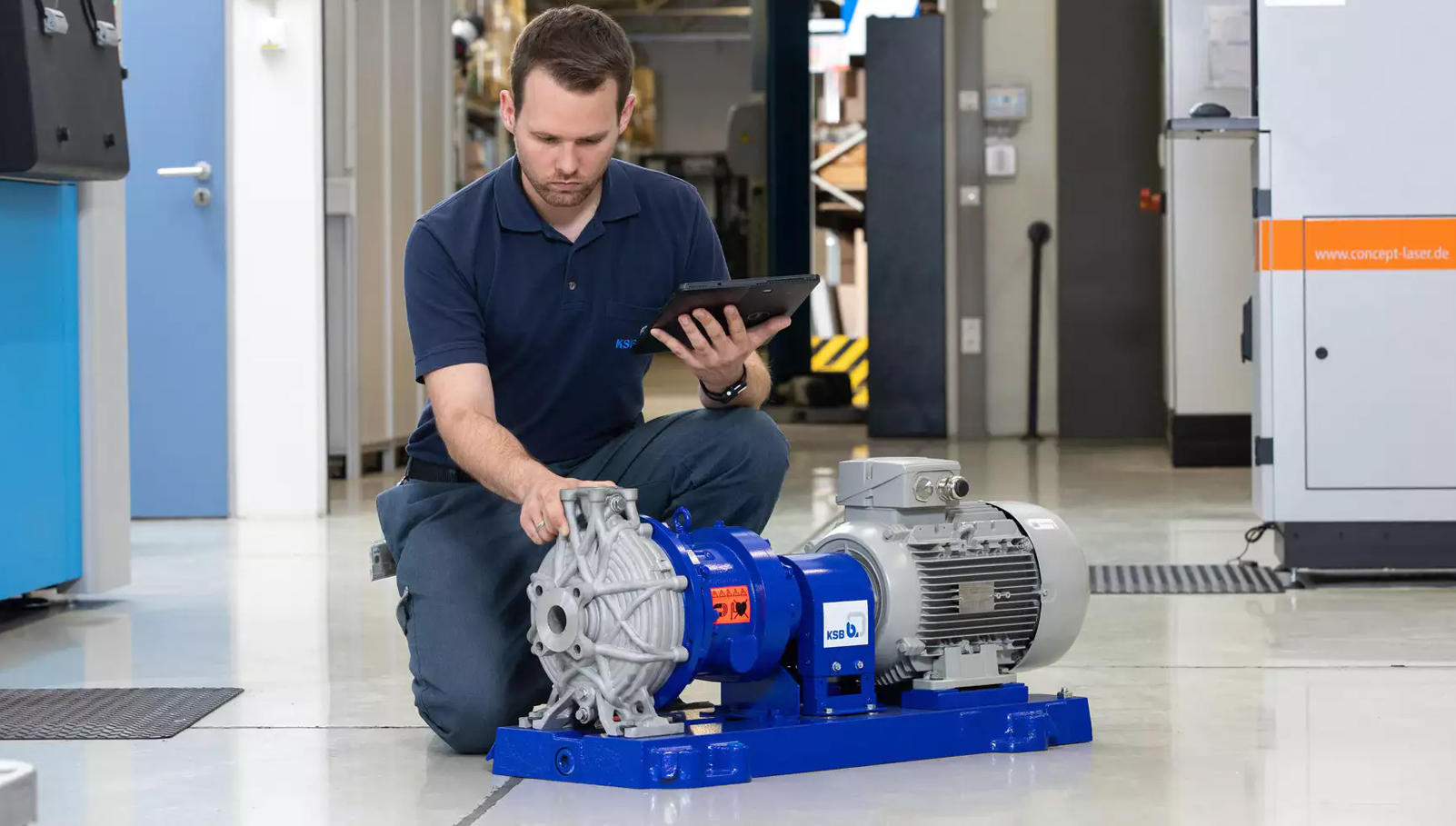
For KSB, certification is not just about marketing. It’s about building confidence in a technology that still raises eyebrows.
“Two-thirds of customers have some skepticism about [[3D printing]],” Braun admits. Since starting AM in 2014, KSB has countered skepticism with hard data, running thousands of material tests to prove process stability. Certification adds an independent layer of validation—one that customers worldwide can recognize and trust.
It also simplifies supply chain decisions. When KSB needs parts in materials outside its core, such as aluminum or titanium, Braun says they’ll look first for suppliers with certifications, and the same, he expects will be true for 3D printing services that earn the ASTM certification. “That way, you don’t have to go to every supplier with your own audit. You know there’s already a trusted baseline.”
This, in turn, reduces redundant audits across the industry—a major cost and time burden for both OEMs and suppliers. ASTM’s program promises to streamline that, saving companies money while accelerating time-to-market.
Toward a Minimum Standard
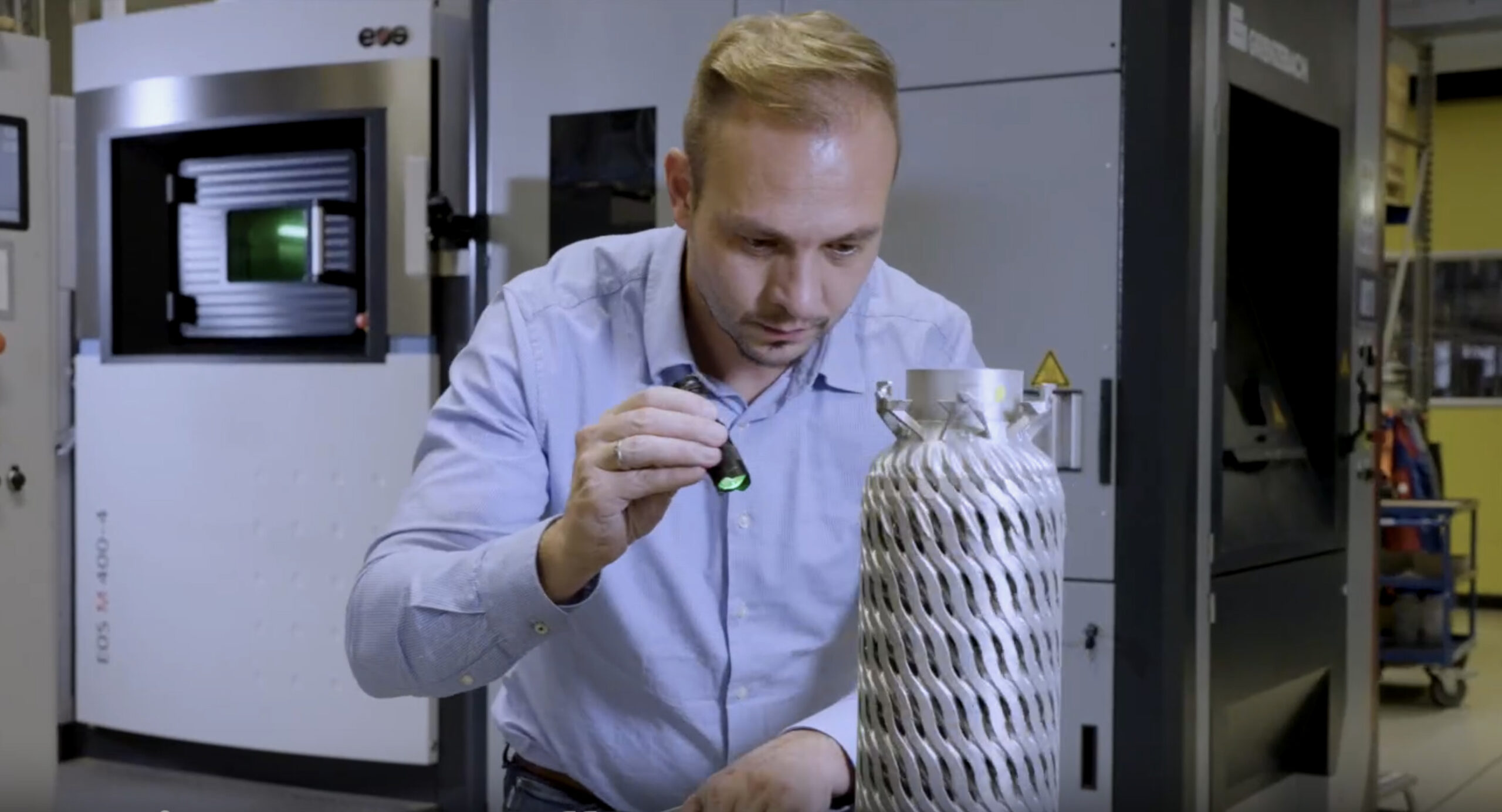
Perhaps most importantly, Braun sees certification as the start of a “minimum standard” for the AM industry.
“A good AM factory has to do a qualification like this,” he says. “It shows that the people working here know their processes, that know how to deliver good quality. That’s important not just for us, but for the industry.”
Annual reviews will keep companies accountable, ensuring continuous improvement rather than a one-time stamp of approval.
For KSB, final certification is expected later this year. But Braun already views the process as worthwhile. “We discovered areas for improvement to stay ahead and remain best in class,” he says. “This is a good opportunity to have something on top—something that shows worldwide that we are prepared.”
A Step Toward Broader Acceptance
Additive manufacturing has long promised to revolutionize industries, from lightweight aerospace parts to custom medical implants. But promises only go so far without trust. Certification, by providing a common language of quality, may be the bridge between innovation and widespread adoption.
As Braun put it, “This is the first step to trust worldwide.”
License: The text of "Inside the Audit: What It Really Takes to Earn the New ASTM 3D Printing Certification" by All3DP Pro is licensed under a Creative Commons Attribution 4.0 International License.