
How 3D Printing Production for Sports Shoes Can Work

HP and Something Added want to push the boundaries of athletic shoe design with 3D printing. All3DP talked to HP's François Minec about the collaboration and how other business can benefit from it.
At Formnext, HP 3D Print announced a strategic partnership with the young company Something Added. Their mission statement is quite sporty: The team wants to revolutionize the sporting goods industry with innovative 3D printing technologies. Initially, the focus is on athletic shoes, where additive manufacturing is expected to set new functionality, sustainability, and customization standards.
We met with François Minec, who is supporting the project as VP and Global Head of Polymers. Minec is responsible for the development of polymer solutions at HP and leads the relevant teams. With more than 22 years of experience in specialty chemicals and plastics, he is considered a key figure in the transformation of the AM manufacturing industry.
New Design and Material Options for Sports Shoes
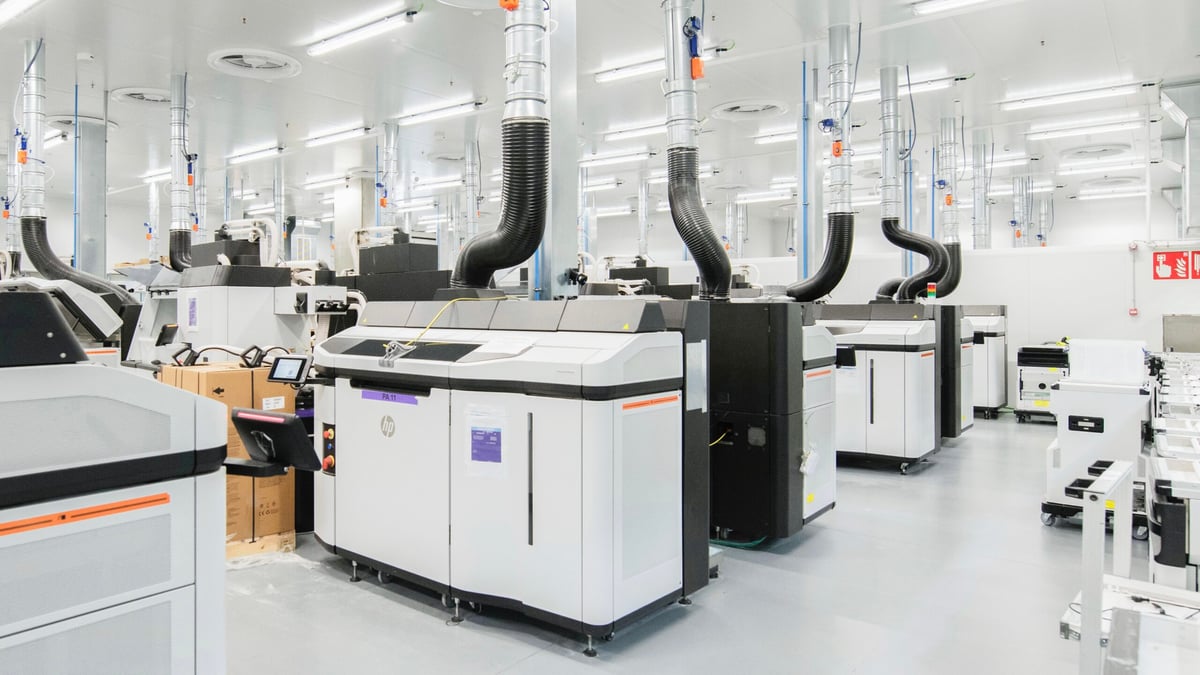
It made sense to hand over the D-Factory in Barcelona, which was originally started as a demonstration plant by HP, to Something Added for collaboration. “With its ten HP printers, the D-Factory can produce between 50,000 and 100,000 lattice structures for athletic shoes annually,” says Minec. With additional printers, production could be scaled, and Something Added is already planning an additional plant in the U.S.
HP’s Multi Jet Fusion technology is behind the shoe parts. This allows components to be manufactured quickly, cost-effectively, and without support structures, even with extremely complex geometries, according to HP.
The collaboration will help Something Added overcome the limitations of traditional shoe design, explains Minec. Additive manufacturing enables structures that would be impossible to achieve with traditional methods – for example, for improved cushioning, breathability, or tailored fits.
According to Minec, new technologies are also being used: “We’ve developed a technology that not only saves money but also allows us to use other colors in the product, in this case, orange.” By precisely controlling material properties at the microscopic level, different areas of a shoe can be specifically equipped with different functionalities, he says. Flexible zones provide greater freedom of movement, while stable areas provide better support. Something Added contributes its specialized knowledge of the specific requirements of the footwear industry and ensures the practical implementation of these technological possibilities.
How Everyone Can Benefit
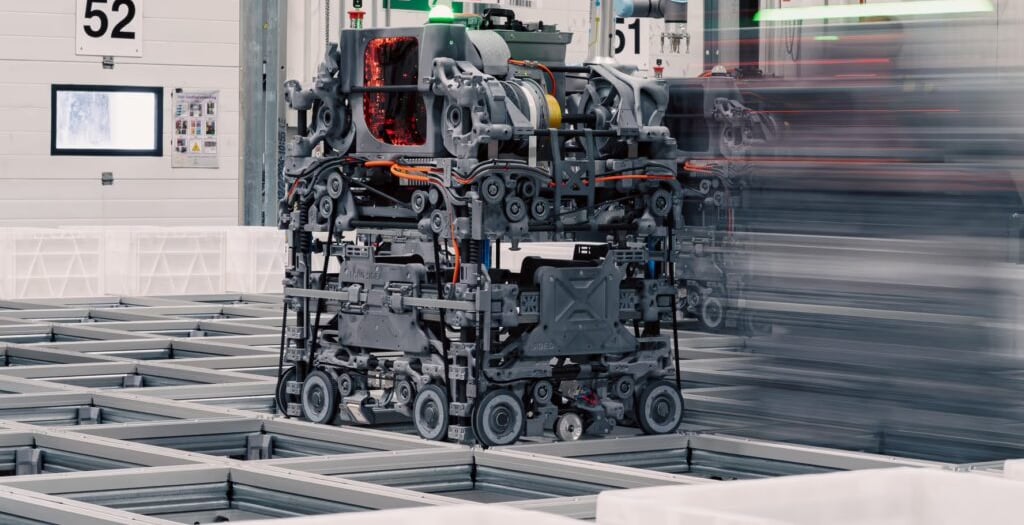
The online grocer Ocado, for example, uses HP’s 600 series to produce logistics robots that are five times lighter than their predecessors and consist of up to 50% additively manufactured components. This allows them to reduce weight, lower production costs, and improve sustainability.
Now, a certain number of materials are available for HP printers, but not all of them. How can this be solved? According to Minec, the material is obviously crucial, but many things can be adjusted during the design process: “I think the disadvantages of certain materials can be compensated for with good 3D design. Take TPU or TPA, which are inherently flexible. With our Lattice Designer, stronger support structures can be added with little effort. This often achieves the same result as with a material with a higher Shore hardness.”
There are also new options in the material offering. “We typically source our PA-12 from Evonik, but now we also offer material from Arkema Global,” explains Minec. “This means more choice for customers. This brings more competition into our world.”
License: The text of "How 3D Printing Production for Sports Shoes Can Work" by All3DP Pro is licensed under a Creative Commons Attribution 4.0 International License.