First Look at the Scrap 1: Desktop Metal Printing for Under $10K

This compact laser-powered system promises industrial-grade results for small shops, delivering metal parts from a scrappy little company with big ambitions.
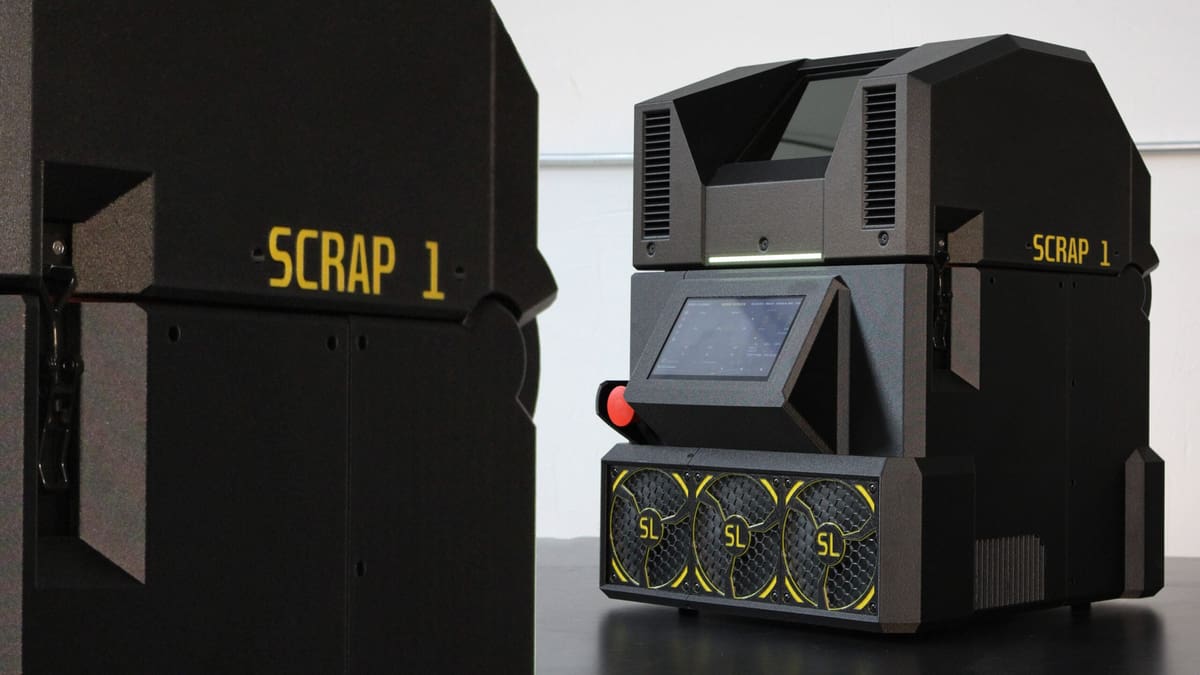
It isn’t a Kickstarter, but the new Scrap Labs desktop metal laser powder bed fusion (LPBF) 3D printer isn’t fully baked yet. Even so, the public debut of the Scrap 1 last week at the Rocky Mountain RepRap Festival in Loveland, Colo., turned some heads.
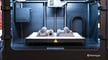
This compact LPBF metal printer, with its tiny 100 x 100 x 100 mm build volume, single 200-Watt laser, and open source firmware, looks like an EasyBake Oven compared to the likes of industrial LPBF giants EOS, Farsoon, or NikonSLM. But then again, that’s not its potential competition.
Scrap Labs is positioning Scrap 1 as an option for “people who want metal printing in their own shops, labs, and small production spaces without needing a six-figure machine to get started,” says Matt Woods, company founder and CEO.
Not long ago, the cheapest solution for metal parts was using metal filament on an FDM printer, but the shrinkage and need for industrial sintering post-processing has turned many small manufacturers away from that path.
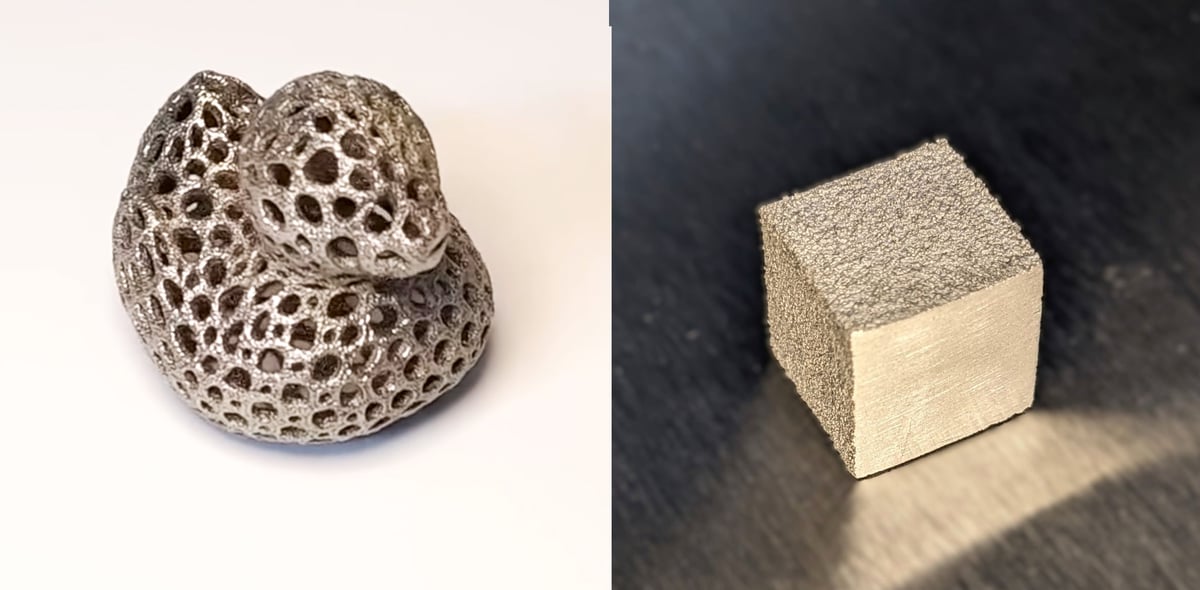
Priced around $9,600 as a kit or $17,990 fully assembled, the Scrap 1 will print parts to a stated 99% density in stainless steel, tool steel, copper, nickel alloy, and cobalt chrome.
As we mentioned, the Scrap 1 is a work in progress. Scrap Labs is continuing development, validation, and early-access planning for Scrap 1 while accepting reservations and inquiries from customers, partners, and technical users interested in the platform. If all goes well, the company says the product could start shipping in June 2027.
You May Also Like:
License: The text of "First Look at the Scrap 1: Desktop Metal Printing for Under $10K" by All3DP Pro is licensed under a Creative Commons Attribution 4.0 International License.