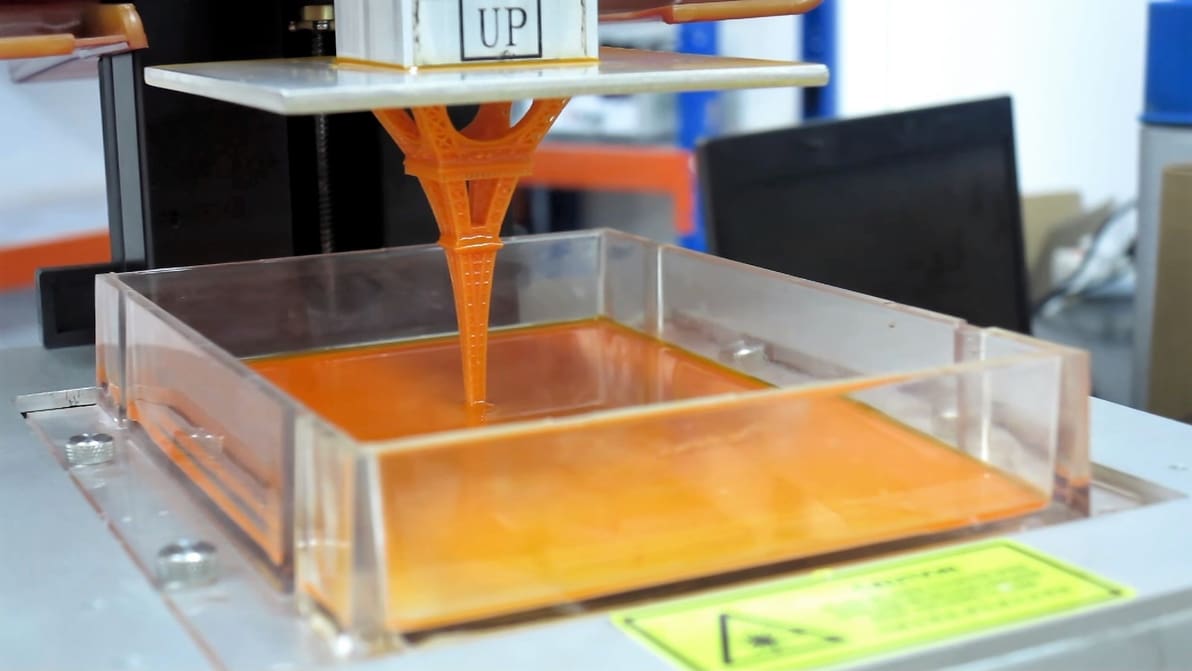
In contrast to an FDM 3D printer, which extrudes melted plastic through a heated nozzle, a liquid 3D printer uses a UV light to solidify photopolymer resin. The result is a much finer resolution, but it comes at a cost. Read this article to find out more!
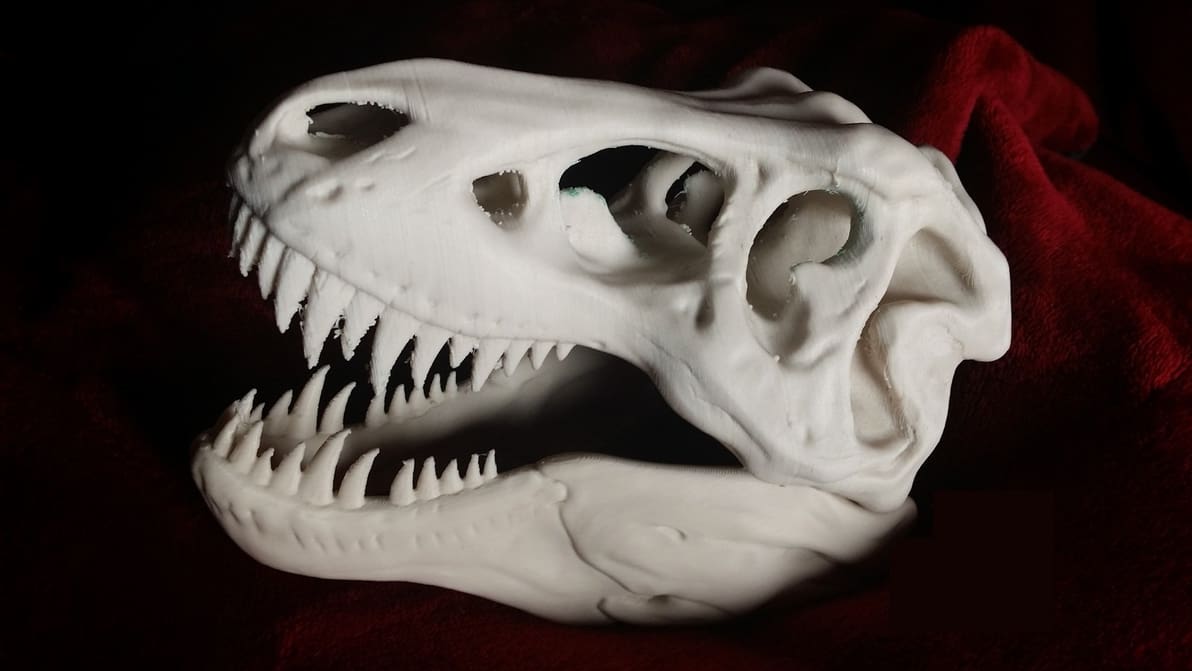
Humans make things from non-renewable resources. Take a greener path! Check out the best bio filaments for 3D printing.
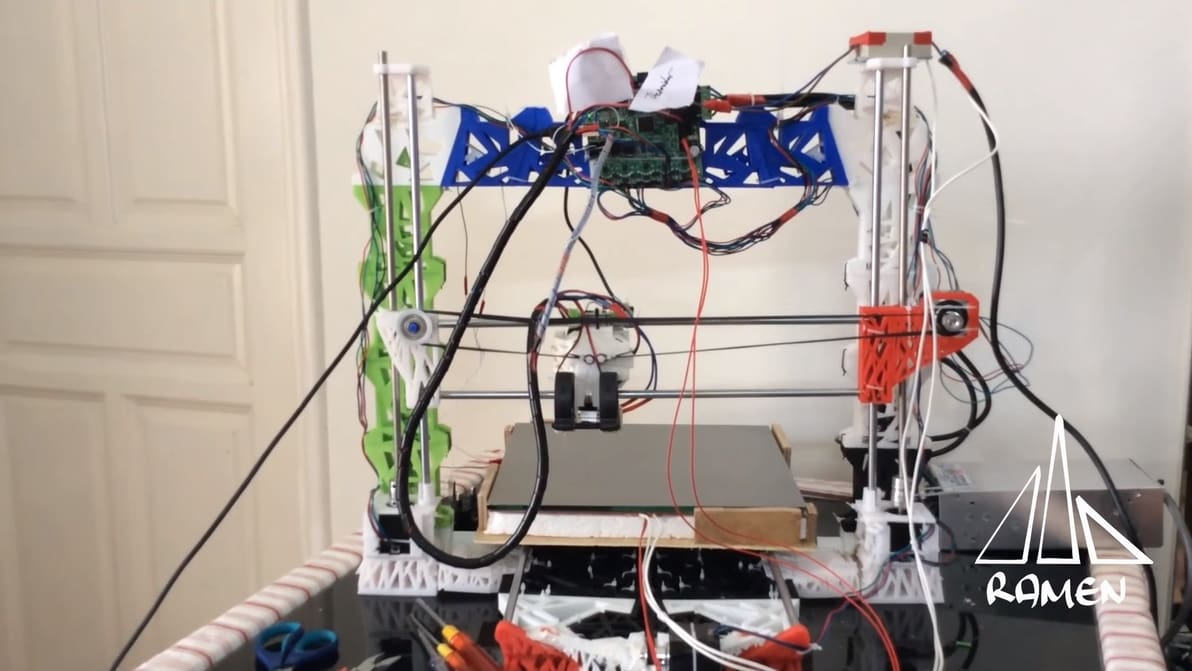
It seems ridiculous that someone without any 3D printing knowledge should, or even could, build a 3D printer entirely from scratch, but I did just that. Here's why, and how.
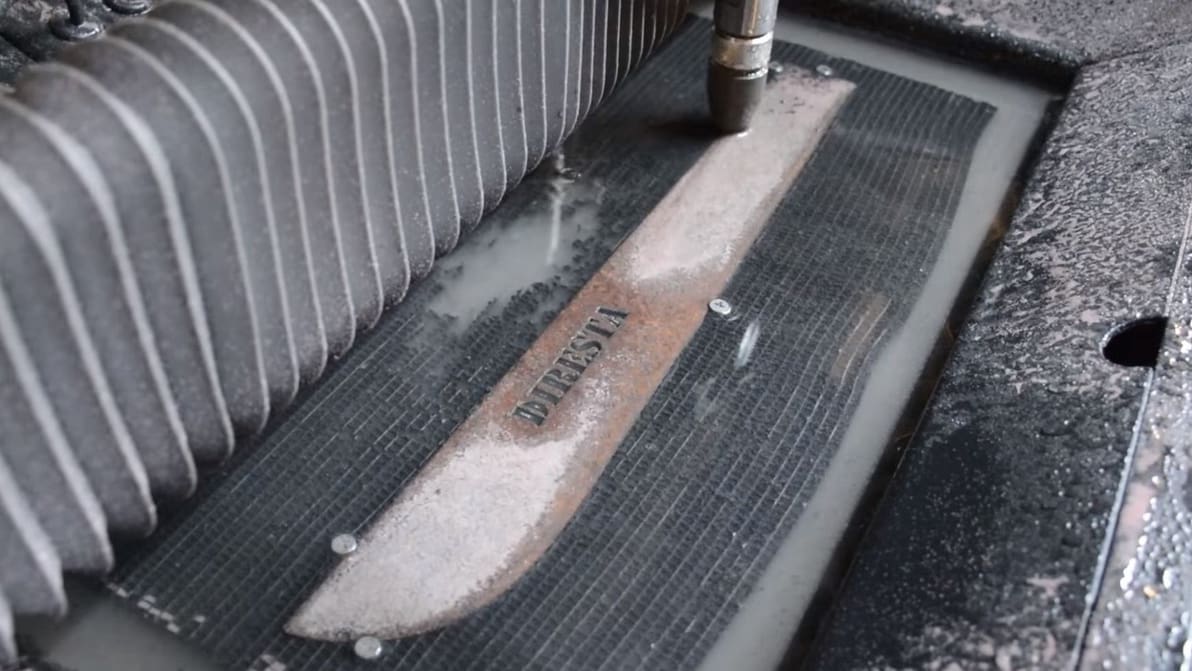
With roots in mining dating back to the mid-1800's, waterjet cutting uses a high pressure stream of water to cut materials in industrial applications. Today, waterjets add flexibility to the traditionally tedious process of cutting hard stuff.

Check out this article to discover how laser marking works. For those looking for a laser marking service, we've added a list of the best online services.
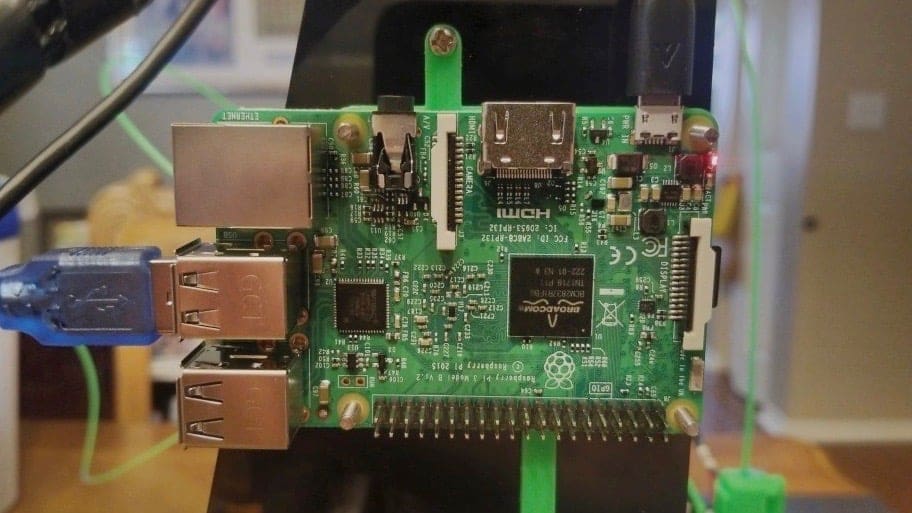
OctoPrint is a great resource for remotely controlling and monitoring any 3D printer. In this article, we are going to show you how to set up use OctoPrint with the budget-friendly ANET A8 3D printer using a Raspberry Pi 3.
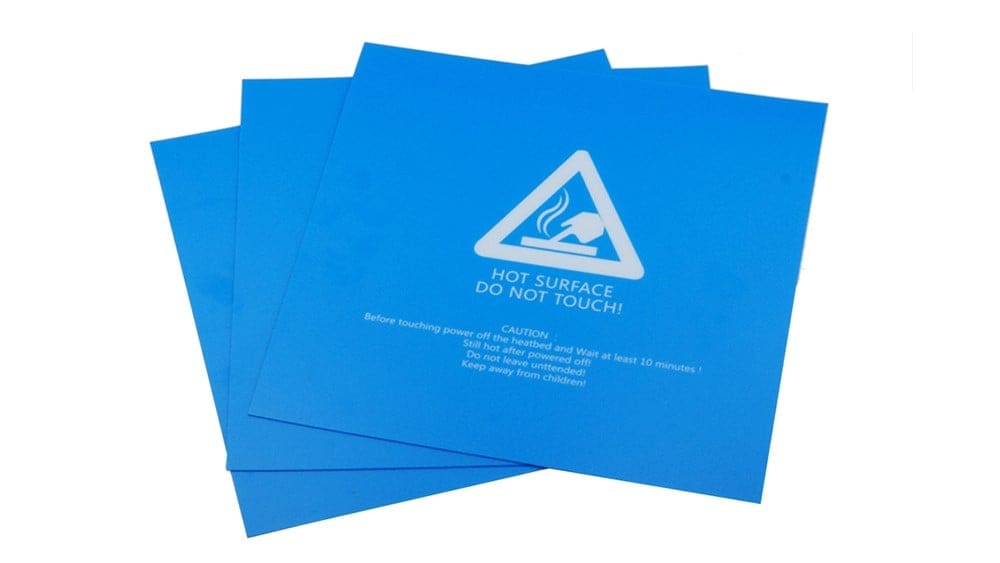
Getting your prints to stick to your build plate is one of the most important aspects of FDM 3D printing. We decided to test some cheap 3D print bed adhesion stickers that we found online to see if they're worth using.

3D printing isn't just limited to hard plastics -- from phone cases to adorable octopuses, rubber-like filaments open up a whole new world of printable ideas. But how do you print with flexible filament? Here are some tips and tricks.
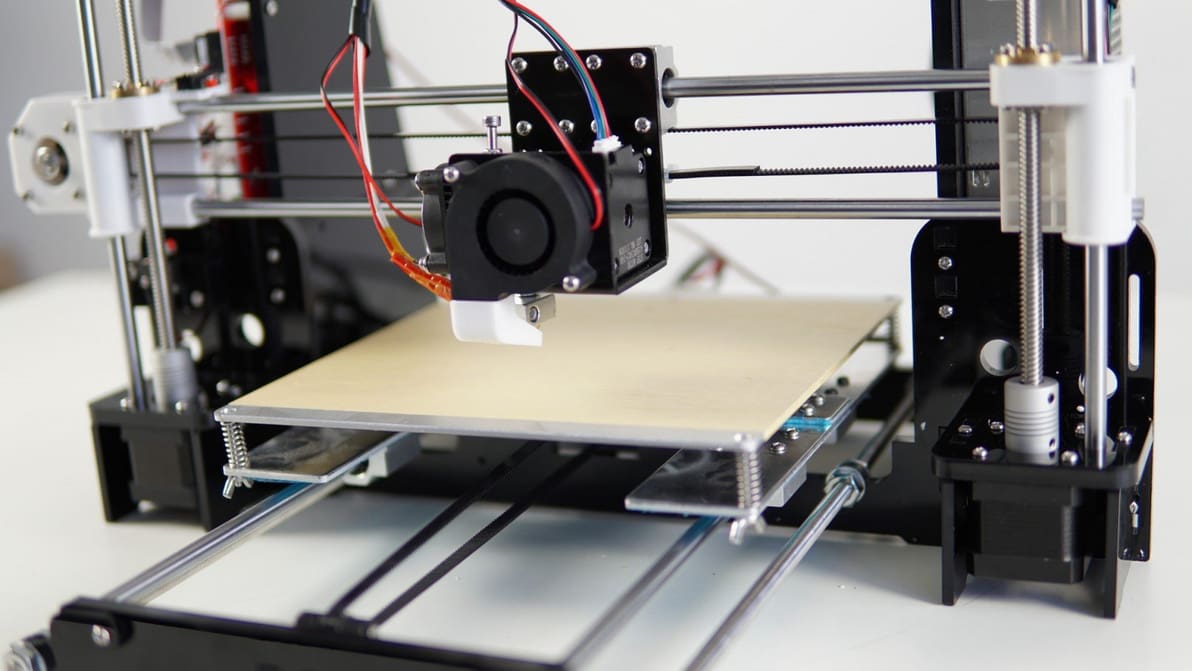
The Anet A8 is one of the most popular budget 3D printers due to its massive community following. However, its control board has a reputation for not being as reliable as it should be. The solution? Add an external MOSFET to help improve the overall safety of your Anet A8.