Faster, Cheaper Options for Making Molds: 3D Printing Services Put to the Test

3D printed molds and patterns help companies stay competitive by speeding up R&D, adapting to market shifts, and strengthening local manufacturing.
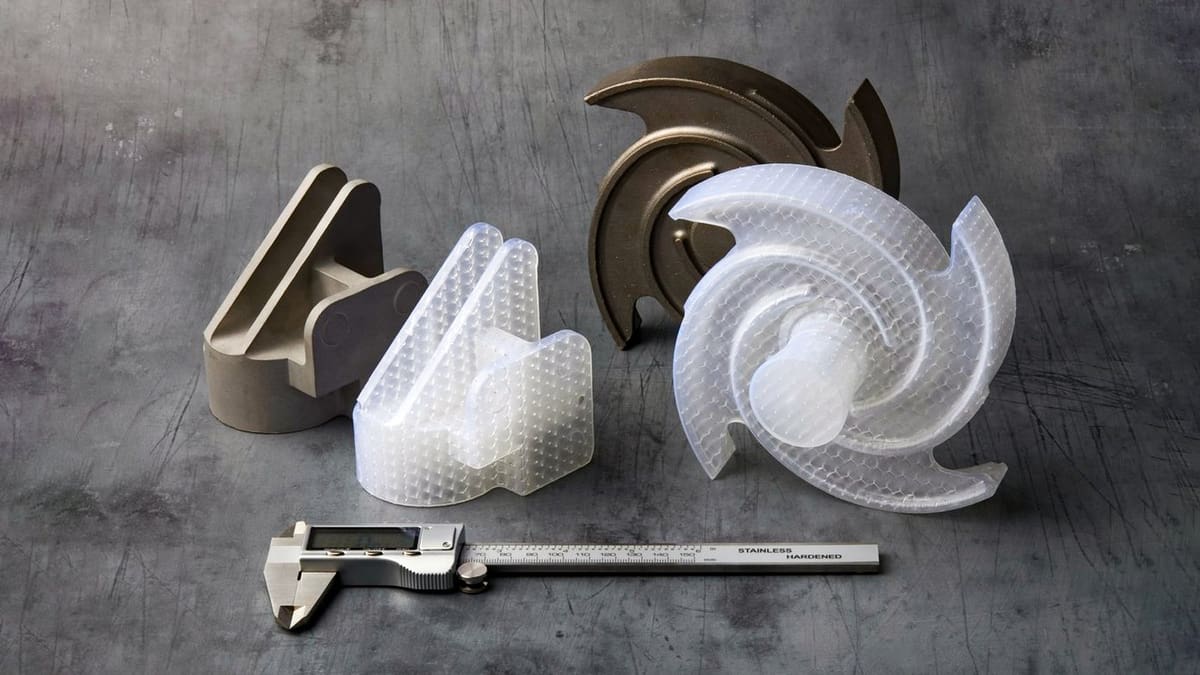
Manufacturing molds — traditionally made through CNC machining or casting — are often time-consuming and expensive to produce, especially for complex parts or short production runs. 3D printing offers a transformative alternative, enabling the creation of molds (in metal, ceramic, wax, or polymers) in a fraction of the time — accelerating time to market — and at a significantly lower cost.
3D printing molds (patterns and cores) enables companies to iterate quickly without retooling. This agility is especially valuable in sectors like automotive, aerospace, and consumer goods, where even small delays can lead to lost revenue or market share.
3D printing molds locally reduces dependence on overseas tooling suppliers and long lead times. This supports reshoring efforts—bringing manufacturing back closer to home—by making it more feasible and competitive. Amid global supply chain disruptions and geopolitical uncertainties, localized, flexible production enabled by accessible and affordable 3D printed molds enhances resilience and control.
Yet despite its promise, navigating the 3D printing service landscape for can be surprisingly opaque. Ordering a pattern in wax, a mold in stainless steel, or a suitable casting material is not always straightforward. Many additive manufacturing services do not clearly list these as an option, and few provide intuitive pathways for casting-specific applications. For manufacturers aiming to reshore manufacturing work to U.S. foundries—whether to avoid international tariffs, reduce lead times, or strengthen supply chain resilience—knowing how to acquire these molds, patterns, and cores domestically is essential.
In this article, we’ll walk you through what to look for in a 3D printing service when sourcing molds, cores, and patterns for casting. Whether you’re a manufacturer exploring domestic casting solutions or a design engineer prototyping a new metal part, understanding the intersection of 3D printing and casting is key to unlocking flexibility, speed, and cost efficiency in today’s reshoring landscape.
3D Print the Mold or 3D Print the Pattern?
Both methods expand what’s possible in modern manufacturing, and the right choice depends on material, production scale, time constraints, and end-use performance requirements.
3D Printing a Mold Directly
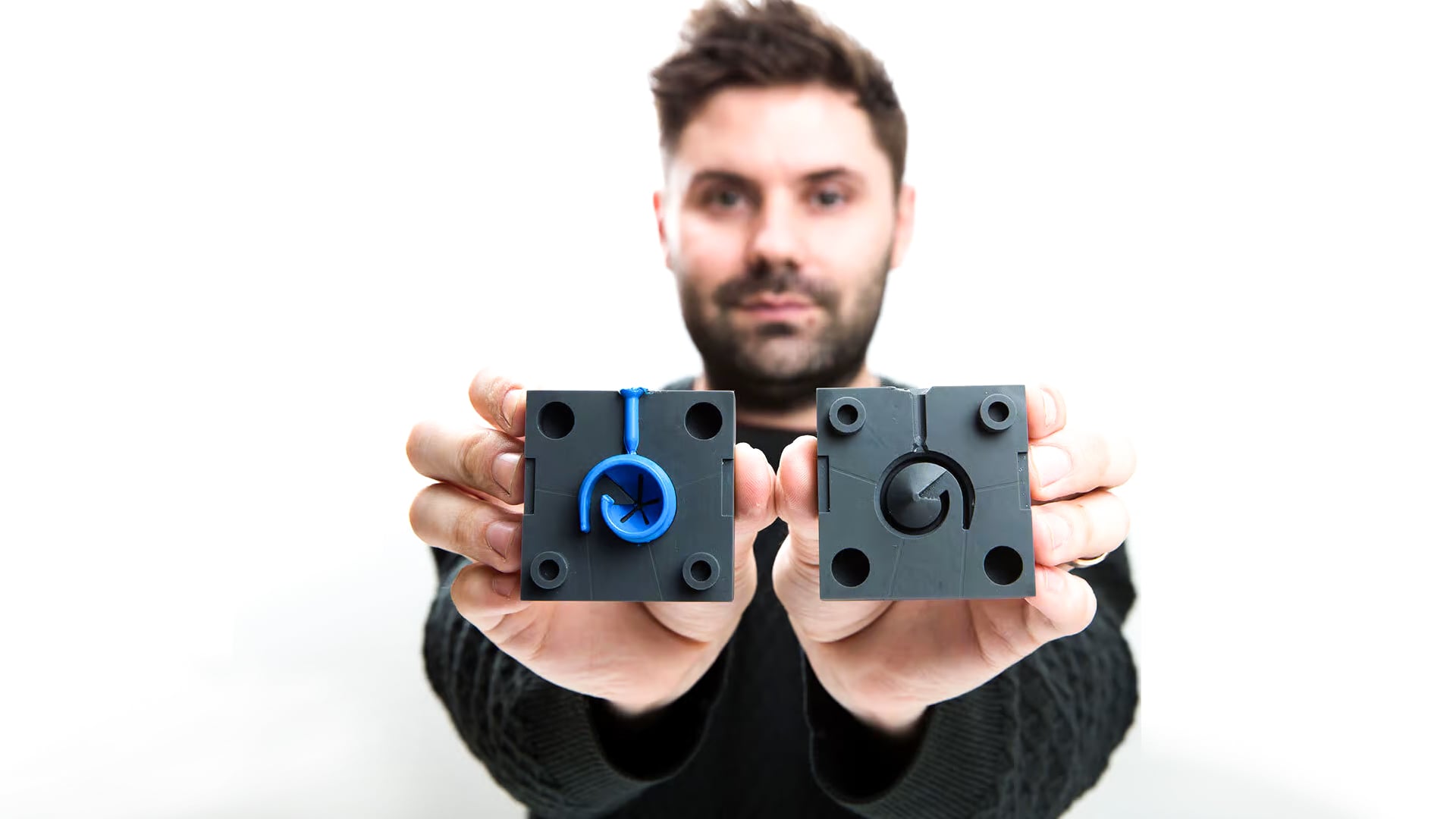
In this approach, the mold itself is created using a 3D printer. The mold is designed in CAD software and then printed using materials like thermoplastics, resins, or even metal, depending on the application. This is a faster and less expensive option, typically, than machining metal. It’s ideal for short-run production, prototyping, or low-temperature molding processes (like injection molding with lower-temperature plastics or silicone casting).
Manufacturers are also turning to 3D printing molds directly because it enables complex internal geometries and features. Surface finish and durability may not match those of traditional metal molds for long-run production.
3D Printing a Pattern to Make a Mold
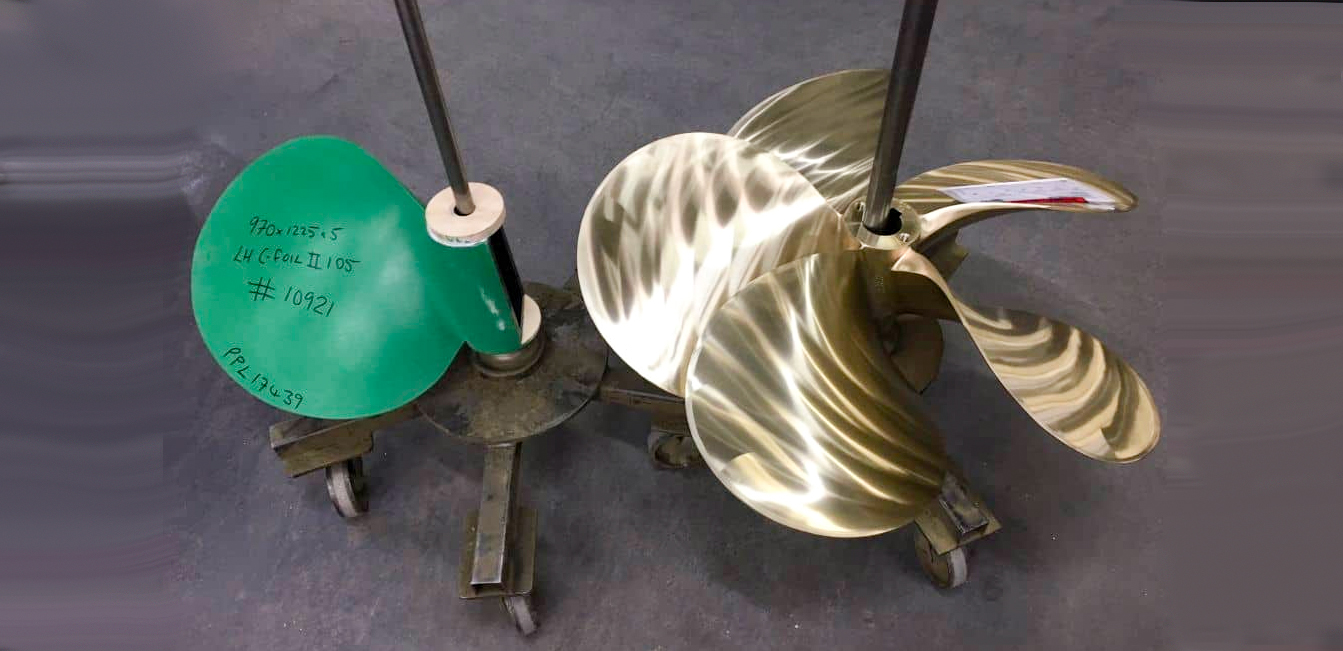
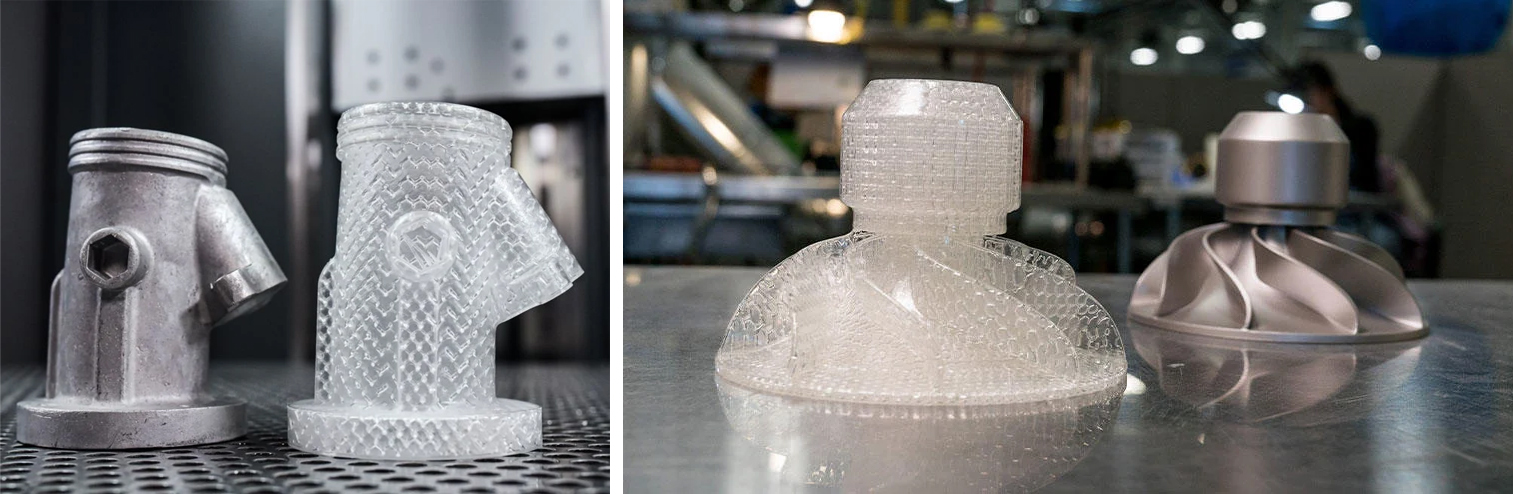
Here, you use 3D printing to create a pattern (or model) that is then used in a secondary mold-making process, such as sand casting, investment casting, or silicone molding. The pattern can be reused (in sand casting) or sacrificed (in lost-wax or lost-PLA casting).
This use is common in metal casting and for parts that require durable, high-temperature molds. It enables the production of traditional metal molds or castings using modern design and rapid prototyping techniques. Application-wise, it’s often used to replicate legacy parts or complex shapes that would be hard to machine. It’s also ideal for quick iterations and multiple custom patterns.
Which Technology to Choose for Patterns and Molds
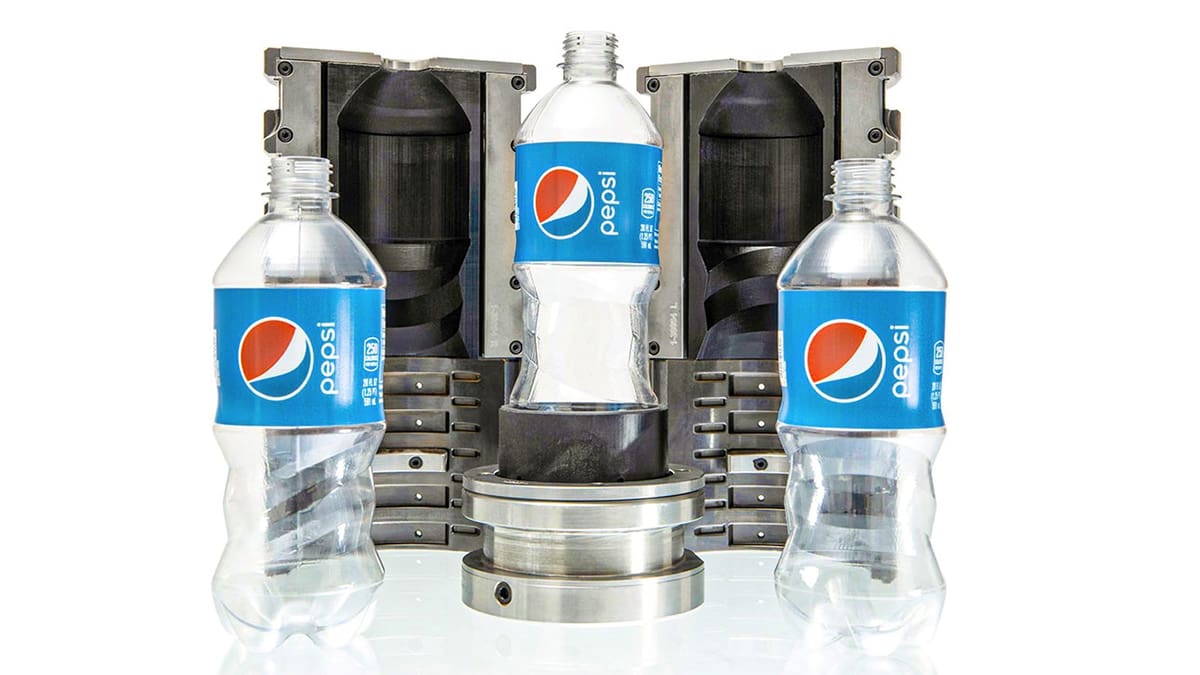
When it comes to 3D printing patterns and molds there are several technologies and materials to choose from at 3D printing services. We go in-depth in our Ultimate Guide to 3D Injection Molds, so here we’ll present the essentials.
3D Printing Technologies for Plastic Molds & Patterns
Quick Recommendations:
- Use FDM when size and cost matter more than surface finish.
- Use Resin Printing when fine detail and surface quality are critical.
- Use PolyJet when you need both high detail and larger scale—and have the budget.
3D Printing Technologies for Metal Molds
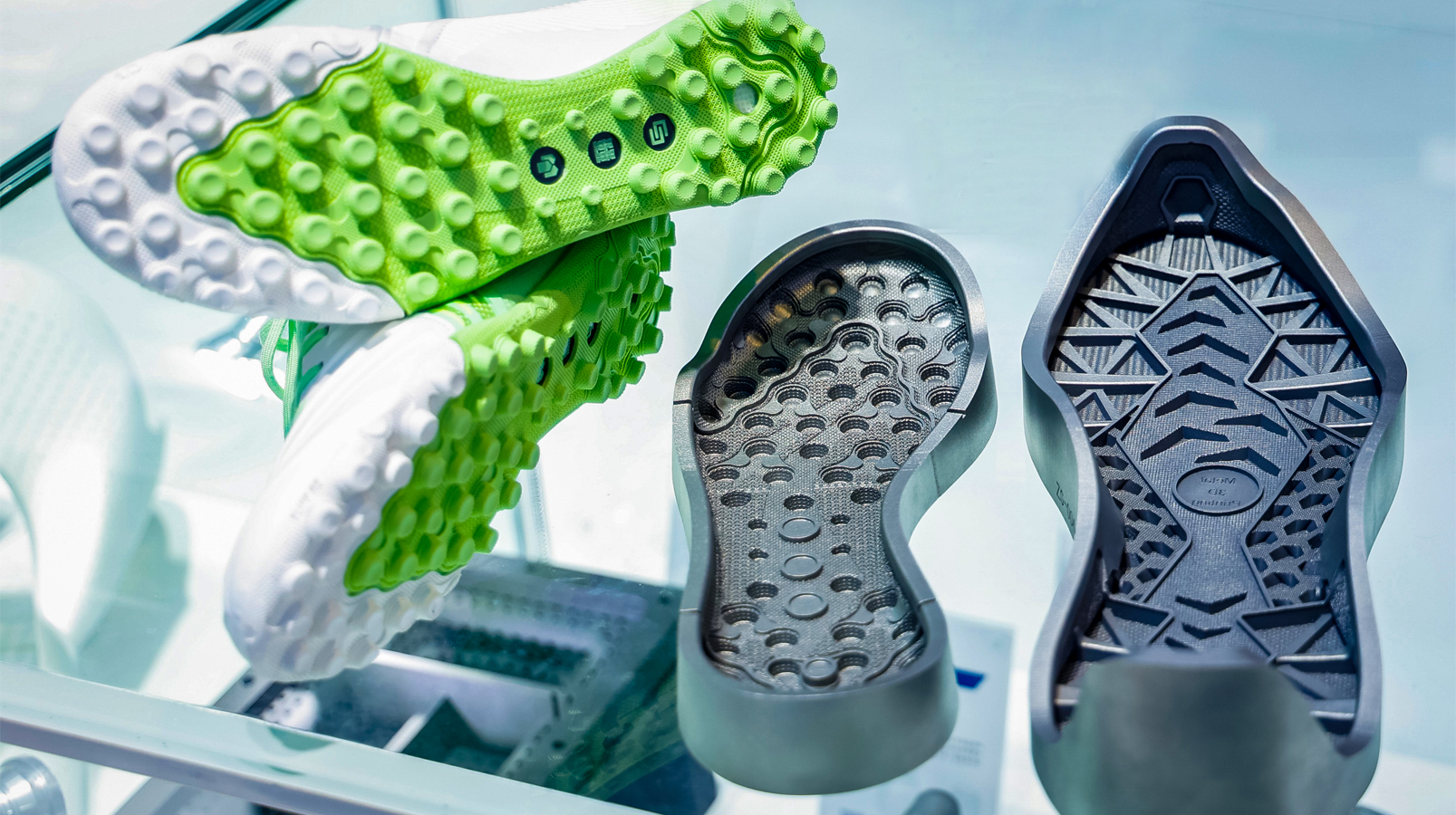
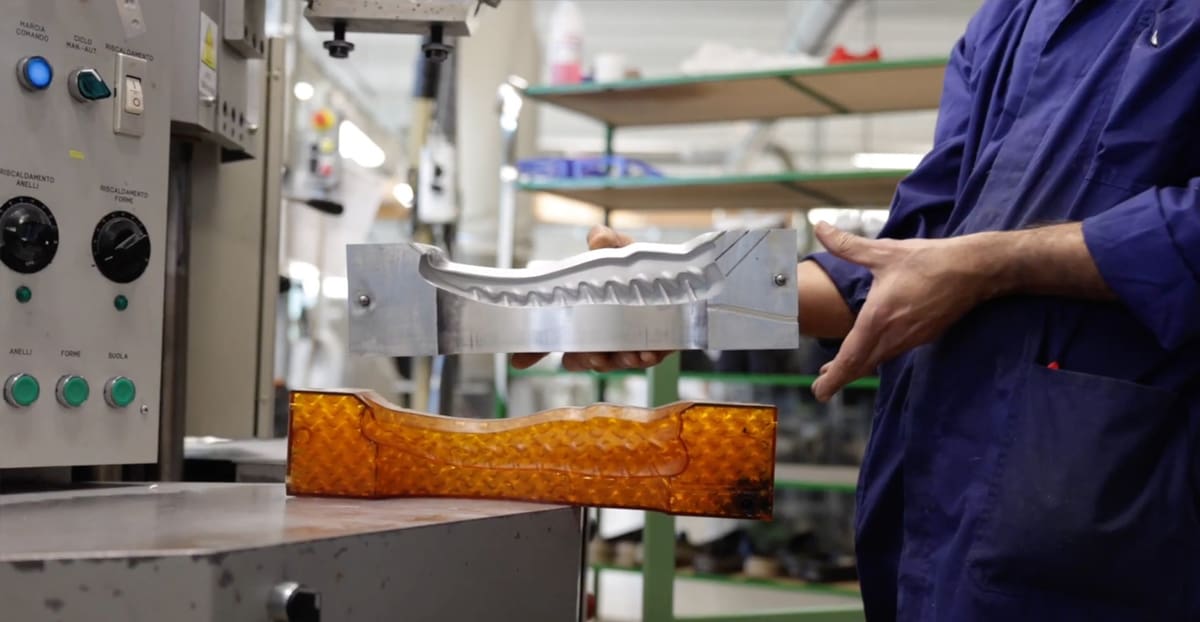
Several metal 3D printing technologies can directly 3D print a metal mold. Most common is selective laser sintering, which provides the detail required for a product, such as the shoe sole pictured above. Other metal technologies can product a near shape parts that then required post-machining.
For more in depth information on visit: 3D printing Molds, Patterns & Cores for Metal Casting.
Materials for Casting Patterns & Models
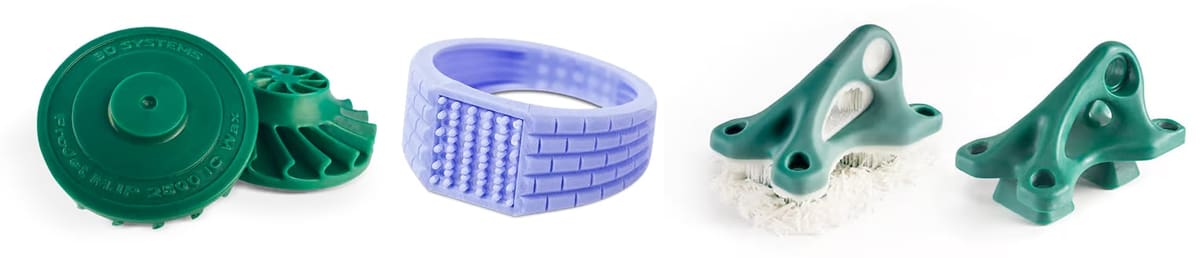
Casting success depends heavily on the material’s burnout properties (how cleanly it vaporizes or melts away during the mold-making process), leaving minimal ash or residue. Broadly speaking, you’ll encounter two categories of materials suitable for this purpose: true waxes/castable wax-like resins or photopolymers.
Some advanced material jetting systems, such as 3D Systems’ MultiJet printers, support real wax formulations, such as VisiJet M2 ICast. These materials closely replicate the behavior of traditional injection wax used in foundries. They offer excellent burnout characteristics, low thermal expansion, and smooth surfaces, making them ideal for direct use in precision casting of metal parts.
In addition to real wax, many resin-based technologies offer castable photopolymers engineered to mimic the qualities of wax and burn out cleanly. These are often listed under the term “cast” or “castable” in material lists. Popular examples include:
- Formlabs Castable Wax Resins
- Somos TetraShell
- Somos WaterShed AF
- VisiJet M2 ICast
It’s also important to understand which materials are unsuitable for investment casting. Here are a few examples of materials that should be avoided:
- Flexible plastics – Poor burnout characteristics, distortion issues
- Filled materials (glass, carbon fiber) – Leave residue during burnout
- Polyamide (SLS) – Can be used for lost-plastic casting, but requires a different process
When evaluating 3D printing vendors or service marketplaces, look for materials with “cast” or “castable” in the name—this is often the first indicator that a resin is compatible with investment casting. Not all services make this obvious, so don’t hesitate to review technical data sheets or reach out to a company’s team and ask about the material’s burnout performance. Some platforms allow filtering by material type or application; others may require you to contact support directly for clarification. I found it helpful to sort by material, then look through the available resins to see if any were compatible with casting.
Five 3D Printing Services Compared
We scoured the castable offerings from several popular 3D printing services to help you find the best ones. Using an STL file of a propeller blade, we uploaded our file to each of the following platforms to see if we could find a suitable way to obtain a wax or wax-like resin print.
Craftcloud
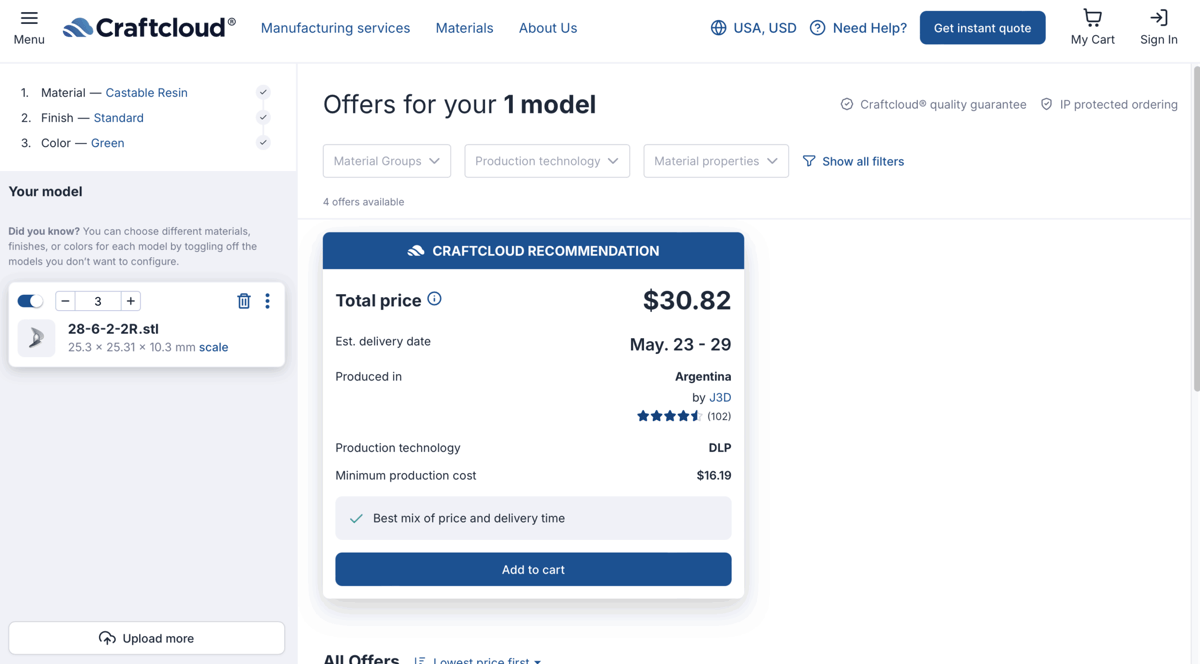
Craftcloud is a 3D printing marketplace that connects customers with a global network of verified manufacturing partners. Rather than operating their own production facilities, they serve as an intelligent intermediary that matches projects with the most suitable manufacturers worldwide. This often means it’s one of the most affordable ways to 3D print.
Craftcloud offers access to multiple technologies, including FDM, SLA, SLS, metal printing, and CNC machining through their partner network. When searching for castable materials in the online quoting platform, I simply searched the term “castable,” and our material of choice came up — castable resin. This is a type of resin that is specifically designed to be used in a lost-wax process.
Resin wasn’t the only castable option, however; other options included:
- Castable wax: A slightly higher cost than resin, this wax is designed to have a clean burnout. However, it is more fragile than resin and cannot support as much fine detail.
iMaterialise
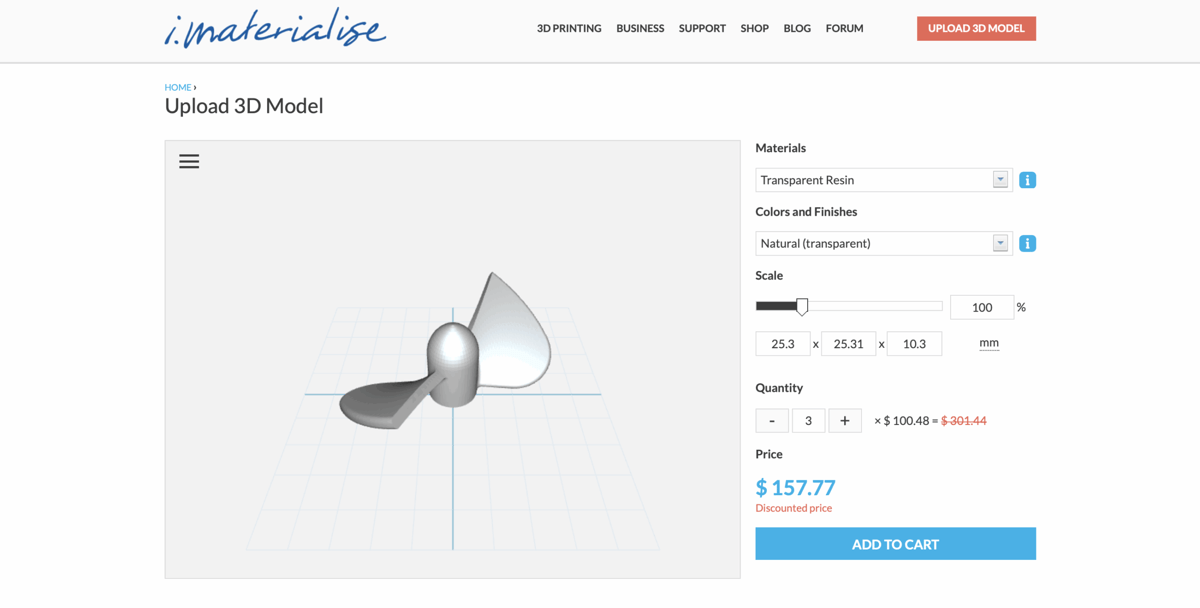
Materialise is quite literally one of the founding fathers of commercial 3D printing, established in 1990 in Belgium. They’ve been instrumental in developing the industry from its infancy, and decades of experience in the most demanding applications (medical, aerospace) means their consumer platform benefits from industrial-grade quality systems and cutting-edge material science.
Materialise’s specialty lies in high-quality 3D printing across multiple technologies, with particular strength in advanced materials and precision finishing. They offer over 100 material and finish combinations. However, for this particular project, we were encouraged by the Materialise team to look towards iMaterialise, a subsidiary of Materialise with a focus on jewelry, miniatures, and high-detail applications. Like Materialise OnSite, they offer on-demand 3D printing services to individual customers, designers, and businesses.
To obtain a quote online, visit i.materialise.com and use their online quote system. Upload your 3D model, select materials and finishes, and receive instant pricing. They also offer design consultation services for complex projects requiring material or design optimization. For our propeller project, their team suggested a transparent resin material that would leave a smooth surface.
It’s important to note that iMaterialise does not offer the option to order standalone wax models for external casting, as these models are fragile and prone to damage during shipping. Therefore, utilizing iMaterialise’s full service, which includes both the creation of the wax model and the subsequent casting process in the metal of your choosing, is a great option if you’ve already tested a casting model and are ready to have a metal part printed.
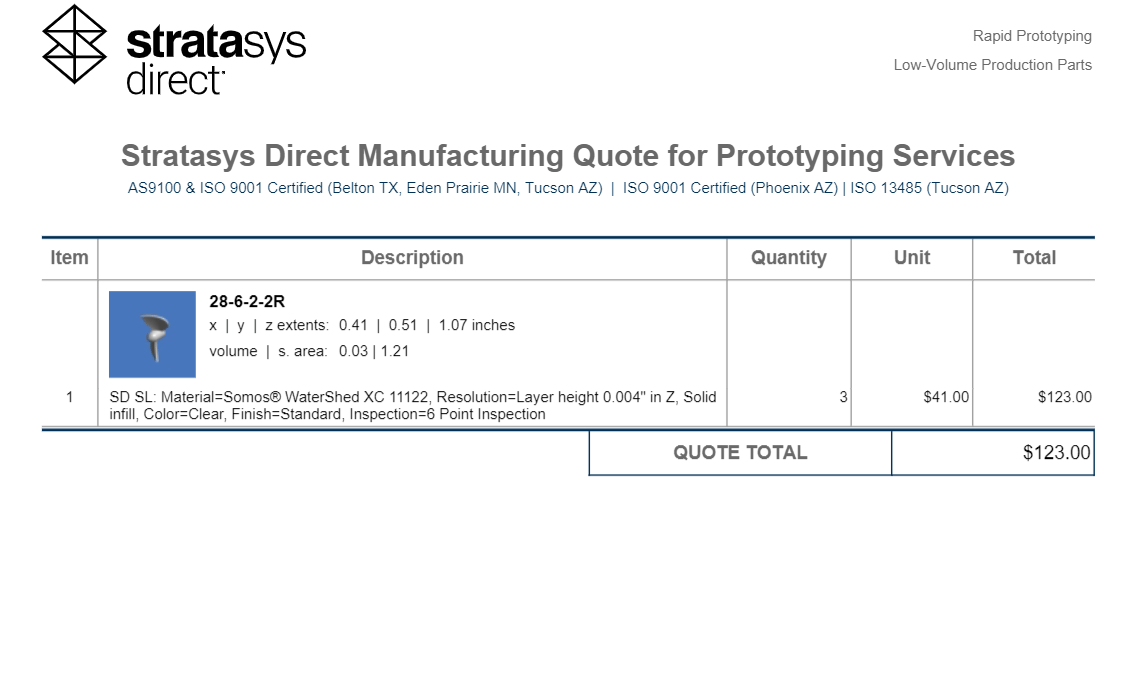
Stratasys Direct
Stratasys Direct Manufacturing is a division of Stratasys Ltd., a leading provider of industrial 3D printing and advanced manufacturing services. Stratasys Direct specializes in rapid prototyping, low-volume production, and additive manufacturing using a variety of 3D printing technologies.
This time, we went with Somos Watershed, an SLA-printed resin. Its dimensional stability and clean surface quality ensure the casting model accurately represents the final design and is able to produce fine patterns. It’s designed without antimony to address sensitivities in the casting of certain specialty alloys. As no antimony is used, the resulting patterns leave much lower amounts of ash residue after burnout, reducing clean-up and speeding up mold production.
The quoting process was simple: Upload your CAD file at stratasysdirect.com, select SLA (or any technology you wish to use), and choose from their material list. Quoting does not always occur instantly, as some projects will trigger a manual quote from an engineer. If this happens, someone from their team will reach out to you within a day or two with a final price.
In addition to WaterShed, Stratasys also offers the following materials that would make good options for a casting mold:
- KeyCast: KeyCast’s low shrinkage formula controls thermal expansion to yield porous-free and accurate castings. KeyCast is compatible with rapid burnout and gradual temperature ramp workflows, with no residual ash. It is used with chrome, cobalt, gold, and silver.
- Somos Element: Also an antimony-free SLA resin, Somos Element is specifically formulated for investment casting. It offers excellent green strength, reducing the risk of breakage during handling, and leaves trace amounts of lightweight, easily removable ash after burnout. This material is ideal for producing accurate, repeatable parts regardless of size.
Objective3D
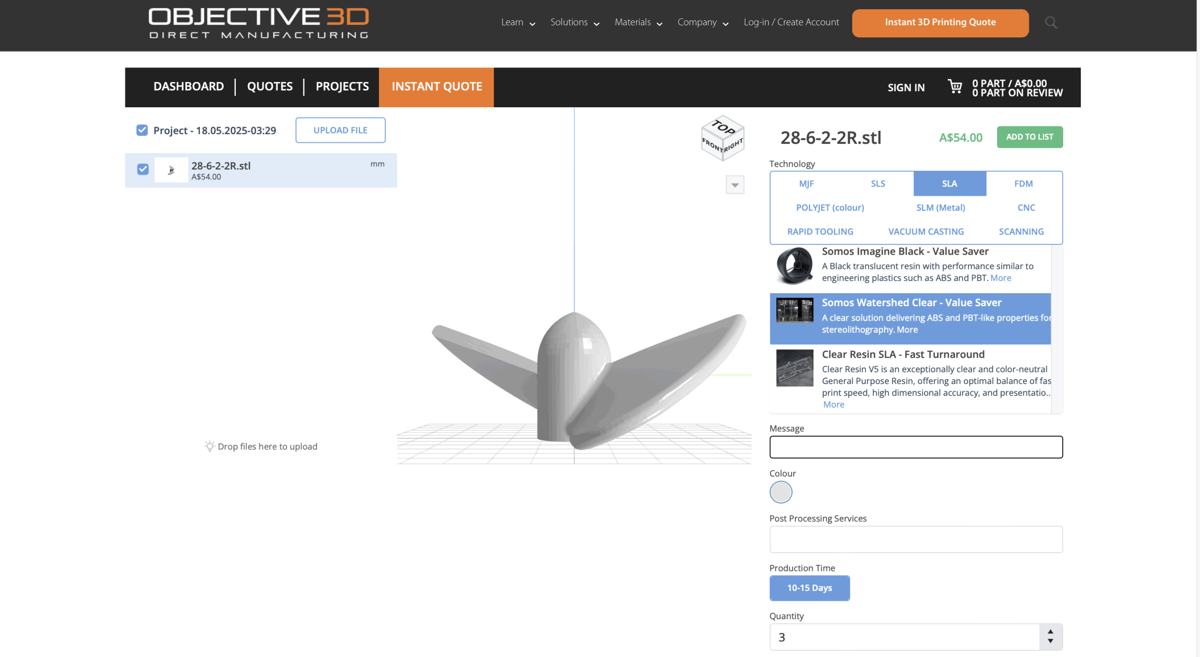
Objective3D is an Australian-based industrial 3D printing service provider offering end-to-end additive manufacturing solutions across the Asia-Pacific region. Their specialty is in industrial 3D printing services with a strong focus on engineering applications, tooling, and production parts. They specialize in FDM, PolyJet, and emerging technologies.
Objective3D offers instant quotes through their online platform—all you need is an email address, and you’re good to go. Materials are organized by technology, so we browsed through the SLA options in search of castable materials. The great thing about the Objective3D quoting platform is that a description of each material is available in the drop-down menu, making it easy to see which materials are compatible with the project at hand. The options for a castable material were:
- General purpose “ABS-like” resin: A white/ivory material with ABS-like mechanical properties and superior surface finish.
- Clear resin V5: An exceptionally clear and color-neutral General Purpose Resin, offering an optimal balance of fast print speed, high dimensional accuracy, and presentation-ready appearance.
- Somos Watershed Clear: A clear solution delivering ABS and PBT-like properties for stereolithography.
Ultimately, we decided on Somos Watershed as it was slightly cheaper than the other options listed. Watershed meets the requirements for investment casting patterns due to the low amount of ash residue it leaves after burning.
Objective3D also sells the materials themselves separately from their printing services, which can be useful if you already have a 3D printer in-house and just need a castable material. For example, you can purchase Formlabs’s Clear Cast Resin, among dozens of other material choices.
Shapeways
Shapeways is a New York-based 3D printing marketplace and manufacturing platform that connects designers and customers with on-demand production capabilities. They operate their own facilities while also partnering with external manufacturers, and put a strong emphasis on design community, custom products, and small-batch production.
The instant quoting platform was simple and easy to use, although I did find it helpful to have their materials list open in another tab in order to view the properties of each one and whether it would be suitable for our project.
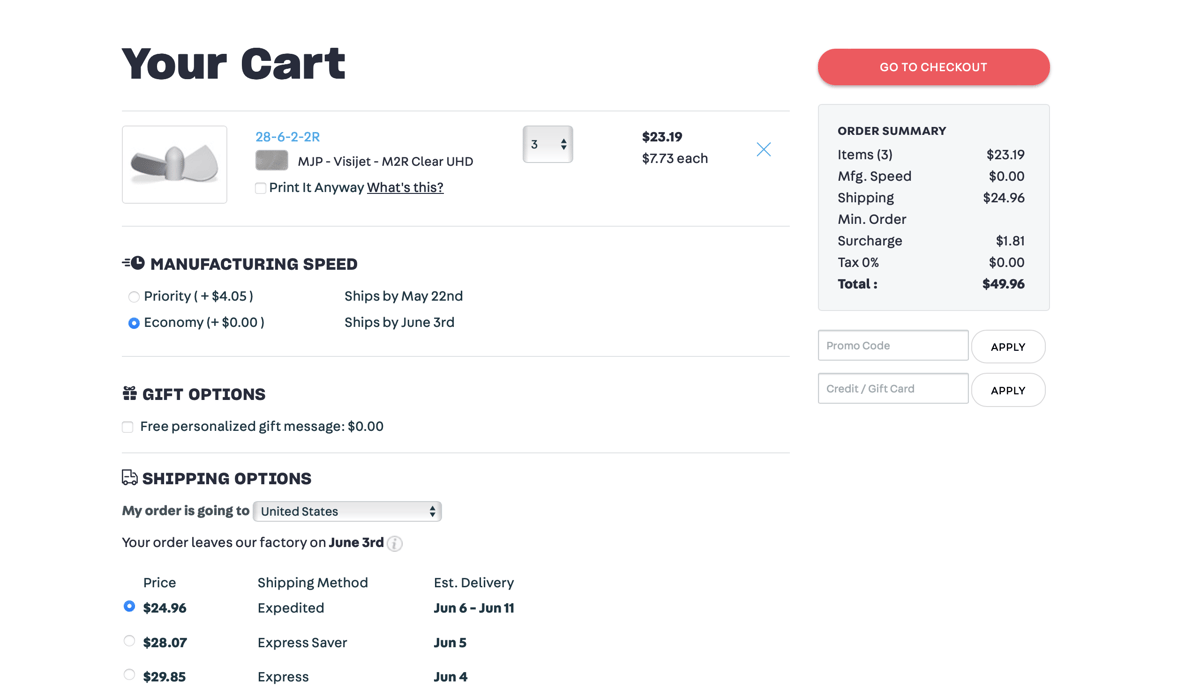
Once our STL was uploaded, I selected VisiJet M2R-TN, an MJP-printed plastic that’s designed for dental castings as well as general prototyping. It has high feature fidelity, sharp corners and edges, and a smooth surface finish.
Other available materials ideal for casting patterns include:
- VisiJet M2R
- VisiJet M2P Crystal
- Accura 60
Additionally, Shapeways offers lost wax casting as an all-in-one process, giving customers the ability to print in gold, silver, brass, bronze, or copper without going through the design iterations of a wax mold. If you’ve already prototyped your design and are looking for a more one-stop shop to have a metal print done for you, Shapeways is an excellent place to look.
You May Also Like:

License: The text of "Faster, Cheaper Options for Making Molds: 3D Printing Services Put to the Test" by All3DP Pro is licensed under a Creative Commons Attribution 4.0 International License.