The $4 Billion Shift: Why Construction Giants Are Betting on 3D Concrete Printing

The printer is only half the battle. From carbon-capturing evoZero to local soil blends, we dive into the advanced material science that is finally making 3D construction viable.
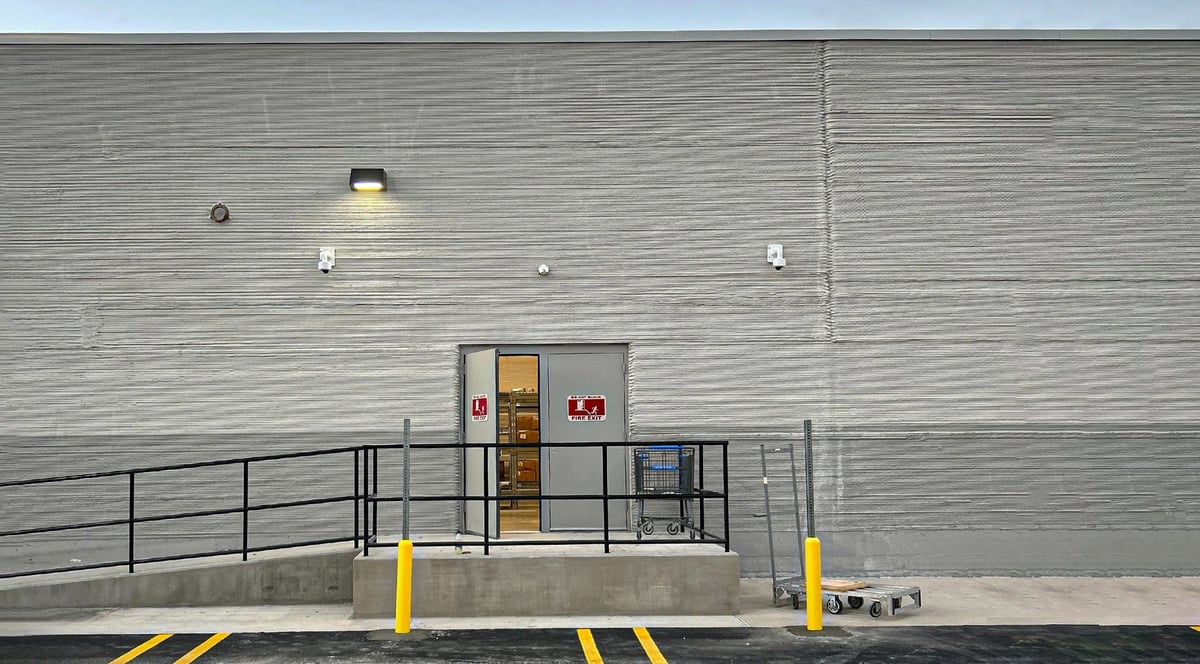
When American construction giant FMGI announced last month that it was investing in fleet of American-made robots to 3D print more than a dozen projects for Walmarts across the country, it was a seismic event. After years of one-off showcase buildings and larger housing projects by construction 3D printing companies, such as Texas-based Icon, a major building company was adopting concrete 3D printing as a core part of its business model.
As construction 3D printing matures from experimental prototypes to serial production across the globe, builders are looking closer at this growing market. While early projects relied heavily on concrete-like materials that cured faster than traditional options, the last few years have brought about advances in the 3D printers, but more critically, innovations in both sustainability and structural performance of the materials.
Today, companies are looking towards concrete mixtures that are carbon-negative and local soils. Industrial giants such as Heidelberg Materials have developed a carbon-capturing concrete that sequesters CO2 during the print process with their material called evoZero. Graphene, although still a relatively expensive material to use, is being researched to reduce the use of cement while still delivering superior strength. Companies such as WASP are printing homes with mixtures made of soil, lime, natural fibers, eliminating the need to use cement at all and cutting its CO2 production by 50% of traditional reinforced concrete technology.
Let’s take a closer look at the state of additive manufacturing of cementitious materials, where the focus is no longer just printing faster, but also on printing cleaner, stronger, and smarter.
What is Concrete 3D Printing?
3D printing does not follow the conventional processes of laying bricks. Instead “layered construction” has become a completely new alternative technology in the building industry that reduces manpower, waste, and formwork while delivering increased productivity and geometric freedom.
Plus, construction sites are changing. Instead of building work being carried out entirely on-site, structural modules are increasingly pre-fabricated under industrial and automated conditions and assembled on-site, saving time and money, and enabling construction progress in harsh weather.
3D concrete printing (3DCP) technology is in use today for buildings, homes, architectural features, and construction projects from wells to walls. Proponents say it has the potential to significantly disrupt the entire construction industry if it can get over a few hurdles first.
Here, we’ll take a look at how companies are 3D printing with concrete (mortar, soil, and recycled products) today, what 3D printers they’re using, and what materials make it possible. You’ll learn about the basics and benefits of 3D concrete printing and what advantages it can offer over traditional construction techniques.
How to 3D Print With Concrete
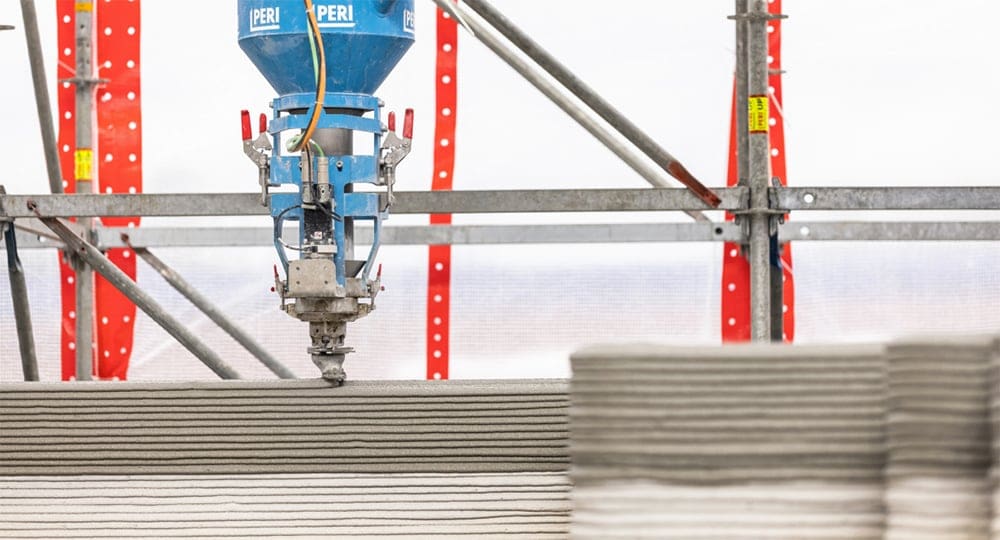
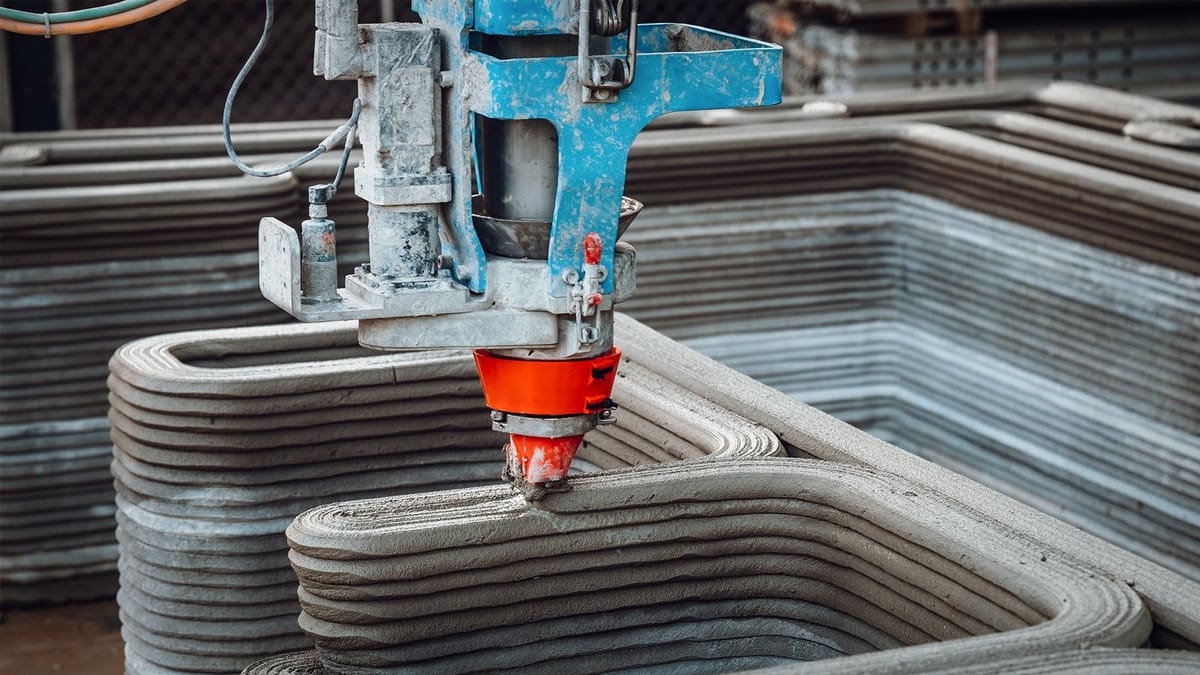
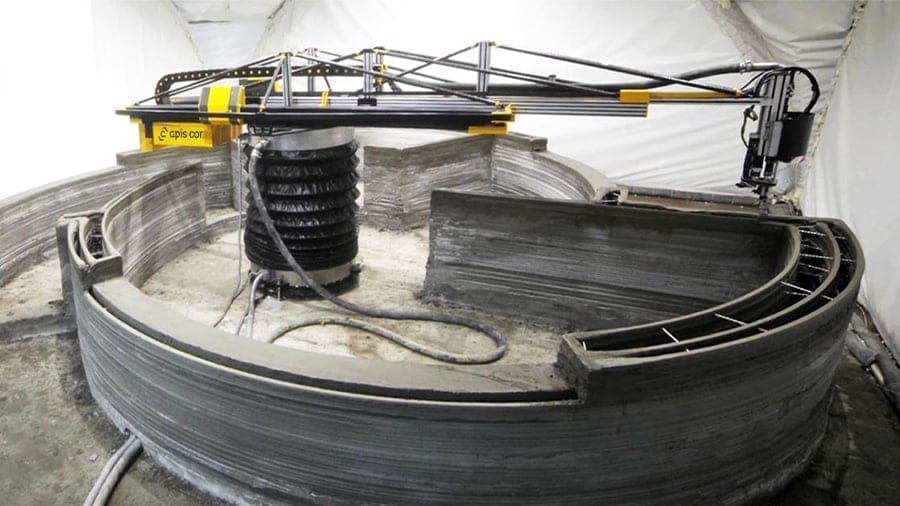
3D concrete printing uses extremely large-scale 3D printers, often measuring 30 feet in height and length to extrude concrete from a nozzle. These machines generally come either as gantry or robotic arm systems.
Whatever the printer’s configuration, practically all of them continuously extrude a dough-like concrete material that’s laid down in layers to create the desired building element.
Despite being called 3D concrete printing, the material is not always concrete in the strictest definition of the word.
Construction companies can 3D print with types of mortar, plastic and recycled plastic, and local natural materials, including moon rock and mars dust, along with sand, metal, and clay. In fact, the versatility of the technology is opening up new opportunities for more sustainable building, using local materials, waste materials, and recycled materials.

Traditional concrete is usually unsuitable for 3D printing because it would clog the printer nozzle and not adhere properly to the previous layers (see more in our section on materials). Many of the available materials today are unique and some are patented, making successful 3D concrete printing just as much about the material as it is about the printer.
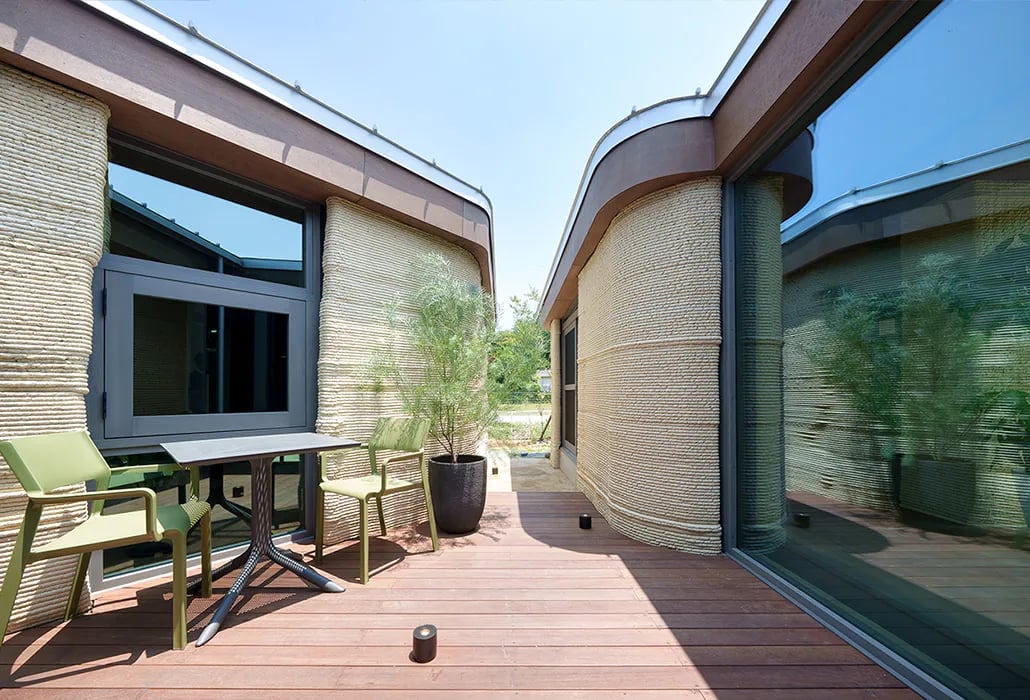
In July 2025, Lib Work Co., Ltd., in collaboration with WASP, announced the completion of the first 3D printed house in Japan made primarily (65%) of soil with the construction of their Model B house. This house uses no cement, unlike their earlier iteration (Model A), and instead uses only naturally derived materials – soil, lime, and natural fibers.
3D Printable Concrete Materials
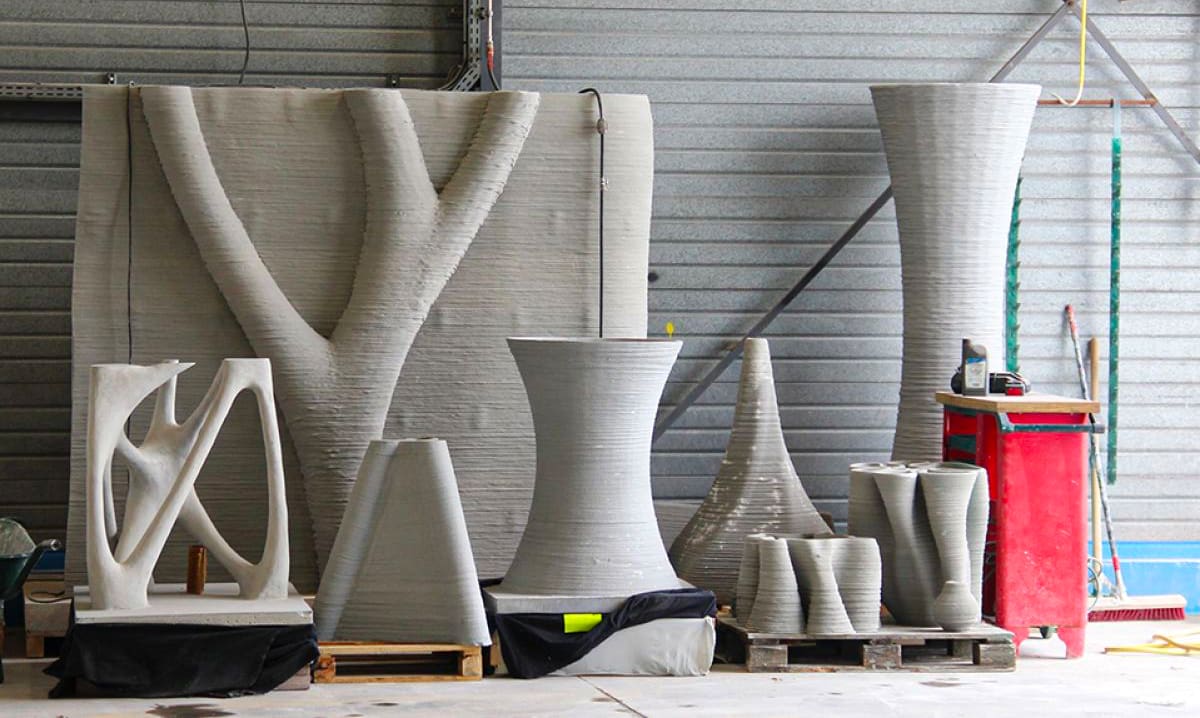
Most often, 3D printable concrete is a cement-based mixture of several materials, including super-plasticizers that remove water from the mix for faster drying and fibrous materials for improved strength. The materials are more like mortar. Providing similar functionality to concrete but with higher printability and sometimes better physical properties, the blends can be formulated for a specific purpose, such as printing walls for housing or for creating decorative architectural elements.
All 3D printable materials must have extrudability and shape retention. Most construction 3D printer manufacturers create their own proprietary material blends that have been optimized for their 3D printers (or for those of their immediate partners). Some examples of proprietary material blends include Icon’s Lavacrete and CyBe’s CyBe Mortar.
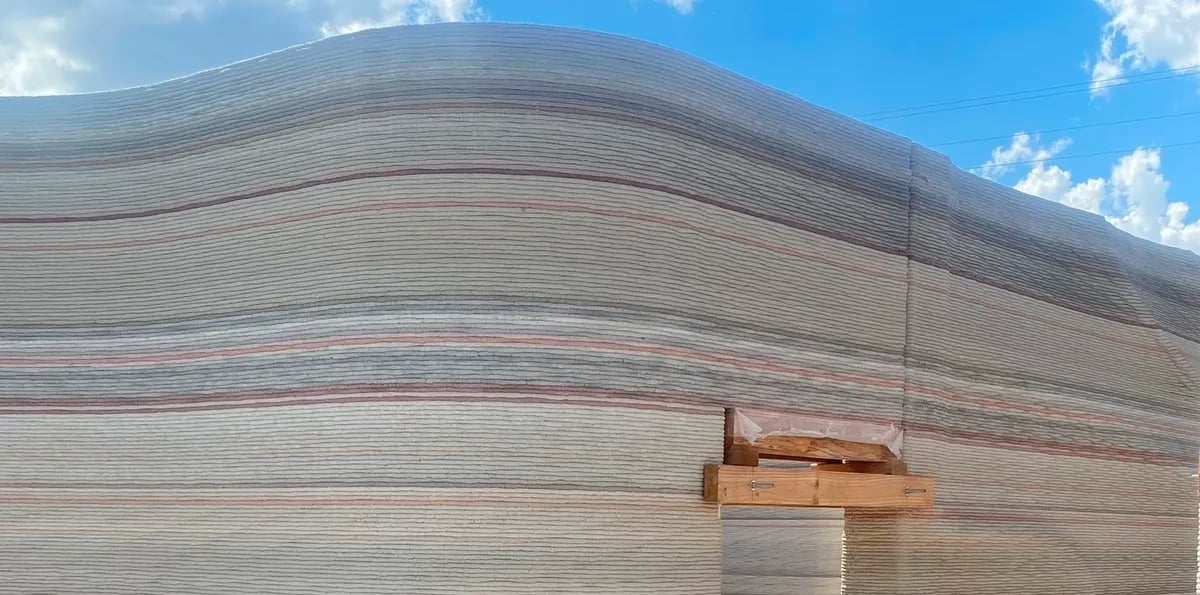
At present, these mortars are typically more expensive than standard construction cement, but that could change soon. Mexican cement company Cemex and the German University of Technology in Oman, along with printer maker Cobod, recently 3D printed a test building using standard concrete.
“While we have been happy to help cement and concrete manufacturers develop dry-mix 3D printable mortars, we have also insisted on a solution using real concrete made from local available materials, which will be needed for the mass application of our technology,” says Henrik Lund-Nielsen, Cobod’s founder.
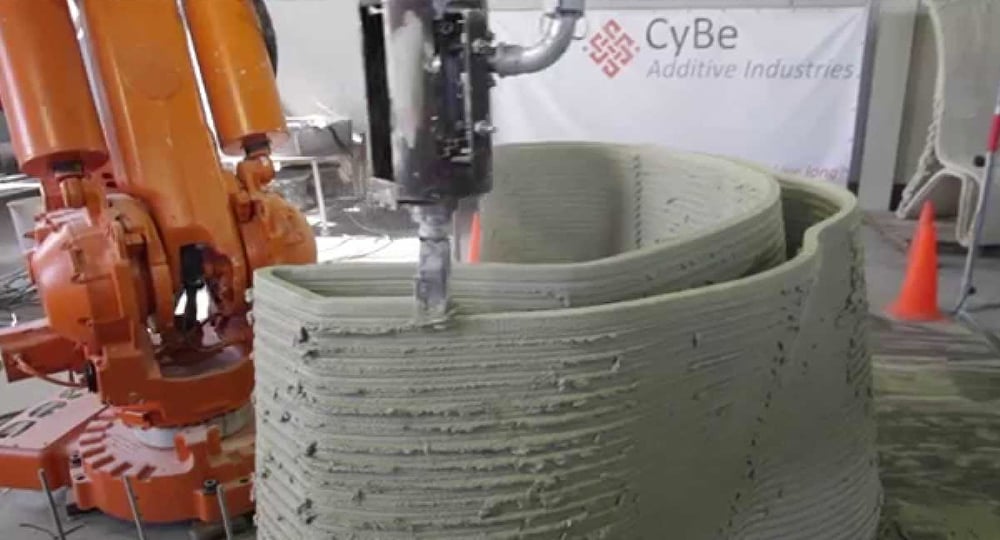
There are some basic features that set 3D printable concrete materials apart from one another. One factor is drying time. There are materials, such as those by construction 3D printer companies Mighty Buildings and Icon, that are cured using UV light. These kinds of materials cure almost instantly and can be printed horizontally without supports.
Other 3D printer manufacturers, such as WASP, have formulated their building materials to be sourced locally, such as local earth and clay. Local material cuts down on costs, making 3D printable concrete a far cheaper option compared to traditional concrete, especially in developing nations.
Although still in the research phase, 3D printing with recycled materials, such as waste concrete from demolished buildings, is also a central eco-friendly selling point of the technology.
Several companies have entered the 3D printable concrete market with their own products. As we’ve already mentioned, many of the materials are proprietary and designed to work with the specific company’s own printers.
That said, others make more universal materials that works with different printers, with some even formulating their materials blends separately for each project. Here we take a closer look at some of the leading material producers in the field and what they have to offer.
CyBe
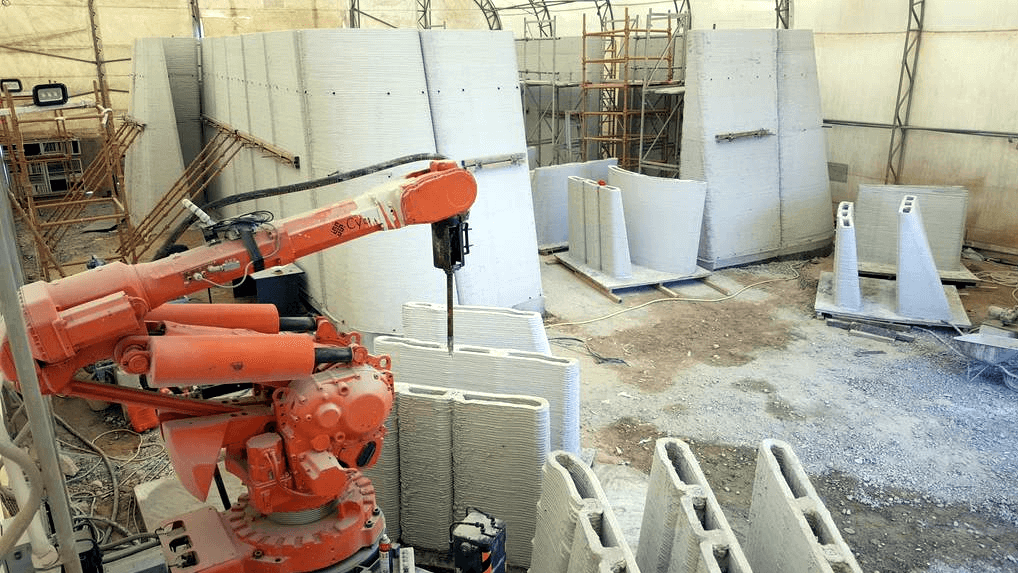
The Dutch additive construction company CyBe has on offer its CyBe Mortar. The material has been developed specifically for concrete 3D printing with CyBe printers.
CyBe Mortar is a non-metallic, low-chloride, and low-sulfate material that’s suitable for all environments, the manufacturer says. It sets in only three minutes and achieves structural strength in an hour, providing high durability and little shrinkage.
The material can be used in architectural, structural, industrial, and design applications. CyBe says it will also partner with companies to produce CyBe Mortar from locally available materials, cutting shipping costs.
When used with CyBe printers, the material can be deposited at a maximum speed of 600mm/s at a minimum layer height of 1cm and a maximum of 5cm. The company says CyBe Mortar cuts CO2 emissions by 32% when compared to traditional Portland cement.
Heidelberg Materials
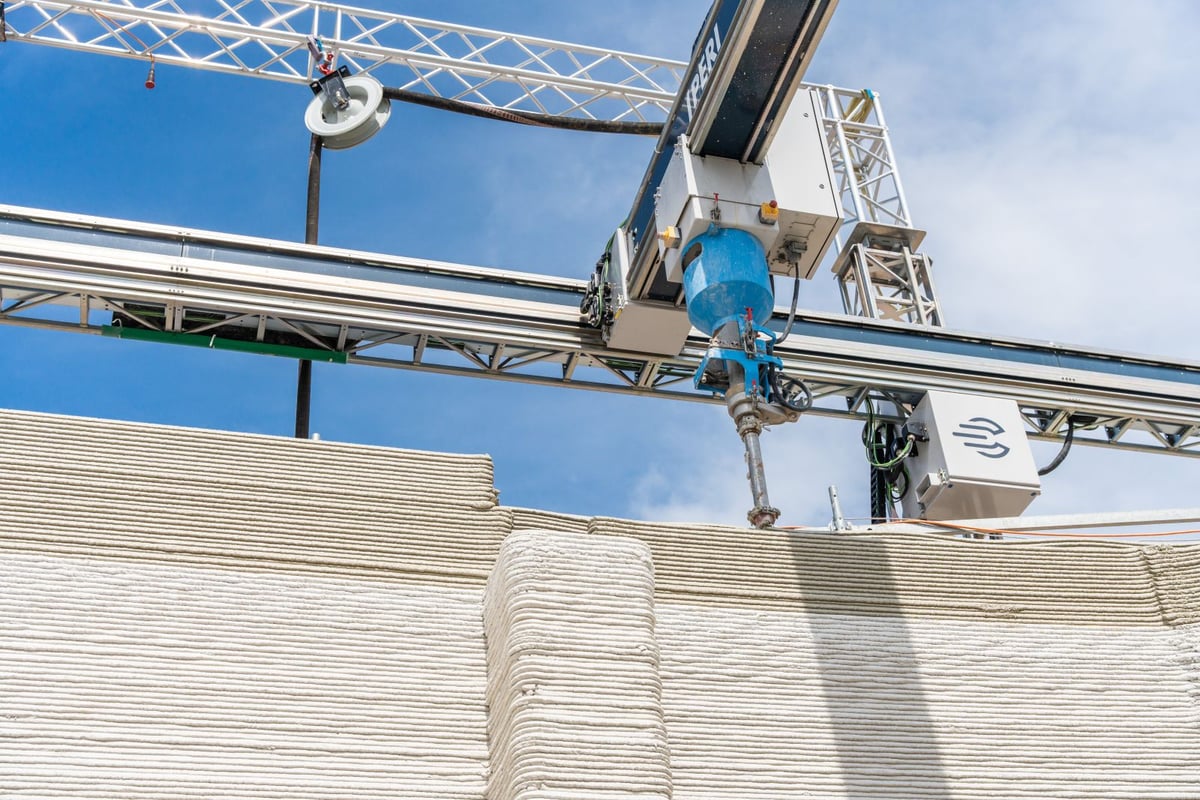
German firm Heidelberg Materials has developed evoZero – a cement that achieves its net-zero status through Carbon Capture and Storage (CCS) technology. The material, developed in the company’s Brevik, Norway plant is said to capture 400,000 tonnes of Co2 annually and store it permanently.
Their global brand evoBuild aims to standardize their line of sustainable products across all their markets. It serves as a framework for low-carbon and circular products. To qualify under their brand, the product must provide a CO2 reduction of at least 30% of the standard Global Cement and Concrete Association (GCCA) reference values, and must contain at least 30% recycled aggregates or reduce material requirements by at least 30%.
For 3D printing , evoBuild is available as a ready-mix deliverable by conventional concrete mixer trucks. It is currently used in Germany for single and multi-story buildings, both bearing and non-load bearing walls, prefabricated construction elements, as well as small decorative pieces such as vases.
Heidelberg Materials is showcasing both of these in a 3D printed construction project called DREIHAUS in collaboration with the real estate company Krausgruppe. The project involves the printing of three residential buildings. Buildings 1 and 2 are being printed using evoBuild, which is fully recyclable and uses a binder with a carbon footprint more than 50% lower than conventional Portland cement. Building 3 will be the first application in Germany of using evoZero as a binding element – effectively using carbon-captured cement for the creation of the structure.
By combining these materials with 3D printing technology, DREIHAUS aims to significantly reduce material consumption and further lower CO2 emissions compared to traditional construction methods.
Icon
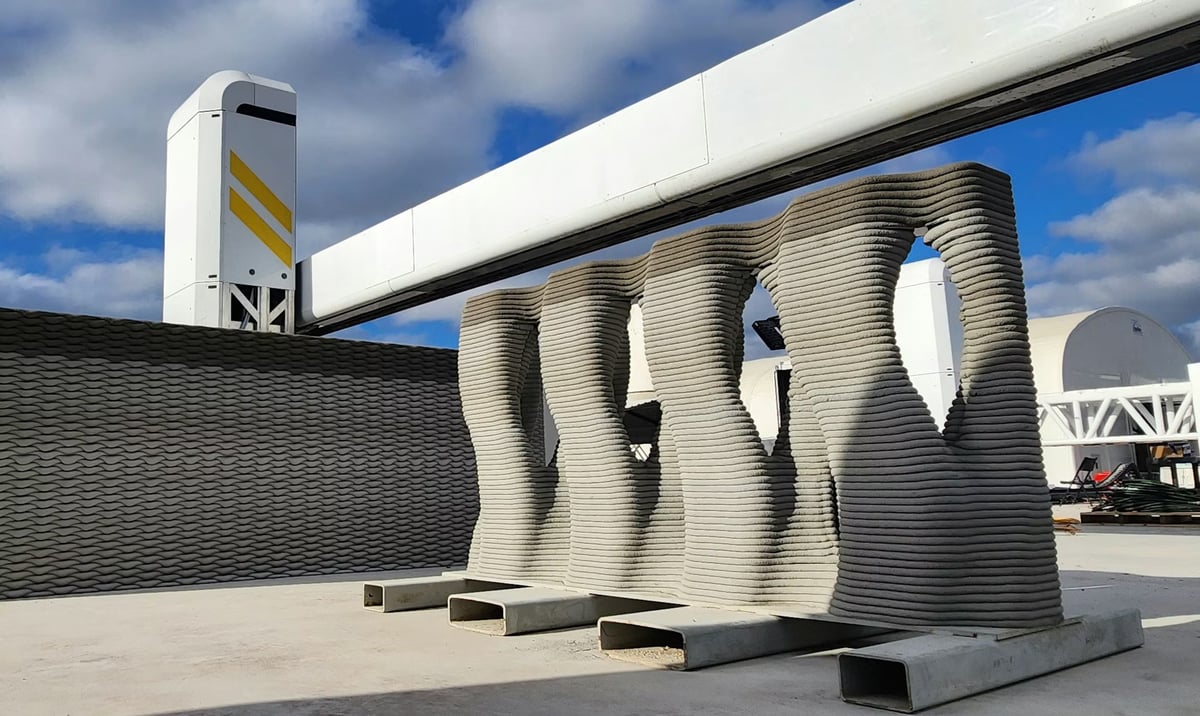
Released in 2024, CarbonX is Icon’s new low-carbon printable concrete formula for use with the company’s wall building technologies. According to the company, it is the lowest carbon residential building system available.
In a white paper published with the MIT Concrete Sustainability Hub, case study houses built with CarbonX show considerable lifetime reduction in carbon footprint when compared to traditional wood framed construction.
CarbonX is also available to other projects, not just 3D printed ones, and more iterations of the formula are already in development to reduce carbon even further.
ICON has developed two construction systems, the Vulcan and the Titan. The Vulcan is a gantry system capable of 3d printing entire single story homes. Titan is the name for their multi-story system which includes the newly developed Phoenix, a mobile, rotating, robotic arm which allows for larger and more complex buildings.
Either of these systems are paired with Magma, Icnon’s delivery system. Magma is a portable system that mixes CarbonX with additives and water to supply the printers at their specified temperature, humidity, and speed.

Holcim
Unlike the other companies highlighted here, Swiss LafargeHolcim, rebranded as Holcim Group in 2021, doesn’t produce a single named material. Instead, the company partners with construction companies on various projects, providing individually formulated 3D printable concrete mixes.
For example, Holcim has provided a printable white cement mixture for XtreeE, which has been used in various architectural and art projects. The company is also working with COBOD and GE Energy to develop a tailor-made concrete mixture for 3D printing bases for wind turbines.
In June 2020, Holcim released Tector 3D Build, its first dry mortar material range for 3D printing. Made from cementitious materials and natural hydraulic lime, the material is capable of reaching very high print speeds, the company says. Tector 3D Build is suitable for both residential and infrastructure printing projects. Unlike some 3D printable cement materials, it can be printed vertically, allowing facades and decorations to be printed directly onto the wall.
In 2021, Holcim partnered with 14Trees to 3D print a housing community in Kenya. Here, their proprietory ink named TectorPrint is able to print load bearing walls in just 12 hours – four times faster than conventional construction.
Recently, Holcim launched it’s most recent mortar in Argentina – Tector 3D Mortar – the countries first locally manufactured material created specifically for 3D printed construction. The mixture is made from cement, sand, and other additives, and printed using machinery developed by Teknix, an Argentinian manufacturer.

CEMEX
Mexican cement giant Cemex introduced a proprietary admixtures family called D.fab in 2021, which transforms conventional concrete into a versatile material that can be efficiently tailored for 3D printing construction.
Working with Danish 3D printer maker Cobod, this admixture innovation produces a more fluid and malleable concrete that facilitates the pouring process for 3D printing applications. Cobod’s printers and expertise, in combination with the admixtures, make it possible for the concrete to gain shape instantaneously. Cobod applied the new solution for the first time in a suburb of Luanda, the capital of Angola, where homebuilder Power2Build used it to construct Angola’s first 3D printed concrete house.
WinSun
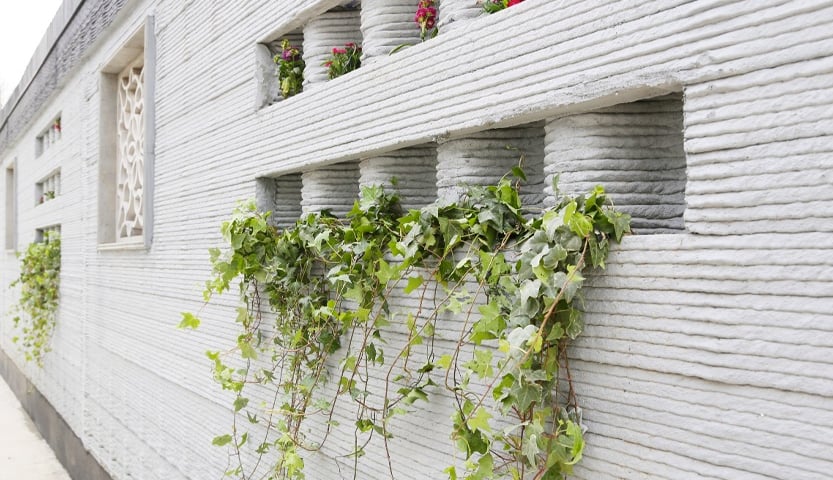
China’s WinSun primarily serves the Asia-Pacific market – which is one of the fastest-growing regions for 3D printable concrete. The company produces several different materials that have been used in various projects throughout China and elsewhere.
WinSun’s Crazy Magic Stone (CMS) is an artificial stone material that is based on a modified cement mixture. The blend is further reinforced with enhanced glass fibers.
CMS provides a smooth finish that mimics natural stone colors and textures while providing five to 10 times higher mechanical strength than natural stone. The company says that the material has been used in more than 100 projects to print interior and exterior walls, floors, and roofs.
WinSun also produces the Special Reinforced Concrete (SRC) materials, which was developed to overcome the limitations of the earlier glass-fiber-reinforced gypsum material. SRC can be implemented to create complex internal and external architectural elements and decorations.
The fiber-reinforced material provides high strength and durability. WinSun says the exact SRC mix can be customized to each project’s specific needs.
Advantages of 3D Printing Concrete
3D concrete printing for construction has advanced rapidly over the past five years, with innovation in robotics, material science, software, and 3D building design methodology. But why is that? What does it offer in comparison to traditional building methods?
Simply put, 3D printing has the potential to upend construction in terms of speed, cost efficiency, and productivity. However, it’s not quite there yet. There’s no evidence that the homes and buildings completed to date were done so for significantly less than what traditional manufacturing would have cost. Builders do say, however, that they spend less on materials when they 3D print and the parts of the homes that are 3D printed were completed far faster than if those parts were made of brick or wood frame. There are also savings on labor, and a concrete home or building has the potential to stay cooler in summer, hotter in winter, and withstand extreme weather events, such as hurricanes.
There have been dozens of home and building 3D printed across the globe, and of the 3D printing construction projects planned, most are multi-house developments or entire neighborhoods, indicating that with volume, the technology may eclipse the cost and speed of traditional building methods.

The 3D printing construction market should reach a value of $4.18 billion by 2030, according to the latest estimates.
As the number of 3D printed houses, schools, offices, and places of worship grows, builders realize the promised benefits of the technology, namely:
- Lower materials consumption since wall structures can be topologically optimized and partially hollow
- Less waste, no need for large-scale concrete molds or formwork
- Faster building times when compared to laying bricks or concrete molding
- Greater degree of design freedom, able to produce geometries (curves, hollowness, etc.) traditional concrete molding can’t
- Higher productivity (it can print 24/7)
- Lower need for labor
Further developments in technology will push material consumption ever lower as better materials and printers will be able to create more complex and structurally sound geometries that aren’t currently possible.

However, the 3D concrete printing industry faces challenges it must overcome before widespread adoption is possible. These include:
- High initial investment cost (printers and related tech)
- Limitations in print size (mostly vertically)
- Limited selection of materials
- High technical expertise required to operate and maintain printers
- Surface finish of printed elements can be visually unappealing
- Building code hurdles
Although 3D printing does cut the need for skilled labor, the workers that are needed must have a much higher degree of training and education. Additionally, tasks such as installing plumbing and electrical will continue to require human workers and they’ll need to adapt their processes to the new structures.
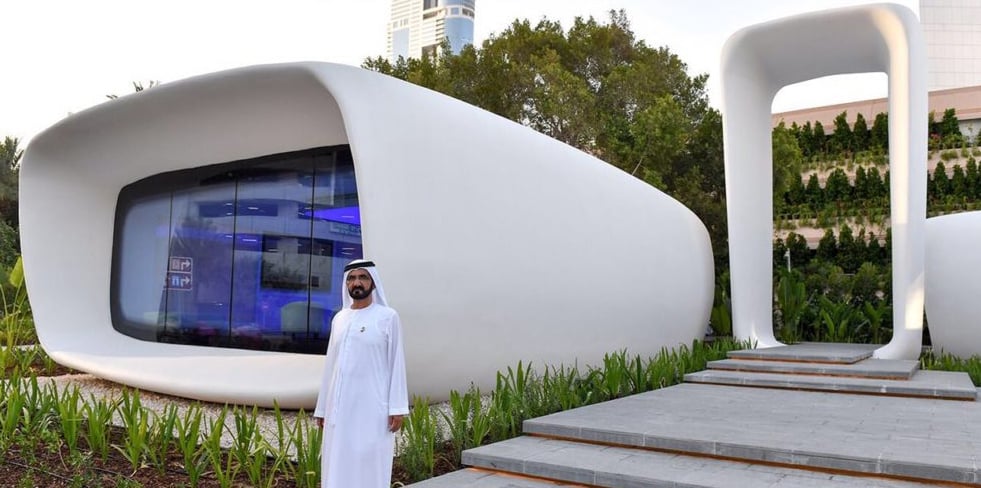
Despite the 3D printed homes and buildings making headlines today, concrete 3D printing as a market is still in the developmental phase, but it is expected to enter the mainstream over the next 10 years, especially in countries facing labor shortages and lack of housing. Dubai, for example, is aiming to have a quarter of its buildings constructed using 3D printing by 2030. This initiative, according to the country’s prime minister and ruler, Sheikh Mohammed bin Rashid Al Maktoum, enhances the role of 3D printing technologies in saving construction costs by 50% – 70%, and labor costs by 50% – 80%, in addition to reducing the percentage of waste resulting from construction operations by up to 60%.
More than Buildings, Concrete Projects Expand
3D concrete printing might still be maturing, but that doesn’t mean the technology hasn’t been successfully put to use in a variety of projects. Families today are living in 3D printed homes, people are working in 3D printed offices, and kids are attending school in 3D printed classrooms. We cover the top and latest projects in our article linked below.

3D printed concrete furniture, garden walls, art, architectural elements, and public works projects are also proving the benefits of the technology.
GUtech, the German Technology University of Oman, in cooperation with construction printer maker Cobod built three buildings in just eight days in Duqm, Oman, in late 2022. Now, the new promising economic zone has a 3D printed coffee shop, a 3D printed public toilet, and a 3D printed Fisherman’s house.
The 871-square-foot coffee shop required a total printing time of 22 hours and material consumption of 19,6 cubic meters of concrete made from 99% locally available raw materials and COBOD’s Dfab solution, developed in cooperation with material maker Cemex.
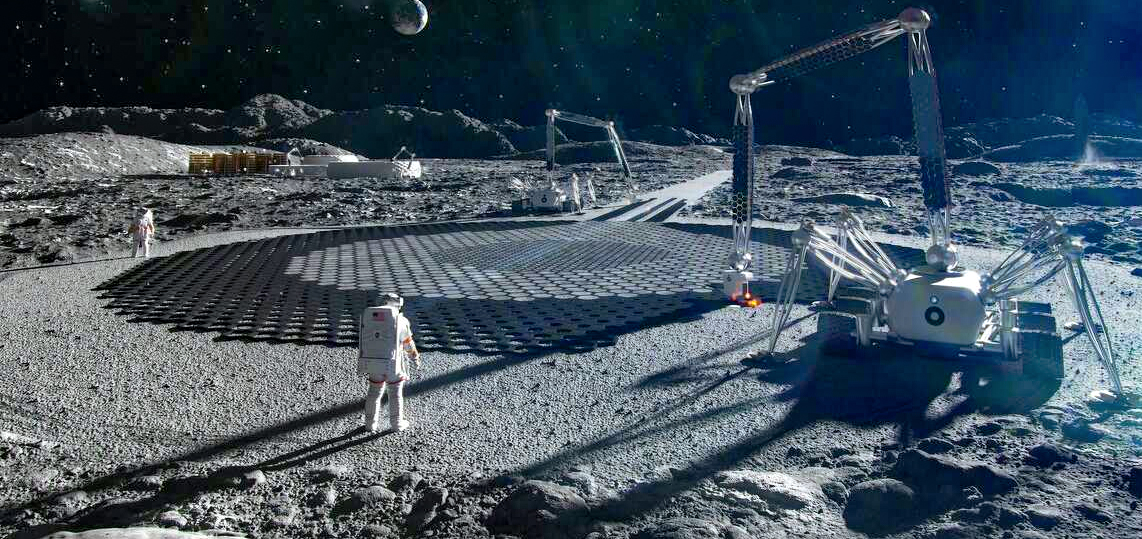
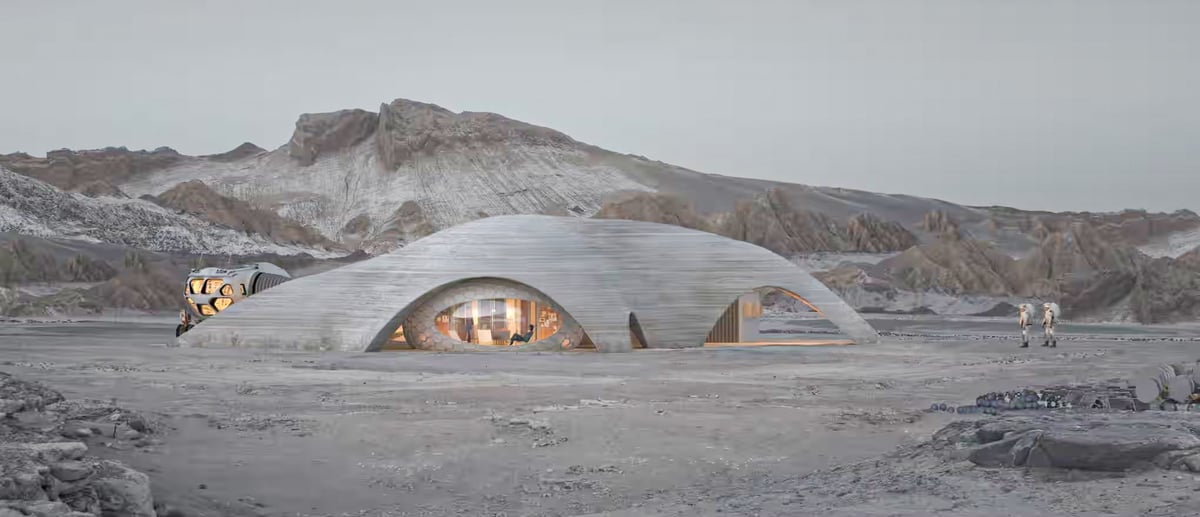
Another new application for the technology is off-world. NASA has commissioned prototypes of 3D printed habitats for the moon and Mars and recently awarded 3D construction printing company Icon a $57.2 million contract to develop its lunar construction technologies that would use a laser system to melt the moon’s soil to build structures layer by layer.
Icon also completed a 1,700-square-foot simulated Martian habitat for NASA, called Mars Dune Alpha, that astronauts will use for a year-long mission simulation starting in 2023.
3D Printing Concrete for Furniture and Art
3D printing brings out the best in concrete, enabling architects, designers, and artists to stretch the limits of the medium.
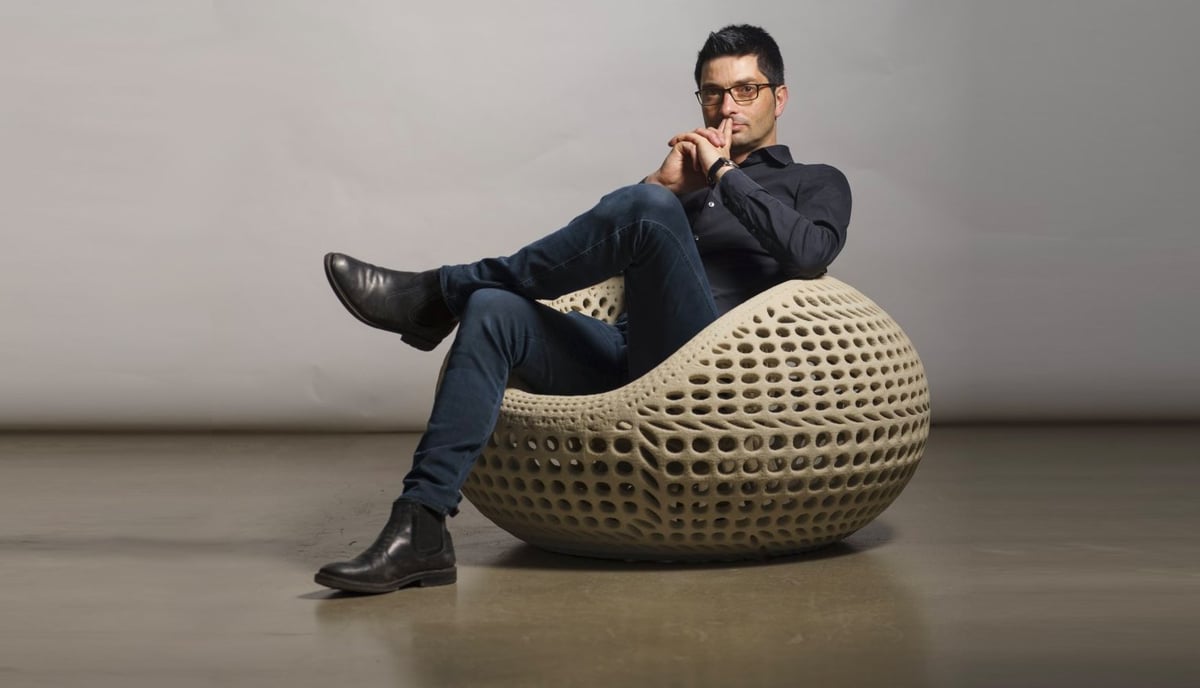
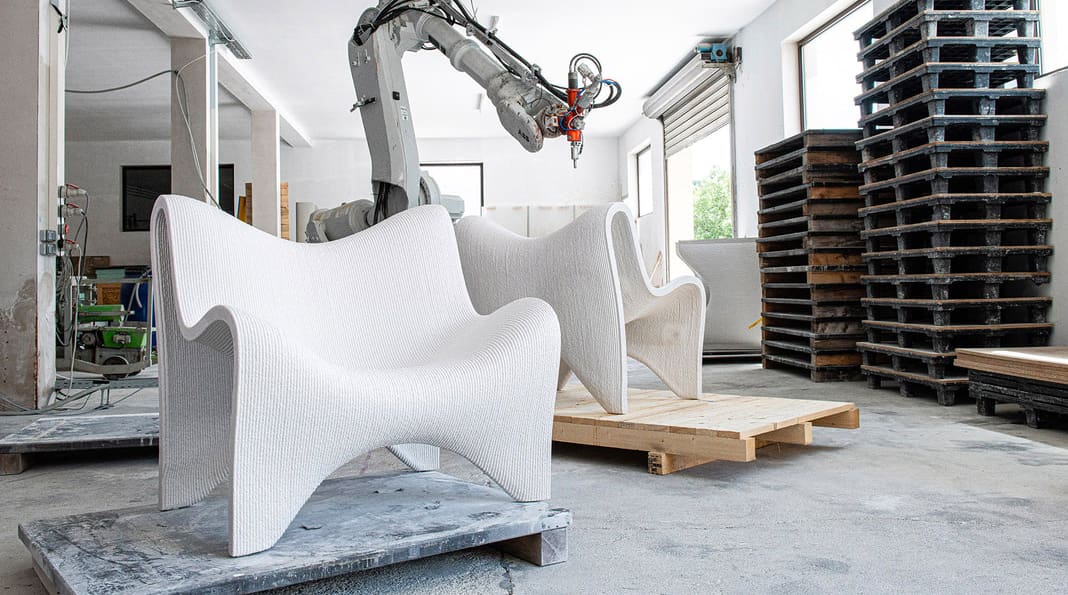
Chair N°one has been designed by Studio Oberhauser as part of a pioneering 3D printed concrete chair series, showcasing a unique and futuristic design while using a state-of-the-art high-resolution concrete jetting technology (referred to as selective cement activation). Sustainably printed by using recycled glass as base material, the chairs are 3D printed in one piece, providing structural stability and a continuous, smooth surface. This innovative approach results in a lightweight and highly durable chair, suitable for long-term use in various settings.

Where to Hire a Concrete 3D Printing Builder
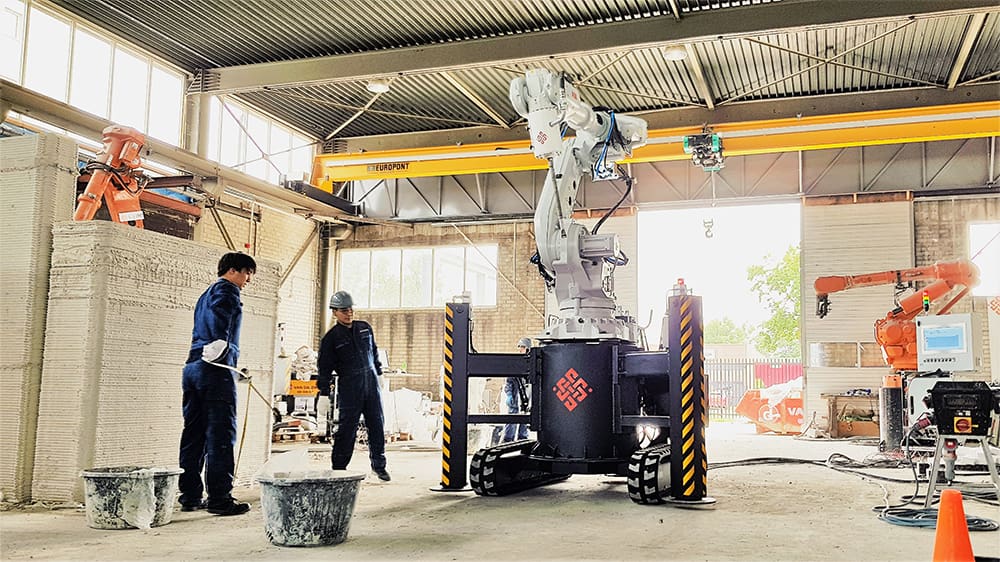
So you want to 3D print a house or building? There are 3D printing systems you can buy, but more common are 3D printing companies you can hire or partner with. Just like traditional home builders, these companies offer a range of services. Even traditional home builders and construction companies today are adding 3D printing to their menu of offerings.
For an updated list of the top companies and the up-in-coming 3D construction printing services, read our guide linked below.
Where to Buy a 3D Concrete Printer
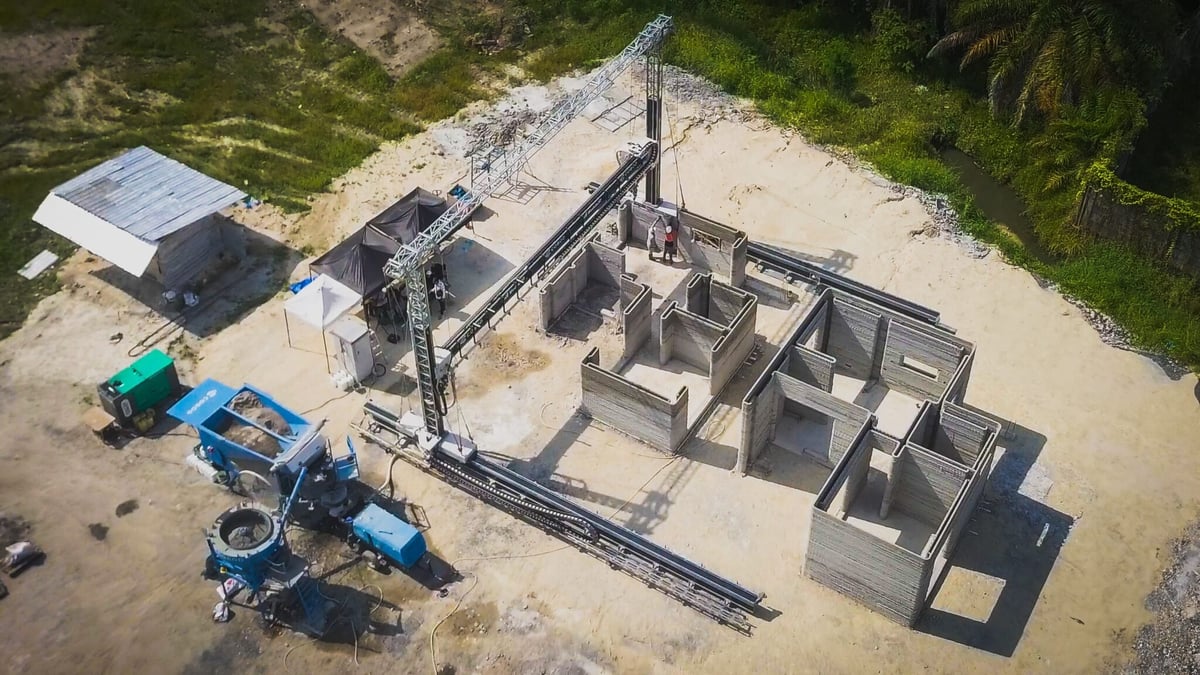
The BOD3, released in 2024, claims to be the company’s most advanced construction 3D printer on the market. The BOD3 is meant for linear printing – think row houses – and has an expandable track that is attached to the ground ot guid the printer from one house to the next. This allows the printer to move swiftly from one house to the next, eliminating any downtime between neighboring houses and speeding up actual construction.

Florida-based 3D printer maker Apis Cor offers a concrete 3D printer systems consisting of Frank (the printer), Gary (the mixing and pumping unit), and Mary (the material delivery system). Frank is now available to buy worldwide. Unlike a gantry printer, which requires assembly and can require an additional slab apron or concrete footer to be constructed to support the weight of the printer, Frank is a robotic arm 3D printer. It can be moved around the build site and can print up to two stories tall.
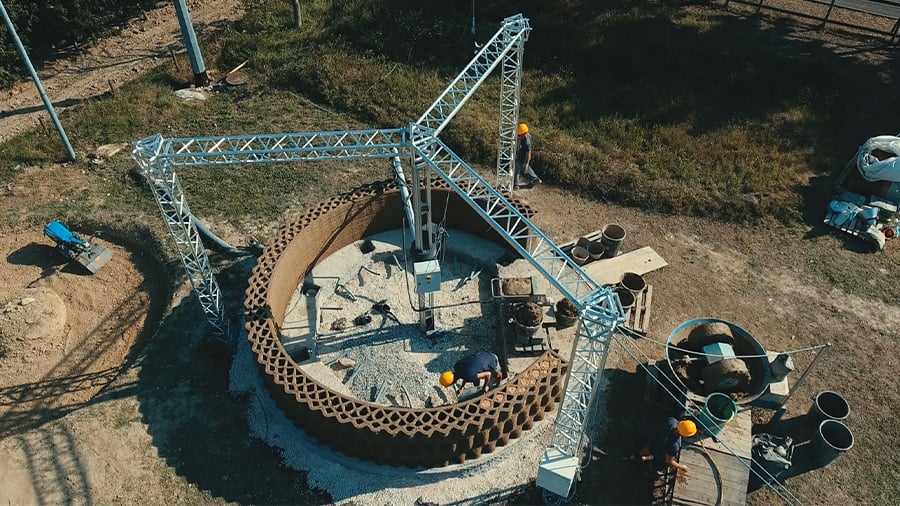
WASP, based in Italy, sells two 3D concrete printers, the 3MT Concrete and the Crane Wasp. The latter is conveniently packed in a shipping container with all the materials you’d need to build a house. The Starter Kit package is designed to build residences using local materials, natural recycled, or standard building materials. The necessary knowledge to set up the Starter Kit is supplied online. The house project, together with its contents, is open source and allows project managers, designers, engineers, and architects, to enter the website and take or exchange contents.
In 2025, construction builder Alquist launched it’s first concrete 3D printer called the A1X concrete printer. Not much is know about the machines yet except that construction company FMGI has purchased several for upcoming Walmart projects.
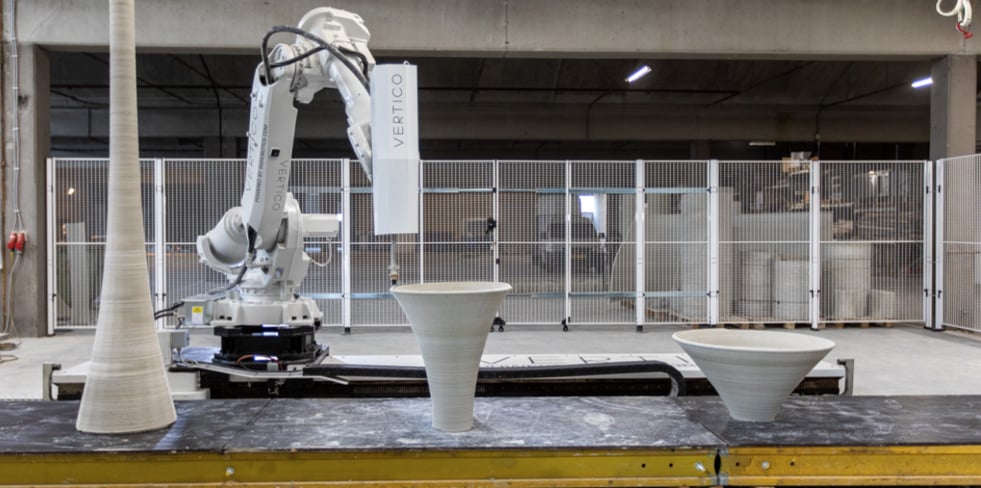
Vertico develops full concrete printing solutions, both with and without accelerated mix at the nozzle. Different robot configurations are possible, from the smallest EVA to the full-track BETA solution.
MudBots is another start-up selling concrete 3D printers in a range of sizes. In addition to dwellings, you can use Mudbots to also make statues, monuments, bridges, and fountains.
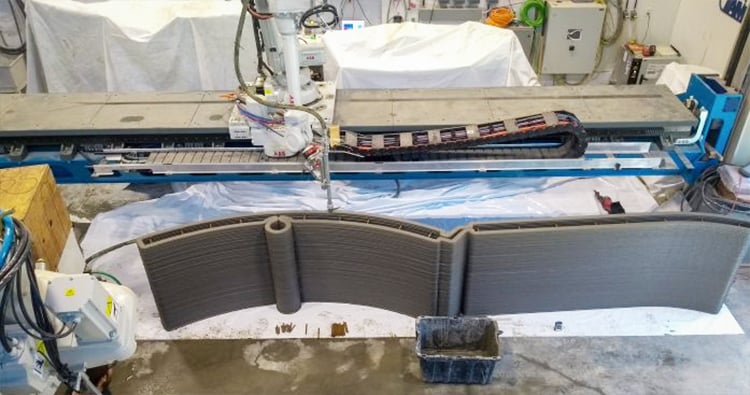
Twente Additive Manufacturing is a Dutch printer manufacturer offering both gantry and robotic arm concrete 3D printers in a range of sizes. The largest, Leonardo model, retails for $1 million.
CyBe, as mentioned in the construction company entry above, offers both printers and construction. Its mobile robotic arm concrete 3D printer starts at $180,000 and its fixed version is $150K.
Constructions-3D, a French company, offers a complete turnkey solution for concrete 3D printing on-site for half a million Euros. Transported by container, the kit includes the company’s software and one of the industry’s largest machines.
X-HAB 3D was created in response to solving the housing issue in rural Alaska. A start-up with ties to Penn State University, it’s offers a range of printers, both fixed and mobile and can be conifigured to be used in all sort of harsh or even disaster recovery areas. They offer printers, environmentally-friendly concrete mix, and design software.
Avenco Robotics, based in Dubai and Turkey, offers fixed and mobile robotic 3D concrete printer models that they have developed. Suitable for small structures and architectural elements.
UPDATE:
Black Buffalo 3D, a U.S.-based start-up provider of large-scale 3D printers for construction filed for bankruptcy in 2025 after selling only two printers. It has offered a line of gantry-based concrete printers called Nexcon and proprietary concrete ink.
Lead image source: House from 3D printed concrete by Dutch firm Twente Additive Manufacturing
License: The text of "The $4 Billion Shift: Why Construction Giants Are Betting on 3D Concrete Printing" by All3DP Pro is licensed under a Creative Commons Attribution 4.0 International License.