Advertisement
Featured image of 3D Print Pillowing: How to Avoid Rough Top Layer
Pillow Fight!
3D Print Pillowing: How to Avoid Rough Top Layer

Top layer problems can be devastating. See how to avoid 3D print pillowing before it strikes and ruins an otherwise perfect print!

Featured image of The Types of FDM 3D Printers: Cartesian, CoreXY & More
A Whole New FDM World
The Types of FDM 3D Printers: Cartesian, CoreXY & More

The types of FDM printers are much more diverse than just CoreXY and Cartesian 3D printers. Read on to get to know them all!

by Jackson O'Connell
Featured image of PLA Welding: How to Fuse 3D Printed Parts
Friction Burns!
PLA Welding: How to Fuse 3D Printed Parts

Joining two printed parts by PLA welding can be tricky. Read on for tips and solutions that may help you in any situation.

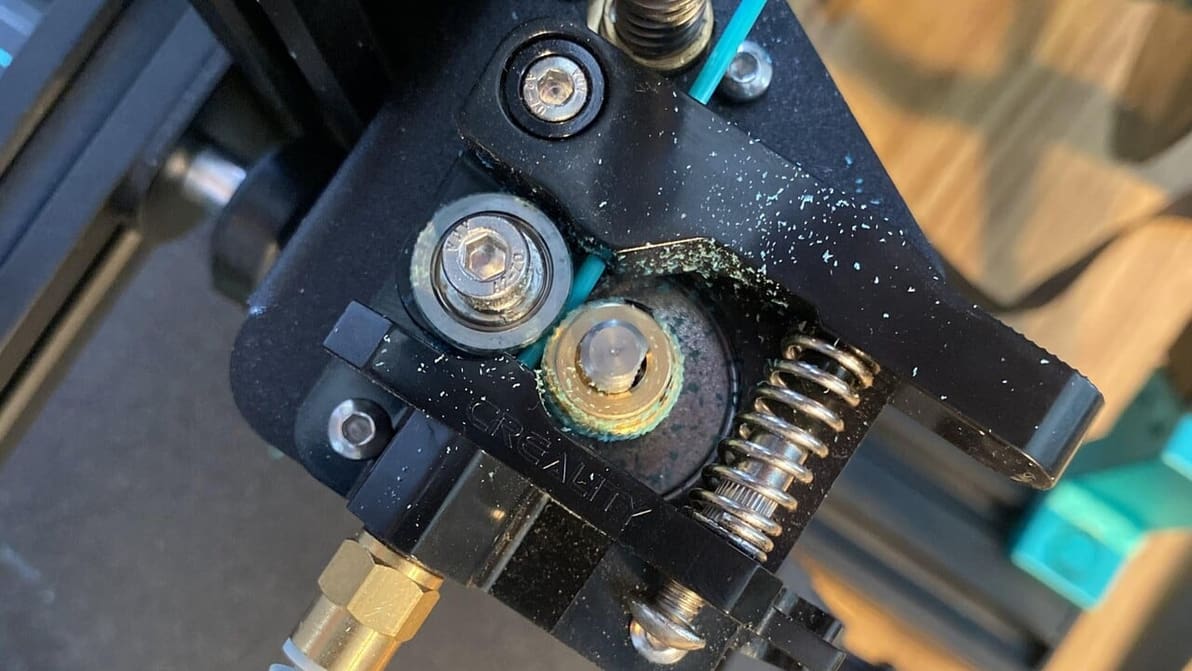
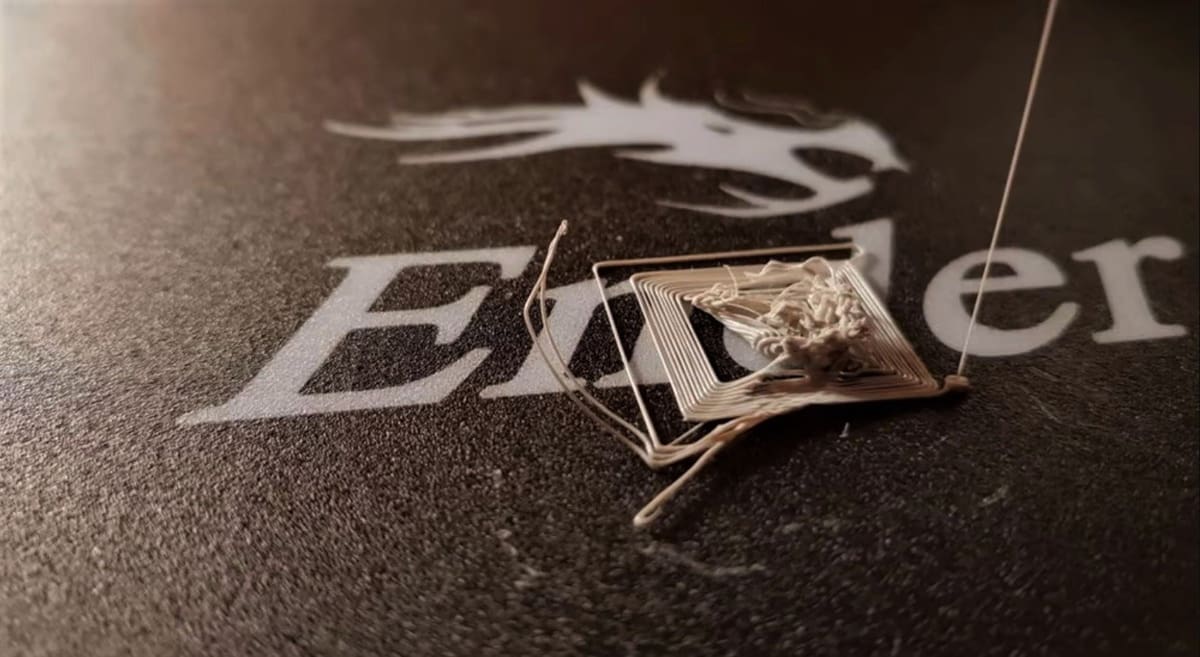
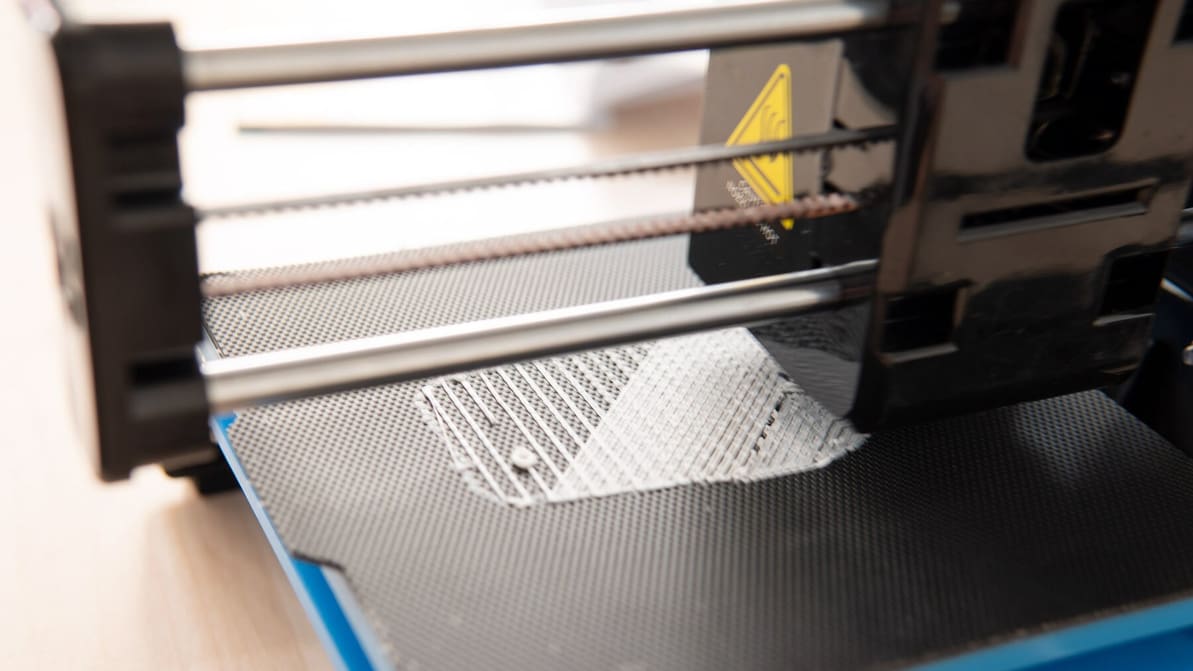
Featured image of 3D Printer Under-Extrusion: 8 Simple Solutions
Filling in the Gaps
3D Printer Under-Extrusion: 8 Simple Solutions

Plagued by 3D printer under-extrusion and don't know how to get rid of it? Check out this guide for some simple solutions.

by Tobias Hullette
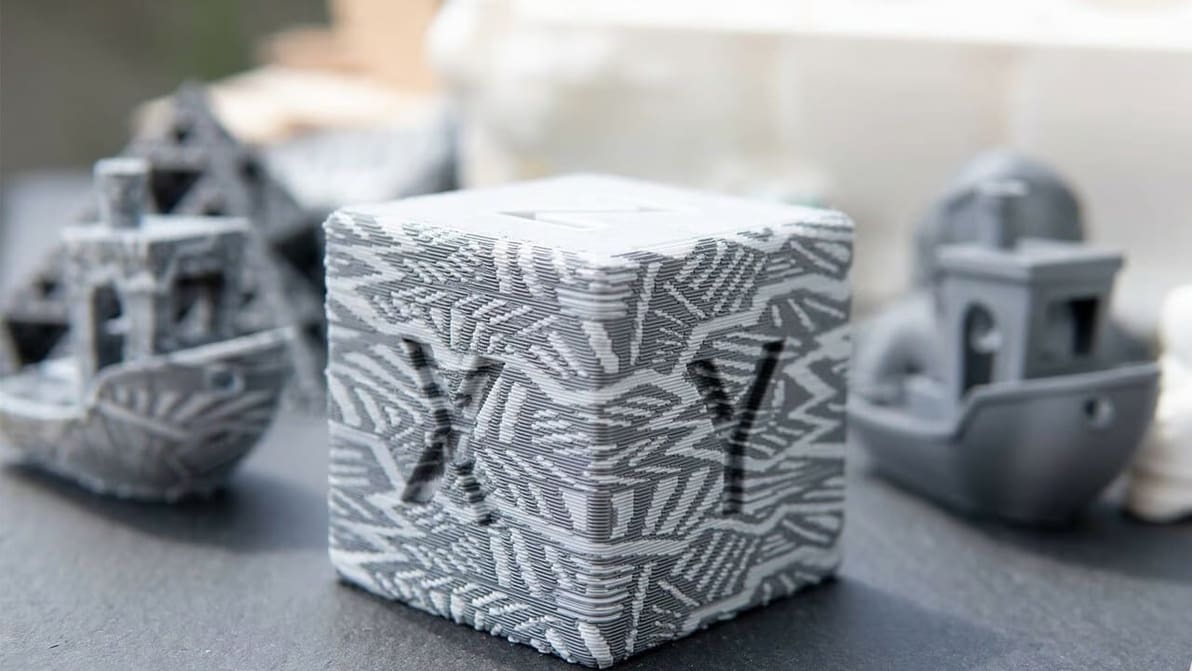
Featured image of The Best 3D Printer Settings for Perfect Prints
See, Set, Slice
The Best 3D Printer Settings for Perfect Prints

3D slicer settings are the defining factor for successful 3D prints. Learn about the 10 most important 3D printer settings.

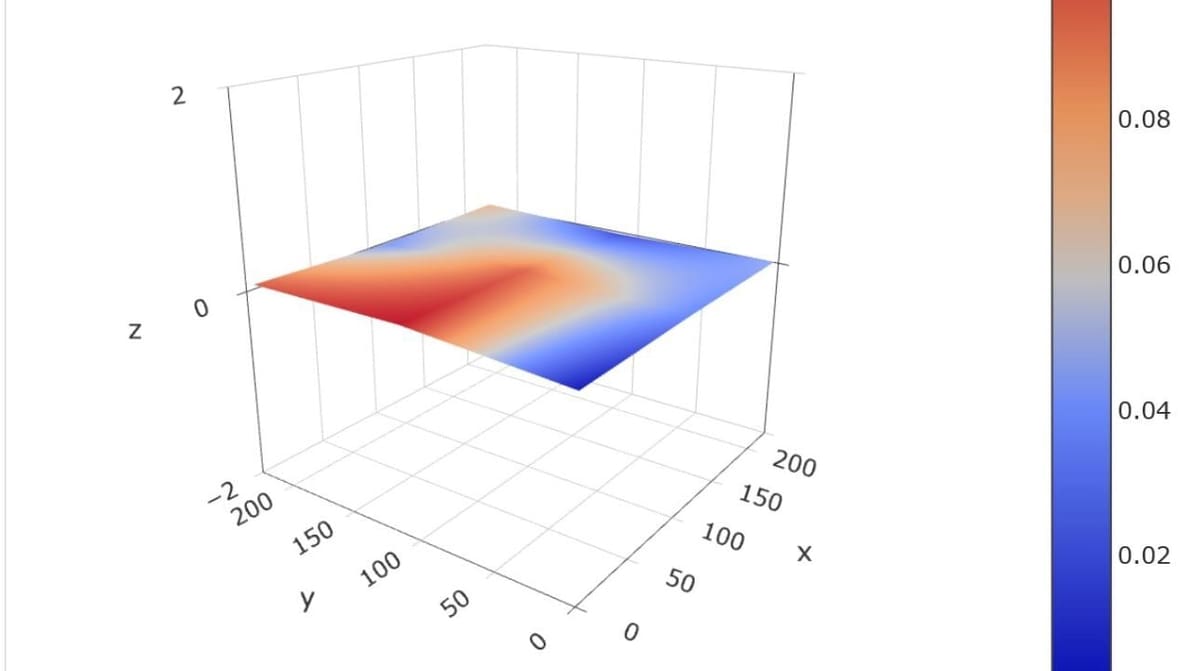
Featured image of The Best Ender 3 (V2/Pro) Bed Leveling G-code
No Slice, Just Level
The Best Ender 3 (V2/Pro) Bed Leveling G-code

Leveling G-code can be used to aid and test the bed leveling process. Read on for some great Ender 3 (V2/Pro) bed leveling G-code!

by Jackson O'Connell
Featured image of The Best Ender 3 (V2/Pro) PETG Settings
PETG to Perfection
The Best Ender 3 (V2/Pro) PETG Settings

Try 3D printing PETG on your Ender 3! Learn how to find the best Ender 3 (V2/Pro) PETG settings for your needs.

by Jacob Greenburg
Featured image of Ender 3 (V2/Pro) & TPU: How to Print Flexible Filaments
Just Flexing
Ender 3 (V2/Pro) & TPU: How to Print Flexible Filaments

Flexible filaments are fun to 3D print with but challenging to get right. Read on to perfect your Ender 3 (V2/Pro) TPU settings!

by Karen Ditsch
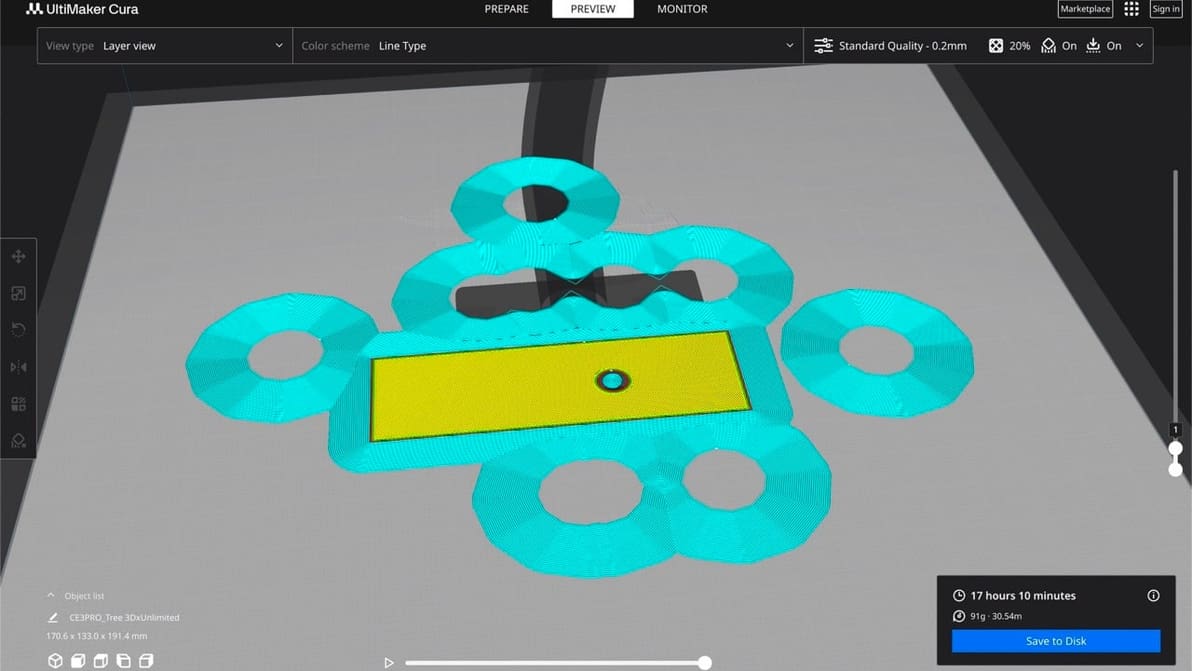
Featured image of Raft vs Brim vs Skirt: The Differences (incl. Cura settings)
A Pre-First Layer
Raft vs Brim vs Skirt: The Differences (incl. Cura settings)

3D printing raft vs. brim vs. skirt: Learn the differences between these adhesion assistants and which to choose, using Cura as an example.

Featured image of Cura Retraction Settings: How to Avoid Stringing
Cura Your Stringing Ailments
Cura Retraction Settings: How to Avoid Stringing

Retraction is the key to reducing stringing. Find out how to perfect your Cura retraction settings (including the coasting settings).

Advertisement
Advertisement
Featured image of Orca Slicer: Pressure Advance – Simply Explained
Under Pressure
Orca Slicer: Pressure Advance – Simply Explained

Pressure advance is a well-loved calibration tool among makers. Read on to learn how to adjust your Orca Slicer pressure advance value!

by Gloria E. Magarotto
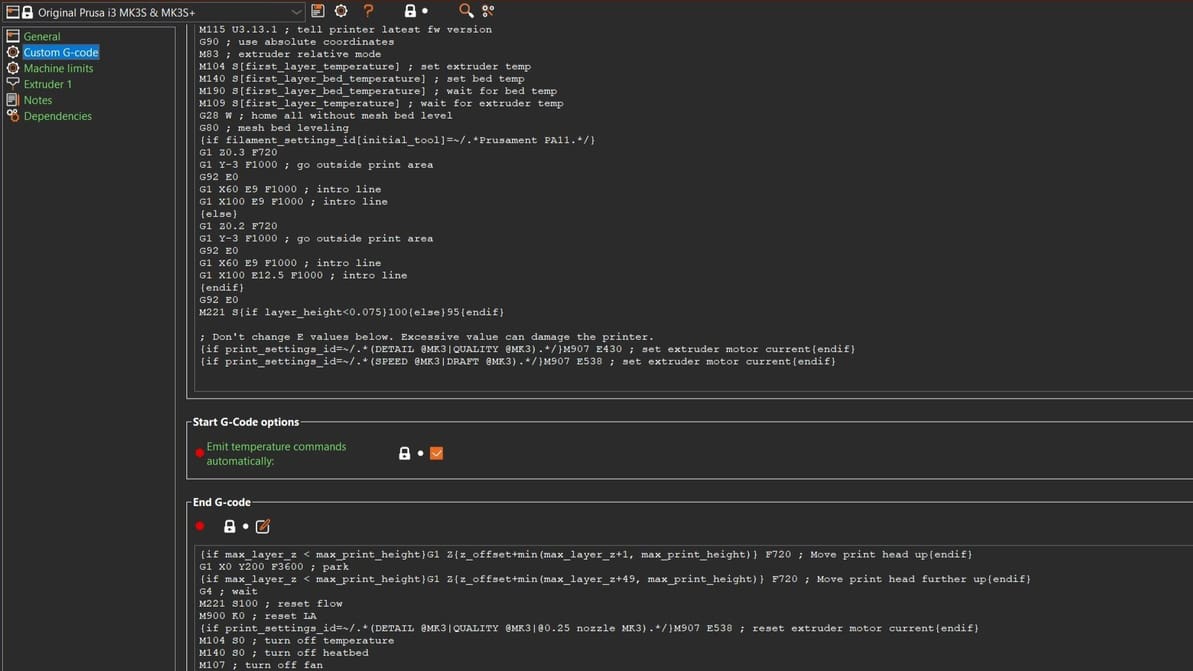
Featured image of Start G-code & End G-code: All You Need to Know
The Start & Finish Lines
Start G-code & End G-code: All You Need to Know

Start G-code and end G-code are the first and final commands a printer follows for every 3D print. Read on to learn all about them!

by Jackson O'Connell
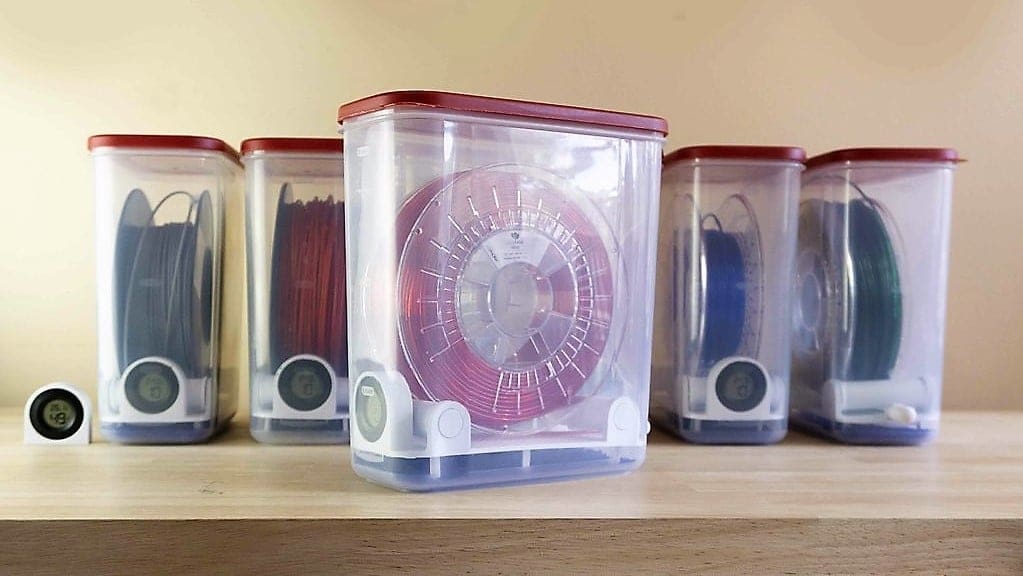
Featured image of 3D Printer Filament Storage: How to Store Filament
A Dry Sense of Security
3D Printer Filament Storage: How to Store Filament

Wondering how to store PLA and other filaments correctly? Check out the best 3D printer filament storage solutions to build or buy!

Featured image of How to Respool Filament – Simply Explained
Feel the Tension
How to Respool Filament – Simply Explained

Resolve extrusion issues caused by a poorly wound filament spool! Learn how to properly respool your filament to prevent knots and tangles.

Featured image of 3D Printing Holes: 5 Simple Tips
Hole in One
3D Printing Holes: 5 Simple Tips

3D printing holes is quite common, but it can also be challenging. Check out 5 simple tips to get more accurate holes from your 3D printer.

by Hironori Kondo
Featured image of The Best Ender 3 S1 (Pro) Cura Profile / Settings
Goodbye, High Retraction!
The Best Ender 3 S1 (Pro) Cura Profile / Settings

The best temperature, print speed, and retraction settings, among others. Read on for the best Ender 3 S1 & S1 Pro Cura slicer profiles.

by Jackson O'Connell
Featured image of PET vs PETG: The Main Differences
The More You Know
PET vs PETG: The Main Differences

Ever wondered what the "G" in PETG means? Or why it prints so differently than PET? Stick around for an answer to the PET vs. PETG mystery!

by Matteo Parenti
Featured image of How to Make 3D Prints Watertight: 5 Simple Steps
Make a Splash
How to Make 3D Prints Watertight: 5 Simple Steps

Want to make watertight 3D prints? Read on for tips about materials, design choices, slicer settings, post-processing, and more!

by Lee Lind
Featured image of Hairspray for 3D Printing: The Best Options
Easy Adhesive
Hairspray for 3D Printing: The Best Options

If you're looking to try a new print bed adhesive, check out our tips on the best hairsprays for your 3D printer.
Featured image of Annealing PLA for Stronger 3D Prints: 2 Easy Ways
What Doesn't Melt You Makes You Stronger
Annealing PLA for Stronger 3D Prints: 2 Easy Ways

When it comes to making your prints stronger, all you need is some time and more heat. Read about annealing PLA and PLA heat resistance!

by Lucas Carolo
Advertisement
Advertisement