
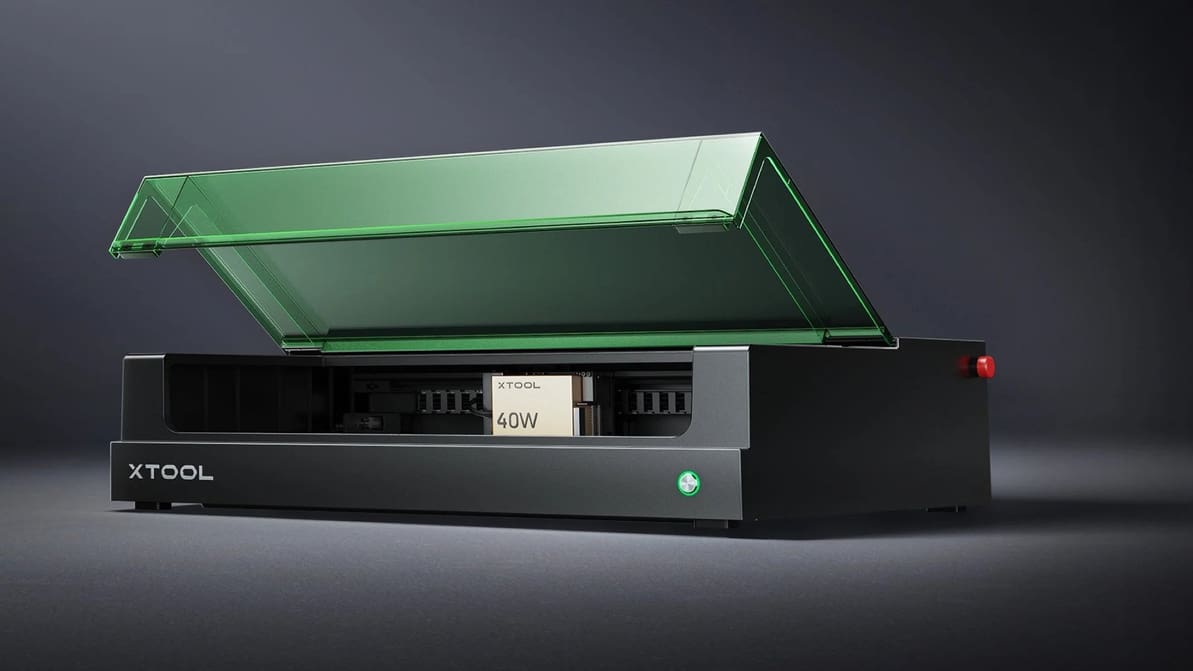
OEM says the enclosed S1 "rivals CO2 machines", with a Class-1 safety certification, autofocus, and 'twin-point positioning'.
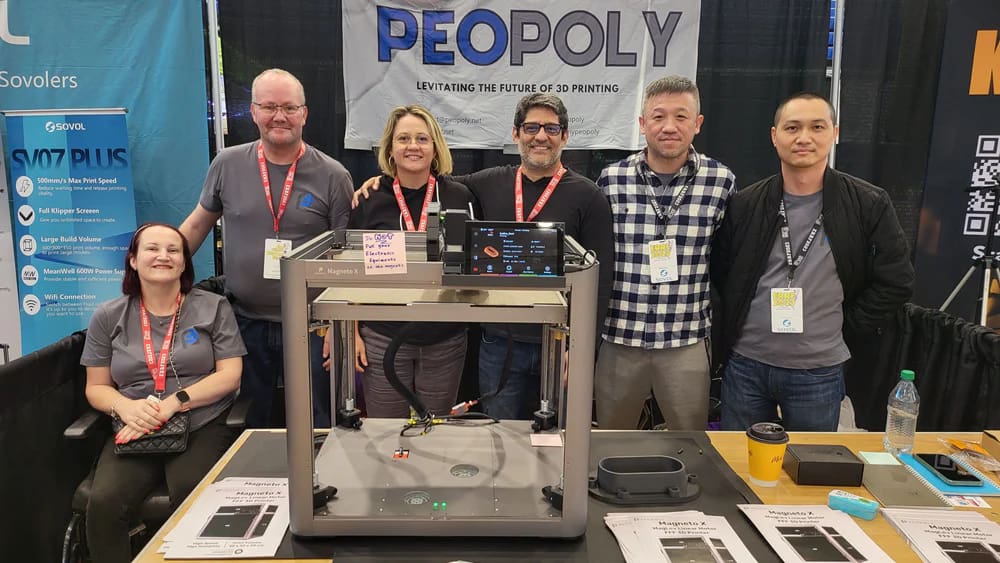
After an excitement-generating reveal, the linear motor-driven 3D printer is now headed into production, with first shipments expected in mid-November.
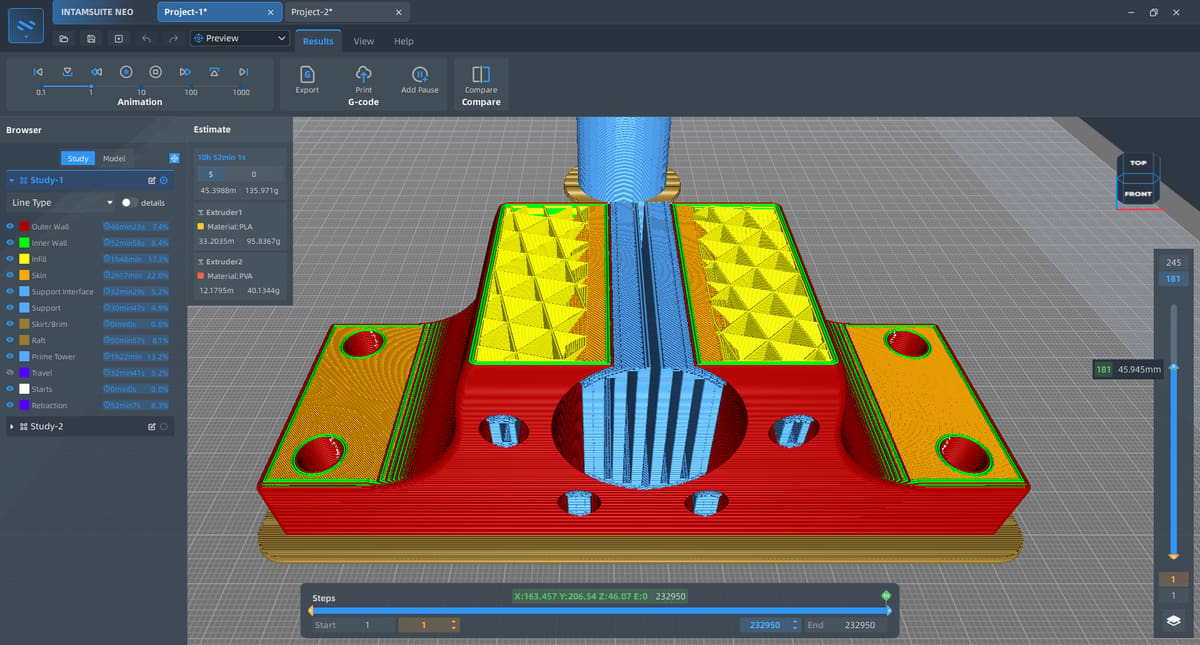
The software aims to solve common pain points faced by users, with an intuitive UI and features such as “all-in-one” model transformation and multiple project support (Sponsored Content)
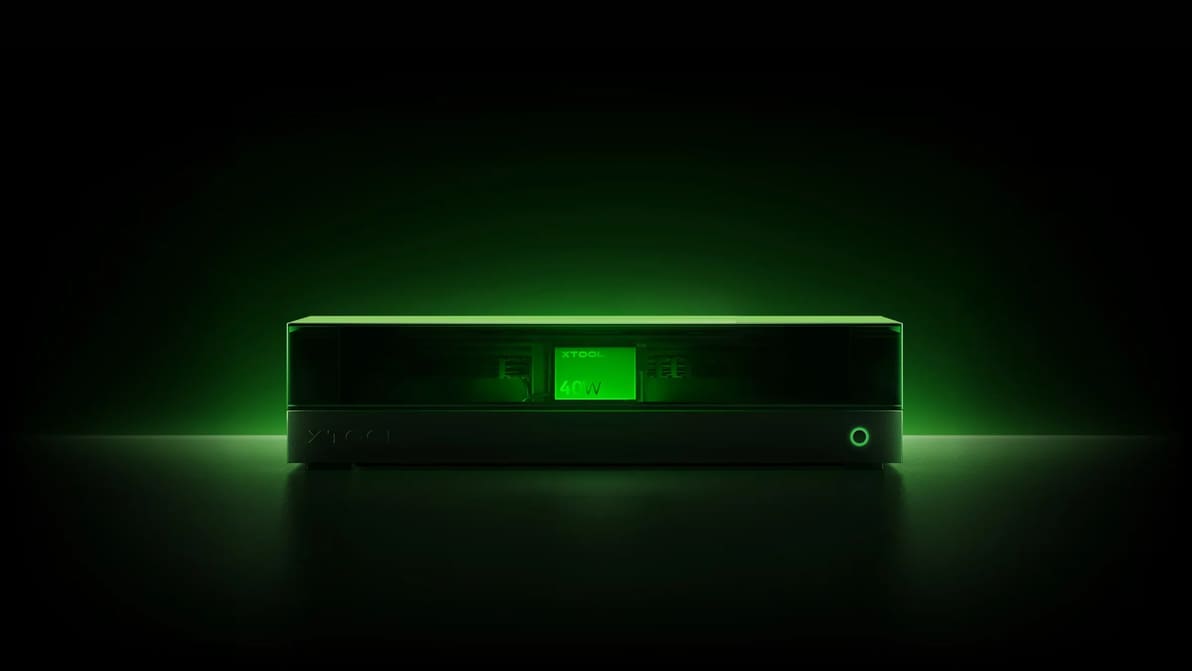
The OEM says its forthcoming machine also boasts a lower price tag, plus a Class-1 safety certification, autofocus, and more.
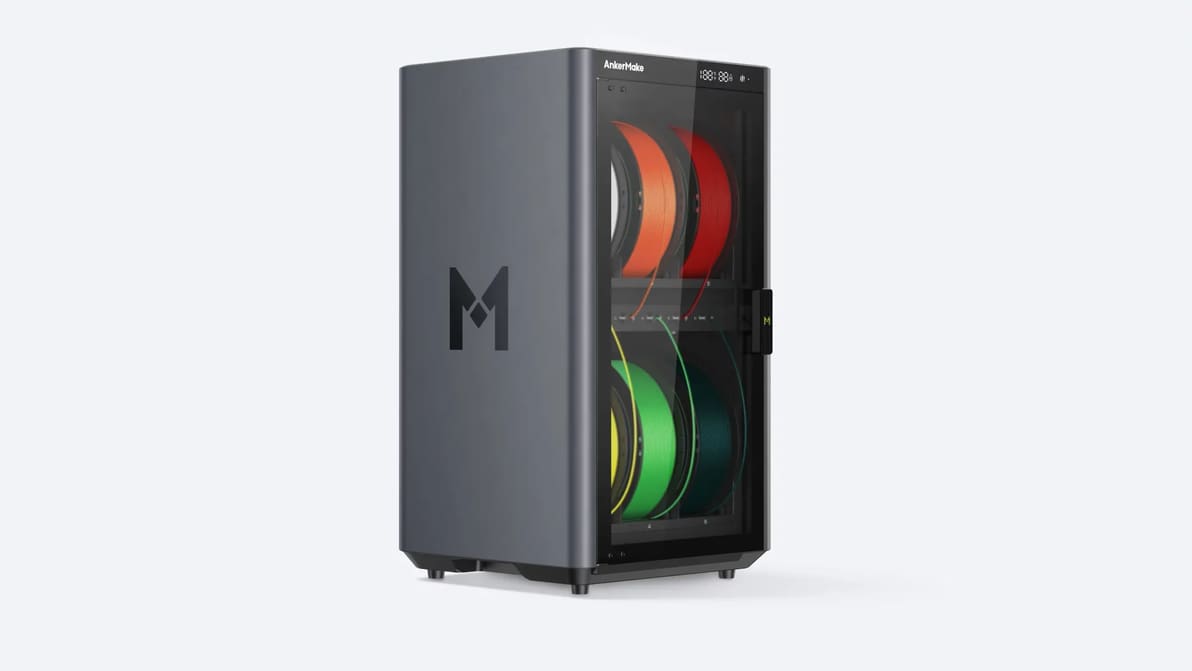
Last planned for December 2023, issues relating to leveling and precision have pushed the device to an estimated April-March 2024 release.
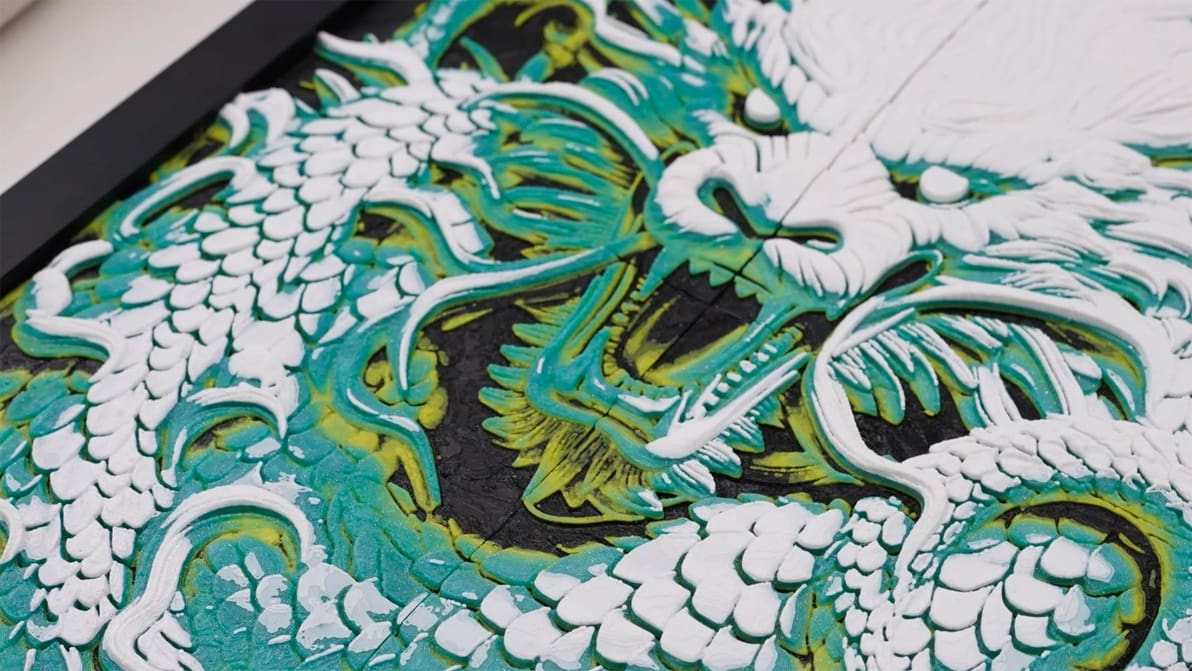
Two new features, 3D Paint and CityPrint, enable users to generate customized STLs that bring a bit more life to the model creation platform.
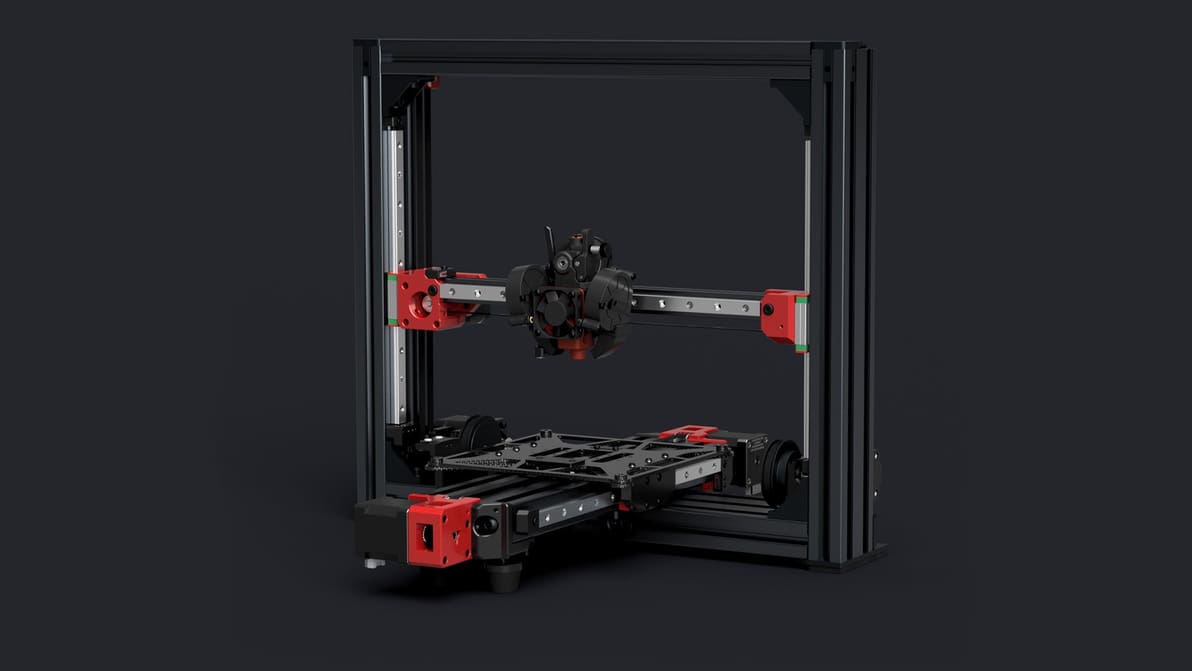
The LH Stinger is a Cartesian machine that designer Andrei Cristea says can reach 100,000 mm/s2 acceleration, with a volumetric flow rate of 55-60 mm3/s.
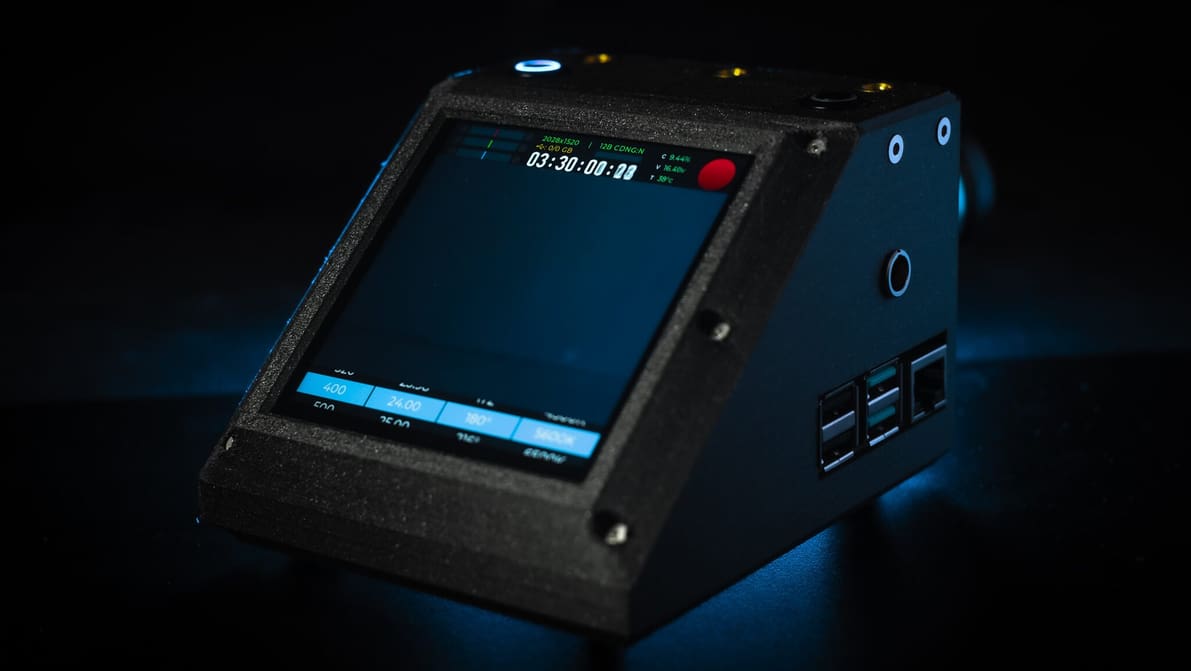
With a 3D printed body and an open-source design, the CinePI is a foundation for customized builds; and capable of impressive quality.
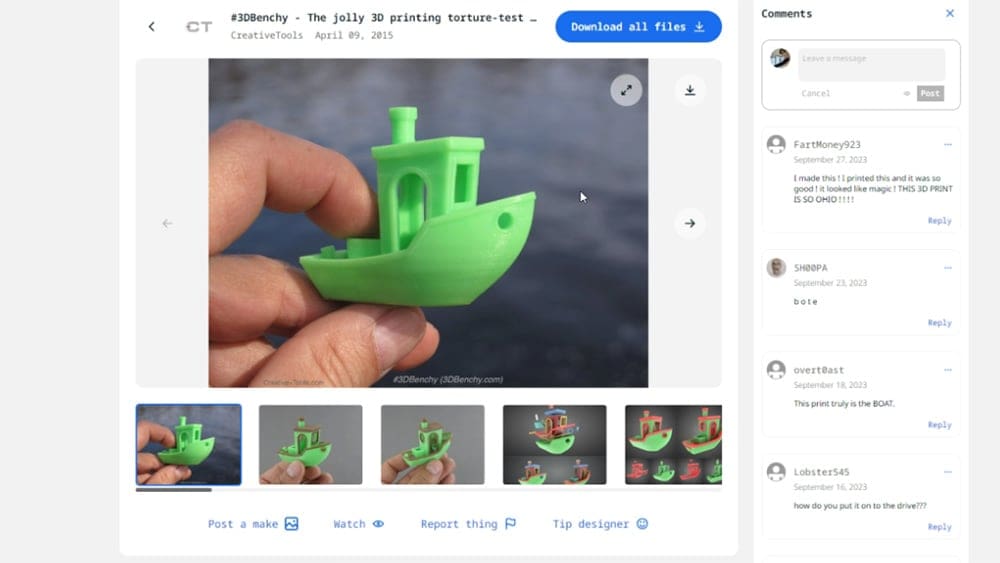
The popular 3D model repository has received an overhaul, with UI and backend changes that lay a foundation for future support.
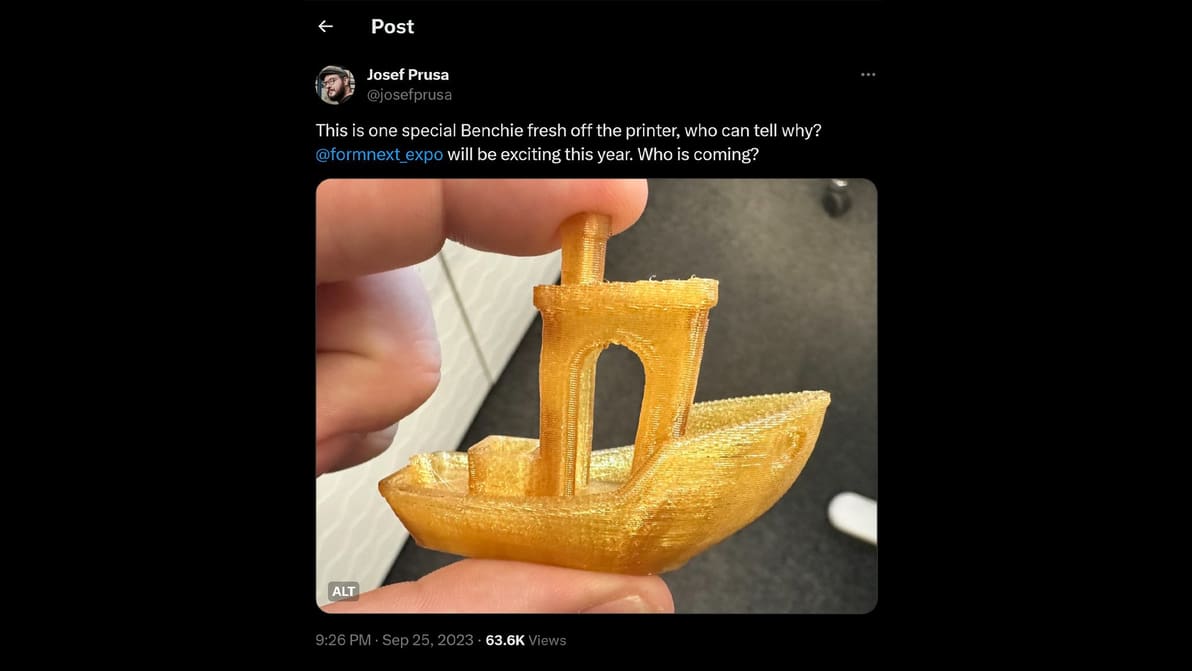
A post on X of a “special” Benchy out of what looks to be a PEEK-like material could be just that. What does it mean? Let’s speculate!
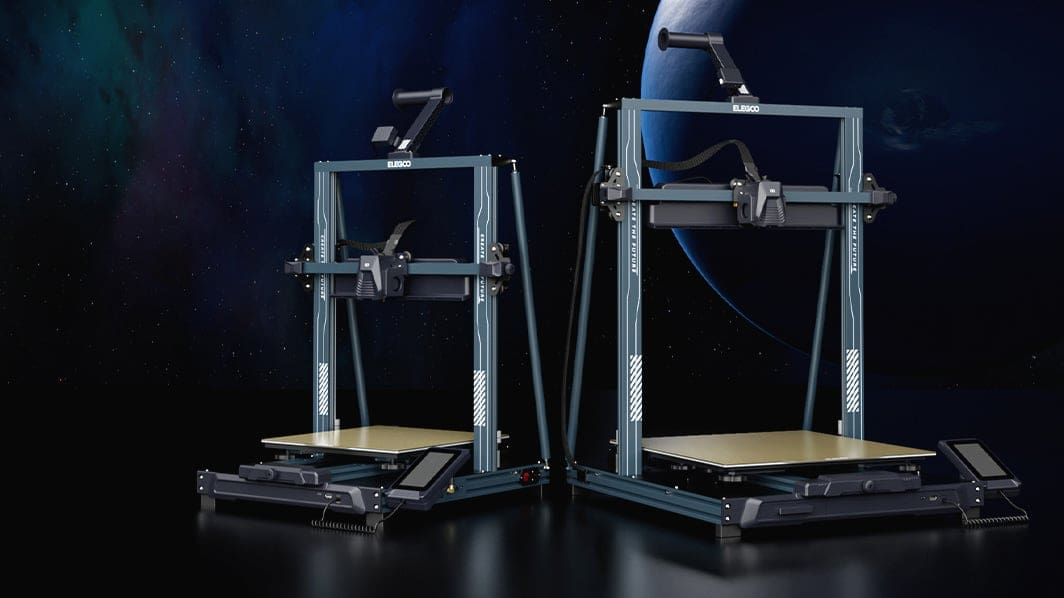
The OEM claims both machines can reach printing speeds of 500 mm/s and include features such as input shaping, diverging in build volume and acceleration.
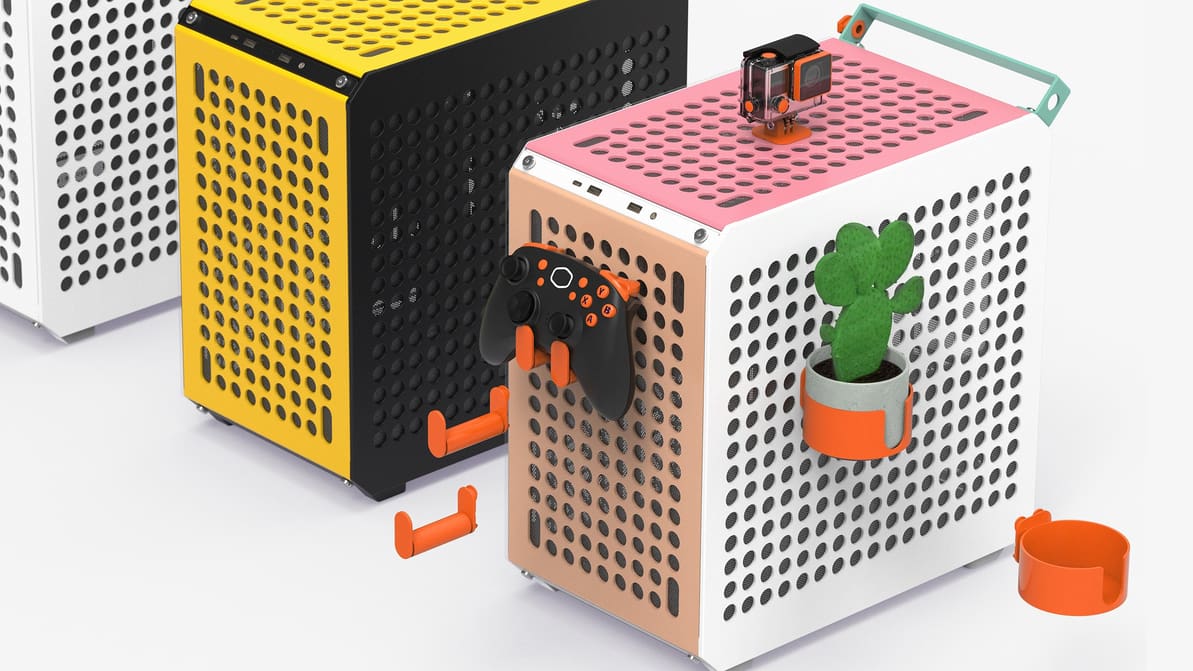
Entrants will design an accessory for the Qube 500 PC case, with first prize taking home a Prusa MK4 kit and a case itself.
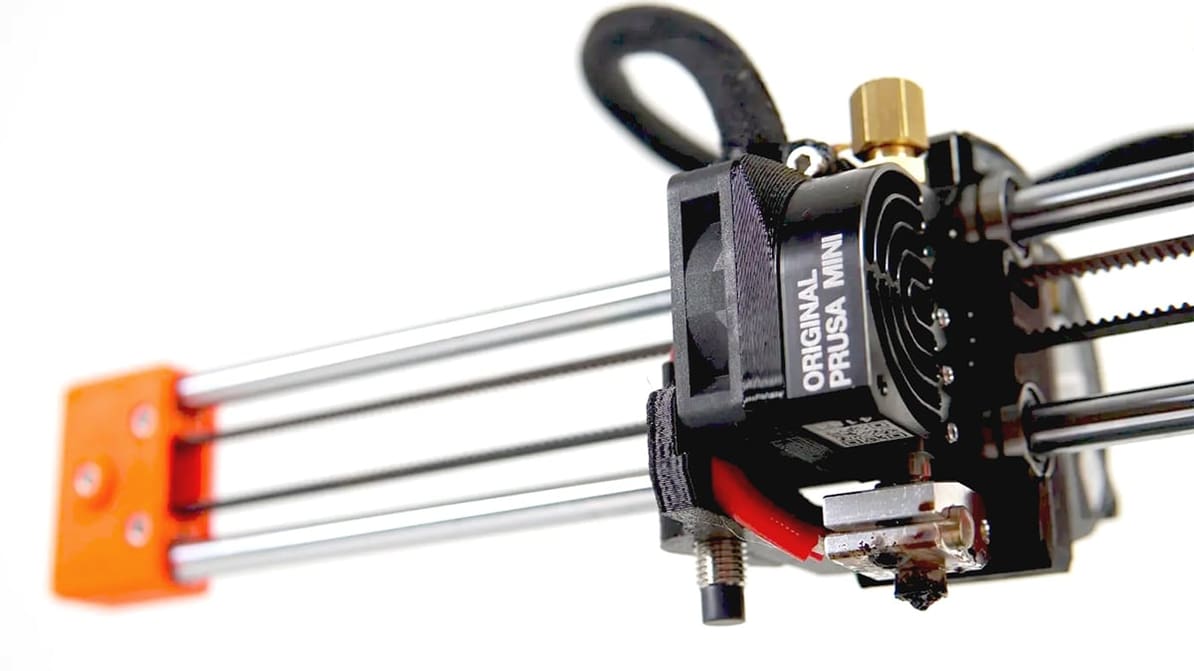
The MK4 finally gets its long-awaited input shaping firmware update, but the announcement comes with the bigger news is that the Original Prusa Mini and Mini+ are fast now, too.
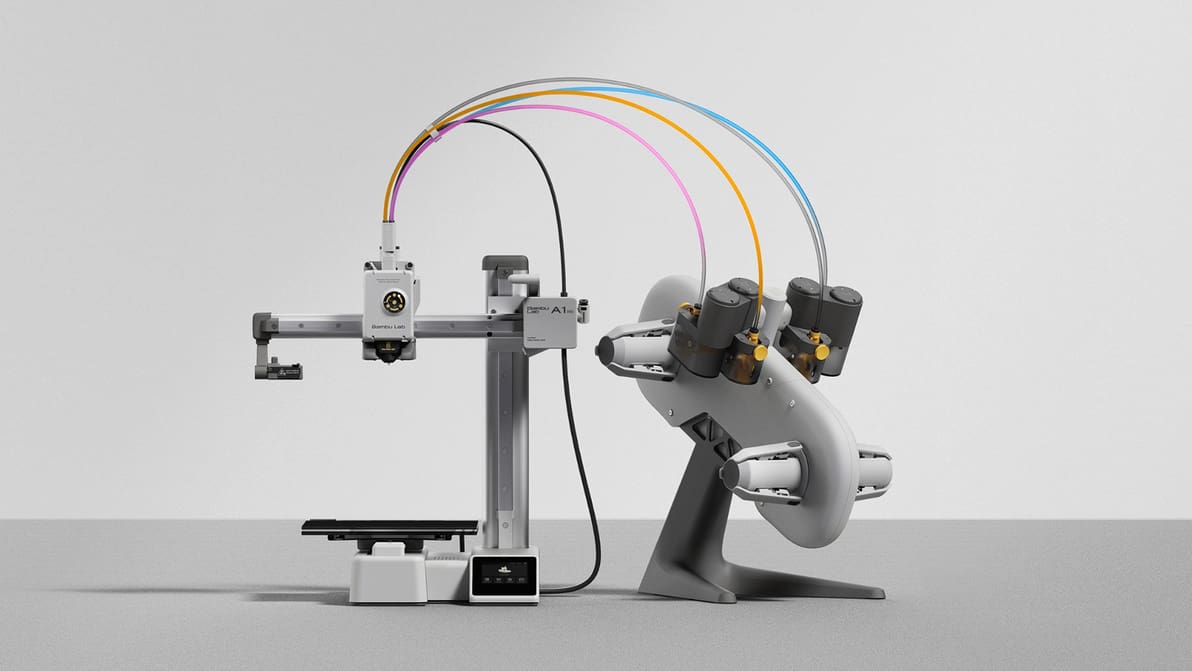
OEM says the A1 Mini can reach speeds of up to 500 mm/s, and can print in four colors during a single print when used with the AMS Lite.
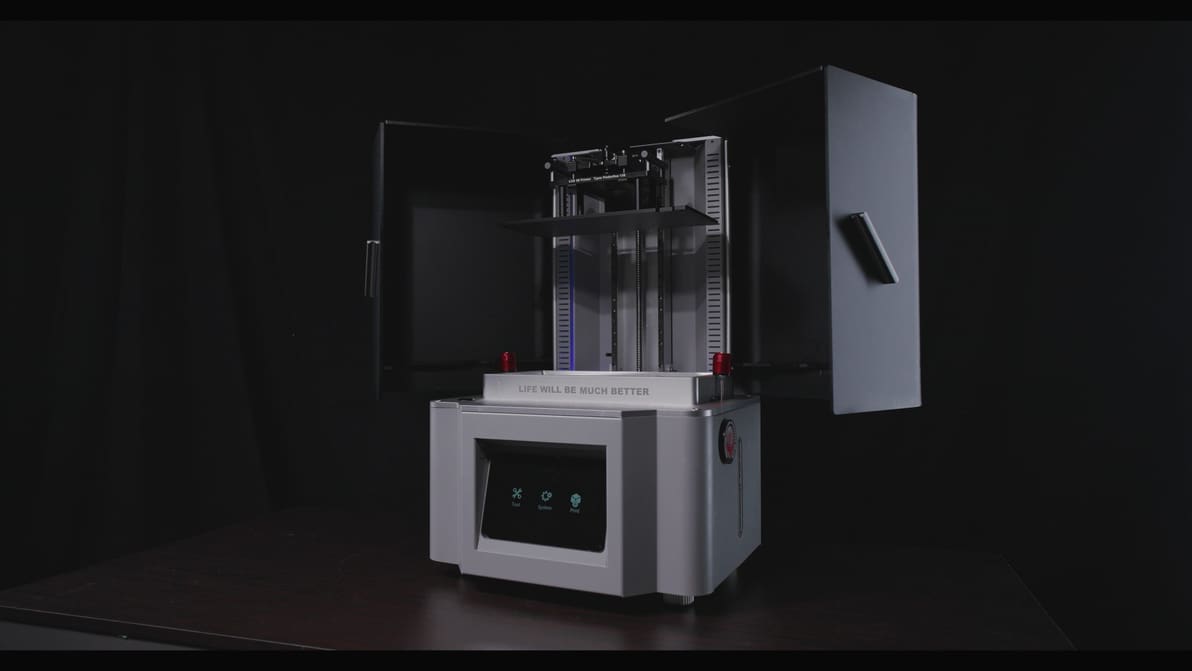
Coolsiga says its large-format FinderOne136 resin 3D printer can hit print speeds of 203 mm/h.
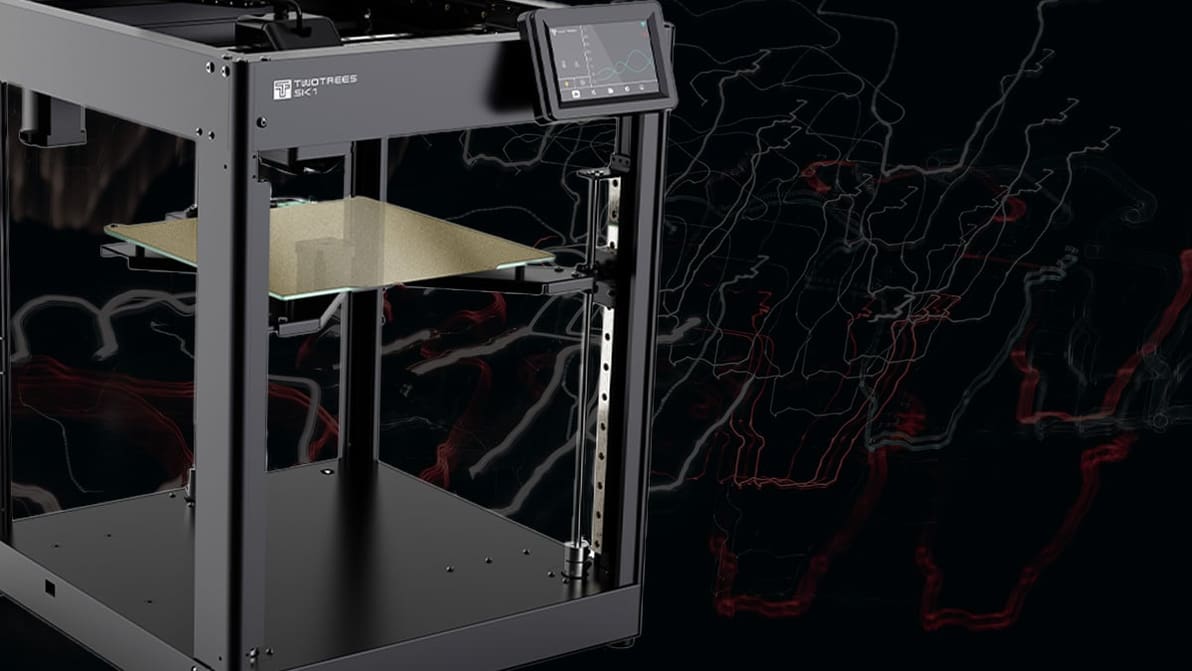
The Klipper-based machine bears many similarities to Bambu Lab’s P1P, but with two major additions.
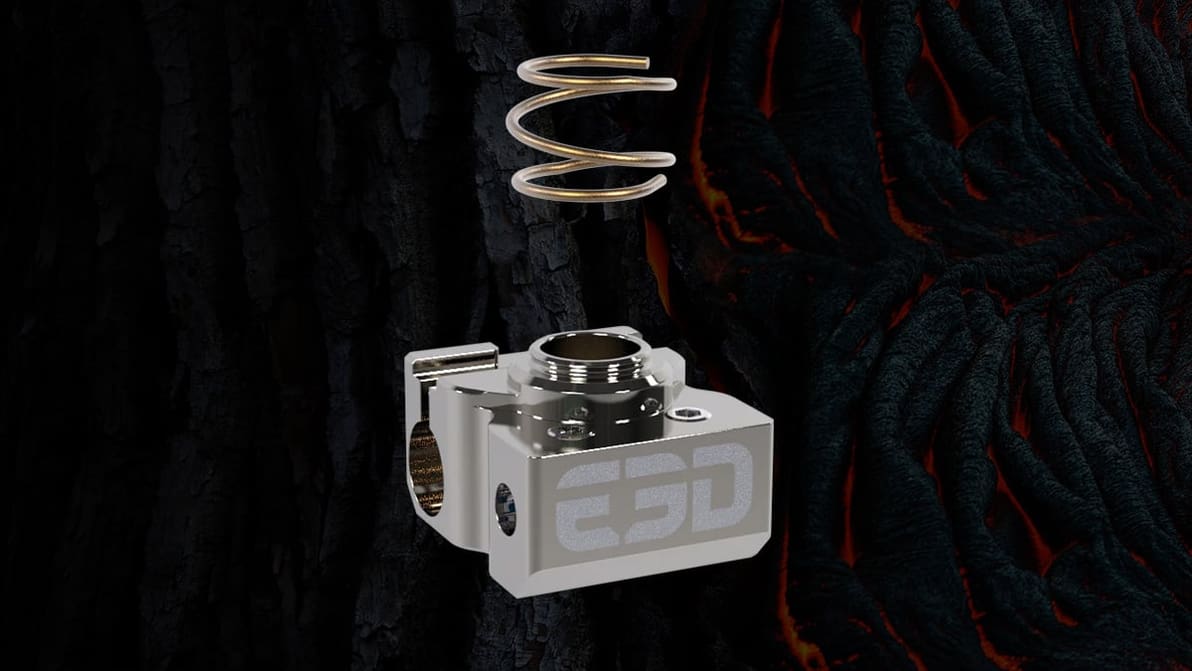
Nozzles, heater blocks, and heavily customizable hotside kits are designed for printing at up to 500 °C.
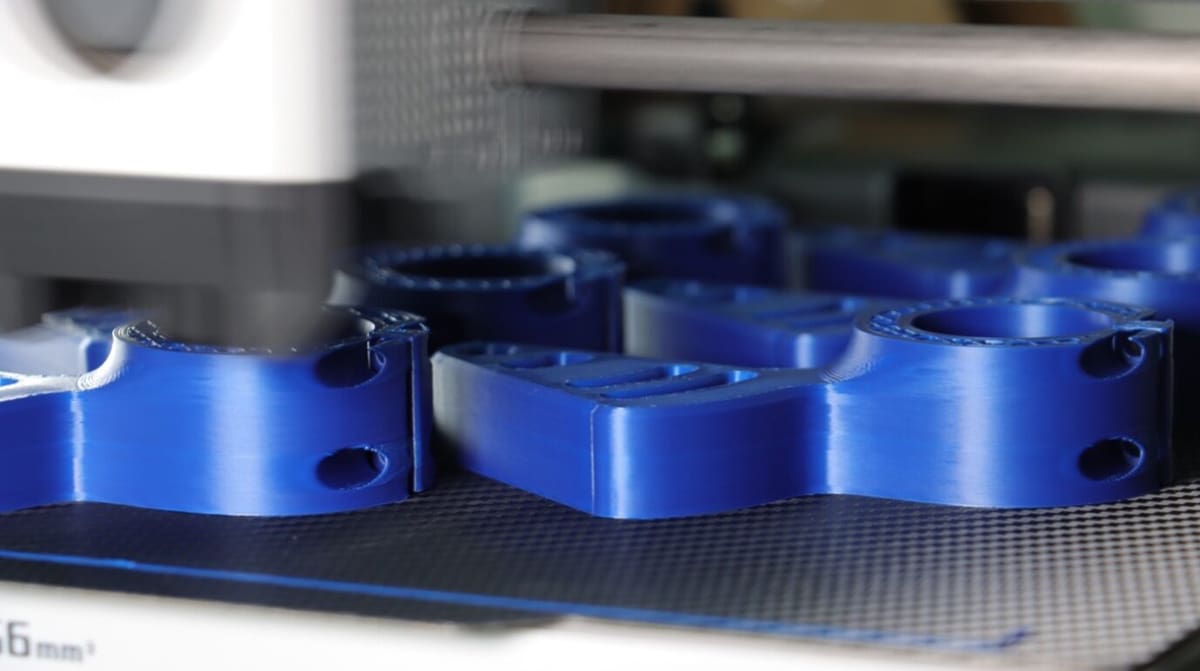
The manufacturer says PolySonic PLA and Polysonic PLA Pro work with speeds of more than 300 mm/s without sacrificing part strength or print quality.
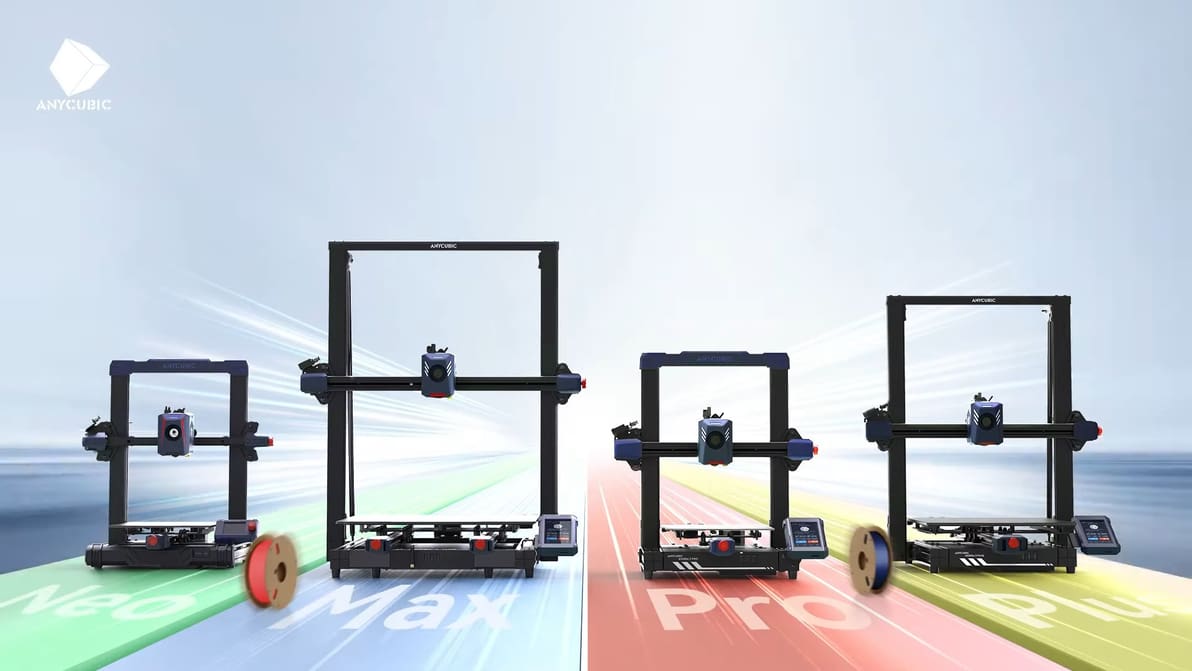
The four-printer lineup brings follow-ups to the Kobra Neo, Plus, and Max – as well as a new “Pro” machine.
A cryptic tease from the OEM indicates we’ll have to wait until September 20 to find out – so let’s speculate.