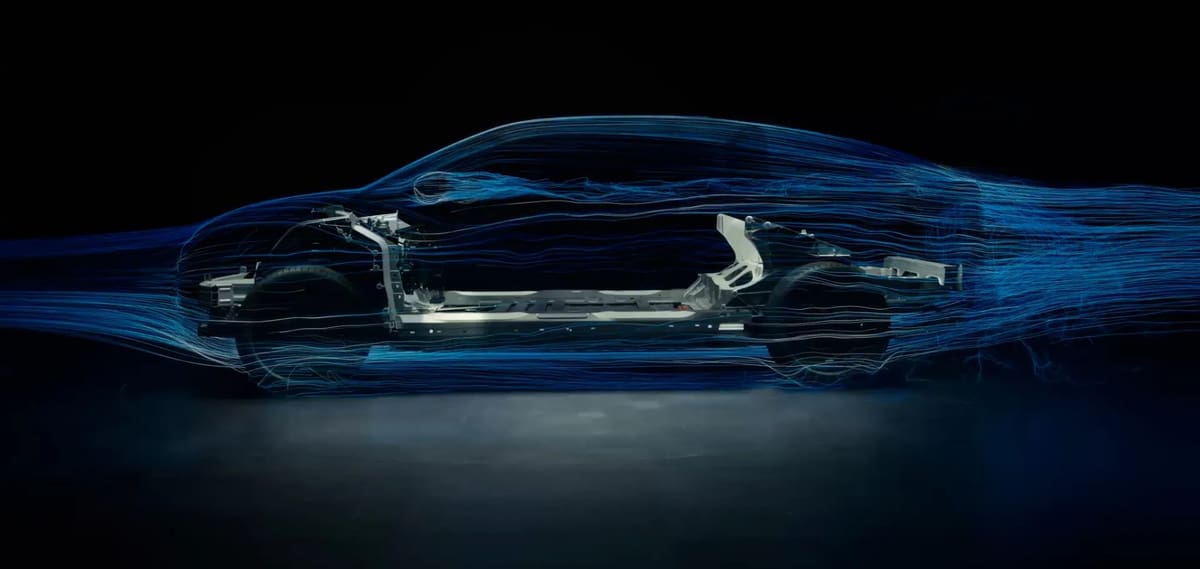
Ford 3D printed thousands of components for its new 2027 truck design
in search of the ultimate aerodynamic vehicle. The iconic American auto maker said it 3D printed prototypes — including versions of the suspension and drive units that didn't even exist as functional prototypes yet — for wind-tunnel testing because it shortened iteration cycles compared to traditional tooling prototypes. The tech enabled extremely small geometric tweaks, sometimes just millimeters, to quickly identify improvements that reduce drag, weight, and energy consumption — key to hitting its ambitious affordability target of $30K.
Carolyn is All3DP’s senior editor and a journalist with 25+ years covering business and technology. Passionate about making tech accessible, her work also appears on Forbes.com.