Why Nike is Dropping 8 Limited-Edition 3D Printed Air Max Sneakers This Year

Nike is testing a new initiative that uses additive manufacturing to create a flexible, digital platform for limited-run sneaker designs and customer personalization.
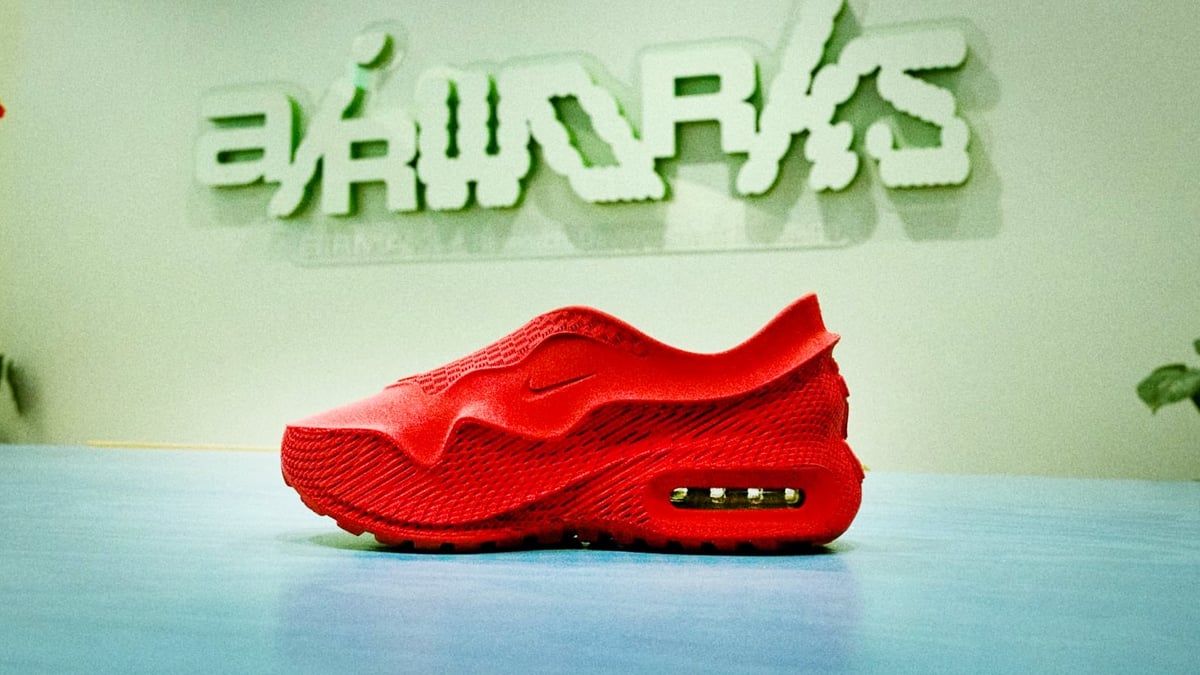
Nike’s 3D printed sneaker experiments are getting a release calendar. The company just announced the rollout schedule for a series of limited-run 3D printed Air Max designs created through a new research, development, and design program called Air Works, which is solely focused on 3D printed Air Max footwear.
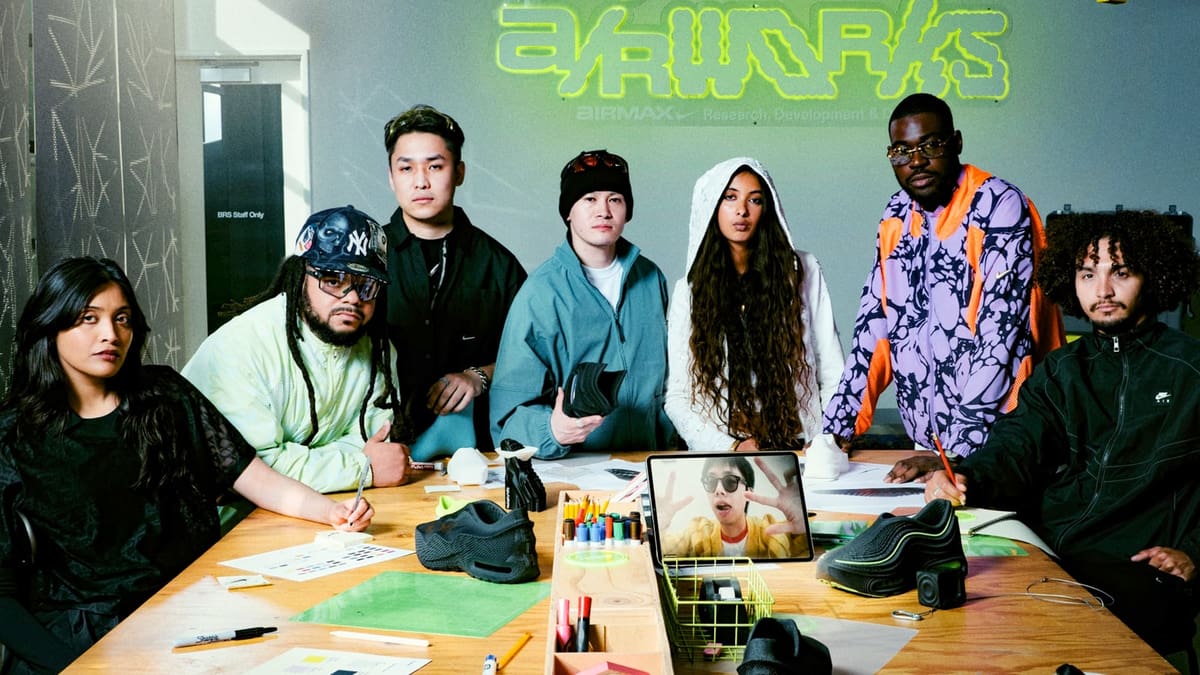
Air Works, brought together designers from eight cities — Beijing, London, Los Angeles, Mumbai, New York, Paris, Shanghai, and Tokyo — for a hands-on design sprint at Nike’s Philip H. Knight Campus in Beaverton, Ore., last month. Working with Nike mentors, engineers, and outside collaborators, the participants explored how additive manufacturing could push the Air Max line into new territory, the company says.
Andy Caine, Nike Sportswear’s Vice President and Creative Director, described the program as a way to celebrate the cultural pull of Air Max while bringing outside perspectives into Nike’s design ecosystem, but it could be more than that.
The Next Phase of Nike’s Additive Footwear
The program is an interesting shift in focus from a single flagship shoe toward a global series of localized creative takes.
With the 3D printed Air Max 1000, which debuted in Nov. 2024, Nike had a single flagship concept: a recognizable Air Max silhouette reimagined through Zellerfeld’s 3D printing process. That is the classic sneaker playbook: unveil one big model, build hype around it, release it in limited quantities, then expand with more colors or editions.
Air Works changes the framing. Instead of asking, “What is the 3D printed Air Max?” Nike is asking, “What can Air Max become in different creative communities?” This all lines up neatly with what 3D printing is good at; customization of limited quantities.
Traditional sneaker production usually rewards scale and repetition. Once a brand commits to molds, tooling, material sourcing, assembly lines, and inventory planning, it has strong incentives to produce large batches of the same design. Customization is possible, but it is often limited to modular choices: colors, materials, logos, laces, outsole options, and maybe text.
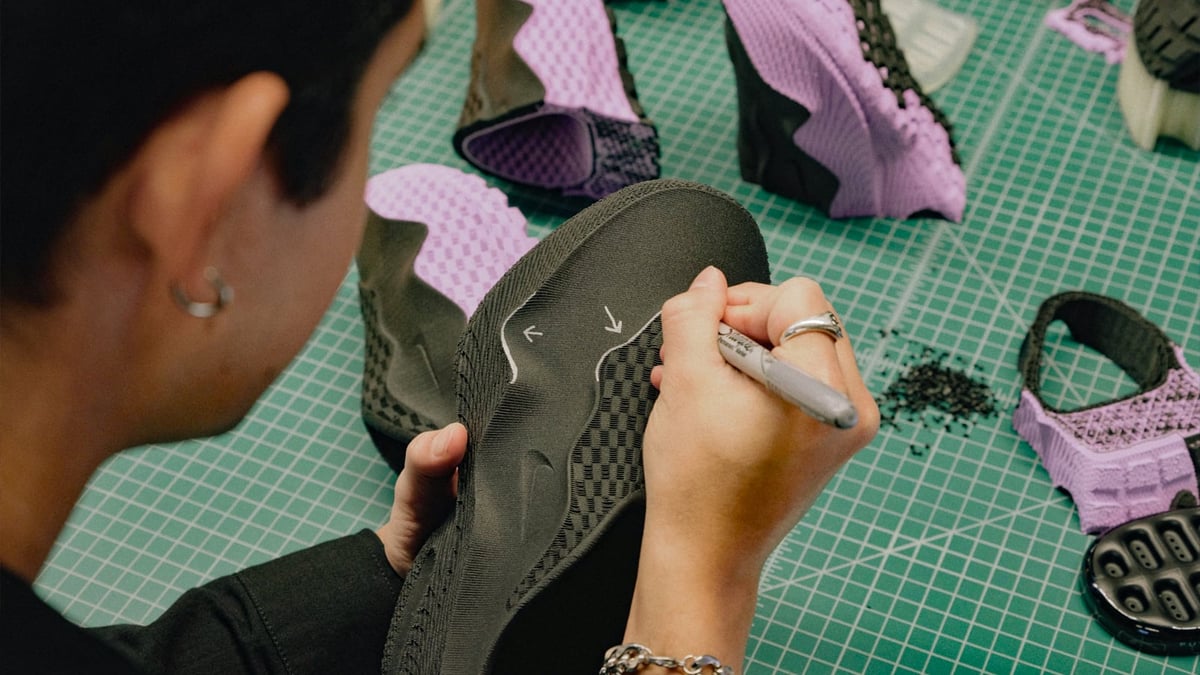
3D printing flips some of that logic. A brand can produce smaller runs, city-specific editions, designer-led variations, or even more personalized versions without rebuilding an entire production pipeline every time.
That is why Air Works feels less like a sneaker drop and more like a test of a new product model. Nike can use one underlying technology platform, one broad Air Max identity, and one production partner, Zellerfeld, while letting the surface language and form change from city to city.
It also connects directly to Nike By You, the company’s consumer-facing customization program that dates back to 2019. It’s a program enabling customers to pick colors, materials, and add personal details to select Nike models. With 3D printed footwear, the customization ceiling could be much higher. Theoretically, users could eventually alter textures, lattice structures, ventilation zones, stiffness, geometry, or fit-related features, not just the cosmetic parts of the shoe.
Nike also confirmed that the Air Max 1000 will arrive as a Nike By You option later this year, suggesting that customizable 3D printed footwear may be moving a little closer to the mainstream sneaker pipeline.
Mass Personalization vs. Curated Customization
Air Works sits one layer above that. It is not mass personalization yet; it is curated customization. Nike is letting selected creatives push the design language first, almost like a controlled experiment in what variable, digitally manufactured Air Max products can look like.
Air Works appears to be an experiment where Nike can envision the sneaker not as a fixed object but as a configurable platform. Nike By You could test it commercially, through consumers. And 3D printing is the manufacturing method that makes both ideas more plausible because it is better suited to variation, iteration, and limited-run production than conventional tooling-heavy sneaker manufacturing.
Sneaker Culture Meets Digital Manufacturing
Each release will be celebrated in the designer’s own community over the coming year, building toward Air Max Day 2027.
Here’s the drop schedule:
- July: Motoi Hatsuki, Tokyo
- August: Tasnim, London
- September: Marc Su, Beijing
- October: Masyn, Los Angeles
- November: Diya Joukani, Mumbai
- December: Jose Wong, Shanghai
- January 2027: Yams, Paris
- February 2027: Omi, New York City
You May Also Like:

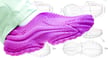
Lead image caption: Air Works Class of 2026 (Names left to right, clockwise: Tasnim, Omi, Marc Su, Motoi Hatuski, Jose Wong, Diya Joukani, YAMS, Masyn)
License: The text of "Why Nike is Dropping 8 Limited-Edition 3D Printed Air Max Sneakers This Year" by All3DP Pro is licensed under a Creative Commons Attribution 4.0 International License.