
Landmark Move: Medicare Will Now Cover Affordable 3D Printed Prosthetics

A huge win for additive manufacturing as it becomes both recognized and reimbursable for prosthetic devices.
Getting a custom-fit, 3D printed prosthetic arm or leg in the U.S. is about to become far more accessible. In a landmark move, Medicare—the federal health program for older Americans and those with disabilities—has officially approved reimbursement for these custom-made devices. As long as they meet program requirements, the fact they are 3D printed is no longer a barrier, a decision that could spark a wave of innovation and investment.
The decision by the Durable Medical Equipment Medicare Administrative Contractors (DME MACs) and the Pricing Data Analysis & Coding (PDAC), officially designating “additive manufacturing (as) an acceptable fabrication technique” for prosthetic devices, is a stamp approval that’s reverberating across the healthcare industry.
“This decision changes everything, it means clinicians can confidently prescribe 3D printed prosthetics, insurers can cover them, and patients can access care that’s faster, more affordable, and personalized to their needs,” says François Minec, VP & global head of sales and business development, HP Additive Manufacturing Solutions. HP’s Multi-Jet Fusion 3D printers are widely used in prosthetic manufacturing.
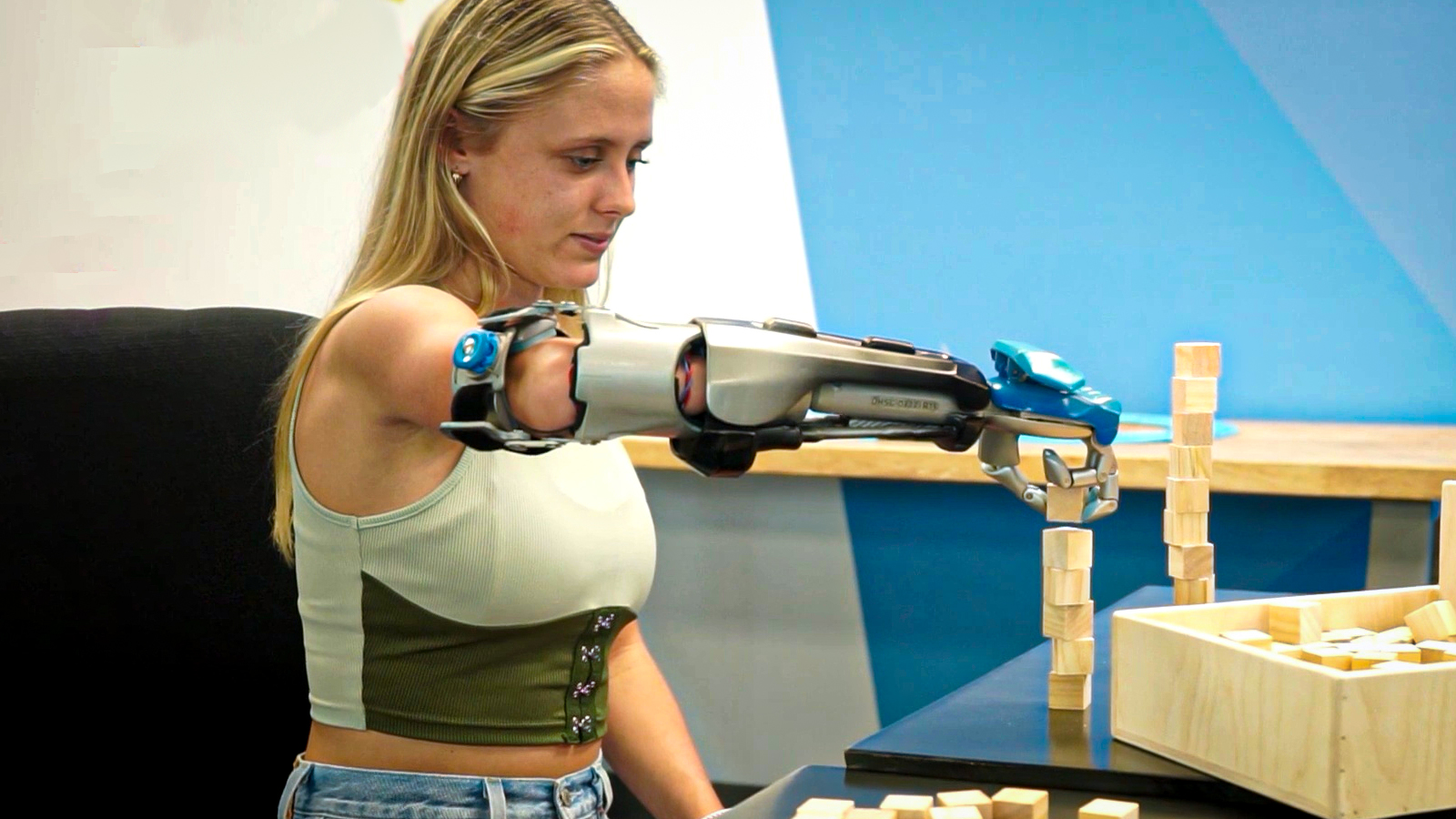
The recognition follows a similar milestone reached this year for orthotic devices, meaning 3D printing is now fully recognized across the entire O&P sector. For clinics and patients, this decision means reimbursement pathways are now clear — an essential factor for integrating emerging technologies into standard medical practice.
For years, 3D printing has promised to revolutionize prosthetic fabrication—offering unprecedented levels of customization, comfort, and design flexibility. Yet without clear reimbursement mechanisms, many clinics hesitated to adopt the technology despite its benefits.
The new recognition:
- Legitimizes digital manufacturing in prosthetic care, ensuring clinicians and insurers alike can embrace it with confidence.
- Improves clinic economics, removing financial uncertainty around coverage.
- Expands patient access by lowering production costs and reducing wait times for custom-fit devices.
- Accelerates innovation, allowing engineers and prosthetists to co-develop next-generation solutions.
A Collaborative Effort for Personalized Care
The achievement was supported by a consortium launched by HP to accelerate digital manufacturing in O&P. Bringing together prosthetists, engineers, and industry leaders, the group focused on aligning clinical practice with technological advances and generating the data needed to support regulatory and reimbursement progress.
Industry experts say this shift could catalyze a wave of innovation across healthcare manufacturing—extending beyond prosthetics into custom surgical tools, implants, and other patient-specific devices. In fact, by removing a long-standing barrier, the U.S. healthcare system has effectively endorsed the digital transformation of medical fabrication, signaling a broader readiness to integrate advanced manufacturing into mainstream patient care.
You May Also Like:


Listen to All3DP’s News Podcast:
License: The text of "Landmark Move: Medicare Will Now Cover Affordable 3D Printed Prosthetics" by All3DP Pro is licensed under a Creative Commons Attribution 4.0 International License.