Iconic Harris Tweed Turns to 3D Printing to Modernize in a Tradition-Preserving Way

Harris Tweed weaves affordable 3D printing and part-consolidation via CAD software into a centuries-old craft.
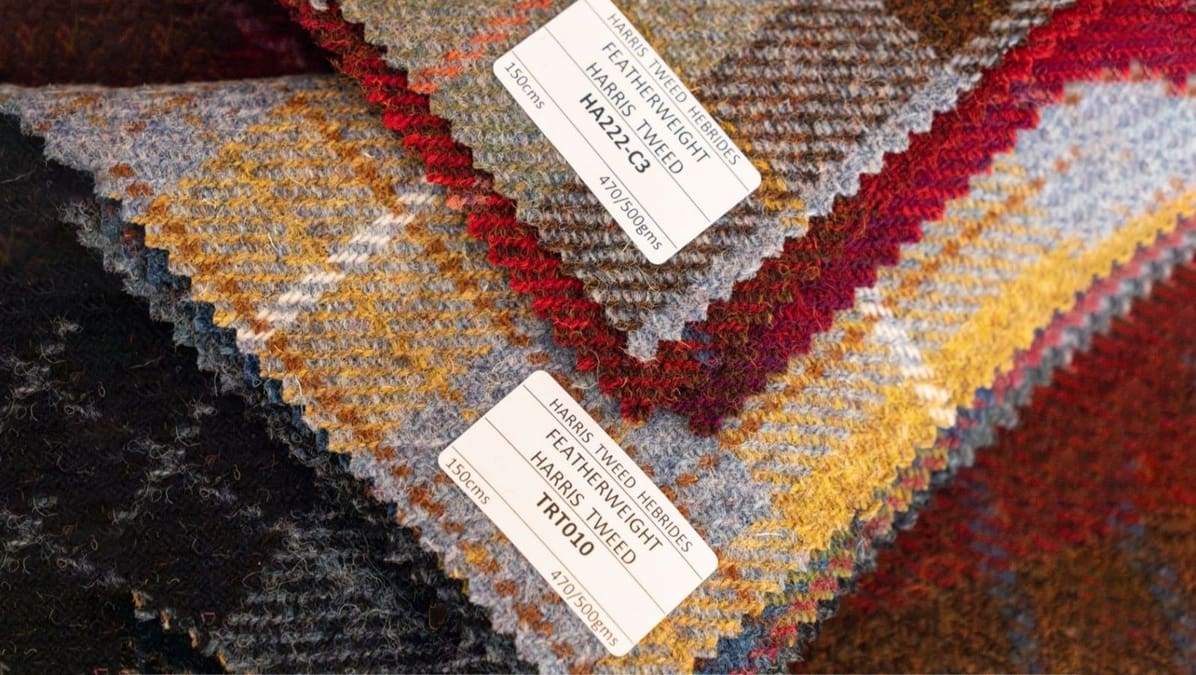
Don’t worry, Harris Tweed, the world-renowned Scottish textile brand, is not 3D printing with wool, although that would be impressive. In fact, by law, Harris Tweed can only be handwoven in the homes of weavers across the Outer Hebrides, preserving a craft passed down through generations.
Harris Tweed fabric is exported to more than 60 countries worldwide and the iconic textile has been used by some of the biggest names in fashion, including Dior, Ralph Lauren, and Vivienne Westwood.
Where 3D printing comes in, of course, is the looms. The complex design of the looms means replacement components can take up to six months to source, often forcing weavers to borrow parts from fellow artisans or modify their looms themselves to keep them running. A problem, 3D printing is designed to solve.
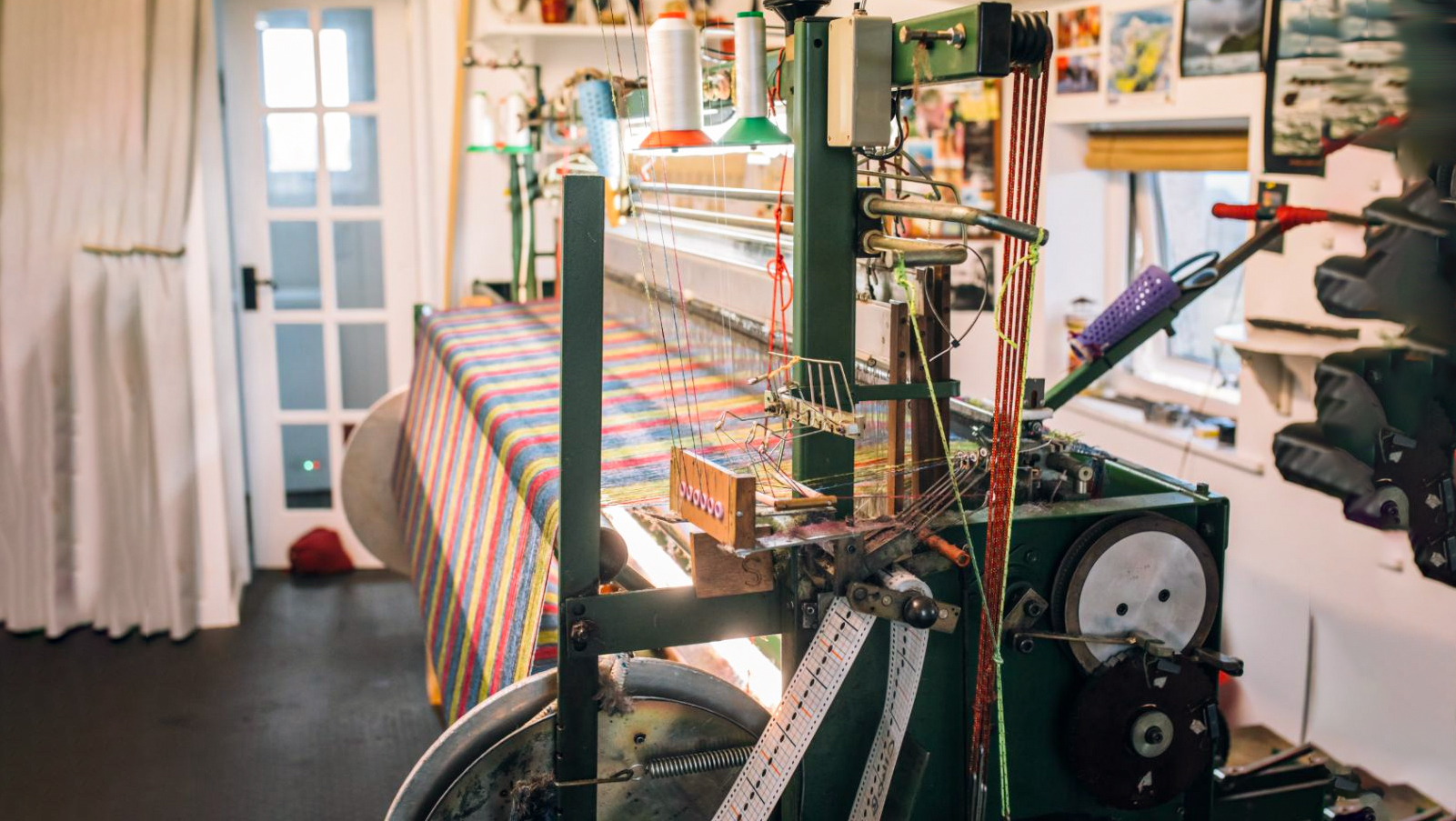
Harnessing cutting-edge industrial 3D printing technology to bring a new lease on life to its traditional weaving machines, 3D printing hardware and design for additive manufacturing (DfAM) is helping to future-proof the craft for years to come.
The Harris Tweed Loom Spares Co. has partnered with the National Manufacturing Institute Scotland (NMIS) to create a new loom assembly design that incorporates 3D printed parts to improve accessibility to weavers.
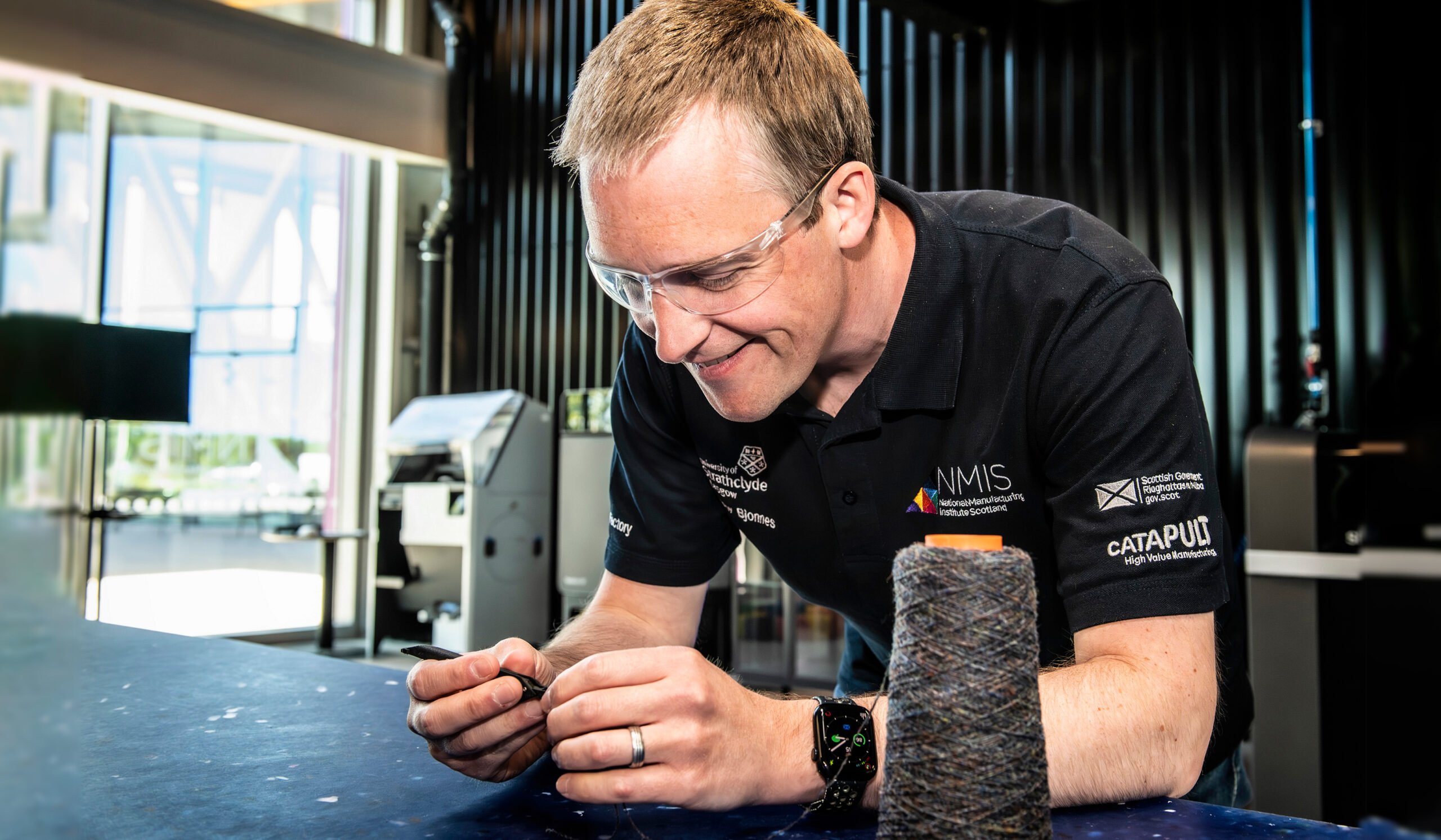
Engineers at NMIS’s Digital Factory in Renfrewshire tested a range of materials to produce durable, high-quality loom components. They didn’t explicitly say which materials but judging from the Formlabs Fuse SLS 3D printer in the background of the NMIS image above, we gather it’s nylon, perhaps a nylon composite.
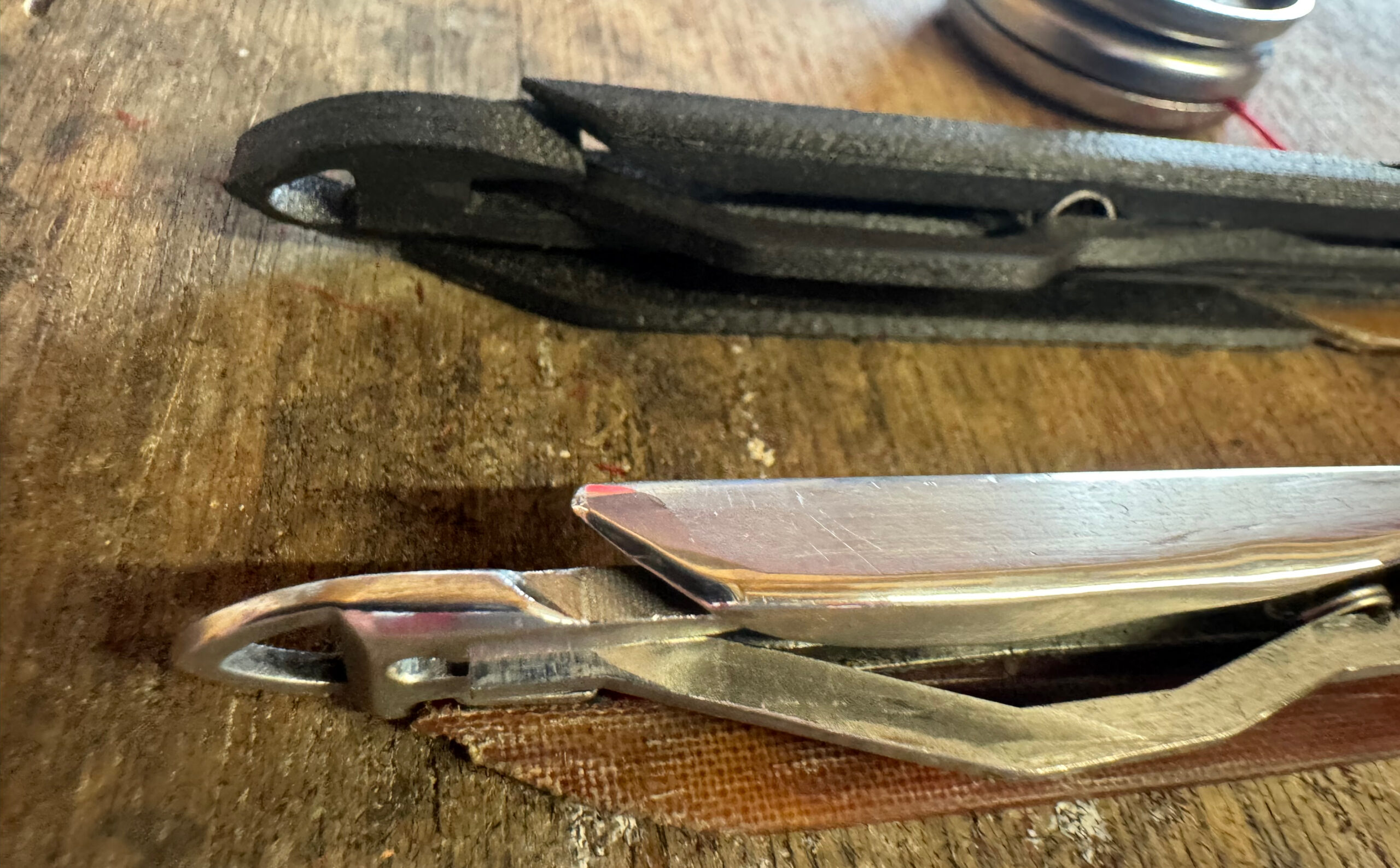
One key assembly, previously made up of seven individual parts, was redesigned into three additively manufactured components using a strong composite material. The new 3D printed version costs 99% less than the original and, using a low-cost desktop machine, can be produced locally in as little as two hours.
Weavers have long been known for their ingenuity in keeping their looms running. John Bennie, for example, went so far as to modify his loom by repurposing the flywheel from a Ford Ka and attaching it to his loom to improve its performance.
“When a vital part of the loom breaks, it can halt production for weeks, which is incredibly frustrating,” says Bennie. “Finding a way to keep the loom running smoothly is essential, and it’s been great to be one of the first to try out the new 3D printed assembly. The ability to get what we need, when we need it, will make a huge difference, as it means we can minimise downtime and focus on our work without unnecessary interruptions.”
“We take pride in our craftsmanship and tradition, but we also know that innovation is vital for keeping our industry strong for the generations to come,” says Kelly McDonald, operations manager at The Harris Tweed Authority. “Working with NMIS is a significant step forward in future-proofing the looms critical to the production of Harris Tweed.”
“With the ability to replace parts quickly, easily, and affordably, our weavers can focus on what they do best without worrying about delays,” says Kelly McDonald. “This not only safeguards the future of our fabric but also supports the livelihoods of the island community who dedicate their skills to preserving the craft.”
Although the initial phase of the project is complete, weavers continue to test and refine the new parts. Since each loom has been individually modified over time, developing universal components remains a challenge. The ultimate goal is to create adaptable parts that can be easily fitted while maintaining the integrity of the traditional weaving process.
Andrew Bjonnes, research & development engineer at the NMIS Digital Factory, added: “This project really showcases how modern manufacturing can boost traditional industries and help preserve valuable heritage skills. With additive manufacturing, we’re promoting self-sufficiency and giving weavers a smart, cost-effective, and user-friendly way to keep their looms up and running. It has been an incredibly rewarding project, making a tangible difference and allowing weavers to concentrate on their craft instead of worrying about equipment failures.”
You May Also Like:



License: The text of "Iconic Harris Tweed Turns to 3D Printing to Modernize in a Tradition-Preserving Way" by All3DP Pro is licensed under a Creative Commons Attribution 4.0 International License.