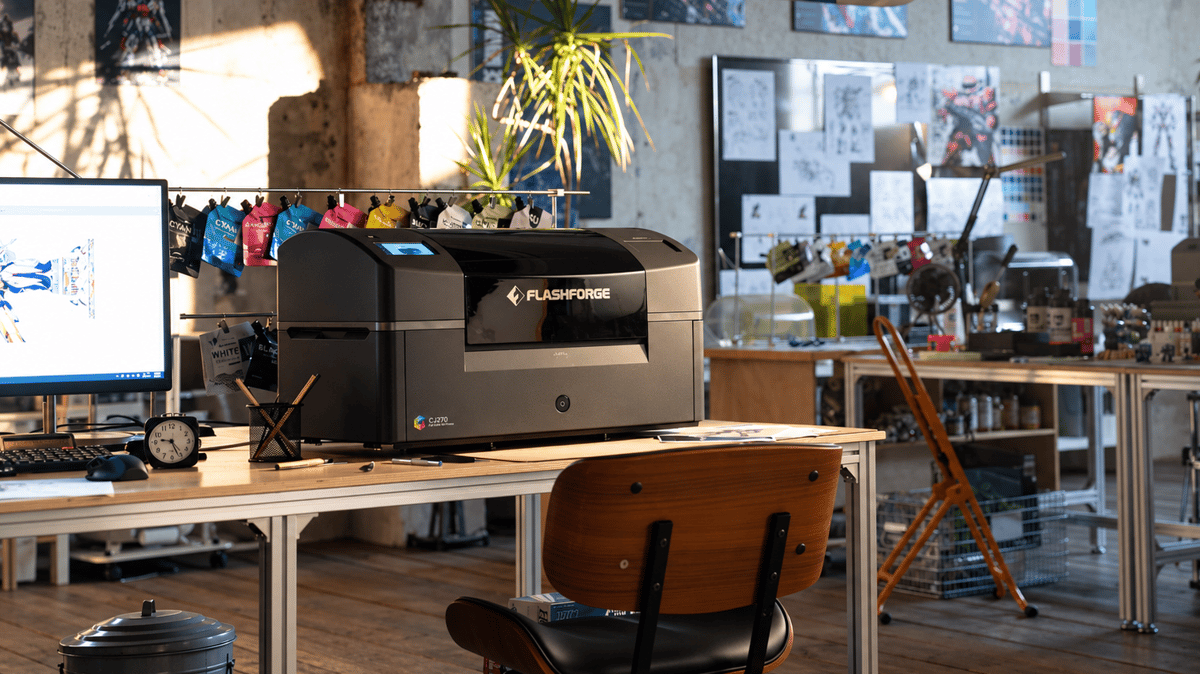
Ditch the Paintbrush: The Flashforge CJ270 Prints 10 Million Colors on Your Desk

This compact photopolymer printer deposits seven distinct resins, producing hyper-realistic gradients, skin tones, and clear accents.
Full-color 3D printing often forces makers into a tough choice between spending hours hand-painting FDM models or paying for expensive industrial jetting services.
By bringing multi-head photopolymer jetting straight to the benchtop, the Flashforge CJ270 aims to resolve that. Combining seven printheads, 7-micron layer resolution, and water-soluble supports, the printer produces 10 million photorealistic colors directly onto your models, with no paint station required, and it’s available for preorder at just $3,999.
Multi-Jet Tech Explained: How 7 Printheads Render 10 Million Hues
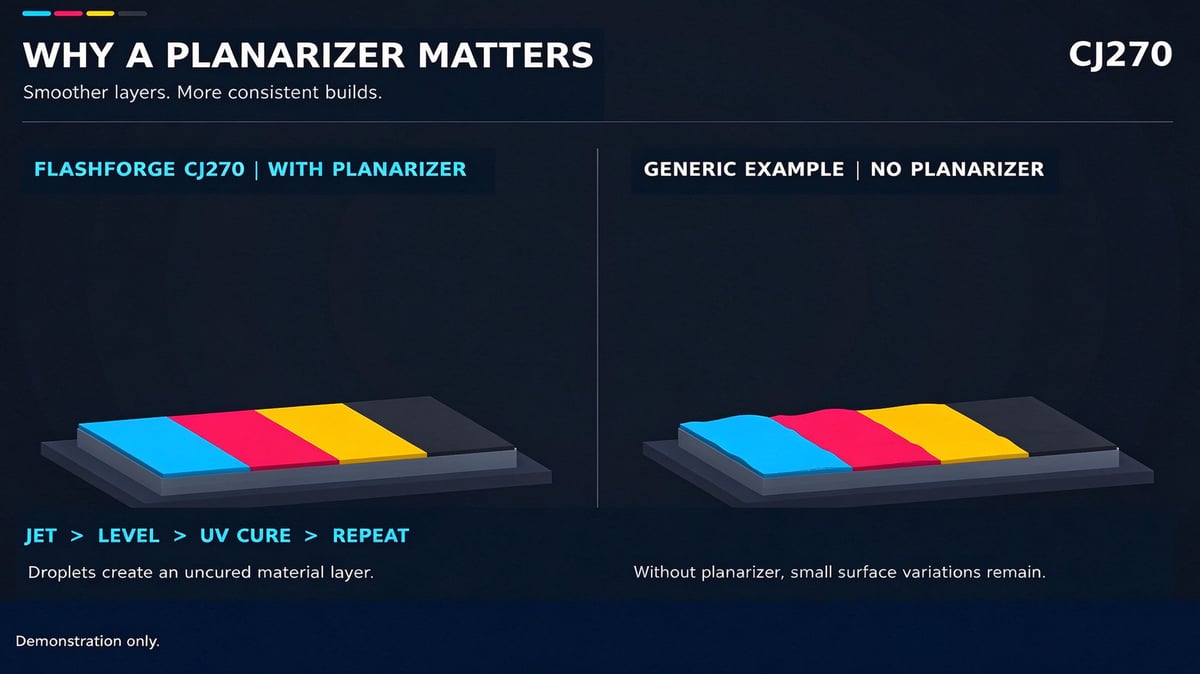
The CJ270 uses Multi Jet Printing (MJP), jetting droplets of photopolymer from seven printheads. Six carry build materials in cyan, magenta, yellow, black, white, and clear, while the seventh deposits water-soluble support material. Together, the build materials can produce more than 10 million color combinations, enabling the printer to render gradients, skin tones, and fine textures rather than fat blocks of color. White underpins opaque areas and color appearance, while clear material can create translucent or transparent-looking features, depending on part thickness and geometry.
Each layer follows a three-step sequence of jetting, leveling, and curing. After the droplets land, a leveling roller smooths the uncured layer to help control its thickness, and UV light then cures it. The rated minimum layer thickness is 7 µm, which reduces visible stepping on sloped surfaces such as faces and curved armor. For standard prints, no separate UV post-curing step is generally required.
Software & AI Compatibility: From Text-to-3D Models to Slicing
Prints start in Flashforge ColorPrint, available for Windows and macOS. Users import textured OBJ or GLB files, arrange them within the 180 x 120 x 100 mm build volume, preview color, and slice. ColorPrint maps color across each layer automatically, and jobs are sent to the printer over a direct computer connection or USB.
The workflow also accommodates AI-generated models from text- or image-to-3D tools such as Hunyuan3D, Meshy, and Tripo AI, provided the exported file retains usable texture data. Some generated meshes will need repair or rescaling first.
Desktop Ergonomics: Noise Levels, Auto-Stirring & Maintenance
At 697 x 410 x 405 mm and 33.5 kg, the CJ270 fits on a sturdy bench rather than requiring a dedicated room. It also features a manufacturer-rated noise level of 55 dB or lower, automatic leveling, and an integrated activated carbon filter.
Maintenance features include automatic stirring of the white material channel to manage pigment sedimentation, automatic printhead wiping and periodic cleaning, and seven individually replaceable printheads. These work in tandem to reduce routine upkeep, although, like any jetting system, the CJ270 still needs regular attention. It runs exclusively on Flashforge-specific inks.
Ideal Use Cases: From Tabletop Miniatures to Visual Prototypes
Once a print finishes, users can remove support material by soaking or washing, although an optional ultrasonic cleaner is available to speed up the process. Polishing or glossing is available for display pieces, but isn’t strictly required.
The CJ270 is built for visual models rather than functional or load-bearing parts, making it an ideal tool for:
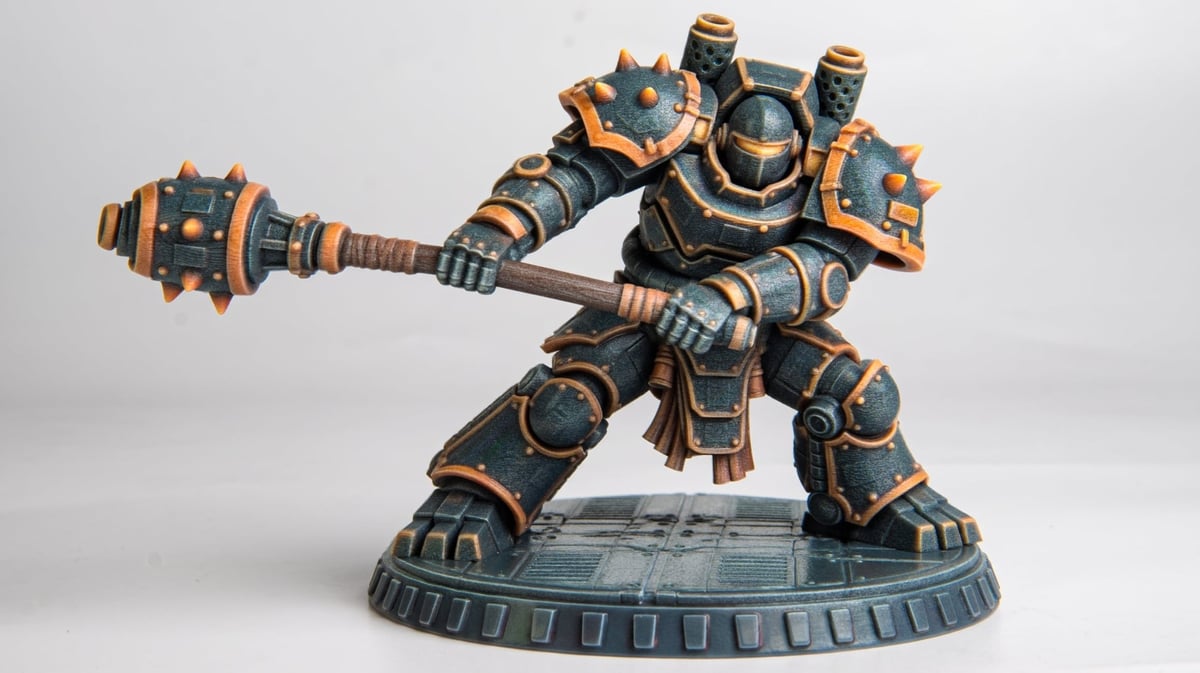
- Miniature and tabletop creators who want detailed, colored figures up to 100 mm tall without spending hours at the paint station.
- Etsy and custom-product sellers producing personalized gifts, figurines, and magnets in small batches.
- Portrait and pet-figure makers needing natural skin, eye, and fur tones from scanned or modeled subjects.
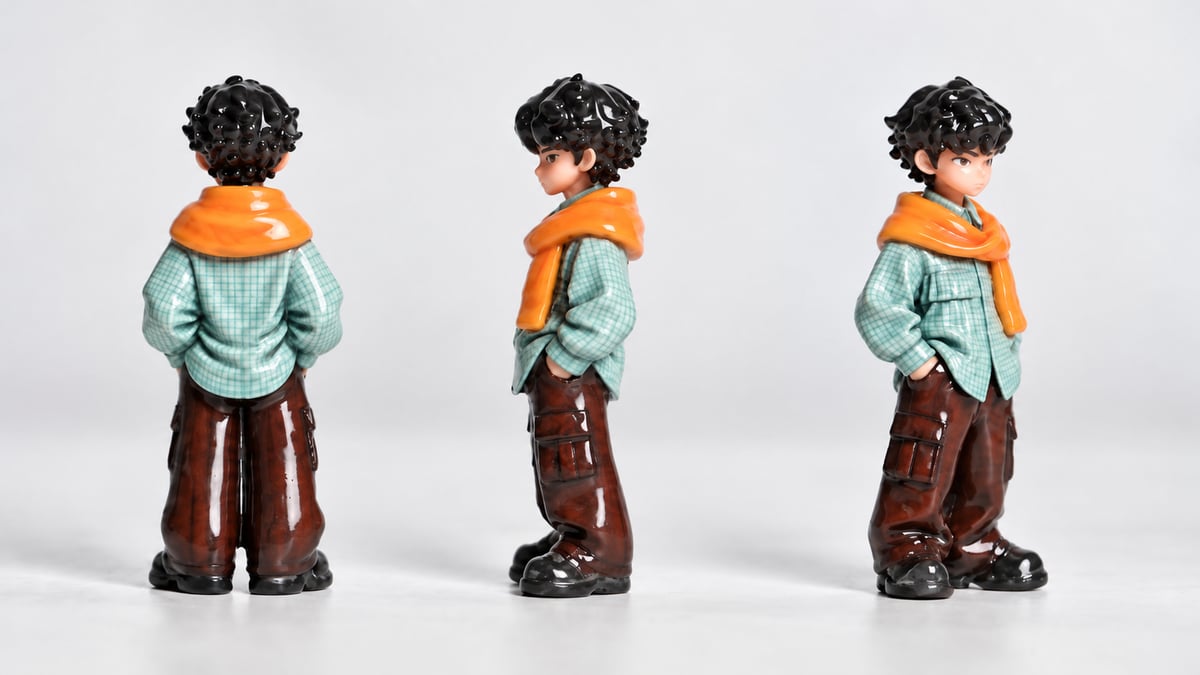
- Designer-toy artists combining opaque and translucent effects within a single piece.
- Product and packaging designers who require full-color appearance prototypes for design reviews
Pre-Order Pricing & Market Positioning
The CJ270 is available at $3,999. For creators who currently outsource full-color prints to a service bureau or spend significant time hand-painting, the CJ270 is worth considering for bringing high-end color material jetting in-house at an accessible desktop price point.