Boeing’s 3D Printing Breakthrough Cuts Satellite Production Time in Half

The aerospace leader's new technique prints features directly into satellite structures, a move that drastically simplifies manufacturing and shaves six months off delivery times.
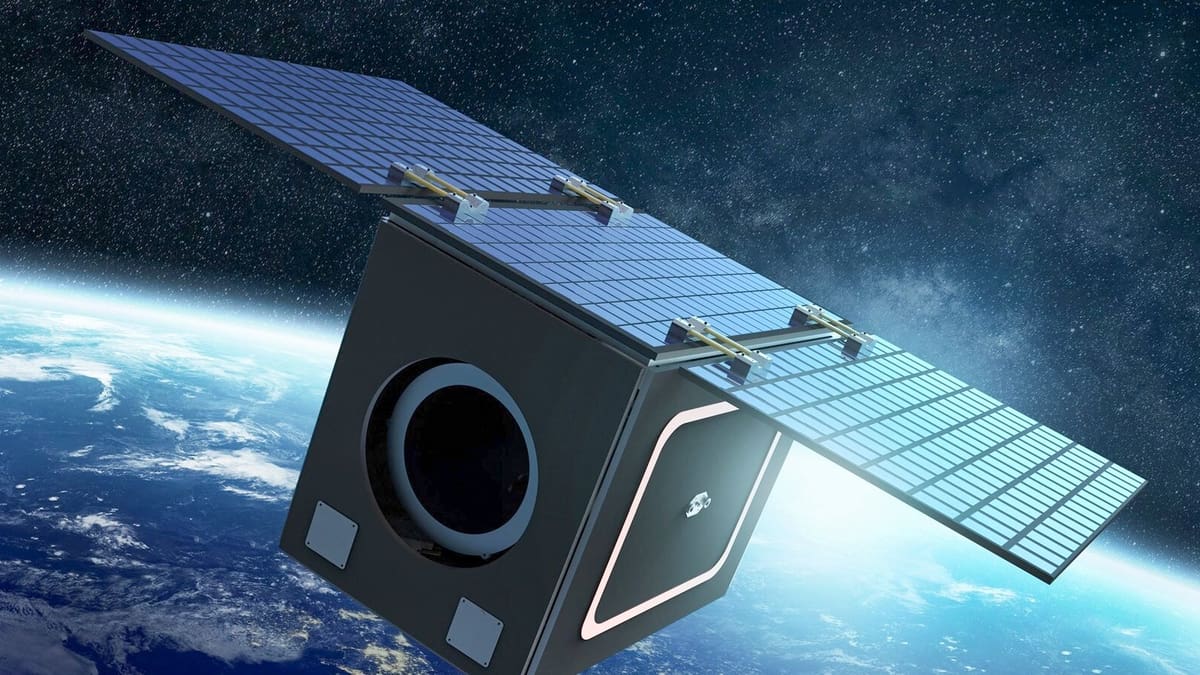
Aerospace giant Boeing can deliver solar array wings for satellites 50% faster with a new 3D printing process that allows for features, such as harness paths and attachment points, to be printed directly into the solar array substrate panel. This replaces numerous individual parts and complex assembly steps, streamlining the manufacturing process, the company says.
By printing the panel’s structure and built‑in features, Boeing can assemble the array in parallel with cell production, a step that speeds delivery by six months. Robot‑assisted assembly and automated inspection at Spectrolab further reduce handoffs, improving speed and consistency.
Boeing using qualified, flight-proven materials to ensure the durability and reliability of these critical components in the harsh environment of space.
“We reached across our enterprise to introduce efficiencies and novel technologies to set a more rapid pace,” says Michelle Parker, vice president of Boeing Space Mission Systems. This new approach is not just about speed; it’s also about improving performance. “As we scale additive manufacturing across Boeing, we’re not just taking time and cost out, we’re putting performance in,” adds Melissa Orme, vice president of Materials & Structures at Boeing Technology Innovation.
The first satellites to feature these 3D printed solar arrays will be small satellites from Millennium Space Systems, a Boeing subsidiary, which will be equipped with Spectrolab solar cells. This new technology is designed to be scalable, from these smaller satellites to larger platforms like the Boeing 702-class spacecraft. The company is targeting market availability for this new technology in 2026.
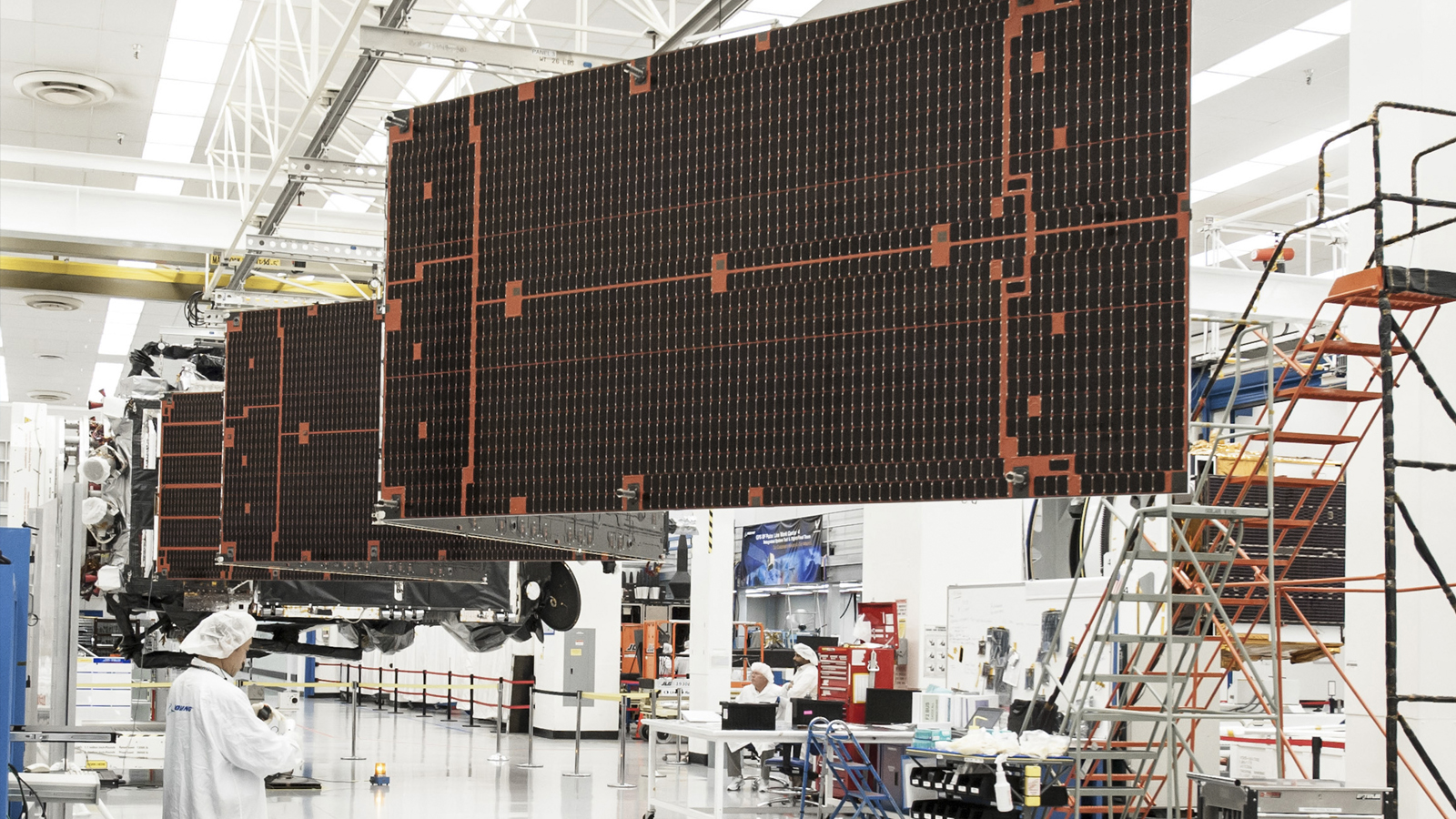
This is not Boeing’s first foray into 3D printing, of course. It has already incorporated over 150,000 3D printed parts across its portfolio, including on its Wideband Global SATCOM (WGS) satellites. This latest development with solar array substrates further solidifies the growing importance of additive manufacturing in the aerospace industry, enabling faster, more efficient, and more innovative production of next-generation spacecraft, the company says.
“By pairing qualified materials with a common digital thread and high‑rate production, we can lighten structures, craft novel designs, and repeat success across programs,” says Orme. “That’s the point of enterprise additive, it delivers better parts today and the capacity to build many more of them tomorrow.”
You May Also Like:



License: The text of "Boeing’s 3D Printing Breakthrough Cuts Satellite Production Time in Half" by All3DP Pro is licensed under a Creative Commons Attribution 4.0 International License.