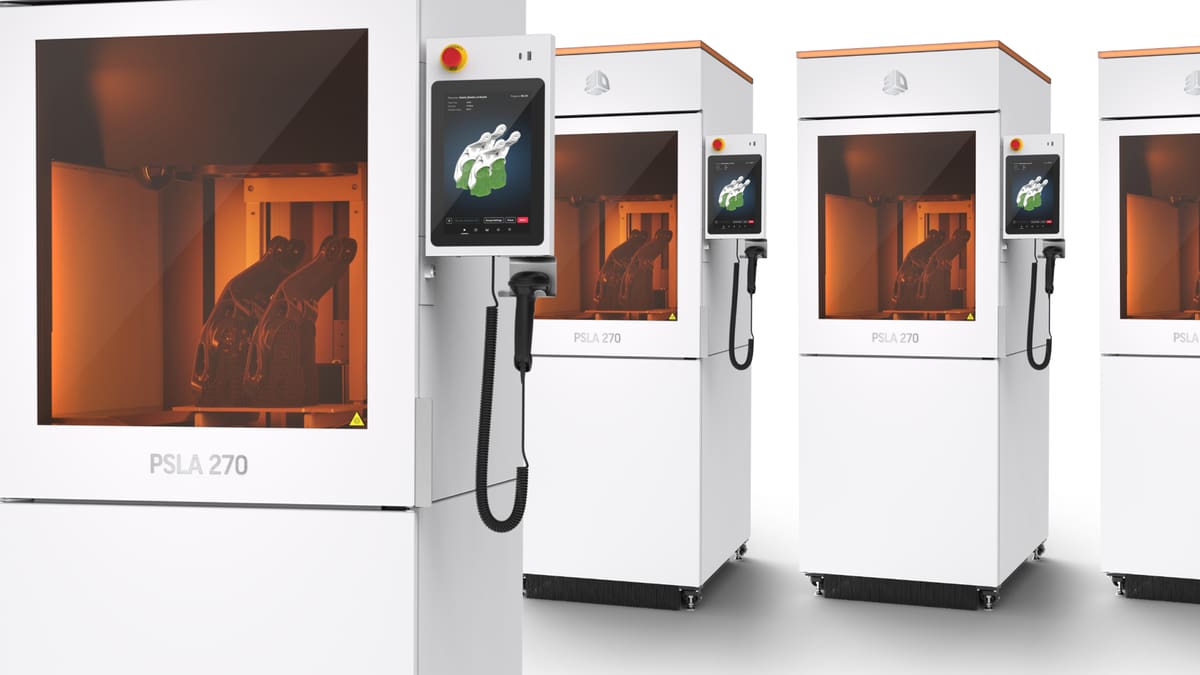
Beyond Prototyping: How the 3D Systems PSLA 270 Is Ready for the Production Line

Between powerful technology delivering precision at speed, plus production-grade materials ready for end-use, read how the 3D Systems PSLA 270 is reshaping the factory floor.
3D printing has always been synonymous with rapid prototyping, a way to create models and test designs quickly. But what happens when the prototype is perfect? The 3D Systems PSLA 270 is challenging traditional manufacturing workflows by proving that a 3D printer can be the factory itself, taking parts all the way from concept to final production.
This machine isn’t just making prototypes; it’s creating durable, end-use parts, custom manufacturing tools, and high-fidelity patterns with the potential to transform industries. Let’s explore how.
The Power of PSLA Technology
At the heart of the 3D Systems PSLA 270 is a technology that combines the precision of stereolithography with the swiftness of projector-based printing. This innovative approach delivers a powerful trio of benefits:
- Speed and Accuracy: It produces large, highly accurate parts with fine details and smooth surface finishes at impressive speeds. For example, 20 support arms can be printed in just 9 hours and 33 minutes.
- Production-grade Materials: The printer utilizes a large portfolio of engineering materials designed for long-term stability, offering robust mechanical properties, thermal resistance, and even biocompatibility.
- Efficiency: Fast part production and minimal post-processing mean quicker iteration cycles and a faster start for in-house 3D printing operations.
A Tour of Applications
The true value of the PSLA 270 lies in its versatility. It provides the opportunity for innovation to occur at every stage of the product lifecycle, from initial design validation to the creation of finished goods.
Refining Prototypes to Perfection
While it excels in the production of end-use parts, the PSLA 270 also enhances the prototyping stage with materials that mimic final product characteristics.
Engineers can conduct thermal testing on components using materials like Figure 4® HI TEMP 300-AMB, which has a heat deflection temperature of over 300 °C without needing a secondary thermal post-cure. Meanwhile, in high-performance industries such as motorsports and aerospace, the printer can produce highly accurate wind tunnel models using stiff composite materials, complete with features like pressure tappings for detailed analysis.
Revolutionizing the Factory Floor
The PSLA 270 is a powerful tool for creating manufacturing aids that streamline production. Jigs and fixtures can be produced with precision and durability on-demand, and the tools are tough enough for CNC and manual operations and can even be customized with built-in work instructions.
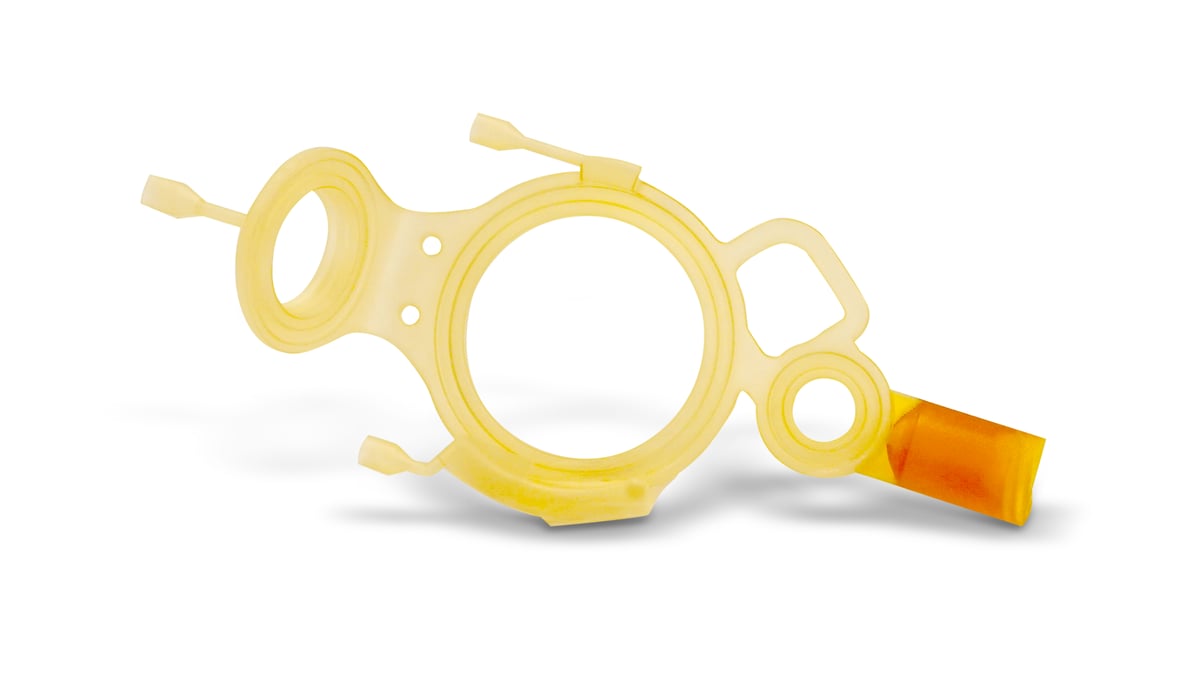
In more advanced tooling, the printer enables the creation of complex tools that weren’t previously possible, such as tear-resistant mandrels for producing intricate carbon fiber components. Eggshell molding is also available via the PSLA 270, in producing elastomeric parts like silicones, the printer can create a sacrificial “eggshell” mold in a matter of hours. This mold withstands injection molding pressure and then breaks away easily, enabling rapid iteration for flexible parts.
Creating Final, Customer-Ready Parts
This is where the PSLA 270 truly shines, moving beyond a supporting role to become the main production method. It addresses key challenges like material performance, durability, and repeatability.
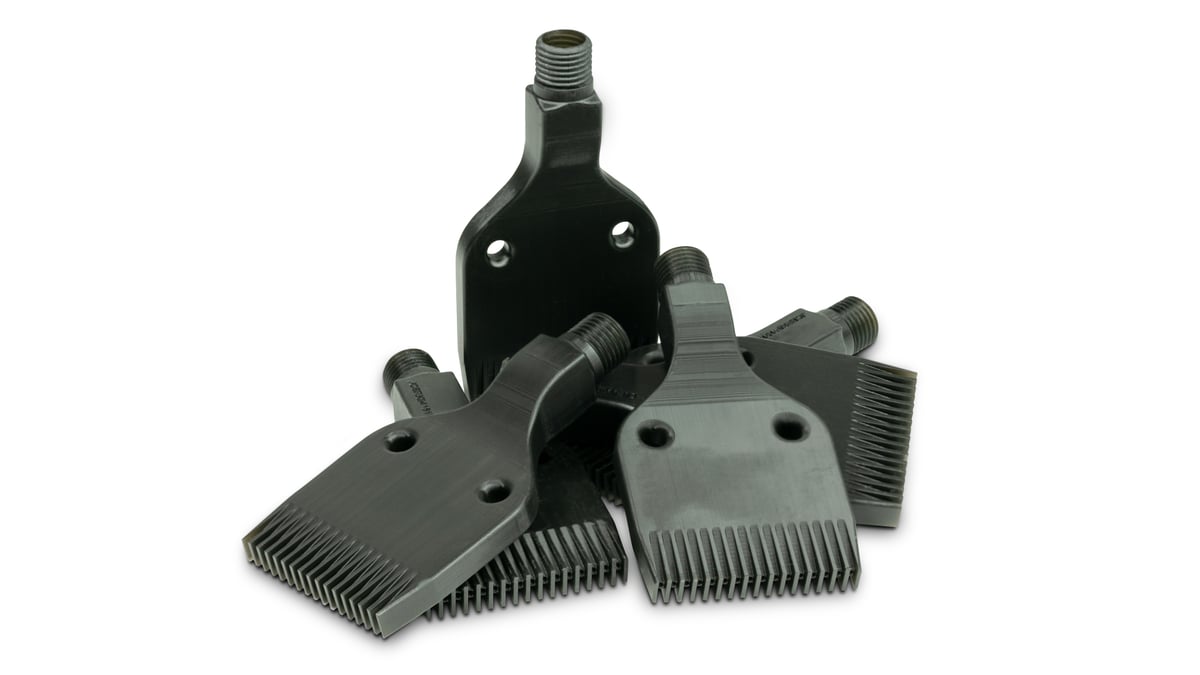
Strong, durable components made using materials like Figure 4® PRO-BLK 10, offer thermoplastic-like properties and long-term stability, meaning manufacturers can print everything from complex housings to air nozzles ready for real-world use. Thanks to its diverse material portfolio, there are plenty of options for specific needs, such as a UL94 V0 rated flame-retardant plastic and biocompatible materials suitable for products that touch the human body, like custom ear plugs.
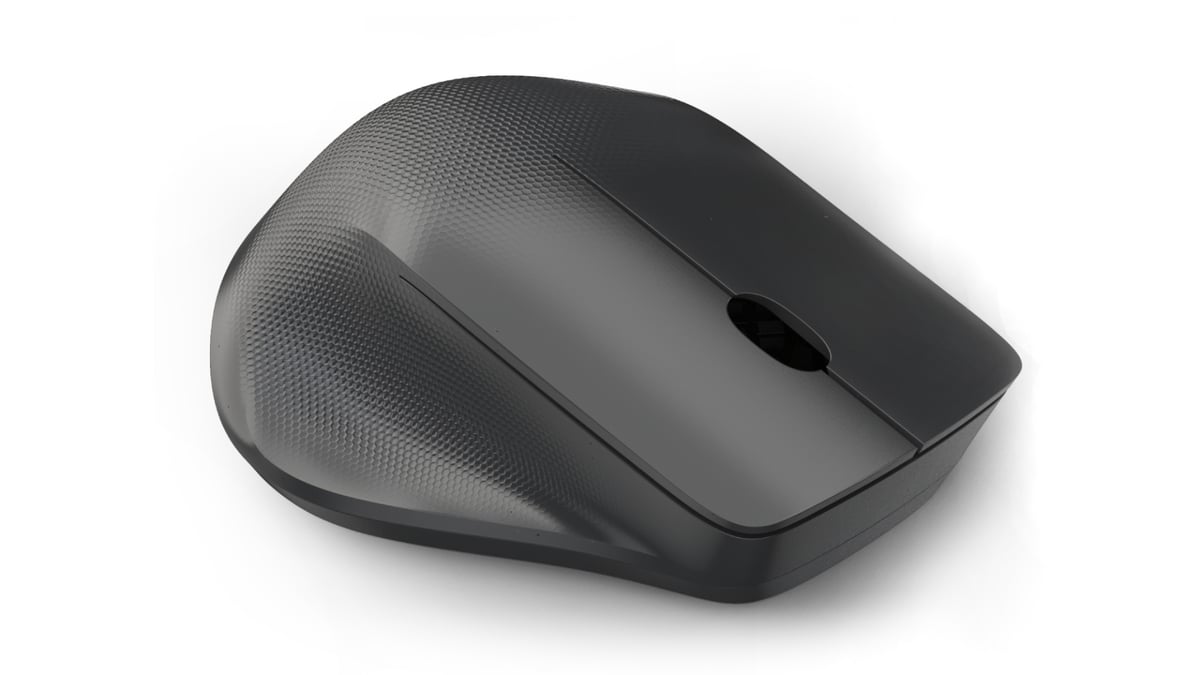
Functional also has to be aesthetic at times, and digital texturing allows for intricate surface patterns to be added directly to parts, perfect for improving grip or aesthetics on an access cover without expensive tooling revisions.
The Material Advantage
3D Systems develops the printer, software, and materials to work together as a seamless, end-to-end solution. This integration ensures that users have access to an industry-leading portfolio of production-grade materials engineered to meet demanding application needs, from high stiffness and heat resistance to flexibility and biocompatibility.
By delivering on speed, accuracy, and material diversity, the PSLA 270 3D printer is effectively closing the gap between prototyping and production, making on-demand, in-house manufacturing a tangible reality.