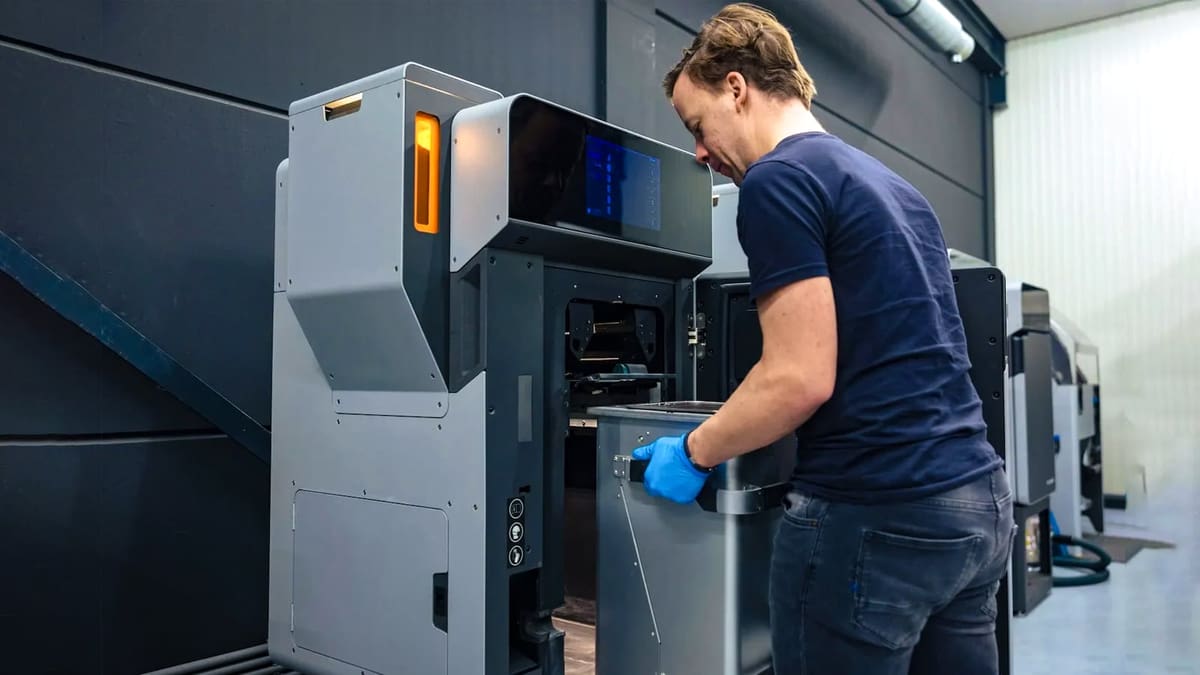
Why Additive Manufacturing Needs a New Breed of Engineer

While machines have reached industrial maturity, a critical "competency gap" is stalling production lines—and traditional engineering degrees aren’t providing the fix.
The additive manufacturing (AM) industry spent the last decade arguing about whether the technology worked. That debate is largely settled. Metal powder bed fusion systems are producing flight-critical aerospace components. Medical device manufacturers are qualifying patient-specific implants. Defense contractors are printing spare parts on demand. The machines work. The materials work. The processes, when properly controlled, work.
What isn’t keeping pace is the workforce.
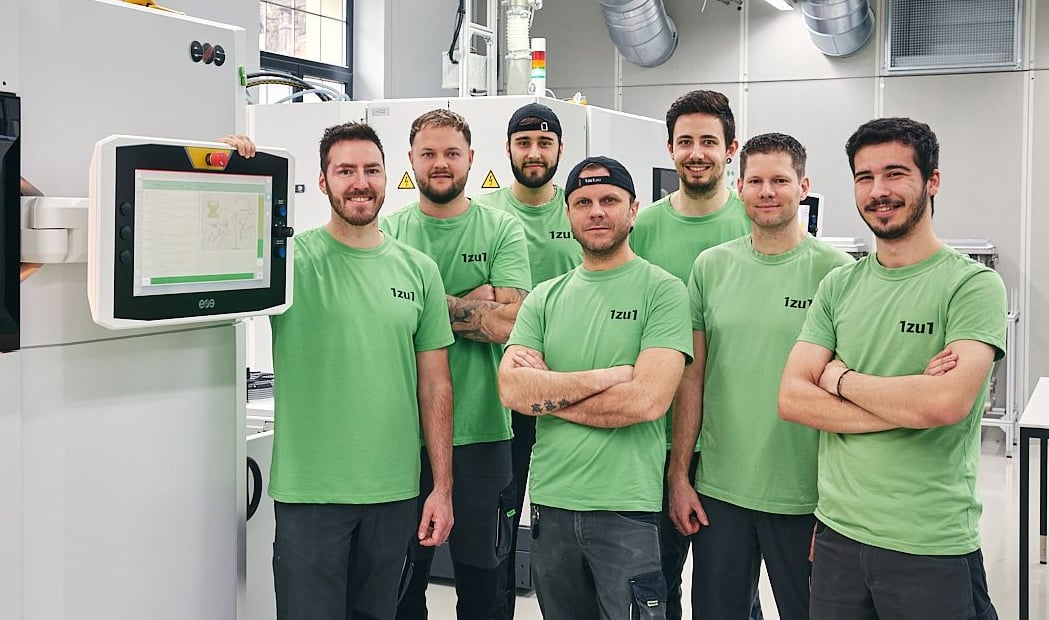
Why Traditional Engineering Degrees Aren’t Enough for AM
This isn’t a new observation, but it’s one the industry has been slow to address in any systematic way. The challenge is structural: AM sits at the intersection of design, materials science, process engineering, quality management, and regulatory compliance. It doesn’t map cleanly onto any single engineering discipline, which means professionals who are highly competent in conventional manufacturing often have significant blind spots when they encounter additive for the first time.
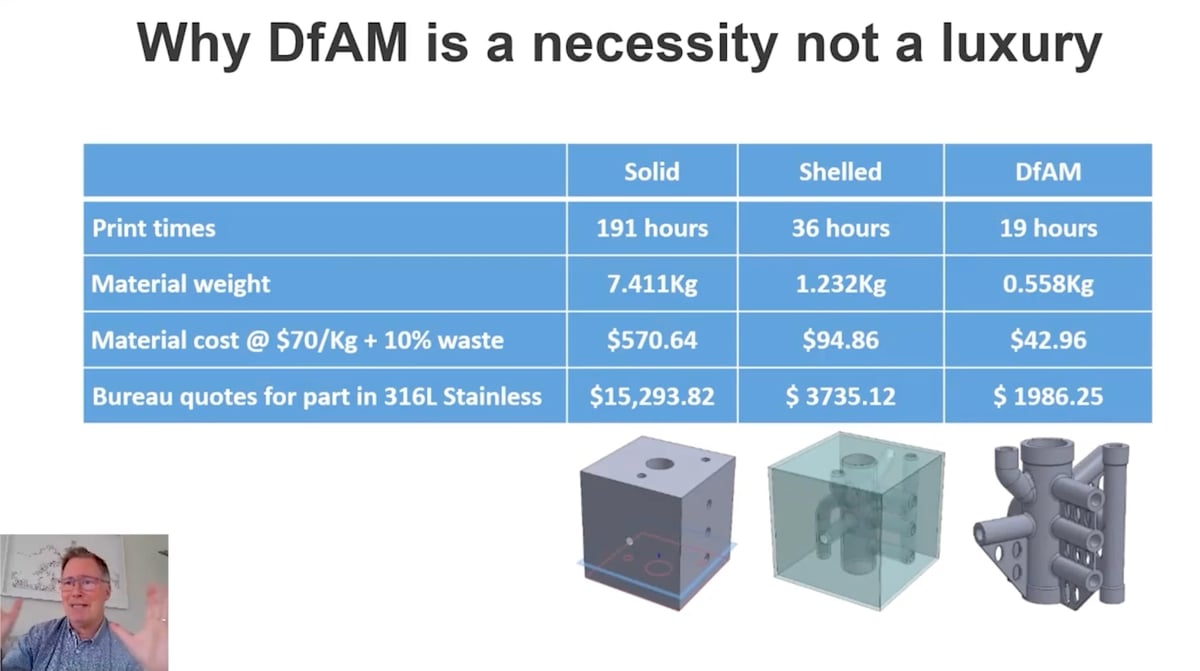
Engineers trained in subtractive processes may not understand design-for-additive principles: the freedom to build internal lattices, conformal channels, or topology-optimized geometries that would be impossible to machine. Materials specialists may understand powder metallurgy without having exposure to how layer-by-layer solidification affects microstructure and mechanical properties. Business leaders evaluating AM investments are frequently making multi-million-dollar decisions without the vocabulary to stress-test vendor claims or understand qualification timelines.
For a long time, informal learning carried the industry further than it probably should have. Conferences, application notes, trial and error on the shop floor have been the primary vehicles for knowledge transfer in AM, and they’ve produced some genuinely impressive results. But as AM pushes deeper into regulated sectors, that approach hits a hard wall.
Aerospace and medical device adoption doesn’t run on enthusiasm. It runs on documented qualification pathways, repeatability data, non-destructive evaluation protocols, and alignment with standards frameworks that regulators actually recognize. Getting a part certified for flight, or a medical device to market, requires a command of the standards ecosystem that governs how AM parts are designed, produced, tested, and approved.
This is where the workforce gap becomes genuinely expensive. Organizations that underestimate the learning curve required to implement AM make costly mistakes at qualification, fail audits, or abandon promising programs because the internal expertise to execute them didn’t exist. Structured training accelerates competency in ways that trial and error simply can’t replicate at scale.
Globally, this is increasingly recognized as a strategic issue rather than a training inconvenience. America Makes has tied workforce development directly to qualification pathways for aerospace and defense supply chains. European bodies like Fraunhofer and CECIMO have embedded AM training into broader industrial modernization strategies. Singapore and China have stood up national certification infrastructure. The pattern across all of them is consistent: technical capability without workforce readiness is a bottleneck, and the bottleneck compounds over time.
Certificate programs built specifically around AM address this by presenting the technology as an integrated workflow rather than a collection of isolated tools. Design, feedstock characterization, process parameters, post-processing, metrology, qualification, do not operate independently in practice. A part’s final properties are the cumulative result of decisions made at every stage of the process chain. Training programs that reflect that reality produce more useful practitioners than ones organized around any single domain.
Closing the Gap: The New Industry Standard for AM Certification
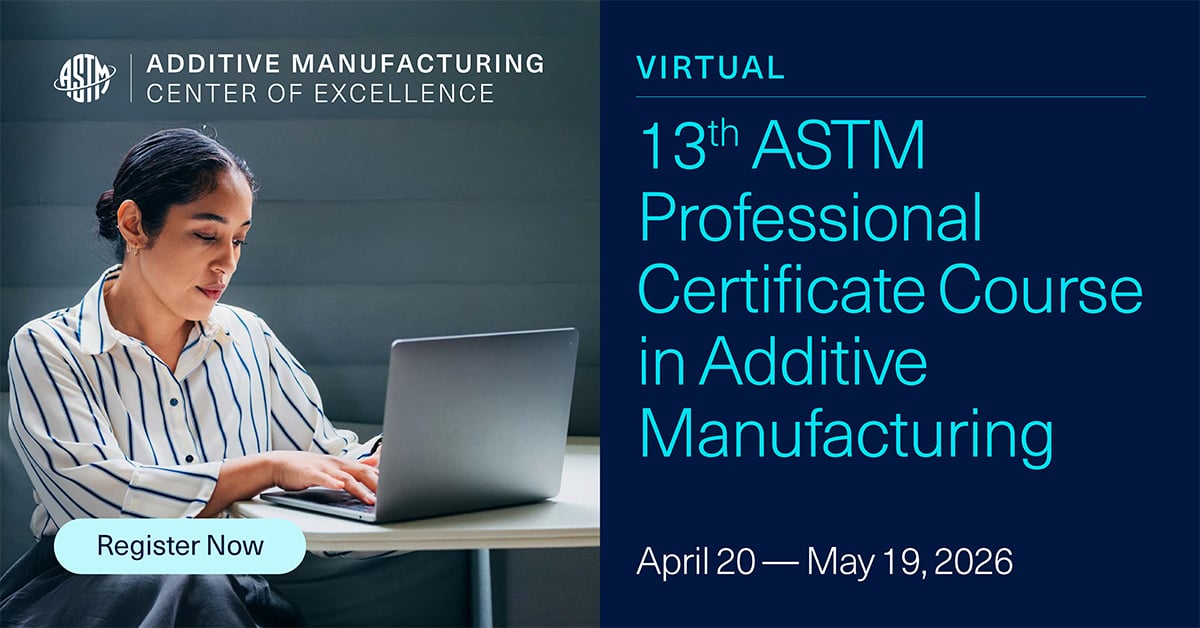
The ASTM AM Center of Excellence has been developing a certificate framework along these lines, explicitly aligning technical instruction with the standards infrastructure that regulated industries require. The 13th edition of its Professional Certificate Course in Additive Manufacturing runs virtually this spring, from April 20 through May 19. The course covers eight modules across the full AM process chain, taught by 15 subject matter experts drawn from industry, academia, national laboratories, and regulatory bodies, including instructors from the FAA, Pratt & Whitney Canada, Auburn University, Wohlers Associates, and A*STAR. Two modules are released per week for self-paced study, followed by live Q&A sessions with the instructors.
Completing the course also positions participants for the AM CoE’s role-based certificates: credentials for operators, quality engineers, designers, and technology managers that build on the general foundation. Early-bird registration is open through March 31.
The technology, by most measures, is ready. The more pressing question now is whether the people tasked with implementing it are.
You May Also Like:



About the Author: Michael Molitch-Hou is a content strategy and marketing professional specializing in additive manufacturing. He currently serves as Content Strategy & Marketing Manager at the ASTM Additive Manufacturing Center of Excellence, where he focuses on communicating developments in standards, certification, and research within the field. He has also contributed as an additive manufacturing expert for Forbes and previously served as Editor-in-Chief of 3DPrint.com. His new book, Impossible Works: The Book of 3D Printed Art, is now available on Kickstarter.
License: The text of "Why Additive Manufacturing Needs a New Breed of Engineer" by All3DP Pro is licensed under a Creative Commons Attribution 4.0 International License.