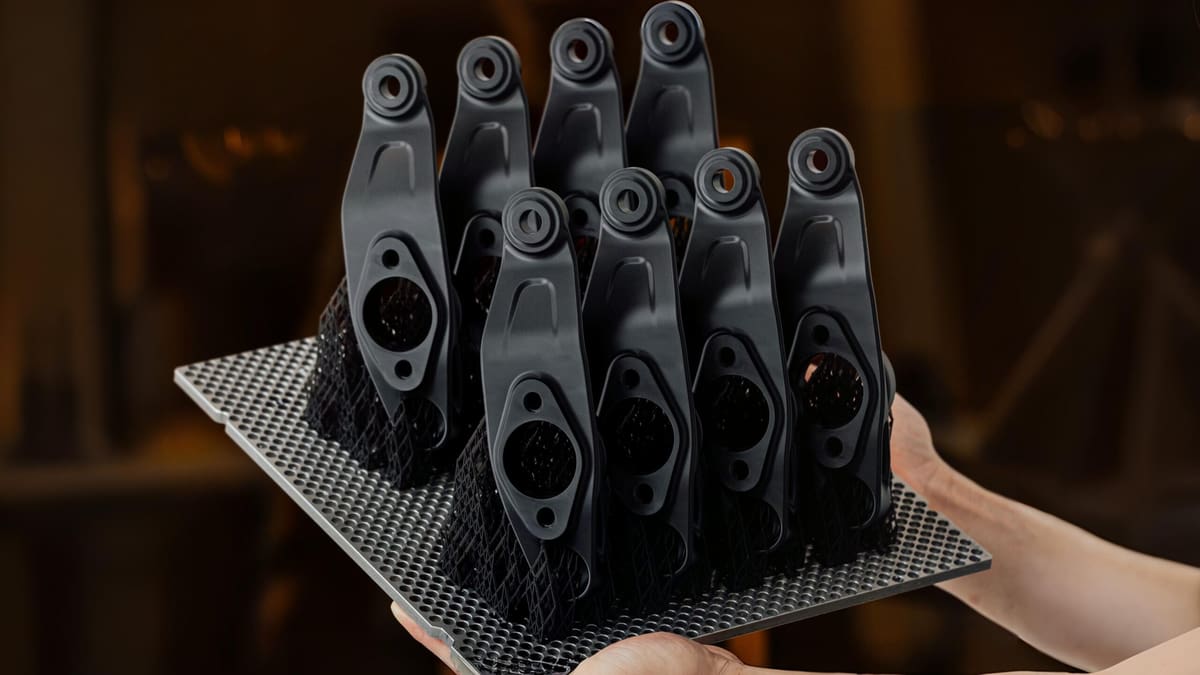
3D Systems: Accelerating Production & Slashing Costs with 3D Printed Jigs, Fixtures, & Tools

In a rapidly evolving manufacturing industry, staying competitive means constantly looking for ways to be more efficient while also reducing costs, and speeding up production.
While additive manufacturing (AM) has been a game-changer for prototyping, a new generation of large-format industrial printers is now transforming the production floor. The secret? Using these powerful machines to create essential manufacturing aids like jigs, fixtures, and quality tools.
Until recently, the size limitations of 3D printers made it difficult to print large objects in a single piece. But with advanced systems like 3D Systems’ EXT Titan Pellet series, manufacturers can now produce sizable, high-quality production tools with unprecedented speed and cost-effectiveness. So, how exactly does 3D Systems’ technology help manufacturers get to market faster?
Shifting from Subtractive to Additive
Subtractive manufacturing starts with a block of material and removes sections of it to create the desired shape – like a sculptor chipping away at a block of marble. This process can be slow and wasteful, especially for complex parts, and often requires multiple pieces to be machined and then assembled.
Additive manufacturing, on the other hand, builds a part layer by layer, only using the exact amount of material required. This provides a high degree of design freedom, allowing engineers to create complex, lightweight parts. For example, a single, 3D printed tool can replace a complex assembly of dozens of individually machined components. This can significantly reduce part count, assembly labor, and inventory management.
Shifting to AM also means faster iteration. During the development phase, a new tool can be designed and printed in a matter of hours or days, allowing for rapid testing and refinement. This fast feedback loop is simply not possible with conventional processes that can take weeks to produce a single part.
Why Pellet Extrusion is a Game-Changer for Large-Scale Tools
While many 3D printers use filament, large-format industrial printers are increasingly turning to pellet extrusion technology. Pellets are essentially raw, granular plastic material—the same kind used in traditional injection molding. They provide several key advantages crucial for manufacturing applications:
- Lowest Material Cost: Pellets are significantly cheaper than traditional filaments, often costing up to 10 times less. For large tools that require a lot of material, this translates to substantial cost savings.
- Faster Print Speeds: Pellet extrusion systems can deposit material much faster than filament-based printers, sometimes up to 10 times quicker. This drastically reduces print times, allowing for a faster turnaround on large parts.
- Wider Material Availability: Because pellets are the standard form for most thermoplastics and composites, there is a broader range of materials available. This allows manufacturers to use high-performance, industrial-grade plastics and composites that match the durability requirements of their applications.
A Real-World Example: The 3D Printed Quality Gage
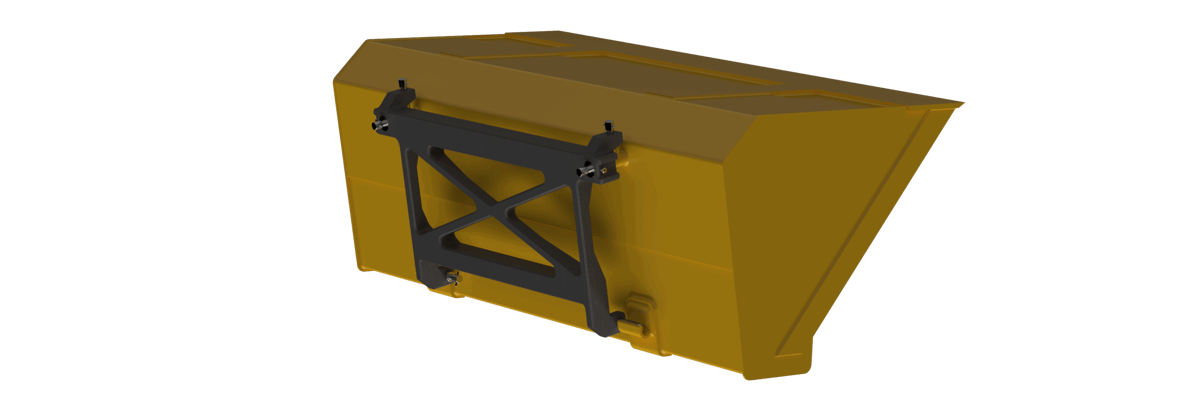
To truly understand the impact of this technology, let’s look at a concrete example: a quality gage used to inspect a car bucket. Conventionally, this tool would be made from multiple pieces of aluminum alloy, a process that is time-consuming and expensive.
By using an EXT Titan Pellet printer and a carbon fiber-filled polycarbonate (PC CF30), the entire gage was printed as a single, consolidated piece. The results are eye-opening:
- Cost Reduction: The total cost of the 3D printed gage was just $344, a staggering 80% decrease from the $1,760 estimated for the conventional version. The raw material cost alone was cut by more than half.
- Weight Savings: The finished tool was 41% lighter than its aluminum counterpart, dropping from 8.1 kg to just 4.8 kg. This is a massive benefit for workers who have to handle the tool all day, as it reduces fatigue and improves ergonomics.
- Lead Time: The entire process from printing to post-processing took just 2 days, compared to the 3 to 4 weeks required for traditional manufacturing.
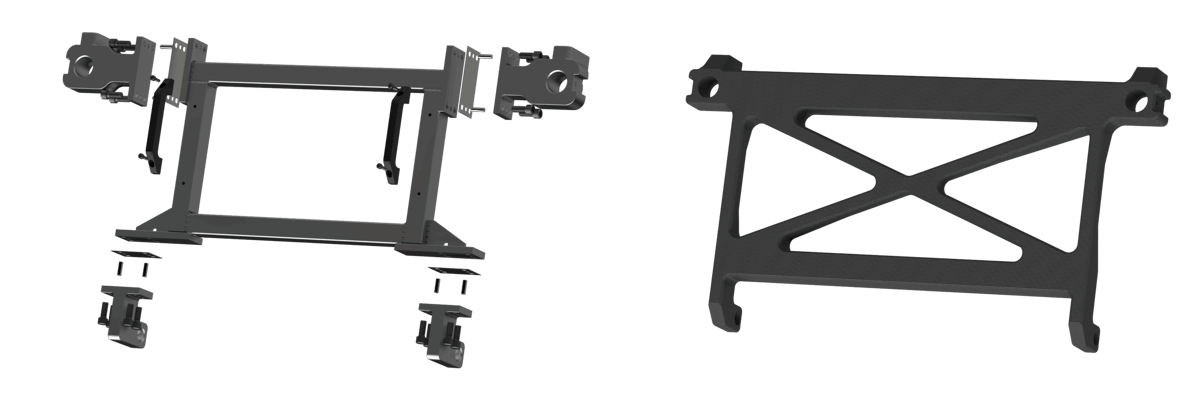
- Part Consolidation: The final product was a single, large piece, replacing a complex assembly of 48 individual parts. This eliminates the risk of assembly errors, simplifies inventory, and improves the tool’s overall reliability.
Workflow and Expertise
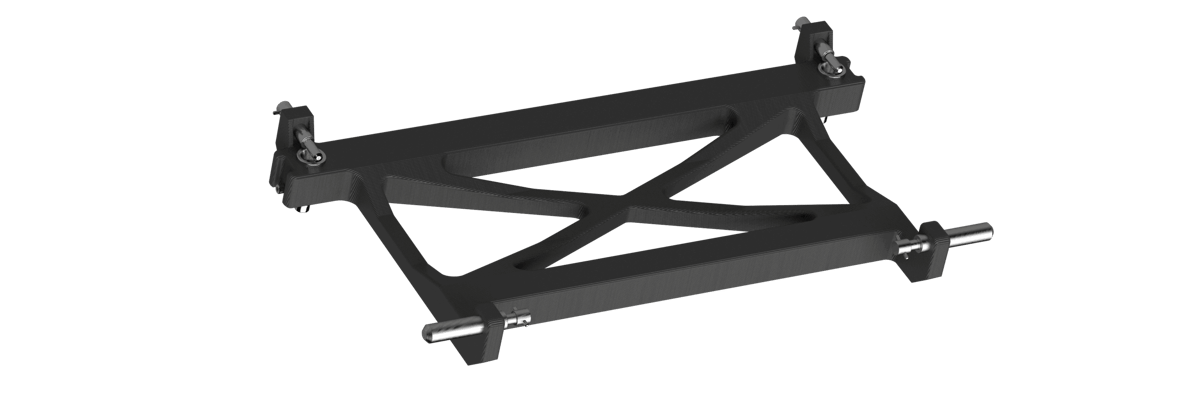
While the technology itself is impressive, the success of this application also relied on a smart workflow. Since the goal was high-precision quality, the part was designed with post-processing in mind. The print wasn’t intended to be a finished product right out of the printer; rather, extra stock material was intentionally added in the design file to be later machined with a CNC machine.
This hybrid workflow combining the speed and design freedom of 3D printing with the precision of CNC machining is best practice for high-accuracy applications. After the part was printed and cooled to a standardized temperature, a multi-axis CNC machine was used to precisely finish the critical features, ensuring it met all dimensional standards.
In addition, having an in-house expert, or “technology champion,” is crucial for successful integration. Partnering with a company like 3D Systems allows manufacturers to receive the necessary training and support to streamline their processes, from file setup to finished part.
A Competitive Future
As manufacturers continue to seek a competitive edge, large-format 3D printing offers a powerful solution. It’s no longer just a tool for prototypes or small parts; it’s a strategic asset for producing robust, cost-effective, and high-performance manufacturing aids. By leveraging technologies like pellet extrusion, companies can dramatically reduce costs, shorten lead times, and consolidate their production workflows, paving the way for a more agile and innovative future.