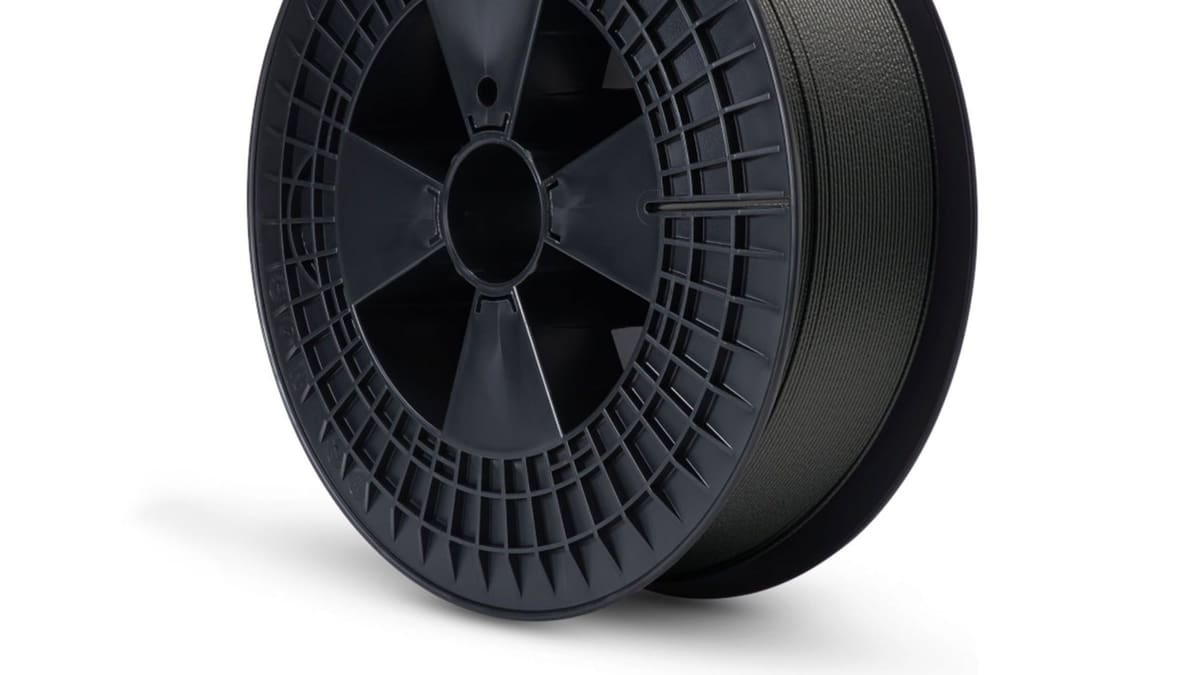
10 Nylon Filaments That Are Worth 3D Printing With, From Budget to Pro

Ready to move on from PLA? Nylon is the go-to material for strong, flexible, and durable parts, but which filament is worth your cash.
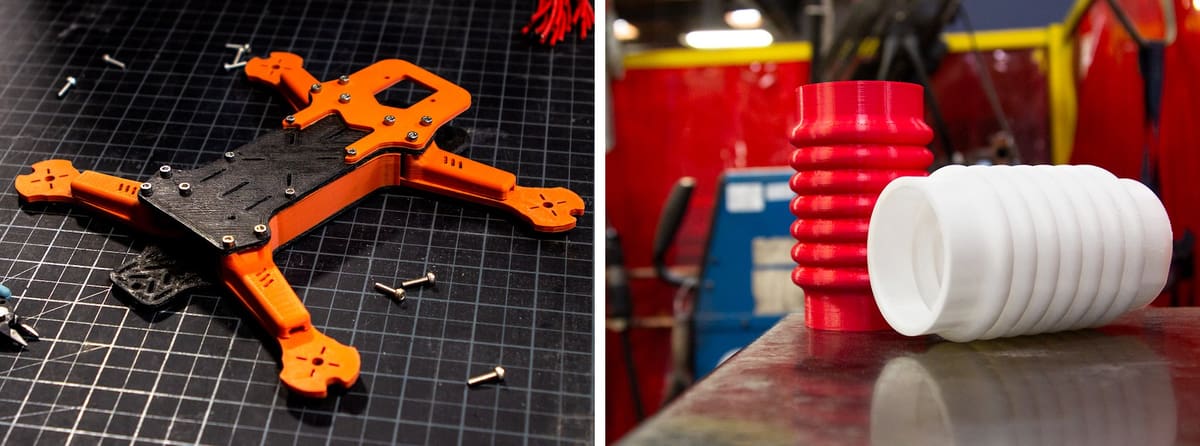
For makers and engineers ready to move beyond breakable, basic PLA prints, nylon is the ideal next step. Although PLA is typically less expensive and often easier to use, nylon offers excellent impact resistance, wear tolerance, and long-term durability — perfect for end-use parts, gears, hinges, brackets, and mechanical components.
As 3D printer capabilities improve — with better hot ends, enclosed chambers with better temperature control, and humidity-controlled filament stations — it’s easier to avoid the challenges that one plagued printing with nylon, like warping and moisture issues. Nylon has become more accessible. It unlocks a new level of performance that PLA simply can’t match, whether you’re building functional prototypes or end-use spare parts.
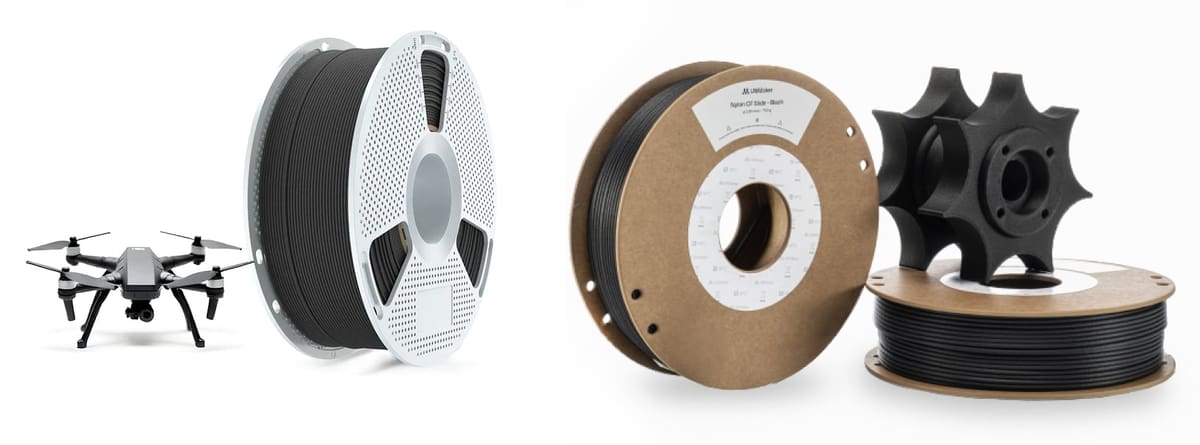
One problem, though, is that there are a lot of different types of nylon, technically known as polyamide (PA). There are more types of nylon than types of PLA, from sustainable-ish bio-based nylons made of castor oil on one end of the nylon spectrum to fossil-fuel-based nylons on the other. You can embed nylon with glass fibers, carbon fibers, and Kevlar. There’s specially formulated high-temperature nylon and even recycled nylon from commercial products, including discarded fishing nets. There’s PA6, PA6/66, PA11, and PA12, ranging in price from $30 a kg to more than $200.
Here we’ll take a little of the mystery out of nylon (although we go more in depth in our Ultimate Guide to Nylon) and give you the info you need to select the right filament for your needs and not overspend on nylon.
Our comparison chart of nylon types is at the end along with our nylon filament printing and storage tips.
At All3DP, we print with a lot of nylon, and although we haven’t tried every brand, here are some of our top picks, from budget to performance staple to engineering grade.

What Sets Nylons Apart
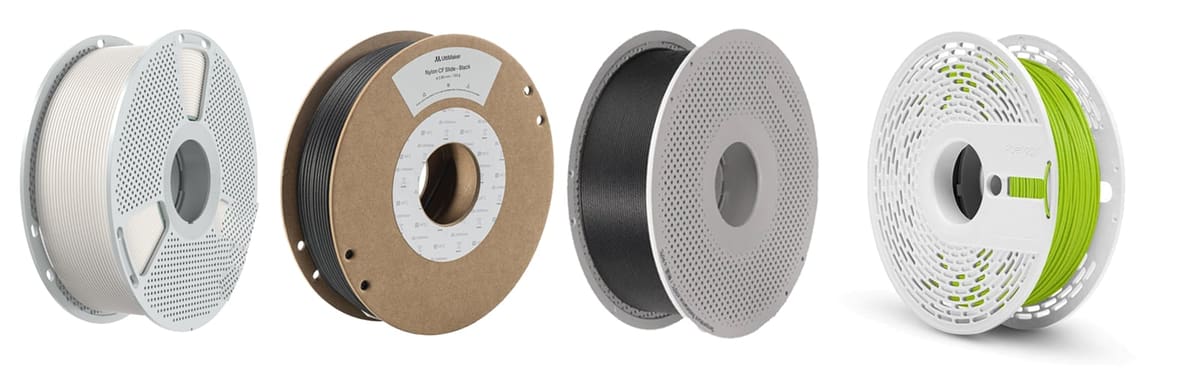
If you’re shopping around for nylon filament, every product description will end up sounding about the same. All brands say that their nylon has low warping and great layer adhesion; that it exhibits good resistance to oils, fuels, and lubricants; that it has a high impact strength and good mechanical properties; and parts 3D printed are strong, durable, and shows good resistance to wear and abrasion. These are the standard attributes for all nylons.
What sets them apart may just be the quality of the manufacturing and the type of polymer blend, which results in consistency spool after spool. Your nylon isn’t just pure nylon, there are additives (typically a proprietary formula) to boost performance, thermal behavior, moisture resistance, and other attributes.
Nylon Basics
- Strongest/Stiffest: CoPA6/66
- Most Tough/Flexible: PA11
- Most Dimensionally Stable: PA12
- Most Affected by Moisture: PA6
Carbon fibers in nylon boost strength and stiffness, but lower flexibility.
Glass fibers in nylon boost strength, stiffness, and impact resistance.
Kevlar fibers in nylon boost impact resistance and resistance to wear over time.
Our 10 Favorite Nylons
*Prices vary by reseller and if the materials is only offered is 1 kg or 0.75 kg spools, we’ve calculated the price as if it were 0.5 kg.
Budget Picks
Although a decent 1kg-spool of PLA could start at about $20, don’t expect to take home a 1kg-spool of nylon for any less than $30. Nylon PA6 tends to be the most affordable, followed by PA6/66, PA11, PA12, then the composite varieties, such as carbon fiber infused or kevlar infused.
Regardless of price, always opt for a filament that comes with a technical data sheet and specific print parameters, which may only be a starting point depending on your FDM 3D printer.
eSun ePA Nylon
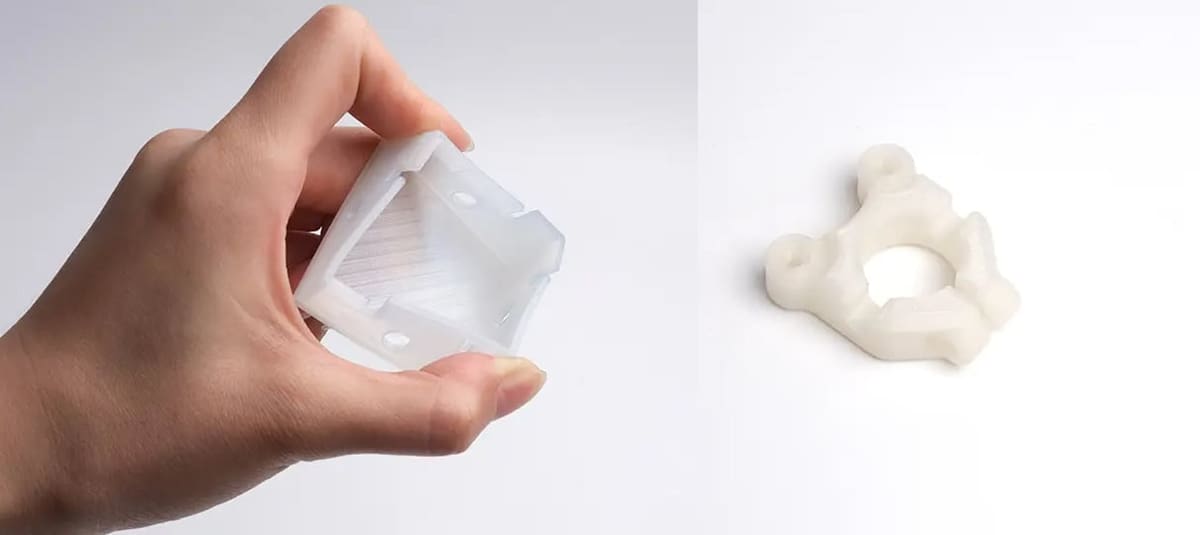
The eSun ePA Nylon filaments come in a light, natural color and a clear version. The light is ideal for painting, while the clear is for those times when you need something more temperature resistant and wear resistant than PETG or PA. It’s also flame retardant, with a level of UL94-V2. For first layer adhesion, a first-layer print speed of 10 mm/s works well with a PVA glue stick on the bed surface. For larger models, it’s recommended that you use a thicker brim as well as increase the flow rate since this filament tends to warp more than others.
It’s another nylon 6/66 copolymer with an elongation at break of up to 175%, which can print strong and durable parts with high fracture resistance. eSun also makes nylon in black, high temp, and carbon fiber.
Sunlu Easy PA
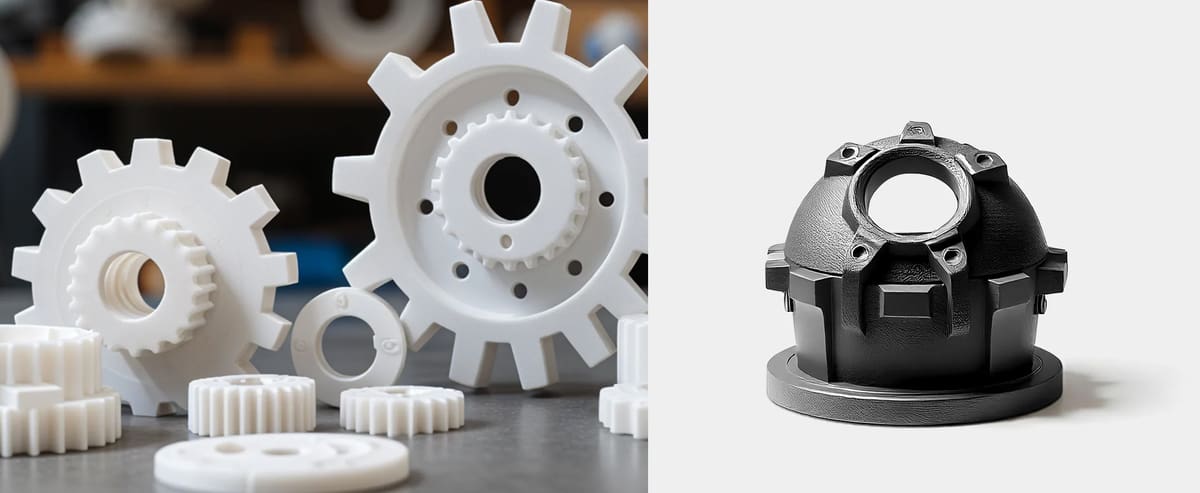
Sunlu Easy PA (or ePA) filament is a versatile material based on a nylon 6/66 copolymer, which means that it’s easier to print than pure PA66 and more robust than PA6.
This copolymer delivers good strength and impact resistance. Its durable, shock-resistant properties make it ideal for parts that need to endure drops. It has a low shrinkage rate during the printing process.
Performance Picks
Polymaker PolyMide CoPA
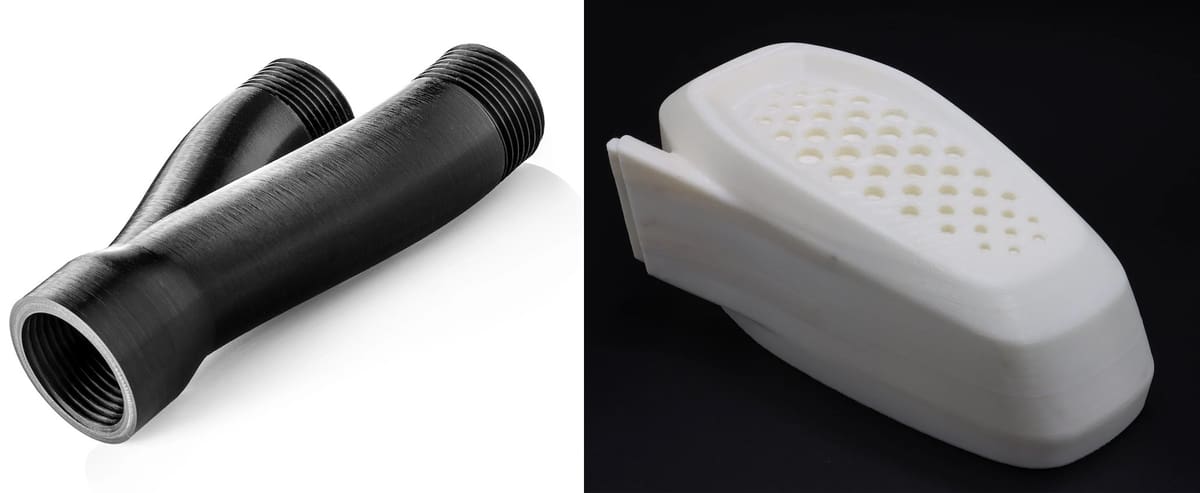
PolyMide CoPA is a copolymer of Nylon 6 and Nylon 6.6 combining high tensile strength properties from Nylon 6 with heat resistance properties from Nylon 6.6. Warp- Free technology provides ease of printing by slowing down the crystallization allowing CoPA to be easily printed on open bed printers. Displaying outstanding mechanical and thermal properties, CoPA is suited for parts in demanding environments.
MatterHackers Pro Series Nylon
MatterHackers Pro Series Nylon is a nicely priced, high-quality filament with a wide range of uses. We have to admit, one of the reasons we like it — apart from the print quality — is the range of colors. Nylon takes to dyes and paint well, but if you don’t want the extra step, MatterHackers Pro Series Nylon is one of your only choices for blue, red, yellow and other useful colors. Bambu Lab also offer eight colors of its PA6-GF.
What we don’t really like about this nylon is that MatterHackers won’t say which type of nylon it is. The company provide loads of information on its technical specs and the mechanical properties of parts printed with it, plus comprehensive printing parameters, but if you’re committed to sustainable materials you’ll be in the dark here (although we highly suspect it’s a PA12).
FormFutura Styx PA6
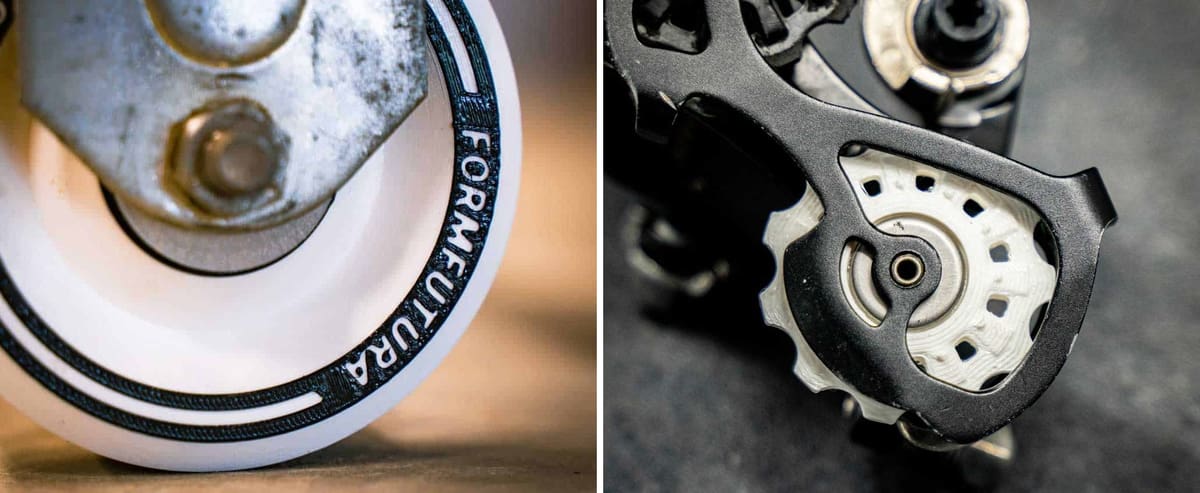
Styx PA6 is an easier to 3D print nylon filament compared to many PA6 filaments. It’s a monofilament (not a blend) manufactured in the EU. We’ve found that it offers a good balance of strength, durability, and printability, for the price, making it suitable for any type of functional part.
It possesses good electrical insulating properties, which makes it good for electrically insulating parts, such as housing for any type of electronic.
FormFutura makes two other types of Styx nylon, a PA6-GF30 and a PA6-CF15.
Prusament PA11 Carbon Fiber
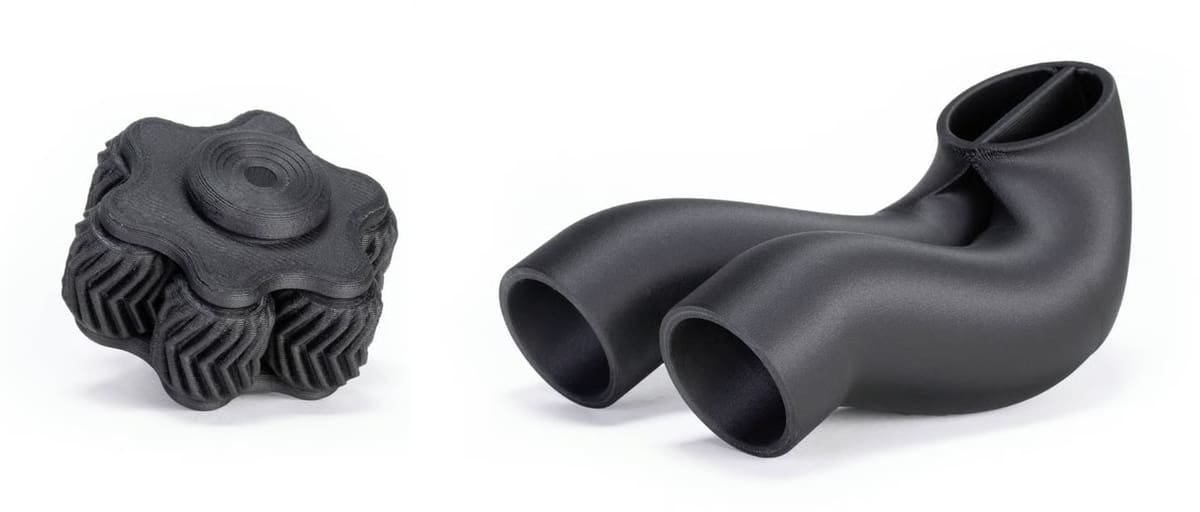
Among the Prusament filaments, Prusament PA11 Nylon Carbon Fiber has by far the best temperature and chemical resistance. Printed parts withstand up to 190°C (depending on stress) and have increased resistance to many solvents. We recommend using our PA Nylon steel sheet for printing polyamides, including Prusament PA11 Carbon Fiber.
This PA11 is a material made from castor oil, the carbon fibers used for this material are recycled, so it’s our sustainable top pick.
Bambu Lab PAHT-CF Black
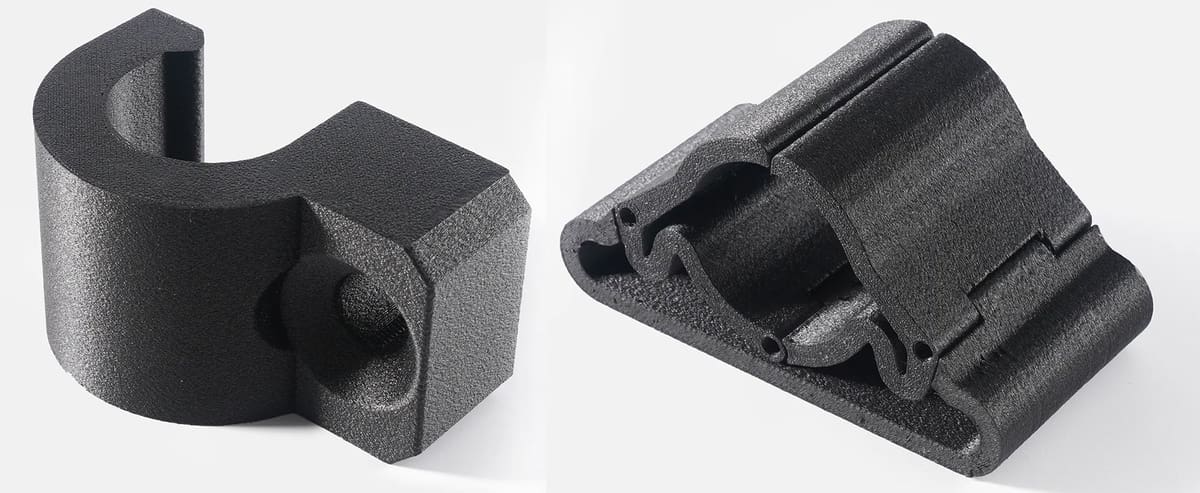
Bambu PAHT-CF is a composite material of PA12 with embedded carbon fibers and the HT stands for high temperature. With a 50% lower water absorption rate compared to normal PA-CF, your prints can avoid the moisture problems inherent with nylon, but that doesn’t mean you can leave it out or that it won’t ever need drying. This PAHT-CF comes with a high-temperature resistant spool, which is not prone to deformation in the drying process. Continuing our concept of reducing plastic waste, the spool can also be reused with other Bambu refills.
BambuLab doesn’t say how much carbon fiber is in the nylon. Maybe it’s 15%, maybe less. Bambu Lab offers three other nylons: a PA6-GF (in eight colors), a PA6 CF, and a PPA-CF.
Engineering Picks
Fiberlogy Nylon PA12+GF15
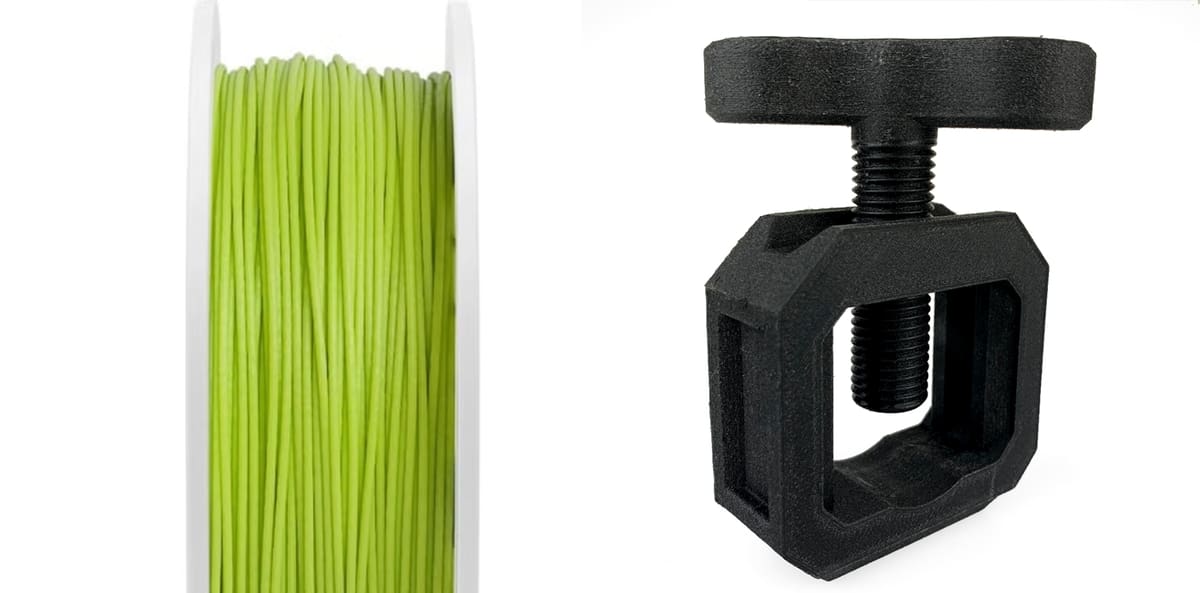
This Nylon PA12 is reinforced with 15% glass fibers to boost its rigidity and durability compared to standard nylon filaments. It’s designed for high impact resistance and parts subjected to variable loads and shocks. The filament’s low shrinkage ensures high dimensional accuracy, allowing for precise printing without a heated chamber (although we’ve always recommended a heated one).
Four hours of drying at 80°C is recommended before each use.
Forward AM Ultrafuse PAHT-CF15
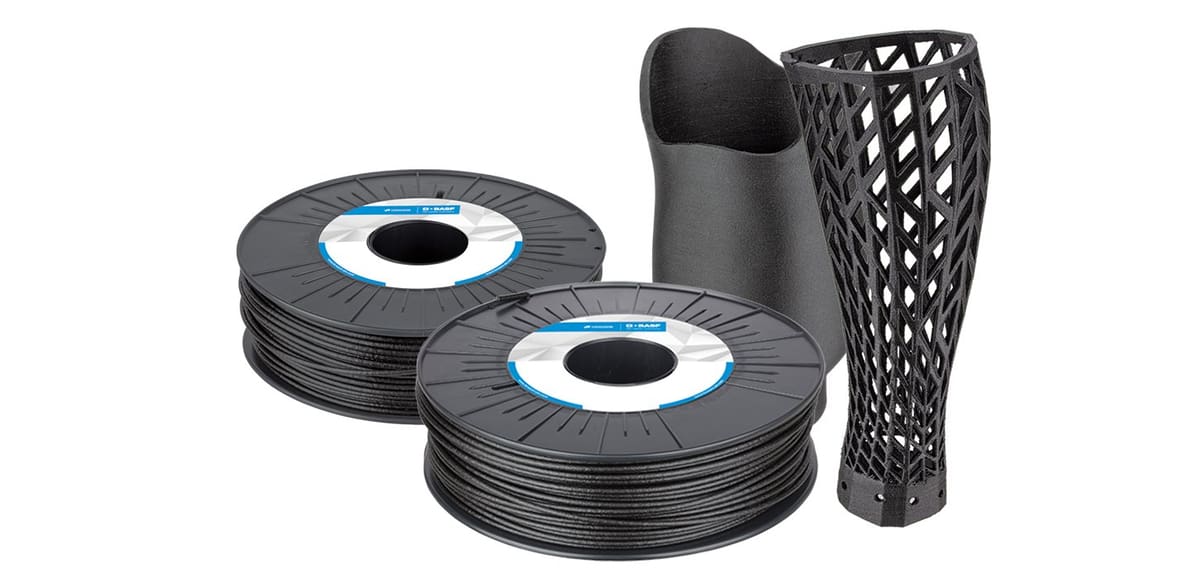
Here’s another HT nylon, which is designed for parts that will be used in high-temperature environments. This PAHT CF15 from Forward AM, a Stratasys company, has 15% carbon fiber reinforcement for enhanced mechanical strength and dimensional stability. Parts made with this material can withstand continuous operating temperatures up to 150 °C.
It’s also suitable for applications requiring electrostatic discharge (ESD) safety. It prints well with BVOH and HIPS as support materials in a dual-extruder 3D printer so you can achieve more complex geometries. It’s another nylon that doesn’t disclose which type of nylon, but again, we suspect it’s a PA12.
UltiMaker Nylon CF Slide
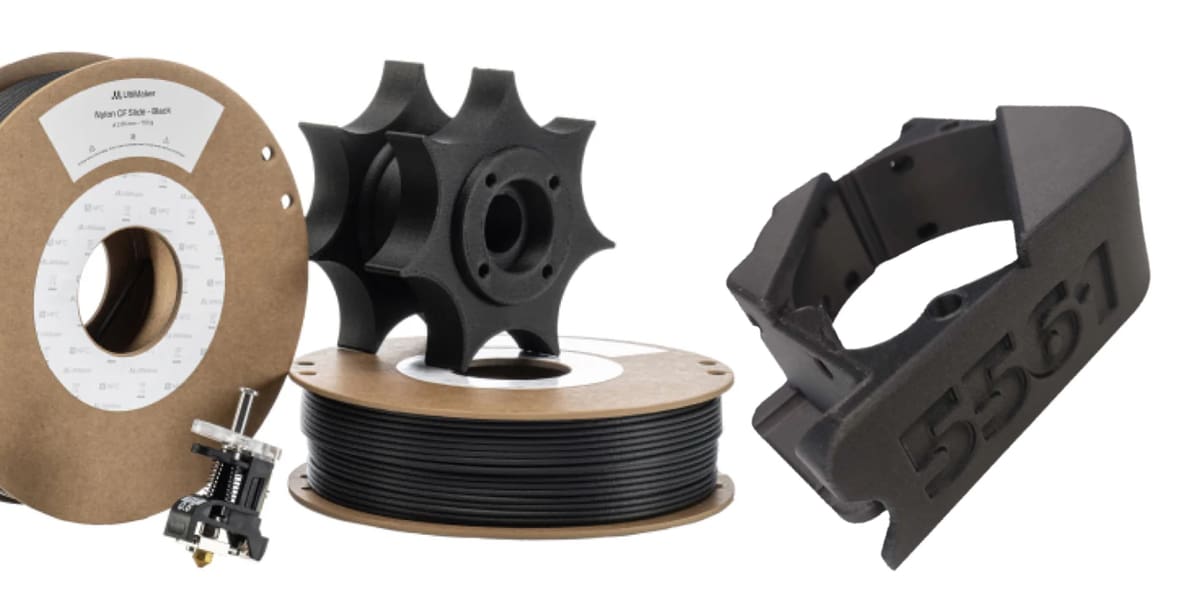
This is a new nylon composite filament just launched by UltiMaker this year. It’s a unique nylon copolymer PA6/12 with carbon fiber offering wear resistance and temperature resistance of up to 180°C. It’s called “slide” because of its low friction and high wear resistance formula, ideal for parts involving sliding contact with other materials, such as stainless steel. After annealing, the filament can withstand temperatures up to 180°C, suitable for high-temperature applications.
Of course, UltiMaker filaments only come in 2.85 mm diameter, which limits their applicability.
Bonus: Recycled Nylon
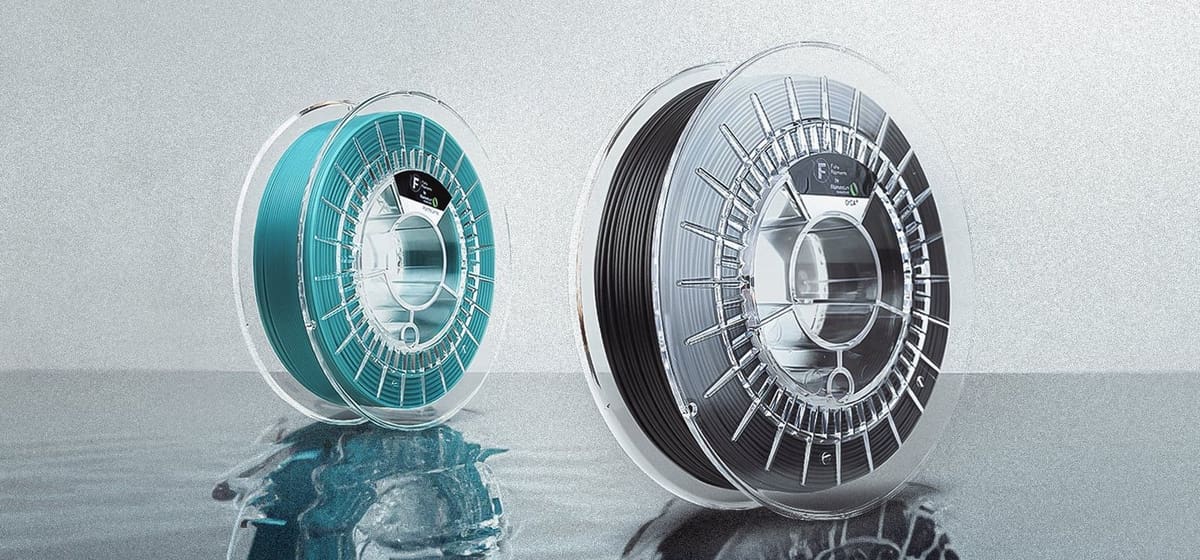
Nylon filament made from recycled nylon retains much, if not all, of the properties you buy nylon for. The added bonus is that you’re not adding new nylon to the plastic waste problem. Unfortunately, there aren’t a lot of options for recycled nylon, but the ones we particularly like include:
- Fillamentum Fishy Filaments: 100% recycled nylon PA6 that comes from used fishing nets
- Fiberlogy R Nylon: Sourced from various certified materials
While your recycled nylon can be recycled again, nylon with carbon, glass, or Kevlar fibers is hard to shred and recycle like regular nylon. Right now, a lot of carbon fiber nylon waste ends up in landfills or gets incinerated. Because of that, some manufacturers are going back to using metals like aluminum since they’re easier to recycle when a product reaches the end of its life. This is one of the challenges the additive manufacturing world is working to solve, with ongoing research into how to reclaim carbon fiber printed parts. If you want to make your use of carbon fiber more sustainable, consider starting with materials made from recycled carbon fiber and polymers.
Printing & Storage
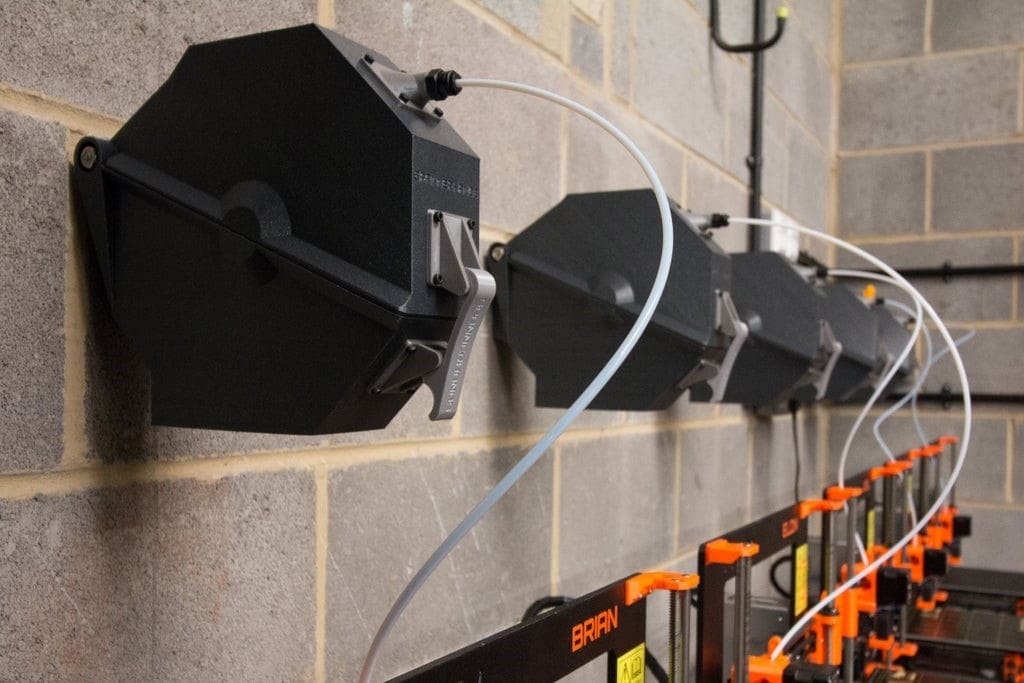
Nylon used to be quite a challenging material to print with, but manufacturers have made it much more approachable in recent years. While you shouldn’t expect it to print as easily as PLA or PETG, printability shouldn’t be a deal-breaker for entry.
- Nozzle temperature: varies by brand
- Bed temperature: varies by brand
- Recommended print beds: Garolite, textured PEI sheets (may require adhesives), glass with glue stick or adhesive, magnetic flexible plates with nylon-compatible coatings like Magigoo PA
- Not recommended print beds: bare glass, Smooth PEI without adhesives, tape, unheaded beds
- Avg. Print speed: 25-50 mm/s
- Fan speed: 0-50%
- Enclosure: Recommended
Nylon filament can be a little bit challenging to print due to its tendency to warp. The best surfaces that you can use are Garolite sheets and glass sheets. PEI usually doesn’t stick well to PA. To obtain the best results, you should use a PVA glue stick on the build plate to avoid warping, especially on small features and corners.
You should also remember that bed temperature is crucial for good adhesion with this material. Try setting it to 70 °C and work your way up to 90 °C if the filament refuses to stick to the plate.
While these general settings should serve you well, materials vary by manufacturer. Before printing anything, it’s always a good idea to check the recommended settings.
Fragile: Keep Dry How to Dry Filament: PLA, ABS, Nylon & More
Dry Storage
Proper storage for nylon is critical. The variants used in 3D printing are extremely hygroscopic, meaning they absorb moisture. This moisture degrades the material and yields poor print quality and strength.
To avoid wet filament problems, store your filament in a dry environment. We recommend a few options in our filament storage guide. Since nylon can go bad in even a few hours, we also recommend printing directly from a humidity-controlled container. This could be a dry box with a filament feed hole or a humidity-controlled spool holder.
Should your nylon pick up some moisture, you’ll want to dry your filament.
Comparison Cart of Nylon Types
Characteristics of Different Types of Nylon
License: The text of "10 Nylon Filaments That Are Worth 3D Printing With, From Budget to Pro" by All3DP Pro is licensed under a Creative Commons Attribution 4.0 International License.
CERTAIN CONTENT THAT APPEARS ON THIS SITE COMES FROM AMAZON. THIS CONTENT IS PROVIDED ‘AS IS’ AND IS SUBJECT TO CHANGE OR REMOVAL AT ANY TIME.